The Truth About the Easiest Way to Remove Acrylic Nails

If you’ve ever had acrylic nails, you know the feeling. They look amazing for weeks, but then it’s time to take them off.
Maybe they’ve grown out too much, or your natural nails need a break. Sometimes you just want a fresh look.
Here’s the good news: I’ll show you how to remove acrylic nails at home without a salon visit or expensive tools.
The best part? Every method I share is safe when done correctly. Your natural nails stay healthy, and you won’t break the bank.
This guide covers everything you need to know about removing your acrylics safely at home.
What Are Acrylic Nails?
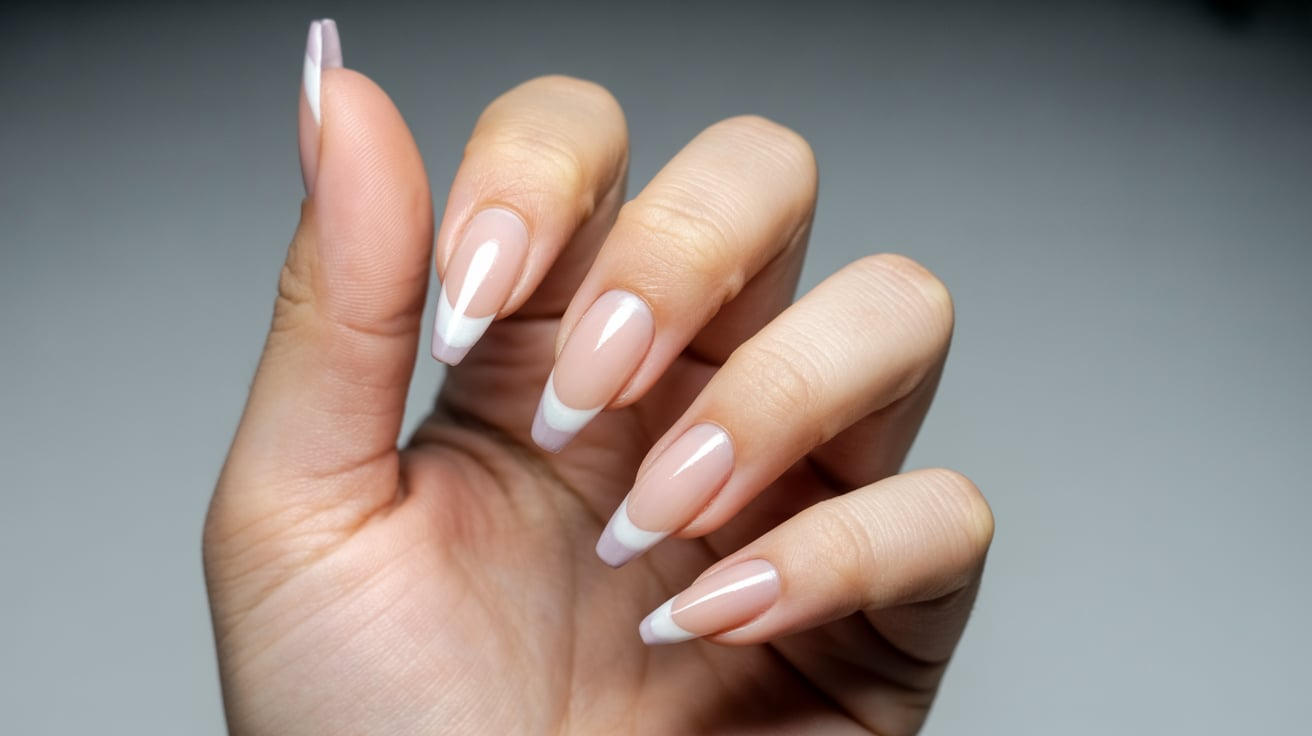
Acrylic nails are extensions made from combining acrylic powder with liquid monomer. When these two mix, they harden quickly to create a durable surface.
That’s why acrylics last so long. They’re tough and can handle daily wear without chipping easily.
People love them for good reason. They prevent nail biting, allow for creative designs, and give nails a polished look that lasts weeks.
Fred Slack, a dentist, actually invented them in 1954. He broke his nail at work and used dental acrylic to fix it. The rest is history.
Most professionals recommend removing or filling acrylics every two months. After that, they start to lose adhesion and can trap moisture or bacteria.
Proper removal matters. Picking or pulling them off damages the nail bed and causes pain. Following the right method keeps natural nails healthy.
The Easiest Way to Remove Acrylic Nails at Home
Finding the easiest way to remove acrylic nails depends on what materials someone has at home and their sensitivity to chemicals.
Acetone Soak Method (The Fastest Option)
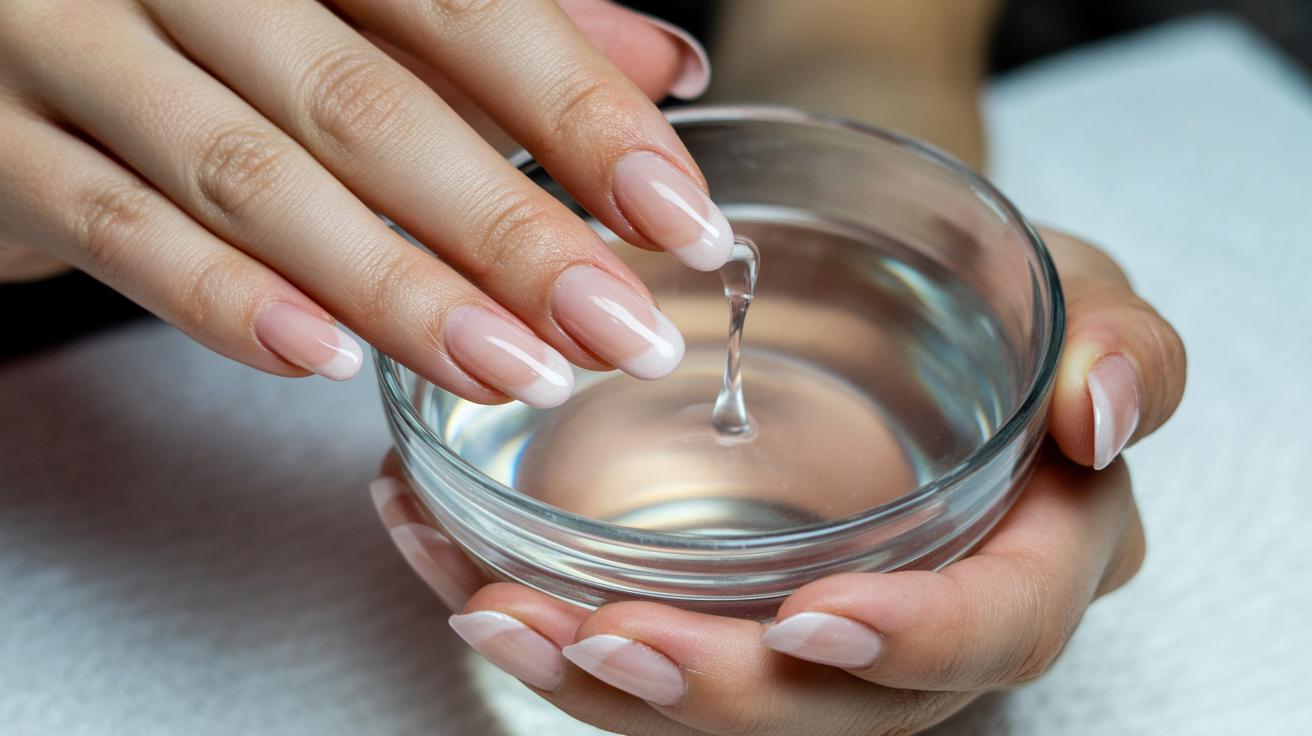
This is what most nail techs consider the easiest way to remove acrylic nails. Acetone breaks down the acrylic structure quickly and efficiently.
The entire process takes about 15 to 20 minutes. That’s faster than most other methods.
Here’s what’s needed: nail clippers, a file, 100% pure acetone, cotton pads, foil or nail clips, and a cuticle pusher.
The acetone does the heavy lifting. It softens the acrylic so it slides off without force.
Hot Water Method (Chemical-Free Alternative)
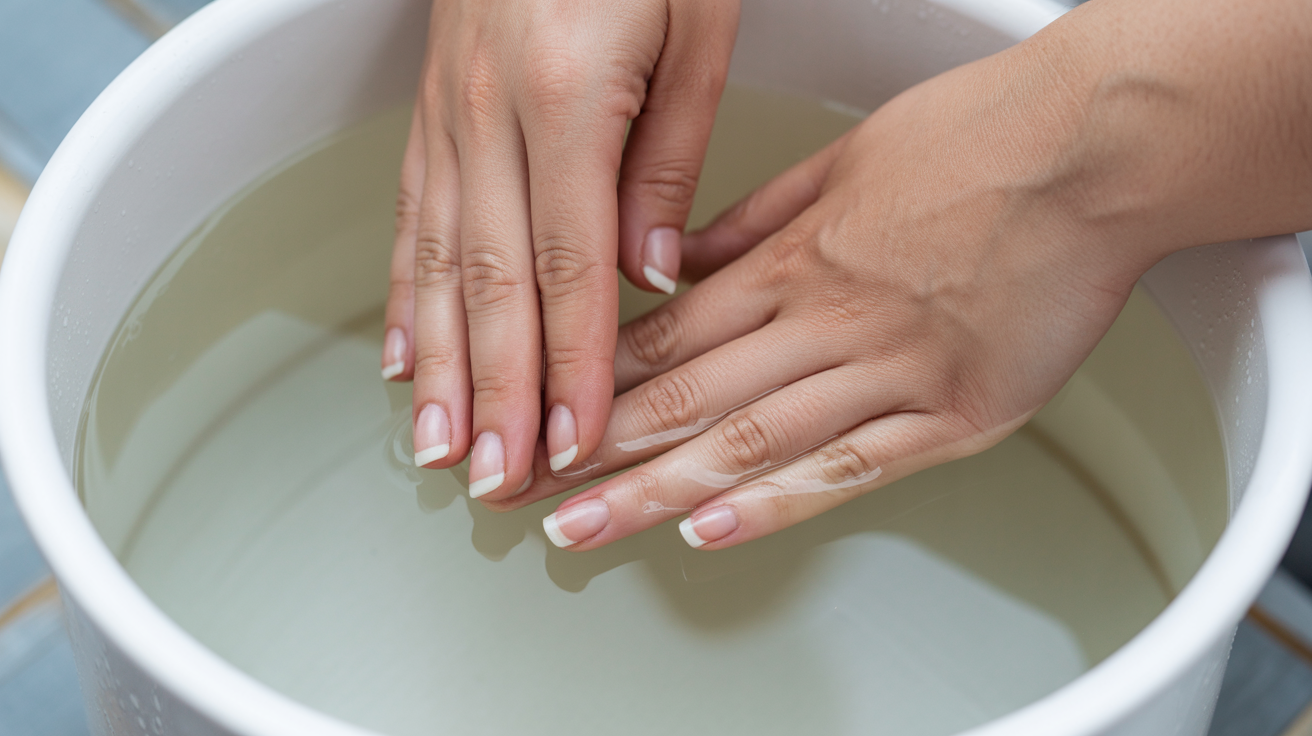
Some people avoid acetone due to sensitive skin or the strong smell. That’s where hot water comes in.
This method is gentler on skin and nails. It relies on heat and moisture to loosen the bond between acrylic and natural nail.
The process takes 20 to 30 minutes. A bit longer than acetone, but still manageable.
People with skin sensitivities often find this is the easiest way to remove acrylic nails without harsh chemicals.
Step-by-Step: Removing Acrylic Nails With Acetone
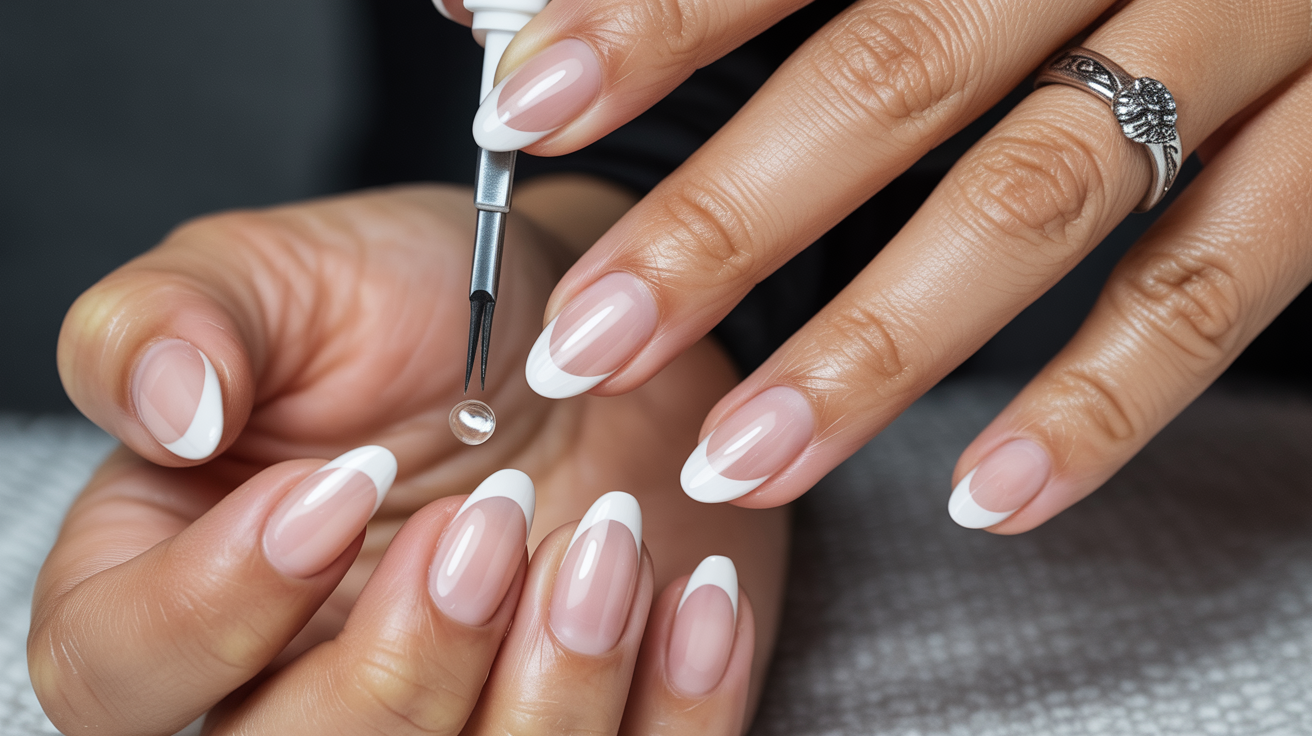
For most people, acetone soaking is the easiest way to remove acrylic nails quickly and completely.
What’s needed:
- Nail clippers
- Nail file or buffer
- 100% pure acetone
- Cotton pads or balls
- Foil or nail clips
- Cuticle pusher or orangewood stick
Step 1: Trim the acrylic length
Use nail clippers to cut the acrylic extensions down. This removes excess length and makes the next steps easier.
Step 2: File the surface
Gently file the shiny top coat off the acrylic. This helps acetone penetrate faster. Don’t file down to the natural nail.
Step 3: Soak cotton in acetone and wrap
Soak cotton pads in pure acetone. Place them on each nail and wrap with foil or secure with clips.
Step 4: Wait 10 to 15 minutes
Set a timer and relax. The acetone needs time to break down the acrylic. Don’t rush this step.
Step 5: Remove softened acrylic
Unwrap one nail and use a cuticle pusher to gently slide off the softened acrylic. It should come off easily.
Other Acetone Free Removal Methods

Not everyone wants to use acetone. There are alternatives that work, though they take more time and effort.
Non-Acetone Nail Polish Remover
This product contains ingredients like isopropyl alcohol and ethyl acetate. These chemicals are less harsh than pure acetone.
The trade-off? It takes longer to work. Plan on soaking for 30 to 40 minutes instead of 15.
The application process is the same as acetone. Soak cotton pads, wrap nails, and wait.
Results vary depending on the product strength. Some brands work better than others.
Cuticle Oil Method
This works best when acrylics are already starting to lift. It won’t remove fully bonded nails on its own.
Soak cotton balls in cuticle oil and wrap nails with foil. Leave them for 30 minutes.
The benefit? This method removes acrylics while nourishing natural nails at the same time.
It’s slow but gentle. Perfect for people with damaged nail beds.
Dental Floss Technique
This only works if acrylics have substantially lifted from the nail bed. Never force dental floss under bonded nails.
A helper makes this easier. One person holds the floss while the other guides it under the lifted edge.
Gently work the floss back and forth in a sawing motion. The acrylic should pop off.
Immediate aftercare is critical. Natural nails will be weak and need moisture right away.
Nail Aftercare: What to Do After Removal
Once acrylics are off, natural nails need care. They’ve been covered for weeks and may be weak or dry.
Remove any remaining glue residue by buffing gently or soaking in warm water. Don’t scrape aggressively.
Apply cuticle oil generously. Massage it into nails and surrounding skin. This restores moisture immediately.
Keep nails hydrated over the next few days. Reapply oil morning and night.
Monitor nail health closely. Look for signs of damage like peeling, splitting, or discoloration.
If serious damage appears or infections develop, see a professional. Sometimes nails need expert treatment to recover properly.
Tips for Safe Acrylic Nail Removal
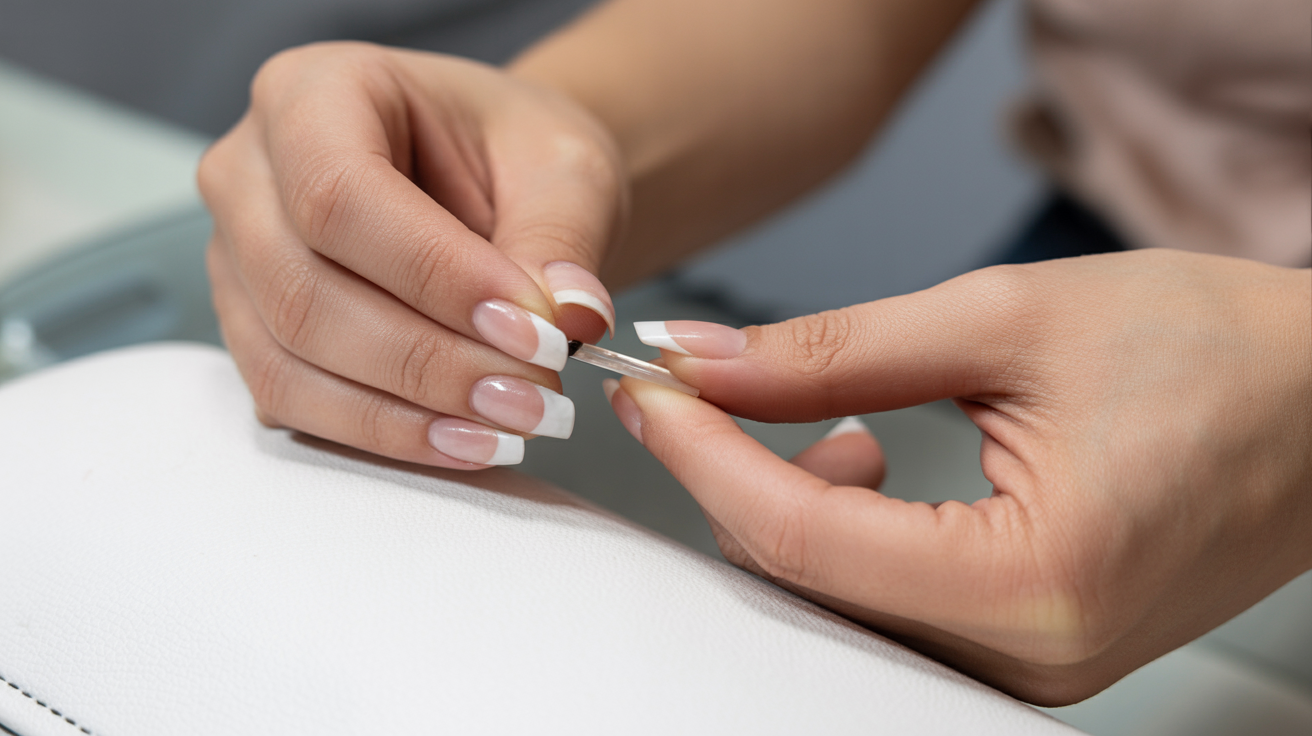
Safe removal protects natural nails from damage. A few simple rules make the process go smoothly.
Patience is everything. Rushing leads to torn nail beds and painful injuries. Taking time prevents problems.
Here are the key points to remember:
- Never force or pull nails off when they’re not ready
- Use quality products like 100% pure acetone instead of diluted versions
- Set aside sufficient time so there’s no need to rush
- Work in a well-ventilated area when using acetone to avoid headaches
Following these guidelines makes removal safe and effective. Natural nails will thank you later.
Conclusion
Removing acrylic nails at home is completely doable. Several methods work well, from acetone soaks to hot water alternatives.
The key? Patience and the right technique. Speed isn’t as important as safety.
Choose a method based on what feels comfortable. Some people prefer acetone for speed. Others like chemical-free options better.
Remember this: Proper aftercare keeps nails healthy between applications. Moisturize daily and give nails breaks when needed.
Ready to try? Pick a method and set aside some time. Natural nails will look great once the acrylics are gone.
Take care of those nails. They deserve it.
Frequently Asked Questions
Can I Remove Gel Polish the Same Way as Acrylic Nails?
Gel polish and acrylics are different products. Gel polish is thinner and comes off easier. Hard gel requires filing like acrylics. Regular gel polish soaks off with acetone but needs less time than acrylics do.
How Long Should I Wait Before Reapplying Acrylic Nails?
Check natural nail health first. If nails are thin, peeling, or damaged, wait two to four weeks. Healthy nails can handle immediate reapplication. Listen to what nails need rather than following a strict schedule.
What Should I Do If My Nail Bed Gets Exposed During Removal?
Stop immediately and clean the area with antibacterial soap. Apply petroleum jelly and cover with a bandage. Soak in warm saltwater twice daily to promote healing. See a doctor if redness or swelling develops.
Is Acetone Damaging to Natural Nails?
Short-term acetone use is safe when done correctly. It temporarily dries nails, but moisturizing afterward fixes this. Long-term repeated exposure can cause dryness. Choose acetone-free methods if using removal techniques frequently. Always hydrate nails after using acetone.
Why Won’t My Acrylic Nails Come Off Even After Soaking?
Several reasons cause this. Water might be too cool, soaking time too short, or the acetone might not be pure. Try extending soak time by 10 minutes. Reheat water if using the hot water method. Confirm acetone is 100% pure, not diluted nail polish remover.