Facial Treatment for Acne: What Works Best?


Dealing with acne is frustrating, especially when nothing seems to work. I’ve been there, trying product after product with little to show for it.
That’s why I put together this guide on facial treatment for acne to give you clear, honest answers without the confusion.
Here, you’ll find out what causes acne and scars, which treatments dermatologists actually recommend, and how to pick the right option for your skin type.
With over a decade of skincare research experience, I know what works and what doesn’t. Let’s get straight to it.
Understanding Facial Treatment for Acne
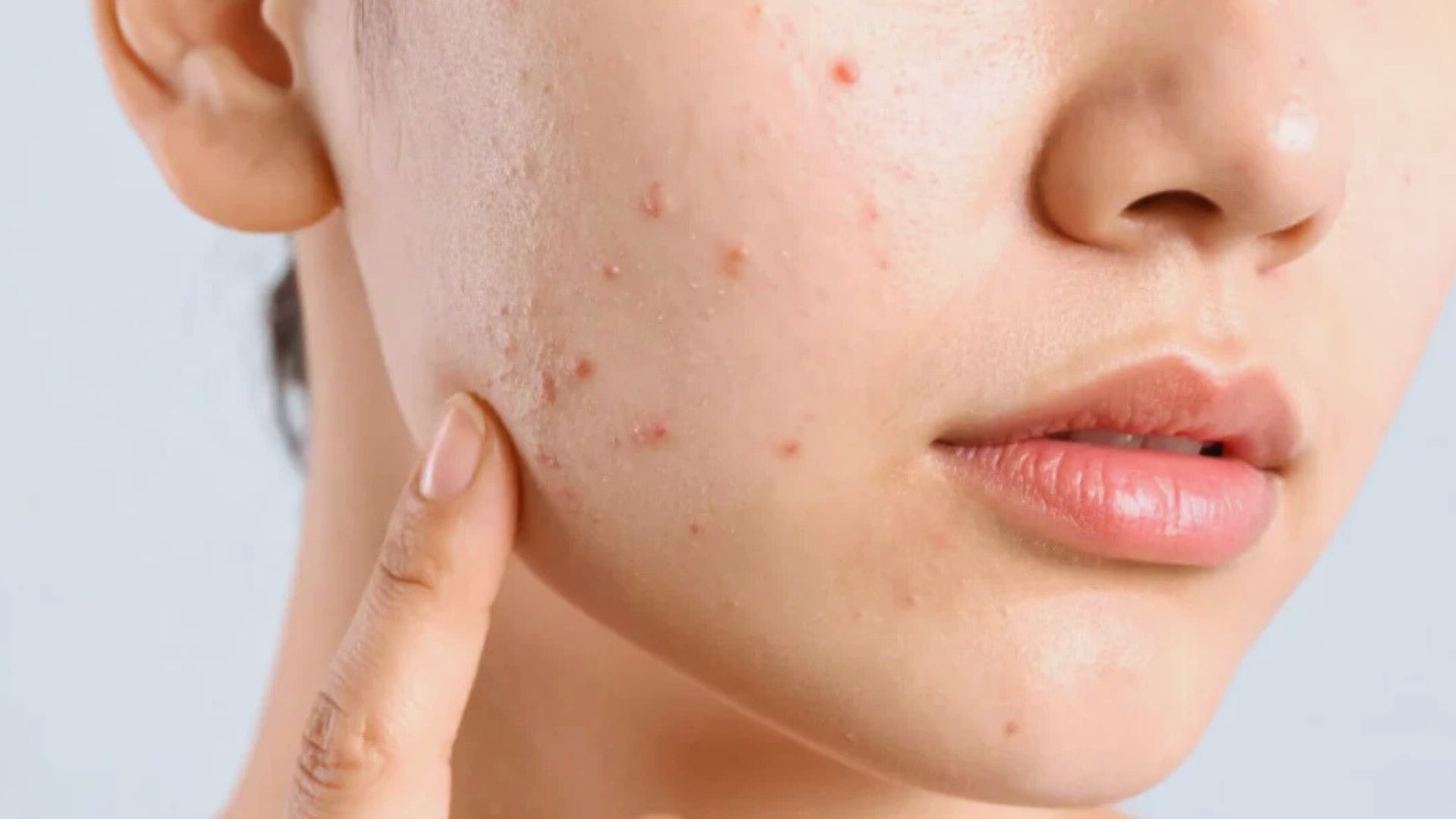
Acne starts when your skin makes too much oil. That oil mixes with dead skin cells, blocks your pores, and lets bacteria grow causing redness and swelling.
Deep or severe acne damages the skin during healing, which leads to scars. The more inflammation, the higher the risk.
Many people turn to regular spa facials, but those are built for relaxation, not treatment. Most use products designed for general skin types, which can actually clog acne-prone pores.
Heavy oils and fragrances in standard facials can trigger more breakouts and do nothing to fight acne bacteria or calm inflammation.
Best Facial Treatment for Acne
These are the treatments that actually show results, backed by skin experts.
Hydrafacial for Acne-Prone Skin
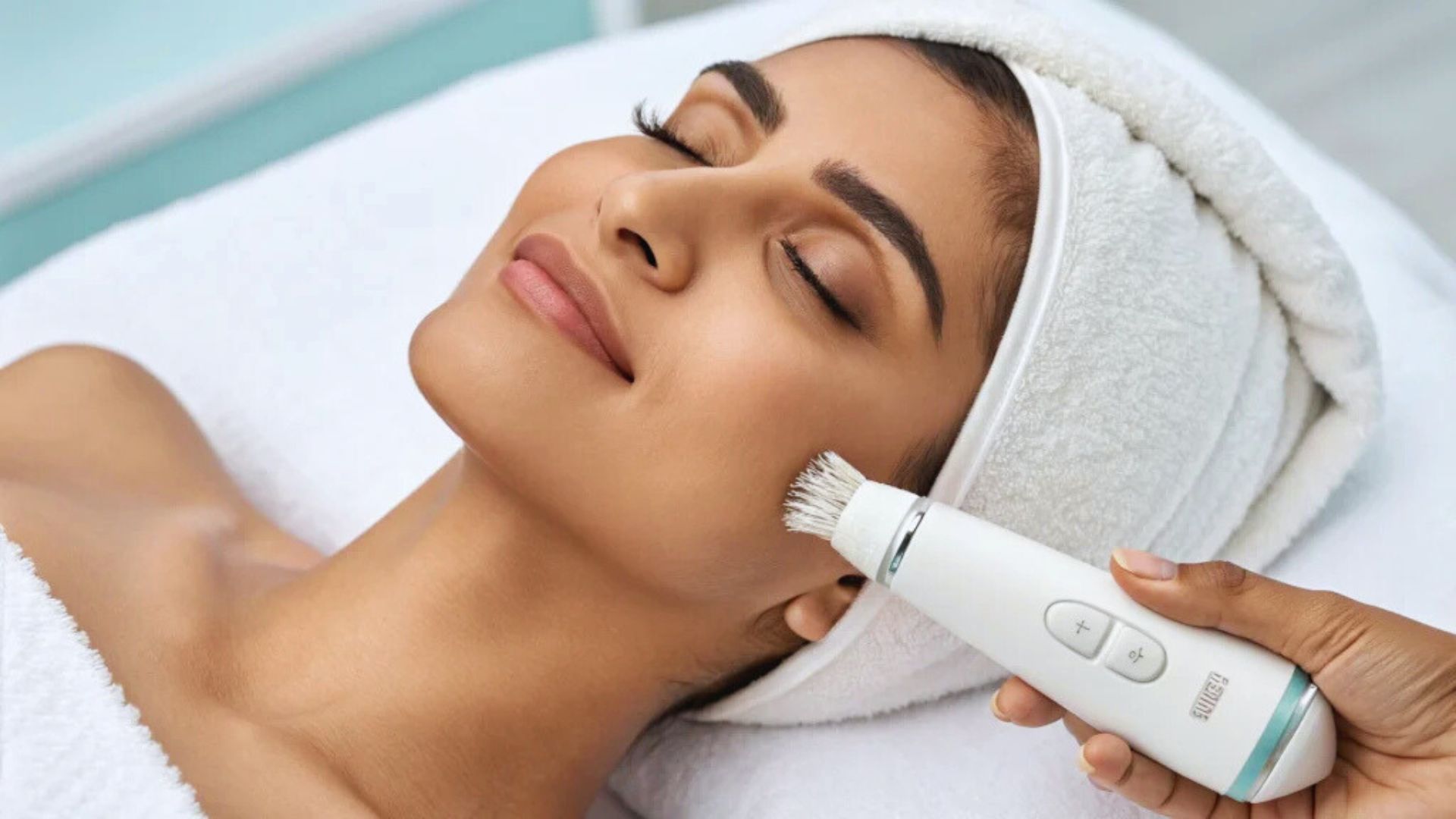
A Hydrafacial deeply cleanses the skin using a vacuum-like tip. It removes dirt, oil, and dead skin cells without harsh scrubbing.
This treatment also infuses the skin with calming serums. It reduces oil production and lowers inflammation. It’s gentle enough for sensitive acne-prone skin.
Chemical Peels for Acne
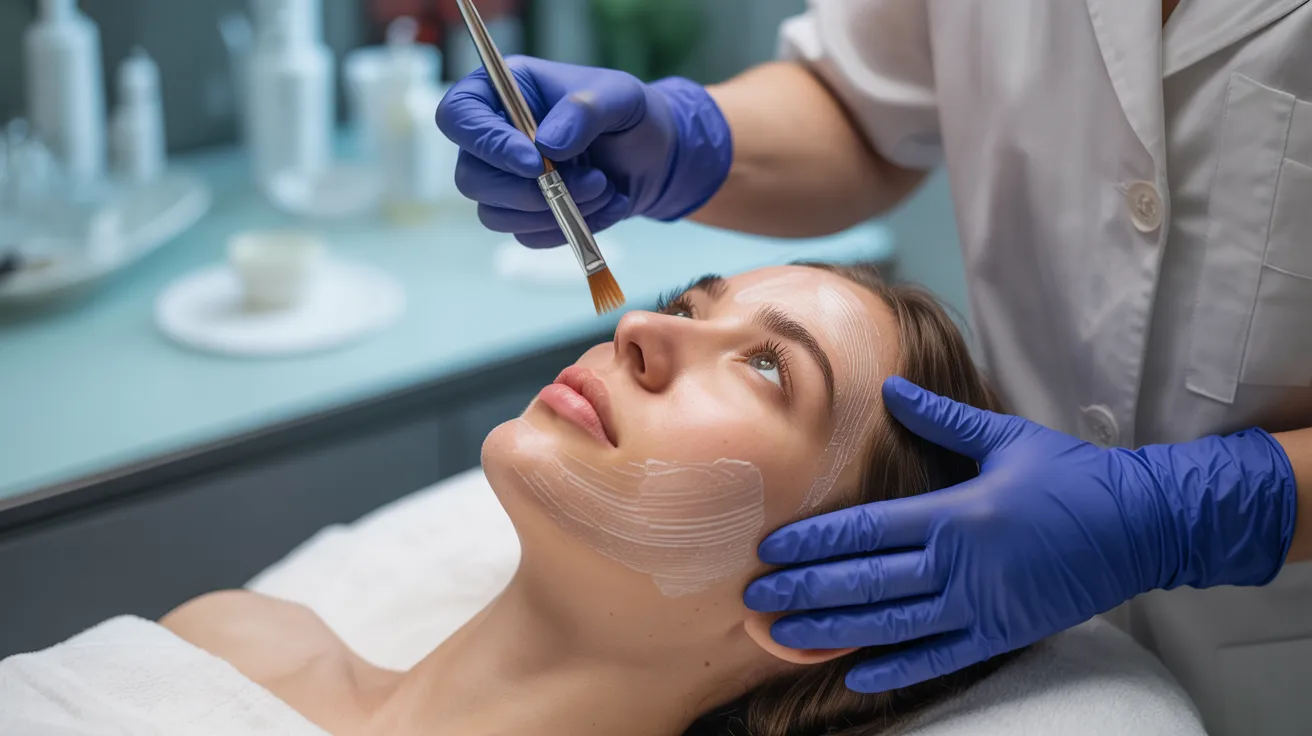
Chemical peels use acids, often salicylic acid to exfoliate the top layer of skin. Salicylic acid goes into the pore and breaks down the buildup inside.
Regular peels help prevent new breakouts from forming. They also improve skin texture over time. A light peel is usually done in a series of sessions for best results.
LED Light Therapy Facials
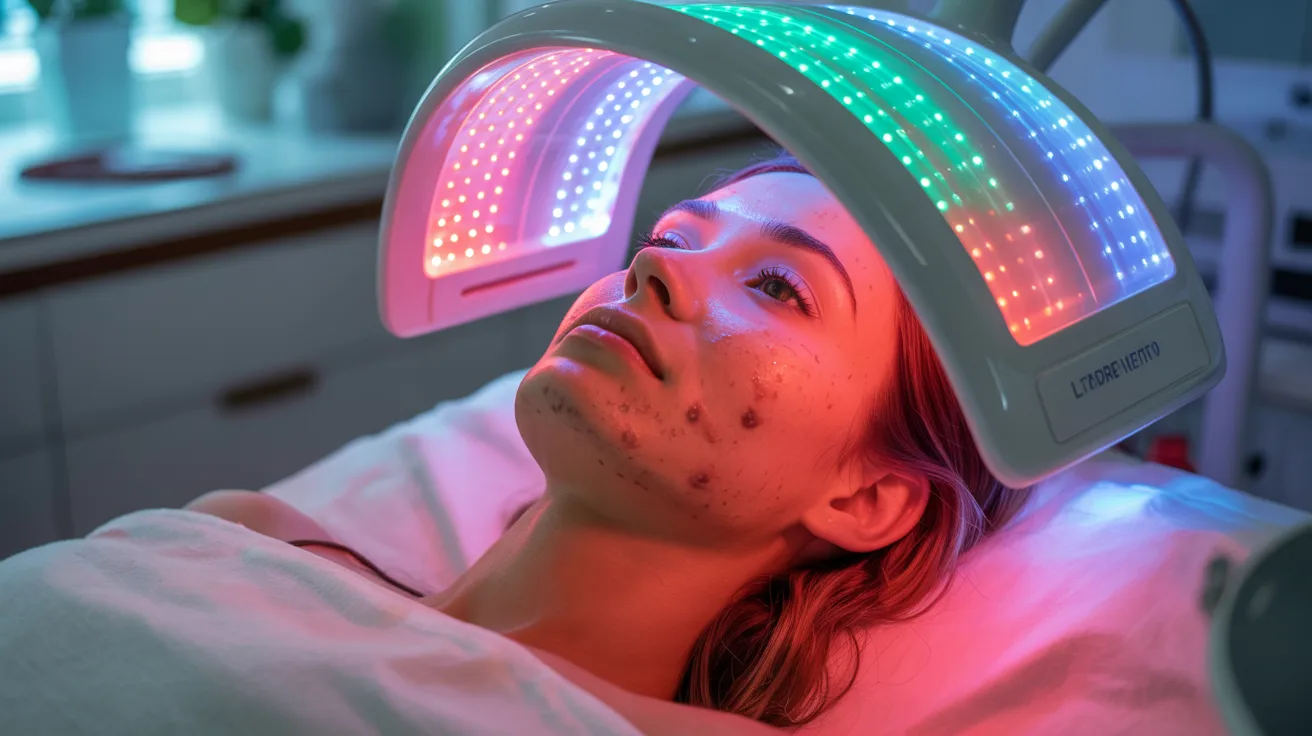
LED therapy uses specific light wavelengths to treat acne. Blue light kills acne-causing bacteria on the skin’s surface. Red light goes deeper to calm swelling and redness.
This treatment is painless and has no downtime. It works well when combined with other acne facials.
Facial Treatment for Acne Scars: What Actually Works
Scars need different care than active breakouts. Here’s what makes a real difference.
Chemical Peels for Acne Scars
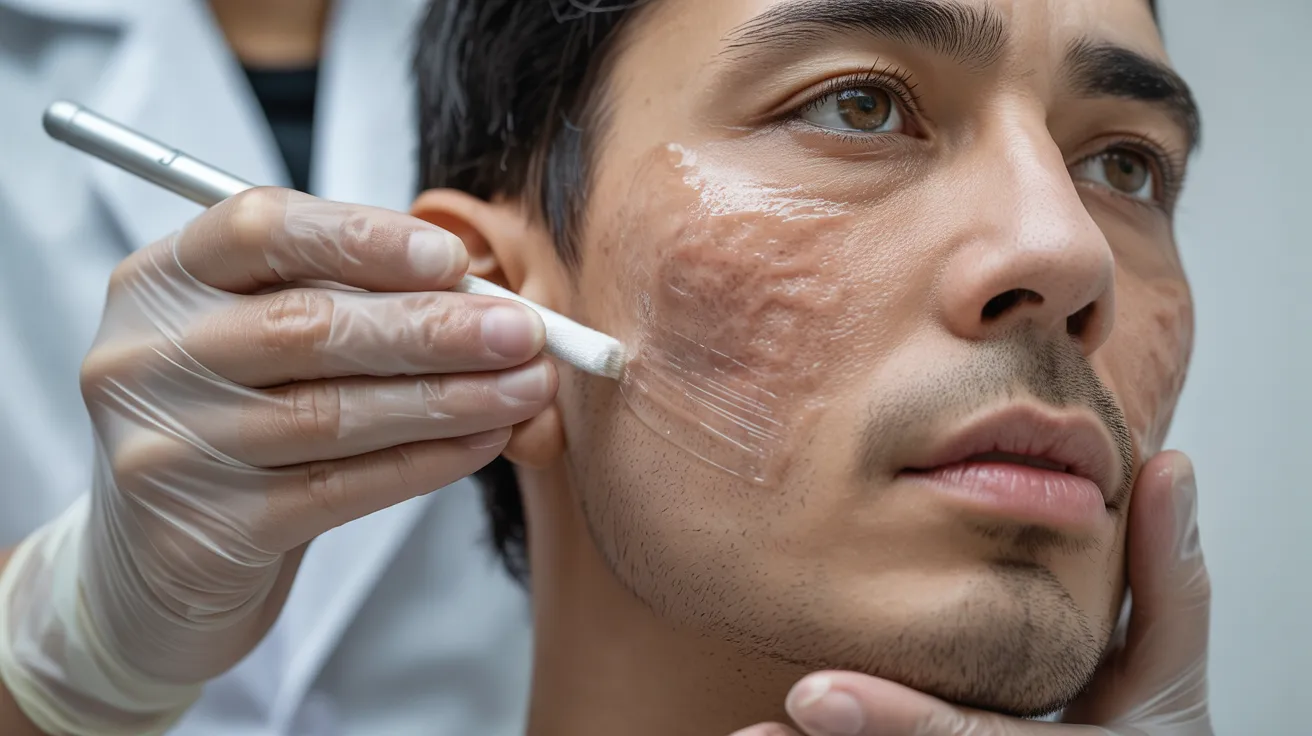
Chemical peels don’t just help active acne they also improve the look of scars. They target uneven skin tone and rough texture left behind after breakouts heal.
Medium-depth peels go further into the skin and show stronger results for pigmentation. A dermatologist will choose the right peel strength for your scar type.
Microneedling for Acne Scars
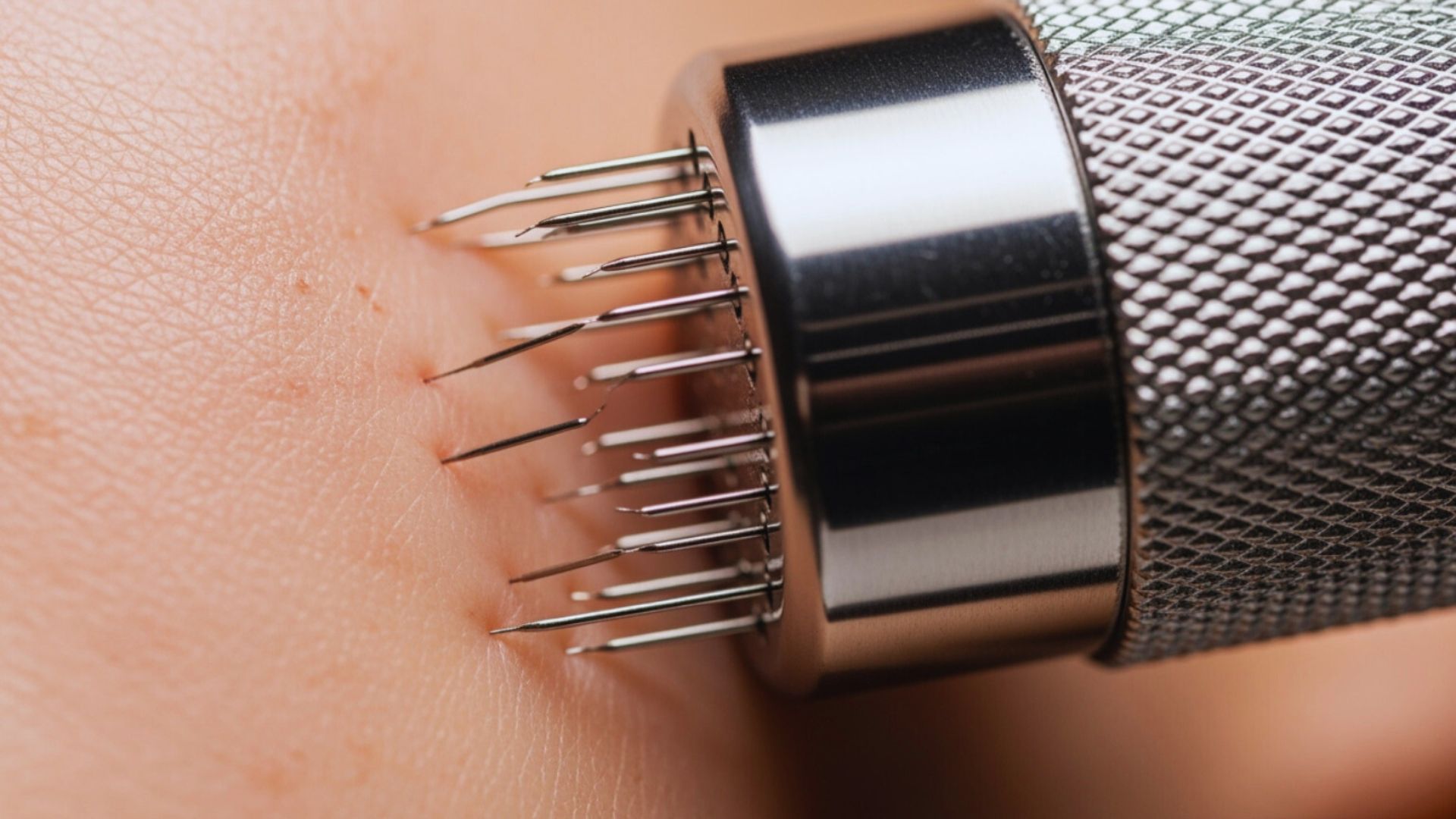
Microneedling uses tiny needles to create controlled micro-injuries in the skin. This signals the skin to produce more collagen, the protein that keeps skin firm and smooth.
As collagen builds up, scar depth slowly reduces. Most people need 3 to 6 sessions spaced weeks apart. It works well for pitted or depressed scars.
Laser Facial Treatments
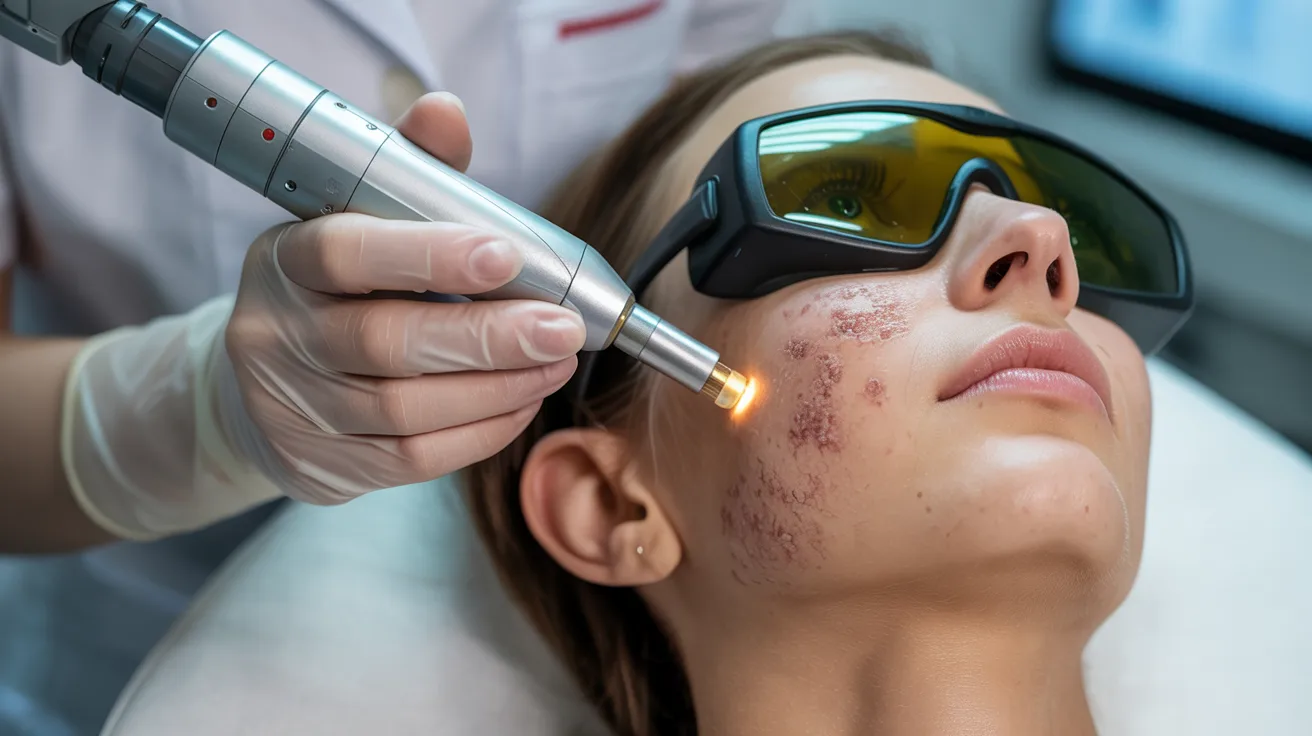
Laser treatments resurface the skin by removing damaged outer layers. This brings newer, healthier skin to the surface. Lasers are especially effective for deep or old scars.
Ablative lasers remove the top skin layer. Non-ablative lasers work beneath the surface without removing skin. Your skin type and scar depth will determine which type suits you.
How to Choose the Best Facial Treatment for Acne
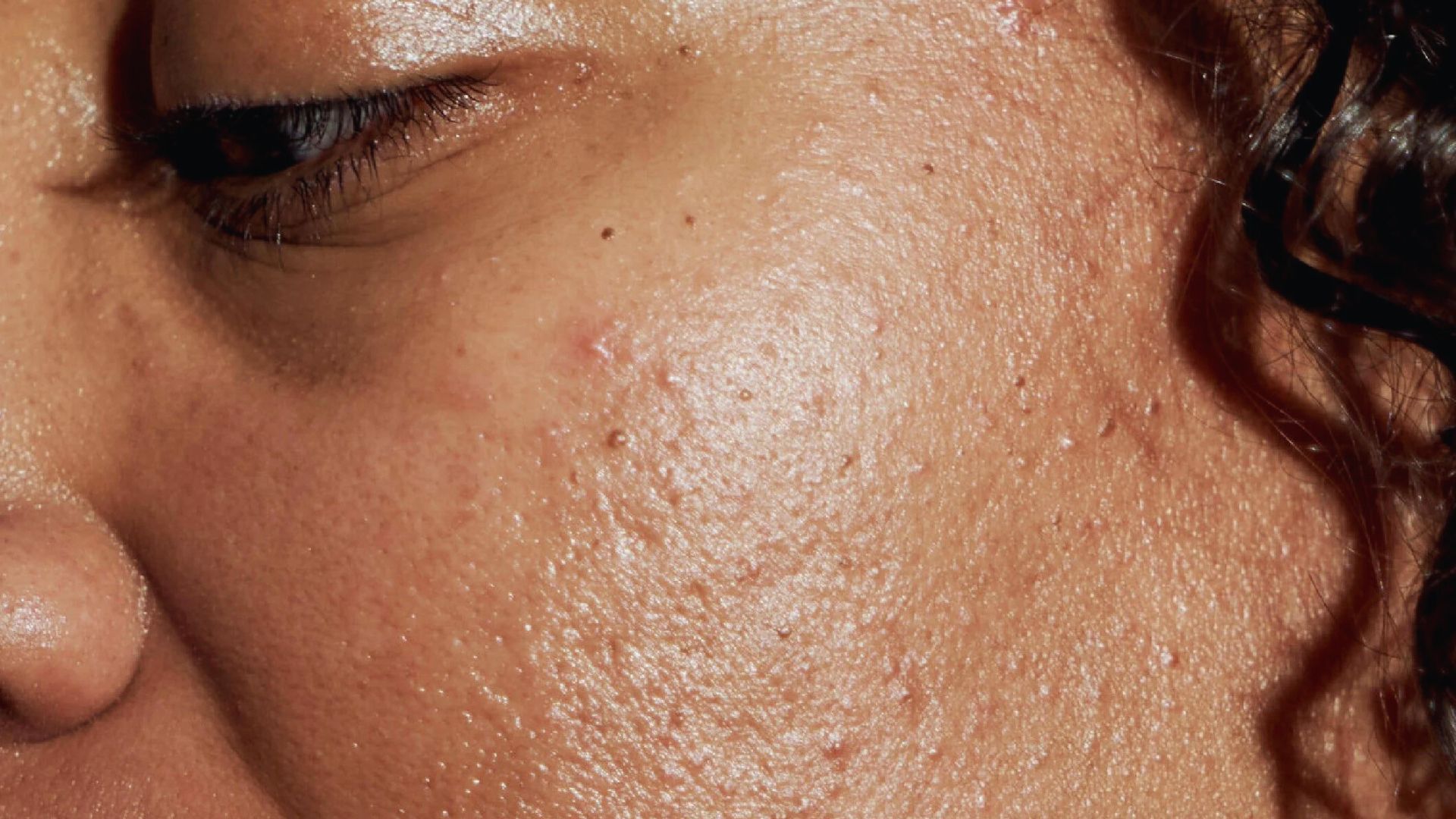
The right treatment depends on your skin type, acne severity, and personal health history.
Based on Skin Type and Acne Severity
Not every treatment works for every skin type. Oily skin may benefit most from chemical peels or Hydrafacials. Sensitive skin often responds well to LED therapy.
Mild acne usually responds to gentler treatments. Moderate acne may need a combination approach. Cystic acne deep, painful bumps often require more than just facials.
When to See a Dermatologist
See a dermatologist if your acne keeps coming back or is spreading. If you’re already noticing scarring, don’t wait. Early treatment prevents scars from getting worse.
A dermatologist can create a treatment plan based on your specific skin condition, rather than guessing.
When Facial Treatments Are Not Enough
Some acne types don’t respond well to facials alone. Hormonal or cystic acne often needs prescription support.
Topical retinoids or oral antibiotics may be needed alongside facial treatments. A facial can support your skincare routine, but it is not a cure on its own.
Facial Treatment for Acne: What to Expect During a Session
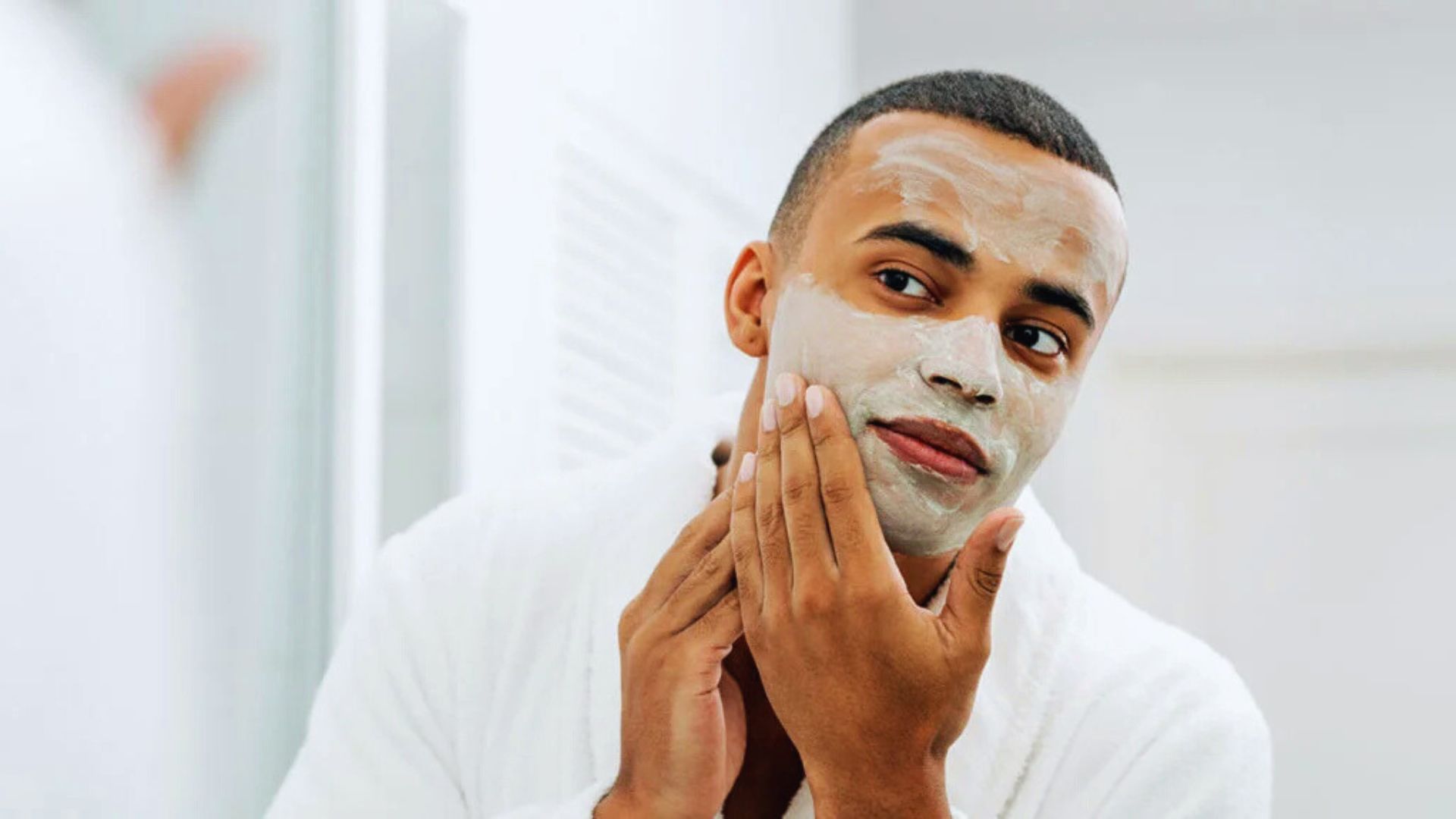
Knowing what happens during a session removes anxiety and helps you prepare.
Step-by-Step Process
Most professional acne facials follow a similar flow,
- Cleansing: Removes makeup, surface dirt, and excess oil from your skin. This is always the first step to prep your skin for treatment.
- Exfoliation: Sloughs off dead skin cells sitting on the surface. It helps other products absorb better and keeps pores clear.
- Extraction: Clears clogged pores either manually or with gentle suction. This step targets blackheads and congestion built up over time.
- Targeted Treatment: Uses LED, a chemical peel, or a serum based on your skin. This is the most personalized part of the session and varies per person.
The session usually takes 45 to 90 minutes depending on the treatment type.
Aftercare and Recovery
Your skin may feel sensitive right after a facial. Avoid touching your face, using harsh products, or going out in direct sun without SPF.
Use a gentle, non-comedogenic moisturizer. Skip exfoliants for at least 48 hours. Follow the specific aftercare your provider recommends.
Tips to Get the Best Results from Facial Treatment for Acne
Small daily habits make a big difference in how well your treatments work.
- Use a gentle, fragrance-free cleanser twice a day to keep skin calm and clear.
- Add a salicylic acid product to your routine if your skin tolerates it well.
- Do not over-exfoliate; it strips your skin barrier and produces more oil.
- Never pick or squeeze acne; it spreads bacteria and leads to deeper scars.
- Always applying SPF daily sun exposure makes post-acne marks look darker.
- Drink enough water and eat a low-sugar diet to support your skin from within.
- Change your pillowcase regularly to avoid bacteria buildup against your skin.
Conclusion
Dealing with acne can feel like a long process, but you’re not alone in it. I know how exhausting it is to try things that just don’t work.
The good news is that the right facial treatment for acne chosen for your specific skin can make a real difference.
Start with a professional consultation. Don’t skip it. Your skin is personal, and it deserves a plan built around it.
Found this helpful? Share it with someone dealing with the same struggles, or drop a question in the comments. I’d love to hear what’s worked for you.
Frequently Asked Questions
How often should I get a facial treatment for acne?
Most people benefit from one session every 3 to 4 weeks. Your skin needs time to heal and respond between sessions.
Can facial treatments make acne worse at first?
Yes, some people experience a “purging” phase where breakouts temporarily increase. This usually settles after 1 to 2 sessions.
Is microneedling safe for active acne?
No, microneedling should not be done on active breakouts. It can spread bacteria and worsen inflammation. Wait until breakouts are calm.
What is the best facial treatment for acne scars at home?
Retinol serums and vitamin C products can help mild scarring over time. However, professional treatments like peels or microneedling give faster results.
How long does it take to see results from acne facials?
Most people notice improvement after 2 to 3 sessions. Significant results, especially for scars, may take 2 to 3 months of consistent treatment.