French Makeup Style Guide for Beginners

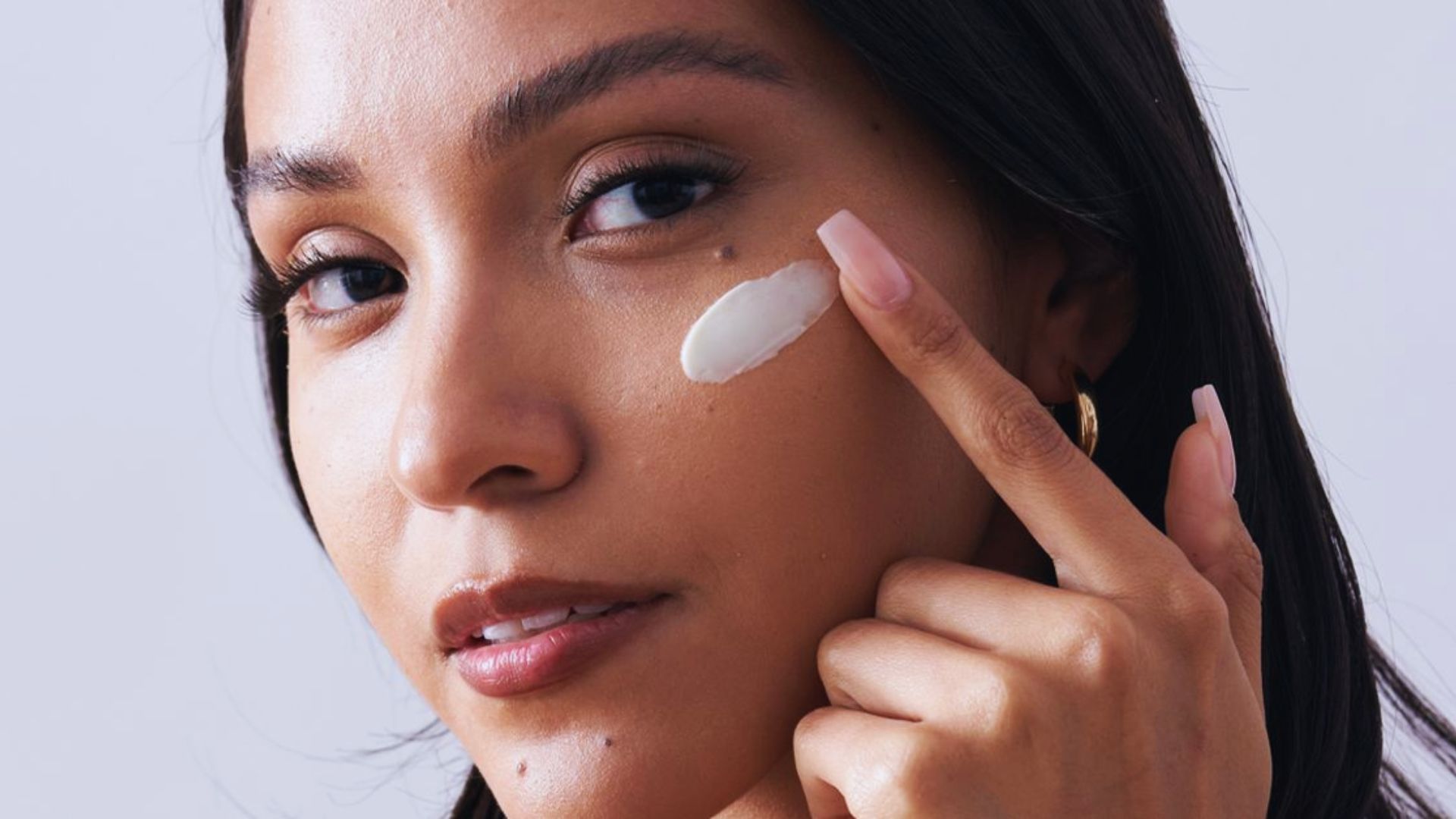
I’ve spent a lot of time figuring out French makeup, and honestly, it’s simpler than most people think. This guide breaks down everything you need to get started – from skincare basics to the right products and brands.
I’ll walk you through a beginner-friendly routine, share the best French makeup brands, and help you avoid common mistakes.
With a few years of testing beauty routines, I know what works and what doesn’t. By the end, you’ll have a clear plan to build your own French makeup look.
What Is French Makeup and Why Is It So Popular?

French makeup is about looking like yourself, just a little more polished. It’s defined by one thing: less is more. The goal isn’t to cover your face but to highlight what’s already there.
Think glowing skin, soft natural tones, and one standout feature at a time, either lips or eyes, never both. Full glam piles on contouring, heavy foundation, and bold everything at once.
French makeup does the opposite. You pick one focal point and keep the rest low-key. That’s what makes it work for any age, skin type, and occasion.
Step-by-Step French Makeup Routine for Beginners

Follow these six steps and you’ll have a solid French makeup routine down in no time.
Step 1 – Start with French Makeup Skincare
Good French makeup starts before you open a single product. Cleanse, moisturize, and apply SPF to prep your skin. Hydrated skin means you need less makeup overall.
Step 2 – Create a Lightweight Base
Skip heavy foundations and go for a skin tint or light-coverage base instead. Spot-conceal where needed, but let your real skin show through. That’s the heart of the natural French makeup look.
Step 3 – Perfect the Signature French Lips
Pick a classic red lip or a soft nude depending on the day. Use a lip liner to define the edges, then fill in with lipstick or tinted balm. Keep it clean and simple.
Step 4 – Soft Eyes or Classic Cat Eye
Go for a thin coat of mascara or a simple cat eye liner. Skip heavy eyeshadow, and if you use any, keep it to one neutral shade. Minimal eyes let your lips do the talking.
Step 5 – Add Natural Flush to Cheeks
Smile and dust a light blush on the apples of your cheeks, blending upward. Add a touch of matte bronzer on the sides for soft definition. You want a fresh, just-been-outside look.
Step 6 – Finish Your French Makeup Routine
Spritz a face mist over your finished look to set everything in place. It gives you a dewy finish and keeps your makeup fresh for hours. Six steps, and you’re done.
Best French Makeup Brands to Try
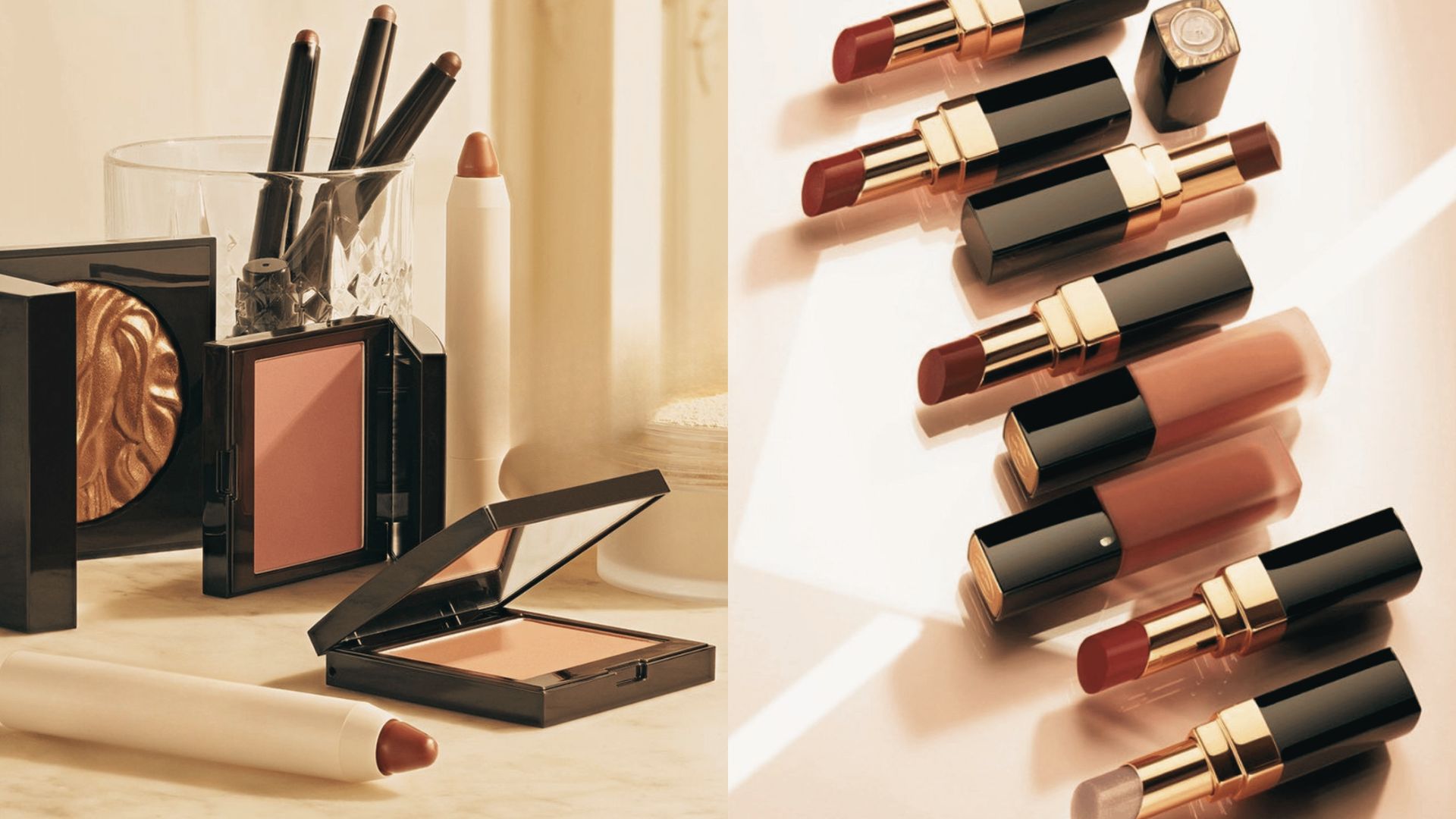
From high-end counters to drugstore shelves, French makeup brands offer something for every budget.
Luxury French Makeup Brands
These brands are known for quality ingredients, long-lasting formulas, and iconic packaging.
Top luxury options:
- Chanel Beauty – known for foundations and lipsticks
- Lancôme – great for skincare-infused makeup
- Yves Saint Laurent Beauty – bold lips and glossy finishes
- Givenchy Beauty – known for soft, buildable coverage
What makes them premium? Better pigment, smoother texture, and formulas that work with your skin instead of sitting on top of it.
Affordable French Makeup Brands
You don’t need to spend a lot to get quality.
Budget-friendly picks:
- L’Oréal Paris – wide range, easy to find
- Bourjois – a Paris pharmacy staple
- Caudalie – skincare-forward, affordable for what you get
These brands deliver solid results and are great starting points.
List of French Makeup Brands for Beginners
Here’s a quick list to work through:
- L’Oréal Paris
- Bourjois
- Lancôme
- Chanel Beauty
- Yves Saint Laurent Beauty
- Caudalie
- NUXE
- By Terry
Start with one or two. You don’t need to try everything at once.
Best French Makeup Products for a Beginner Kit
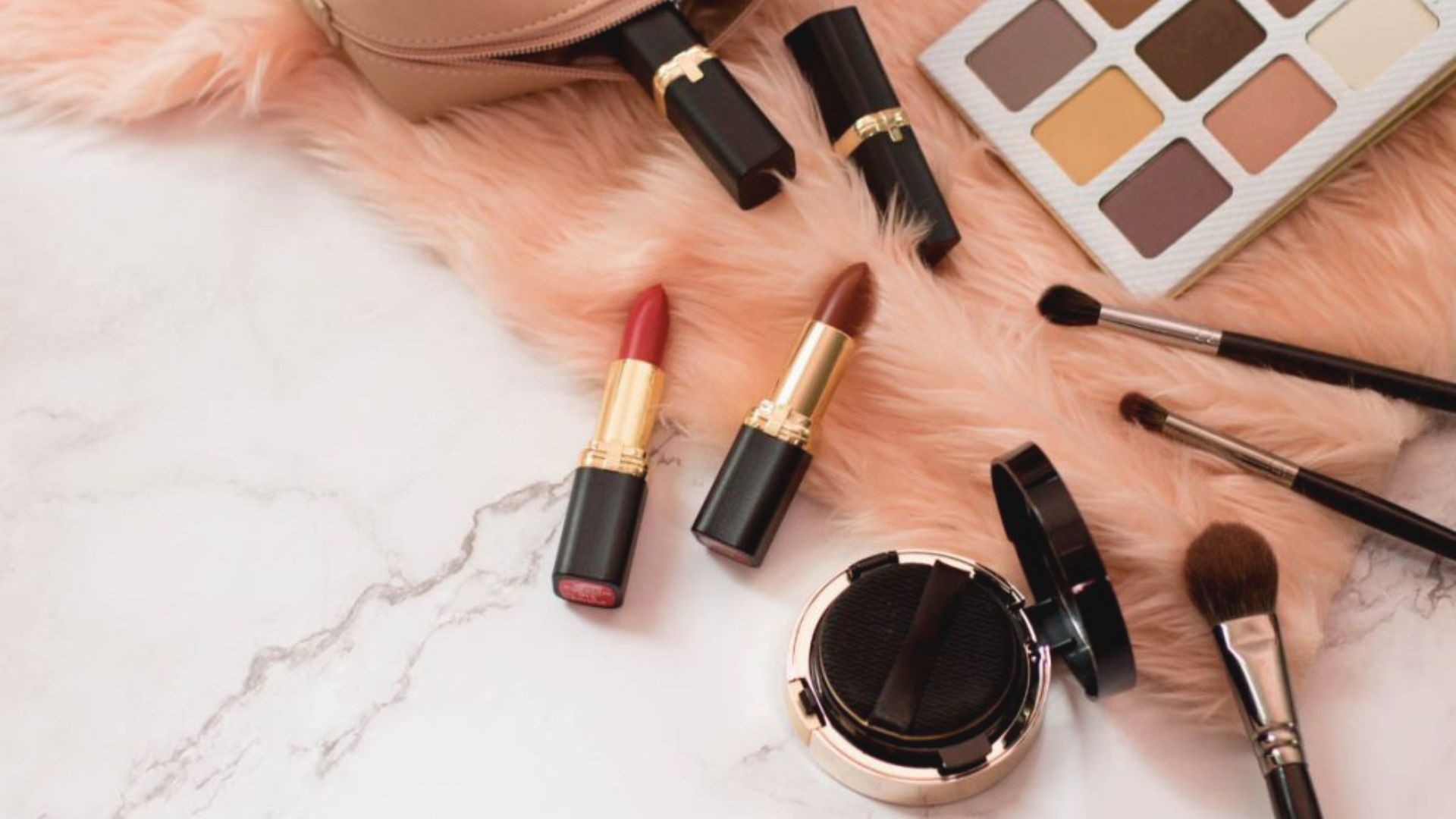
You don’t need a full vanity. Just a few good products go a long way.
Must-Have French Makeup Products
The basics:
- Light foundation or skin tint
- Concealer
- Mascara
- Red or nude lipstick
- Blush (soft pink or peach)
- Setting mist
That’s your starter kit. Simple, effective, and easy to use.
Building Your French Makeup Bag
Keep your French makeup bag small on purpose.More products don’t mean a better look.
Choose one product per step and stick with it until you know what works for your skin. The best French makeup products are the ones you actually use.
How to Choose the Best French Makeup Brand
French makeup brands vary a lot here’s how to find the one that actually works for you.
Factors to Consider Before Buying
Before picking a French makeup brand, think about your skin type first. Oily skin works better with matte or oil-free formulas, while dry skin needs something more hydrating.
Set a budget before you start browsing so you don’t overspend. Also check brand reputation by reading reviews and seeing how long the brand has been around.
Look for products with ingredients that support skin health, not just ones that offer coverage.
Top Picks for the Best French Makeup Brand
For beginners, L’Oréal Paris and Bourjois are the easiest starting points. Both are affordable, easy to find, and carry everything you need for a basic routine.
If you want to spend a little more, Lancôme and Chanel Beauty offer longer-lasting formulas that feel more luxurious on the skin.
The best French makeup brand is simply the one that fits your skin type, your daily routine, and your budget.
Popular French Makeup Looks You Can Try
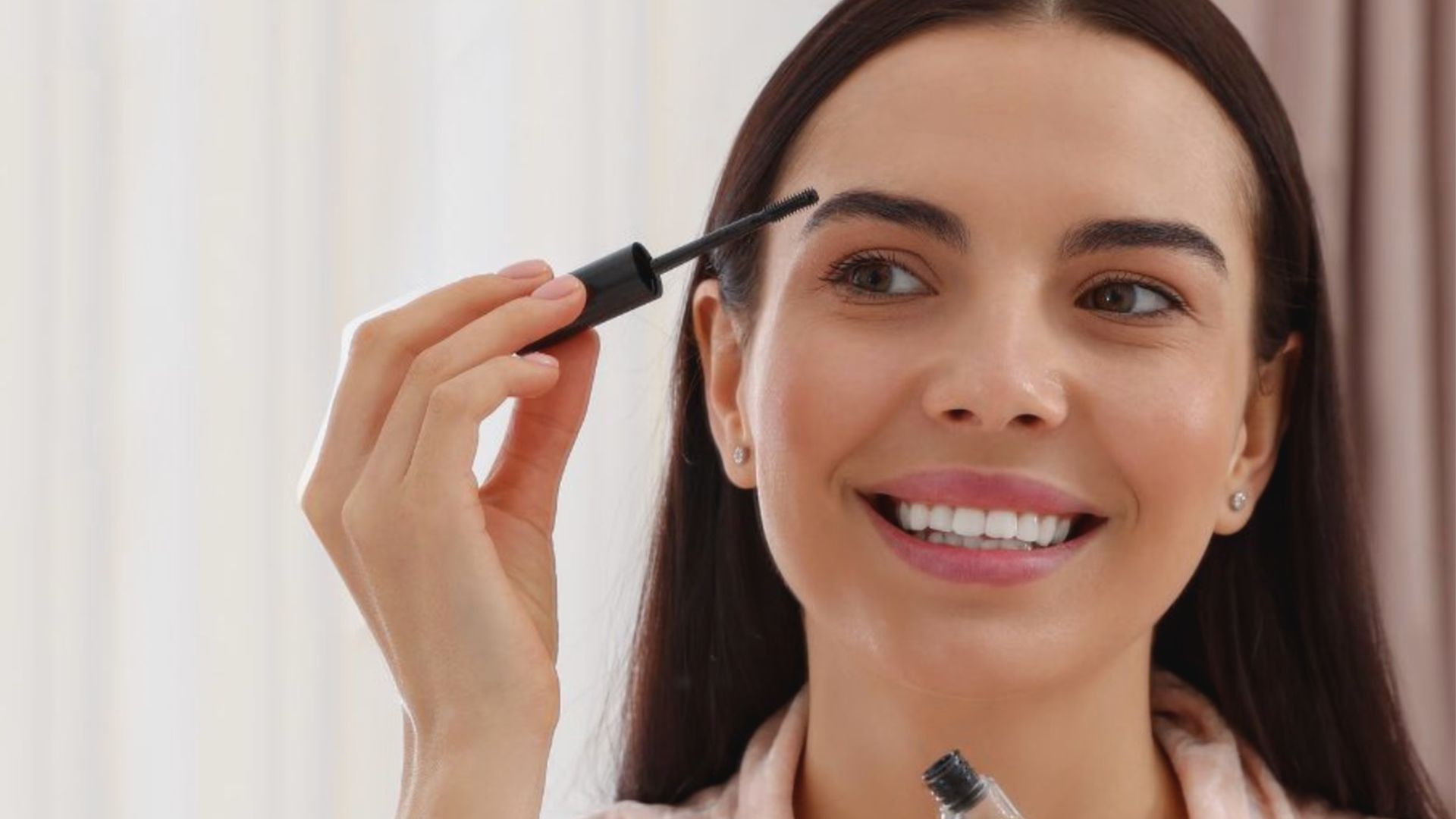
French makeup isn’t one single look. Here are three styles worth trying.
1. Everyday Natural French Makeup Look
This is your go-to daily routine. Skin tint, mascara, blush, and a tinted lip balm. Done in five minutes. Looks like you woke up like that.
2. Vintage French Makeup Look
Inspired by classic French beauty from the ’50s and ’60s. Think red lips, cat eye liner, and light foundation. It’s bold but still balanced because only one feature is doing the heavy lifting.
3. Modern French Makeup Looks
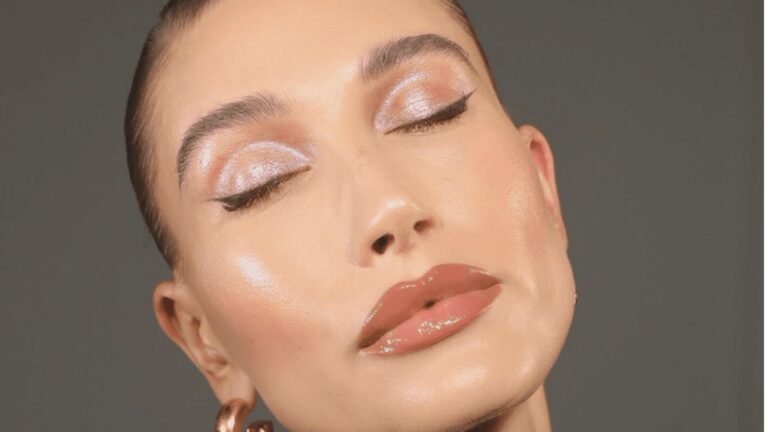
Today’s version updates the classics with glassy skin, glossy lips, and barely-there liner. It’s the same philosophy – natural and simple – just with a fresher finish.
Common Mistakes to Avoid in French Makeup
- Using too much product makes your base look heavy. Start with a small amount and build coverage only where needed.
- Skipping skincare means your makeup won’t sit right. Dry patches and creasing come from poor skin prep, not bad products.
- Always cleanse, moisturize, and apply SPF first. Five minutes of skin prep makes a bigger difference than any product.
- Bold eyes and bold lips together is not French makeup. Pick one focal point and keep everything else soft and minimal.
- That balance between eyes and lips is what makes the look work. Choose your statement and let the rest of your face stay calm.
Conclusion
French makeup taught me that less really is more. Once I stopped piling on products, my skin actually looked better. The whole point is to work with what you have, not cover it up.
Start small, pick two or three products, practice the basics, and build from there. Your routine doesn’t have to be perfect on day one. It just has to feel like you.
If this guide helped you, drop a comment below and tell me which French makeup look you’re trying first, or share this post with someone who’s just getting started.
Frequently Asked Questions
What is the key difference between French makeup and regular makeup?
French makeup focuses on enhancing natural features with minimal products. Regular makeup often involves more coverage, more color, and a more polished, done-up finish.
Can beginners pull off a French makeup look?
Yes, it’s actually one of the easiest styles to learn. The steps are simple, the products are minimal, and the goal is to look natural – which takes the pressure off.
What are the best French makeup brands for beginners on a budget?
L’Oréal Paris and Bourjois are both solid starting points. They’re affordable, widely available, and carry a good range of products suited for a French-style routine.
Do I need expensive products for French makeup?
No. The look is more about technique than price. A light skin tint, mascara, and a good lip color are enough to get started, regardless of the brand.
How long does a French makeup routine take?
On a regular day, about 5 to 10 minutes. The steps are straightforward and once you know the routine, it gets faster every time.