
How Long Does It Take for Acne Scars to Fade Completely?

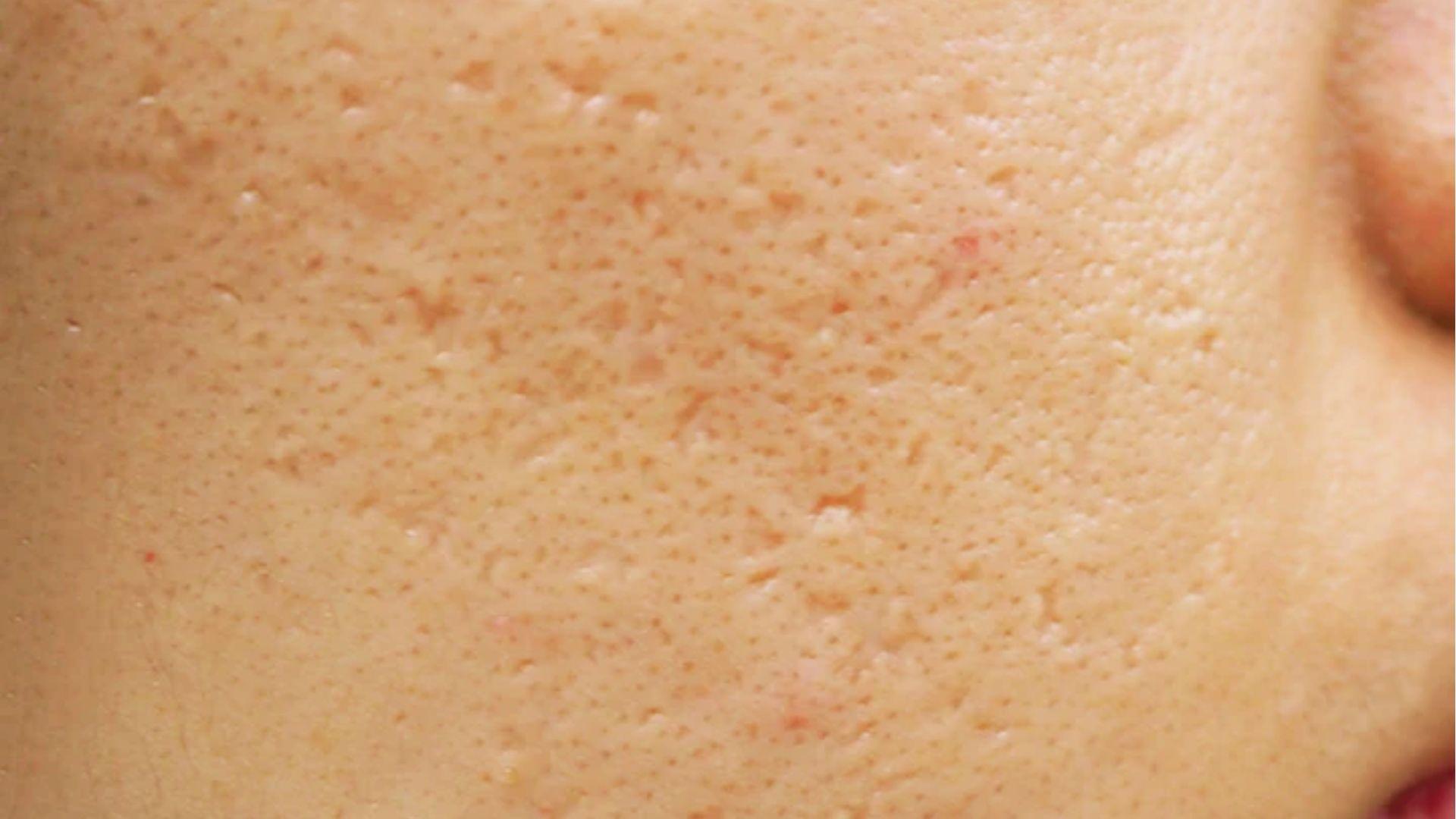
Acne finally cleared. But the marks? Still there.
I remember checking my skin every morning, hoping the spots had faded overnight. They hadn't. If you are doing the same thing, I get it completely.
So, how long does it take for acne scars to fade? The honest answer depends. And I am going to break that down for you in simple terms.
In this blog, I will cover the main types of acne scars, why some take longer to heal, and daily tips that actually speed up fading. No fluff. Just clear, helpful information based on what really works.
Let's get into it.
Do Acne Scars Fade Naturally?

Yes, many acne scars do fade on their own over time. Your skin naturally replaces damaged cells with fresh ones.
Flat dark spots and red marks called post-inflammatory hyperpigmentation often clear up within 3 to 24 months without any treatment.
But results vary. Your skin tone, the depth of the damage, and your daily habits all play a role. Lighter marks on fair skin may fade faster.
Deeper marks on darker skin tones can take longer. Sunscreen, gentle products, and patience are the three things your skin needs most to heal on its own.
Why Some Acne Scars Take Longer to Heal
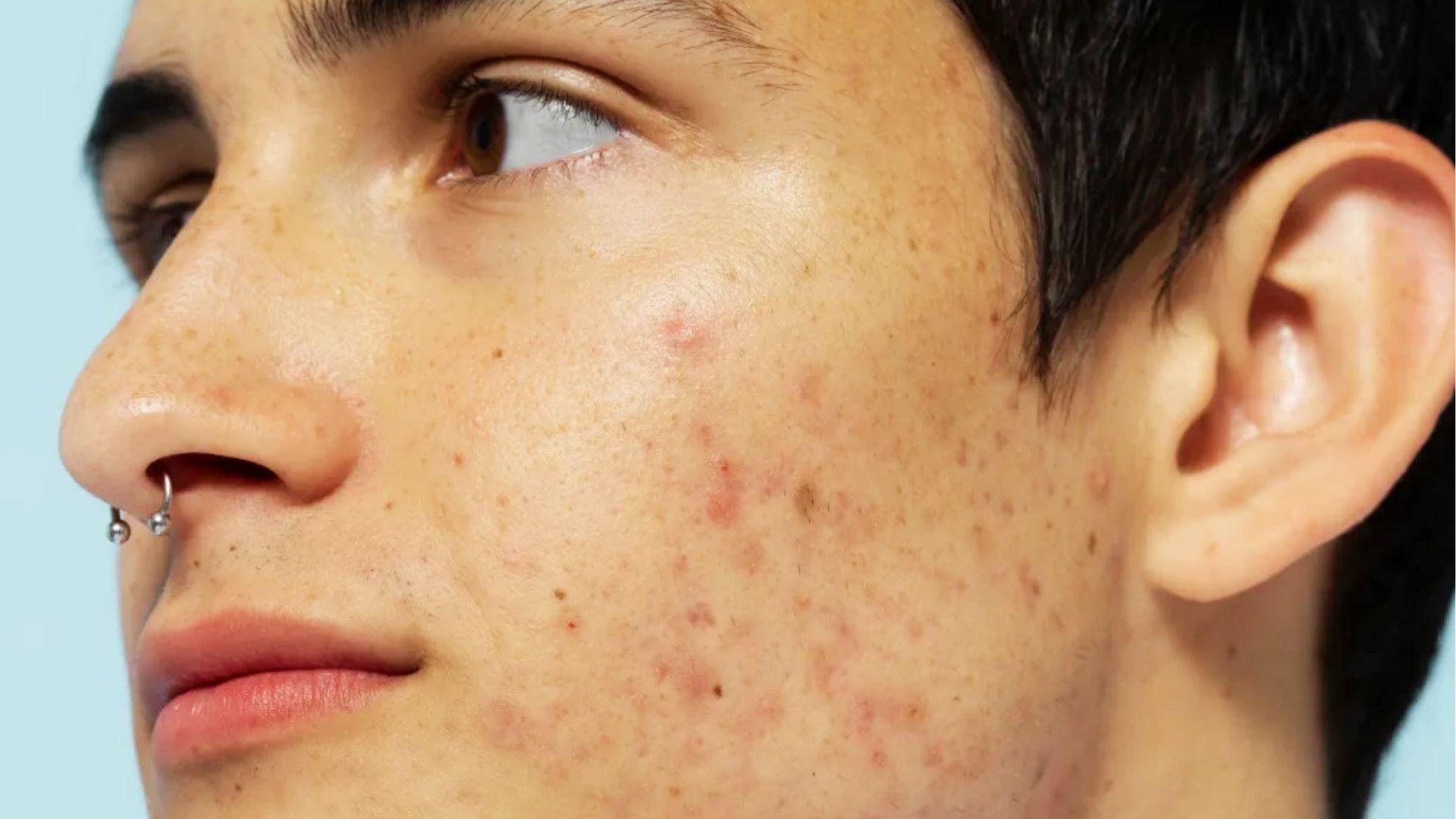
Not all scars heal at the same speed. Several things slow down the process. Picking at pimples pushes bacteria deeper and causes extra damage to the skin.
Sun exposure makes dark spots darker and delays fading.
If you have a darker skin tone, your skin produces more melanin, so marks can stay longer.
Deep scars like icepick or boxcar types go below the skin surface, so they take much more time or need treatment.
Skipping sunscreen, using harsh products, or ignoring active acne early on can all make the healing process take far longer than it needs to.
Types of Acne Scars and How Long They Last
Not all acne scars look or heal the same. Here is what each type means for your skin.
Dark Spots After Acne
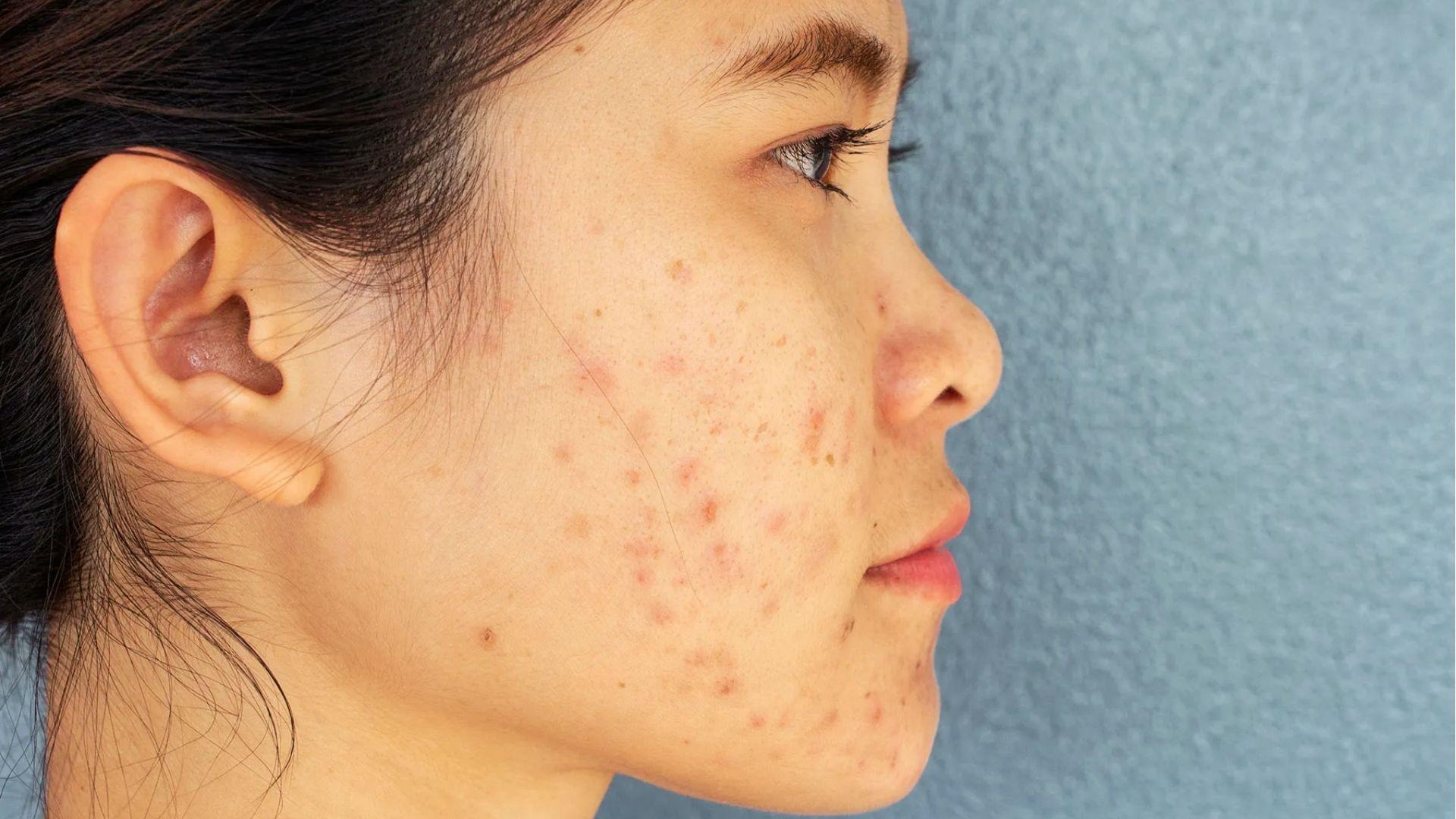
Dark spots are flat, brown or black marks left after a pimple heals. They are called post-inflammatory hyperpigmentation.
These are the easiest types to fade. With SPF and a basic skincare routine, most dark spots clear up within 3 to 6 months. Darker skin tones may take a little longer.
Vitamin C serums and niacinamide can help speed up the fading process. No professional treatment is needed for most people.
Red Acne Marks
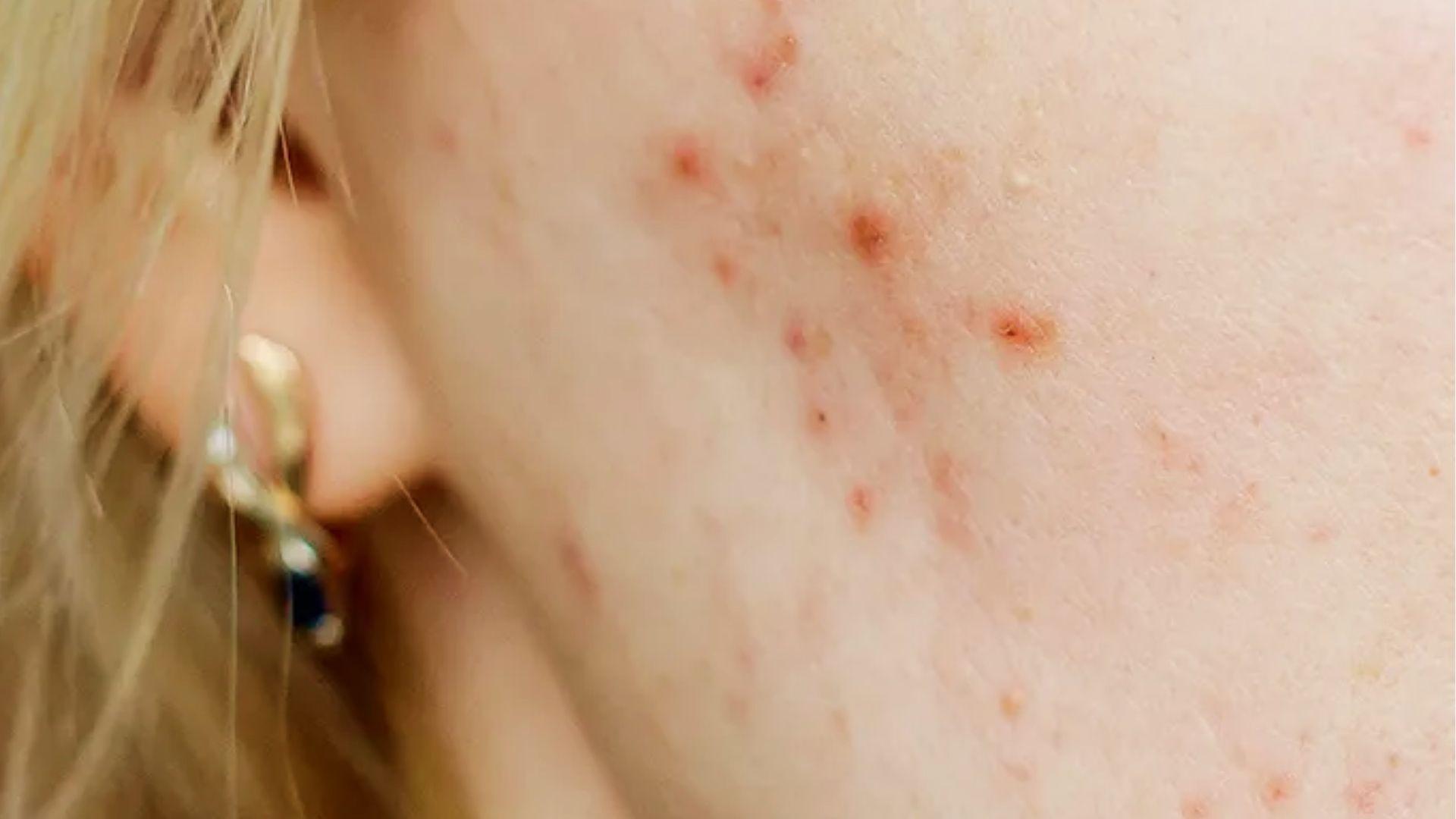
Red marks appear after inflamed acne heals. They are called post-inflammatory erythema. These marks fade gradually on their own, usually within 3 to 12 months.
They are more common in fair skin tones. Sun exposure can make them worse. Using SPF daily along with calming ingredients like niacinamide or azelaic acid can help them fade faster.
Most red marks do not need professional treatment if you stay consistent.
Deep Acne Scars

Deep scars go below the skin surface. Icepick scars are narrow and deep. Boxcar scars have sharp, defined edges.
Rolling scars create an uneven, wavy texture. These types do not fade on their own. They often need professional treatments like microneedling, chemical peels, or laser therapy.
Without treatment, deep scars can stay for years or even permanently. Starting treatment early gives better results and costs less in the long run.
Raised Acne Scars
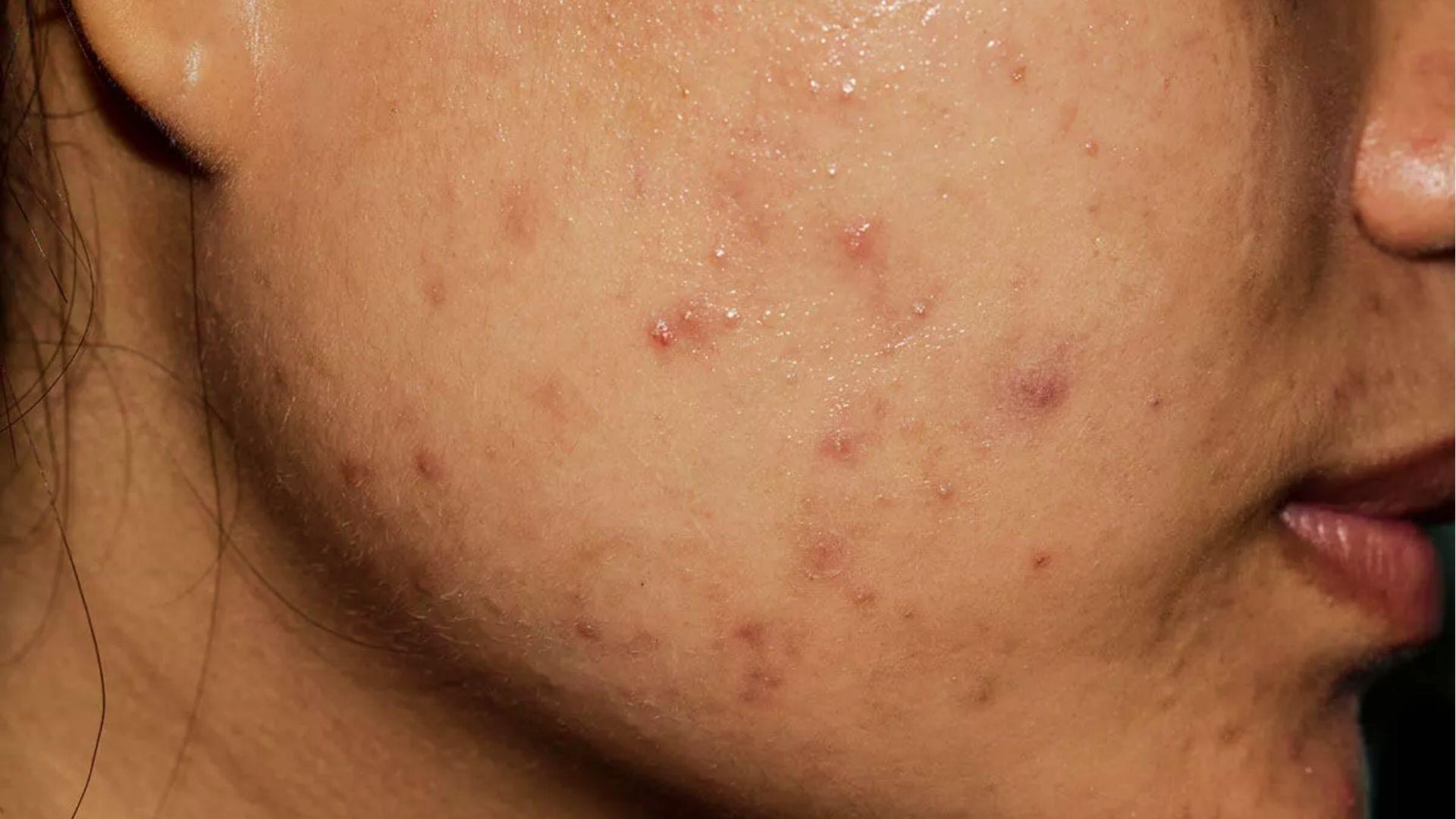
Raised scars called hypertrophic or keloid scars form when the skin makes too much collagen during healing.
They sit above the skin surface and feel firm to touch. Without treatment, they can last for years. Silicone sheets, steroid injections, or laser treatment can help flatten them over time.
These scars are more common in darker skin tones and tend to appear on the chest, back, or jawline.
Best Treatments for Acne Scars
When daily habits are not enough, these proven treatments can help speed up results.
Microneedling
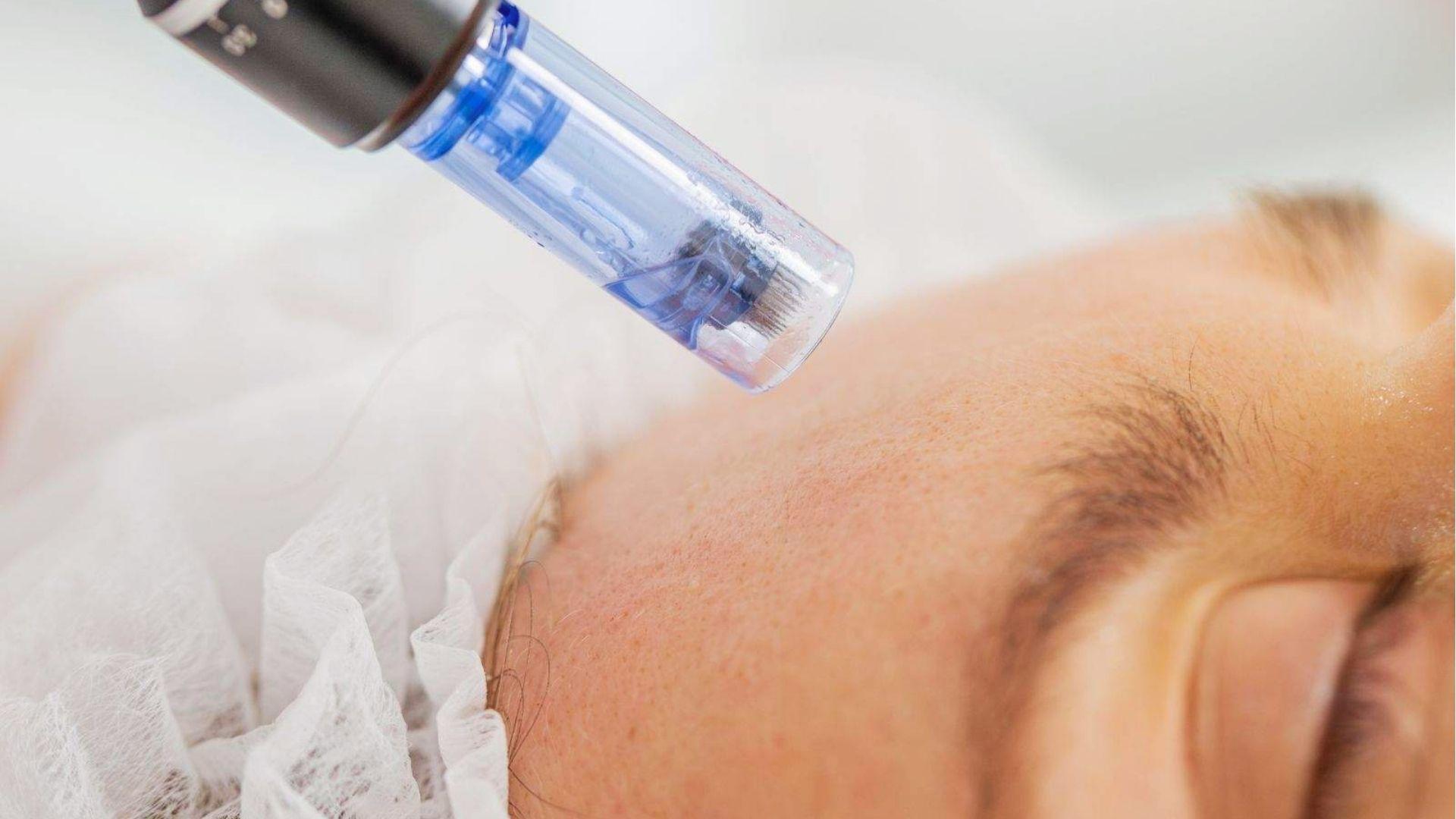
Microneedling uses tiny needles to create small punctures in the skin. This triggers your skin to produce more collagen and repair itself.
It works well for rolling and boxcar scars. Most people need 3 to 6 sessions to see real improvement.
Results build gradually over weeks. It is one of the most recommended options for textured acne scars.
Laser Treatments

Laser therapy targets damaged skin and stimulates new skin growth underneath. It works well for both surface-level marks and deeper scars.
Some lasers remove the top layer of skin, while others work below it. Results depend on your skin tone and scar type.
A dermatologist can recommend the right laser for your specific concern.
Chemical Peels

Chemical peels use acids like glycolic or salicylic acid to remove the outer layer of skin. This reveals fresher, smoother skin underneath.
They work best for dark spots and mild surface scars. Stronger peels need a professional. Lighter peels can be done at home.
Regular sessions give the best and most visible results over time.
Retinoids and Exfoliating Acids

Retinoids speed up cell turnover and help fade dark marks and smooth rough texture over time. Exfoliating acids like AHA and BHA clear dead skin and improve overall tone.
These are great for mild to moderate scarring. Start slow to avoid irritation.
Use them consistently for at least 8 to 12 weeks to see real change.
Tips to Fade Acne Scars Faster
Small daily habits can make a real difference in how fast your acne scars fade.
- Use Sunscreen Daily: Apply SPF 30 or higher every morning, even on cloudy days, to stop dark spots from getting darker.
- Treat Active Acne Early: Use salicylic acid or benzoyl peroxide at the first sign of a breakout to reduce the chance of scarring.
- Follow a Consistent Skincare Routine: Stick to gentle products with vitamin C, niacinamide, or retinol and give them time to work.
- Avoid Picking at Acne: Picking pushes bacteria deeper and causes more damage, which leads to darker and longer-lasting marks.
- Use Targeted Treatments: Ingredients like azelaic acid and alpha arbutin are clinically backed to help fade scars over time.
These steps will not work overnight. But done daily, they add up to real results.
Conclusion
I have been there staring at marks left by acne and wishing they would just go away.
The truth is, how long does it take for acne scars to fade comes down to your scar type and how you treat your skin each day.
Dark spots fade faster. Deep scars may need a little more help. But with SPF, the right ingredients, and consistency, you will see progress.
Drop a comment below. I would love to know what has worked for you. Share this post with someone who needs it!
Frequently Asked Questions
Can acne scars go away completely?
Dark spots often fade fully, but deep scars may need professional treatment.
How long does it take for acne scars to fade without treatment?
Mild marks fade in 3 to 6 months, deeper scars can take 1 to 2 years.
Does vitamin C help fade acne scars?
Yes, it lightens dark spots and supports collagen production over time.
Is sunscreen important for fading acne scars?
Yes, SPF stops scars from darkening and helps skin heal faster.
Can I fade acne scars at home?
Yes, for mild scars but deep scars often need a dermatologist.