This is a Mountain Resin that Walked Into My Routine

I started noticing shilajit everywhere about three months ago. Not in an obvious way, like billboards or magazine ads, but in those quieter corners of the internet where wellness people whisper about things that work.
A friend mentioned it in passing while we were talking about her sluggish mornings. Then a podcast guest casually dropped it into a conversation about natural energy. Then someone on Instagram showed a little jar of black resin dissolving in warm water.
I ignored it at first, honestly. I was tired, sure, but who isn’t? My mornings felt like wading through fog, and by 3 p.m.
I’d hit a wall that no amount of coffee could fix. But I’d tried enough supplements to know that most promises don’t land the way you hope.
Still, that nagging “something’s missing” feeling stayed with me. So I did what any semi-skeptical person does when curiosity wins: I started digging.
The Moment I Learned What This Actually Was
Turns out, shilajit isn’t a plant or an herb.
It’s a natural substance found mainly in the Himalayas, formed for centuries by the gradual decomposition of certain plants by the action of microorganisms.
Basically, organic matter gets trapped between rock layers in high-altitude mountains, and over time it transforms into this dense, mineral-rich resin. It oozes out of rocks during warmer months, which sounds almost mythical when you say it out loud.
The science part caught my attention.
Shilajit is composed mainly of humic substances, including fulvic acid, that account for around 60% to 80% of the total nutraceutical compound. Fulvic acid, I learned, is the compound doing most of the heavy lifting.
Something unique about fulvic acid compared to other organisms found within soil is that it’s able to easily pass through cellular membranes, allowing it to be properly absorbed and also boosts assimilation of other nutrients or supplements. That explanation made it feel less like magic and more like biology that actually makes sense.
I kept reading, trying to figure out if the hype around the benefits of shilajit was remotely justified or just another wellness echo chamber.
The benefits of using shilajit started showing up in multiple research contexts, not just alternative health blogs, and that gave me pause in a good way.
Shilajit has been used as a rejuvenator and an adaptogen for thousands of years, in one form or another, as part of traditional systems of medicine in a number of countries, and many therapeutic properties have been ascribed to it, a number of which have been verified by modern scientific evaluation.
The blend of ancient use and current research felt like a reasonable middle ground.
The more I looked into how adaptogens work, the more I understood why people were gravitating toward this stuff.
Adaptogens are a diverse group of natural bioactive substances, primarily herbs and roots, recognized for their ability to enhance the body’s resilience against physical, chemical, and biological stressors, traditionally used in systems like Ayurveda and Traditional Chinese Medicine, now supported by modern research highlighting their role in promoting homeostasis. Shilajit seemed to fit that category.
Fitting It Into My Actual Routine
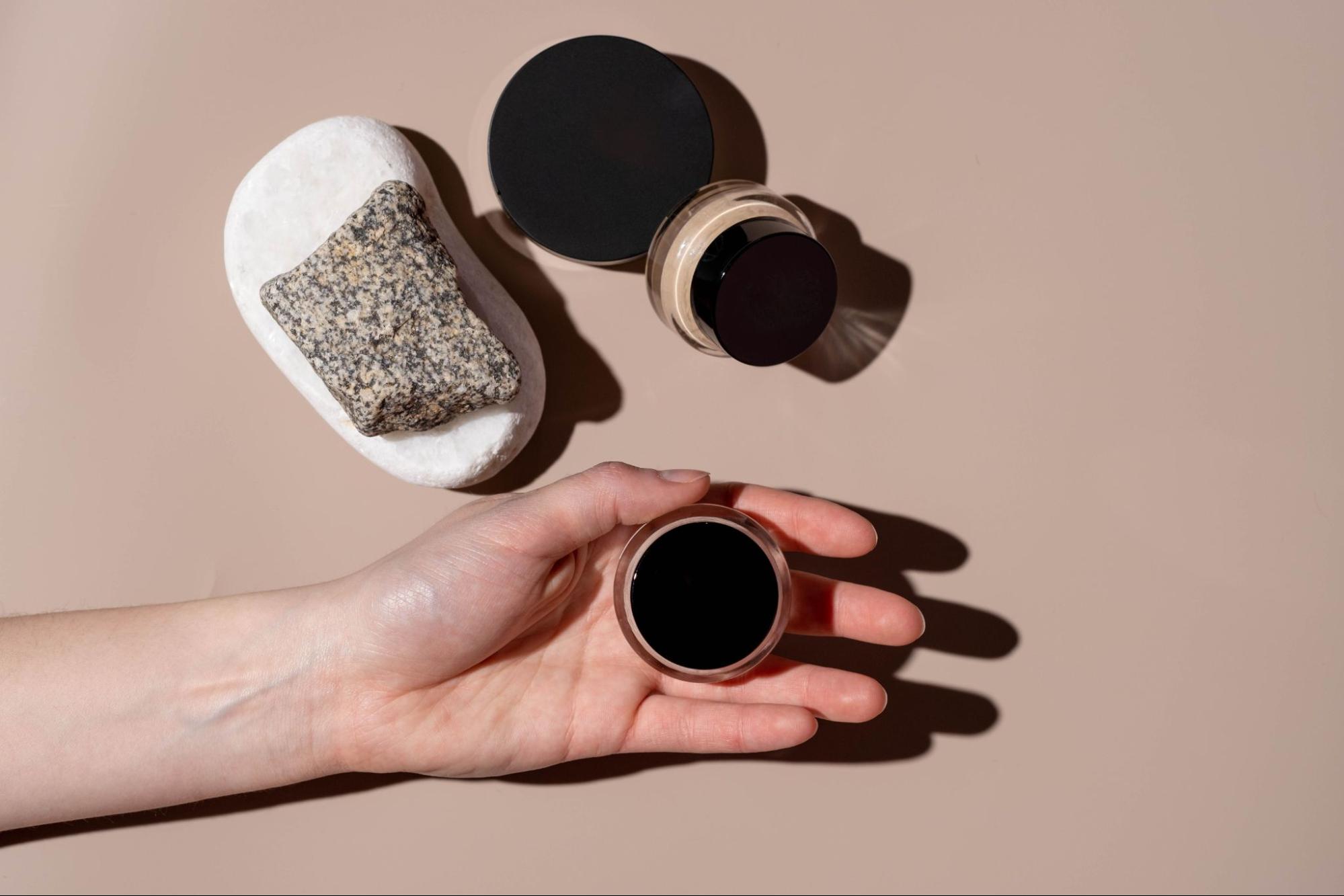
I ordered a small jar of resin online. When it arrived, it looked exactly like what you’d expect from something scraped off a mountain: dark, sticky, vaguely intimidating. The instructions said to dissolve a pea-sized amount in warm water or tea.
I started with my morning routine, stirring it into hot water with lemon. It tasted earthy and slightly bitter, not terrible, just unfamiliar.
The first week? Nothing. No sudden energy burst, no life-changing clarity. I kept going because I’d read enough to know this wasn’t a caffeine jolt.
Shilajit represents a scientifically-validated approach to natural energy enhancement, working at the cellular level to support mitochondrial function and ATP production, with clinical research confirming its ability to improve stamina, reduce fatigue, and enhance physical performance.
That cellular-level stuff takes time.
Around week three, I noticed I wasn’t crashing as hard in the afternoon. My energy felt more level, less like riding a rollercoaster. I didn’t bounce out of bed singing, but I also wasn’t hitting snooze four times. The fog started lifting just enough that I could think clearly before my second cup of coffee.
Shilajit is a mineral-rich natural exudate traditionally used as a rejuvenator and performance enhancer, though there is limited clinical evidence on the traditional resin formulation.
I kept it simple. One small dose in the morning, occasionally a second one post-workout when I remembered. I wasn’t trying to optimize every hour of my day. I just wanted to feel like myself again, and slowly, quietly, I started to. My workouts felt less draining, and recovery didn’t leave me useless the next day. Nothing dramatic, just sustainable.
The Part Where I’m Still Figuring It Out
Here’s the honest part: I don’t know if shilajit is the answer to everything, and I’m not pretending it is. Some mornings I still feel tired. Some afternoons I still want a nap. But the baseline shifted just enough that I’m not fighting my body the way I used to. That feels like progress.
I’ve read about collagen retention and muscle strength, and while that sounds promising, I’m not tracking biomarkers or running lab tests. I’m just paying attention to how I feel. And right now, I feel steadier.
Less reactive to stress, more able to show up for the day without forcing it.
The thing I keep coming back to is that this isn’t a quick fix. It’s not meant to be. When I think about building sustainable wellness routines, the things that work are usually the things that take time. Shilajit fits that pattern. It’s quiet, gradual, and requires consistency. I’m okay with that.
There are still questions I have. How long should I keep taking it? Will the effects plateau? Is this just a phase, or is it something I’ll stick with long-term? I don’t have those answers yet. But for now, I’m curious enough to keep going.
That little jar of mountain resin earned its spot on my counter, at least for this season. And honestly, that’s enough for me right now.