What Snoring Looks Like Around the World

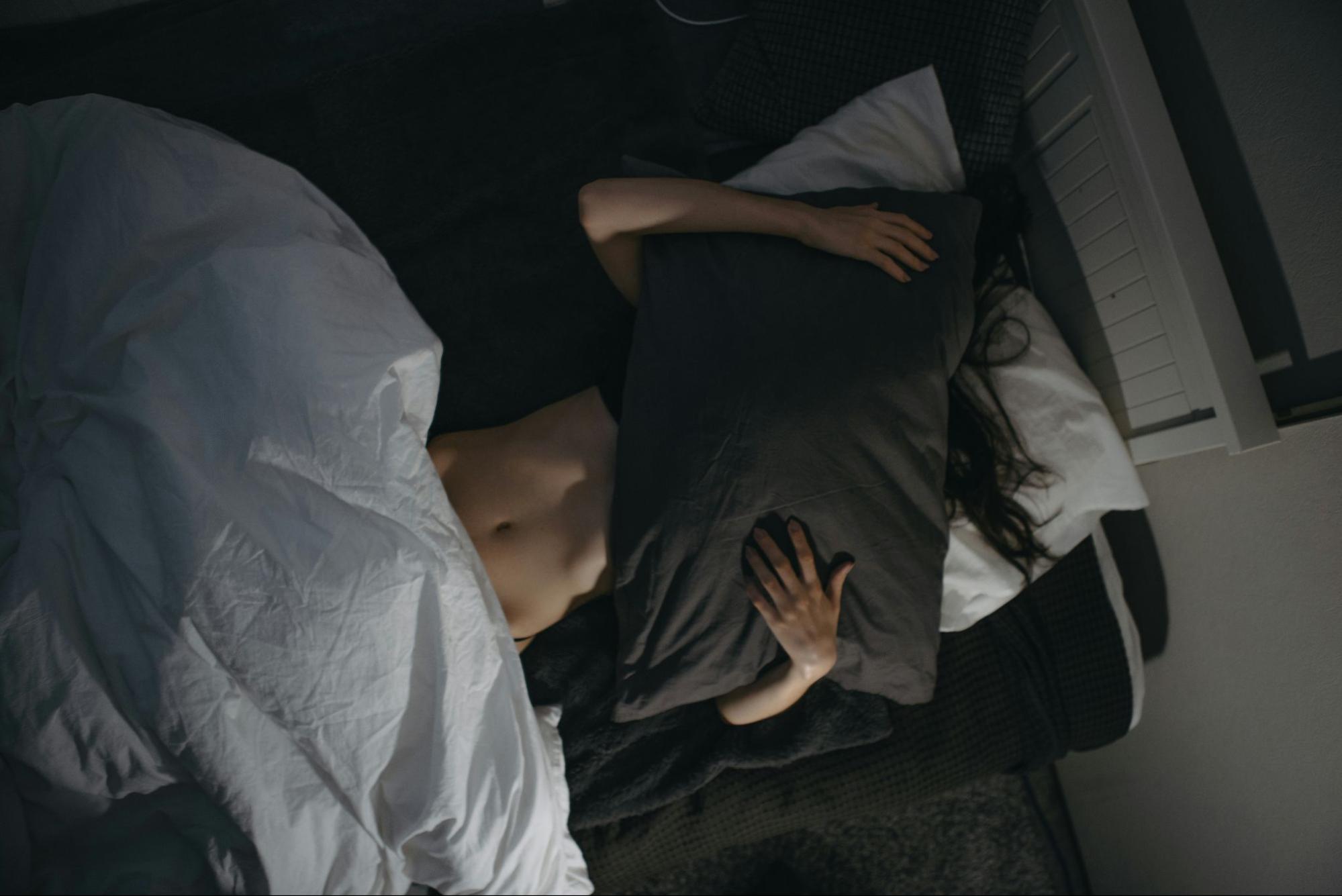
I’ll admit it. I used to think snoring was just this universal annoyance that happened to everyone’s uncle at family gatherings.
But a few years ago, when my own partner started snoring so loudly that I genuinely considered separate bedrooms, I went down the rabbit hole of sleep health research.
What I discovered completely surprised me: snoring and sleep apnea are way more widespread and serious than I’d ever imagined, yet we barely talk about them in the same way we discuss skin health or nutrition. And that struck me as odd, considering how deeply sleep affects everything from our mood to our complexion.
So I started digging into what snoring and sleep issues look like across different parts of the world, and honestly, the patterns are fascinating.
Turns out, while we might have different skincare rituals or beauty routines depending on where we live, the struggle for quality sleep is something that connects us all.
Sleep Apnea Prevalence and Solutions by Region
The United States
In the United States, an estimated 83.7 million adults have obstructive sleep apnea as of 2024, representing about 32.4% of the adult population. Those numbers are staggering when you think about it.
By 2050, OSA is projected to affect nearly 77 million U.S. adults aged 30 to 69, representing a 35% increase from 2020.
The main culprits driving this increase include rising obesity rates and an aging population. Common solutions in the US include CPAP devices from major brands like ResMed and Philips Respironics, which dominate the American market.
ResMed holds approximately 62% market share, strengthened by Philips Respironics’ market exit in 2021, and leads in provider rankings for CPAP devices and masks.
The United Kingdom
The UK presents a different picture entirely.
By 2019, the standardized prevalence of diagnosed obstructive sleep apnea in England was about 1.40% of adults, representing roughly 622,000 people. However, estimated prevalence of OSA was 17.8% among people aged 40 to 64 in England in 2019, suggesting massive underdiagnosis.
Most individuals with OSA in the United Kingdom are undiagnosed, and theoretically, workplace screening might improve both their individual health and overall productivity.
Solutions in the UK follow similar patterns to the US, with ResMed and Fisher & Paykel Healthcare providing most devices through the National Health Service and private clinics.
New Zealand and Australia
The Oceania region has its own sleep apnea story.
The prevalence of OSAS was conservatively estimated to be 4.4% for Māori men, 4.1% for non-Māori men, 2.0% for Māori women, and 0.7% for non-Māori women in New Zealand.
Obstructive sleep apnea is reported to be highly prevalent among Aboriginal Australians.
People worldwide rely on various solutions, including lifestyle changes, oral devices, and Cpap machines for moderate to severe cases.
In New Zealand specifically, CPAP NZ operates as the notable regional provider through Sleep Well Clinic, offering full clinical support and Fisher & Paykel Healthcare’s extensive range of CPAP units and mask solutions. They’ve been helping people use CPAP therapy better for over twenty years by providing sleep tests, medical supervision, and day-by-day contact with their team of CPAP therapists.
Australia faces similar prevalence rates, with research suggesting that between 2% and 50% of men and 2% and 23% of women have some form of sleep apnea, though numbers vary based on diagnostic methods.
Asia, Africa, and Europe
Sleep apnea is increasingly recognized as a global health concern.
Nearly 1 billion people worldwide are affected by sleep apnea, primarily obstructive sleep apnea.
In Asia, manufacturers like BMC Medical in China have emerged as significant players, specializing in sleep apnea therapy and respiratory care solutions, with affordable and high-quality CPAP, BiPAP, and sleep diagnostic devices, establishing itself as a key competitor particularly in emerging markets.
China dominates CPAP manufacturing, with key industrial clusters in Guangdong, Hunan, Fujian, and Henan provinces, offering mature supply chains for medical electronics, silicone components, and respiratory equipment.
Europe relies heavily on established brands like ResMed, Philips Respironics, and Fisher & Paykel Healthcare for treatment solutions.
The variations in diagnosis rates and treatment access across these regions reflect not just medical infrastructure differences, but also cultural attitudes toward sleep health and healthcare funding models.
Why Sleep Health Deserves a Spot in Your Wellness Routine
Here’s where the beauty connection comes in. We obsess over serums and retinol, but how often do we check in on our sleep quality? Research shows that sleep deprivation leads to premature skin aging, including fine lines, uneven pigmentation, and reduced elasticity.
Poor quality sleepers showed increased signs of intrinsic skin aging using the SCINEXA skin aging scoring system, with an average score of 2.2 in good quality sleepers versus 4.4 in poor quality sleepers.
Sleep deprivation effects on skin include accelerating visible signs of skin ageing, including wrinkles and dullness, due to disrupted cellular repair processes and reduced collagen production. So if you’ve been religiously applying your nighttime skincare but skimping on actual sleep, you might be sabotaging your own efforts.
Beyond just the surface level, sleep is vital for immune function and emotional regulation, both of which directly impact how we look and feel.
Sleep deprivation disrupts skin barrier function, causing dehydration, dryness, and visible signs of aging. The skin literally uses sleep as an opportunity to regenerate and repair daily stress.
Making Peace with Sleep Issues
The most reassuring thing I learned through all this research is that addressing snoring and sleep apnea isn’t just about stopping the noise. It’s about reclaiming energy, protecting your cardiovascular health, and yes, even preserving that glow we all work so hard to maintain.
Whether you’re in Auckland, London, or Los Angeles, the message is the same: sleep issues are common, treatable, and absolutely worth taking seriously.
I’ve started thinking of good sleep as the ultimate beauty treatment, one that doesn’t come in a fancy bottle but delivers results no serum ever could.
And if that means having honest conversations about snoring, investing in proper sleep assessments, or exploring treatment options, then that’s just part of taking care of ourselves in the most fundamental way possible.
Because at the end of the day, or rather at the end of the night, nothing beats waking up actually rested, with the kind of natural radiance that only comes from genuine, restorative sleep.