How Often Should You Tan? Safe Tanning Guide

Trying to get that sun-kissed glow without damaging your skin? If you have been asking yourself how often should you tan, you are not alone.
Many people want that warm glow but feel unsure about timing, safety, and skin type.
As someone who has worked closely with clients on safe tanning routines and skin care planning, I have seen how small schedule changes can protect skin and improve results.
In this guide, you will learn how tanning works, how often to tan in a bed or outside, and so on.
By the end, you will feel more confident planning sessions that suit your skin and your goals.
Let’s get started.
Understanding Tanning and Skin

Tanning occurs when UV rays trigger melanin production, the pigment that darkens skin.
UVA rays penetrate deeper and contribute to aging, while UVB rays affect the surface and trigger tanning.
Pigment develops over hours to days, so sessions should be spaced out.
Tanning frequency depends on skin type, age, and existing tan. Fair skin (Type I-II) burns easily, medium skin (Type III-IV) tans gradually, and darker skin (Type V-VI) tans faster.
Sensitive skin or conditions like sunburn or eczema require shorter sessions and longer breaks.
How Often Should You Tan in a Tanning Bed
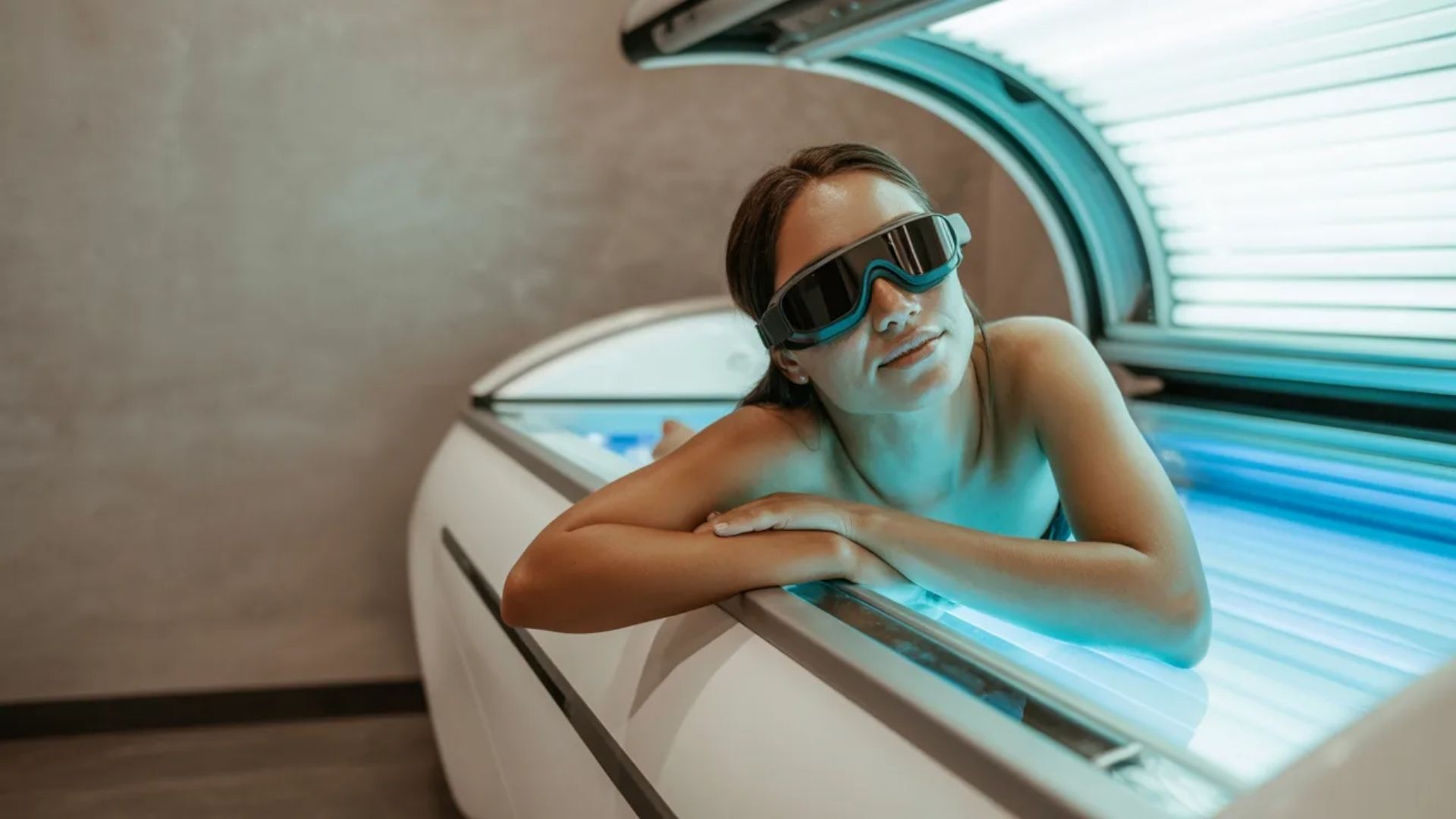
Tanning in a bed can give a controlled, even color if done safely. Knowing how often to go and how long to stay is key to building and maintaining a tan without damaging your skin.
Building a Base Tan
To start, aim for 2-3 sessions per week with at least 48 hours between each. Beginner sessions should last 3-10 minutes, depending on your skin type.
This gradual approach allows your skin to produce melanin safely and reduces the risk of burning while developing a lasting base tan.
Maintenance Phase
Once you reach your desired color, reduce to 1-2 sessions per week. Daily tanning is not recommended, as it can damage skin and cause irritation.
A properly built base tan usually lasts 7-10 days without touch-ups, so maintenance sessions keep your glow consistent and safe.
Adjusting for Skin Type in a Tanning Bed
Skin type affects session length and frequency. Fair skin (Type I-II) should start with very short sessions and increase slowly.
Medium skin (Type III-IV) can handle moderate sessions, while darker skin (Type V-VI) may have longer sessions but still requires rest intervals to avoid overexposure and skin damage.
Plan your sessions carefully and limit exposure to keep your skin healthy and safe.
How Often Should You Tan Outside

Tanning outdoors gives a natural glow but requires caution. Knowing how often to sunbathe and protecting your skin helps prevent burns and long-term damage.
Safe Outdoor Tanning Frequency
Limit sessions to short, controlled exposures and avoid tanning every day. Your skin needs time to produce melanin and recover.
Always consider SPF protection, and remember that natural UV strength varies throughout the day and season, so plan your sessions accordingly to stay safe.
Seasonal & Environmental Factors
Tanning frequency should change with the season, weather, and your location. In summer or closer to the equator, UV rays are stronger, requiring shorter sessions.
Monitor the sun’s intensity, use protective measures, and adjust your schedule to prevent overexposure and skin irritation.
Adjust your outdoor tanning schedule based on UV intensity to protect your skin from damage.
Safety Guidelines
Protecting your skin while tanning is essential. Following safety measures reduces the risk of burns, premature aging, and other complications.
Avoid Overexposure: Risk of burns, premature aging, and skin cancer. Watch for early signs of irritation such as redness, itching, or discomfort.
Protective Measures: Use tanning-specific lotions to support skin hydration and melanin production. Wear protective eyewear for indoor tanning. Keep skin moisturized and drink water before and after sessions.
When to Pause or Stop: Stop tanning if your skin becomes red, itchy, or irritated. Certain health conditions or medications can increase sensitivity to UV rays, making breaks essential.
Safe tanning habits help protect your skin from long-term damage.
Tanning Bed vs. Sun Tanning: Quick Comparison
Both methods can darken your skin, but they differ in control, safety, and exposure levels.
| Feature | Indoor Tanning Beds | Outdoor Sun Tanning |
|---|---|---|
| Exposure Control | Controlled UV levels based on bed type and strength. | UV intensity changes by time of day, season, and location. |
| Frequency | Usually 2-3 sessions per week to build, 1-2 for maintenance. | Short, spaced sessions depending on UV index and skin type. |
| Session Length | Timed sessions, often 3-10 minutes for beginners. | Varies widely, should be limited to prevent burns. |
| Protection | Protective eyewear required, tanning lotions often used. | SPF sunscreen is recommended to reduce skin damage. |
| UV Consistency | Consistent exposure each session. | UV levels vary due to weather and environment. |
| Combining Both | Can be scheduled with rest days. | If combining, reduce total weekly UV exposure to avoid overexposure. |
Choose the method carefully and always limit total UV exposure to protect your skin.
Alternatives to Frequent Tanning
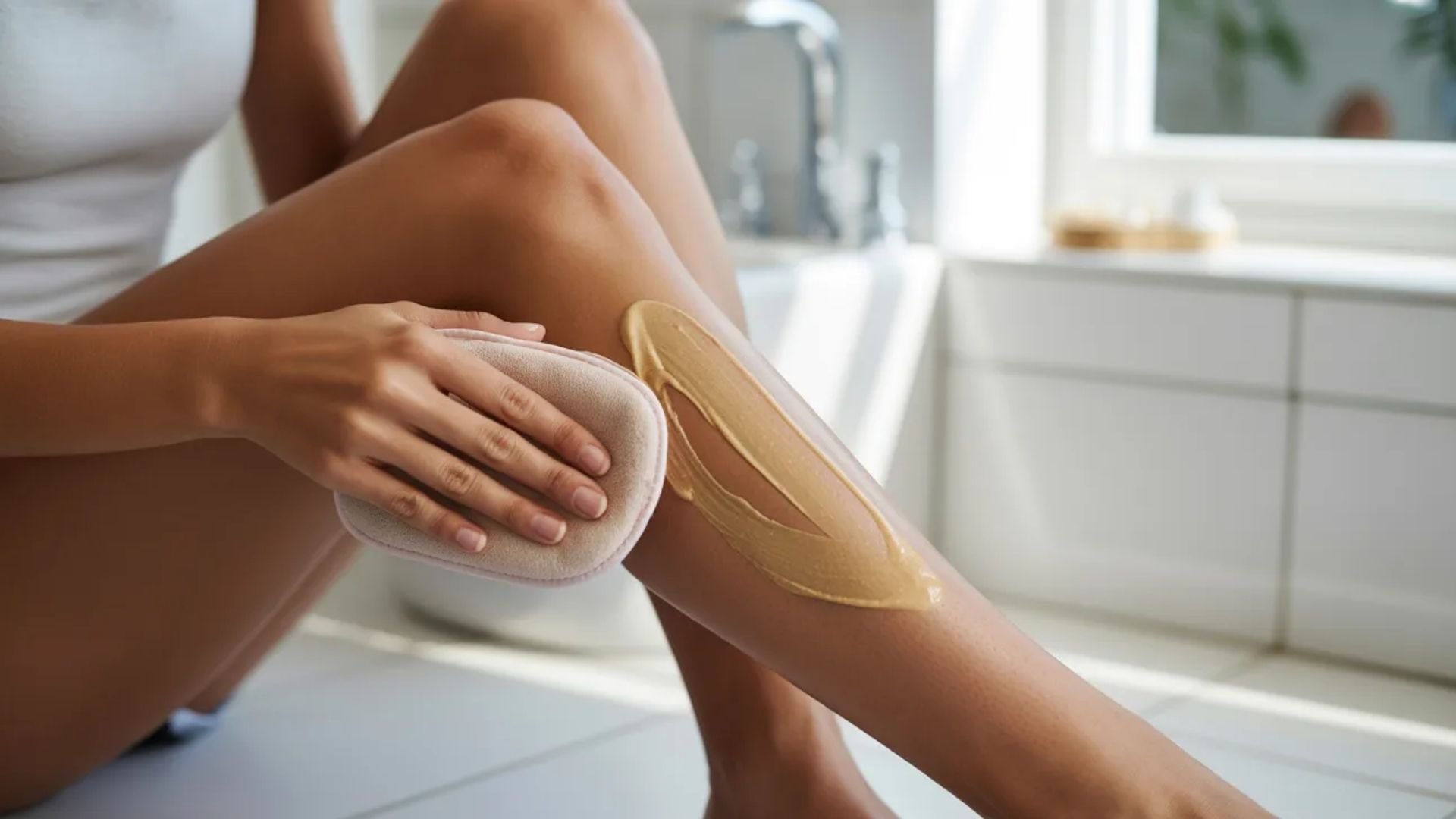
If you want a glow without regular UV exposure, there are safer options available. These methods reduce the risk of burns and long-term skin damage.
Spray Tans & Self-Tanning Products: Provide color without UV exposure. Pros include a lower risk of skin damage and quick results.
Cons may include uneven application or short duration. Most spray tans last 5-10 days, and self-tanners can be reapplied every few days as directed.
Bronzing Makeup Options: Offer a temporary glow that washes off at the end of the day. Ideal for events or quick touch-ups without affecting your skin.
Gradual Sunless Tanning for Sensitive Skin: Use gradual tanning lotions designed for sensitive or burn-prone skin. Apply every few days to build light, even color without UV exposure.
These options help you maintain a glow while limiting UV exposure and protecting your skin.
Practical Tips for Optimal Tanning
Small habits can improve your results and help protect your skin. Follow these simple tips to keep your tan even and healthy.
- Exfoliate 1-2 times a week to remove dead skin cells and help your tan develop evenly.
- Moisturize daily so your skin stays hydrated and holds color longer.
- Leave at least 48 hours between sessions to allow pigment to develop properly.
- Pay attention to how your skin reacts and adjust session time if needed.
- Avoid tanning every day, as too much exposure increases the risk of burns and damage.
Healthy skin habits help you maintain your tan while reducing the risk of overexposure.
Final Thoughts
After years of seeing how skin reacts to UV exposure, balance matters most.
Whether you choose a tanning bed or natural sun, spacing sessions and knowing your skin type make a real difference.
How often should you tan depends on patience, protection, and listening to your skin. A steady plan gives better color and fewer risks. Healthy habits today protect your skin for years to come.
Want safer glow tips that actually work? Save this guide and share it with someone planning their next tanning session!
Frequently Asked Questions
Does A Base Tan Prevent Sunburn?
A base tan provides very little protection, equal to about SPF 2-4. It does not prevent sunburn or long-term UV damage. You still need sunscreen and limited exposure.
Can Teenagers Safely Use Tanning Beds?
Tanning beds are not recommended for teenagers. Early UV exposure increases the risk of skin damage, premature aging, and skin cancer later in life.
What Skin Types Should Avoid Tanning Beds Entirely?
People with very fair skin (Type I), a history of skin cancer, or high UV sensitivity should avoid tanning beds. Certain medications can also increase UV reactions.
How Many Sessions Does It Take To Build A Base Tan?
Most people build a base tan in 6-10 sessions when tanning 2-3 times per week. Results vary depending on skin type and session length.
Are Spray Tans Safer Than Tanning Beds?
Yes, spray tans are safer because they do not use UV radiation. They color the outer layer of skin and usually last 5-10 days without causing UV damage.