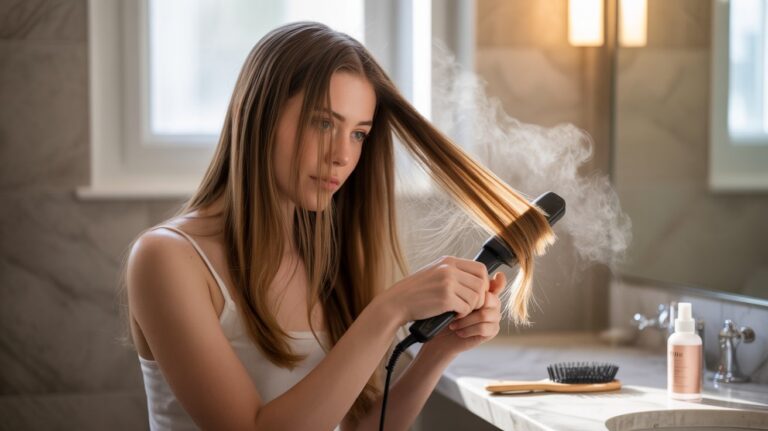
How to Dye Hair at Home: Step-by-Step Guide

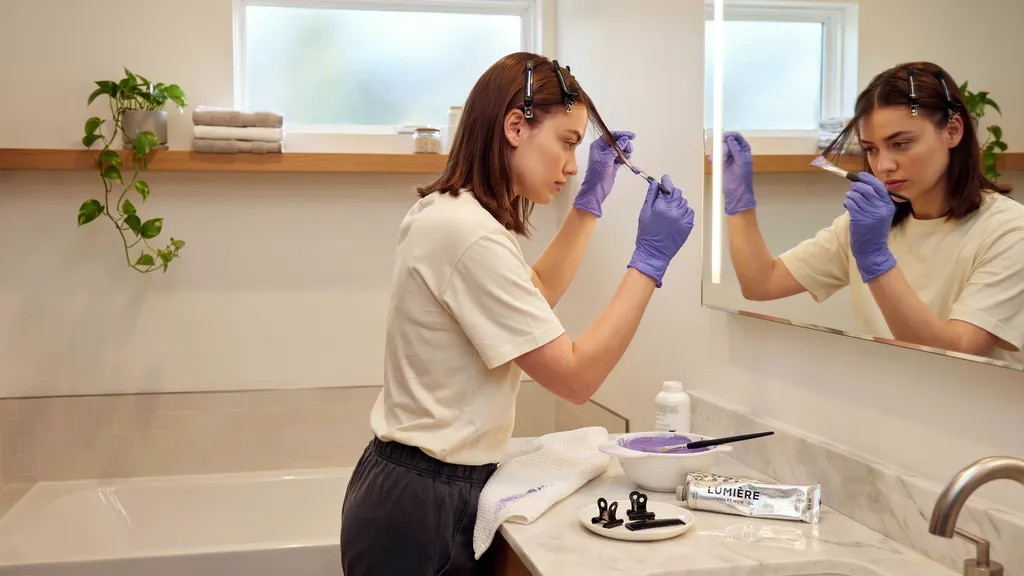
Dyeing your hair at home can feel scary the first time. You worry about picking the wrong shade or making a mess on your bathroom floor.
This guide walks you through everything you need, from choosing the right dye to caring for your color after. We will cover the tools you need, step-by-step application, and how to avoid common mistakes.
I have tried many box dyes and salon formulas over the years, and I know what actually works and what does not.
By the end of this post, you will feel ready to color your hair with confidence. No guesswork. No wasted product. Just clear steps you can follow today.
How to Dye Hair at Home for Beginners

A simple starting point for anyone trying to color their hair for the first time.
Home hair dyeing is easier than most people think once you understand the basics. Start with clean tools, good lighting, and a dye made with beginners in mind.
Apply the color in small sections so it goes on evenly across your head.
Patience matters more than speed here. Take your time, follow each step in order, and your first home color job can look just as good as a salon visit.
Choose the Right Hair Dye Before You Start
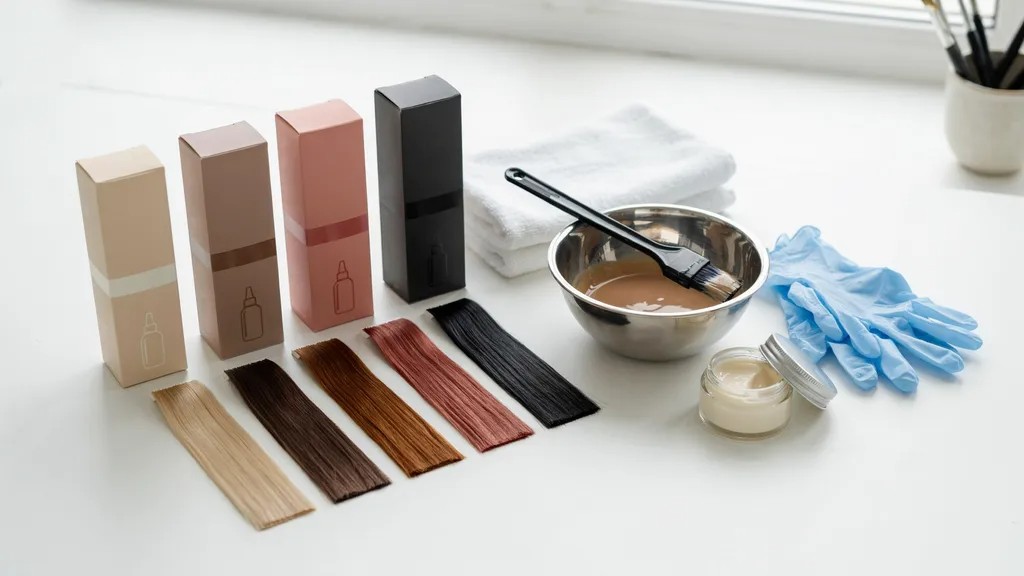
Picking the right formula makes a real difference in how your color turns out.
Permanent vs. Demi-Permanent vs. Semi-Permanent Hair Dye
Permanent dye changes your hair color for good and covers gray fully. Demi-permanent dye lasts several weeks and fades slowly without a harsh line.
Semi-permanent dye washes out within a few weeks and adds no lift to your natural shade. Pick permanent if you want long-lasting change. Pick semi-permanent if you just want to test a new tone before you commit.
How to Choose the Best Shade for Your Hair
Look at your skin tone before you pick a shade. Warm skin tones tend to suit golden and honey shades, while cool skin tones often look better with ash and cool browns.
Check your natural hair color too, since going more than two shades lighter or darker at home can be tricky. When in doubt, pick a shade close to your natural color for your first try.
What You Need to Dye Hair at Home Safely

Getting your supplies ready first makes the whole process smoother and less messy.
Essential Tools and Supplies
Gather gloves, a mixing bowl if your dye needs one, a tint brush, sectioning clips, an old towel, and a timer. A wide tooth comb helps spread the dye evenly.
Keep petroleum jelly nearby to protect your hairline from stains. Having everything laid out before you start saves time and stops the mess from spreading.
Perform a 48-Hour Patch Test
Apply a small amount of dye behind your ear or on your inner elbow. Wait 48 hours and check for redness, itching, or swelling.
This step matters even if you have used the same brand before, since your skin can react differently over time. Skipping this test is one of the most common causes of allergic reactions.
Protect Your Skin, Clothes, and Workspace
Wear an old shirt or a cape you do not mind staining. Lay towels or plastic sheets on the floor and counter.
Apply petroleum jelly along your hairline, ears, and neck before you start. A little prep here saves a lot of scrubbing later.
How to Dye Hair at Home Step by Step
Follow these steps in order for even color and fewer surprises.
Step 1: Section Your Hair
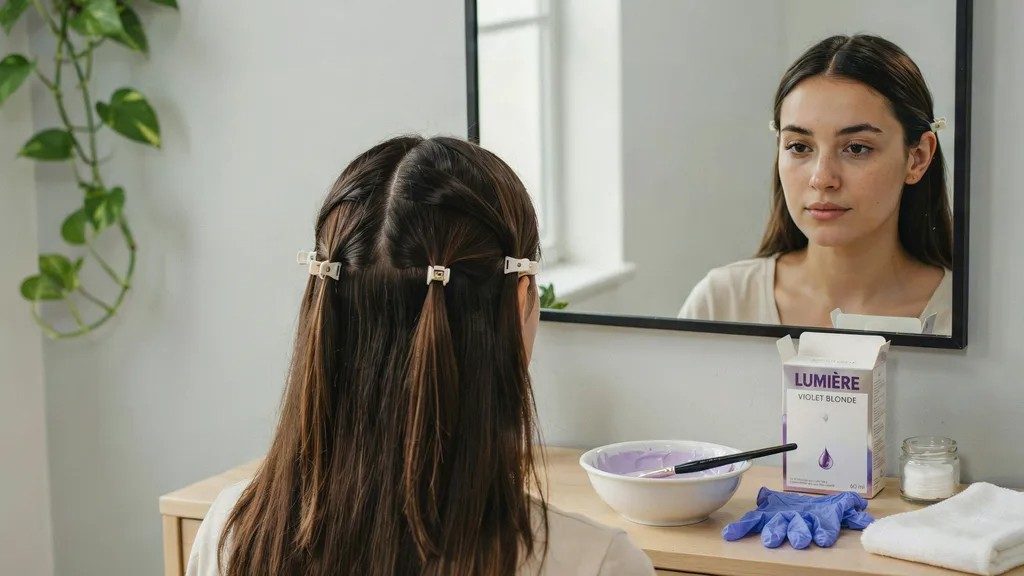
Divide your hair into four parts, front to back and side to side, and clip each section up.
Working in sections keeps the process organized and makes sure no part of your hair gets missed.
Step 2: Mix the Hair Dye Correctly

Follow the ratio on the box exactly, since too much or too little developer changes how the color sets.
Mix in a non-metal bowl and stir until the mixture looks smooth with no streaks.
Step 3: Apply Hair Dye Evenly

Start at the roots if you are covering gray, or start at the ends if you want even color throughout.
Work in thin layers and use the brush or applicator tip to reach every strand.
Step 4: Let the Hair Dye Process

Set a timer based on the box instructions and do not guess the time.
Leaving dye on too long can damage your hair and dry out your scalp.
Step 5: Rinse and Condition Your Hair
Rinse with cool water until it runs clear, then use the conditioner that came with your dye kit.
Cool water helps seal the hair cuticle and locks in more color.
Step 6: Wait Before Washing Your Hair

Avoid shampooing for at least 48 hours after coloring.
This waiting period lets the color fully settle into each strand and helps it last longer.
How to Dye Hair at Home Without Damage
Small habits during the process protect your hair from breakage and dryness.
- Do a strand test before applying color to your whole head to catch problems early. Use a deep conditioning mask a day or two before you plan to dye your hair.
- Never dye hair that is already damaged, dry, or freshly relaxed without a gap in between. Give your hair a break of a few weeks between color sessions to avoid overload.
- Apply dye in thin, even layers instead of piling it on thick in one spot. Thick clumps of dye do not process evenly and can leave patchy results.
- Keep the dye on for the exact time listed on the box, not longer for extra color. Extra time does not deepen color much but does add extra damage.
- Rinse with cool water and skip hot showers for the first few washes after coloring. Hot water opens the hair cuticle and lets color fade out faster.
How to Care for Dyed Hair

Simple aftercare habits keep your color looking fresh for much longer.
Best Shampoo and Conditioner for Colored Hair
Pick a sulfate-free shampoo made for colored hair, since regular shampoo can strip color fast. Look for a conditioner with added moisture, since colored hair tends to feel drier than untreated hair.
Reduce Heat and Sun Damage
Use a heat protectant before blow drying, curling, or straightening. Wear a hat or use a UV spray when you spend long hours outside, since sun exposure fades color quickly.
How Often Should You Touch Up Your Hair Color?
Root touch ups usually work best every four to six weeks. Full color refreshes depend on how fast your hair fades, but most people redo their full color every two to three months.
Common Mistakes to Avoid When Dyeing Hair at Home
Small errors during application often lead to the biggest regrets.
- Choosing a shade that looks nothing like the box once it dries on your hair. Always check swatches against your actual hair color, not just the picture on the box.
- Skipping the patch test because you feel confident nothing will go wrong this time. Reactions can happen even after years of using the same dye without issue.
- Leaving the dye on far longer than the time listed to get a darker result. This often leads to dryness, breakage, and a color that looks flat instead of rich.
- Missing small sections near the crown, nape, or hairline during application. Ask someone to check the back of your head, since mirrors often miss these spots.
- Rushing through the mixing step and eyeballing the ratio instead of measuring it out. Wrong ratios change how the color develops and can leave uneven results.
Conclusion
Coloring your hair at home takes a bit of nerve the first time, and that is normal. I still remember my first box dye attempt, patchy roots and all, but I learned fast and so will you.
Follow the steps here, take your time, and trust the process. Your hair color at home does not need to be perfect, it just needs to be done with care.
If this guide helped you, drop a comment and let me know how your color turned out.
Share this post with a friend who is nervous about their first try, and check out our other hair care guides for more tips.
Frequently Asked Questions
How long does home hair dye last?
Permanent dye lasts until new growth appears, usually four to six weeks before a touch up is needed. Semi-permanent dye fades out within two to six washes.
Can I dye my hair right after washing it?
It is better to wait a day or two after washing, since natural oils protect your scalp during coloring. Freshly washed hair can also be more sensitive to the dye.
What happens if I leave hair dye on too long?
Leaving dye on past the recommended time does not add much extra color but does dry out your hair. It can also lead to scalp irritation in some cases.
Do I need to do a patch test every time?
Yes, even if you have used the same dye brand before. Your skin can react differently over time, so a 48-hour patch test before each use is the safer choice.
Why did my hair color turn out different than the box picture?
Your natural hair color, texture, and any previous coloring all affect the final result. Box pictures are shown on hair that starts very light, so darker starting shades will look different.