Vitamin E Oil Good for Hair and Scalp Health


I have spent years trying different oils on my hair, and vitamin E oil kept coming up in every conversation. So I did the research, tested it, and now I want to share what I found.
Vitamin E oil good for hair and scalp health is not just a trend. There is real science behind it, and some honest limitations too.
In this article, I will cover how vitamin E works on your scalp, its key benefits, what research actually says, how to use it safely, and side effects to watch out for.
I have helped hundreds of readers sort fact from fiction in hair care, and I will do the same here.
How Vitamin E Oil Affects Hair and Scalp
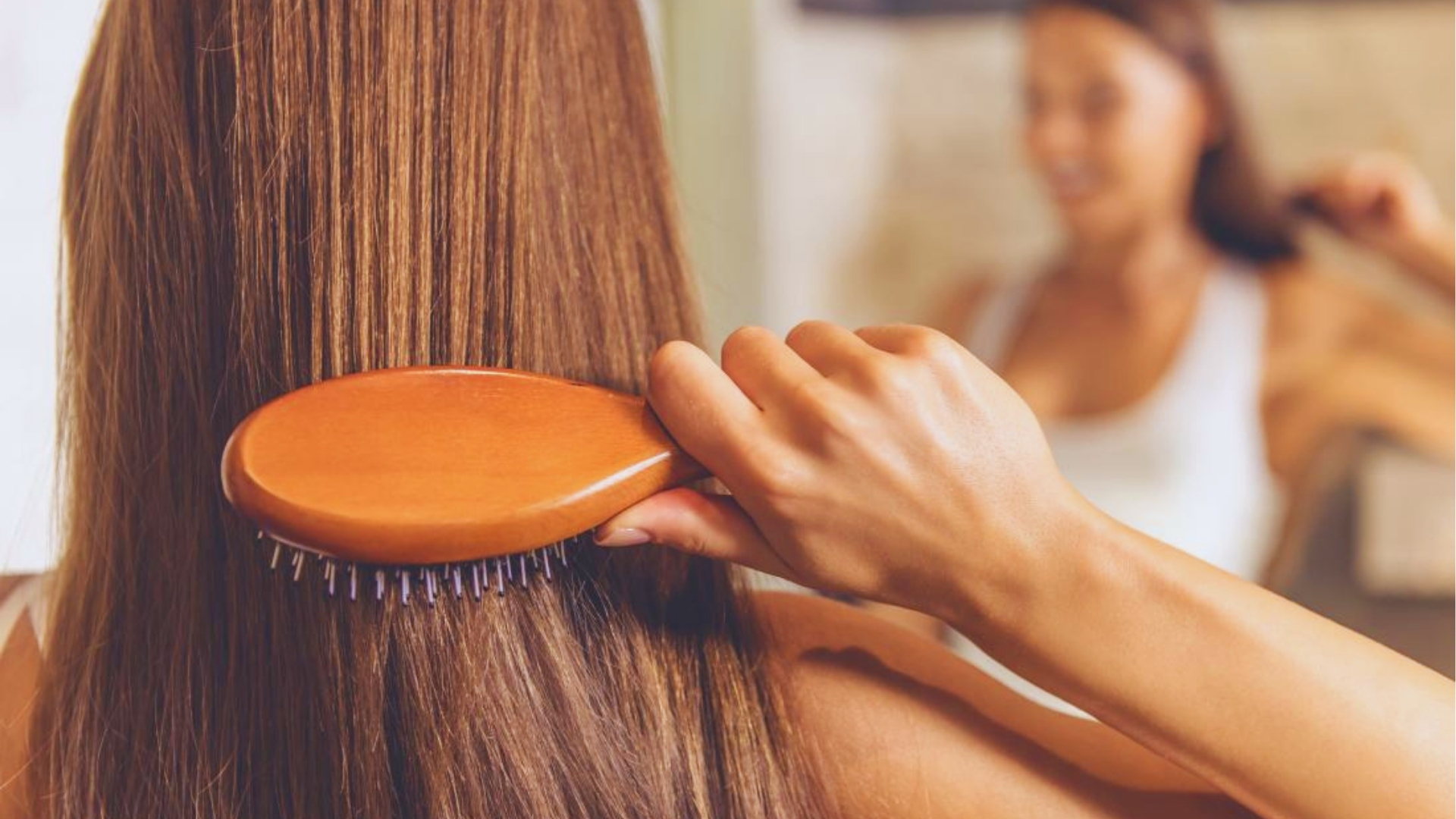
A quick look at what vitamin E actually does once it reaches your scalp and hair follicles. Your scalp faces daily damage from pollution, sun, and stress, which creates oxidative stress.
Vitamin E is an antioxidant that fights this damage at the cell level, making the scalp a healthier place for hair to grow.
It also protects the cells around hair follicles and supports the scalp’s natural barrier, keeping moisture in and irritants out.
Some early research points to a connection between vitamin E and reduced hair loss. It is promising, but not fully proven yet.
Key Benefits of Vitamin E Oil for Hair
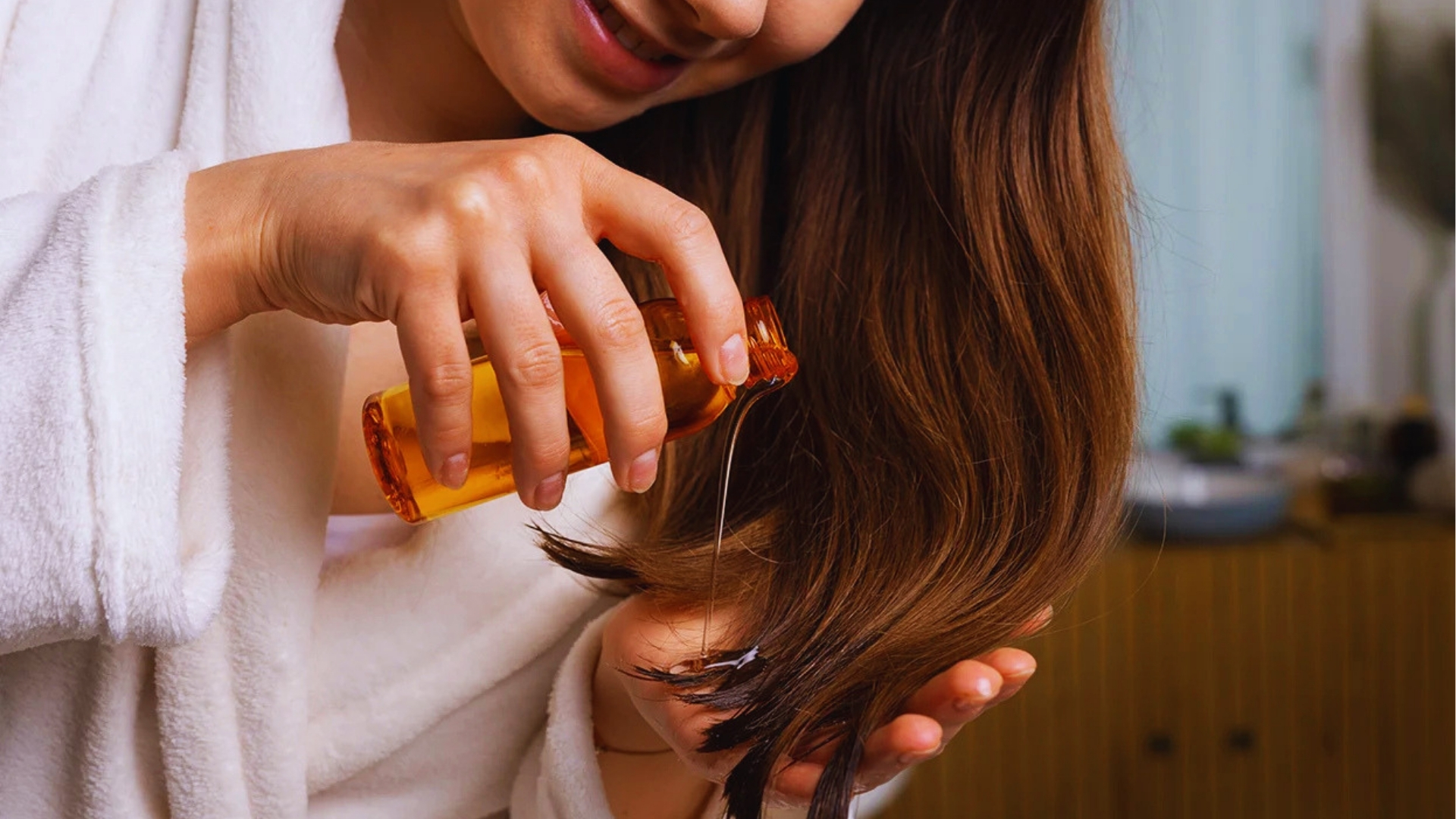
Here is what vitamin E oil may do for your hair, based on current understanding.
May Help Improve Scalp Moisture and Dryness
A dry scalp can lead to flaking and itching. Vitamin E oil has moisturizing properties. When applied correctly, it can help retain moisture in the scalp skin. This may reduce dryness over time.
Can Improve Hair Shine and Smoothness
Vitamin E oil coats the hair shaft lightly. This can make hair look shinier and feel smoother. It fills in gaps on the surface of the hair. The result is hair that reflects light better.
May Reduce Damage Caused by Heat and Chemicals
Heat tools and chemical treatments weaken hair over time. Vitamin E may offer some protection against this damage. It is not a heat protectant by itself, but it supports the hair’s overall strength.
Supports Overall Scalp Barrier Function
The scalp has a natural protective layer. Vitamin E helps keep this layer working well. A strong barrier means fewer infections, less dryness, and better hair growth conditions.
Scientific Evidence Behind Vitamin E Oil
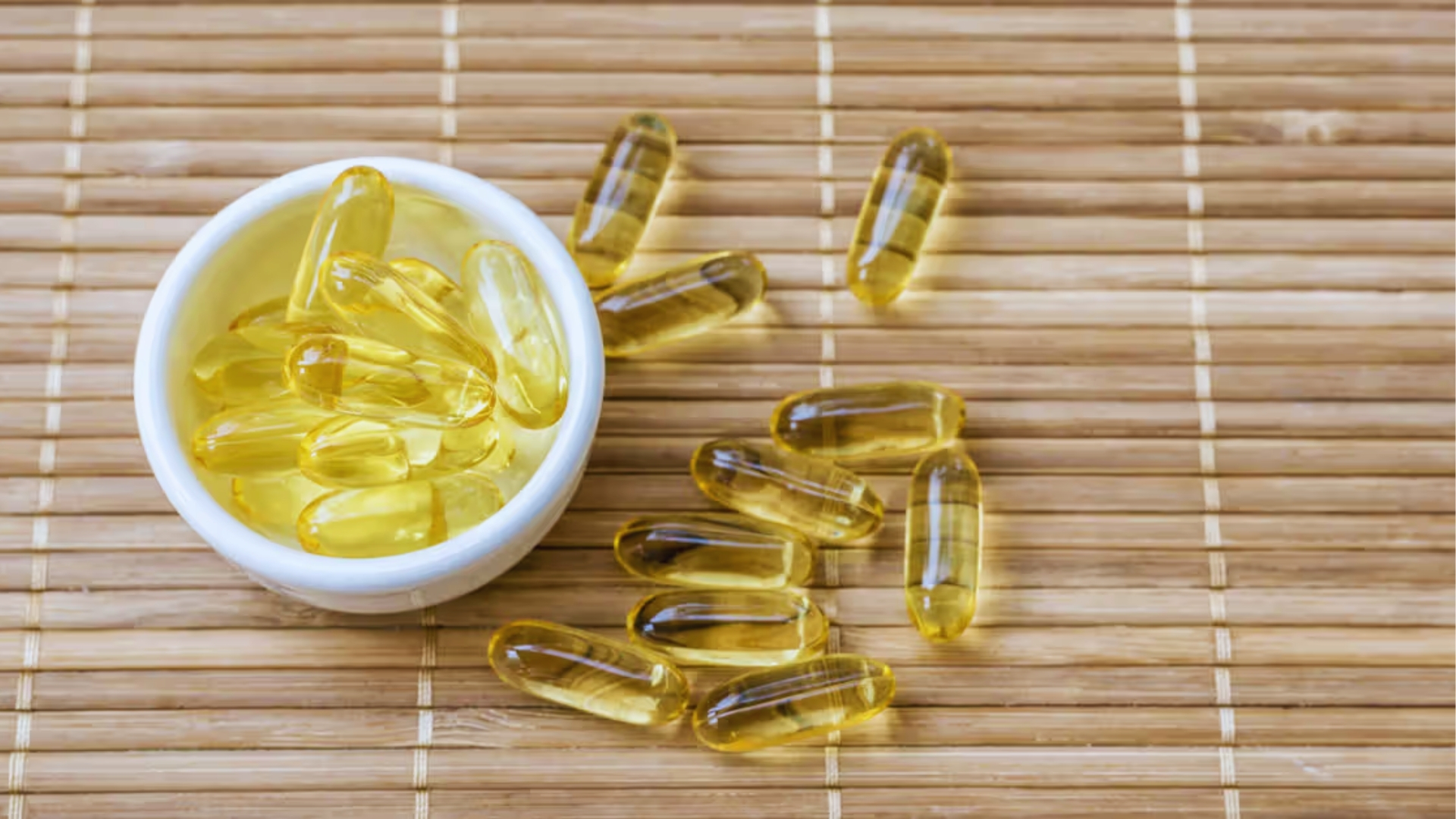
What does the actual research say? Here is an honest breakdown.
Limited Studies on Hair Growth Effects
Most of the research on vitamin E and hair is small in scale. There are very few large clinical trials. This does not mean it does not work.
It means we do not have enough data yet to say it does with full confidence.
Small Research Findings on Hair Loss Improvement
One small study found that people with hair loss saw improvement after taking vitamin E supplements for several months.
Hair count increased compared to those who took a placebo. But again, the sample size was small, and more research is needed.
What Experts Say About Current Evidence
Most dermatologists agree that vitamin E is safe for topical use and may support scalp health. However, they also say it is not a cure for hair loss.
It works best as part of a broader hair care routine.
How to Use Vitamin E Oil for Hair and Scalp
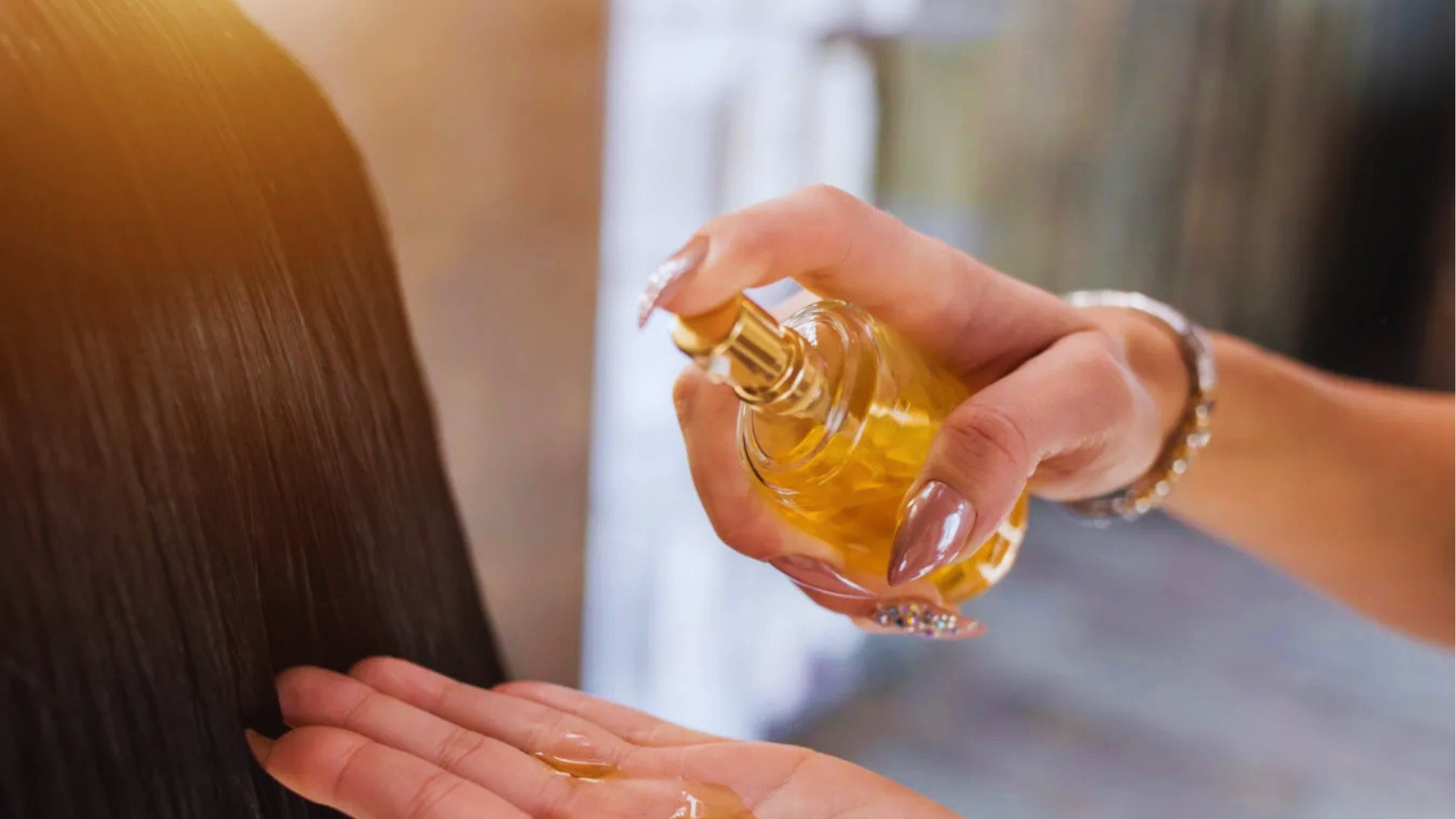
Simple, safe ways to add vitamin E oil to your hair care routine without overdoing it.
Applying Diluted Vitamin E Oil to the Scalp
Never apply pure vitamin E oil directly to the scalp. It is thick and can clog pores. Always mix it with a lighter carrier oil. Use a ratio of about 1 part vitamin E to 3 parts carrier oil.
Massage gently into the scalp and leave for 30 minutes before washing.
Using Vitamin E in Shampoos and Conditioners
Many shampoos and conditioners already contain vitamin E. This is one of the easiest ways to get the benefit. Look for it listed as tocopherol on the label.
You can also add a few drops of vitamin E oil to your own shampoo or conditioner bottle.
Combining Vitamin E With Carrier Oils
Coconut oil and avocado oil are popular choices to mix with vitamin E. Coconut oil adds moisture. Avocado oil adds weight and shine.
Together with vitamin E, they make a strong treatment for dry or damaged hair.
DIY Hair Masks With Vitamin E Oil
A simple mask: mix 1 capsule of vitamin E oil, 2 tablespoons of coconut oil, and 1 tablespoon of honey. Apply to damp hair. Leave for 20 to 30 minutes. Rinse thoroughly.
Do this once a week for best results.
Side Effects and Risks of Vitamin E Oil
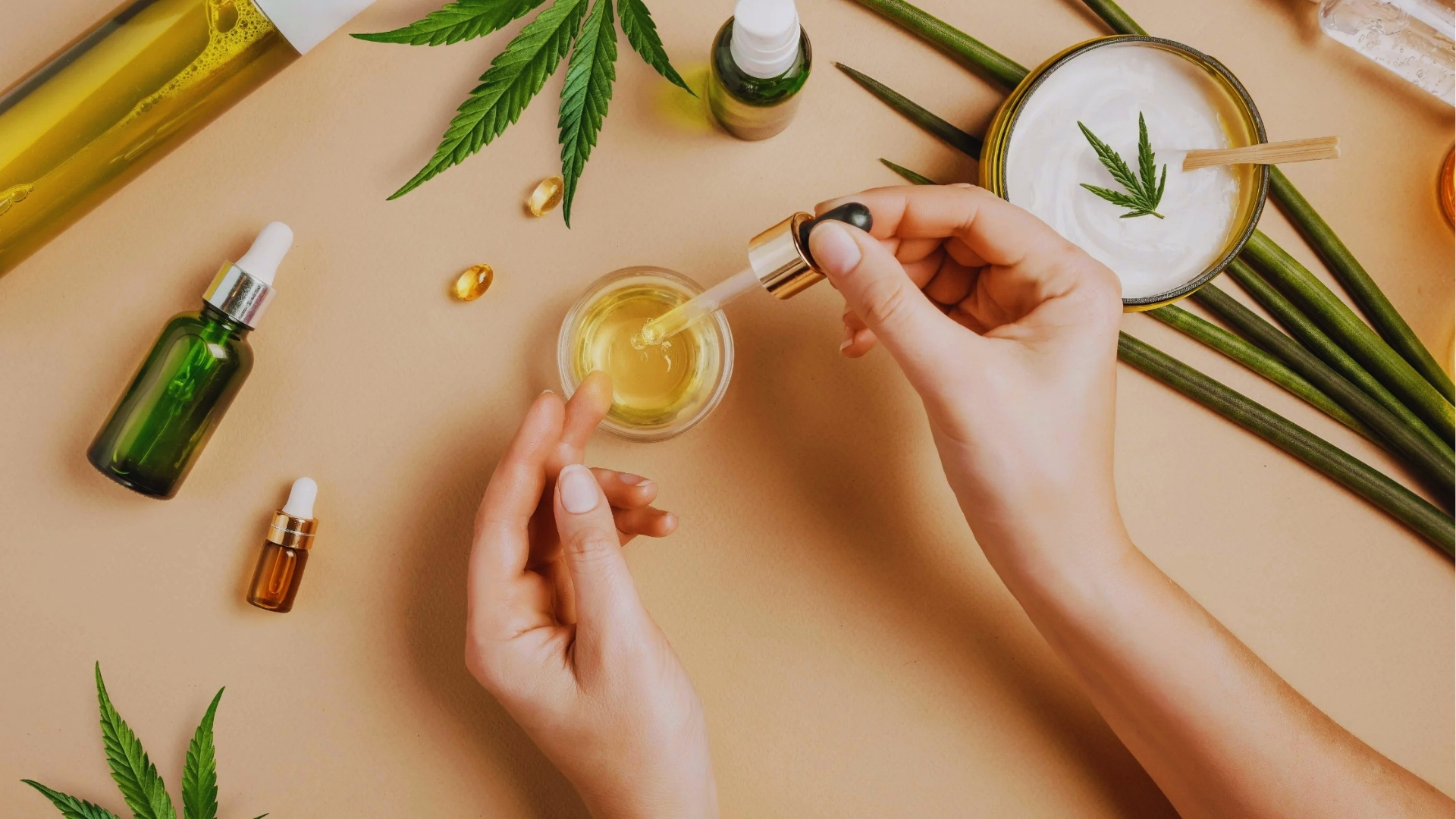
Like anything applied to the body, vitamin E oil comes with a few things to watch for.
Skin Irritation From Undiluted Oil
Using vitamin E oil without diluting it can cause redness, itching, or breakouts on the scalp. Always do a patch test first.
Apply a small amount to your inner arm and wait 24 hours before using it on your scalp.
Risks of Excessive Supplement Use
Taking too many vitamin E supplements can be harmful. High doses may cause nausea, headaches, or even increase bleeding risk.
Stick to the recommended daily amount, which is around 15 mg for adults.
Possible Interactions With Medications
Vitamin E supplements can interact with blood thinners like warfarin. If you take any regular medication, talk to your doctor before adding vitamin E supplements to your routine.
Is Vitamin E Oil Really Good for Hair and Scalp?
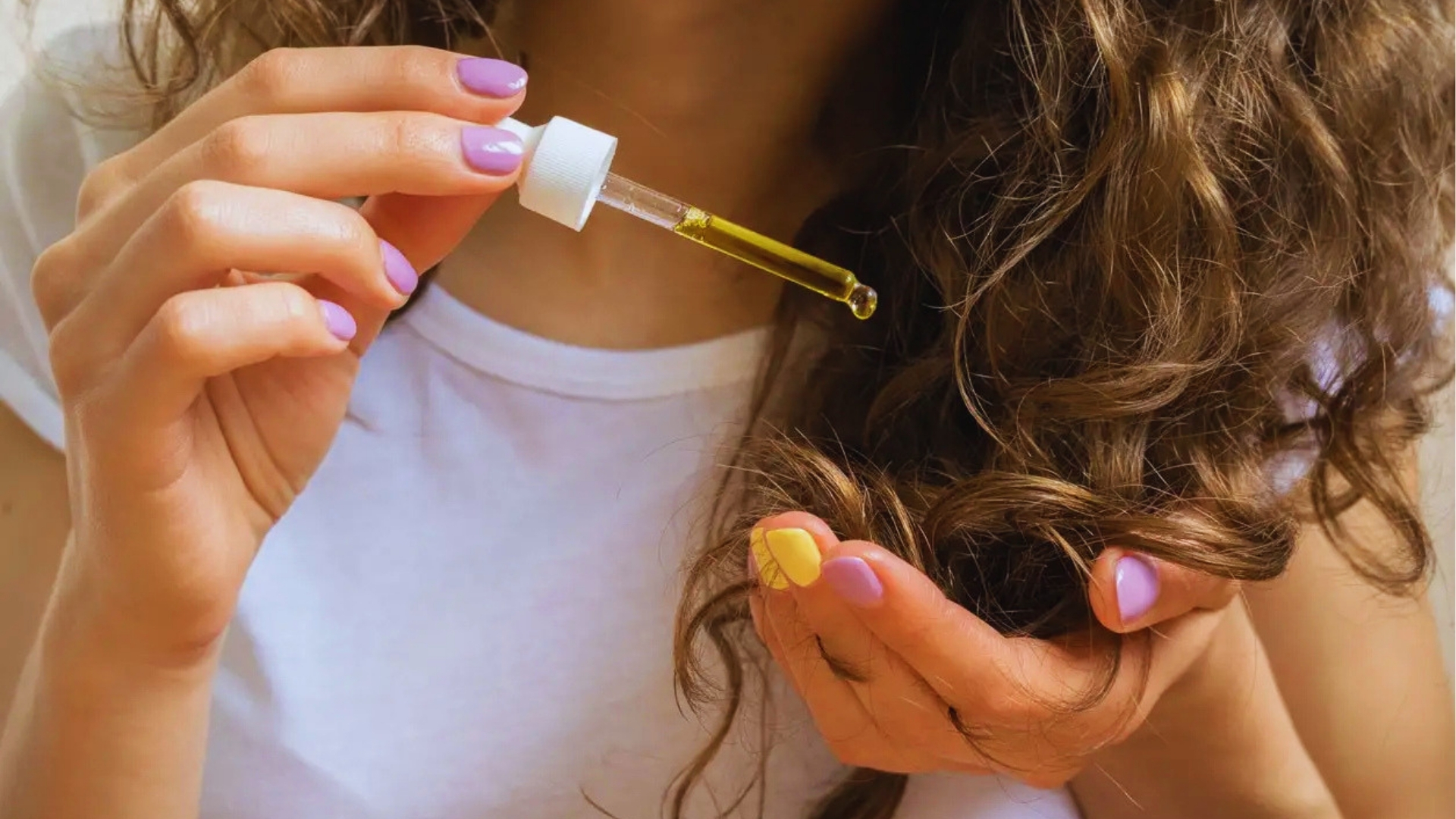
Putting it all together to help you decide if this is right for your hair.
Summary of Potential Benefits vs Limitations
Benefits: Antioxidant protection, scalp moisture, shine, and barrier support.
Limitations: Limited clinical proof for hair growth, risk of irritation if misused, not a standalone solution for hair loss.
When It May Actually Help Hair Health
Vitamin E oil works best for people with dry, dull, or chemically treated hair. It also helps those with mildly dry scalps. If your hair loss is due to a medical condition, this oil alone will not fix it.
Importance of Realistic Expectations
Do not expect overnight results. Hair health improves slowly. Give any new treatment at least 8 to 12 weeks before judging results. Consistency matters more than quantity.
Tips for Using Vitamin E Oil for Hair Safely and Effectively
Simple habits make a big difference. Use vitamin E oil the right way to get real results without side effects.
- Always dilute vitamin E oil with a carrier oil before applying it directly to your scalp or hair.
- Do a patch test on your inner arm before applying vitamin E oil to your scalp.
- Use only a few drops at a time to avoid greasy, heavy buildup on your hair.
- Massage the oil gently into your scalp using slow circular motions for better absorption.
- Avoid using vitamin E oil more than twice a week to prevent clogged scalp pores.
- Eat vitamin E rich foods like almonds and spinach for long-term hair health benefits.
Conclusion
I started using vitamin E oil good for hair and scalp health about a year ago, and my scalp feels calmer and less dry. It is not magic, but it works if you stay consistent.
If you have dull or dry hair, it is worth trying. Start small, dilute it well, and give it time. Results do not come fast, but they do come.
Have you tried vitamin E oil on your hair? Drop your experience in the comments below. I would love to hear what worked for you.
Frequently Asked Questions
Can I leave vitamin E oil on my scalp overnight?
Yes, you can leave diluted vitamin E oil on your scalp overnight. Make sure it is mixed with a carrier oil and rinse it out thoroughly in the morning.
How often should I use vitamin E oil on my hair?
Once or twice a week is enough for most people. Using it too often can make hair greasy or block scalp pores.
Does vitamin E oil help with hair thinning?
It may help reduce hair loss linked to oxidative stress. However, it is not a proven treatment for thinning caused by genetics or hormonal conditions.
Can I use vitamin E oil on color-treated hair?
Yes, it is generally safe for color-treated hair. It may even help reduce some chemical damage. Always patch tests first to be safe.
Is eating vitamin E better than applying it to hair?
Both approaches have value. Eating vitamin E through foods like nuts and seeds supports hair health from the inside. Applying it topically helps the scalp and hair surface directly.