How to Hydrate Hair Naturally at Home: Your Complete Guide


Your hair feels dry, brittle, and thirsty. I’ve been there too, and I know how frustrating it can be.
In this guide, I’ll show you how to hydrate hair naturally at home using simple methods that actually work.
You’ll learn why hair loses moisture in the first place, 13 easy tips to bring hydration back, and daily habits that keep your strands soft and healthy.
I’ve tested these techniques myself over years of caring for dry hair. No fancy products needed. Just natural solutions you can start using today.
Why Hair Becomes Dry and Dehydrated
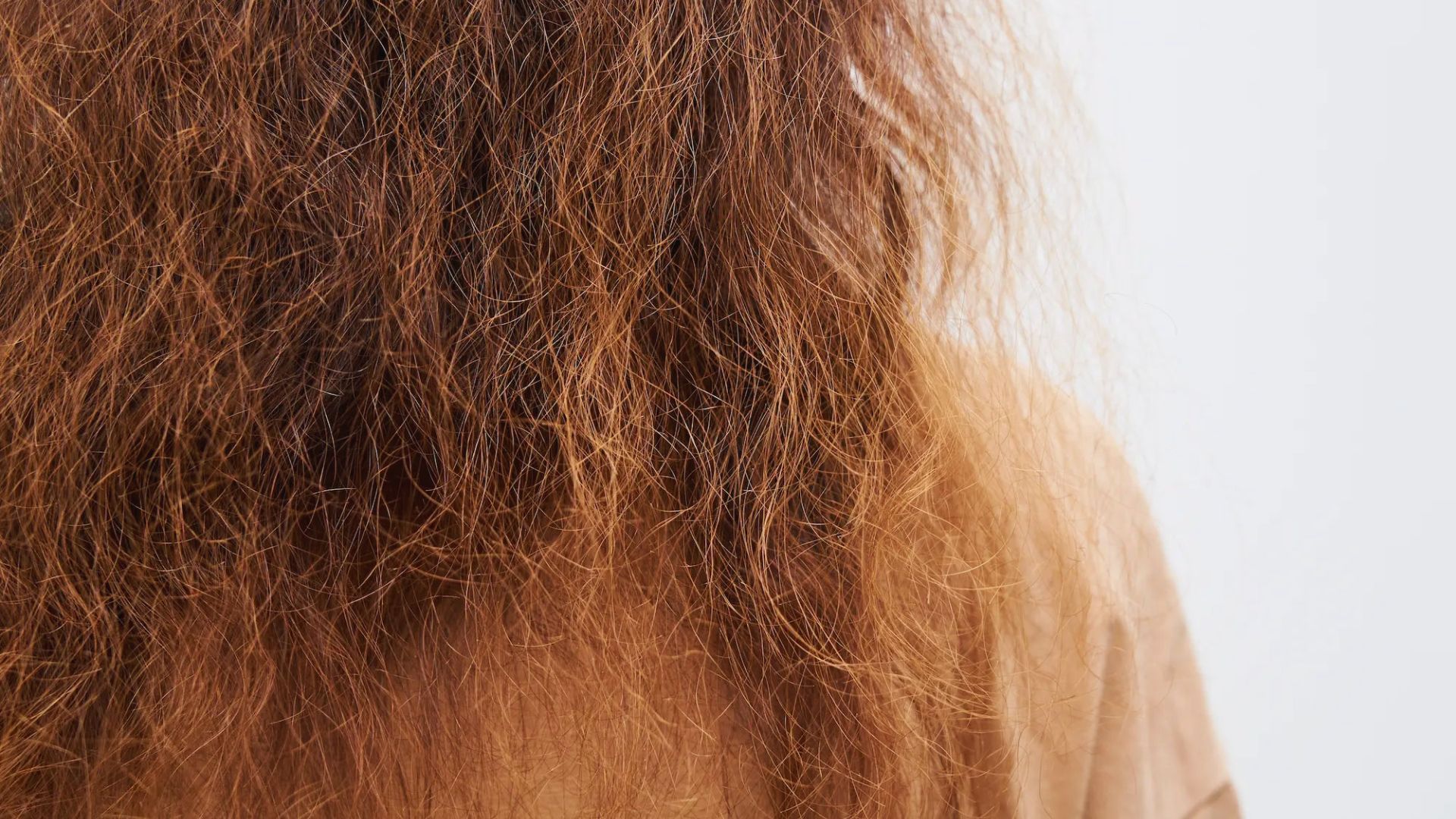
Hair loses moisture through heat styling, chemical treatments, over-washing, and environmental factors. Your scalp health directly affects how hydrated your strands stay.
Your hair doesn’t dry out on its own. Hard water strips natural oils. Towel friction creates tiny tears that let moisture escape. Indoor heating dehydrates the air around you.
Heat tools reach over 400 degrees and boil water inside your hair shaft. I learned this the hard way with my flat iron. Bleach opens the cuticle and makes hair porous. Over-washing removes sebum, your hair’s natural conditioner. Two to three times per week is enough.
Your scalp produces oils that keep hair soft. Buildup blocks oil glands and stops natural oils from reaching your strands. Scalp massage increases blood flow and oil production. Just five minutes daily makes a difference.
How to Hydrate Hair Naturally at Home: 13 Easy Tips
These simple methods bring moisture back to dry, thirsty hair using ingredients you already have at home.
1. Use Sulfate-Free Shampoo and Wash Less Often
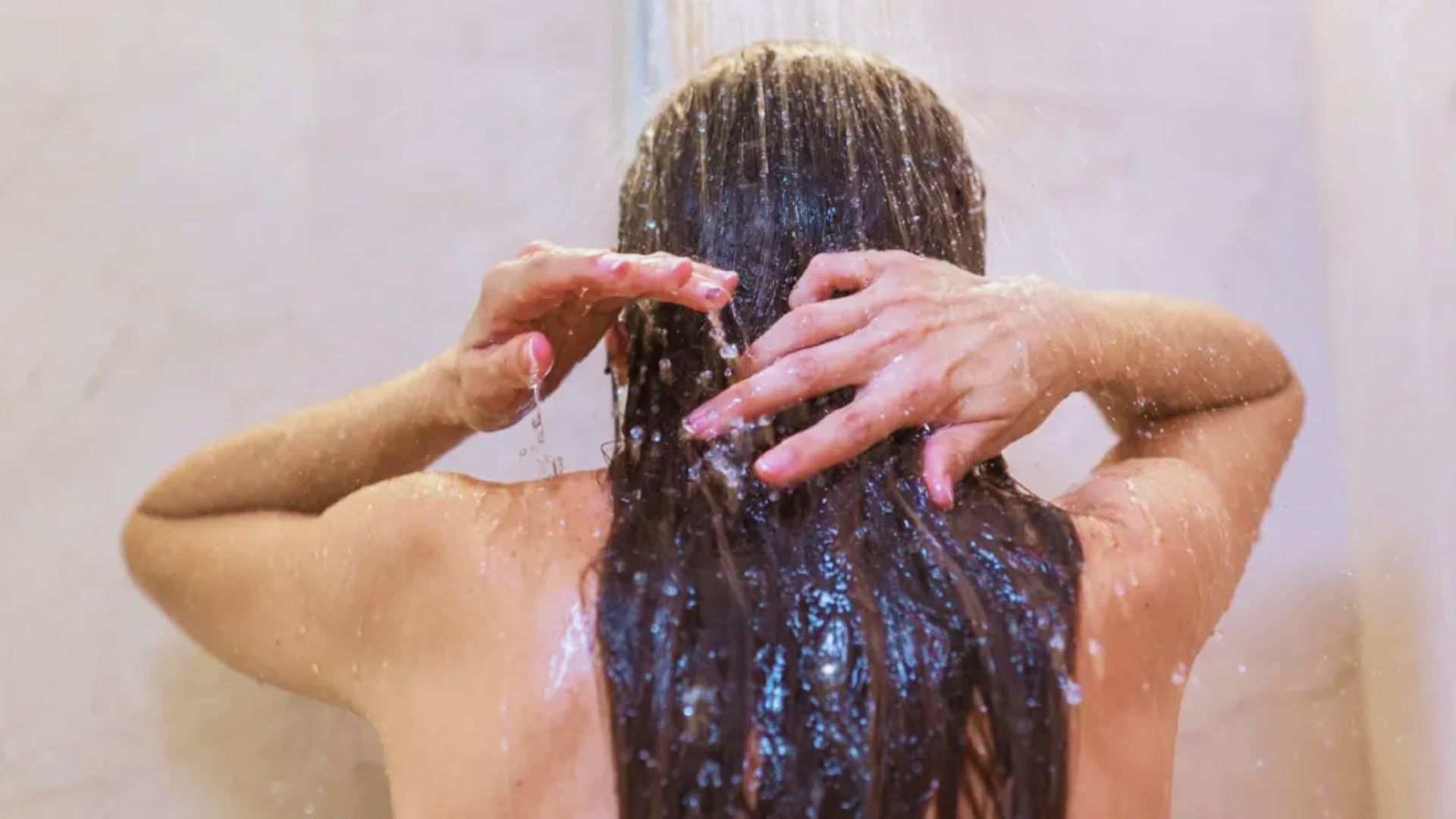
Switch to sulfate-free shampoo and reduce washing frequency. This preserves natural oils while still keeping hair clean and fresh.
Sulfates strip everything from your hair, including the good oils. Look for sulfate-free shampoos that work much gentler.
I wash my hair twice a week now instead of daily. By week two, my hair looked shinier than it had in years. Focus shampoo on your scalp only and use lukewarm water.
2. Massage Natural Oils Into Your Scalp

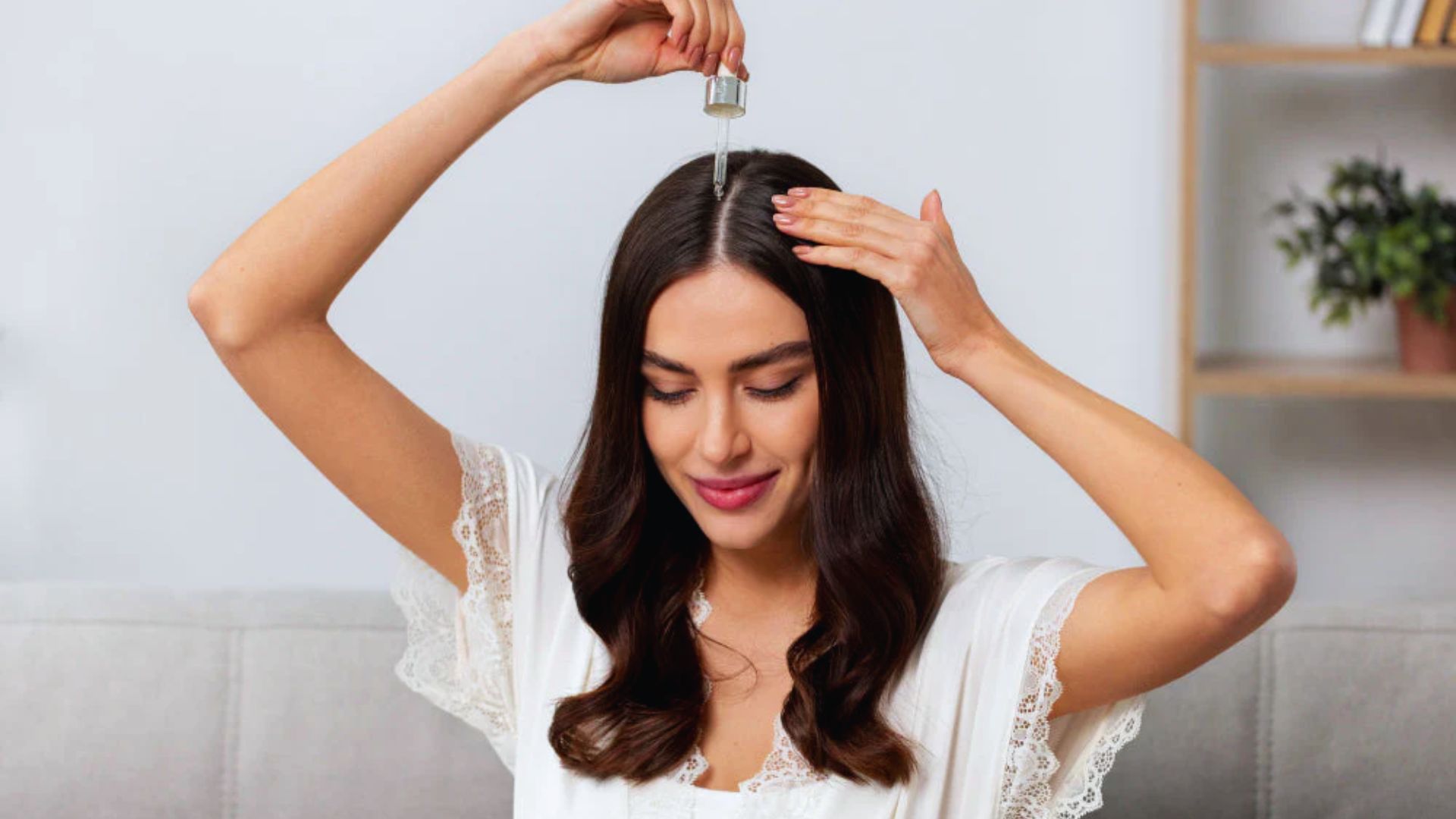
Massage oils into your scalp to stimulate moisture production. This feeds your hair from the roots and improves overall hydration.
Scalp massage with oil is my favorite method. Use jojoba oil, almond oil, or argan oil. Massage in small circles for at least five minutes.
Leave the oil in for 30 minutes or longer. Then wash as normal. Do this once or twice weekly.
3. Apply Coconut Oil to Dry Hair Ends

Apply coconut oil to mid-lengths and ends before bed. This deep conditioning treatment restores moisture to the driest parts of hair.
Coconut oil penetrates the hair shaft better than most oils. Melt a small amount in your palms and apply from mid-length to ends.
I do this every Sunday night. Wrap your hair in a loose bun and wash it out the next morning.
4. Deep Condition Bleached Hair with Gentle Products
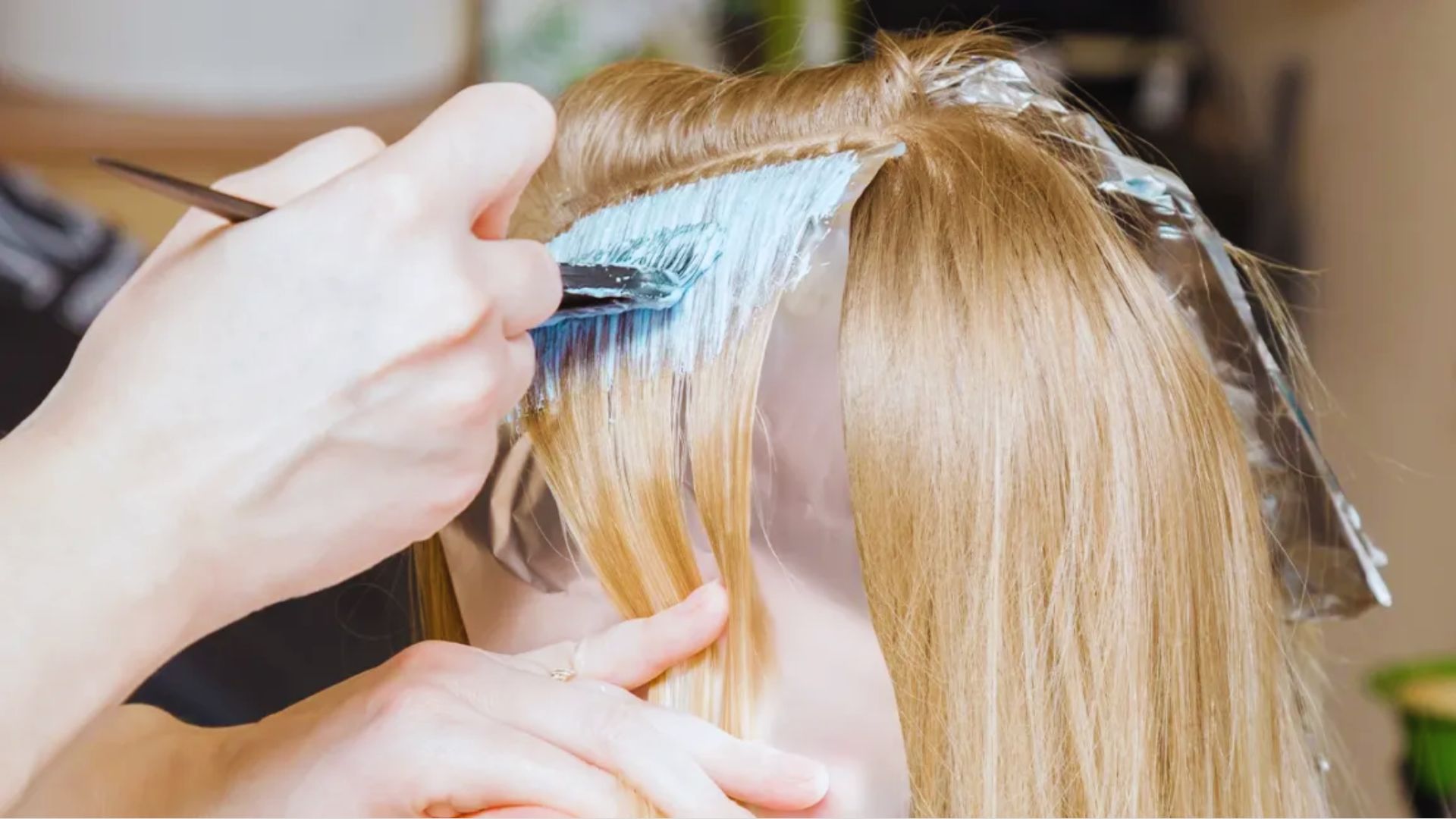
Use protein-free deep conditioners and gentle natural masks. Bleached hair needs moisture, not more chemicals that cause damage.
Bleached hair is fragile. Avoid products with protein for the first few weeks. Use a deep conditioner every wash for 10 to 15 minutes.
Honey masks work great. Mix two tablespoons of honey with one tablespoon of water and leave for 20 minutes.
5. Use Leave-In Conditioner

Apply leave-in conditioner and regular deep treatments. Color-treated hair loses moisture quickly and needs consistent hydration to stay soft.
Hair dye opens the cuticle, making hair dry. Use a color-safe conditioner every wash and add a leave-in conditioner to damp hair.
Deep condition once weekly. Aloe vera gel works as a natural leave-in.
6.Seal Hair Ends with Oil Daily
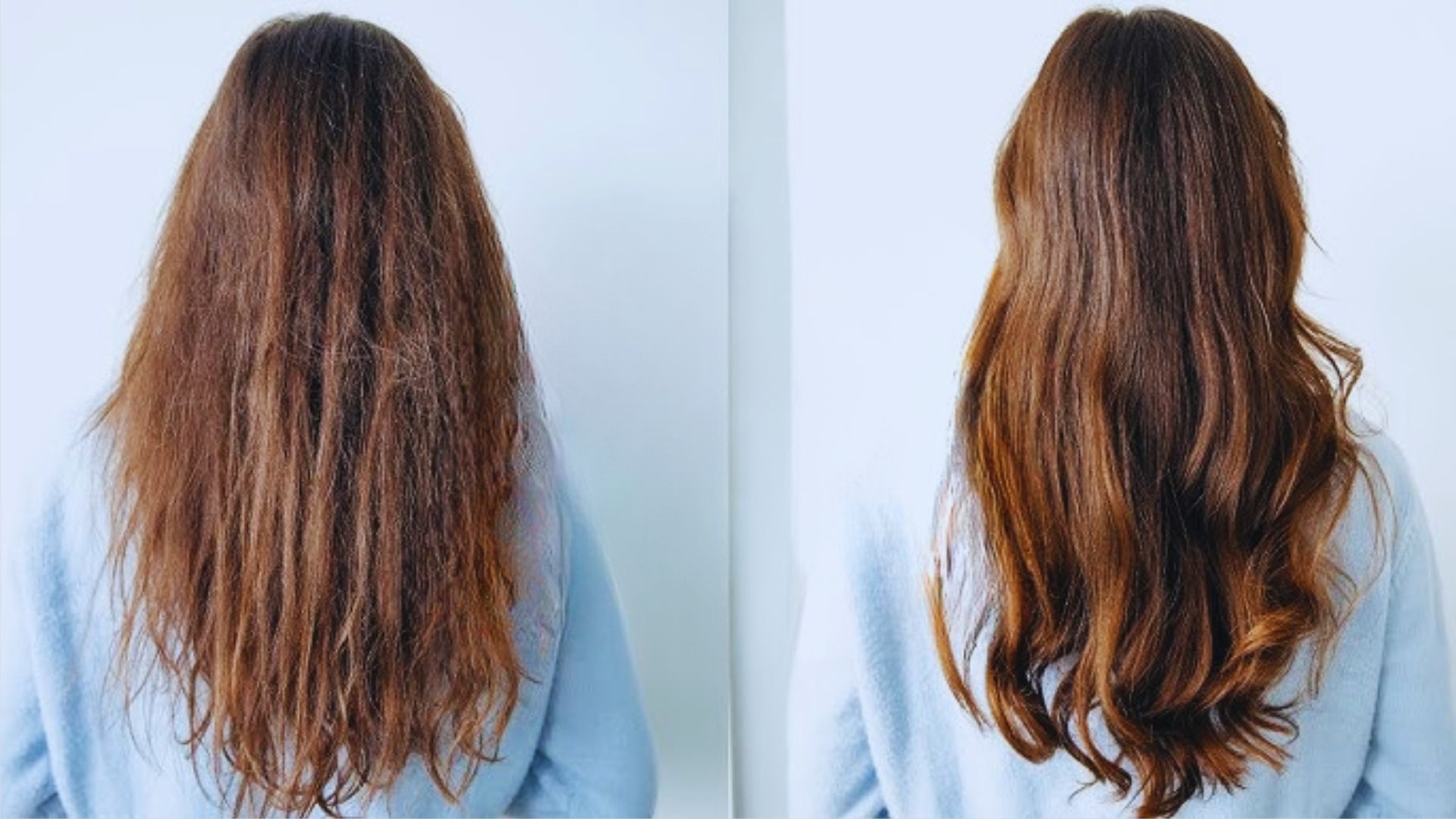
Seal ends with natural oils or butter daily. Hair ends are oldest and driest, needing targeted moisture to prevent splitting and breaking.
Your ends are the oldest part of your hair. Apply a tiny amount of oil to your ends each morning. Argan oil or jojoba work best.
Trim your ends every 8 to 12 weeks. I keep a small bottle of oil in my bag for quick touch-ups.
7. Try a 10-Minute Steam Treatment
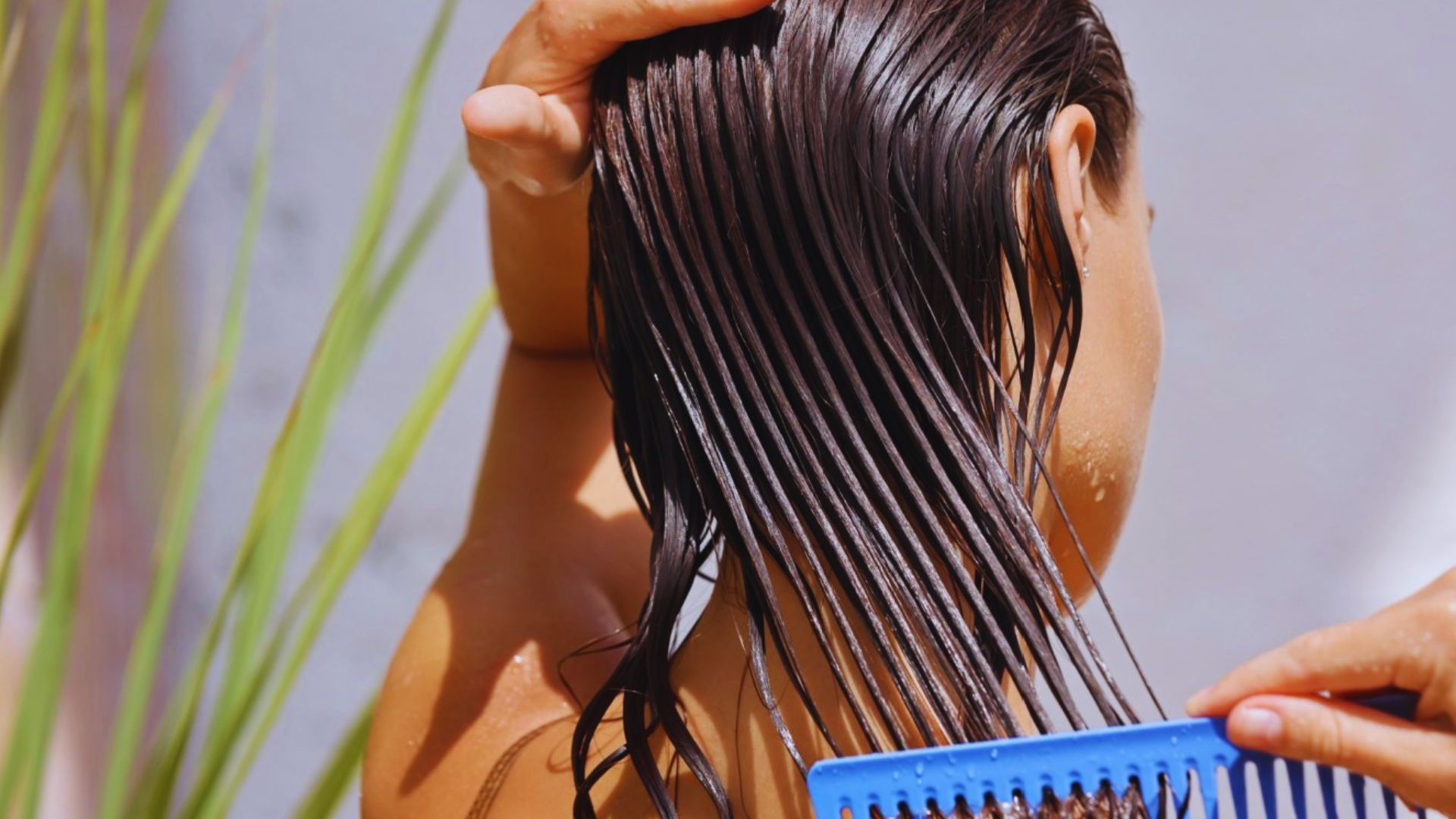
Try a 10-minute steam treatment or hot oil massage. These methods push moisture deep into hair quickly for immediate softness.
Dampen your hair and apply conditioner or oil generously. Wrap your head in a hot, damp towel for 10 minutes.
You can also lean over a bowl of steaming water with a towel over your head. This saved me before important events.
8. Apply Deep Conditioning Masks Before Bed
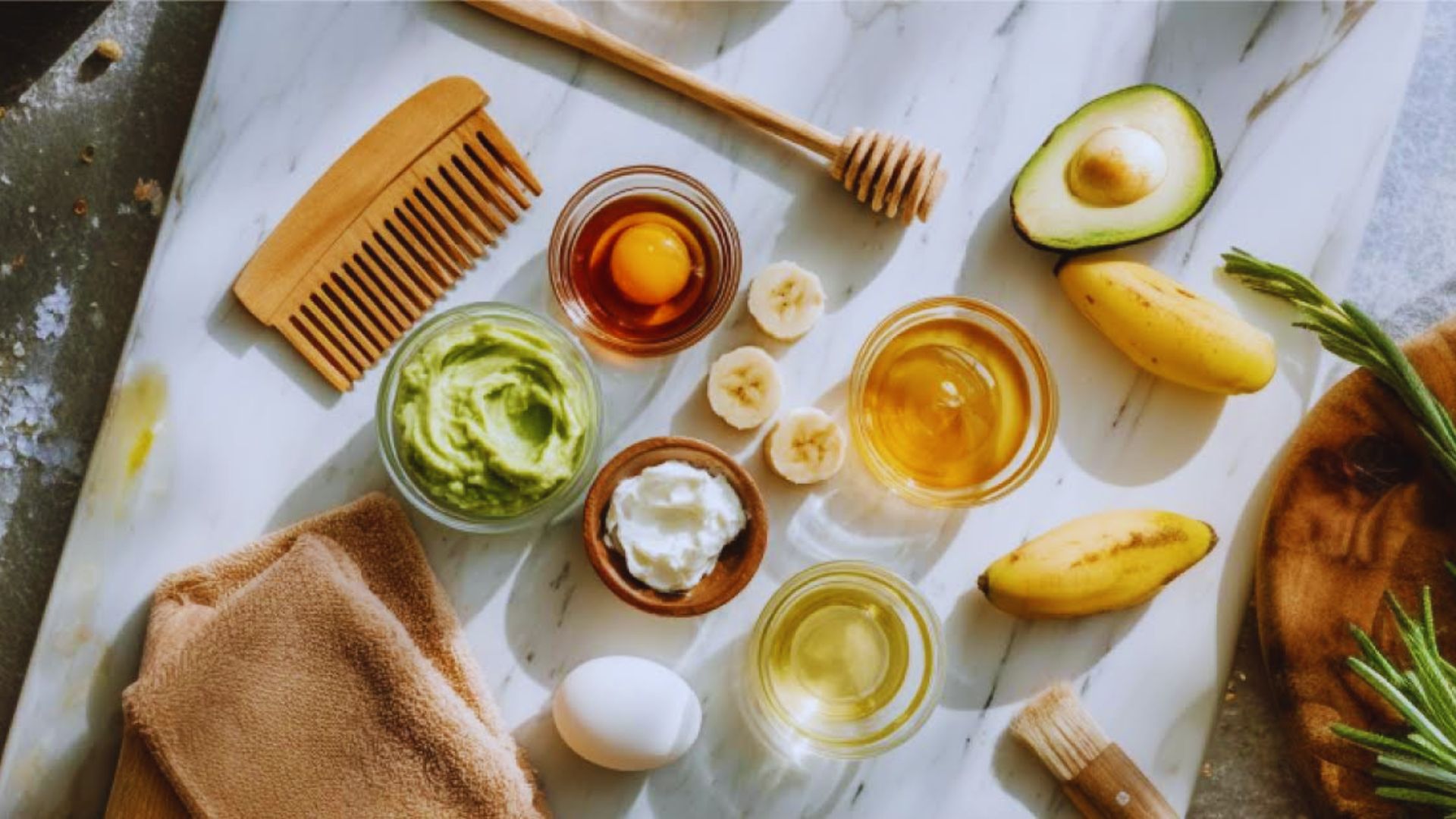
Apply deep conditioning masks before bed. Overnight treatments give ingredients maximum time to penetrate and restore moisture while you sleep.
Mix avocado, banana, and honey for a natural mask. Apply to damp hair from roots to ends and cover with a shower cap.
Wash it out in the morning. I do this once a month as a reset button for dry hair.
9. Add Moisture to Damp Hair After Showering
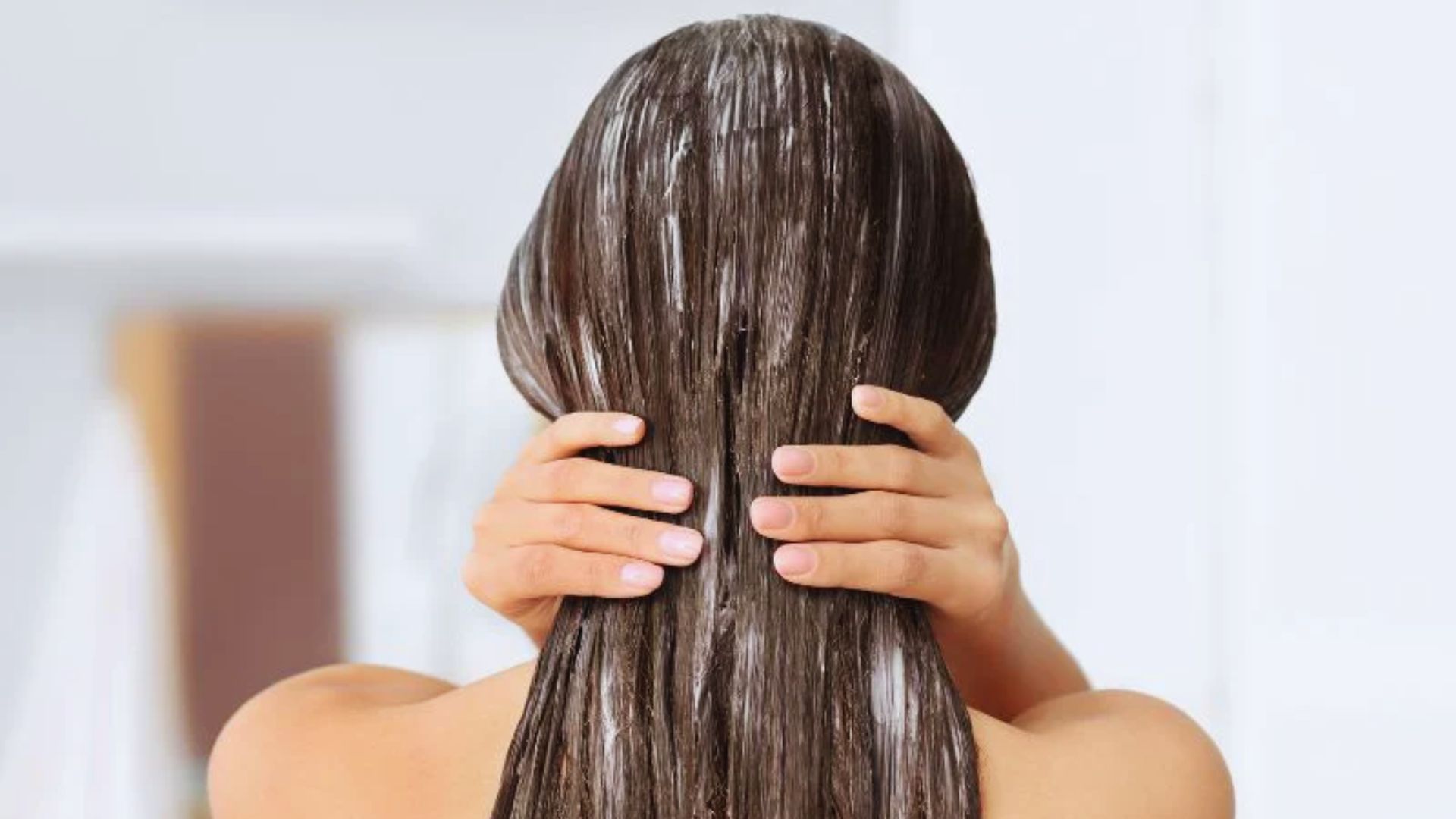
Apply moisture while hair is still damp. Wet hair absorbs products better, locking in hydration before it can evaporate.
The minutes right after your shower are critical. Never let your hair air dry without adding something.
Spray on a leave-in conditioner or use aloe vera juice mixed half-and-half with water. This takes 30 seconds but makes a huge difference.
10. Use Water-Based Sprays Between Washes

Use dry shampoo alternatives and water-based sprays. Refresh hair between washes while keeping natural protective oils intact.
Use a spray bottle with water and a few drops of oil. Mist your hair lightly and scrunch. Rose water works as a natural refresher.
I went from washing daily to twice weekly. My hair has never been healthier.
11. Refresh Hair with Light Oils and Mists
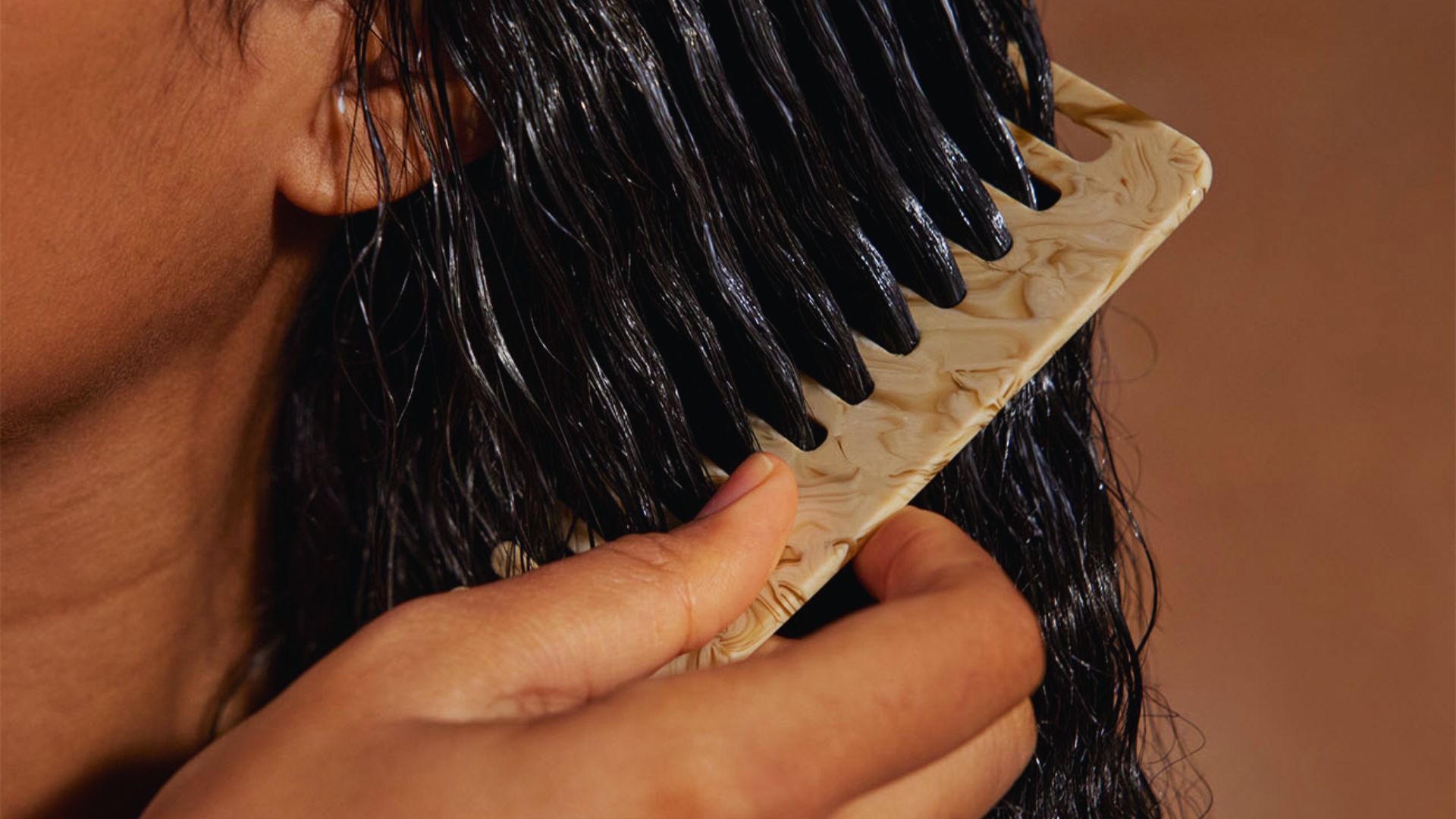
Refresh with water-based mists and light oils. Maintain moisture levels without resetting your wash cycle or adding heavy products.
Keep a small spray bottle with filtered water and a drop of glycerin. Spray on dry areas mid-week.
Apply a pea-sized amount of light oil to ends only. Sleep on a silk pillowcase to keep moisture in.
12. Use Lightweight Products to Avoid Greasiness

Use lightweight oils and water-based products. Apply treatments to ends only and avoid over-applying to prevent oily buildup.
Start with less product than you think you need. Water-based products absorb better than oil-based ones.
Apply oils only from mid-length to ends. Your scalp makes its own oil and doesn’t need more.
13. Protect Hair from Winter Dryness

Cover hair outdoors and use humidifiers indoors. Cold air and indoor heat both steal moisture, requiring extra protection during winter months.
Wear a silk or satin-lined hat when you go out. Run a humidifier in your bedroom at night.
I do deep conditioning twice weekly in winter instead of once. The extra session makes a visible difference.
Natural Habits That Help Keep Hair Hydrated Longer
Limit heat tools to once or twice weekly. Air dry when possible and use heat protectant sprays to minimize moisture loss and damage.
Heat styling is the fastest way to dry out hair. I used a straightener daily for years and my hair felt like straw. Now I heat style once a week at most.
When you do use heat, apply a protectant first. Try heatless curls with braids or flexi-rods. Lower your tool temperature too. Medium heat causes less damage.
Good hair starts from inside your body. Drink enough water daily. Your hair is made partly of water. Eat foods with omega-3 fatty acids like salmon, walnuts, and flaxseeds.
Take a biotin supplement if your diet lacks it. Get enough sleep because your body repairs hair while you rest. I started eating more fish and nuts. My hair and skin both improved.
Conclusion
Hydrated hair doesn’t happen by accident. It takes consistent care and the right techniques. I’ve tried every method in this guide over the years, and they work when you stick with them.
Start with one or two tips that fit your routine. Add more as you go. Your hair will thank you with softness and shine. Try the coconut oil treatment tonight and see how your hair feels tomorrow.
Then come back and share what worked best for you in the comments below.
Frequently Asked Questions
How often should I deep condition my hair?
Deep condition once a week for normal hair. If your hair is very dry or chemically treated, do it twice weekly. Consistency matters more than frequency.
Can I over-moisturize my hair?
Yes, too much moisture makes hair mushy and weak. This is called hygral fatigue. Balance moisture treatments with protein treatments every few weeks.
Does drinking water really help hair hydration?
Water helps your body function, including oil production in your scalp. But topical treatments matter more for hair hydration than drinking water alone.
How long until I see results from these methods?
Most people notice softer hair within one to two weeks. Serious improvement in texture and health takes about a month of consistent care.
Should I use hot or cold water to wash hair?
Use lukewarm water for washing. Finish with cool water to close the cuticle. Hot water opens the cuticle too much and causes moisture loss.