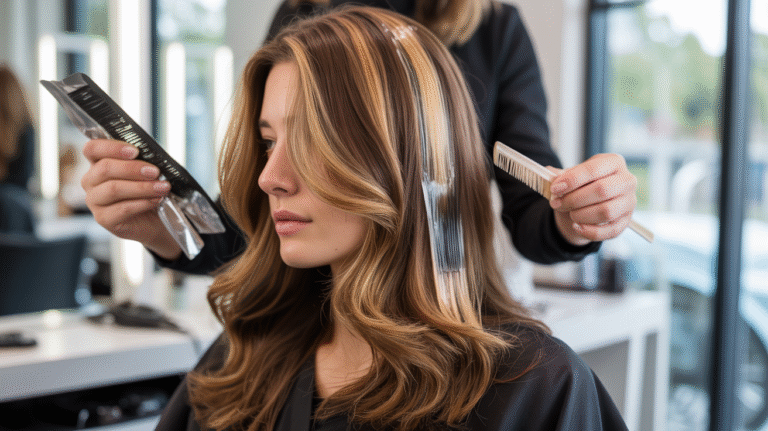
How to Sleep With Extensions Without Damage


Sleeping with hair extensions doesn’t have to mean waking up to a tangled mess. I’ve been there, pulling apart knots in the morning while dreading the damage.
This article covers everything you need to know: What to do before bed, which styles work best, and which mistakes to avoid.
With over 5 years of experience helping women care for extensions, I’ll walk you through a simple night routine that actually protects your investment.
Follow these tips, and your extensions will last much longer.
Can You Sleep With Hair Extensions Safely?

Yes, but it depends on the type of extensions you have.
Tape ins, sew ins, micro links, hand tied, and fusion or keratin bond extensions are all safe to sleep in. These are semi permanent and removing them every night would cause more damage than leaving them in.
Clip ins are the exception. Sleeping in them puts pressure on your scalp, and the clips can snag and break your hair overnight. Always remove them before bed, no exceptions.’
Step by Step Night Routine for Damage Free Sleep
A simple, consistent routine is all you need. Here’s what works.
Step 1: Brush Your Extensions Gently Before Bed
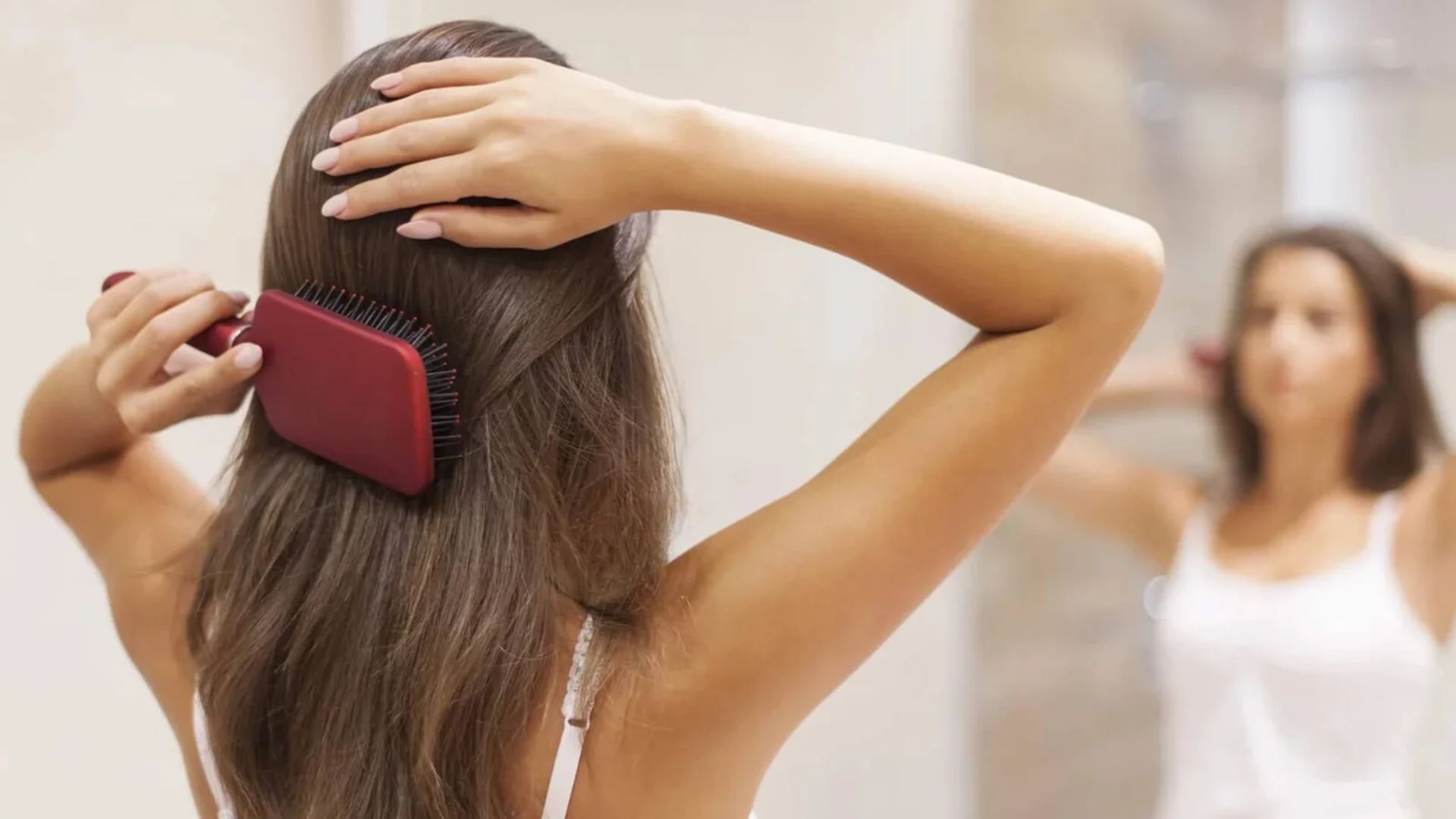
Never skip this step.
Use a soft bristle brush or a loop brush made for extensions. Start from the ends and work your way up. This removes any tangles before they get worse overnight.
Be gentle near the bonds. Pulling too hard at the roots can loosen them over time.
Take your time. Two to three minutes of brushing before bed will save you from a frustrating morning detangle.
Step 2: Make Sure Your Hair Is Completely Dry

Wet hair is weak hair. Wet extensions are even weaker.
Going to bed with damp hair is one of the fastest ways to damage your extensions. Moisture softens the bonds. It also creates the perfect condition for matting and mildew near the wefts.
If you shower in the evening, blow dry your roots and bonds fully before bed. You don’t have to dry every strand, but the attachment points must be dry.
Step 3: Tie Your Hair in a Loose Braid or Ponytail

Loose hair moves around all night. That leads to tangles.
A simple loose braid or low ponytail keeps your hair contained without pulling at the roots. Keep it relaxed, not tight.
A tight style does more harm than good. It creates tension at the bonds all night long.
Step 4: Use a Silk or Satin Pillowcase or Bonnet

Cotton pillowcases create friction. That friction causes frizz, dryness, and breakage, especially for extensions.
Switch to a silk or satin pillowcase. Or use a satin bonnet or sleep cap to cover your hair completely.
This one change protects your extensions from friction every single night. It also keeps your natural hair healthier.
Best Hairstyles for Sleeping With Extensions
The way you style your hair before bed matters a lot. Here are three options that work well.
Loose Braid for Tangle Prevention
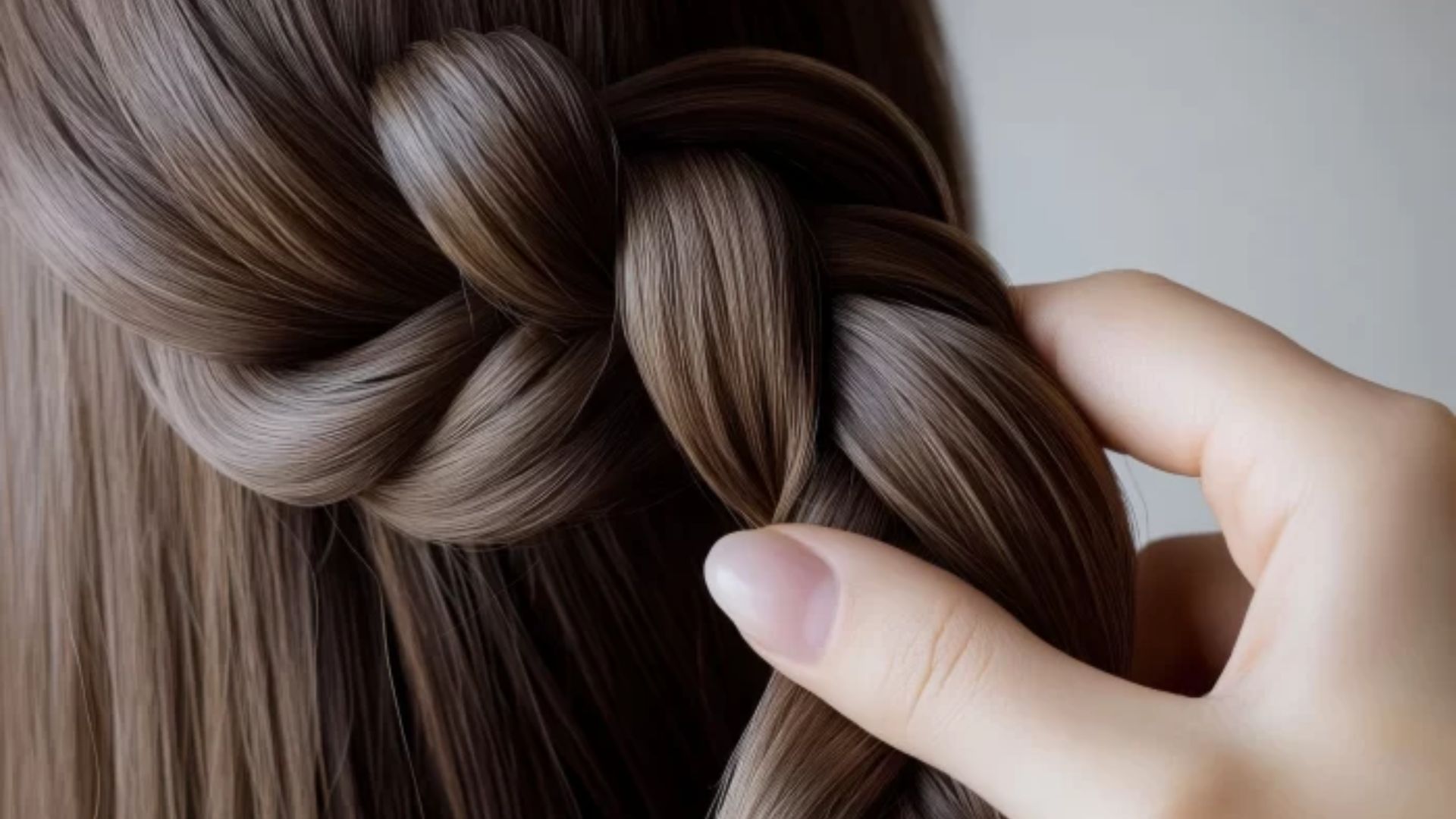
A loose, low braid is the most popular sleep style for extension wearers, and for good reason.
It keeps your hair contained. It prevents tangling. And it puts very little tension on the bonds.
Tip: Braid over one shoulder rather than straight down your back. This reduces pressure while you sleep on your side.
Low Ponytail for Less Tension

A low ponytail is a quick option when you’re too tired to braid.
Keep it at the nape of your neck, not higher. Use a soft scrunchie, not a rubber band. Rubber bands pull at extension bonds and can cause them to slip.
A low, loose ponytail keeps your hair together without any real tension.
Loose Bun or Wrap for Overnight Protection

A loose bun works well for longer extensions. Twist your hair gently and secure it at the nape with a soft tie.
You can also try silk wrapping, wrapping your hair around your head and securing it with a silk scarf. This method is great for keeping extensions smooth and frizz free.
Just make sure it’s never tight. Loose is always better when you’re sleeping.
Common Mistakes That Damage Extensions at Night
Even small mistakes can shorten the life of your extensions.
Here’s what to avoid:
- Never sleep with wet hair, moisture softens bonds and causes tight knots
- Avoid tight buns or high ponytails, they pull at your bonds for hours
- Always brush before bed, small knots turn into bigger ones overnight
- Ditch the cotton pillowcase, it grabs hair and causes frizz and breakage
- Never skip your night routine, consistency is what keeps extensions lasting longer
Best Products for Sleeping With Extensions

A few simple products make a big difference in how well your extensions hold up overnight.
Silk vs Satin Pillowcases
Both are better than cotton. Silk is a natural fiber, very smooth, and naturally temperature regulating but costs more. Satin is a synthetic blend, just as smooth, and much more affordable.
Either one protects your extensions from friction. If budget is a concern, satin works just as well.
Extension Friendly Brushes
Not all brushes are safe for extensions. Regular paddle brushes with stiff bristles can pull at bonds and snag wefts.
Look for a loop brush made specifically for extensions, a soft bristle brush, or a wide tooth comb for wet detangling. Always start at the end and work up slowly.
Lightweight Leave In Products
A small amount of leave in conditioner or extension serum helps keep your hair moisturized overnight.
Focus on the mid lengths and ends, not the bonds. Product buildup near the bonds can weaken them over time.
Stick to lightweight formulas as heavy oils and creams can cause slippage near tape or micro link attachments.
How to Sleep With Hand-Tied and Sew-In Extensions

Hand-tied extensions sit in small horizontal rows close to the scalp. Brush row by row with a loop brush, sleep in a loose side braid over one shoulder, and always use a silk or satin pillowcase. Keep the roots fully dry and any leave-in product away from the attachment points.
Sew-ins are sewn onto a cornrow base, so protecting that foundation overnight matters most. Cover your hair with a satin bonnet or silk scarf, sleep in two loose plaits, and make sure the scalp is fully dry before bed.
With consistent care, both types hold up well for six to eight weeks between appointments.
Final Tips for Damage Free Hair Extensions
Protecting your extensions at night doesn’t need to be complicated.
Here’s what matters most:
- Always brush gently before bed, starting from the ends
- Make sure your bonds are fully dry before sleeping
- Sleep in a loose, low braid or ponytail
- Use a silk or satin pillowcase every night
- Remove clip ins without exception
Extensions are an investment. Treating them well at night is the easiest way to get the most out of that investment.
Conclusion
Honestly, I didn’t follow half of these tips when I first got extensions, and I paid the price with tangled, damaged hair by week three.
Once I started brushing before bed and switching to a satin pillowcase, everything changed. It takes less than five minutes, and the difference is real.
If you’ve struggled with morning tangles or extensions that don’t last, try these steps tonight.
Have a tip that’s worked for you? Drop it in the comments below. I’d love to hear it. And if this helped, share it with a friend who needs it.
Frequently asked questions
Can I Sleep With Hair Extensions Every Night?
It depends on the type. Semi permanent extensions like tape ins and sew ins are safe to sleep in if you follow a proper night routine. Clip ins must always be removed before bed to avoid damage.
How Do I Stop My Extensions From Tangling at Night?
Brush your extensions gently before bed and sleep in a loose braid or low ponytail. Using a silk or satin pillowcase also helps prevent friction related tangling while you sleep.
Is It Safe to Sleep With Wet Hair Extensions?
No. Sleeping with wet bonds can weaken them over time and cause severe matting near the wefts. Always make sure your bonds are fully dry before going to bed.
What Is the Best Hairstyle for Sleeping With Extensions?
A loose, low braid over one shoulder is the best option. It keeps hair contained, prevents tangling, and puts very little tension on the bonds or attachment points.
How Often Should I Replace My Extensions if I Sleep in Them Nightly?
With proper nighttime care, most semi permanent extensions last 6 to 8 weeks before needing a move up. Consistent care like brushing, drying, and protecting bonds helps them last as long as possible.