How to Tan Without Burning: Safe Expert Methods


I used to come home from the beach looking lobster-red, thinking I was getting a tan. I wasn't. I was just burning.
If you want to know how to tan without burning, you're not alone. It's one of the most searched skin topics for a reason.
In this guide, I'll cover how tanning actually works, why burning happens, and which methods are safest for your skin type.
You'll also get prep tips, sunburn damage control, and expert-backed tanning methods.No guesswork. Just simple, clear steps that actually protect your skin while you get that color.
Let's get into it.
Understanding Tanning: What Actually Happens to Your Skin

When your skin is exposed to UV rays, it produces melanin. That's your skin's natural way of protecting itself from damage.
UVA rays go deeper into the skin, causing gradual color change and long-term aging. UVB rays hit the surface and are mainly responsible for burning.
Tanning is actually your skin's defense response, not just a cosmetic change.
Understanding how UVA and UVB rays work differently is the foundation of learning how to tan without burning safely and smartly.
Why Burning Happens Instead of Tanning
Burning is a sign that your skin took more UV than it could handle. Here's why it happens:
- Overexposure to UV radiation pushes your skin past its limit before melanin can build up properly.
- Ignoring skin type differences means some people stay out as long as others but burn much faster.
- Incorrect or no sunscreen use leaves your skin with zero protection against UVB damage.
- Tanning during peak UV hours (10 AM to 4 PM) means UV intensity is at its highest, making burns far more likely.
- Lack of gradual exposure means your skin never gets the chance to adjust slowly and build a base tan.
Core insight: a burn is not a tan. It's skin damage.
Skin Type Awareness (Personalized Safe Tanning Strategy)

Knowing your skin type is the first step to building a tanning plan that actually works for you.
Fitzpatrick Skin Types Explained
The Fitzpatrick scale groups skin into six types based on how it reacts to sun exposure. Type I is very fair skin that almost always burns and rarely tans.
Type VI is deeply pigmented skin that tans easily and rarely burns. Types II through V fall in between, with varying levels of sensitivity and tanning ability.
Knowing your type helps you set realistic expectations and choose the right protection level before going out in the sun.
Who Burns vs Who Tans Easily
People with Type I and Type II skin burn very quickly and need stronger SPF and shorter exposure times.
Those with Type IV, V, and VI skin have more natural melanin, so they tan more easily and burn less often. Type III sits in the middle and can go either way.
Your skin type determines how long you can safely stay in the sun, how much SPF you need, and how fast you can build a tan without causing damage.
Skin Preparation Before Tanning
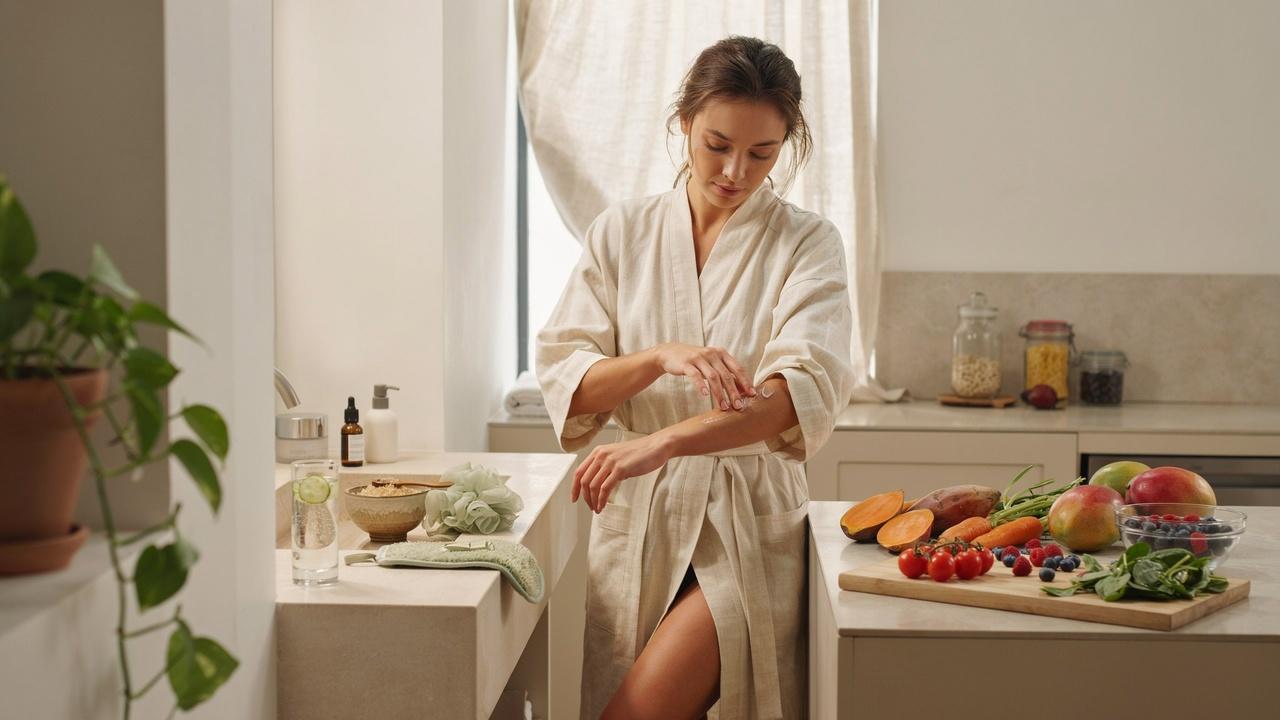
Prepping your skin before sun exposure makes a real difference in how evenly and safely you tan.
1. Hydration for Better Skin Response
Drinking enough water keeps your skin flexible and less prone to peeling after sun exposure. Dry skin burns faster and peels instead of holding color.
Aim for at least 8 glasses of water daily in the days leading up to tanning. On the outside, use a lightweight, non-comedogenic moisturizer every day.
Well-hydrated skin absorbs UV more evenly, which means a more consistent tan and less risk of burning in patches.
2. Exfoliation Before Sun Exposure
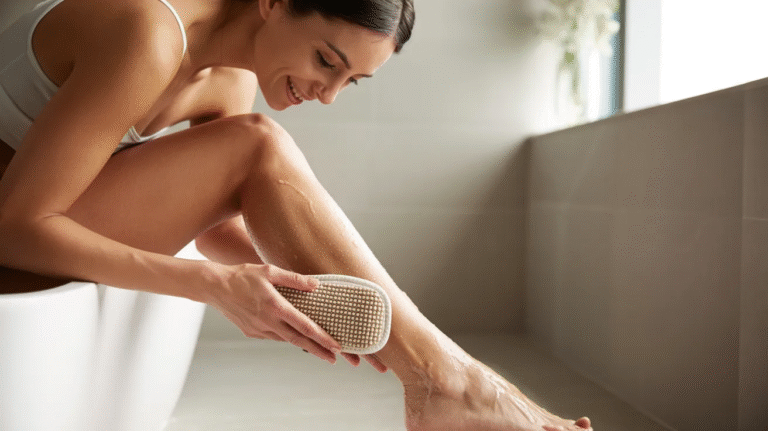
Exfoliate your skin 24 to 48 hours before tanning. Dead skin cells sit on the surface and cause patchy color. When you remove them first, the sun hits fresh, even skin underneath.
Use a gentle body scrub or exfoliating mitt. Don't exfoliate right before going out, as freshly exfoliated skin can be more sensitive to UV rays.
Giving it a day to settle makes the whole process safer and more effective.
3. Strengthening Skin Barrier
A strong skin barrier holds moisture in and keeps irritants out. Before tanning, use a moisturizer with ingredients like ceramides, niacinamide, or squalane.
These support your skin's outer layer so it can handle UV exposure a little better. Avoid harsh actives like retinol or acids before sun exposure.
As they thin the skin barrier and increase sensitivity. A well-supported barrier also helps your tan last longer before it starts to fade.
4. Nutrition for Natural Glow
What you eat affects how your skin responds to the sun. Foods rich in beta-carotene, like carrots, sweet potatoes, and mangoes, can give your skin a warm, healthy tone from the inside.
Antioxidant-rich foods like berries, leafy greens, and tomatoes help protect skin cells from UV-related oxidative stress.
Start adding these to your meals a few weeks before tanning season. Good nutrition won't replace sunscreen, but it does give your skin a stronger base to work from.
Expert-Backed Safe Tanning Methods for Reducing UV Damage

Here are three proven methods to help you get color while keeping your skin as safe as possible.
1. Outdoor Tanning Method (Controlled Sun Exposure)
Start with short sessions of just 10 to 20 minutes. Stay out of the sun between 10 AM and 4 PM when UV rays are strongest.
Apply a broad-spectrum SPF 30 to 50 to reduce UV damage while still allowing gradual color to build.Add a few minutes to each session over multiple days rather than jumping straight to long exposure.
Rotate your body position so color develops evenly. If your skin feels hot or looks pink, stop immediately and get into the shade.
2. Indoor Tanning Method (Controlled UV Exposure in Tanning Beds)
Always go to a professional salon with trained staff who can guide you based on your skin type. Learn the difference between low-pressure beds (more UVB) and high-pressure beds (more UVA) so you understand what your skin is getting.
Start with very short sessions and build up slowly. Follow a schedule that matches your Fitzpatrick type.
Always wait at least 48 hours between sessions so your skin has time to recover. Wear protective eyewear every single time, no exceptions.
3. Sunless Tanning Method (UV-Free Safe Alternative)
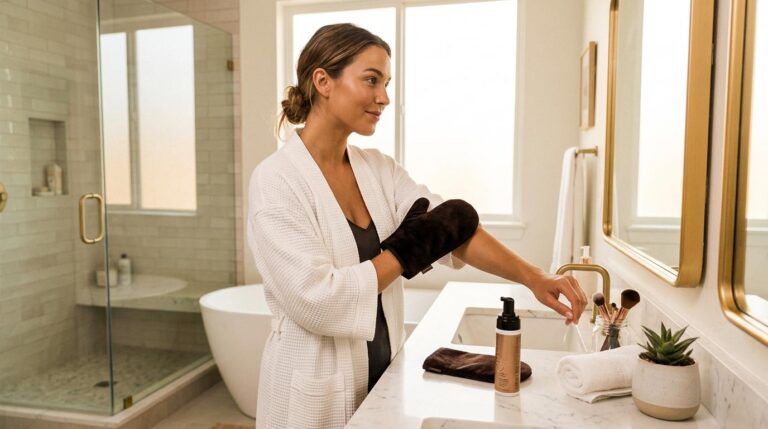
Sunless tanning uses DHA-based products like self-tanners and spray tans to give you color without any UV exposure.
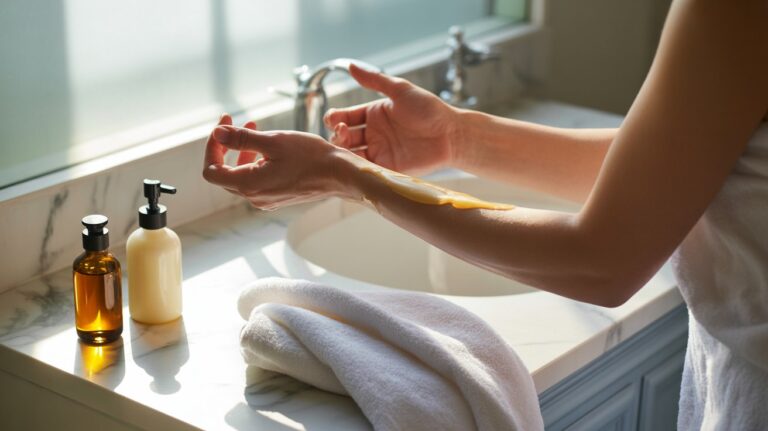
Always apply on freshly exfoliated and moisturized skin for an even finish. This is the best option for fair or sensitive skin that burns easily. Results show up within a few hours and carry no risk of sun damage.
You can still wear SPF outdoors while using sunless products. For anyone who wants a safe glow with zero burn risk, this is the most reliable method available.
What to Do If You Get Sunburn (UV Damage Control)
Accidents happen. Here's how to handle a sunburn the right way.
- Get out of the sun right away. More exposure will only make it worse.
- Use a cool compress on the burned area to bring down heat and reduce inflammation.
- Drink plenty of water since sunburn pulls moisture away from the rest of your body.
- Apply aloe vera gel or a barrier-repair moisturizer to soothe the skin and support healing.
- Do not exfoliate or peel the skin. Let it shed on its own to avoid scarring or infection.
- See a doctor if you notice blisters, fever, or dizziness. These are signs of serious sun damage that need medical attention.
Conclusion
I learned the hard way that spending hours in the sun doesn't mean you'll get a better tan. It usually just means a painful burn and peeling skin a week later.
Now that you know how to tan without burning, you have real tools to work with. Start slow, protect your skin, and be consistent.
Drop a comment below and tell me which method you're going to try first. And if this helped you, share it with a friend who's been burning every summer too.
Frequently Asked Questions
What is the safest way to tan without burning?
Gradual outdoor exposure with SPF 30 to 50, avoiding peak UV hours, and building up session time slowly is the safest approach.
How long should I stay in the sun to tan without burning?
Start with 10 to 20 minutes per session and slowly add more time over several days based on how your skin responds.
Does sunscreen stop you from tanning?
No, sunscreen reduces UV damage but still allows gradual tanning. It just slows the process and makes it much safer for your skin.
Can fair skin tan without burning?
Yes, but it requires shorter sessions, higher SPF, and more patience. Sunless tanning products are also a great burn-free option for fair skin types.
How do I know if my skin is tanning or burning?
Tanning develops gradually over hours or days with no pain. Burning shows up as redness, heat, and tenderness within a few hours of sun exposure.