Is Dysport Better Than Botox? Full Comparison

Is Dysport better than Botox? It depends on your needs. Both work well, but they have differences. I’ve helped many patients choose between them, and I’ll break it down for you. This guide covers how they work, which areas they treat best, and how to pick the right one.
You’ll learn about onset times, diffusion, results, and side effects. I’ll also share tips from years of experience.
By the end, you’ll know which option fits your goals. My goal is to give you clear, honest answers so you can make a smart choice.
Let’s compare these two treatments.
Understanding Dysport and Botox
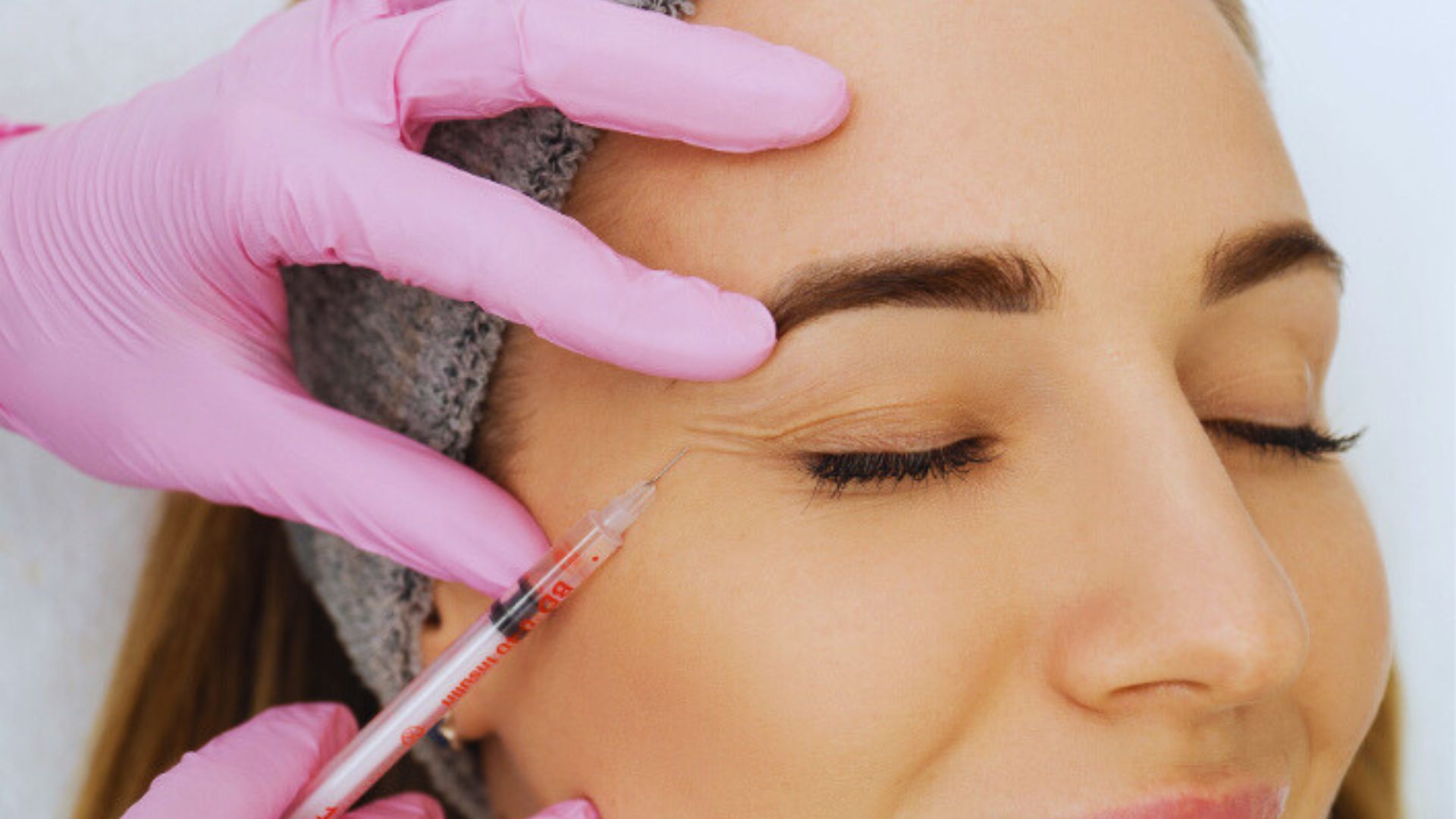
Dysport and Botox both use botulinum toxin type A to block nerve signals to muscles. When muscles can’t contract, wrinkles from frowning and squinting soften. Dysport works faster, showing results in 2 to 3 days, and spreads wider across treatment areas.
Botox is the most recognized option, taking 3 to 7 days to kick in, and stays concentrated for precise targeting.
Both treatments are temporary. Your muscles slowly regain movement over 3 to 4 months. The main difference is speed and spread versus control and precision.
Is Dysport Better Than Botox? Key Differences Explained
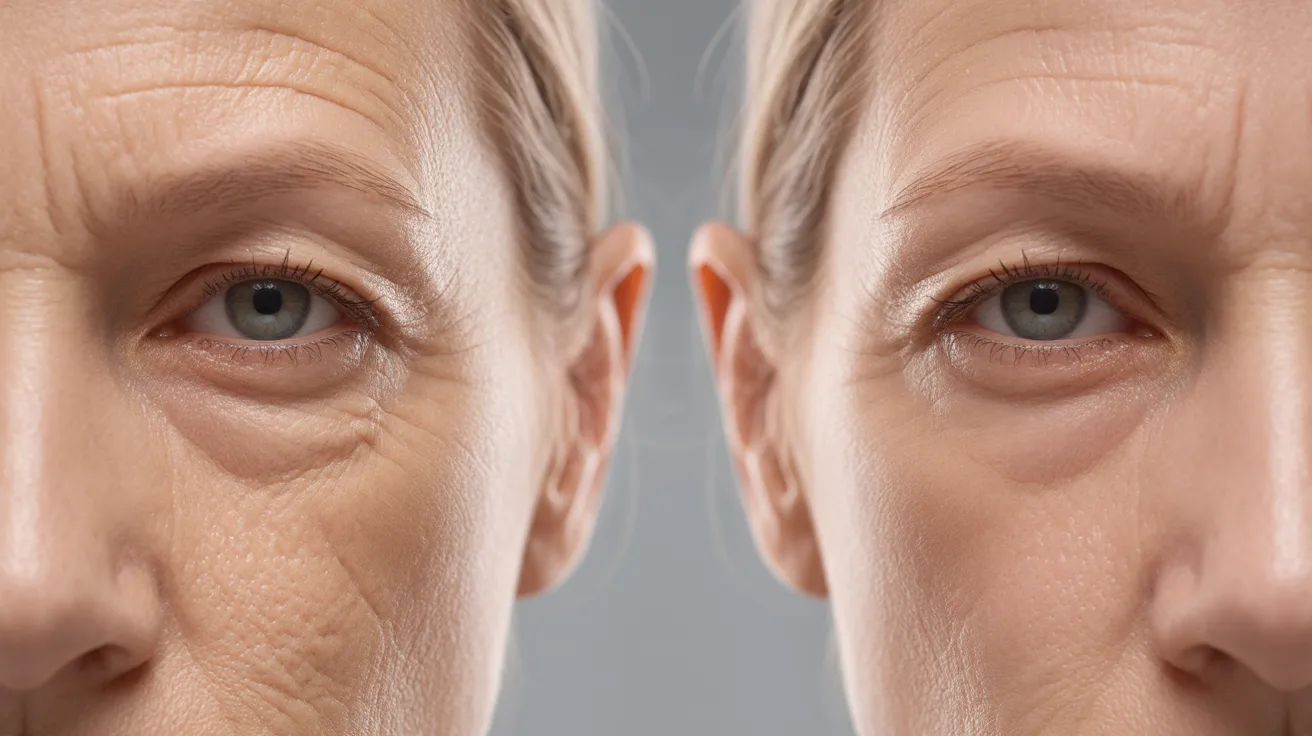
The main differences come down to speed, spread, dosing, and overall feel in different treatment areas.
| Category | Dysport | Botox |
|---|---|---|
| Speed of Results | Works faster. Results may appear in 2–3 days. | It takes longer. Results usually appear in 3–7 days. |
| Spread After Injection | Spreads wider, which can create a smoother look in larger areas. | Stays more precise and localized in smaller areas. |
| Best For | Larger areas like the forehead or masseter. | Smaller, targeted areas like frown lines. |
| Units & Dosage | About 2.5–3 units equal 1 Botox unit. Higher unit numbers don’t mean stronger results. | Uses fewer units due to different formulations. Units are not interchangeable. |
| How Long It Lasts | Typically 3–4 months. | Typically 3–4 months. |
| Side Effects & Safety | Mild redness or bruising possible. Safe when injected properly. | Similar mild side effects. Safe with experienced providers. |
Is Dysport Better Than Botox for Forehead Wrinkles?
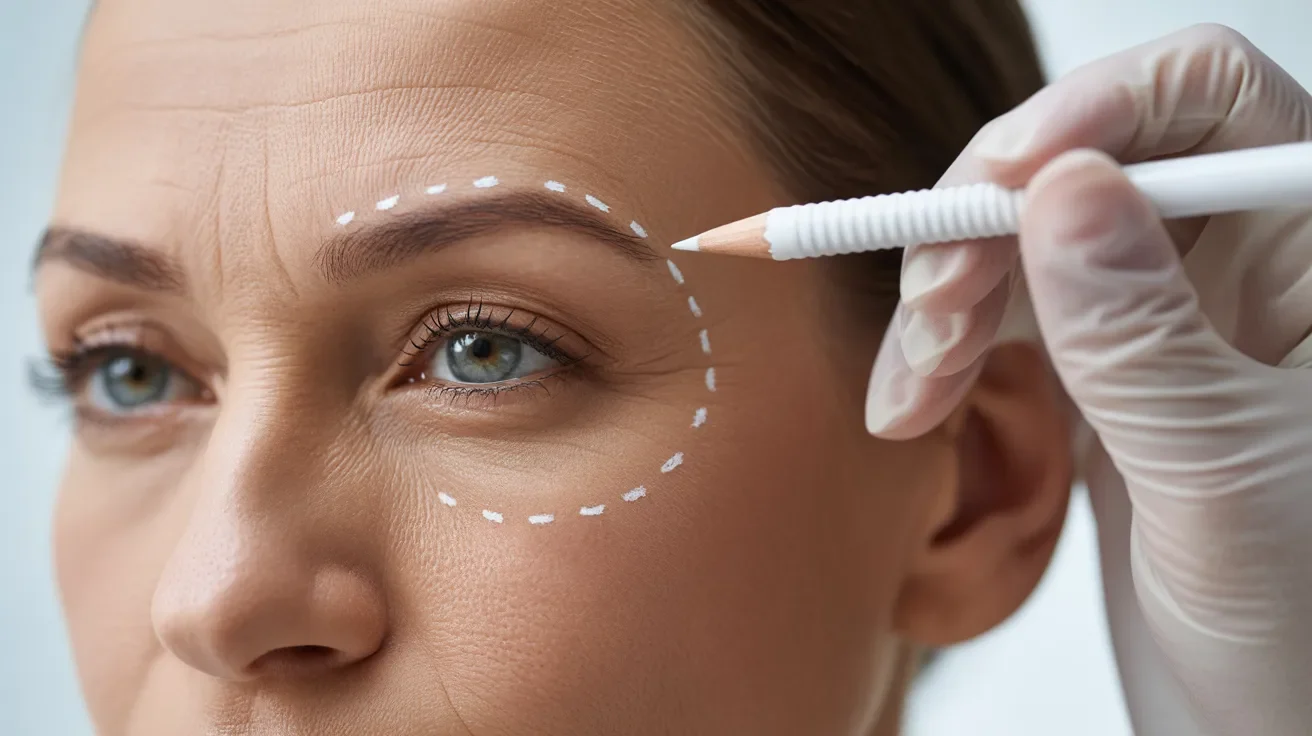
Dysport’s wider spread helps with horizontal forehead lines that run across your entire forehead. It covers more area with fewer injection points, which means less discomfort.
This creates smooth, even results across the treatment zone. Many patients prefer this softer effect, especially for multiple fine lines spread across a broad forehead.
Botox offers better control for specific deep creases. It stays where it’s injected and prevents unwanted relaxation in nearby muscles.
Some people need this precision to avoid heavy brows or drooping. If you have one or two deep lines but want movement elsewhere, Botox gives that targeted approach.
For most forehead treatments, both work well. Your anatomy and line depth matter more than the brand.
Talk to your provider about your goals and show them which lines bother you. They’ll recommend the best fit based on your forehead size and desired outcome.
Is Dysport Better Than Botox for Wrinkles Overall?
Different wrinkle types respond better to different diffusion patterns and injection techniques.
Glabellar Lines (Frown Lines)

Both treat the “11 lines” between your brows effectively. Dysport is FDA approved specifically for this area and smooths the whole region nicely. The wider diffusion pattern helps relax all the muscles that create these vertical lines. Botox also works great here and has been used for frown lines for decades.
Many providers switch between them based on how your skin responds and the severity of your lines. Deeper creases might need higher doses of either product.
Some patients find one formula lasts longer than the other in this spot. Results typically show up faster with Dysport, but both deliver similar final outcomes.
Crow’s Feet

Crow’s feet fan out from the eye corners when you smile or squint. Dysport’s spread softens the entire area without needing multiple injections, which means less discomfort during treatment.
The product naturally follows the fan pattern of these wrinkles. Botox works well too, especially if you want to avoid affecting cheek muscles that lift when you smile.
Some injectors prefer Botox here for more controlled placement near the delicate eye area. Both give good results for eye wrinkles and help you look more rested.
The key is proper technique and understanding how each product behaves in thin skin around the eyes.
Preventative Wrinkle Treatments
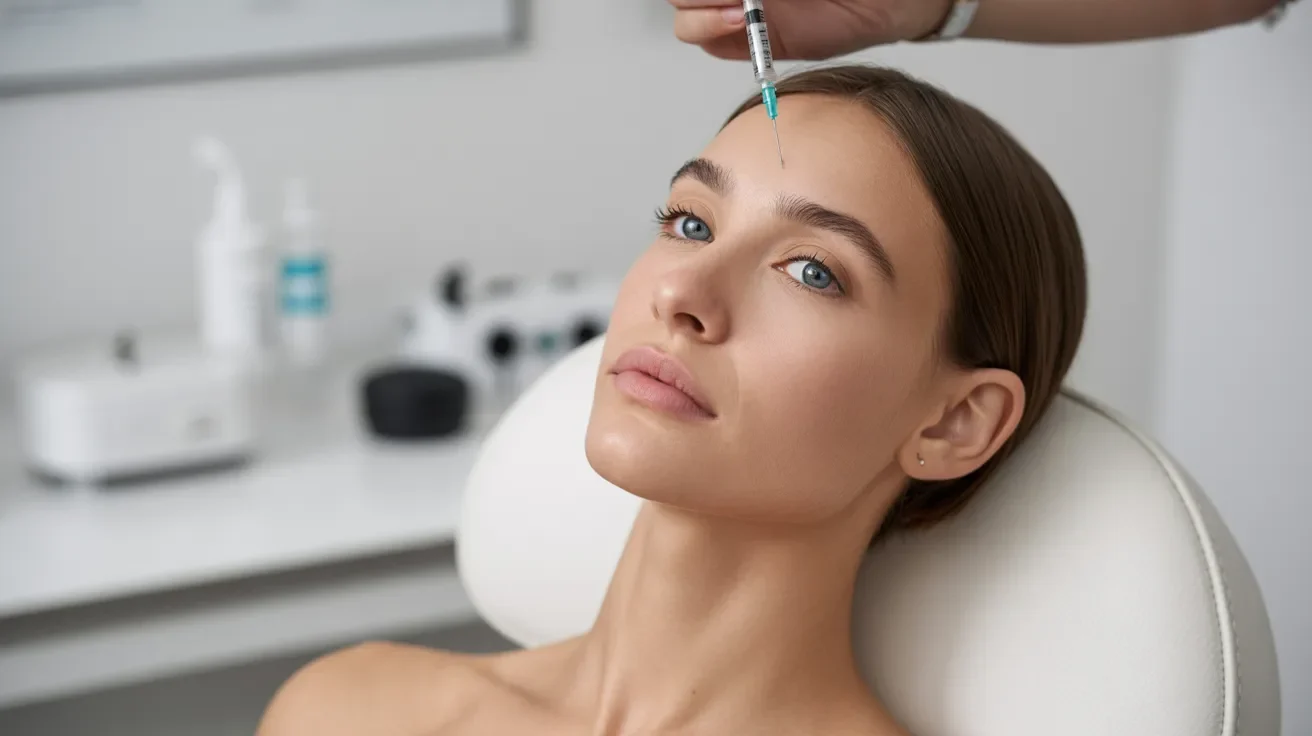
Younger patients in their late 20s and early 30s use these to prevent deep lines from forming. Starting early keeps wrinkles from setting in permanently.
Dysport’s quick onset appeals to this group since they see results fast and stay motivated to continue treatments. Seeing improvement in just a few days builds confidence in the process.
Botox works just as well for prevention and has more long-term safety data. The choice comes down to personal preference, budget, and how your skin responds to each formula.
Preventative treatments use lower doses than corrective ones. Both products help train your facial muscles to move less over time.
Is Dysport Better Than Botox for a Masseter?

Masseter muscles are thick and large along your jawline. Dysport’s diffusion helps here because it spreads through the muscle better. This creates slimming effects and helps with TMJ pain. The wider spread means fewer injection points, which is more comfortable for sensitive jaw areas.
Results can last longer in masseter muscles too, with some patients reporting 4 to 6 months. Botox also works for jaw slimming but needs more units and sometimes more injection sites. Both are effective, but Dysport might have a slight edge for this specific treatment because of how it moves through muscle tissue.
Expert Tips for Choosing Between Dysport and Botox
Quick reference points to help you decide which product matches your treatment goals.
- Choose Dysport if you want faster results. You’ll see changes in 2 to 3 days instead of waiting up to a week.
- Choose Botox if you need precise correction. It stays concentrated for targeted treatments in small areas.
- Consider treatment area size. Larger zones like foreheads often do well with Dysport’s spread.
- Look at provider experience over brand. A skilled injector gets great results with either product.
- Schedule a consultation for personalized dosing. Your face is different from everyone else’s. Get custom advice.
- Ask about previous patient results. See before and after photos using both products at your clinic.
- Don’t base decisions on unit price alone. You need different amounts of each, so compare the total treatment cost.
Conclusion
I’ve seen both Dysport and Botox create amazing results. Is Dysport better than Botox? Not always. It depends on what you need. I’ve used both on my own face and with countless patients. Dysport wins for speed and large areas. Botox wins for precision work.
The real answer is finding the right injector who understands your goals. Book a consultation and ask questions.
Your perfect choice is out there. Ready to smooth those lines? Start your search for a qualified provider today and get the results you want.
Frequently Asked Questions
Is Dysport cheaper than Botox?
Per unit, Dysport costs less. But you need more units. Total treatment cost is usually similar. Ask your provider for pricing on the full treatment, not just per unit rates.
Can you switch between Dysport and Botox?
Yes, you can switch safely. Many people try both to see which they prefer. Wait until your current treatment wears off before switching. Your provider will adjust dosing accordingly.
Does Dysport hurt more than Botox?
Pain levels are similar. Both use very fine needles. Some people say Dysport stings slightly less. Ice or numbing cream can help with either product if you’re sensitive.
How soon can I exercise after Dysport or Botox?
Wait 24 hours before heavy exercise. Working out too soon can spread the product. This might cause unwanted effects. Light activity is fine after a few hours.
Will my insurance cover Dysport or Botox?
Insurance covers these treatments only for medical conditions like chronic migraines or severe sweating. Cosmetic treatments are out-of-pocket. Some clinics offer payment plans or membership discounts.