Should I Moisturize My Face Before Bed?


I used to skip moisturizer at night all the time. I thought my skin could handle it, and honestly, I was just too tired to care.
But then I started waking up with dry patches and fine lines that seemed to appear overnight. That’s when I realized nighttime moisturizing actually matters.
Your skin repairs itself while you sleep, and it needs moisture to do that job well. Once I made it a habit, my mornings looked completely different.
Let me share what I’ve learned about moisturizing before bed and why it might change your skin too.
Why Moisturizing Before Bed Matters for Your Skin
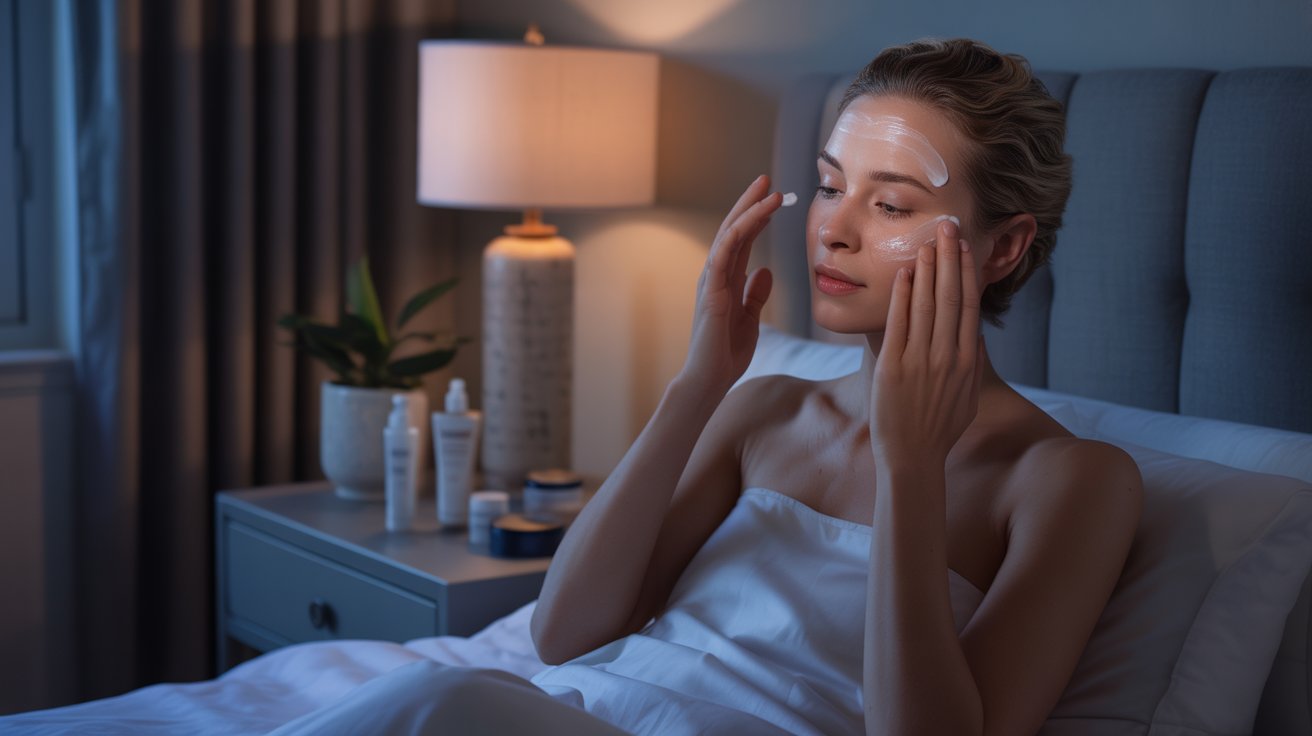
Your skin works hard while you rest. During sleep, your body enters a repair mode, repairing damage from the day and creating new cells.
At night, your skin loses more water than during daytime hours. This is why applying moisturizer before bed helps lock in hydration when your skin needs it most.
A good night cream supports your skin’s protective barrier, keeping irritants out and moisture in.
When you moisturize consistently at bedtime, you give your skin the tools it needs to repair and refresh itself naturally.
Benefits of Moisturizing Your Face at Night
- Hydration boost: Nighttime moisturizers work for 6-8 hours while you sleep, giving your skin deep hydration. You’ll wake up with softer, plumper skin that feels comfortable all day.
- Active ingredient absorption: Your skin absorbs products better at night when it’s not fighting UV rays or pollution. Ingredients like retinol and peptides penetrate deeper for better results.
- Reduces fine lines: Regular nighttime moisturizing helps smooth out wrinkles and prevents new ones from forming. Your skin maintains its elasticity and firmness over time.
- Collagen production: Many night creams contain ingredients that support natural collagen creation while you rest. This keeps your skin looking youthful and resilient.
- Morning glow: Consistent bedtime moisturizing gives you a fresh, radiant complexion when you wake up. Your skin looks healthier and more even-toned throughout the day.
Can You Skip Moisturizing Your Face at Night?
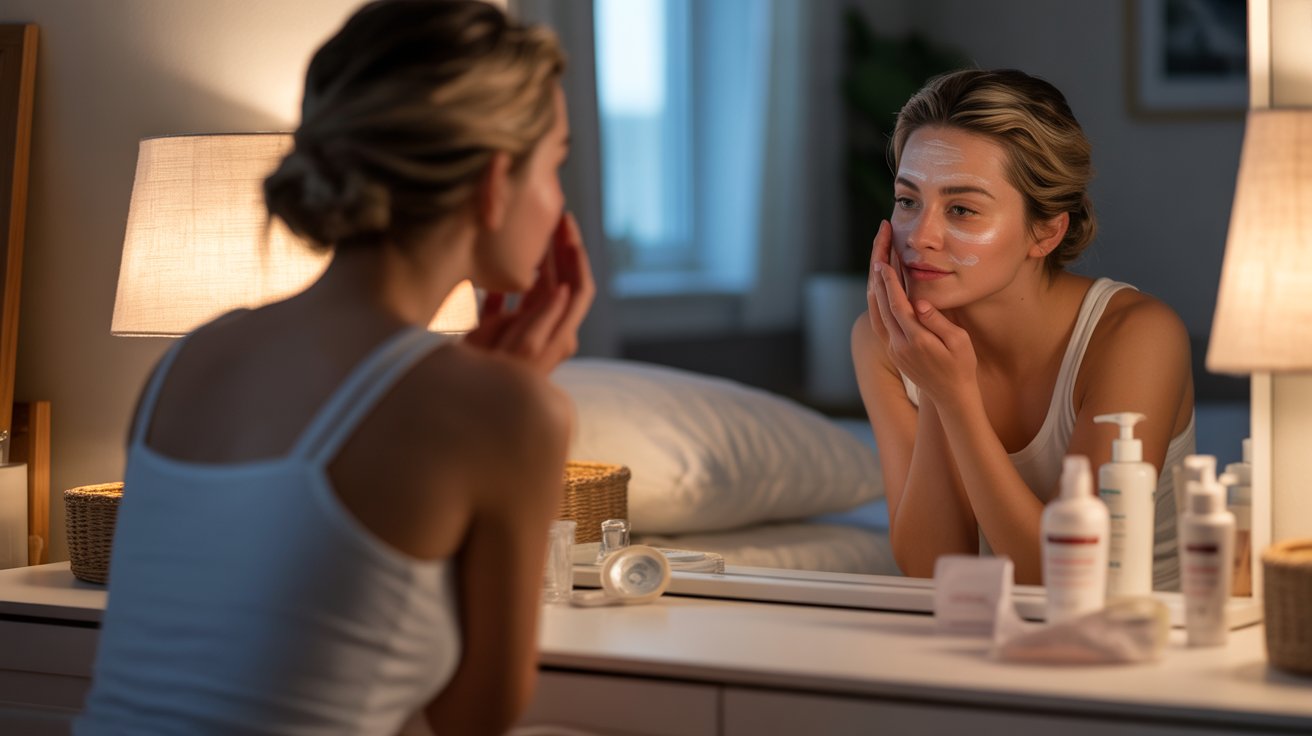
While you might survive a missed night, skipping moisturizer regularly affects your skin’s health and appearance over time.
What happens if you don’t moisturize before bed
Your skin loses water faster overnight without moisturizer, leading to dryness and tightness by morning. Over time, you’ll see more flakiness, dullness, and fine lines.
Your skin’s natural repair process slows down without proper hydration. Makeup won’t apply as smoothly the next day.
Who might get away with skipping occasionally?
Very oily skin types can handle missing a night without serious problems. Young adults with healthy, resilient skin might manage occasional skips.
However, making it a habit isn’t recommended for anyone. Even oily skin needs some hydration to stay balanced and healthy.
Why most skin types still benefit
Dry, combination, mature, and sensitive skin all need consistent nighttime moisture to stay healthy. Your skin loses more water at night regardless of your type.
Regular moisturizing maintains your protective barrier and supports cell turnover. It keeps your complexion looking fresh and slows down visible aging signs.
Are There Any Downsides to Moisturizing Before Bed?

Using the wrong moisturizer or applying too much can cause problems, but these issues are easy to avoid with smart product choices.
Risk of clogged pores and breakouts
Heavy, thick creams can block your pores if you have oily or acne-prone skin. This leads to whiteheads, blackheads, and breakouts, especially around your chin and forehead.
Rich formulas with comedogenic ingredients trap oil and dead skin cells inside your pores. Choose non-comedogenic, lightweight moisturizers designed for your skin type.
Signs you may be over-moisturizing
Your skin feels greasy or sticky even after the product absorbs completely. You might notice small bumps, increased breakouts, or a shiny appearance that won’t go away.
Your pores look larger and your skin feels congested instead of comfortable. Scale back the amount you’re using or switch to a lighter formula for better results.
How to avoid irritation from night products
Patch test new products on your inner arm before applying to your face overnight. Start with a small amount and increase gradually as your skin adjusts.
Avoid mixing too many active ingredients at once, which can cause redness and sensitivity. If you use retinol or acids, pair them with gentle, fragrance-free moisturizers to prevent reactions.
How to Moisturize Your Face Before Bed the Right Way
Start by picking a moisturizer that matches your skin type. Oily skin needs lightweight gels, while dry skin works better with richer creams.
Look for ingredients like hyaluronic acid, ceramides, niacinamide, and peptides that support overnight repair. Retinol is great for anti-aging if your skin can handle it.
Avoid heavy fragrances, essential oils, and harsh alcohols that can irritate your skin while you sleep. If you use acids or retinol, make sure your moisturizer is gentle and soothing.
Apply moisturizer to clean, slightly damp skin for better absorption. Use upward motions and don’t forget your neck.
Should I Moisturize My Face Before Bed by Skin Type?
Your skin type determines what kind of moisturizer works best at night. Here’s how to choose products that match your specific needs.
Dry Skin
Moisturize every single night without skipping to keep dryness under control.
Look for rich creams with hyaluronic acid, glycerin, shea butter, and ceramides that provide intense overnight hydration.
These ingredients lock in moisture and repair your skin barrier while you rest.
Oily or Acne-Prone Skin
Choose oil-free, gel-based, or water-based moisturizers that won’t block your pores overnight.
Look for non-comedogenic formulas with salicylic acid or niacinamide to control oil and prevent breakouts.
Apply a thin layer so your skin stays balanced without feeling greasy by morning.
Combination Skin
Apply lighter moisturizer on your oily T-zone and richer cream on dry cheeks if needed.
Gel-cream hybrids work well because they hydrate without heaviness.
This approach keeps all areas of your face comfortable and balanced throughout the night without causing problems.
Sensitive Skin
Stick to fragrance-free, hypoallergenic moisturizers with minimal ingredients to avoid reactions.
Look for calming ingredients like colloidal oatmeal, allantoin, or centella that soothe irritation.
Avoid products with alcohol, essential oils, or strong active ingredients that can trigger redness and discomfort overnight.
Normal Skin
Use a medium-weight lotion or cream that hydrates without feeling too heavy on your face.
You can moisturize nightly or every other night based on how your skin feels.
Stick with simple formulas containing hyaluronic acid and antioxidants to maintain your skin’s healthy balance.
Common Nighttime Moisturizing Mistakes to Avoid
- Wrong product choice: Using heavy creams on oily skin or lightweight gels on dry skin backfires quickly. Match your moisturizer to your actual skin type, not what you wish it was.
- Overloading your skin: Slathering on too much product leads to clogged pores and greasy pillowcases. A pea-sized amount is enough for your entire face and neck.
- Skipping patch tests: Trying new products directly on your whole face can cause overnight reactions. Test new moisturizers on a small area first to avoid waking up with irritation.
- Layering harsh actives: Combining retinol, acids, and strong ingredients at once irritates your skin badly. Introduce one active at a time and space them out throughout the week.
- Forgetting clean skin: Applying moisturizer over makeup or dirt traps bacteria against your face all night. Always cleanse thoroughly before moisturizing to let products work properly.
Conclusion
I’ve learned that moisturizing before bed makes a real difference. My skin feels softer and looks brighter when I stick to this habit.
The key is finding the right product for your skin type and using it consistently.
Some nights I skip it, and my face always feels tight and dull the next morning. That’s my reminder of why this step matters so much.
Start tonight and give your skin the care it needs while you rest.
What’s your go-to night moisturizer? Share your favorites in the comments!
Frequently Asked Questions
How long should I wait after washing my face to apply moisturizer?
Apply moisturizer while your skin is still slightly damp, ideally within 60 seconds of washing. This helps lock in moisture and allows better absorption into your skin.
Can I use the same moisturizer for day and night?
You can, but night creams are usually richer and contain different active ingredients for overnight repair. Daytime moisturizers often include SPF, which you don’t need at night.
What if my skin feels oily after applying night cream?
You’re either using too much product or the formula is too heavy for your skin type. Switch to a lighter, gel-based moisturizer or reduce the amount you’re applying.
Should I moisturize if I use retinol at night?
Yes, always moisturize after applying retinol to prevent dryness and irritation. Wait a few minutes between products to let each one absorb properly into your skin.
Is it okay to sleep with moisturizer on my face?
Absolutely, that’s the whole point of nighttime moisturizing. Your skin absorbs the product while you sleep and uses it for repair and hydration throughout the night.