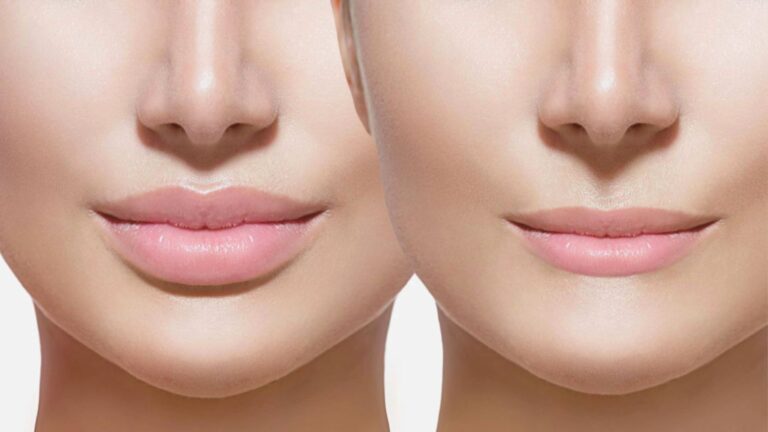
Ponytail Facelift Cost: What It Is & How It Works


Thinking about a ponytail facelift cost but not sure where to start? I get it. It can feel confusing with so much information out there.
This guide breaks it all down simply and honestly. We have spent years researching cosmetic procedures so you do not have to guess.
Here is exactly what this blog covers: what a ponytail facelift is. How much it costs and why. How the procedure works. Recovery time and results. And whether it is truly worth your money.
No fluff. Just clear answers you can actually use.
What Is a Ponytail Facelift?

A ponytail facelift is a modern technique that lifts the face the same way a tight ponytail pulls your skin upward. Incisions are placed near the hairline and ears so results look natural, not overdone.
It targets the cheeks, jawline, and jowls. It works best on the mid and lower face and is not meant for deep structural changes.
It is similar to a mini facelift but lifts more of the face including the cheeks and mid face. It is less involved than a full traditional facelift but gives a more complete lift than a mini facelift.
Ponytail Facelift Cost: What to Expect

A ponytail facelift typically costs between $8,000 and $20,000. Most patients pay around $10,000 to $15,000 depending on location, surgeon, and work needed.
The price usually covers the surgeon’s fee, anesthesia, facility fees, and follow up visits. Always ask for a full breakdown as some clinics leave out fees that can add $1,500 to $3,000 more.
It is more affordable than a traditional facelift which can cost up to $30,000. But if your skin needs more correction, a full facelift may give stronger results.
How a Ponytail Facelift Works

The technique is specific. Understanding it helps you know what to expect on the day of surgery.
Incision Placement and Technique
Incisions are made along the hairline at the temples, around or behind the ears, and sometimes slightly in the lower scalp. These placements help hide scars. Once healed, they are usually very hard to see.
The surgeon pulls the skin upward and back along a specific angle to create that lifted look.
Skin vs SMAS Lifting
There are two layers involved in most facelift techniques.
The skin layer is the outer surface of the face. Lifting only the skin can look tight or fake and does not last as long.
The SMAS layer is the deeper muscle and tissue layer beneath the skin. Lifting this layer gives a more natural result and lasts longer.
Most skilled surgeons doing a ponytail facelift will lift both layers. This is important to ask about during your consultation.
Factors That Affect Ponytail Facelift Cost

No two patients pay the exact same price. Here is why costs vary.
Surgeon’s Expertise
A board certified plastic surgeon with years of facelift experience will charge more. That is fair. More skill usually means better results and fewer risks.
Look for a surgeon certified by the American Board of Plastic Surgery or an equivalent body in your country. Do not choose based on price alone.
Clinic Location
Location plays a big role in cost. Practices in major cities especially in states like California, New York, or Florida charge significantly more than those in smaller cities or rural areas.
Some patients travel to other cities or even other countries to save money. If you do this, make sure to research the surgeon thoroughly and plan for extra recovery time before traveling home.
Procedure Complexity
The more correction needed, the more time it takes and the higher the cost. A patient with mild sagging will pay less than someone with significant jowling and loose skin.
Your surgeon will assess your face during consultation and give you a personalized quote based on what needs to be done.
Anesthesia and Facility Fees
These are often overlooked but can add thousands to the total. The anesthesia fee can range from $1,000 to $2,500 depending on how long the surgery takes.
The operating room fee can add another $1,000 to $3,000 or more. Pre op lab tests and post op medications can add a few hundred dollars on top of that.
Always ask for a complete quote in writing before you book.
Benefits of a Ponytail Facelift
This procedure has grown in popularity for good reason. Here is what makes it appealing.
Minimally Invasive Procedure
Compared to a traditional facelift, the ponytail technique is far less invasive. Smaller incisions mean less trauma to the tissue, a lower risk of complications, and less visible scarring overall.
It is a good middle ground for people who want real results without the intensity of full surgery.
Faster Recovery Time
Recovery is quicker than with a full facelift. Most patients are back to light activity within 1 to 2 weeks. Full recovery takes about 4 to 6 weeks.
This makes it a popular choice for busy people who cannot take extended time off work.
Natural Looking Results
Because of the vertical lifting angle and careful incision placement, results tend to look natural. The goal is a refreshed, rested appearance and not an overdone or tight look.
Many patients say they look like a younger version of themselves, not a different person.
Recovery Time and Results

Knowing what to expect after surgery helps you plan and heal better.
Typical Recovery Timeline
In the first few days, swelling, bruising, and tightness will be at their peak. Rest is key during this time. By the end of the first week, swelling starts to go down and sutures may be removed.
Most people return to desk work and light activity between weeks two and three. By weeks four to six, bruising is mostly gone and you will look and feel much better. At the two to three month mark, your final results will start to fully show as swelling clears completely.
Follow your surgeon’s aftercare instructions closely. That includes sleeping with your head uplifted, avoiding strenuous activity, and protecting incisions from sun exposure.
When You Will See Results
You will notice a difference within the first week. But the real results show at 2 to 3 months post surgery. That is when swelling is fully gone and the tissue has settled into its new position.
Be patient. Healing takes time, and rushing the process can affect your outcome.
How Long Results Last
Results from a ponytail facelift typically last 5 to 10 years. This depends on your skin type and condition before surgery, how well you follow aftercare, sun protection and skincare habits, and natural aging and lifestyle factors.
Maintaining a healthy lifestyle, staying hydrated, and using SPF daily can help your results last longer.
Who Is a Good Candidate?
Most ideal candidates are between 35 and 55 years old. At this stage the skin still has enough elasticity to respond well to lifting. Good general health, non smoking, and realistic expectations all matter too.
This procedure works best for people noticing early signs of aging like mild cheek sagging, a softening jawline, or early jowl formation. If your skin is very thin or heavily sun damaged, results may not be as strong.
A full facelift may suit you better if you have severe sagging, very loose neck skin, or deep facial folds. Your surgeon will guide you toward the right option during your consultation.
Conclusion
If you have been thinking about a ponytail facelift, I hope this breakdown made things clearer.
Honestly, the cost feels like a lot at first, but when you consider the results and the shorter recovery, it starts to make sense for the right person.
I always say do your research, talk to a qualified surgeon, and trust the process. If this post helped you, share it with someone who might need it too.
Drop a comment below with your questions. We read every single one.
Frequently asked questions
How much does a ponytail facelift cost on average?
The average cost ranges from $8,000 to $20,000. The final price depends on the surgeon, location, and how much correction is needed.
Does insurance cover a ponytail facelift?
No, health insurance does not cover this procedure because it is considered cosmetic. You will need to pay out of pocket or look into financing options offered by the clinic.
How long does a ponytail facelift last?
Results typically last between 5 and 10 years. Good skincare habits, sun protection, and a healthy lifestyle can help extend how long you enjoy the results.
Is a ponytail facelift painful?
Most patients report mild to moderate discomfort after surgery, not severe pain. Your surgeon will prescribe medication to manage any soreness during the first few days of recovery.
What is the best age to get a ponytail facelift?
Most candidates are between 35 and 55 years old. This is when early to moderate signs of aging appear and the skin still responds well to lifting techniques.