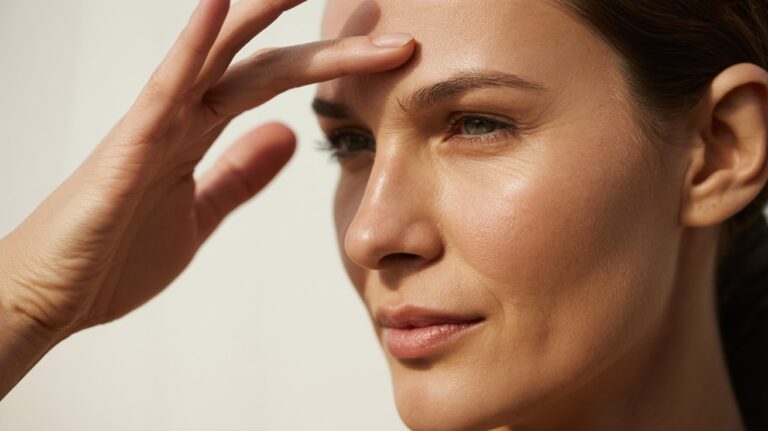
Lying Down After Botox: Myths, Facts & Safe Aftercare Tips


Ever wondered if lying down after Botox actually matters, or if it’s just another beauty myth?
After administering thousands of Botox treatments, I hear this question constantly, and patients deserve a straight answer based on medical evidence, not hearsay.
In this guide, I’m separating fact from fiction about post-treatment positioning. You’ll learn what actually happens to Botox after injection, why certain precautions exist, and which recovery rules genuinely protect your results versus which are outdated myths.
I’m also addressing the most common patient questions I encounter, Can you sleep normally? What about exercise? How long do restrictions really last?
By the end, you’ll have clear, practical knowledge about Botox aftercare, no unnecessary anxiety, just the facts that matter for optimal results.
Let’s clarify what you actually need to know.
What is Botox?
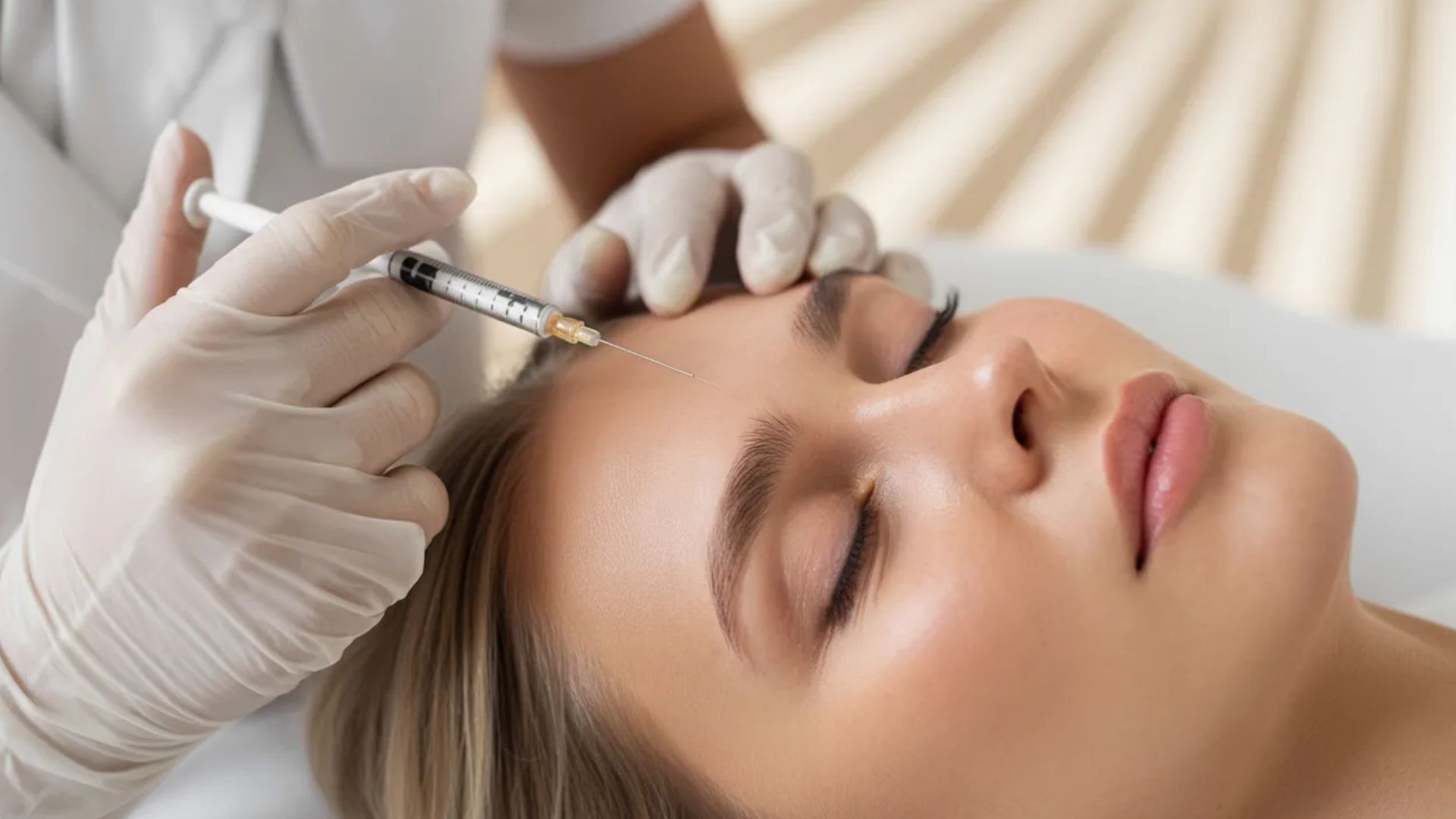
Botox is a popular cosmetic treatment that helps reduce the appearance of wrinkles. It works by relaxing certain muscles in the face, giving your skin a smoother and more youthful look.
Doctors also use Botox for medical purposes, like treating migraines, excessive sweating, and muscle spasms.
It’s a quick procedure, usually done in a clinic, and the results appear over several days.
Lying Down After Botox: Myth or Fact?
Many people worry that lying down after Botox will make the injections move to other parts of the face.
In reality, this is mostly a myth. Knowing how Botox works helps you follow aftercare safely.
Why the Lying-Down Myth Exists
The myth comes from older injection techniques and cautious advice. Early Botox treatments were less precise, so doctors recommended strict post-treatment care.
Simple rules like “stay upright all day” spread online and in clinics.
Warnings about unintended effects made patients cautious, even though modern Botox binds quickly to targeted muscles and is unlikely to move from its injection site.
How Botox Actually Behaves in the Skin
Botox attaches to facial muscles within minutes of injection, preventing it from floating under the skin. Gravity alone does not move Botox.
The only real risk comes from pressure, such as rubbing or pressing treated areas. Some diffusion within the injected muscle is normal, but Botox does not spread to unrelated parts of the face.
This explains why lying down shortly after treatment is generally safe.
The Safe Takeaway
Lying down shortly after Botox is unlikely to affect results. The main precaution is avoiding pressure on treated areas for a few hours.
Following your provider’s aftercare instructions ensures safe and effective results.
Understanding how Botox works removes unnecessary worry and helps patients focus on normal recovery without overemphasizing myths.
What Happens If You Accidentally Lie Down After Botox?

Briefly lying down after Botox does not affect results. Most people do not need to worry if it happens accidentally.
Common Scenarios: Short naps or reclining during travel do not impact Botox placement. Lying flat for a short time is safe. Direct pressure on treated areas, like pressing against a pillow, should be avoided.
Signs You Don’t Need to Worry About: No immediate visible changes occur. Botox results develop normally over several days. There should be no unusual muscle weakness or movement in treated areas.
The 4-Hour Rule Explained
After receiving Botox, most providers recommend staying upright for about four hours.
This helps the injections settle into the targeted muscles and minimizes the small risk of movement or diffusion.
While brief reclining is usually safe, following this simple guideline ensures the best results.
Why It Matters:
Staying upright reduces the chance of direct pressure on treated areas and allows Botox to bind effectively to the muscles.
Gravity alone is unlikely to move Botox, but avoiding bending or pressing for a few hours adds an extra layer of safety.
Practical Tips:
- Sit or stand normally after treatment.
- Avoid lying flat or bending over deeply.
- Short naps after the four-hour window are safe.
Botox Aftercare Rules That Matter More Than Lying Down
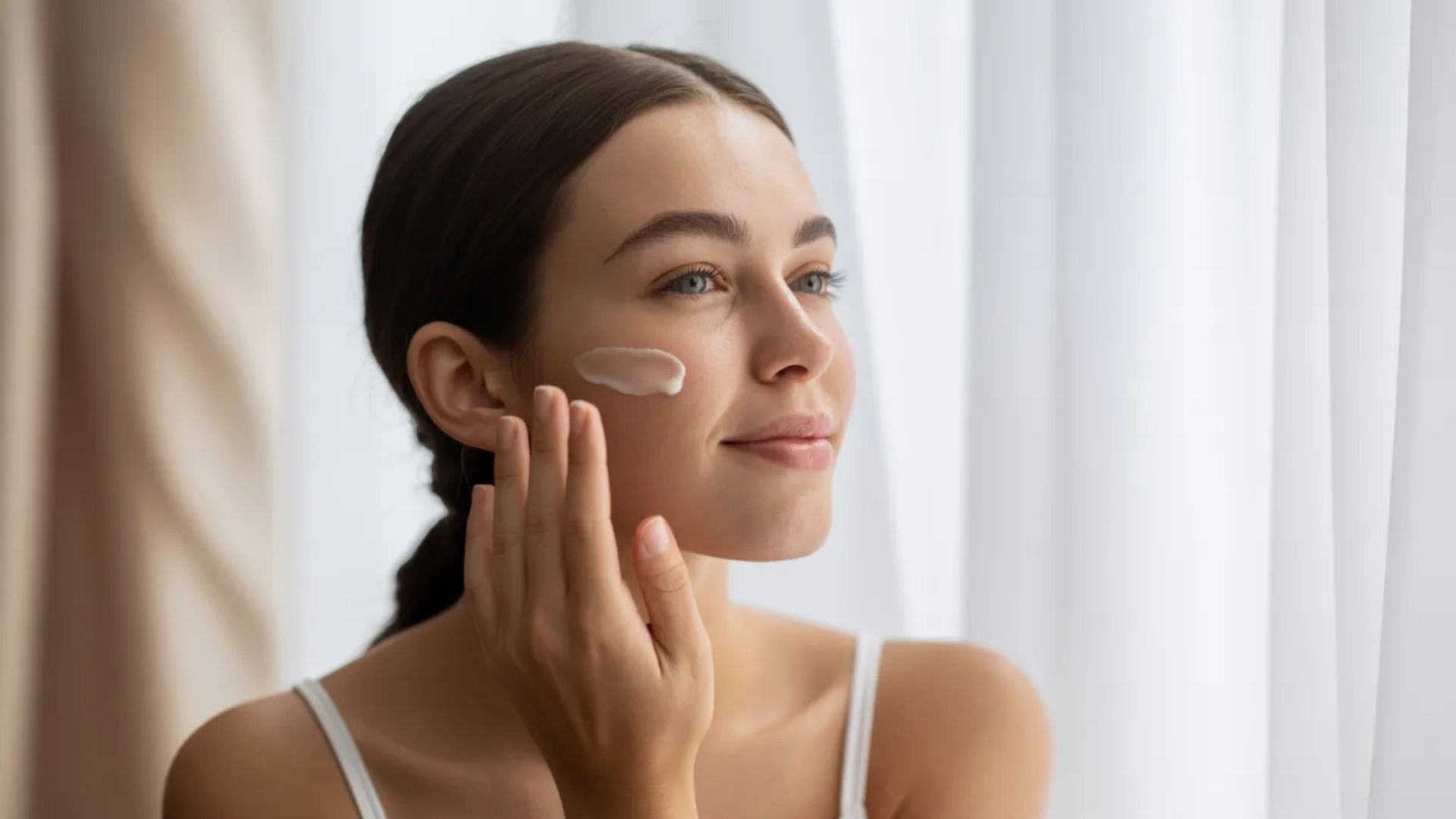
Proper aftercare after Botox is more important than worrying about lying down. Following simple steps in the first hours and day ensures the best results and reduces risks.
What to Do in the First 4 Hours
Stay upright and avoid pressure to help Botox settle in the treated muscles.
- Stay upright
- Avoid pressure on treated areas
- Keep facial movements natural
- Walk around gently to encourage normal circulation
- Avoid bending over deeply or lifting heavy objects
What to Avoid for the First 24 Hours
Avoid heat, alcohol, facial treatments, or any pressure to prevent interference with Botox results.
- Heat, alcohol, or aggressive skincare
- Facial treatments, massages, or rubbing the face
- Strenuous exercise or high-impact activities
- Saunas, steam rooms, or hot tubs
- Sleeping on your face or putting direct pressure on treated areas
Other Common Botox Myths Debunked
This section addresses common misconceptions about Botox beyond lying down.
Understanding these myths helps you make informed decisions and follow proper treatment guidelines.
Myth 1- Botox Is Only for Wrinkles:
Botox is not just for cosmetic purposes. It can also treat migraines, excessive sweating, and certain muscle spasms, making it a versatile medical treatment.
Myth 2- Botox Freezes Your Face Completely:
When administered correctly, Botox softens lines without affecting natural facial expressions. You can still move your face normally while reducing wrinkles.
Myth 3- Results Are Immediate:
Botox does not work instantly. Effects typically appear within 3–7 days as the muscles gradually relax and wrinkles soften.
Myth 4- Botox Is Painful:
Most patients experience minimal discomfort during treatment. Topical numbing or ice can further reduce any sensation, making the process quick and tolerable.
Myth 5- Only Women Get Botox:
Botox is increasingly popular among men, often called “Brotox.” It’s used for both cosmetic and medical purposes in men and women alike.
Myth 6- You Can Do Botox at Home Safely:
DIY Botox is extremely risky. It must be administered by a licensed medical professional to ensure safety and proper results.
Myth 7- Botox Causes Long-Term Wrinkle Worsening:
Botox does not worsen wrinkles. In fact, it can prevent new lines by limiting repetitive muscle movements over time.
Conclusion
After visiting how Botox works and debunking common myths, it’s clear that briefly lying down after treatment is mostly harmless.
I’ve learned from experience that following simple aftercare steps, like avoiding pressure and staying upright for a few hours, makes all the difference in getting smooth, natural results.
Understanding your treatment reduces unnecessary stress and helps you enjoy the process with confidence. Trust your provider and your body’s recovery.
Ready to see your Botox results shine? Book your consultation today and start your journey to refreshed, confident skin!
Frequently Asked Questions
Can I sleep on my side after Botox?
Sleeping on your side the same night is generally safe if you avoid putting direct pressure on treated areas. Using a soft pillow or slightly elevating your head can reduce any minimal risk.
What if I bent over accidentally?
Bending over briefly is unlikely to affect Botox results. The main concern is applying pressure to treated areas, so as long as you avoid rubbing or pressing your face, results should remain unaffected.
Does lying down affect forehead vs eye Botox differently?
Lying down briefly does not affect forehead or eye Botox differently. Both areas bind quickly to their target muscles, so short periods of reclining or resting are generally safe.
Is this advice the same for fillers?
No. Fillers behave differently from Botox. Some fillers may shift slightly if you lie down immediately after treatment, so it’s best to follow your provider’s specific aftercare instructions for each type of injection.
How soon can I relax normally after Botox?
You can resume normal light activities after the first few hours, once the 4-hour post-treatment window has passed. Avoid direct pressure on treated areas during this time for optimal results.