Mango Butter Benefits for Skin: Moisturizing Explained


Dry, flaky skin is frustrating. You try product after product, and nothing seems to work for long. Mango butter might be the answer you have been looking for.
In this article, you will learn what mango butter is, how it works, and why it is so good for your skin. We cover everything from raw mango butter to how it fits different skin types.
I have been writing about natural skincare ingredients for years, and mango butter is one I keep coming back to. It delivers real results without a complicated routine.
What Is Mango Butter?
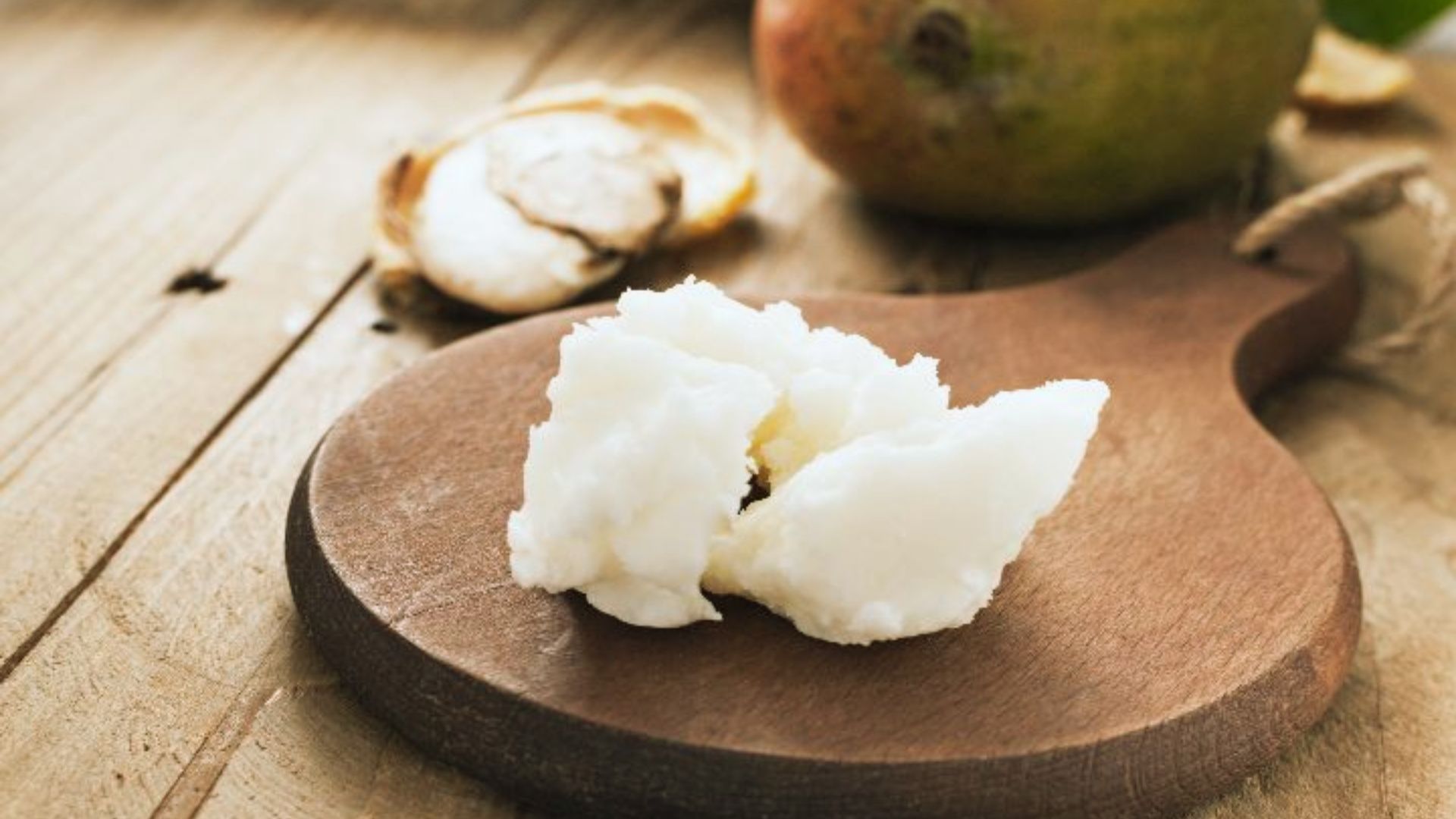
Mango butter comes from the seed of the mango fruit and is packed with skin-loving nutrients.
Mango butter is extracted from the kernel inside a mango seed. The kernel is pressed to pull out a thick, creamy fat. This fat is what we call mango butter.
It is solid at room temperature but melts quickly on skin contact. That makes it easy to apply without any mess.
Mango butter is rich in: Stearic acid, which softens and smooths skin. Oleic acid, which helps moisture sink deep into skin layers.
Vitamin A, which supports cell renewal. Vitamin C, which helps with skin tone. Vitamin E, which protects against environmental stress.
These nutrients work together to keep skin healthy and hydrated.
Mango Butter Benefits for Skin: Moisturizing Explained
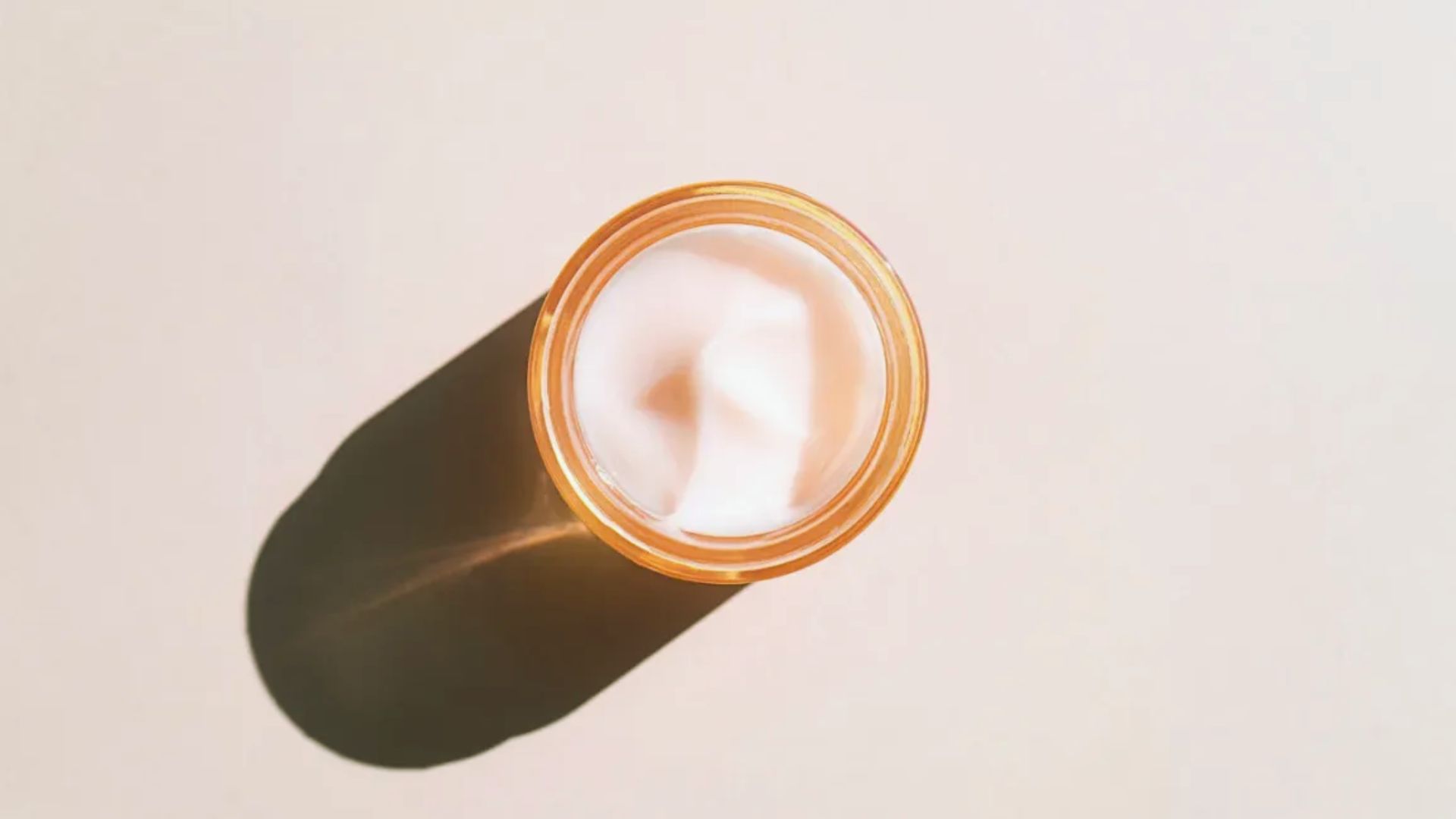
Mango butter works as a deep moisturizer that goes beyond surface hydration to support healthy, balanced skin.
How Mango Butter Hydrates Dry Skin
Mango butter acts as an emollient. It fills in the tiny gaps between skin cells and creates a smooth, soft surface. Dry skin often lacks this kind of protection, which leads to rough patches and tightness.
When you apply mango butter, it melts into your skin and stays there. It does not evaporate the way water-based products do.
Role of Fatty Acids in Locking Moisture
The fatty acids in mango butter, especially stearic and oleic acid, form a thin layer on the skin’s surface. This layer acts like a seal. It keeps water inside your skin and stops it from escaping into the air.
This is especially helpful during cold or dry weather when skin loses moisture faster.
How It Strengthens the Skin Barrier
Your skin has a natural barrier that protects it from outside damage. When this barrier is weak, skin gets dry, red, or irritated easily.
Mango butter supports this barrier by adding back the lipids it needs to stay strong. Over time, skin becomes more resilient and less reactive.
Why It Is Effective for Dry and Flaky Skin
Mango butter targets the root cause of dryness. It does not just add moisture on top. It restores the skin’s ability to hold onto moisture on its own.
That is why people with chronically dry skin often see lasting results with regular use.
How Mango Butter Helps with Dry Skin Conditions
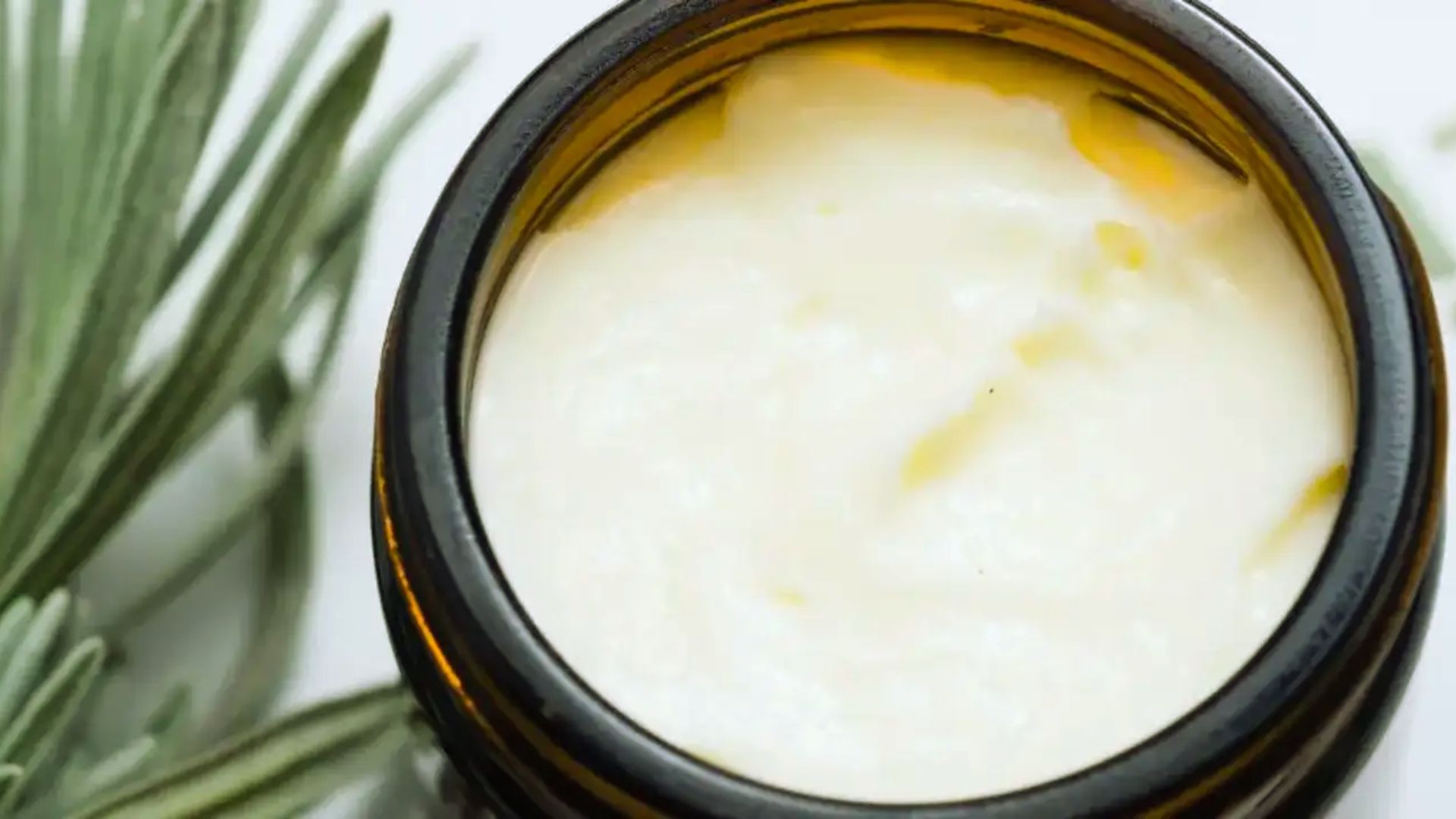
Mango butter goes beyond basic moisturizing to offer real relief for people dealing with ongoing dry skin issues.
Relief from Itching and Irritation
Dry skin often comes with itching and a burning feeling. Mango butter soothes this quickly. Its fatty acids create a calming layer that reduces the urge to scratch.
Support for Eczema and Psoriasis Symptoms
Mango butter is not a cure for eczema or psoriasis, but it helps ease redness, dryness, and flaking. Always speak with a dermatologist before making changes to your routine.
Prevention of Moisture Loss
Mango butter works as an occlusive ingredient. It sits on top of the skin and slows down water evaporation, keeping skin hydrated for longer.
Long-Term Hydration Benefits
With consistent use, skin gradually gets better at retaining moisture on its own. Over time, you need less product to keep skin soft and comfortable.
Raw Mango Butter Benefits for Skin
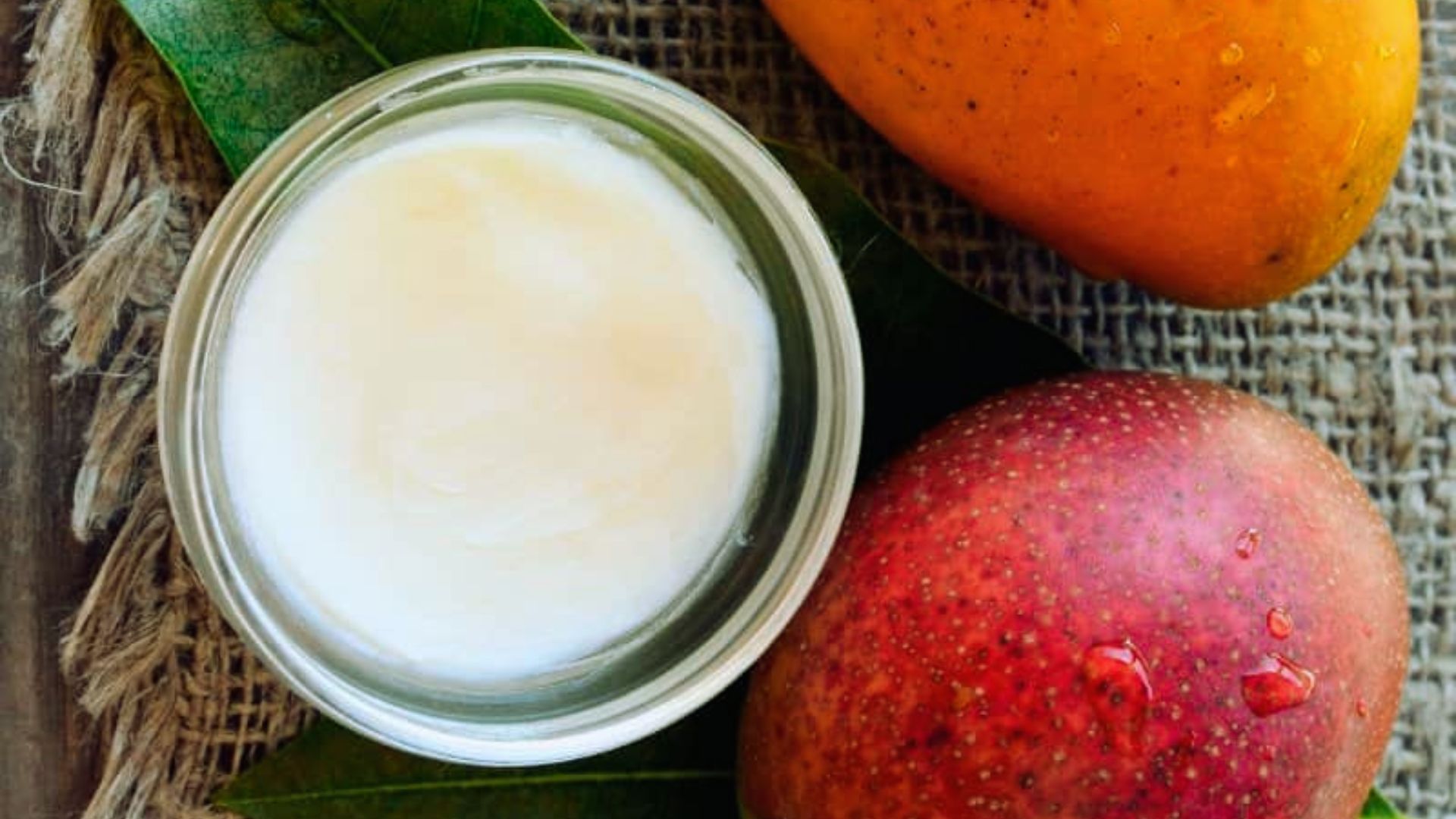
Raw mango butter keeps its full nutrient profile, making it one of the best choices for natural skincare routines.
Unprocessed vs Processed Mango Butter
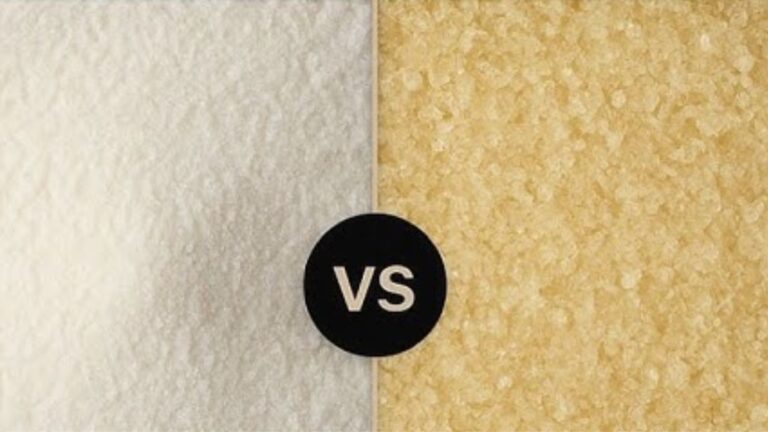
Raw mango butter is cold-pressed and unrefined. It keeps its natural scent, color, and full nutrient content.
Processed mango butter is bleached and deodorized, which removes some of the beneficial compounds.
If your skin needs real nourishment, raw is the better pick.
Why Raw Mango Butter Is Preferred in Natural Skincare
People who avoid synthetic ingredients in their skincare often turn to raw mango butter. It is a single-ingredient product with nothing added. You know exactly what you are putting on your skin.
It also blends well with other natural oils and butters, making it versatile in homemade skincare recipes.
Nutritional Advantages of Raw Mango Butter
Because raw mango butter is not processed, it holds onto more of its vitamins and antioxidants. These compounds help protect the skin from damage caused by pollution and UV exposure.
Refined versions lose a portion of these compounds during processing.
Best Uses of Raw Mango Butter for Skin Hydration
Raw mango butter works well as a body moisturizer, a lip balm base, a hand cream, or a soothing treatment for rough elbows and knees.
It can also be used as an overnight face treatment for very dry skin types.
Additional Skin Benefits of Mango Butter
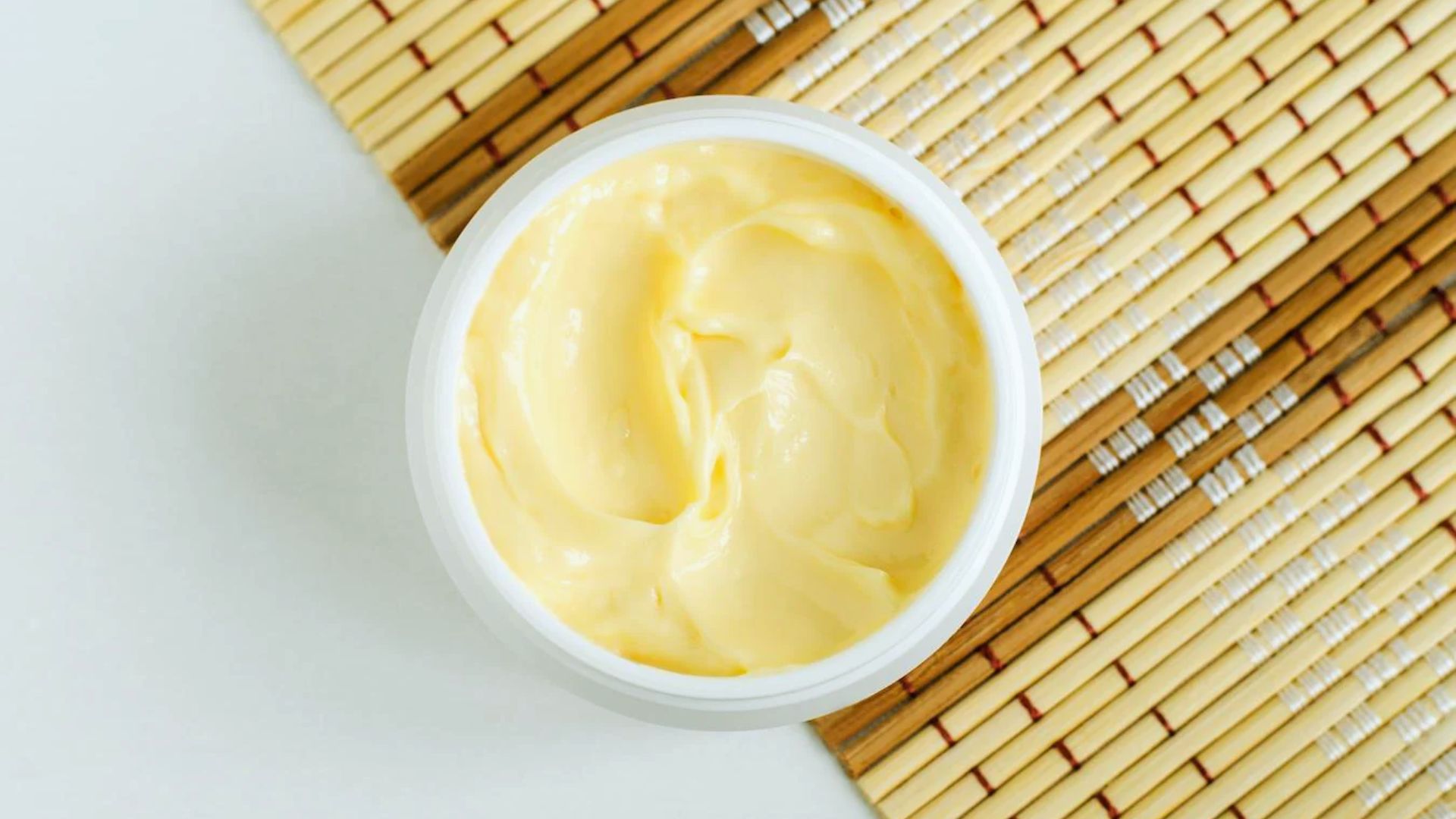
Mango butter offers more than just moisture, supporting skin health from multiple angles.
Antioxidant Protection and Anti-Aging Effects
Vitamins A, C, and E in mango butter protect skin from free radical damage. Regular use may help reduce the look of fine lines and keep skin looking healthy.
Potential UV Protection Properties
Mango butter has a mild natural SPF. It does not replace sunscreen, but it adds a small layer of daily protection. Think of it as a bonus, not a substitute.
Improvement in Skin Texture and Elasticity
Mango butter helps skin feel smoother and more flexible. The fatty acids support collagen function, keeping skin firm and supple over time.
Tips for Using Mango Butter Effectively
Small changes in how you use mango butter can make a big difference in results.
- Always do a patch test before applying to a large area of skin.
- Use a small amount to avoid a greasy feeling, especially on oily skin.
- Apply on slightly damp skin for better absorption.
- Mix with a lightweight oil for a smoother, lighter texture.
- Store in a cool, dry place to keep the consistency stable.
Conclusion
Mango butter has become one of my go-to recommendations for anyone dealing with dry or irritated skin.
I have seen how a simple, natural ingredient like this can make such a real difference when used consistently.
If you have been struggling with dry patches, rough skin, or just want a more natural moisturizer, give mango butter a try. Start with a small amount and see how your skin responds.
Try it out and let us know how it works for you in the comments below. Share this post with a friend who could use a little extra skin care help.
Frequently Asked Questions
Is mango butter good for all skin types?
Mango butter works well for most skin types, especially dry and sensitive skin. Those with oily or acne-prone skin should use it sparingly to avoid clogging pores.
Can mango butter help with acne?
Mango butter is not an acne treatment, but its anti-inflammatory properties may reduce redness. People with acne-prone skin should test it on a small area first before using it widely.
How often should mango butter be used?
For dry skin, daily use works best. For normal or combination skin, using it two to three times a week is usually enough to maintain soft, hydrated skin.
Is raw mango butter better than processed versions?
Raw mango butter keeps more of its natural vitamins and fatty acids. Processed versions are more neutral in scent and color but may have fewer active nutrients for the skin.
Can mango butter be used on the face?
Yes, mango butter can be used on the face, especially for dry skin types. Use a small amount and avoid the T-zone if your skin tends to get oily. Always patch tests first.