Ombre vs Microblading: Which Brow Style Suits You Best?

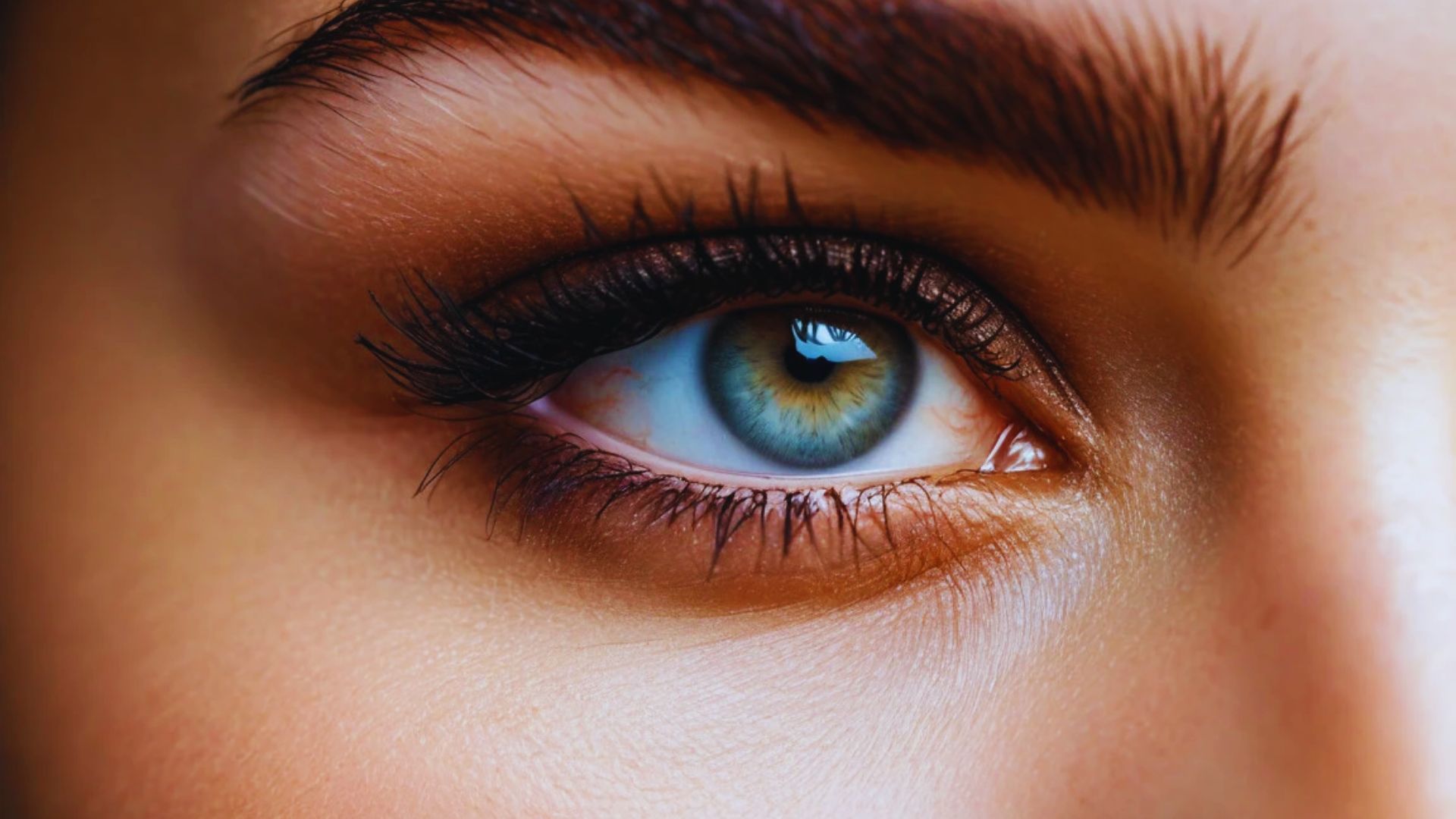
Can’t decide between ombre and microblading for your brows? I get it.
I’ve spent years working with clients who face this exact choice. The decision matters because you’ll be looking at these brows every single day.
Here’s what I’ve learned: ombre vs microblading isn’t about which is “better.” It’s about which works for YOUR face, skin, and lifestyle.
In this guide, I’ll walk you through everything. From technique differences to healing times, I’m sharing what actually matters when you’re choosing semi-permanent brows.
Let’s figure out which option fits you best.
Understanding Semi-Permanent Brows
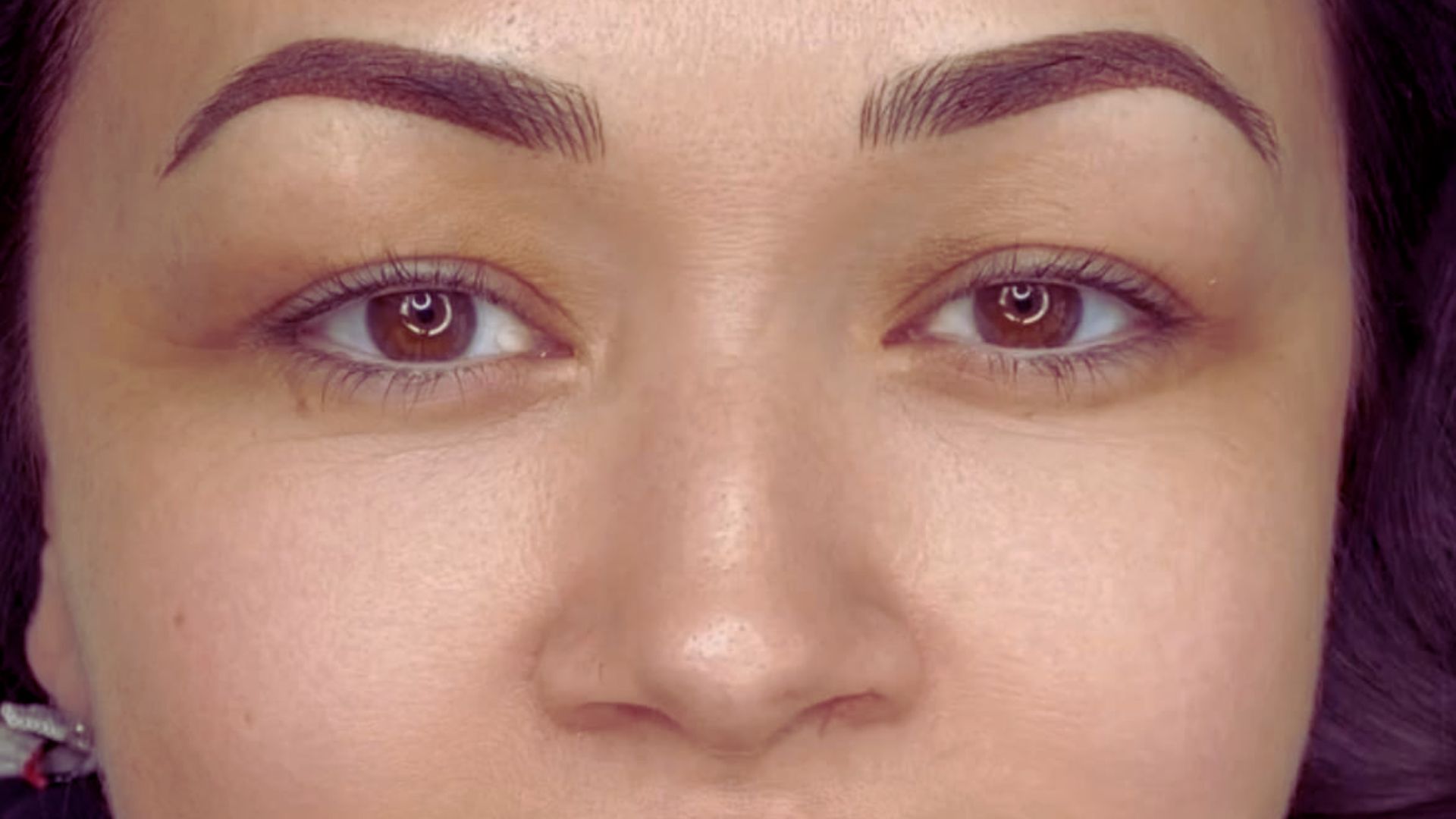
Semi-permanent makeup has changed how we approach brow care. Instead of filling them in daily, you wake up with defined, shaped brows that last for months.
Both techniques deposit pigment under your skin. The difference? How they do it and what they look like when healed.
From powder ombre vs microblading to hybrid methods, each approach creates a different finish. Some give you soft, shaded brows. Others create hair-like strokes that look incredibly real.
Why do people choose these treatments? Low maintenance tops the list. You save time every morning and your brows stay put through workouts, swimming, and humidity.
The results last anywhere from one to three years depending on which method you pick.
What is Ombre Brows?
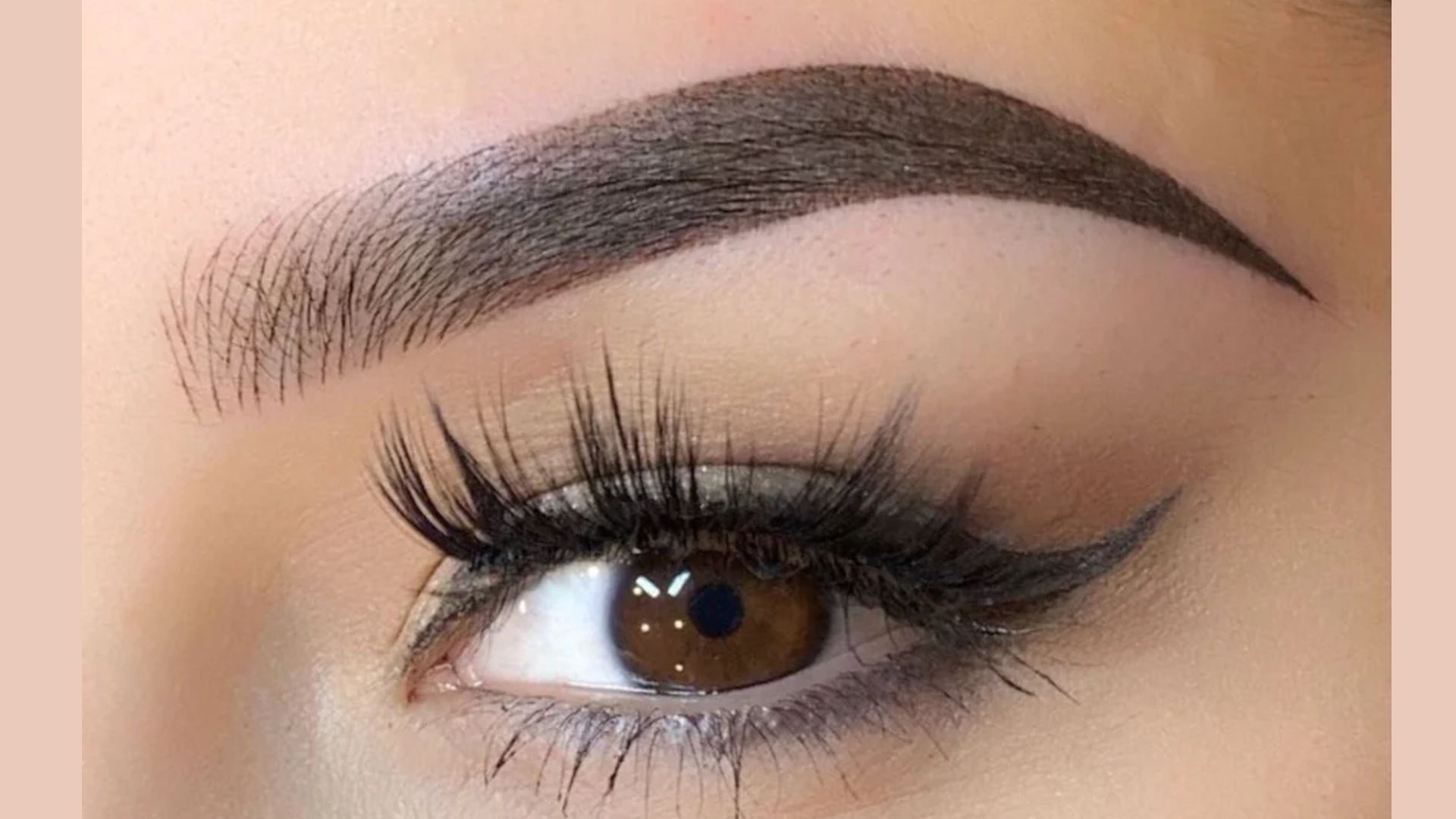
Ombre brows create a soft, gradient effect that looks like you filled them in with powder. The color starts lighter at the front of your brow and gradually gets darker toward the tail.
The artist uses a machine to deposit tiny dots of pigment, building up color in layers for a powdered appearance.
It’s gentler on your skin than blade techniques and works well for sparse brows, sensitive skin, and oily skin.
Advantages
Ombre brows offer some real perks that make them worth considering. Here’s what stands out after working with hundreds of clients.
- Lasts 2-3 years before you need a major touch-up
- Creates a soft, natural gradient that looks polished but not overdone
- Less painful than blade techniques since there’s no cutting involved
- Works on all skin types, including oily skin that doesn’t hold microblading well
The healing process is easier too. You’ll see less obvious scabbing, and the color settles into a natural-looking shade within a few weeks.
What is Microblading
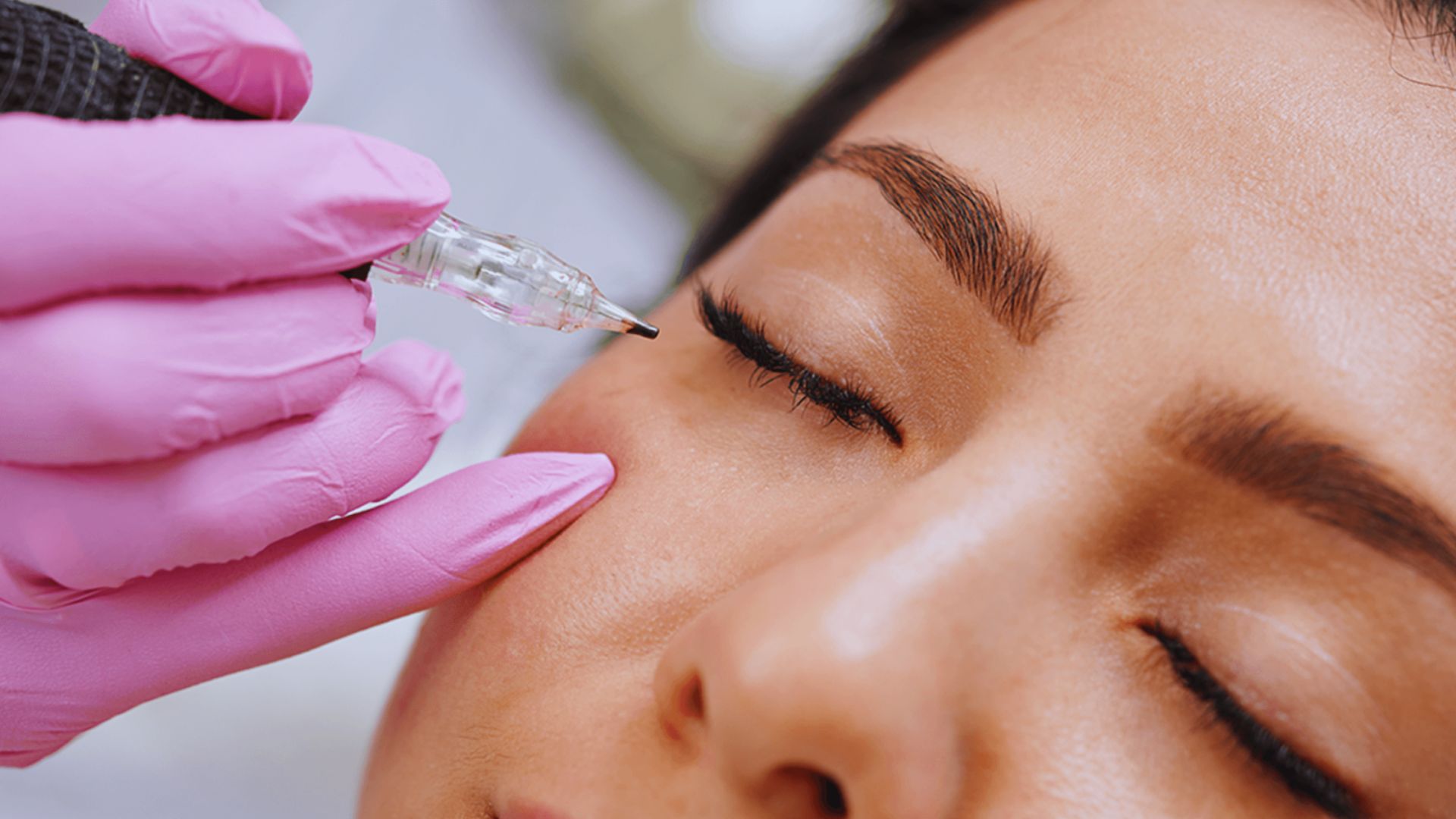
Microblading uses fine blades to etch hair-like strokes into your skin. Each stroke mimics a real brow hair, creating an incredibly realistic look.
Your artist draws individual lines that follow your natural hair growth pattern and deposits pigment into these tiny cuts.
When healed, they look like actual hairs. This technique works best for people who already have some brow hairs and need to fill in gaps, and it’s ideal for normal to dry skin.
Advantages
Microblading creates results that look shockingly real. Here’s why so many people choose this method.
- Ultra-realistic appearance with individual hair-like strokes
- Immediate shaping and fullness that frames your face perfectly
- Perfect for thin brows that need more density
- Works best on normal to dry skin for long-lasting, crisp strokes
You get instant results once the initial healing passes. The strokes stay defined and clear, especially if your skin isn’t too oily.
Ombre vs Microblading: Key Differences
Let me break down the main differences so you can compare them side by side.
| Feature | Ombre Brow | Microblading |
|---|---|---|
| Technique | Gradient shading with a machine | Hair-stroke etching with blades |
| Appearance | Soft, powdered makeup look | Hair-like, crisp strokes |
| Longevity | 2-3 years | 1-2 years |
| Skin Types | All types, especially oily | Normal to dry |
| Healing | Less noticeable scabbing | Some scabbing on strokes |
| Pain Level | Mild discomfort | Moderate discomfort |
If you’re wondering about powder ombre vs microblading, this table shows you exactly how they differ in technique, results, and upkeep.
The longevity difference matters. Ombre lasts longer because the pigment sits in a different layer of skin and doesn’t blur as quickly.
Your skin type plays a huge role too. Oily skin pushes out microblading pigment faster, while ombre holds strong on all skin types.
Choosing Between Ombre and Microblading
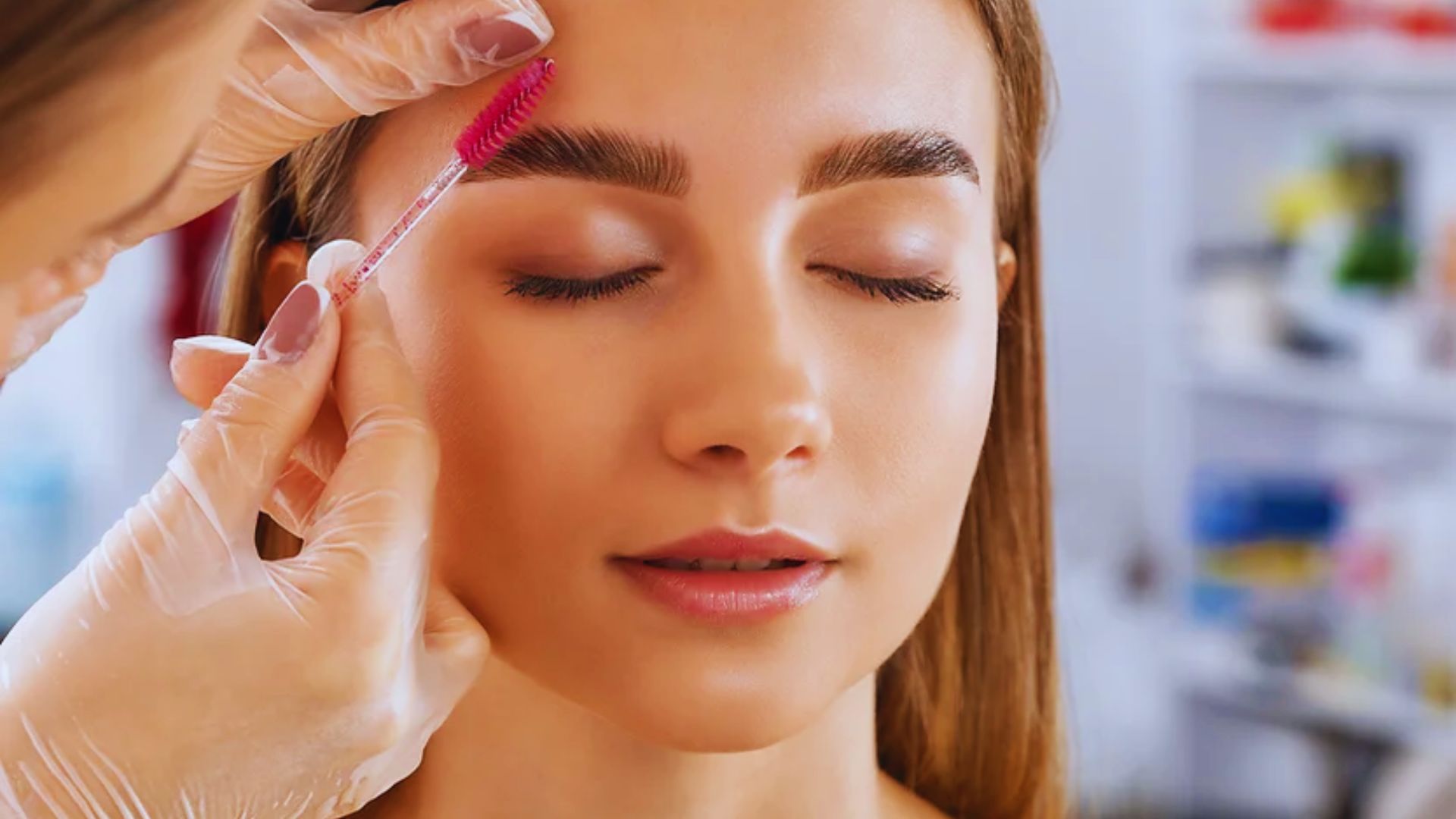
Your decision comes down to a few key factors. Let me help you think through them.
Consider your skin type first. Oily skin? Ombre will last longer and look better. Normal or dry skin? Either technique works great.
Think about the look you want. Do you prefer a polished, makeup-filled appearance? Go with ombre. Want individual hair strokes that look completely natural? Microblading is your answer.
Your lifestyle matters too. Choose ombre if you want a soft gradient with minimal maintenance. Pick microblading if you want realistic hair-like strokes and defined shape.
Pain tolerance comes into play. Microblading involves more discomfort since blades cut the skin. Ombre feels gentler because it uses a machine without cutting.
Your choice between ombre vs microblading brows depends on what works for your face and daily routine. There’s no wrong answer, just the right fit for you.
Maintenance and Aftercare Tips
Proper aftercare makes or breaks your results.
I tell every client the same thing: follow these rules strictly for the first two weeks.
- Keep your brows dry for the first 10 days
- Skip makeup on and around the treated area
- Avoid sun exposure and tanning beds
- Don’t pick at scabs no matter how tempting
- Skip harsh skincare products like retinol and acids near your brows
- Sleep on your back to prevent rubbing the area
Healing takes about 4-6 weeks total. You’ll notice scabbing around day 5-7, then the color will look too light before it settles into its final shade.
Touch-ups matter for longevity. Ombre brows need refreshing every 12-18 months. Microblading requires more frequent touch-ups, usually every 8-12 months.
The better you care for your brows, the longer they last. Sun exposure fades pigment faster than anything else, so wear SPF or a hat outdoors.
Cost Comparison
Let’s talk about money because it’s part of the decision.
Ombre brows typically cost $400-$800 for the initial session. Touch-ups run $200-$400 depending on your area and the artist’s experience.
Microblading ranges from $500-$1,000 for your first appointment. Touch-ups cost $150-$400 each time.
The long-term cost differs too. Since ombre lasts longer between touch-ups, you might spend less over three years compared to microblading.
Location affects pricing. Big cities charge more than smaller towns. An experienced artist costs more but delivers better, safer results.
Conclusion
Now you know the real differences between these two techniques.
Ombre vs microblading comes down to your skin type, style preference, and how much maintenance you want to handle.
I’ve seen both create gorgeous results on the right person. Check your skin type first. Then think about whether you want that soft powder look or crisp hair strokes.
Book a consultation with a certified artist. They’ll assess your brows and recommend what works best for your face. Your brows frame everything, so take time choosing the right method.
Ready to make your choice? Drop a comment below and tell me which technique you’re leaning toward!
Frequently Asked Questions
How long do ombre brows last compared to microblading?
Ombre brows last 2-3 years with proper care, while microblading typically lasts 1-2 years. Your skin type and aftercare routine affect longevity for both techniques.
Does microblading hurt more than ombre brows?
Yes, microblading can be slightly more painful because the artist uses fine blades that create small cuts in your skin. Ombre uses a machine that feels less uncomfortable for most people.
Can I combine ombre and microblading techniques?
Absolutely! Hybrid techniques combine both methods to create a soft gradient base with realistic hair-like strokes on top. Many artists offer this option for clients who want the best of both worlds.
Which technique is better for oily skin?
Ombre brows work much better for oily skin since the pigment holds longer and doesn’t blur. Microblading tends to fade faster on oily skin because the strokes can blur and lose definition.
How often do I need touch-ups?
Ombre brows need touch-ups every 12-18 months to maintain color and shape. Microblading requires more frequent maintenance, typically every 8-12 months to keep strokes looking crisp and defined.