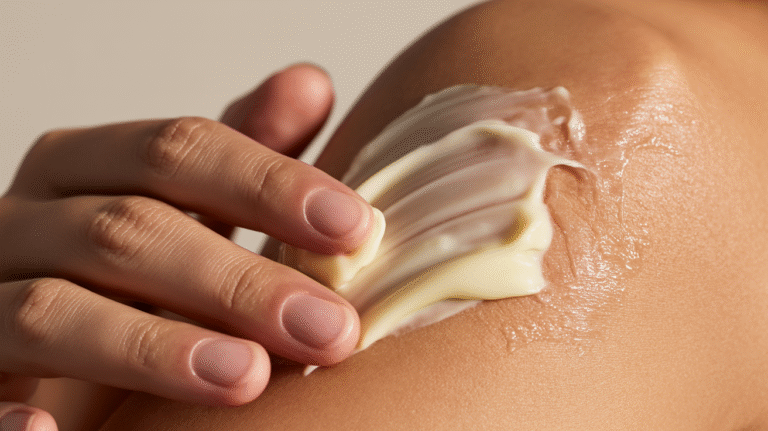
Serum Before or After Moisturizer? Easy Guide


If you've ever wondered about serum before or after moisturizer, you're not alone.
Many people use both products but are unsure about the correct order. Using them the right way can help your skin get the most benefit from your routine.
In this guide, you'll learn when to apply serum and moisturizer, why the order matters, common mistakes to avoid, and how to build a routine based on your skin type.
I've spent years researching skincare topics and reviewing expert-backed recommendations, so this advice is based on established skincare principles, not guesswork.
If you're new to skincare or refining your routine, this article will help you understand exactly where serum and moisturizer belong for healthier-looking skin.
What Is a Serum?
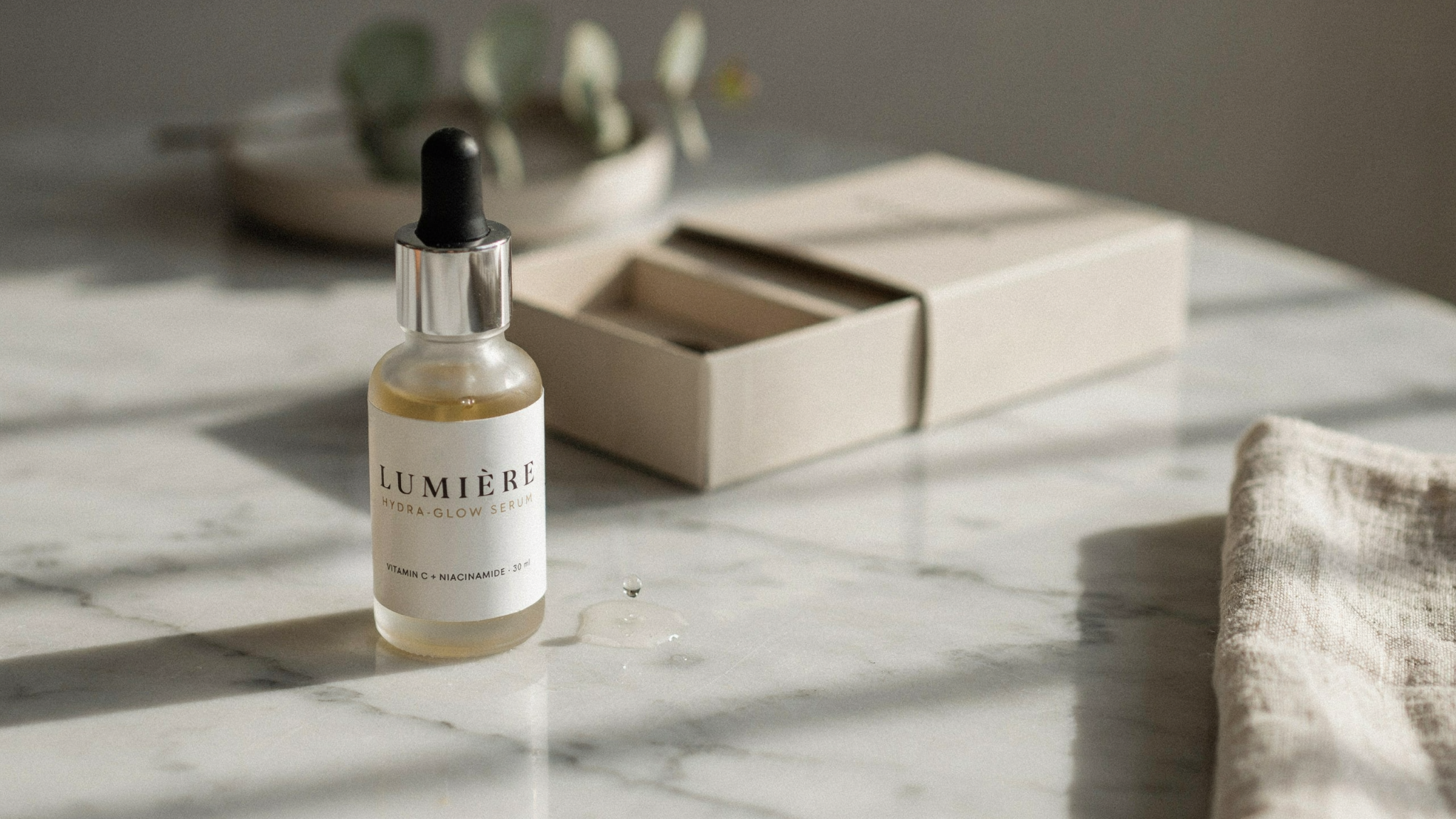
A serum is a lightweight skincare product designed to deliver concentrated active ingredients directly to the skin.
Unlike heavier creams, serums are made with smaller molecules that absorb quickly and target specific skin concerns.
They are often used after cleansing and before moisturizing to help improve the overall health and appearance of the skin.
Benefits of Using a Serum:
- Faster absorption than heavier products
- Targeted treatment for specific concerns
- Improved skin hydration and texture
- Enhanced brightness and radiance
- Support for healthier-looking skin over time
When used consistently, a serum can help improve the effectiveness of your overall skincare routine.
What Is a Moisturizer?
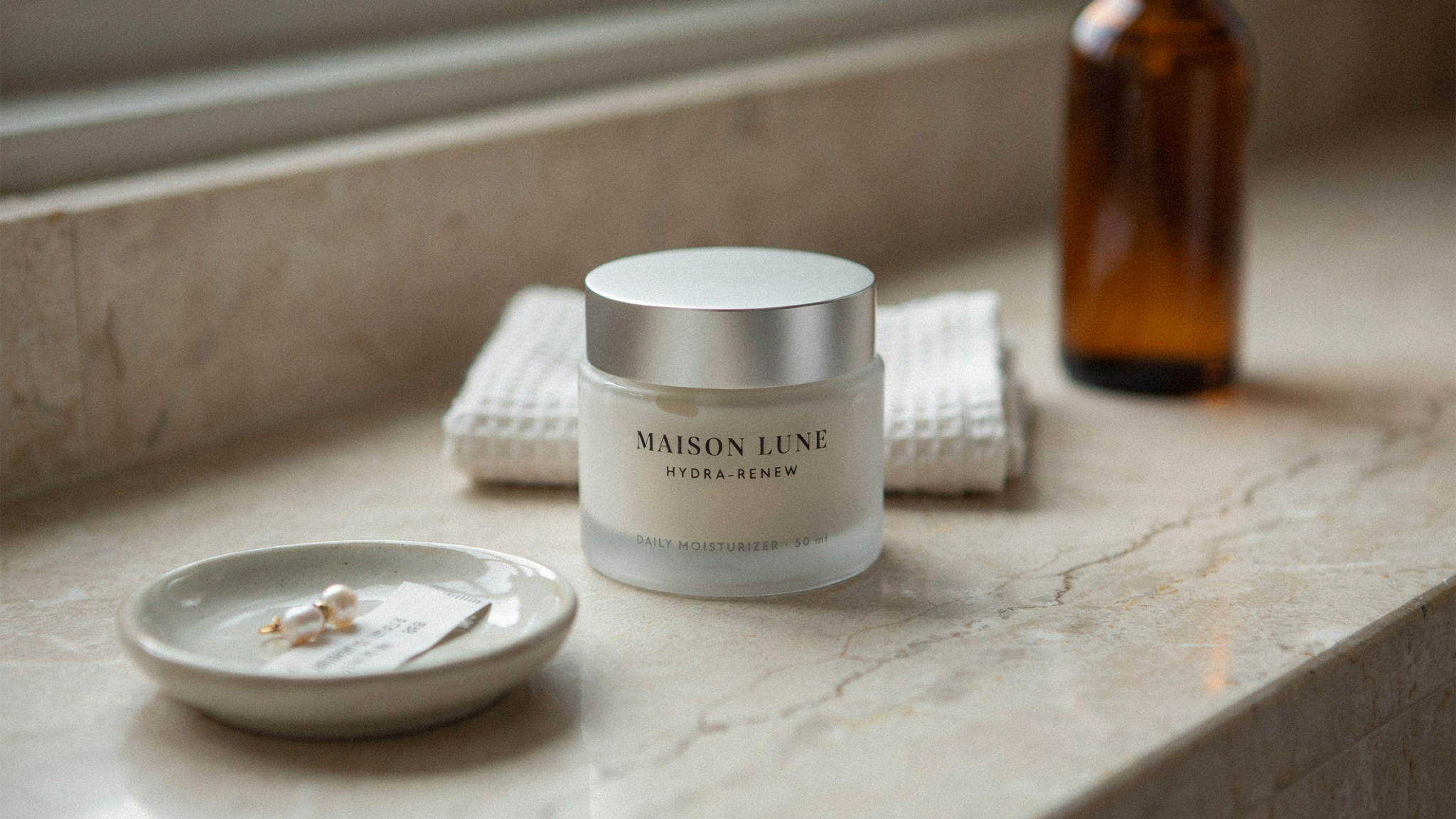
A moisturizer is a skincare product that helps keep the skin hydrated by reducing water loss and supporting the skin barrier.
It creates a protective layer on the surface of the skin, helping it stay soft, smooth, and comfortable throughout the day.
Moisturizers work by attracting water to the skin and sealing it in. They help prevent dryness while strengthening the skin's natural protective barrier.
Benefits of Daily Moisturizing:
- Helps maintain healthy hydration levels
- Supports the skin barrier
- Reduces dryness and flaking
- Improves skin softness and smoothness
- Helps protect against environmental stressors
Consistent moisturizing can contribute to healthier-looking skin over time.
Step-by-Step Guide to Applying Serum and Moisturizer
Following the correct order helps your skincare products work more effectively and ensures your skin gets the full benefit of each step.
Step 1: Cleanse Your Face

Start with a gentle cleanser to remove dirt, oil, makeup, and impurities from your skin. Clean skin allows skincare products to absorb more effectively.
Choose a cleanser that matches your skin type to avoid irritation or dryness.
Step 2: Apply Serum
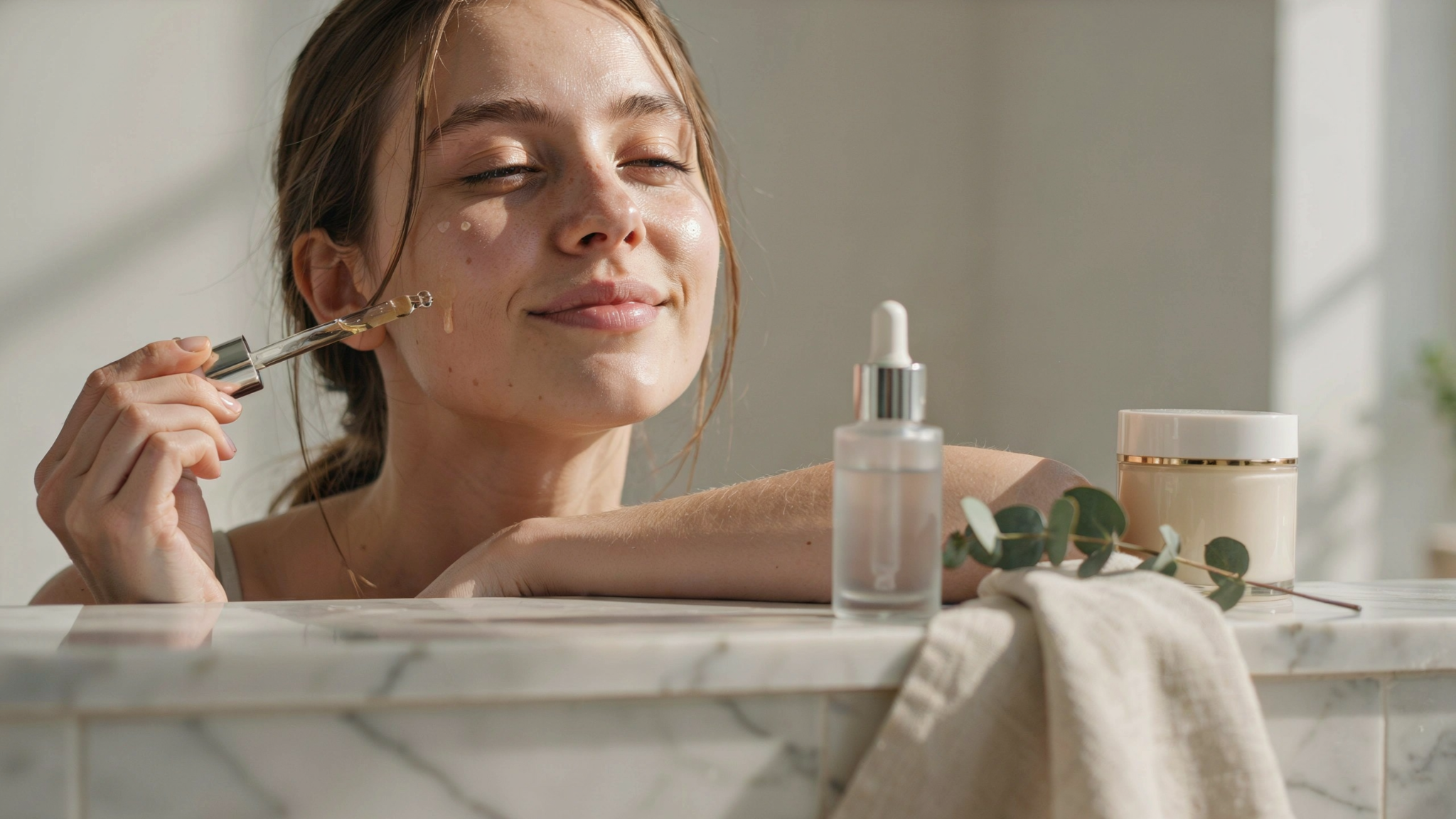
Use a few drops of serum and gently spread it across your face and neck. Focus on areas that need extra attention, such as dryness, uneven tone, or fine lines.
Avoid using more products than recommended, as a small amount is usually enough.
Step 3: Allow the Serum to Absorb

Give the serum about 30 to 60 seconds to absorb into the skin. This helps the active ingredients settle before adding another product.
Your skin should feel slightly hydrated but not overly wet before moving on.
Step 4: Apply Moisturizer
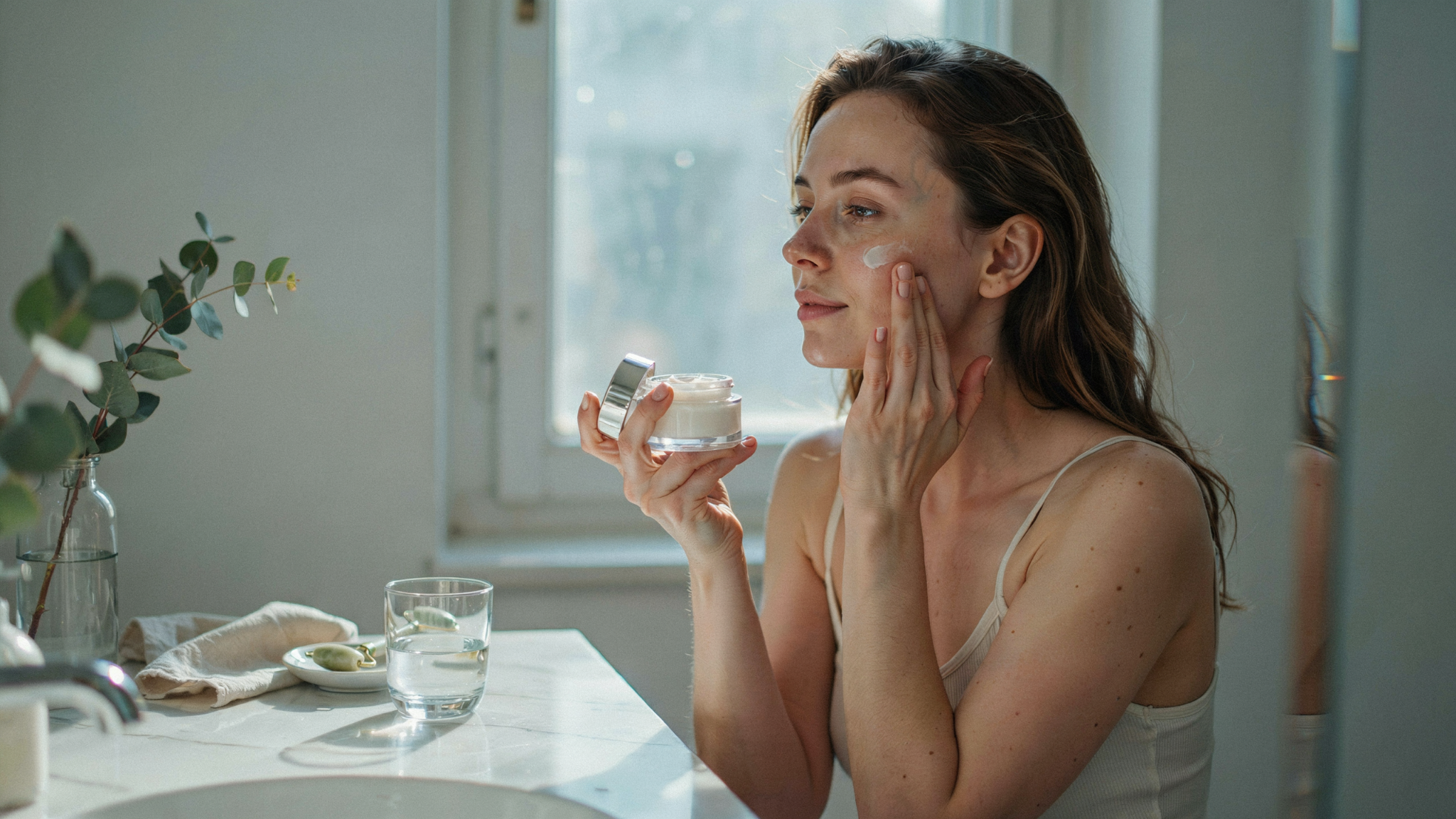
After the serum has absorbed, apply a moisturizer evenly over your face and neck. This step helps lock in hydration and supports the skin barrier.
Use a formula that suits your skin type for the best results.
Why Serum Should Be Applied Before Moisturizer
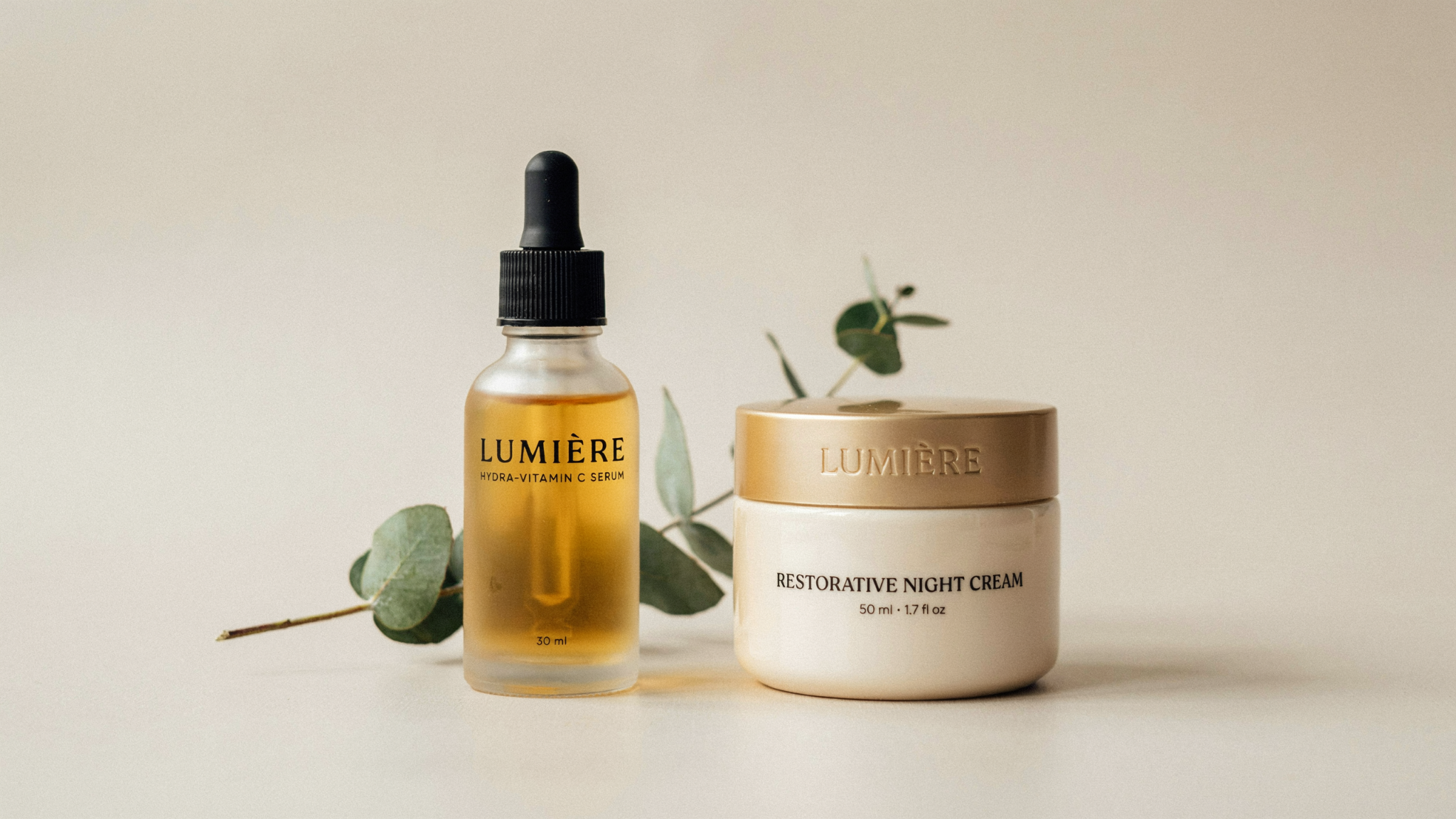
If you're wondering about serum before or after moisturizer, the answer is usually simple: apply serum first.
Skincare products are generally layered from the thinnest consistency to the thickest.
Since serums are lightweight and packed with active ingredients, they work best when applied directly to clean skin before moisturizer.
Serums Have Smaller Molecules
Serums are designed with smaller molecules than most moisturizers. This allows them to penetrate deeper into the skin and deliver active ingredients where they can be most effective.
Applying a moisturizer first can create a layer that makes it harder for the serum to reach the skin properly.
Better Absorption of Active Ingredients
Many serums contain ingredients such as vitamin C, hyaluronic acid, niacinamide, or retinol. These ingredients are intended to absorb into the skin and target specific concerns.
When a serum is applied before moisturizer, the skin can absorb these active ingredients more effectively, helping you get the full benefit of the product.
Moisturizer Creates a Protective Barrier
A moisturizer's primary job is to lock in hydration and help strengthen the skin barrier. After the serum has been absorbed, the moisturizer forms a protective layer on the skin's surface.
This helps reduce moisture loss and keeps the beneficial ingredients from the serum working longer.
Maximizing the Effectiveness of Your Skincare Products
Applying serum before moisturizer allows each product to perform its intended role.
The serum delivers concentrated ingredients to the skin, while the moisturizer seals in hydration and supports the skin barrier.
How Long Should You Wait Between Serum and Moisturizer?
You do not need to wait a long time between applying serum and moisturizer. In most cases, waiting 30 to 60 seconds is enough for the serum to absorb into the skin.
The goal is to give the active ingredients a moment to settle without letting the skin become completely dry.
A good sign that your serum has absorbed is when your skin feels slightly hydrated and smooth rather than wet or sticky.
If the product still feels heavily damp on the surface, give it a little more time before applying moisturizer.
Proper absorption helps ingredients such as vitamin C, hyaluronic acid, niacinamide, and retinol work more effectively.
Does the Order Change for Different Types of Serums?
While different serums target different skin concerns, the general rule remains the same: apply serum before moisturizer.
| Type of Serum | When to Apply | Special Notes |
| Vitamin C Serum | After cleansing and before moisturizer | Commonly used in the morning to brighten skin and provide antioxidant protection. |
| Hyaluronic Acid Serum | Before moisturizer | Works best when applied to slightly damp skin, followed by moisturizer to lock in hydration. |
| Retinol Serum | Before moisturizer | Usually applied at night. Moisturizer can help reduce dryness and irritation. |
| Niacinamide Serum | Before moisturizer | Suitable for most skin types and helps improve texture, tone, and barrier function. |
| Acne Treatment Serums | Before moisturizer | Active ingredients like salicylic acid or benzoyl peroxide should reach the skin before moisturizer is applied. |
Morning vs. Night Routine: Does It Matter?
Yes, the time of day can influence which skincare products you use and how they support your skin's needs.
Morning Skincare Routine
A morning routine focuses on protecting your skin from environmental stressors such as UV rays, pollution, and daily exposure.
Start with a gentle cleanser, followed by serum, moisturizer, and sunscreen. Lightweight and antioxidant-rich serums, such as vitamin C, are popular choices for daytime use.
Nighttime Skincare Routine
Your nighttime routine is designed to support skin repair and recovery while you sleep. After cleansing, apply your serum, followed by moisturizer to help lock in hydration.
Ingredients like retinol, peptides, and hydrating serums are commonly used at night because they work well during the skin's natural renewal process.
Recommended Serum and Moisturizer Combinations
The best combination depends on your skin type and concerns.
A vitamin C serum paired with a lightweight moisturizer works well in the morning, while a retinol or hydrating serum combined with a nourishing moisturizer is often ideal at night.
Choosing complementary products can help improve hydration, texture, and overall skin appearance.
Conclusion
By now, you should have a clear answer to serum before or after moisturizer and feel more confident about your skincare routine.
In my experience, keeping the product order simple makes it much easier to stay consistent and see better results over time.
Imagine starting each day knowing your products are working together the way they should. Small changes can make a big difference.
If this guide helped, leave a comment below, share it with someone who may find it useful, or try more skincare tips on our site.
Frequently Asked Questions
Can I Apply Moisturizer Before Serum?
In most cases, serum should be applied before moisturizer. This helps the active ingredients absorb into the skin more effectively.
Is It Okay to Use Serum Without Moisturizer?
While some serums provide hydration, moisturizer helps seal in moisture and support the skin barrier. Using both is usually the better option.
How Many Serums Can I Use in One Routine?
You can use more than one serum if the ingredients work well together. Apply them from the thinnest texture to the thickest before moisturizer.
Should I Use Serum Every Day?
Most serums are designed for daily use, but it depends on the ingredients. Always follow the product instructions for the best results.
Does Serum Before or After Moisturizer Matter for Oily Skin?
Yes, the order still matters for oily skin. Applying serum before moisturizer allows the active ingredients to absorb properly while keeping the skin balanced.