Can You Use Retinol in the Morning? Safe Steps to Follow


Can you use retinol in the morning? I had the same question when I started my skincare routine.
I always used it at night and assumed mornings were completely off-limits.Turns out, that is not the full story.
In this article, I will cover which retinol types are safe for daytime, how to apply them correctly, and what real users have experienced.
I have gone through community advice and expert guidance to give you clear, honest answers.
You will leave knowing exactly what to do and what to avoid.
Understanding Retinol and What It Does for Your Skin

Retinol is a form of vitamin A that works deep in the skin. It speeds up cell turnover, meaning your skin sheds old cells and produces new ones faster.
Over time, this can reduce fine lines, improve skin texture, and help clear acne. Retinol also boosts collagen production, which keeps skin firmer.
The catch is that it makes your skin more sensitive to sunlight. That is why most people use it at night. But with the right approach, some forms of retinol can be used safely in the morning.
Can Retinol Be Used in the Morning?
Yes, but only with the right type and the right steps in place.
Types of Retinol Safe for AM Use

Not all retinol is the same. Some forms are much gentler and work well in the morning. Retinyl palmitate is one of the mildest options available.
It converts slowly in the skin, causing less irritation. Retinyl acetate and retinyl propionate work in a similar way.
These three are considered safe for daytime use when paired with a broad-spectrum sunscreen of SPF 30 or higher.
Precautions for Morning Application
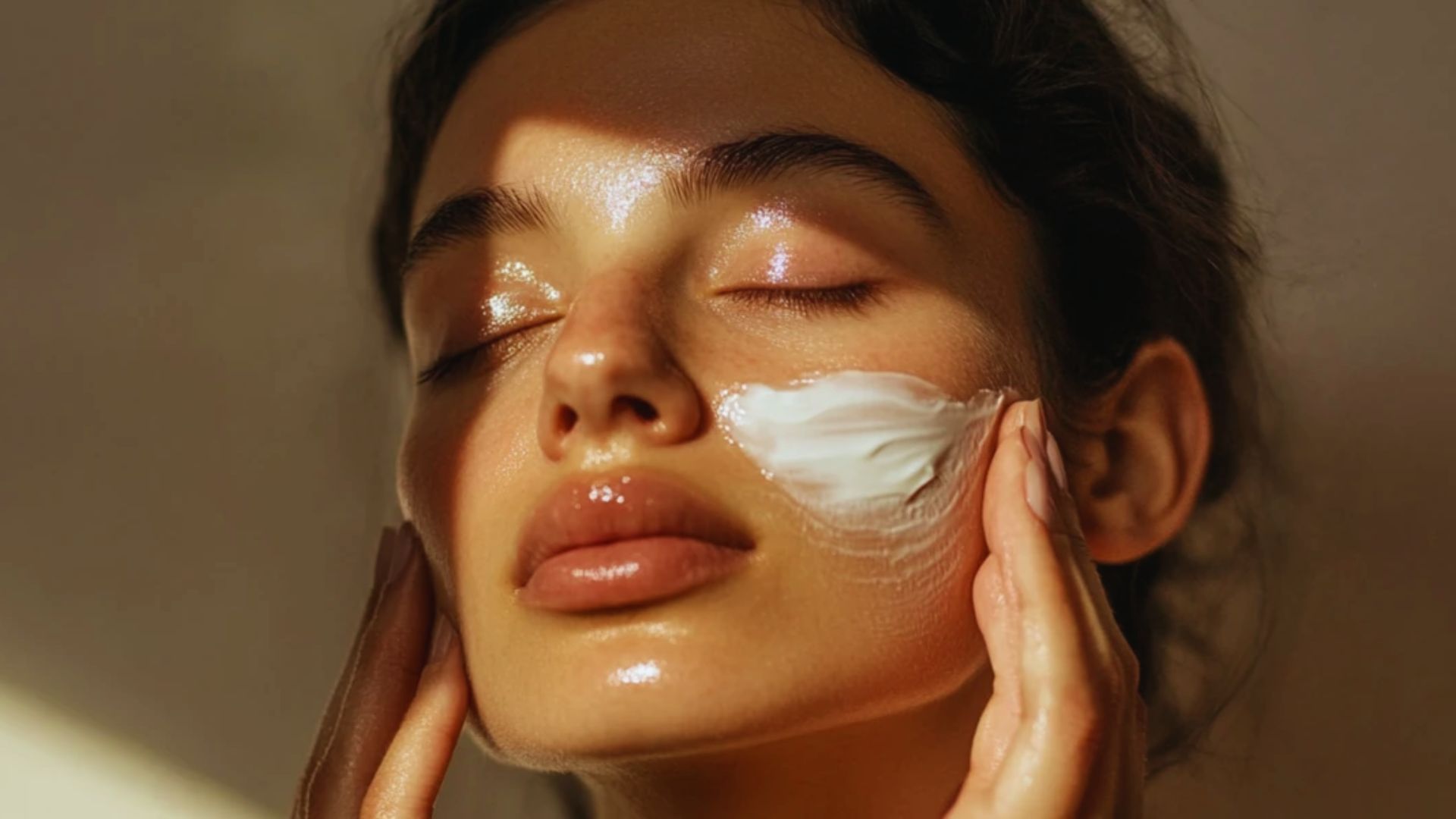
Using retinol in the morning means you need to be careful.Always follow with SPF 30 or higher. Retinol makes skin more sensitive to UV rays, so sunscreen is non-negotiable.
Avoid spending too much time in direct sunlight. When layering products, be careful with other actives like vitamin C or AHAs.
Too many actives at once can cause redness, peeling, or irritation on sensitive skin.
Step-by-Step Morning Routine
Here is a simple routine that works with morning retinol safely and effectively.
1. Cleanse

Start with a gentle cleanser. Wash your face with lukewarm water to remove overnight oil and dirt.
Avoid harsh scrubs or sulfate-heavy formulas. A clean base helps everything absorb better and lowers the risk of irritation when you apply actives later.
2. Tone (Optional)

Toning is optional but can help prep your skin. If you use one, pick an alcohol-free formula. Skip toners with strong acids.
A hydrating or balancing toner works best here. Apply it gently with clean hands or a soft cotton pad before moving forward.
3. Morning-Safe Retinol

Apply a pea-sized amount of morning-safe retinol to your face. Press it in gently. Do not rub. Let it absorb for about 60 seconds before moving on.
Using too much at once increases the risk of dryness, peeling, and irritation on your skin.
4. Moisturizer

Follow retinol with a moisturizer. This locks in hydration and supports your skin barrier.
Choose a light formula for oily skin or a richer one for dry skin. Let it absorb for a moment before moving to your final step.
5. Sunscreen SPF 30+

This step is non-negotiable. Apply a broad-spectrum SPF 30 or higher as your last step. Reapply during the day if you go outside.
Skipping sunscreen while using retinol can cause sun damage and make your skin worse over time.
Benefits and Challenges Users Share
Real users have seen real results, but they have also run into some problems worth knowing about.
Benefits Seen by Users
Acne prevention: Many users report fewer breakouts after adding morning retinol. Consistent use with SPF kept skin clearer and reduced clogged pores over time.
Brighter, smoother skin with proper SPF: Users who wore sunscreen daily noticed more even, brighter skin. Texture improved noticeably within a few weeks of consistent use.
Common Issues Reported
Redness, irritation if SPF skipped: Several users experienced redness and sensitivity after skipping sunscreen. Sun exposure without protection made irritation worse and caused lasting damage.
Overuse leading to dryness: Using retinol too often without proper hydration caused dry, flaky patches. Many users cut back to every other day to manage it.
Common Mistakes to Avoid When Using Retinol in the Morning
Getting these wrong can set your skin back fast.
Here is what to watch out for:
- Skipping sunscreen after applying retinol in the morning
- Using too high a retinol strength for daytime when starting out
- Layering too many actives at once, such as AHAs or BHAs
- Applying retinol on damp skin, which increases absorption and irritation risk
- Using morning retinol every single day without giving your skin a break
Getting these right makes morning retinol much easier on your skin in the long run.
Conclusion
Can you use retinol in the morning? Yes, and now you know exactly how.
I was nervous to try it too. Switching to a gentler form and sticking with SPF made all the difference for me.
Start slow, protect your skin, and be consistent.
Found this helpful? Drop a comment below and tell me about your routine.
Share this with a friend who needs it. Check out our related skincare guides for your next step.
Frequently Asked Questions
Can you use retinol in the morning every day?
It is better to start a few times a week and let your skin adjust before increasing use.
What SPF should I use with morning retinol?
Always use a broad-spectrum SPF 30 or higher to protect skin from UV damage throughout the day.
Can I mix retinol with vitamin C in the morning?
It is best to avoid mixing them, as this combination can lead to redness and irritation.
Is morning retinol safe for sensitive skin?
Yes, but start with the gentlest form like retinyl palmitate and do a patch test first.
How long before I see results from morning retinol use?
Most people notice changes in skin texture and tone within four to six weeks of consistent use.