
Telehealth For Weight Loss Medication: What You Need To Know

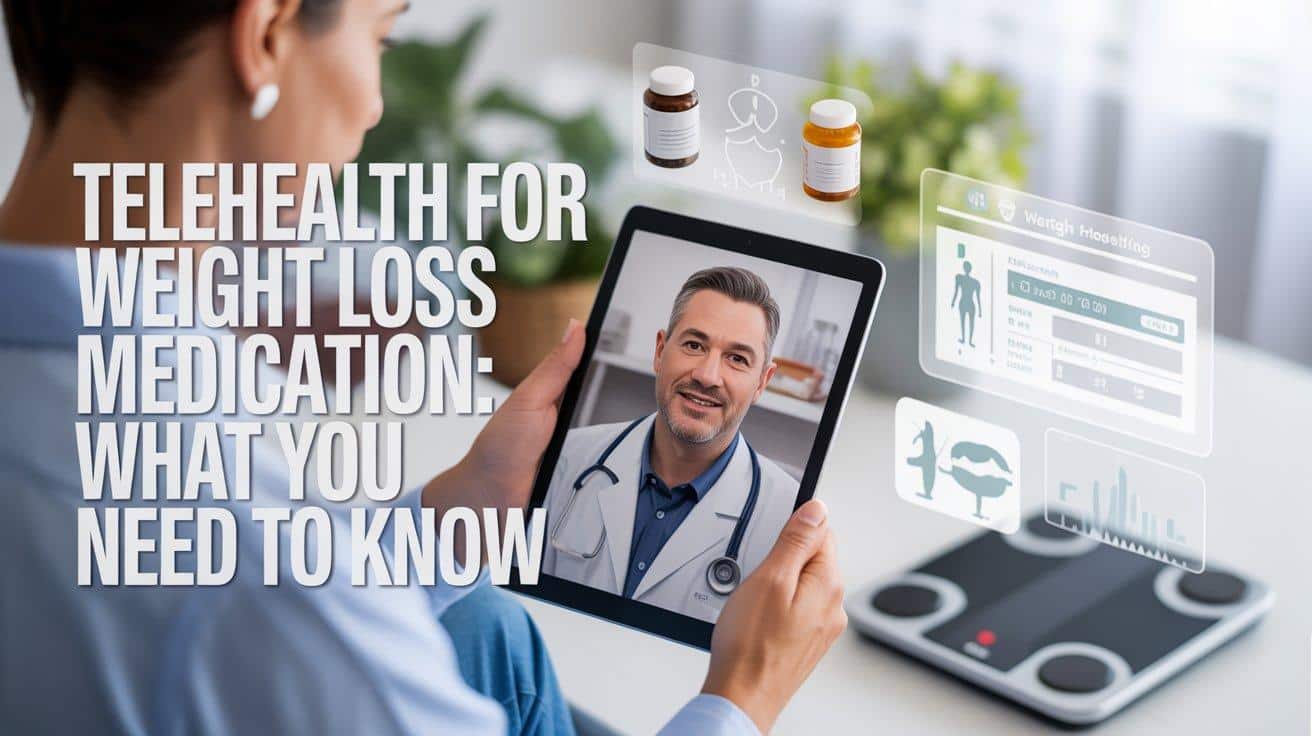
Weight loss treatment has changed significantly in recent years. Instead of relying only on in-person visits, more people are now exploring telehealth as a way to access medical support from home. This shift has made it easier to begin and maintain treatment, especially for those balancing busy schedules or limited access to local providers. As technology continues to improve, virtual care has become a legitimate and widely accepted pathway for managing weight through medically guided programs.
Understanding how telehealth works for weight loss medication can help individuals make more informed decisions about their care.
How Telehealth Weight Loss Programs Work
Telehealth weight loss programs are designed to deliver medical guidance remotely. The process typically begins with an online assessment, where individuals provide information about their health history, current habits, and goals.
After this initial step, a licensed healthcare provider reviews the information and determines whether medication is appropriate. If approved, a treatment plan is created based on individual needs. Follow-up appointments, progress tracking, and adjustments are handled virtually, making the entire process more accessible.
This model allows individuals to receive care without needing to travel or wait for in-person appointments, which can improve consistency over time. Telehealth platforms often also provide reminders, check-ins, and digital tools to support ongoing progress.
What To Expect From Weight Loss Medications
Weight loss medications used in telehealth programs are typically prescribed based on clinical evaluation. Many of these medications work by regulating appetite, improving metabolic function, or helping control blood sugar levels.
For example, medications that mimic natural hormones can help reduce hunger and increase feelings of fullness, making it easier to maintain a calorie deficit. These treatments are often most effective when combined with lifestyle changes such as improved nutrition and physical activity.
It is important to understand that medication is not a standalone solution. Instead, it works best as part of a broader plan that supports long-term habits and consistency.
Why Personalization Matters More Than The Platform
Access alone does not guarantee results. The effectiveness of any weight loss plan still depends on how well it is tailored to the individual.
This is where telehealth can offer an advantage when done correctly. Many providers now focus on personalization rather than a one-size-fits-all model, taking into account factors like hormones, metabolism, sleep, and daily habits.
One great example of this is Azona Health, a telehealth provider offering clinician-guided care for weight loss, hormone health, and overall wellness. Their approach centers on building individualized treatment plans that are managed remotely, allowing patients to receive ongoing medical support without stepping away from their daily routines. This includes regular check-ins, adjustments when needed, and a broader focus on long-term health rather than short-term results.
Benefits Of Using Telehealth For Weight Loss Medication
Telehealth offers several advantages that make it an appealing option for weight loss treatment.
- Greater accessibility, especially for those without nearby specialists
- Flexible scheduling that fits around daily responsibilities
- Reduced time spent traveling or waiting for appointments
- Ongoing monitoring and support through virtual check-ins
- Increased privacy for individuals who prefer remote care
These benefits make it easier for individuals to stay engaged in treatment, which is often one of the most important factors in achieving long-term results.
Potential Limitations To Consider
While telehealth offers many advantages, it is not the right fit for every situation. Some individuals may require in-person care, especially if they have complex medical conditions that need closer monitoring. Those with a history of certain cardiovascular issues, eating disorders, or other conditions that require physical examination may be better served by traditional clinical settings, at least in the early stages of treatment.
Additionally, telehealth programs still require commitment. Regular check-ins, medication adherence, and lifestyle changes are all necessary for progress. Without consistency, results may be limited. It is also worth noting that the quality of telehealth programs can vary significantly between providers. Not all platforms offer the same level of clinical oversight, and some may prioritize convenience over the depth of care an individual actually needs.
Access to reliable technology is another practical consideration. A stable internet connection and comfort with digital tools are necessary for getting the most out of virtual appointments and ongoing monitoring features.
Understanding these limitations helps set realistic expectations and ensures that telehealth is used effectively as part of a broader health strategy. Being honest about your own needs and circumstances before committing to a program is one of the most important steps toward finding care that actually works.
How Telehealth Supports Long-Term Weight Management
Weight loss is not just about short-term results. Maintaining progress over time requires consistency, monitoring, and the ability to adjust as needed.
Telehealth supports this by providing ongoing access to care. Regular virtual appointments allow providers to track progress, adjust medications, and address any challenges that arise. This continuous support helps individuals stay on track and avoid setbacks.
Because telehealth fits into daily life more easily, it can also support long-term adherence, which is essential for maintaining results.
Making An Informed Decision About Telehealth Care
Choosing a telehealth program for weight loss medication involves understanding both the benefits and responsibilities involved. While it offers convenience and flexibility, it still requires active participation and commitment.
By evaluating how telehealth works, what medications do, and how personalized care is delivered, individuals can make more informed decisions about their treatment. With the right approach, telehealth can provide a practical and effective way to support long-term weight management and overall health.
It is also helpful to approach telehealth as a starting point rather than a complete solution. The most effective outcomes come from combining medical support with sustainable lifestyle habits. Telehealth makes that combination more accessible, but the effort and consistency still need to come from the individual.
Taking time to research options, ask the right questions, and set realistic expectations can make a significant difference in the experience. When telehealth is used thoughtfully, it becomes more than a convenient alternative – it becomes a meaningful part of a long-term strategy for better health.