The Art of Pairing Food with Fine Wines

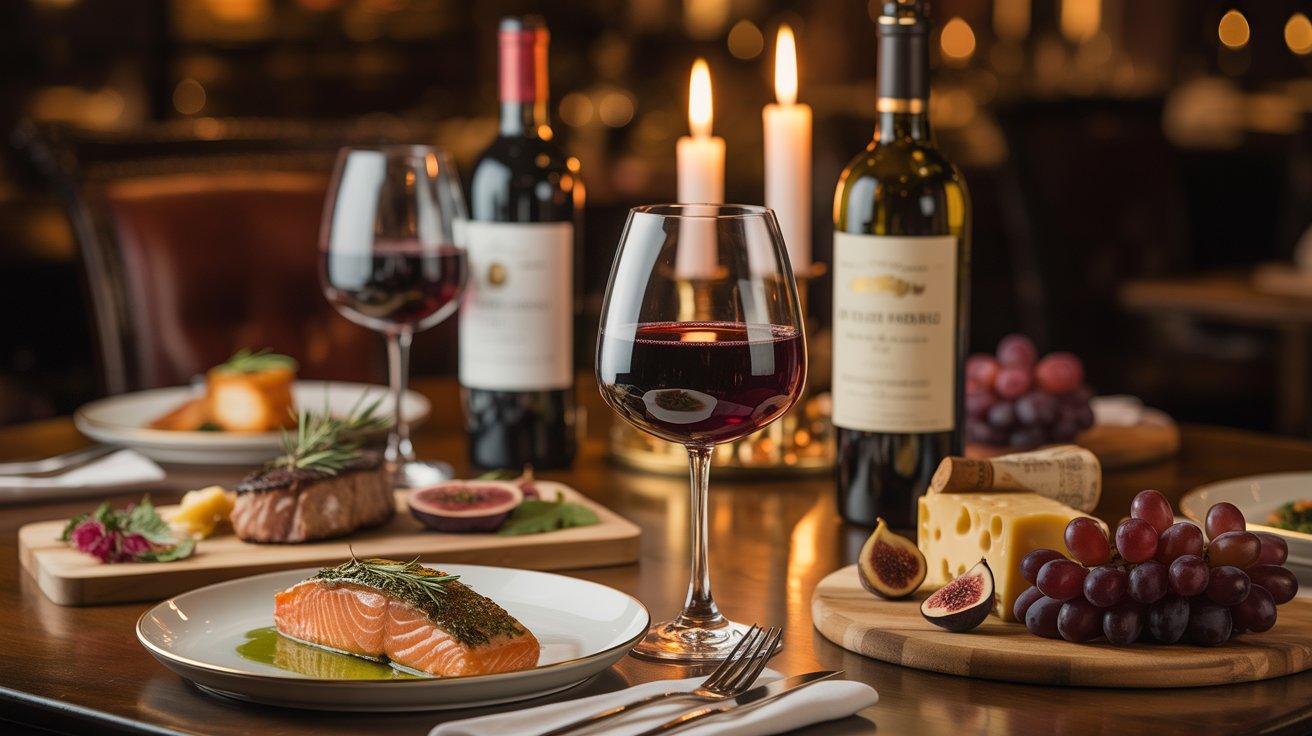
Let’s talk about one of life’s greatest pleasures: eating and drinking. More specifically, the magical moment when you discover the perfect pairing of food and wine. Imagine sinking your teeth into a rich, juicy steak and taking a sip of bold red wine. Or maybe you’ve got a fresh, crispy salad with a light, citrusy white wine in hand. If that sounds good to you, then you’re already on your way to becoming a wine pairing pro!
Wine pairing is more than just following rules. It’s about bringing out the best in both the food and the wine, creating a harmony that makes each bite and sip feel like a celebration. But how do you achieve that perfect balance? Let’s dive into the art of pairing food with wine, break it down, and get you thinking about new ways to elevate your next meal.
Understanding the Basics of Wine Pairing
Before you start pouring your wine and dishing out food, it helps to understand some basic principles behind pairing wine with meals. It’s not rocket science, but there are a few things to keep in mind.
The key to successful wine pairing is balance. You want the wine and food to complement each other without one overpowering the other. Think of it like a dance—both partners should move together in sync. For example, wines with higher acidity (like a crisp Sauvignon Blanc) can cut through fatty dishes, making each bite feel lighter. On the other hand, a wine with more tannins (like a full-bodied Cabernet Sauvignon) can stand up to heartier, richer foods.
So, what does this mean for you at dinner? Well, knowing the basic characteristics of the wine you’re drinking can help you make the best pairing decisions. That way, the meal is elevated in a way that makes everything taste just a little bit better.
Red Wines and Their Ideal Food Partners
Red wine lovers, this section’s for you! There’s just something about a deep, rich red wine that can turn a regular dinner into an experience. But the trick is knowing what foods play well with reds.
For wines like Cabernet Sauvignon, Merlot, and Syrah, you’re looking at rich, bold flavors that work best with equally rich foods. A perfectly cooked steak, for instance, is the dream pairing for a Cabernet. The tannins in the wine help balance the fattiness of the meat, creating a smooth, satisfying taste that makes each bite more enjoyable. This is why a lot of people love pairing red wines with hearty meats like lamb or even roasted vegetables—those earthy flavors are the perfect complement.
Not into red meat? No problem! Try a Pinot Noir, which is lighter and more versatile. It pairs beautifully with everything from grilled chicken to earthy mushrooms. The beauty of red wines is that there are so many varieties, and each one has a unique flavor profile that can suit different types of dishes.
White Wines: Light, Fresh, and Versatile Pairings
On the flip side, if you’re more of a white wine fan, you’re in luck—there are endless possibilities for pairing white wines with food. White wines are often lighter and more refreshing than reds, which makes them perfect for a wide range of dishes, from light seafood to fresh salads.
Let’s talk about some of the most popular white wines. Chardonnay, for example, has a rich, buttery texture that works wonderfully with creamy dishes. Think creamy pasta, lobster, or even chicken with a rich, buttery sauce. It’s the kind of wine that just makes everything feel a little more luxurious.
If you prefer something lighter, a Sauvignon Blanc or Pinot Grigio might be more your speed. These wines have crisp, citrusy notes that go hand-in-hand with dishes like grilled fish, fresh salads, and goat cheese. The acidity in these wines cuts through the freshness of lighter meals, making each bite pop.
Sparkling Wines: Perfect for Celebration and Pairing
Here’s a little secret: sparkling wines aren’t just for celebrations. They’re actually some of the most versatile wines when it comes to food pairings. From Champagne to Prosecco, the bubbles in sparkling wines can elevate almost any dish.
Think about it. What’s better than a glass of bubbly with your appetizers? Sparkling wines are light, crisp, and they help cleanse the palate between bites. That makes them perfect for pairing with things like fried foods, seafood, and even rich cheeses. The acidity of the wine balances out the richness of the food, making every bite feel a little fresher.
But let’s not stop there. Sparkling wines can be paired with savory meals, too. Try a glass of Brut Champagne with a fresh, citrusy salad, or a glass of Prosecco with some crispy calamari. Trust us, the bubbles will do their magic and bring out the best in both the food and the wine.
Pairing Wine with Cheese: A Timeless Classic
Wine and cheese—can you think of a better pairing? Seriously, this combo has stood the test of time, and for good reason. The rich, creamy texture of cheese pairs beautifully with the acidity and tannins of wine, making each bite and sip feel like a treat.
When it comes to pairing wine with cheese, you really can’t go wrong. However, there are a few tips that can help you get the best possible combo. Start with a soft cheese, like Brie or Camembert, and pair it with a light white wine, like Chardonnay. The wine’s buttery notes complement the creamy texture of the cheese.
For something stronger, go with a bold red wine and a hard cheese like aged cheddar or Parmigiano-Reggiano. The sharpness of the cheese pairs perfectly with the richness of the red wine, creating a delightful contrast in flavors.
If you’re really feeling adventurous, try pairing blue cheese with a sweet wine like Port. The sweetness of the wine balances the strong, tangy flavor of the cheese, creating a unique and delicious experience.
Sweet Wines: Complementing Dessert and Bold Flavors
Let’s be real for a second—dessert and wine are a match made in heaven. And when it comes to sweet wines, they can turn a simple dessert into a decadent experience. Sweet wines like Moscato, Sauternes, or Port are fantastic choices to pair with your favorite treats.
When you’re thinking about pairing sweet wines with dessert, consider the flavors at play. A glass of Moscato pairs wonderfully with fruity desserts, like tarts or sorbets. The sweetness of the wine enhances the natural fruitiness of the dish, creating a harmonious flavor profile.
Port, on the other hand, is rich and complex, making it perfect for pairing with chocolate desserts. Try it with a flourless chocolate cake, and you’ll wonder why you never thought of this combination before.
Sweet wines also pair beautifully with cheeses, especially blue cheese or strong, aged varieties. The contrast of sweet and salty creates an unforgettable flavor combination.
Experimenting with New Pairings
The great thing about wine pairing is that it’s all about personal taste. Sure, there are some tried-and-true combinations, but why not experiment and see what works for you? Next time you’re hosting a dinner, consider trying something new. Pair a sparkling wine with a sushi platter, or go for a light red wine with roasted vegetables.
One of the best ways to discover new pairings is through wine tasting. Whether you’re visiting a vineyard or hosting a wine-tasting night with friends, it’s a fun way to explore different wines and figure out which ones you love. You might even find a few new combinations that will surprise you.
Conclusion: Elevate Every Meal with the Right Wine
Pairing food with wine isn’t just about following rules—it’s about having fun and discovering what works for your own taste buds. Whether you’re a red wine enthusiast or a white wine lover, there’s a pairing out there that will make every meal feel special.
So, next time you’re planning dinner, don’t be afraid to get creative with your wine pairings. With a little practice and a lot of experimentation, you’ll become a wine-pairing pro in no time. And remember, the key is balance—find the right wine to complement your meal, and you’ve got yourself a match made in heaven.