
Why Aligners Work Best When Combined With Other Cosmetic Treatments

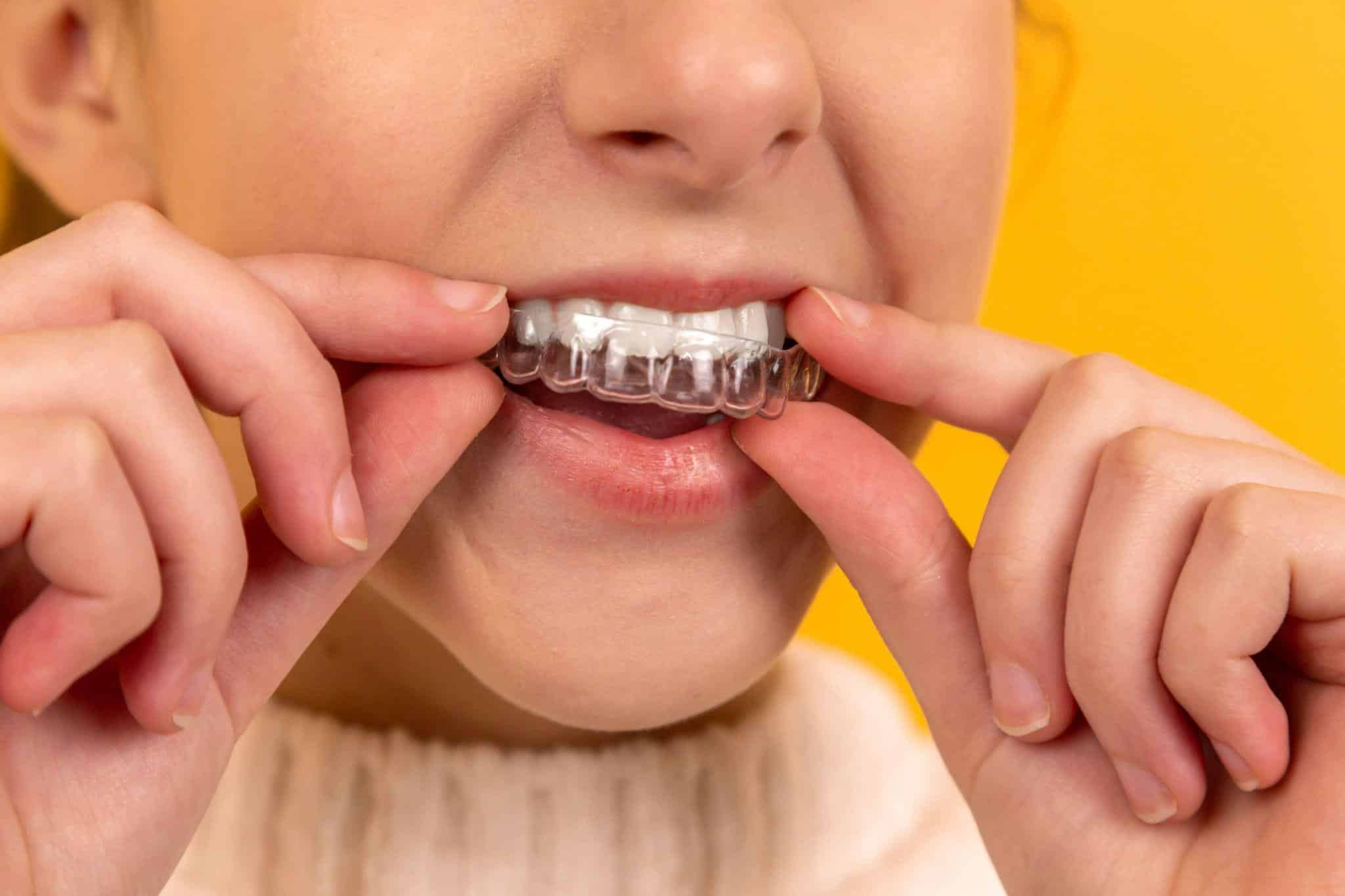
Cosmetic dentistry and orthodontic therapy are sometimes viewed as distinct fields within dentistry. In actuality, rather than either discipline working independently, the most consistently effective grin changes typically entail both working in a purposeful sequence. Although SureSmile aligners are remarkably accurate in addressing tooth position, straightening teeth shows the precise differences in shape, colour, and surface quality once alignment no longer detracts from these fundamental characteristics.
Why Position Affects Everything That Follows
Attempting porcelain veneers or composite bonding on crowded, rotated, or poorly spaced teeth results in clinical compromises that affect the restoration's lifespan and aesthetic outcome. To compensate for an out-of-alignment tooth, a veneer must be thicker on one side. This alters the restoration's natural contour and may eventually affect how well it withstands bite forces. By correcting position first, cosmetic work can be placed on a solid, well-aligned foundation, allowing each repair to be planned to its optimal dimensions rather than being bent around existing positional issues.
The Visualisation Benefit of Aligner Treatment
As a patient progresses through an aligner series, they gain a clearer picture of how their teeth appear at various stages of alignment. This knowledge is extremely helpful when planning future cosmetic procedures. Clinicians and patients can determine which residual issues require cosmetic repair and which have been treated by alignment alone by seeing how the smile changes as crowding resolves and space improves. This clarity ensures that bonding or veneers are applied where they actually provide value, rather than on teeth that just need better alignment, preventing over-treatment.
Gum Architecture and Its Cosmetic Significance
Because the relationship between the tooth and surrounding tissue normalises as position improves, teeth that are appropriately aligned typically have more favourable gum contours than those that are crowded or irregular. When gum architecture has stabilised after alignment, cosmetic procedures administered before this normalisation may later appear differently, possibly necessitating revision work that would have been unnecessary with earlier orthodontic treatment. When cosmetic restorations are placed after tissue has stabilised in its final location, the results are consistent and don't need to be reevaluated once the surrounding anatomy has changed.
Shade Work After Alignment
When teeth are properly positioned inside the arch and have fully accessible surfaces, professional teeth whitening yields the most uniform and consistent results. The shade variation resulting from crowded teeth's overlapping surfaces, when whitening solutions make imperfect contact, becomes more noticeable once alignment has improved. Instead of trying to coordinate around the fixed shade of an existing restoration, finishing whitening after aligner therapy is finished and before any composite or porcelain work is performed provides the shade baseline to which all subsequent restorative colour must be matched.
The Role of the Clinician in Treatment Sequencing
A therapist sufficiently knowledgeable in both fields to plan across them concurrently, rather than treating each separately, is necessary for the proper sequencing of aligner treatment alongside other cosmetic treatments. A dentist who provides alignment, bonding, and veneer treatment in the same office is well positioned to create a comprehensive aesthetic plan from the start, determining during the first consultation which components should be completed first and how each step sets the best conditions for subsequent procedures. Integrated care reduces the coordination risks associated with fragmented planning among multiple providers.
Patient Commitment and Realistic Timelines
Patients should be aware of this before committing to the combined strategy, as it lengthens the overall timeline when aligner treatment is paired with future cosmetic treatments, rather than pursuing either alone. Depending on the extent of correction needed, aligner therapy usually takes several months to more than a year. After the movement is complete and the position has sufficiently stabilised, cosmetic work is carried out. Instead of becoming dissatisfied during the alignment phase before noticeable cosmetic changes appear, patients who enter this process with precise timing expectations remain engaged throughout the entire sequence.
When Aligners Are Not the Starting Point
In several clinical scenarios, such as active decay, periodontal issues, or failing restorations, restorative needs must be met before orthodontic therapy may start. These requirements are clearly identified through a comprehensive initial evaluation, ensuring that the treatment plan is based on good oral health rather than solely on cosmetic goals. When untreated dental disease is present, attempts at alignment or the placement of aesthetic restorations result in outcomes that deteriorate much more quickly than those obtained once the underlying clinical environment has been appropriately controlled.
Greater Investment, Greater Return
It takes more time and money to combine aligner treatment with complementary cosmetic operations than it does for any one procedure alone. However, the outcome of this investment depends on proper tooth position, ideal tissue architecture, and meticulously designed cosmetic detail, which are rarely achieved with the same consistency by solitary therapy. Because each step was designed to create the ideal environment for the next to function at its peak, patients who follow the entire planned sequence frequently report results that exceed their initial expectations.