What Are the Korean Beauty Standards Today?


Scrolling through Instagram, it is easy to wonder how Korean influencers achieve such glowing skin. K-pop stars like BTS and Blackpink, along with popular K-dramas, have made Korean beauty trends known worldwide. These ideals influence skincare routines, makeup choices, and even cosmetic procedures.
Korean beauty standards focus on features like smooth skin, V-shaped faces, and straight eyebrows. While they shape trends, these standards are evolving as younger generations question strict rules and focus more on personal expression. Understanding these features helps explain both the appeal and the pressure behind them.
This guide breaks down modern Korean beauty ideals, the influence of K-pop, and how trends are changing. It offers insight into how tradition and individuality intersect, giving a clear view of what drives these global beauty trends today.
Understanding Korean Beauty Standards: What They Really Mean
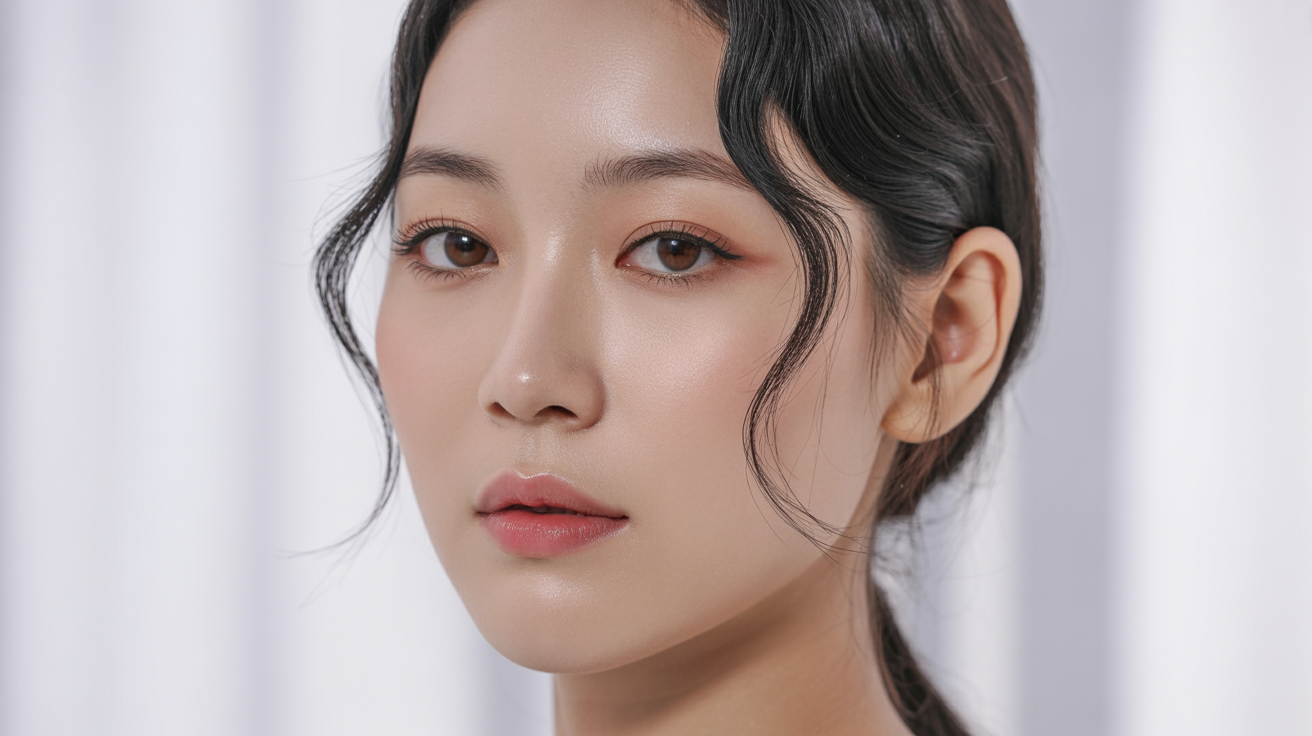
Korean beauty standards go beyond appearance, influencing daily life, work, and self-perception. They shape routines from skincare to major choices like cosmetic procedures.
These ideals focus on specific facial features and body types, emphasizing youth, refinement, and social success. Details like jawlines, eyebrow shapes, and skin texture are highly prescribed.
What makes them distinct is their deep societal impact. Appearance can affect job opportunities, social status, and daily interactions. Trends also shift constantly, driven by K-pop, K-dramas, and global influences.
Key Features of Contemporary Korean Beauty Standards
If you lined up 100 K-pop idols and K-drama stars, you’d notice they share specific features. These aren’t random preferences. They’re the beauty checklist that Korean society values today.
Facial Shape and Structure
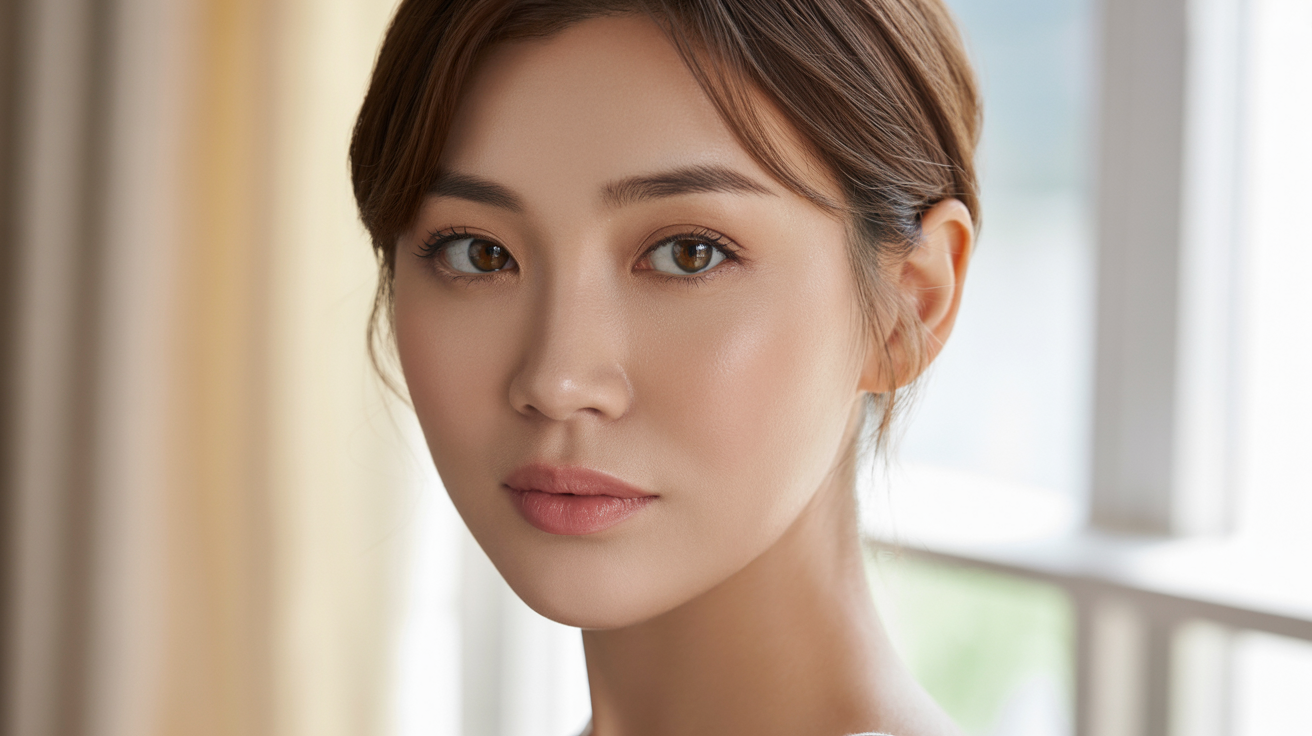
The ideal Korean face is small and shaped like a heart. Your jawline should taper down to create that V-shape. Think of it as the opposite of a square or round face.
High cheekbones are part of the package. They create contrast with your slim lower face. Your face should also be divided into three equal parts: forehead, middle section, and lower face. Balanced proportions matter as much as individual features. There’s also a newer L-shaped jaw trend gaining fans, but the V-line still dominates.
Eyes and Eyebrows
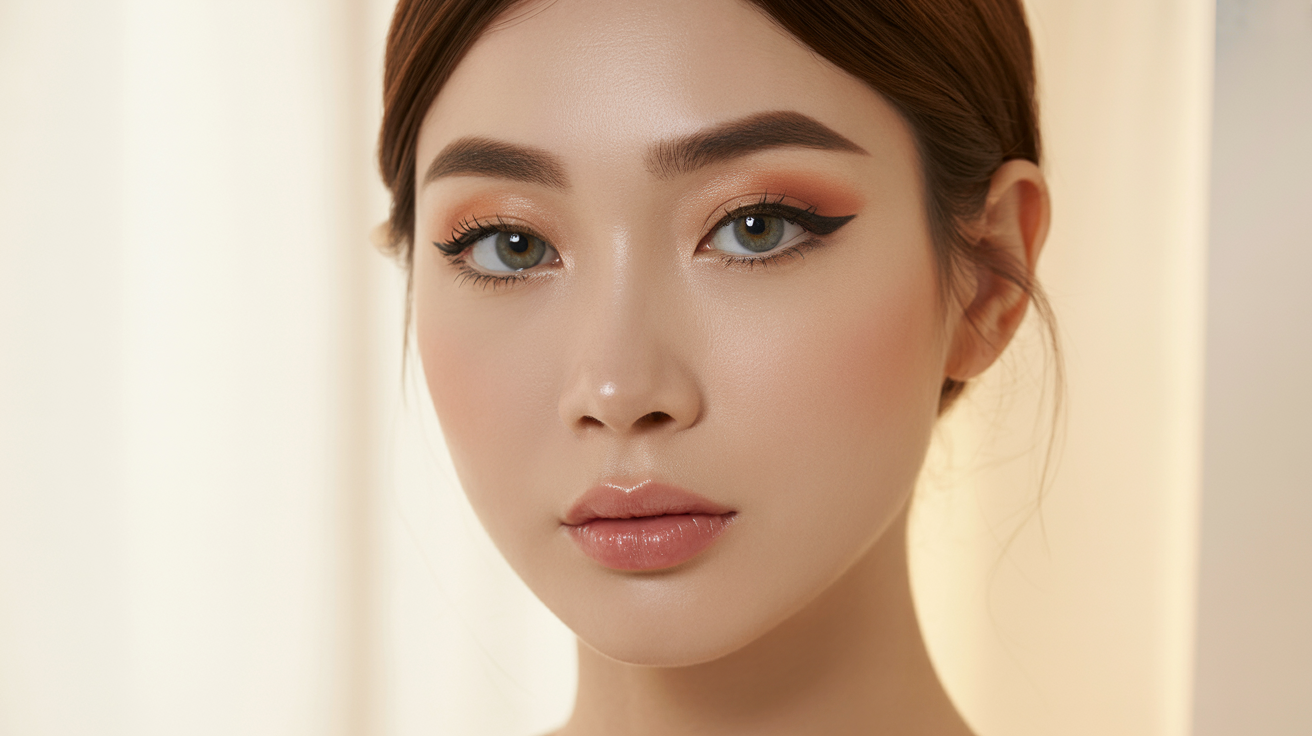
Double eyelids are huge in Korea. If you don’t have that visible crease in your upper eyelid, you’re outside the standard. It’s one of the most requested cosmetic procedures.
Aegyo-sal is another must-know term. It’s the little bit of fat under your lower lids that makes you look cute and youthful. For eyebrows, forget arches. Straight, soft brows with just a gentle curve and slight downward tail give you that innocent look.
Many people get semi-permanent eyebrow tattoos to maintain the ideal straight shape daily.
Nose Characteristics
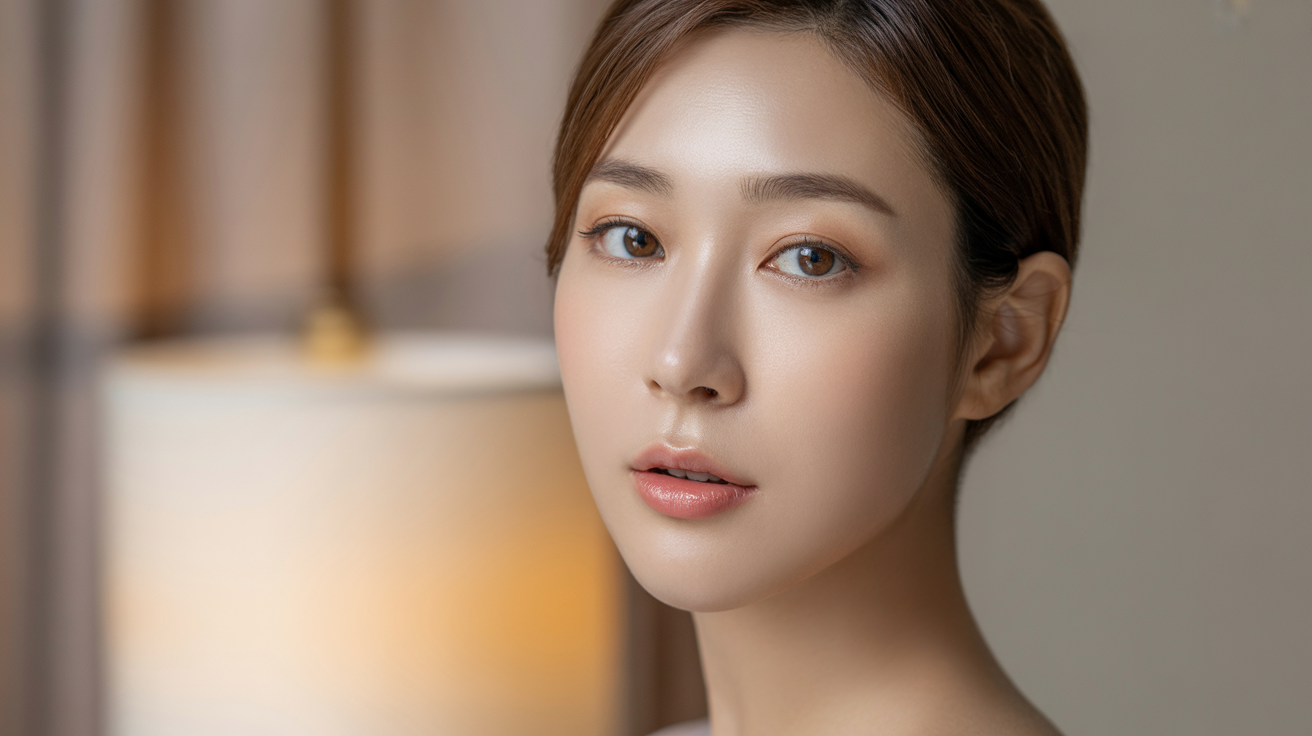
Korean nose ideals are specific. You want a high, straight bridge that creates a defined profile. The bridge shouldn’t be too wide, just proportional to your other features.
The tip should turn up slightly for a youthful, feminine vibe. Your nose needs to sit dead center on your face. Even a millimeter off looks wrong to the trained eye.
Rhinoplasty is one of the most popular surgeries in Korea because natural Korean noses tend to be flatter with lower bridges.
Lips and Smile
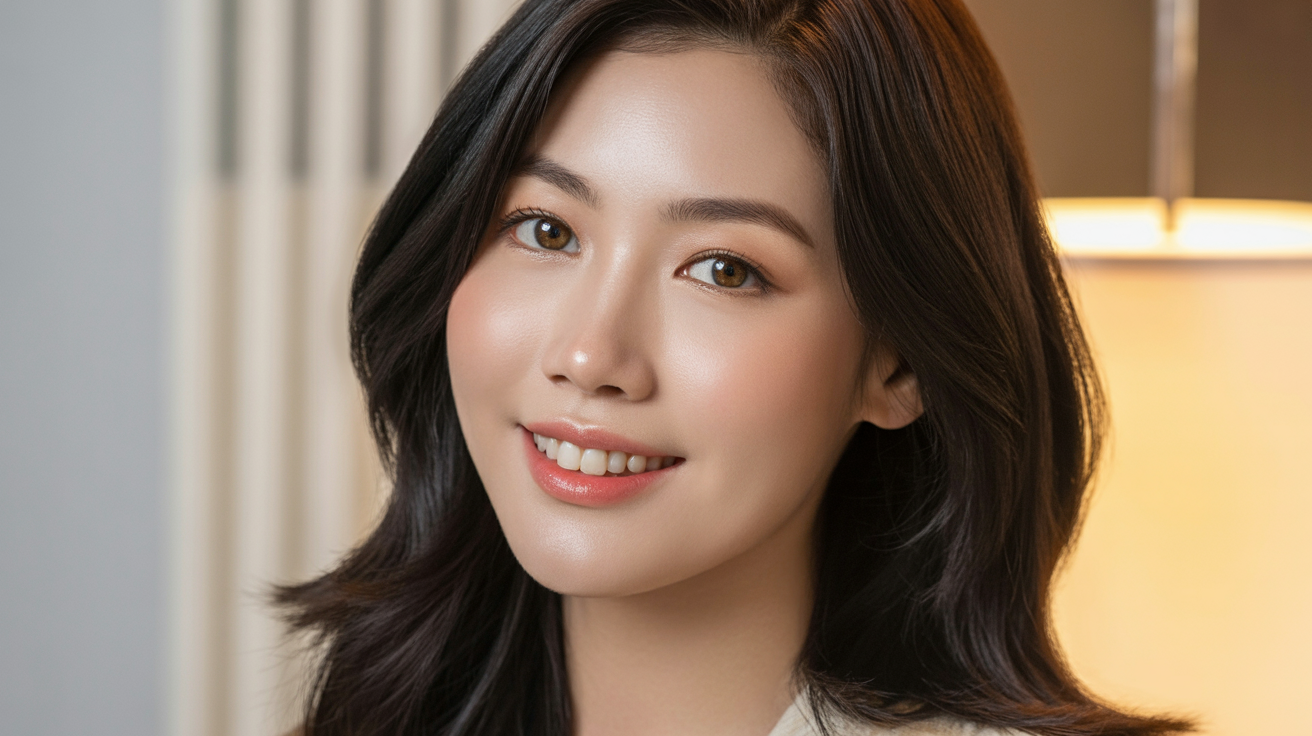
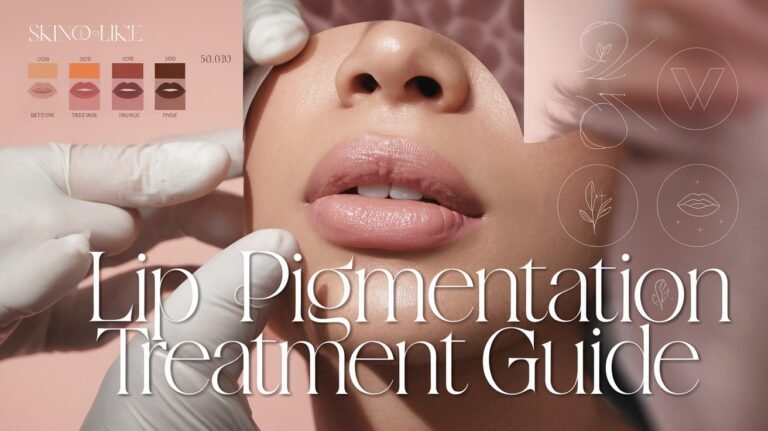
Heart-shaped lips win. The center of your upper lip should be slightly fuller, creating that M-shaped cupid’s bow. But don’t go overboard with volume.
Small mouths are preferred over large ones. Your lips should be pouty but moderate, not thin and not overly plump.
The corners should turn up slightly (called 규모양 in Korean), giving you a permanent hint of a smile. White teeth and a bright, warm smile complete the package.
Skin Quality
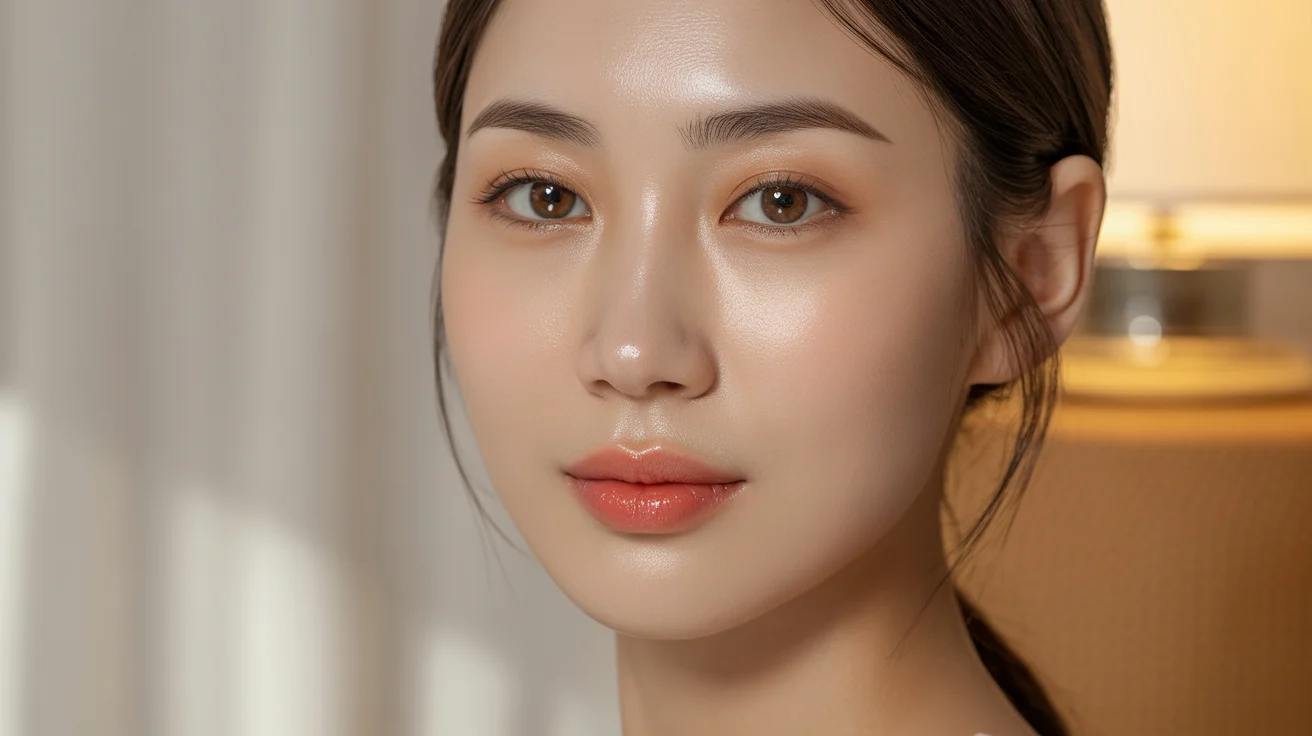
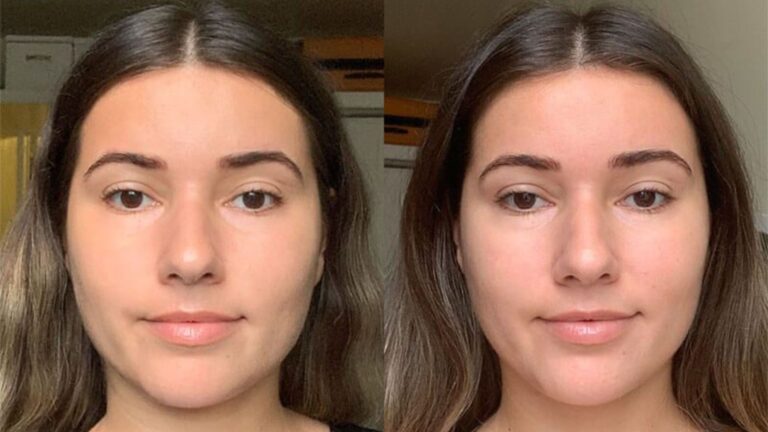
This is where Korea really stands out. “Glass skin” isn’t just a buzzword. It means your skin looks so smooth and luminous that it could be made of glass.
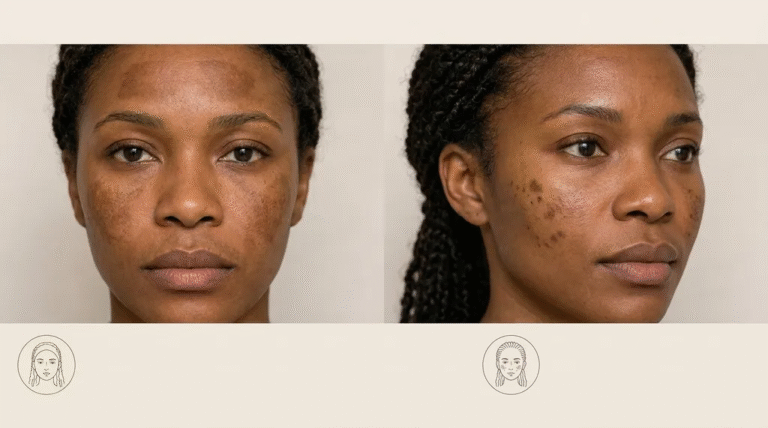
Your complexion should be even with zero pigmentation, redness, or visible pores. Light should bounce off your face beautifully.
The skin needs to look translucent, like you’re glowing from the inside out. Achieving this requires serious dedication, which is why Koreans follow complex 10-step skincare routines religiously.
Body Standards
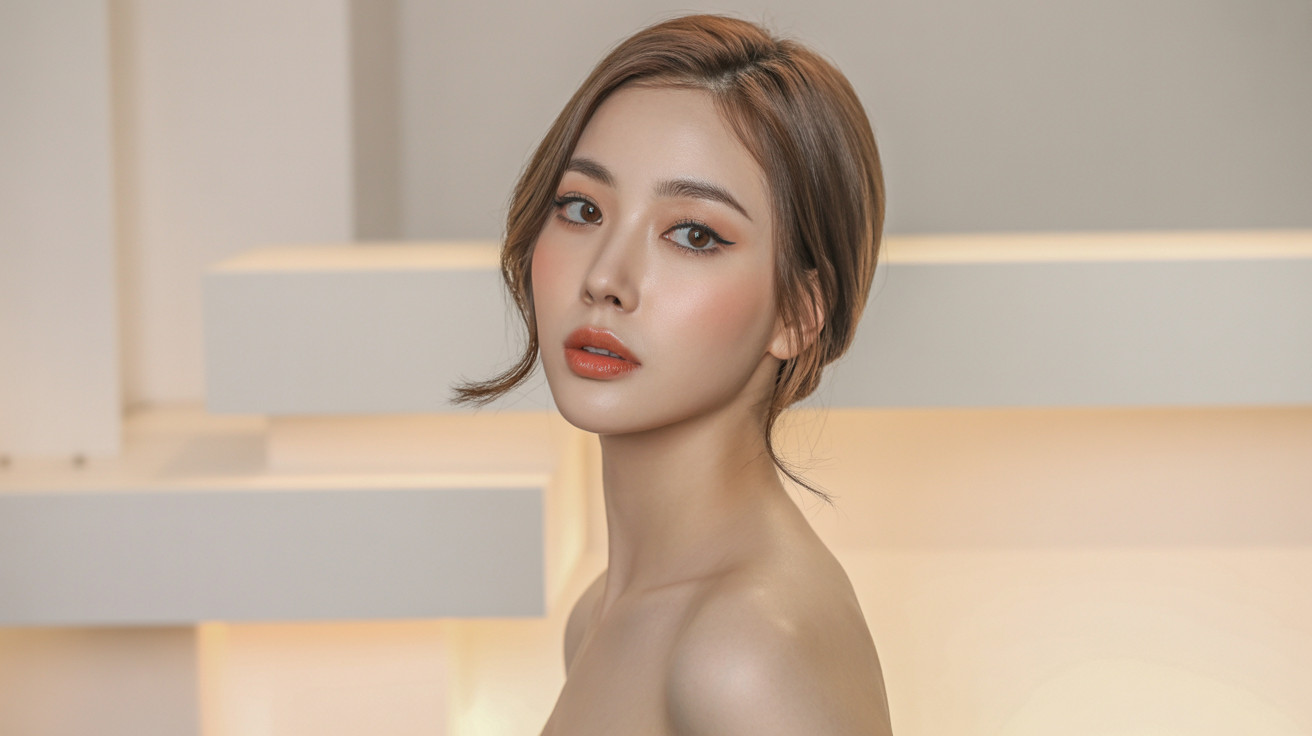
Slim is the only acceptable body type. The S-line body shape remains ideal: noticeable bust and hips with a slim waist connecting them. Lean physiques work for both men and women.
Here’s the harsh reality. Being overweight in Korea isn’t just about health. It’s associated with being lazy, which can literally cost you job opportunities.
In Korea’s intensely competitive workforce, a slim figure gives you an edge in ways that feel unfair but are very real.
The Influence of K-Pop and K-Drama on Beauty Standards
Korean entertainment reshaped global beauty ideals, and understanding K-pop and K-dramas is key. These media showcase and promote the standards that millions now admire and emulate.
K-pop idols serve as beauty blueprints, with female idols highlighting clear skin, double eyelids, V-line faces, and slim figures. Male idols popularized soft masculinity, and styling changes show how presentation can redefine beauty.
K-dramas amplify these standards through close-ups and dramatic makeovers. Actresses reflect the “attainable beauty” ideal, and worldwide streaming spreads these ideals to audiences in over 190 countries.
Current Trends in Korean Beauty
Korean beauty keeps evolving. What’s hot right now shows where standards are heading and what innovations are shaping the industry.
Skincare Innovation Trends
Natural, clean ingredients dominate product formulas now. Functional cosmetics backed by scientific research sell better than products that make vague promises. Korean companies test wild ingredients that later go mainstream globally.
Bee venom, snail mucin, honey, and mushrooms might sound strange. But they work, which is why Western brands eventually copy them. Everything focuses on gentle products safe for all skin types. The best part? Products stay affordable and accessible to everyday consumers, not just the wealthy.
Procedure Trends
Combination therapies are huge. Instead of one treatment, you get multiple complementary procedures that work together for better results. “Baby face” contouring techniques create youthful appearances without looking overdone.
Custom-designed features beat the one-size-fits-all approach. Your face gets analyzed individually rather than compared to a standard template. Results look subtle and natural instead of obviously altered. Procedures that maintain ethnic identity while refining features win over those that erase your background.
Beauty Philosophy Shifts
The mindset is changing from dramatic transformation to subtle improvement. You’re not trying to become someone else anymore. Personalized beauty beats standardized ideals now, at least in theory.
Self-care and choice matter more than desperate conformity. You appreciate your natural features while selectively refining what you want to change. The balance between tradition and modernity defines the current moment.
Conclusion
Korean beauty standards offer a look into one of the most influential beauty cultures in the world. Features like glass skin, V-shaped faces, double eyelids, and straight eyebrows have shaped global trends while continuing to evolve within Korea. These ideals reflect both tradition and modern style.
The good news is that these standards are becoming more flexible and personal. People are focusing on individual expression instead of following strict rules. Understanding the key features and cultural influences behind these trends helps you see how beauty norms are shifting toward choices that suit each person.
If you are curious about K-beauty skincare, thinking about cosmetic options, or just learning about cultural differences in beauty, you now have the insight to make informed decisions. Share the aspects that stand out to you or learn more about specific practices that interest you.
Frequently Asked Questions
What are the primary Korean beauty standards for facial features?
Korean beauty standards emphasize a small V-shaped face, double eyelids, a high, straight nose bridge, straight eyebrows, heart-shaped lips, and flawless glass skin. High, defined cheekbones paired with a slim jawline create the desired heart-shaped appearance. The overall goal is a youthful, soft look with harmonious facial proportions.
Why is glass skin so important in Korean beauty standards?
Glass skin represents the pinnacle of Korean skincare ideals: exceptionally smooth, luminous skin that appears translucent and poreless. It reflects Korea’s belief that beauty comes from within, requiring dedicated skincare routines. This emphasis on skin quality has driven global skincare innovation and the popularity of K-beauty products worldwide.
How have Korean beauty standards changed in recent years?
Korean beauty standards are becoming more diverse and personalized. While traditional ideals like V-shaped faces and double eyelids remain popular, there’s growing acceptance of natural features and individual beauty. Gen Z is pushing back against rigid standards, and the “Escape the Corset” movement challenges intensive beauty pressures.
What role do K-pop and K-dramas play in Korean beauty standards?
K-pop idols and K-drama actors are the primary influencers of modern Korean beauty standards. They showcase specific ideals like clear skin, slim figures, and refined features that millions aspire to achieve. Their global reach has spread Korean beauty standards worldwide, making them increasingly influential beyond Korea.
Are Korean beauty standards realistic to achieve naturally?
Most Korean beauty standards are difficult to achieve naturally, which is why cosmetic procedures are extremely popular in Korea. However, aspects like glass skin can be improved through dedicated skincare routines. The key is focusing on realistic goals that improve your natural features rather than pursuing a complete transformation.