What to Do After Removing a Pimple Patch: Step-by-Step Guide


Pimple patches work hard while you sleep. But what happens after you peel one off matters just as much as the patch itself.
Skip the aftercare and you risk redness, lingering marks, or a pimple that comes right back worse than before.
I’ve been there, and I know how frustrating it is to do everything right and still end up with a dark spot.
In this guide, I’ll walk you through exactly what to do after removing a pimple patch, step by step. From cleansing to sunscreen, it’s all here.
Why Aftercare Matters After Removing a Pimple Patch
Taking off the patch is just the first step. What you do next shapes how well your skin heals.
Pimple patches use hydrocolloid technology to pull out pus and protect the spot from bacteria. Once you remove the patch, that area is exposed and vulnerable.
You might notice some redness, leftover fluid, or slight irritation. That’s normal.
But without proper care, things can go sideways fast. Touching the spot, skipping moisturizer, or stepping into the sun unprotected can lead to hyperpigmentation or even scarring.
Especially for darker skin tones, that post-pimple mark can stick around for months. Aftercare is not optional. It’s what turns a good patch into a great result.
Step-by-Step Guide: What to Do After Removing Pimple Patch
Follow these steps in order for the best results.
Step 1: Gently Cleanse Your Skin
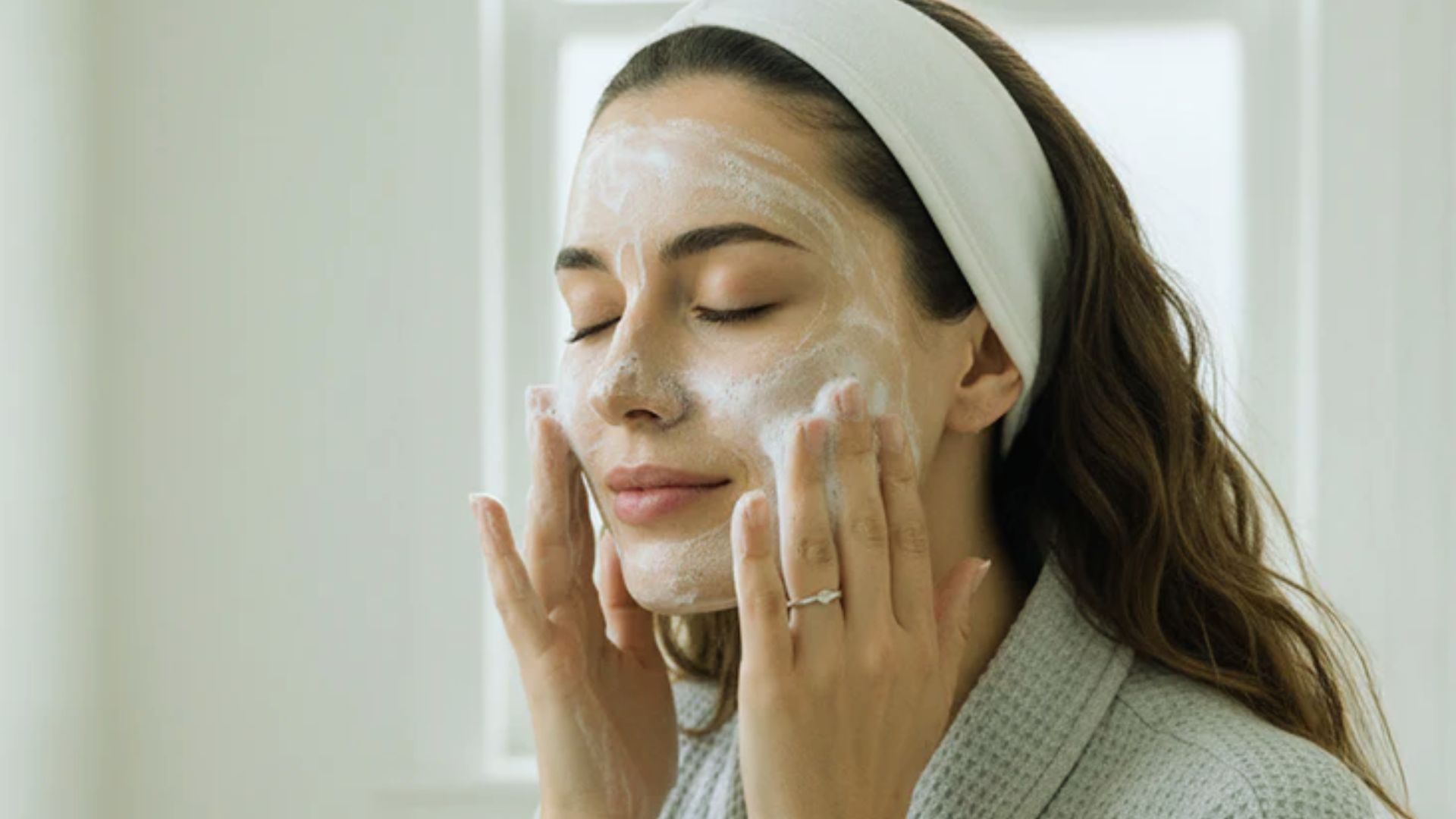
Start with a clean slate to avoid trapping bacteria on the healing spot.
Use a mild, non-foaming, low-pH cleanser. Wash your face with lukewarm water and clean fingers.
No scrubbing, no harsh brushes. This is especially important if you wore the patch overnight. Your skin has been working hard and needs a gentle wake-up, not a shock.
Step 2: Pat Dry, Avoid Rubbing
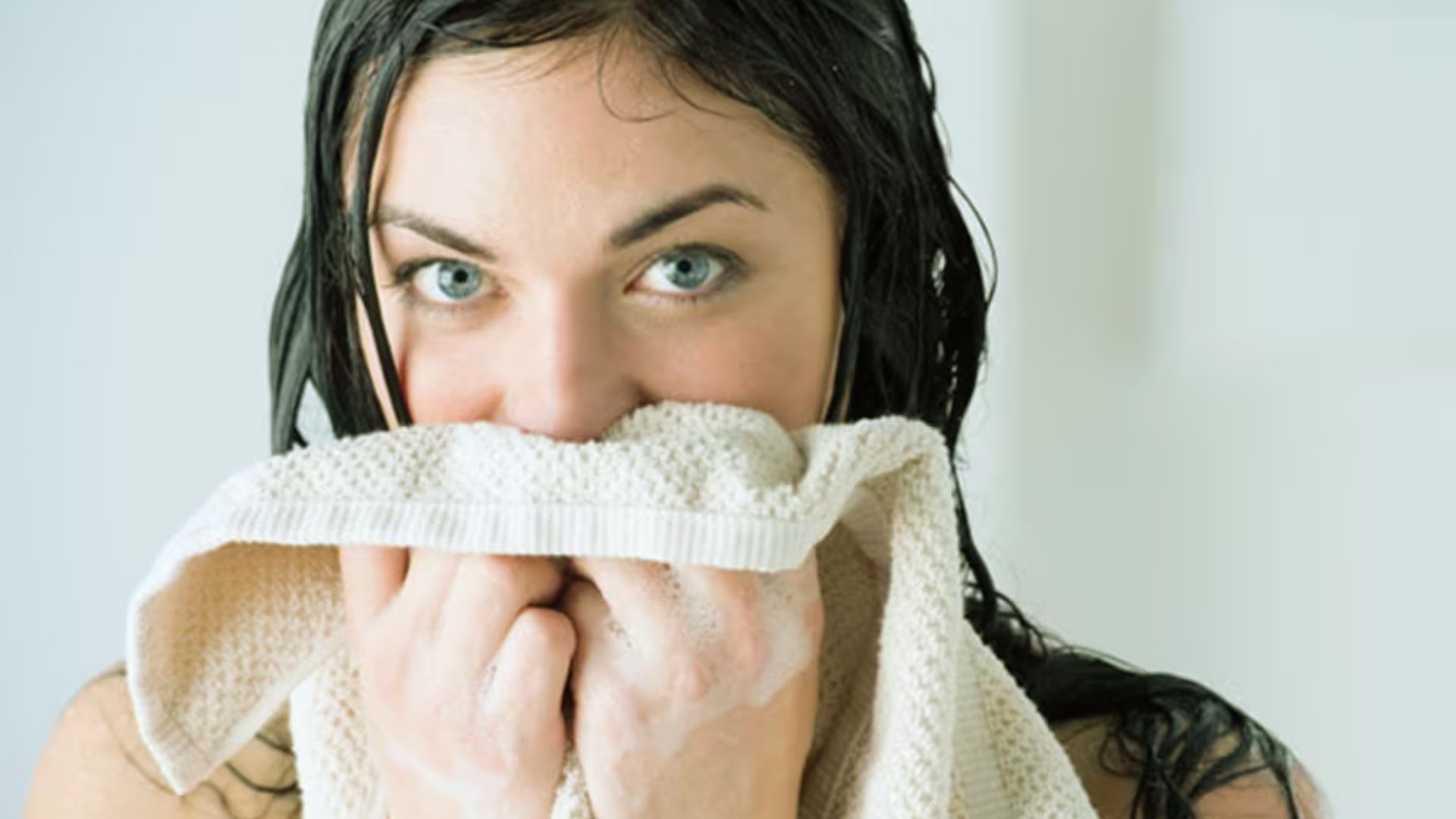
Rubbing can irritate the sensitive area right where the patch was sitting.
Take a soft, clean towel and gently blot your face. Pay extra attention around the treated spot.
The skin there is more fragile than the rest of your face, and rough drying can undo everything the patch just did.
Step 3: Apply a Soothing Toner

A good toner helps your skin recover and calms down any post-patch redness.
Skip anything with alcohol. Look for hydrating, alcohol-free formulas with ingredients like aloe vera, glycerin, or panthenol.
These help restore your skin’s pH balance and reduce irritation without stripping moisture.
Step 4: Hydrate and Moisturize


Sun exposure after a pimple patch can make dark spots worse.
Apply a broad-spectrum SPF 30 or higher every morning, even on cloudy days. This is one of the most important steps for preventing hyperpigmentation.
The treated area is more sensitive to UV damage than the rest of your skin, so don’t skip this one.
Step 6: Reapply a Patch If Necessary
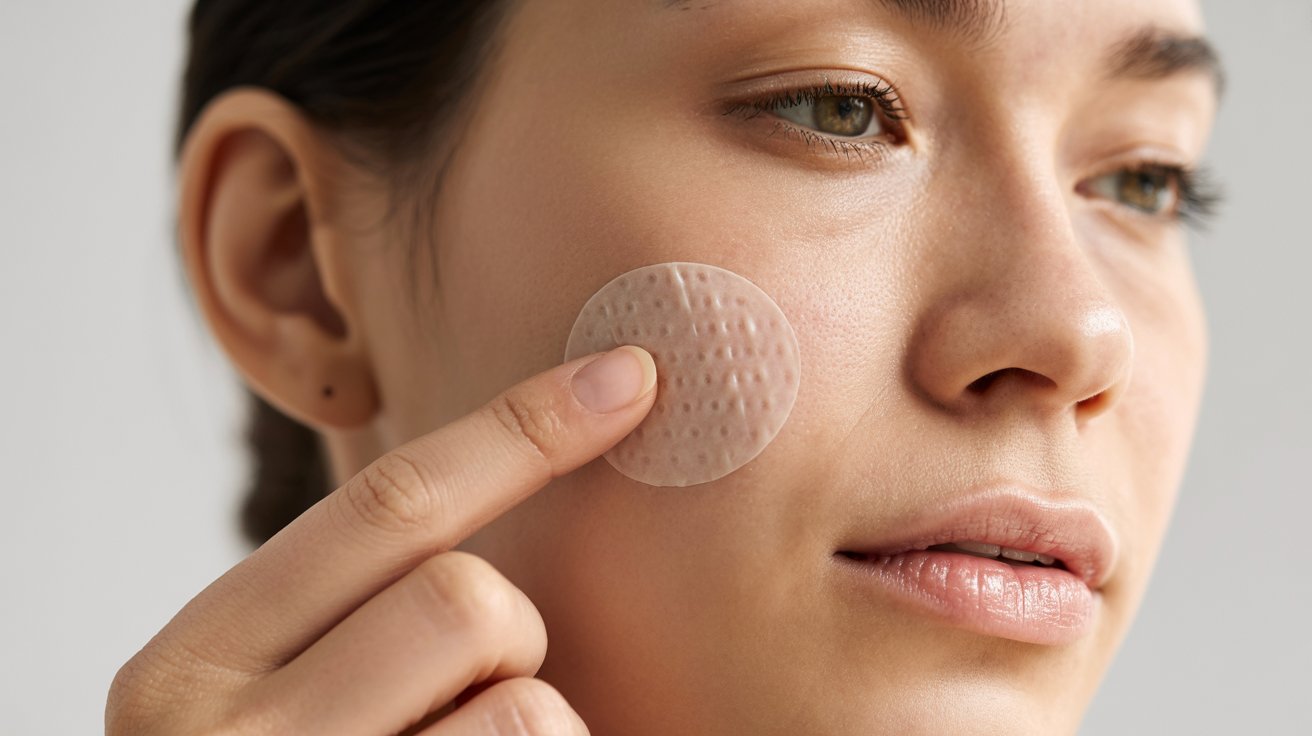
Sometimes one patch isn’t enough, and that’s completely fine.
If there’s still some swelling or fluid visible, apply a fresh patch. But wait. Do not put a new one on raw skin or a scab.
Let the area breathe first, and only patch again once the skin surface looks intact.
Step 7: Avoid Picking or Touching
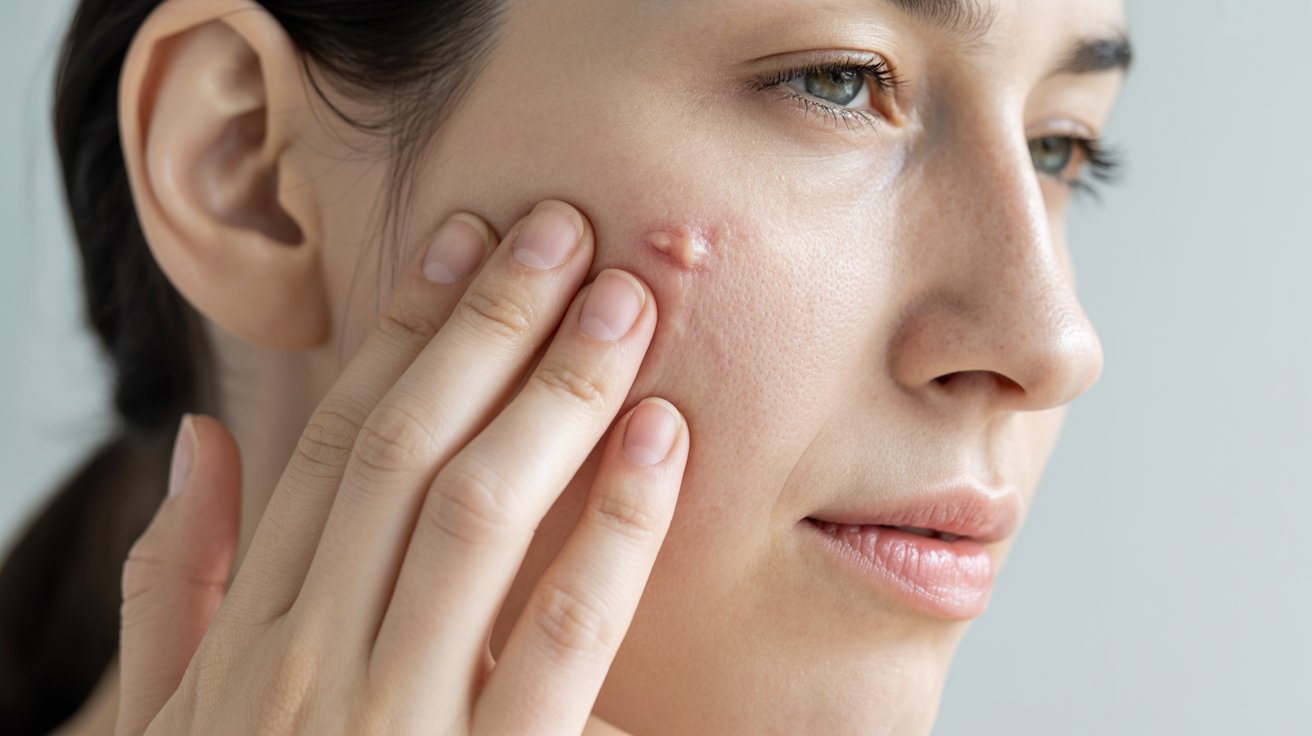
This one is hard, but it might be the most important step of all.
Keep your hands away from the treated spot. Picking or poking can push bacteria deeper, trigger more inflammation, or leave a lasting scar.
Give it time. Healing takes patience, and patience pays off.
Dos and Don’ts After Removing a Pimple Patch
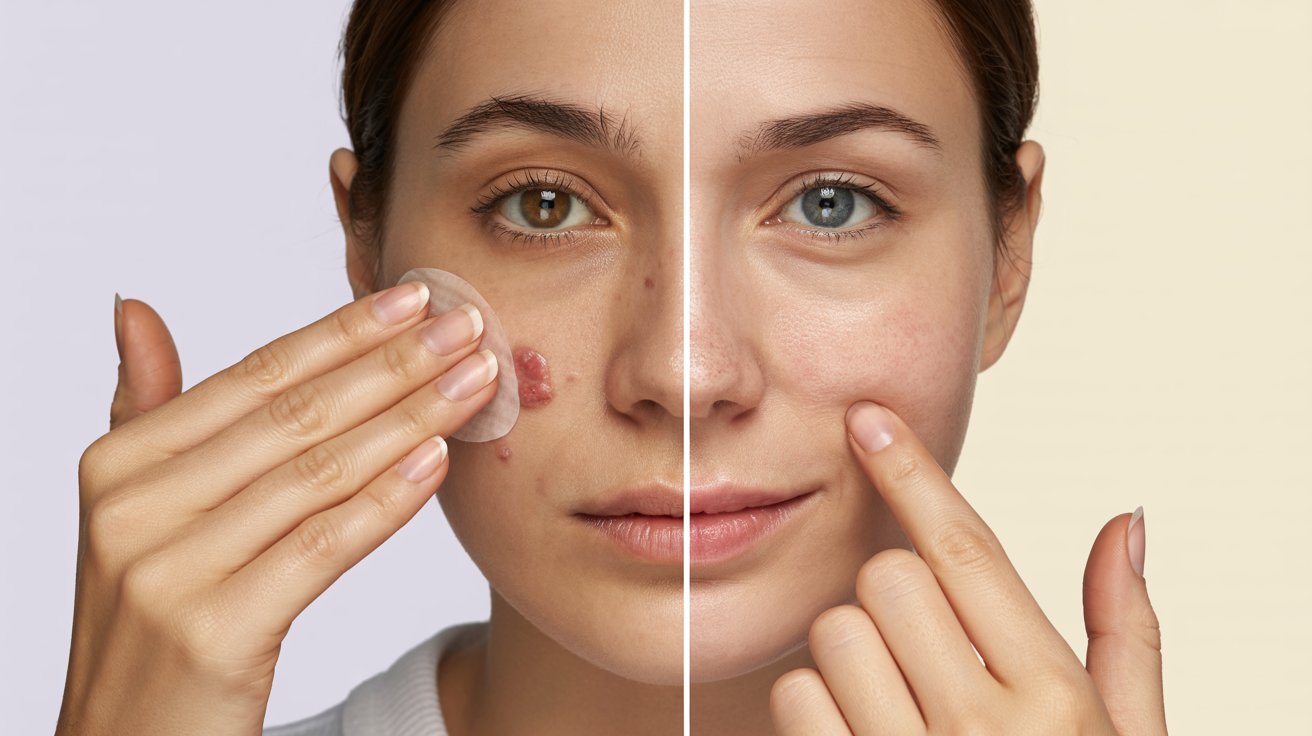
Simple rules that make a real difference in how your skin heals.
Dos
- Apply products to clean, dry skin. This helps everything absorb better and keeps bacteria out of the healing spot.
- Follow the recommended wear time on the patch packaging. Leaving it on too long or too short can affect how well it works.
- Replace the patch if it gets fully saturated before time is up. A soaked patch stops working, so swap it out early if needed.
Don’ts
- Do not pick at the treated area, even if it looks tempting. Picking can push bacteria deeper and leave a scar that takes weeks to fade.
- Avoid reusing old patches since they lose effectiveness fast. A used patch has already done its job. It has nothing left to give.
- Do not apply heavy makeup on the spot unless the patch is specifically made for use under makeup. Covering a healing pimple with thick product can clog the pore all over again.
How to Speed Up Healing After Patch Removal
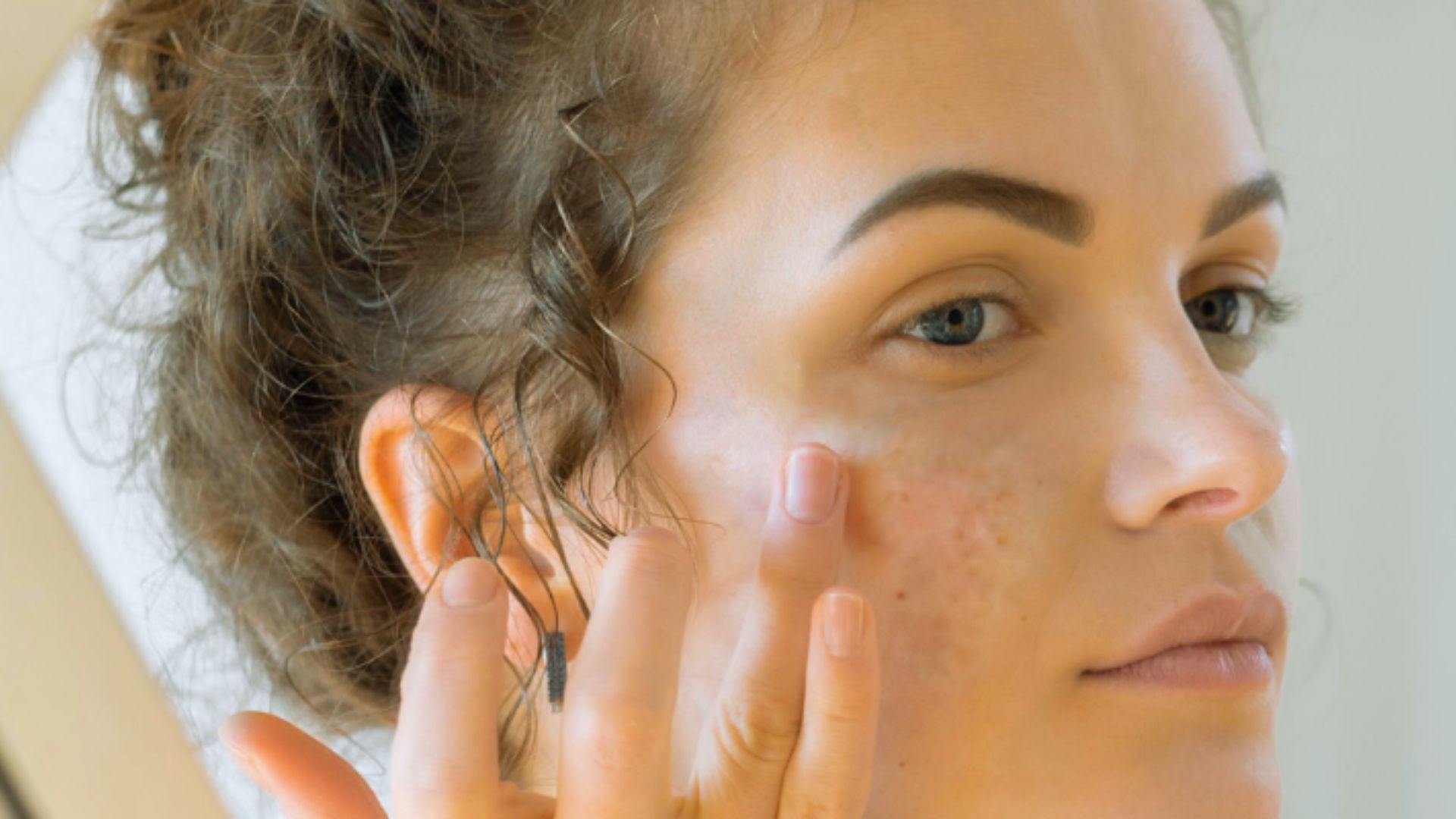
A few simple steps can make a real difference in recovery time.
Keep the area clean and moisturized. A fragrance-free moisturizer helps the skin barrier recover without causing more breakouts.
Try a spot treatment with niacinamide or centella asiatica to calm redness and fade marks faster. Avoid steam or hot water on the face for the first day since heat slows healing.
Most importantly, leave the spot alone. No touching, no picking. The less you disturb it, the faster it heals.
When to See a Dermatologist
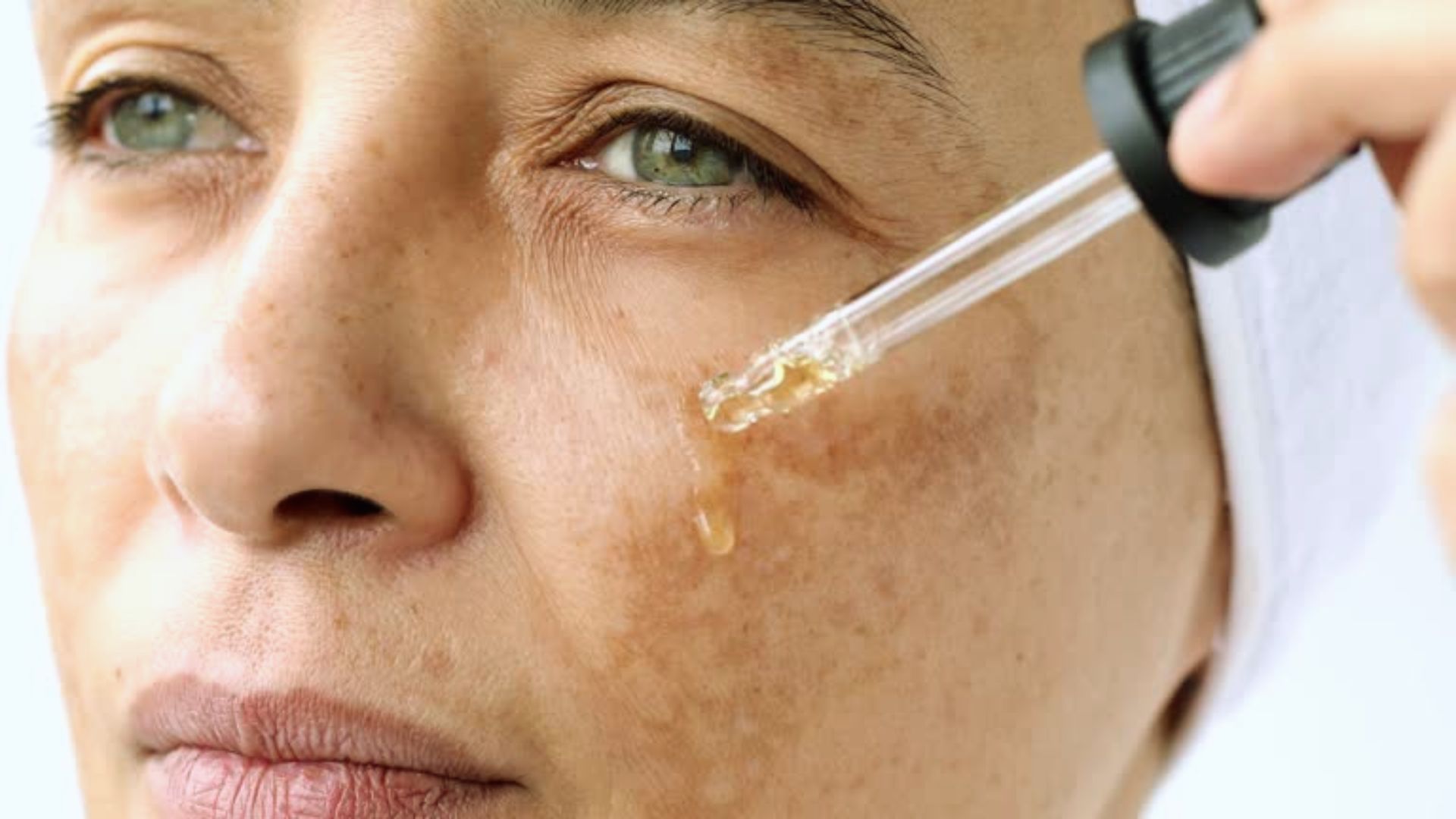
Patches are great, but they are not a fix for every type of breakout.
If your pimple is deep, painful, or feels like a hard lump under the skin, a patch won’t cut it. That’s likely cystic acne, and it needs professional treatment.
The same applies if the area looks more swollen or shows signs of infection after patch removal.
Recurring breakouts in the same spot, or dark spots that won’t fade after a few weeks, are also worth a dermatologist visit.
Some skin issues need more than a good skincare routine, and there’s no shame in getting expert help.
Tips for Best Results
Small habits that add up to better skin over time.
- Use high-quality patches made for different needs like daytime wear, overnight use, or nose-targeted patches
- Keep your overall skincare routine gentle during any breakout period
- Watch for signs of irritation or an unusual reaction and stop using a product if something feels off
- Consistency matters more than perfection, so stick to a basic, gentle routine every day
- Drink enough water and get enough sleep. Skin heals faster when your body is well-rested and hydrated from the inside out
Conclusion
Honestly, I used to peel off my pimple patch and call it a day. No toner, no sunscreen, nothing. And then I’d wonder why the spot was still there a week later.
Once I started following proper aftercare, the difference was night and day. Now I treat the post-patch routine as seriously as the patch itself.
So if you’ve been skipping these steps, start today. Your skin heals better when you give it a little help. Got a tip that works for you? Drop it in the comments!
Frequently Asked Questions
Can I reuse a pimple patch?
No, you should not reuse a pimple patch. Once it’s been used, it loses its ability to absorb properly and can introduce bacteria back onto your skin.
What if my pimple isn’t gone after one patch?
That’s normal for deeper or larger pimples. Apply a fresh patch on intact skin and give it more time before expecting full results.
Should I wash my face after removing a patch?
Yes, always cleanse after removing a pimple patch. It clears away any residue and preps your skin for the rest of your routine.
What if my skin looks red after patch removal?
Some redness is expected right after removal. Apply a soothing, alcohol-free toner and a gentle moisturizer to calm the area down.
Do pimple patches draw out pus?
Yes, hydrocolloid patches are designed to absorb fluid, pus, and oil from the pimple. That white or yellowish gunk on the patch means it worked.