Zit vs Pimple: Are They the Same Thing?


I've stood in front of the mirror asking myself is this a zit or a pimple? Sounds silly, but it's a real question a lot of people have. And honestly, most skin care content just makes it more confusing.
In this blog, I'll break it all down for you.
You'll learn what these two terms actually mean, what causes breakouts, how to treat them, and when to see a doctor.
I've spent time researching and talking to people who deal with acne daily, so you're getting real, useful answers here not fluff.
What Is a Pimple?

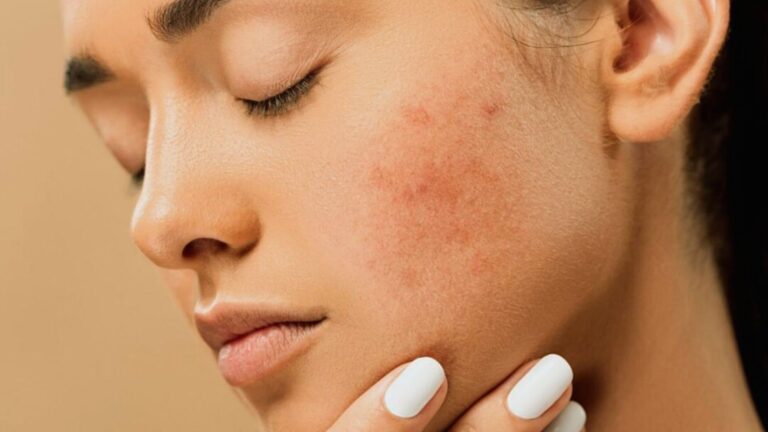
A pimple is a small, inflamed bump on the skin caused by a clogged pore.
When oil, dead skin cells, and bacteria get trapped inside a pore, the skin reacts. That reaction causes redness, swelling, and sometimes pain.
Pimples are one of the most common skin concerns, especially during teenage years. But adults get them too.
The term "pimple" is the medical and everyday word most dermatologists use. It covers a range of blemishes from a small red bump to a pus-filled spot.
Not all pimples look the same, and not all of them hurt.
Pimples usually appear on the face, back, chest, and shoulders.
These areas have more oil glands, which makes them more likely to break out.
What Is a Zit?
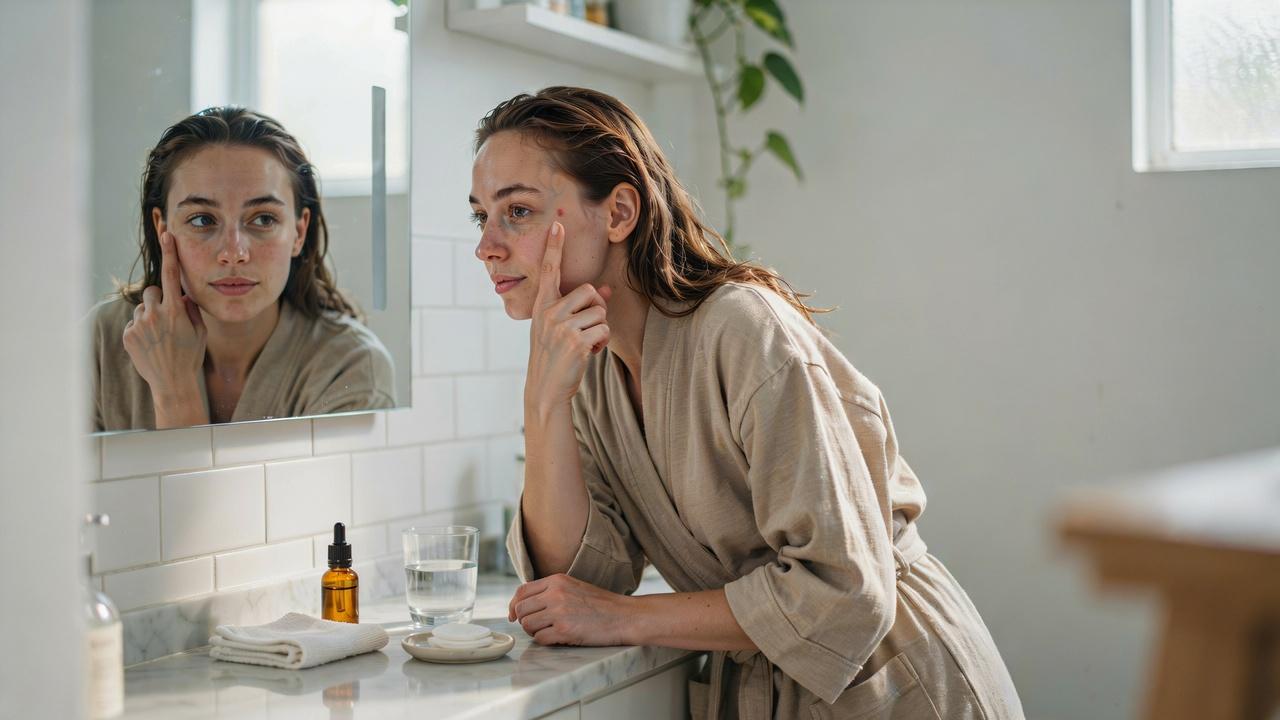
A zit is just a casual, informal word for a pimple, they mean the same thing.
You've probably heard both words used interchangeably. That's because they are interchangeable. "Zit" is slang, mostly used in everyday speech, especially by teens and young adults.
Dermatologists won't write "zit" in your treatment plan, but your friend definitely will in a text.
So if someone says they have a zit, they're talking about a pimple. The word doesn't refer to a specific type of acne. It's just a more casual way of saying it.
There's no clinical difference between the two. The only real difference is the setting in which you'd use each word.
Zit vs Pimple: Key Differences at a Glance
| Feature | Zit | Pimple |
| Meaning | Same skin blemish | Same skin blemish |
| Tone | Informal, casual | Formal, proper |
| Usage Context | Everyday conversations | Medical settings, skincare guides, product labels |
| Example | "Ugh, I have a huge zit before my date!" | "Apply this cream directly on the pimple." |
| Skin Science | Inflamed, clogged pore | Inflamed, clogged pore |
| Who Uses It | Friends, social media, pop culture | Dermatologists, skincare brands, product labels |
Types of Pimples People Often Call Zits
Not all pimples are the same knowing the type helps you treat it right.
Whiteheads
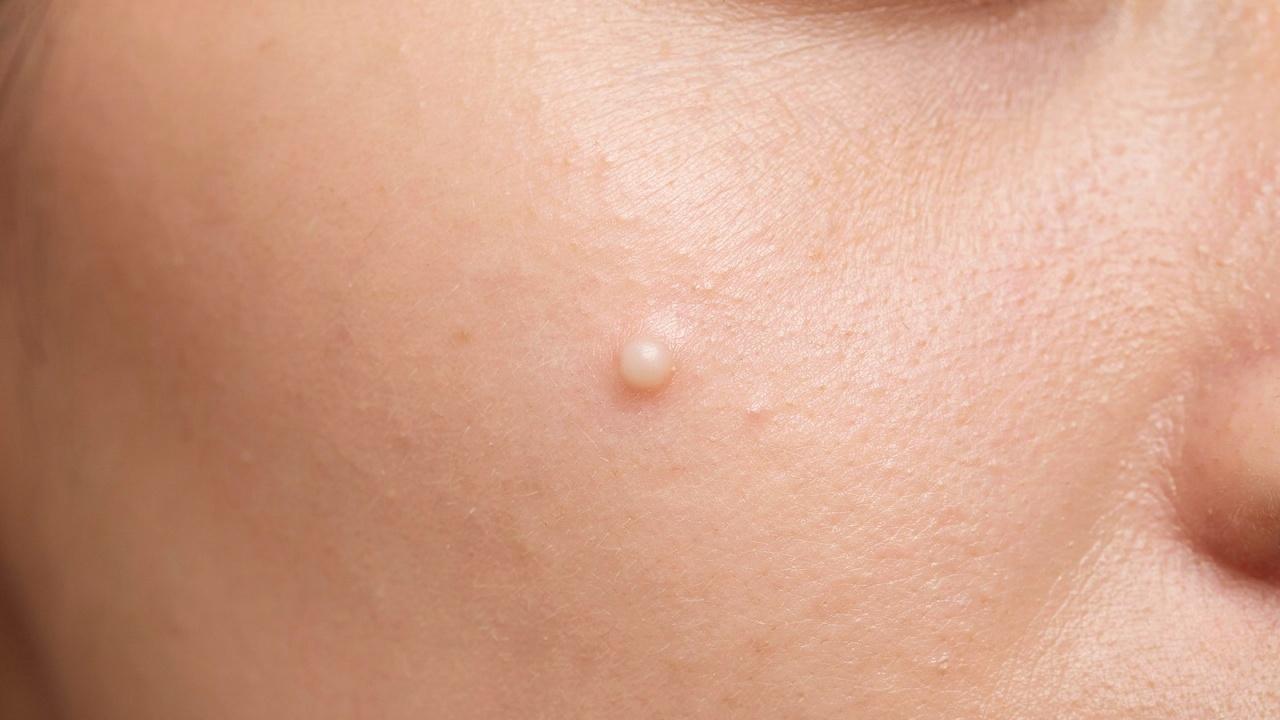
Whiteheads are closed, clogged pores with a white or flesh-colored bump on top. The pore stays closed, which keeps the buildup from being exposed to air.
They're usually small and don't cause much pain.
Blackheads
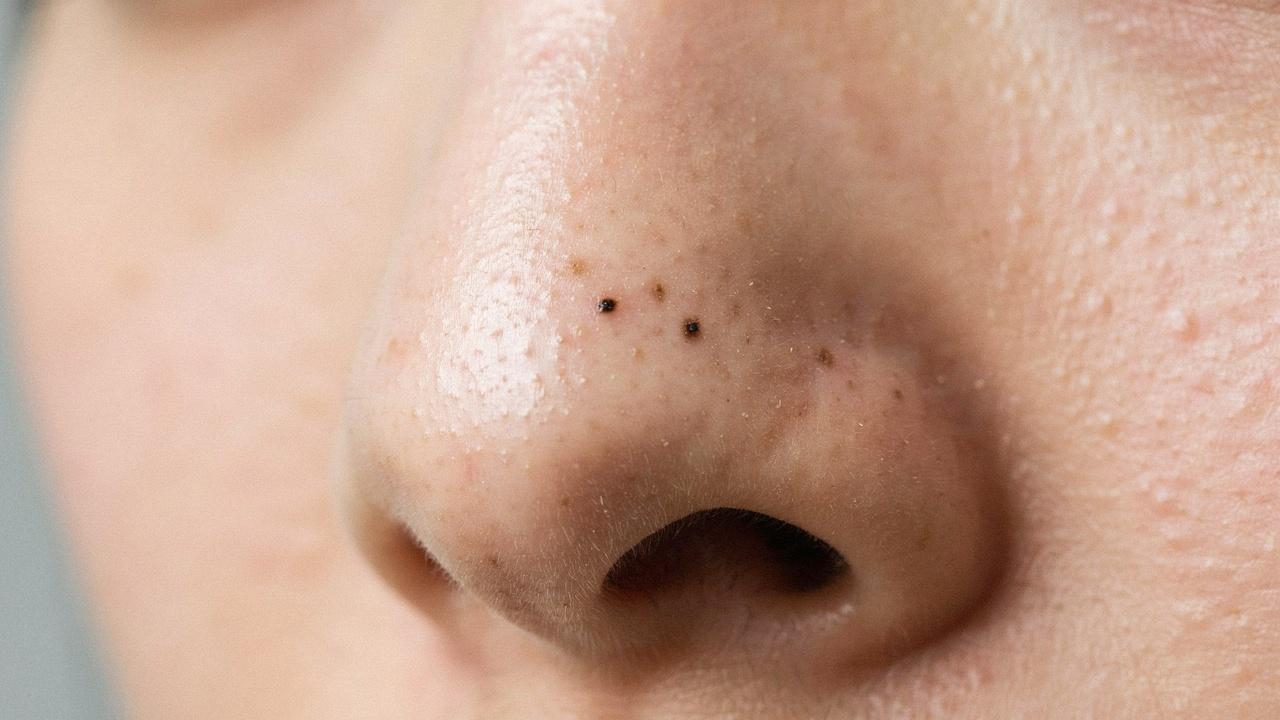
Blackheads are open clogged pores. The top of the pore stays open, and the sebum inside oxidizes when it hits air, turning dark.
Contrary to popular belief, blackheads are not caused by dirt.
Papules
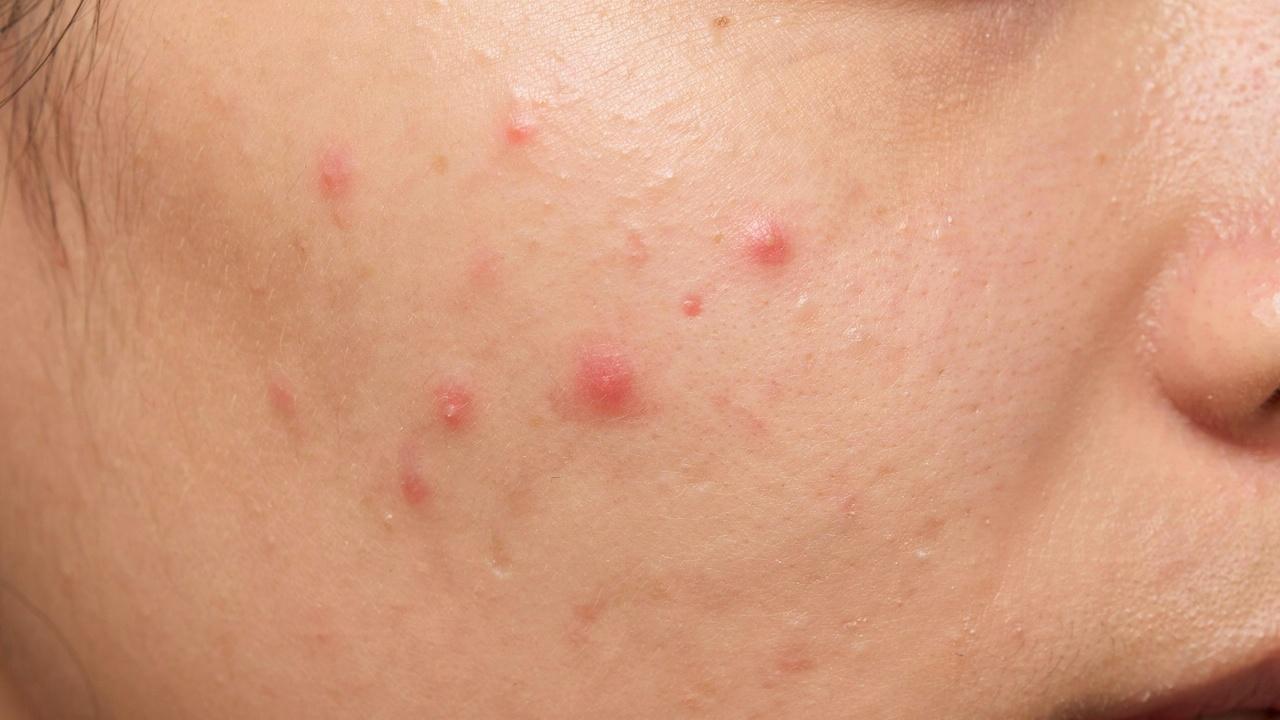
Papules are small, red, raised bumps with no visible pus. They form when a clogged pore becomes inflamed. They can feel tender when touched.
Squeezing a papule usually makes it worse.
Pustules
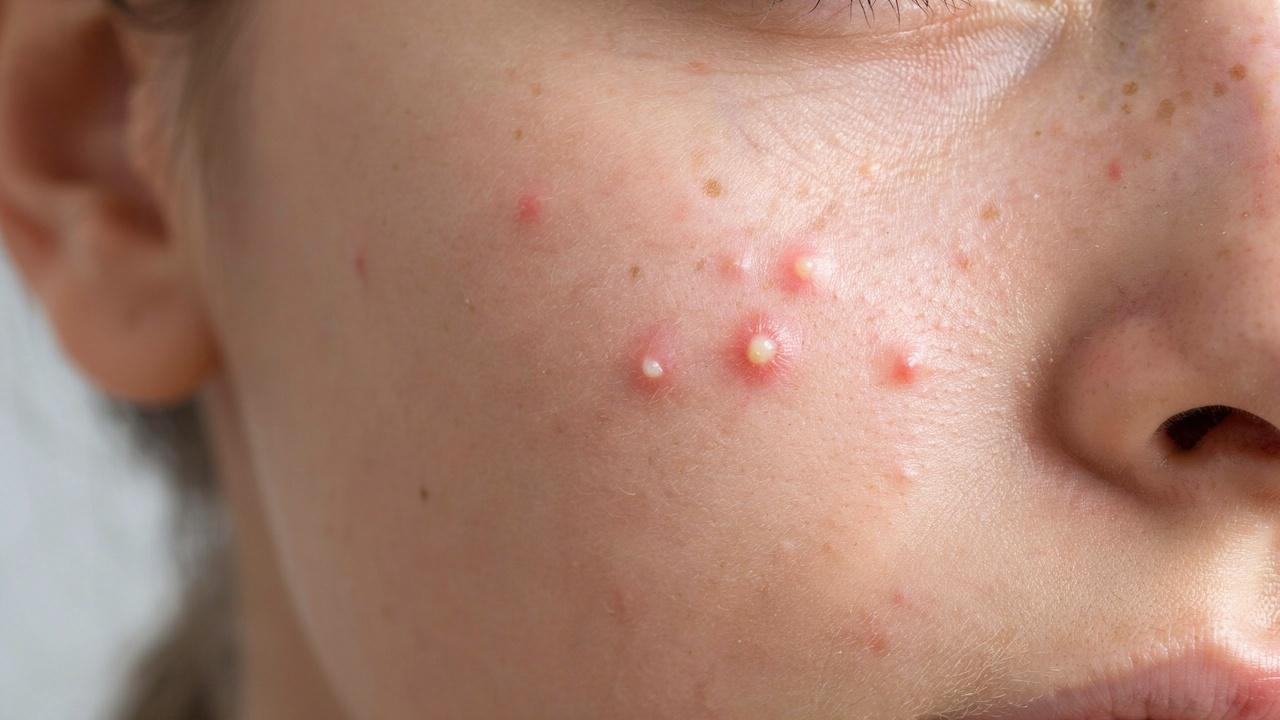
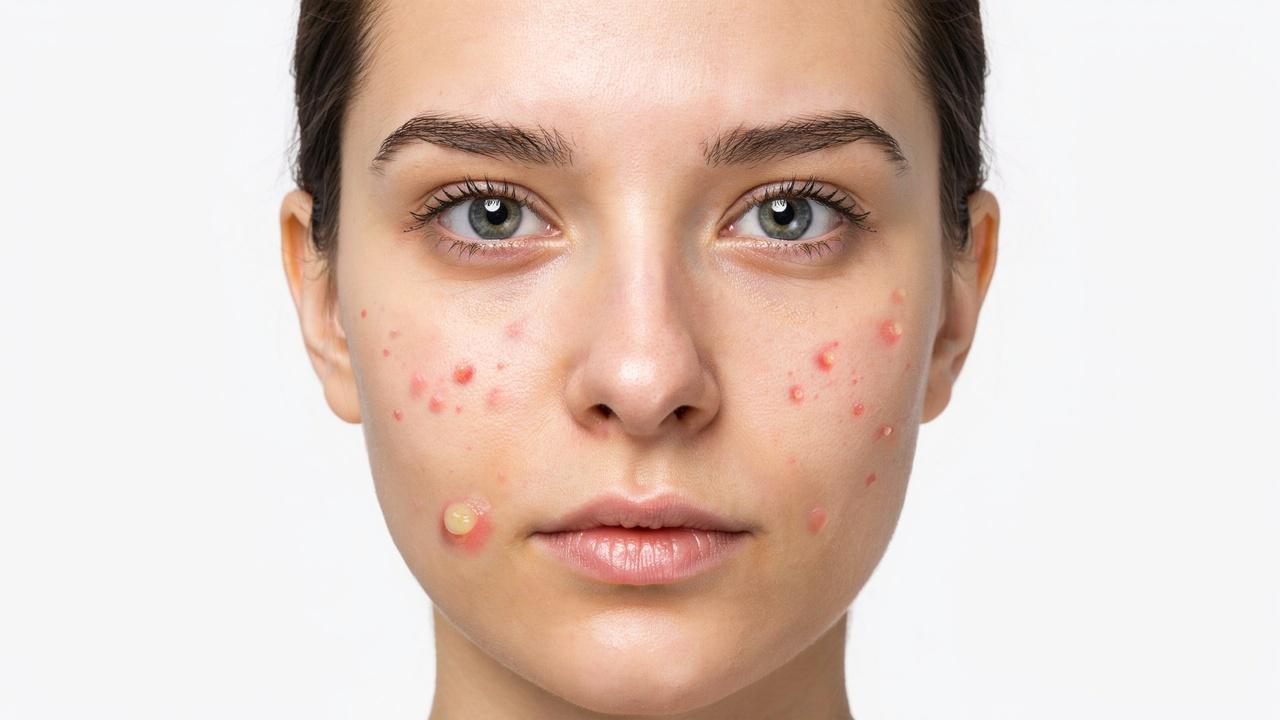
Pustules are what most people picture when they say "zit." They have a red base with a white or yellow pus-filled center.
These are the classic pimples that feel tempting to pop but you shouldn't.
Nodules
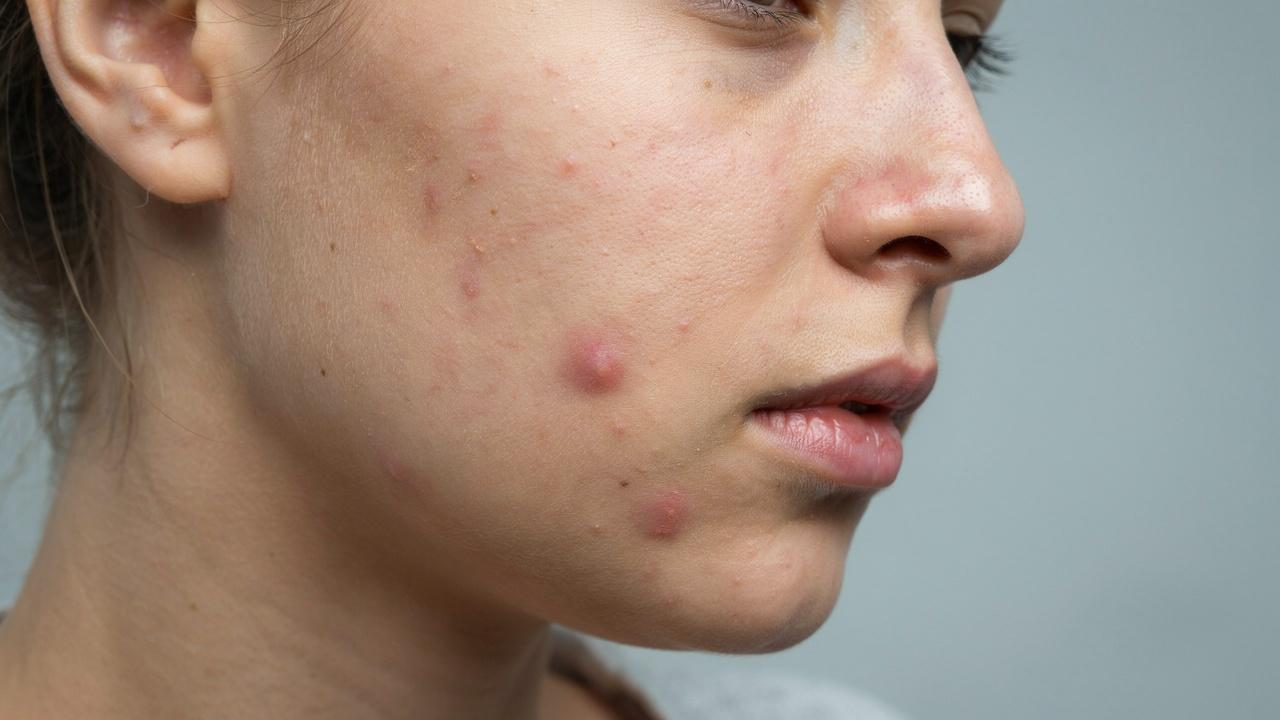
Nodules are large, hard bumps that form deep inside the skin. They don't have a visible head and are often painful.
Nodules take longer to heal and can leave marks if not treated properly.
Cystic Acne

Cystic acne is the most severe form. It involves large, painful, fluid-filled lumps deep under the skin.
Cystic breakouts can last weeks and almost always need professional treatment. This is not the kind you can treat with a basic spot cream.
Common Causes of Zits and Pimples
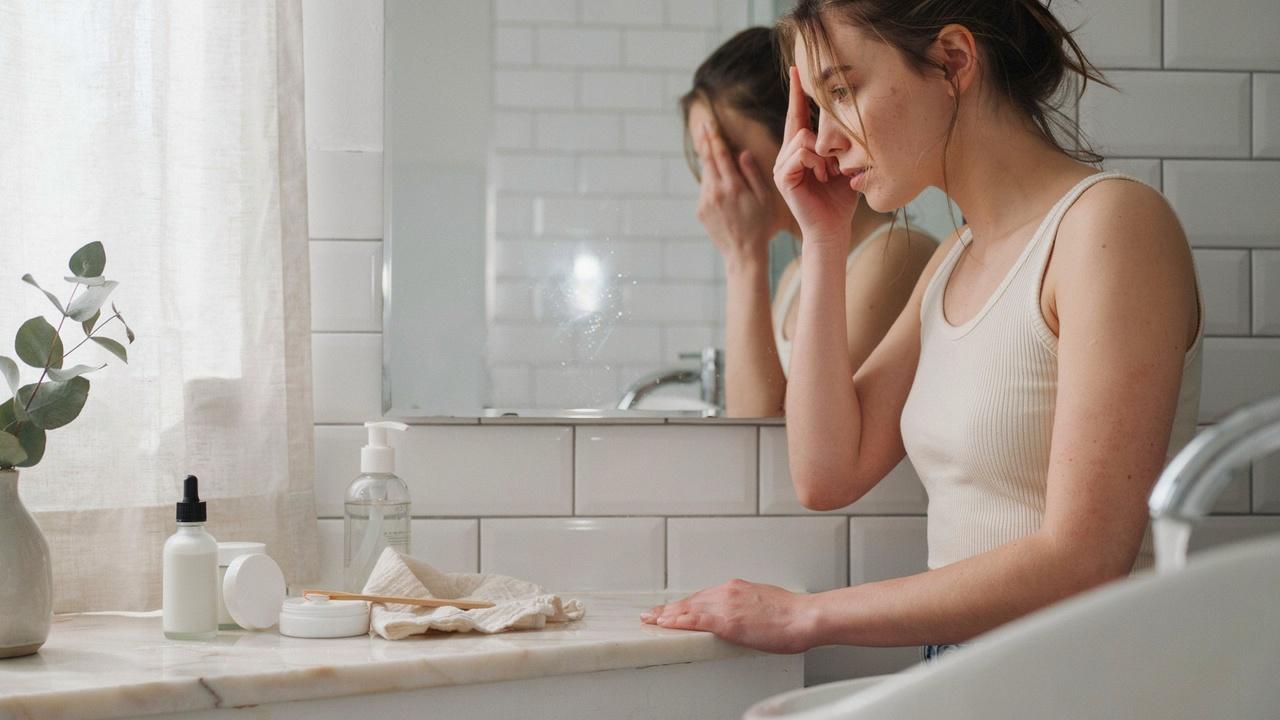
Knowing what triggers a breakout gives you real control over your skin.
Excess Oil and Clogged Pores
Your skin naturally produces oil called sebum. When it's produced in excess, it mixes with dead skin cells and clogs the pores.
That clog becomes a breeding ground for bacteria, which leads to inflammation and breakouts.
Hormonal Changes
Hormones play a big role in acne. During puberty, menstruation, pregnancy, or hormonal shifts, the body produces more androgens.
These hormones signal the skin to produce more oil, which increases the chances of a breakout. This is why acne spikes at certain life stages.
Bacteria and Inflammation
A specific type of bacteria called Cutibacterium acnes (formerly P. acnes) lives on the skin naturally.
When pores get clogged, this bacteria grows rapidly inside them. The body responds with inflammation, which is what causes the redness and swelling of a pimple.
Genetics
If your parents had acne, there's a higher chance you will too. Genetics influence how much oil your skin produces, how quickly your pores clog, and how your immune system responds to bacteria.
You can manage acne, but your genetic makeup does play a role.
Stress and Lifestyle Factors
Stress triggers the release of cortisol, a hormone that can increase oil production. Poor sleep, an unbalanced diet, touching your face frequently, and not washing pillowcases regularly can all contribute to breakouts.
Lifestyle habits matter more than most people realize.
How to Tell If It's a Pimple or Something Else
Not every bump on your face is a pimple, some look similar but need different care.
A pimple usually has a red or pink base and may have a white or yellow center. It's tied to a pore and appears in common acne zones like the forehead, chin, nose, or cheeks.
Other skin concerns can mimic pimples. A milia is a tiny white cyst that looks like a whitehead but isn't caused by acne.
Folliculitis is an infected hair follicle that resembles a pimple but needs different treatment. Sebaceous cysts are deeper and don't have the typical pimple structure.
If a bump is unusually large, doesn't change after two weeks, or keeps coming back in the same spot, it's worth getting it checked by a dermatologist.
How to Treat Zits and Pimples
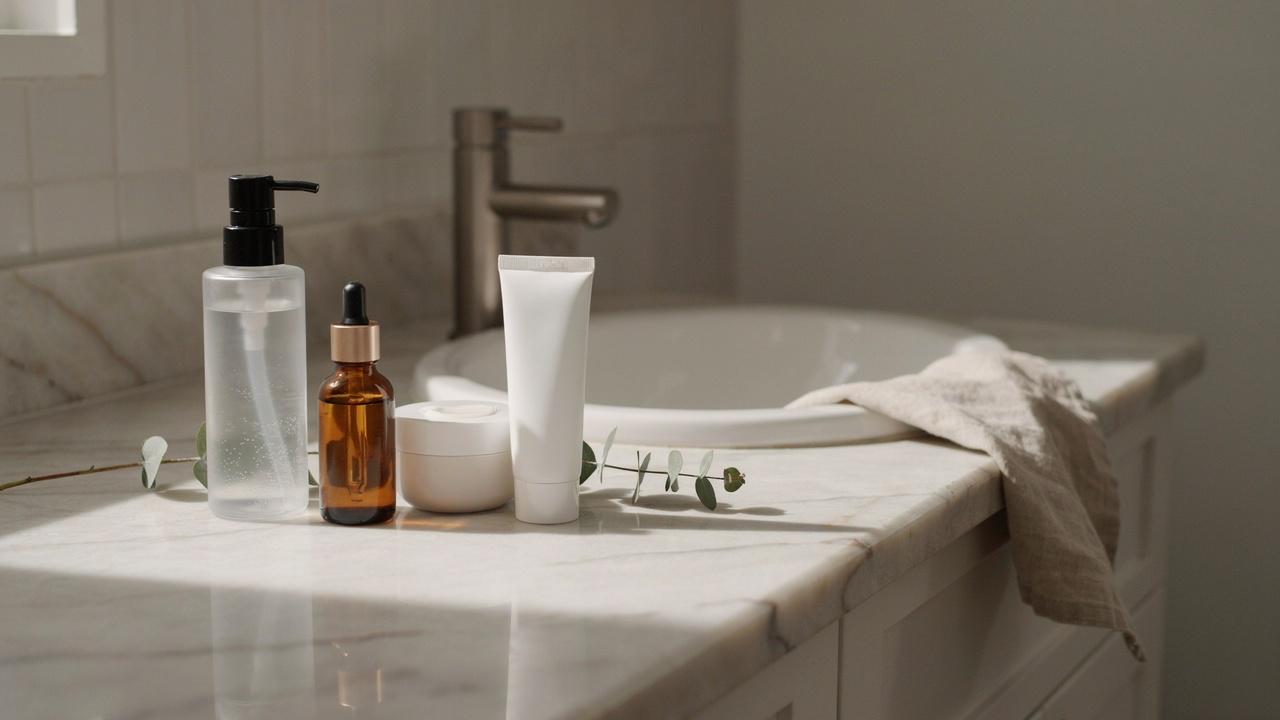
The right treatment depends on how mild or severe your acne is.
Over-the-Counter Treatments
Most mild to moderate breakouts can be managed with products you can buy without a prescription.
Look for these ingredients:
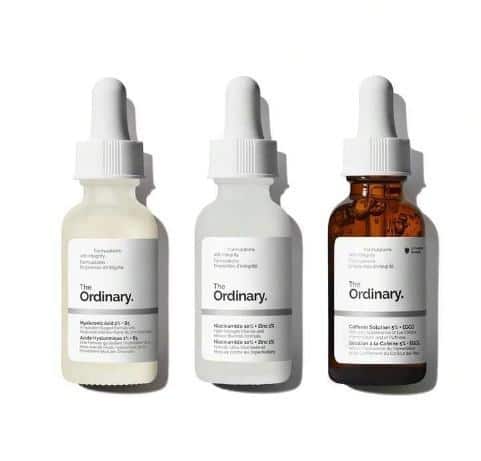
- Salicylic acid: clears out clogged pores and reduces inflammation
- Benzoyl peroxide: kills acne-causing bacteria on the skin
- Niacinamide: calms redness and controls oil production
- Adapalene (Differin): a retinoid available over the counter for stubborn acne
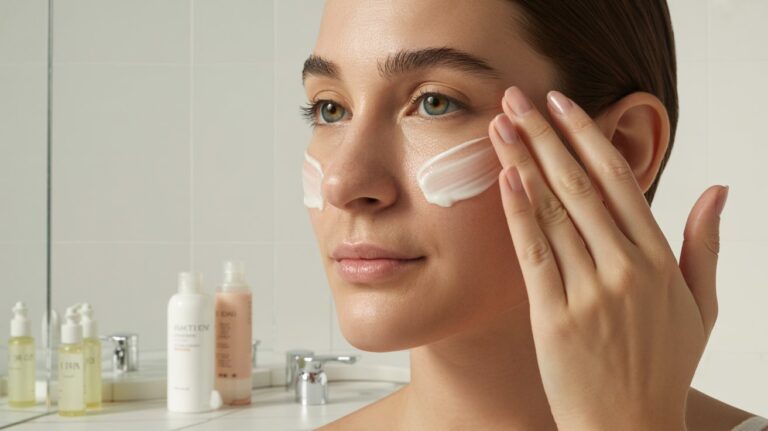
Start with a gentle cleanser and add one active ingredient at a time. Overloading your skin with activities can cause irritation.
Prescription Acne Medications
When over-the-counter options aren't enough, a dermatologist can prescribe stronger treatments.
These include topical retinoids like tretinoin, oral antibiotics to reduce bacterial overgrowth, and hormonal medications for women whose acne is hormonally driven.
Prescription treatments work faster and target acne more directly. But they require medical supervision since they come with side effects.
Professional Dermatology Treatments
For persistent or severe acne, in-office treatments can make a significant difference.
Options include:
- Chemical peels to remove dead skin buildup
- Corticosteroid injections to shrink large, painful nodules fast
- Laser or light therapy to reduce bacteria and oil production
- Extraction by a professional for stubborn blackheads and clogged pores
These treatments are not for everyday breakouts. They work best for people dealing with ongoing, hard-to-manage acne.
Should You Pop a Zit or Pimple?
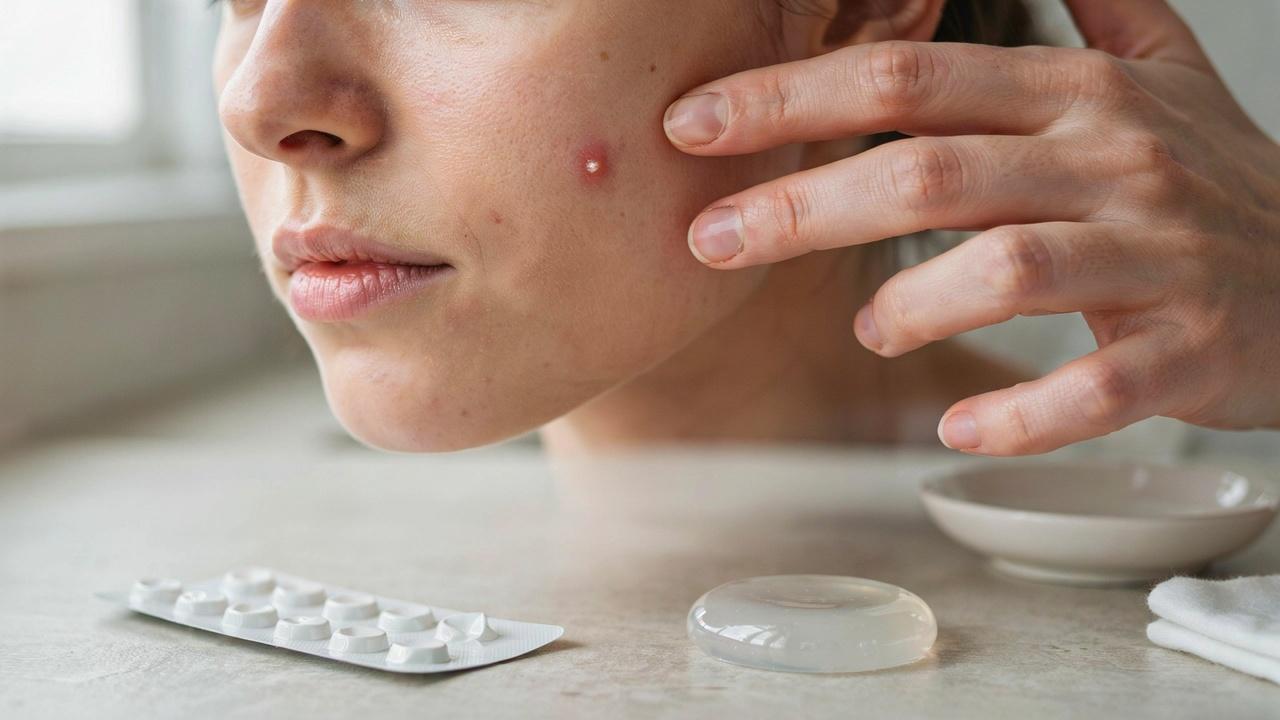
The short answer is no but here's why it matters.
Popping a pimple pushes bacteria deeper into the skin. It can spread the infection to nearby pores, cause more swelling, and leave behind a dark spot or scar.
It might feel satisfying in the moment, but it usually makes things worse.
If you absolutely cannot resist, at least do it the right way. Wait until the pimple has a clear white head. Clean your hands.
Use two cotton swabs instead of your fingers. Apply gentle pressure on the sides, not the top. Stop if it doesn't come out easily. Then apply a spot treatment and leave it alone.
Better yet use a hydrocolloid patch overnight. These patches absorb the fluid and protect the pimple from bacteria without the damage of popping.
When to See a Dermatologist
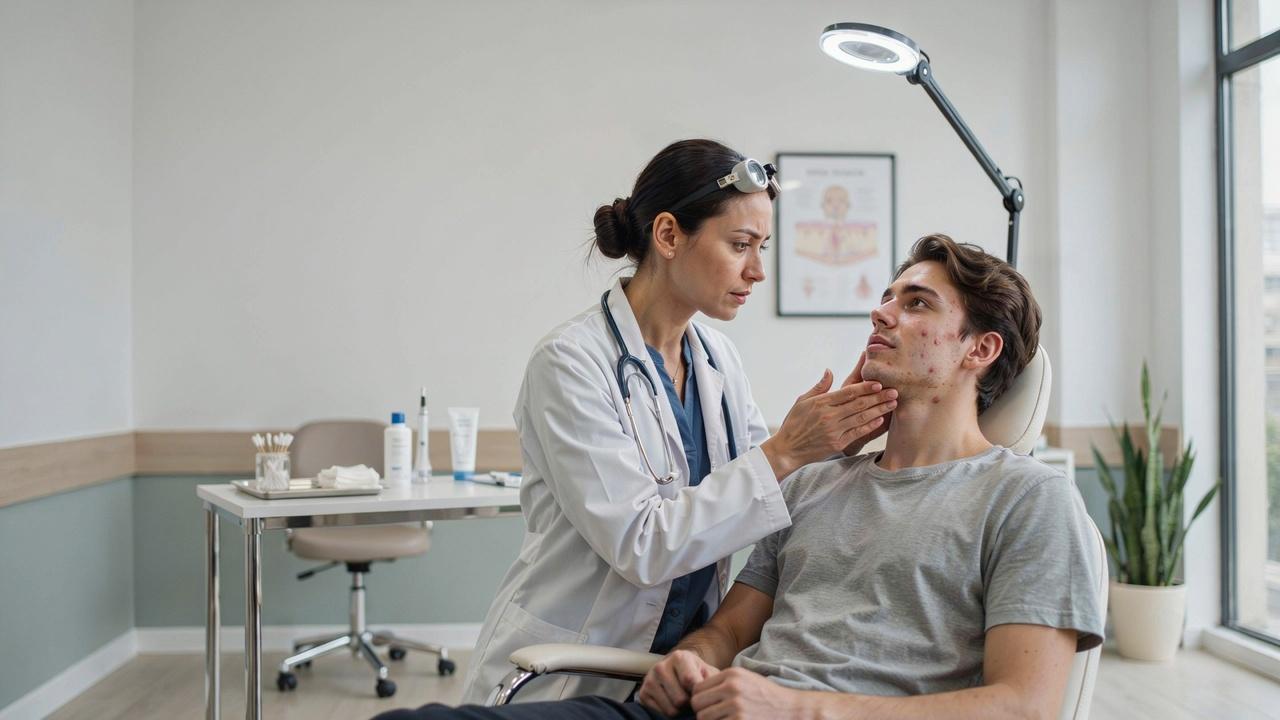
Some breakouts go beyond what home care can fix.
See a dermatologist if your acne is painful and deep, if over-the-counter products have not helped after two months, if you're seeing dark spots or scars forming, or if breakouts are affecting your confidence and daily life.
Acne is a medical condition, not just a cosmetic one.
A dermatologist can give you a proper diagnosis and a treatment plan that actually works for your skin type.
Conclusion
I know how frustrating it is to stare at a breakout and not know what it is or what to do about it. I've been there.
Whether you call it a zit or a pimple, what matters most is that you treat it with care and the right information.
Now you know the difference, what causes it, and how to deal with it.
So take that first step, start a simple routine, be patient with your skin, and don't skip the dermatologist if things feel out of control.
Found this helpful? Share it with someone dealing with a breakout right now.
Frequently Asked Questions
Is a zit worse than a pimple?
No, they're the same thing. "Zit" is just a casual word for a pimple, with no difference in severity or type.
Can adults get zits and pimples?
Yes, absolutely. Adult acne is very common, especially in women due to hormonal shifts during their menstrual cycle or menopause.
How long does a pimple last?
A mild pimple usually clears up in three to seven days. Deeper ones like nodules or cysts can take several weeks to heal.
Does diet affect pimples?
Research suggests high-glycemic foods and dairy may worsen acne in some people. But diet affects everyone differently, so pay attention to your own patterns.
Can stress really cause pimples?
Yes. Stress raises cortisol levels, which increases oil production in the skin. That extra oil can clog pores and trigger a breakout.