Why Is My Skin So Shiny But Not Oily? Causes Explained


I used to stare at my skin in the mirror thinking, why does it look so shiny but not oily? It confused me for a long time.
If you’re asking the same thing, you’re not alone. Shiny skin doesn’t always mean oily skin. Sometimes it means your skin needs something else entirely.
In this blog, I’ll cover the real causes of shiny-but-not-oily skin, how to tell the difference, and simple ways to treat it.
I’ve researched this topic closely so you get clear, honest answers.
Understanding Shiny-But-Not-Oily Skin

Shiny skin can fool you. It looks like excess oil but it’s often something very different going on underneath.
When your skin barrier is damaged or dehydrated, it can reflect light in a way that mimics oiliness.
This type of shine comes from a lack of moisture, not an overproduction of sebum. Knowing the difference matters because treating it the wrong way can make things worse, not better.
Common Causes of Shiny-But-Not-Oily Skin
Shine doesn’t always mean oil. Here are the real reasons your skin could be reflecting light without being greasy.
Dehydration and Compromised Skin Barrier
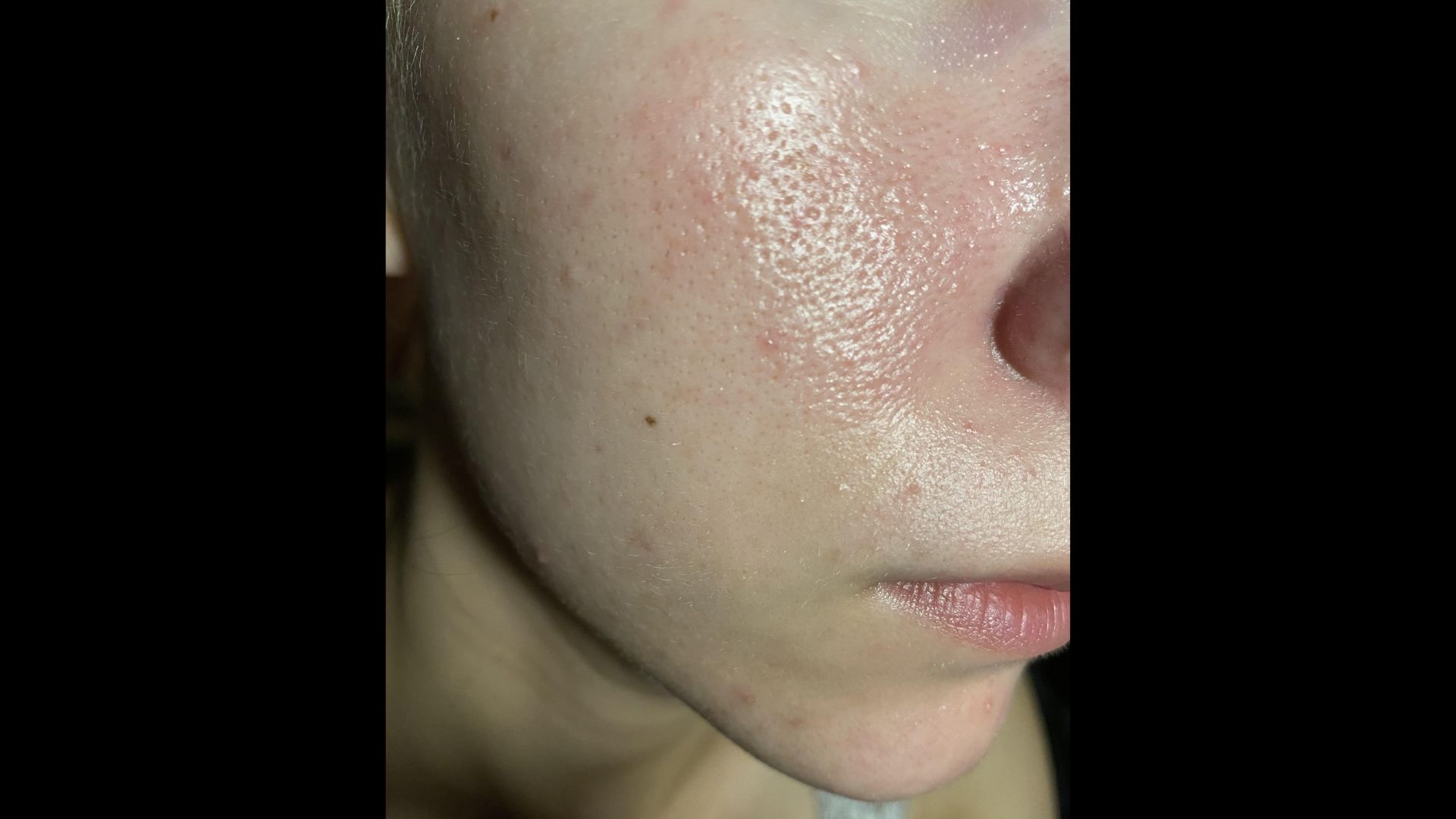
When your skin loses water, the surface becomes tight and flat. That flat surface catches light and reflects it back, creating a shiny look.
A damaged skin barrier also struggles to hold moisture in. The result is skin that looks glossy but feels dry or tight to the touch.
This is one of the most common and misunderstood causes of shine without oil.
Product-Related Shine

Some skincare and makeup products leave a film on the skin. This film can create a reflective surface even if your skin is dry underneath.
Silicone-based products, heavy serums, and certain primers are common culprits. If your shine appears right after applying products, this is likely the cause.
Switching to lightweight, non-film-forming products can help reduce this kind of surface shine quickly.
Aging and Skin Texture
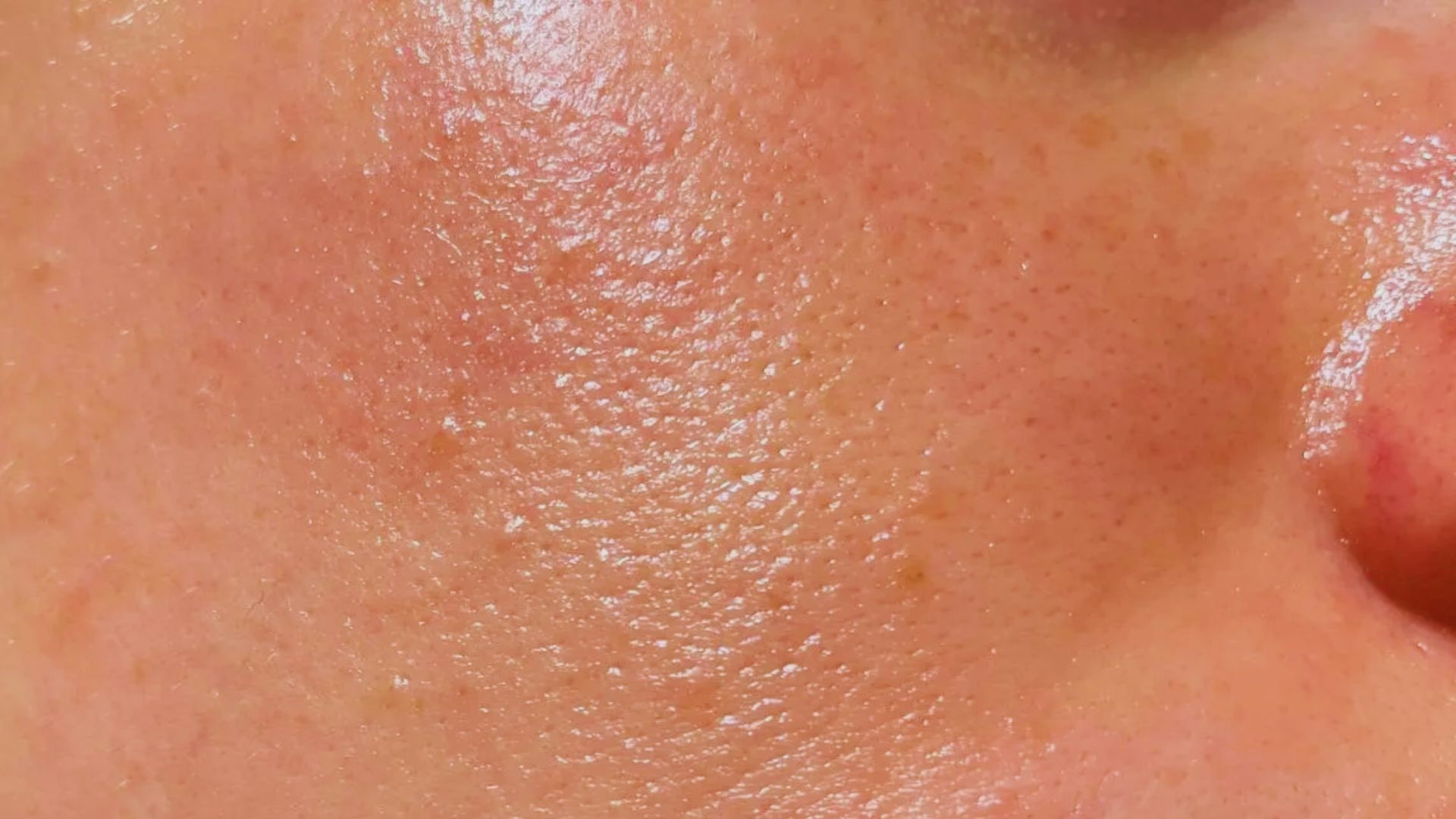
As skin ages, it loses collagen and becomes thinner. Thinner skin has a smoother surface with less texture.
That smoothness reflects more light, which creates shine. This is different from oil-related shine because it’s structural.
You’ll often notice it most on the forehead and cheeks. The skin may also feel papery or fragile rather than soft or greasy.
Environmental Factors

Humidity, heat, and even central heating indoors can affect how your skin looks. In humid weather, moisture sits on the skin’s surface and creates a shiny film.
In dry indoor air, your skin gets dehydrated quickly and begins to reflect light differently. Wind and sun exposure can also alter your skin’s surface texture over time, leading to that same reflective look without oil involvement.
How to Identify If Skin Is Shiny or Truly Oily
Not all shine is the same. Knowing what type you have helps you treat it the right way.
Signs of Shiny-But-Dry Skin

Your skin looks bright but it doesn’t actually feel slick or greasy.
- Skin feels tight after washing
- Flaky patches appear alongside the shine
- Pores look small or barely visible
- Moisturizer absorbs fast and skin still feels dry
Signs of Oily Skin
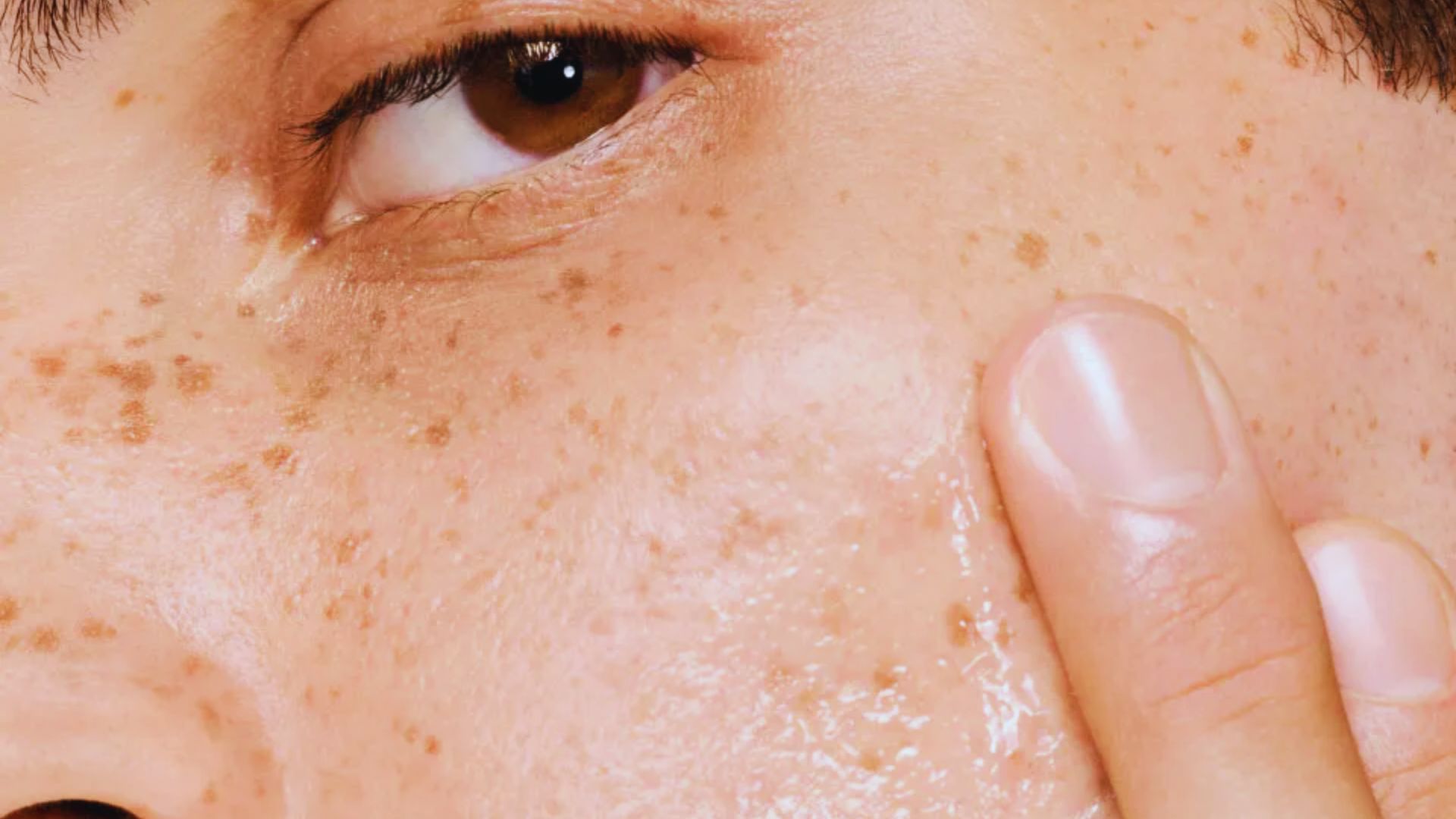
Oily skin has a thick, greasy feel that goes beyond just a visual shine.
- Skin feels slick or sticky to the touch
- Blotting paper picks up visible oil
- Pores appear enlarged and clogged
- Makeup slides off quickly throughout the day
Simple Self-Test

Press a clean blotting paper against different areas of your face. If it picks up visible yellow or translucent oil, your skin is producing excess sebum.
If the paper comes away mostly dry or with just a faint mark, your shine is likely from dehydration or a surface film, not oil.
How to Treat Shiny-But-Dry Skin

Small changes in your routine can make a big difference when shine comes from dryness, not oil.
Hydration Over Oil Control: Dry skin needs water, not oil-control products. Use water-based hydrating products. Hyaluronic acid and glycerin serums pull water into the skin and reduce surface shine caused by dehydration.
Gentle Cleansing and Exfoliation: Stripping your skin makes it shine worse, not better. Avoid harsh cleansers that strip the skin. Use a mild, pH-balanced cleanser and exfoliate gently once or twice a week to remove dead cells that cause flat, reflective skin.
Moisturizer on Damp Skin: Damp skin absorbs moisture better and holds it longer. Apply your moisturizer right after washing while skin is still slightly damp. This locks in water and strengthens the skin barrier so shine reduces over time.
Sunscreen Choices: The wrong SPF can add more shine to already reflective skin. Skip heavy or greasy sunscreens. Go for a lightweight, matte-finish SPF that won’t add extra film or reflect more light on your already shiny skin.
Lifestyle Adjustments: What you do inside shows up on your skin outside. Drink enough water, eat foods rich in healthy fats, and get proper sleep. Internal dehydration shows up on your skin faster than you think.
Optional Makeup Tips for Shine
The right makeup steps can control shine without making dry skin worse.
- Use a mattifying primer only on shiny zones, not all over
- Set with a finely milled translucent powder to absorb surface reflection
- Avoid heavy liquid foundations that add extra film to the skin
- Use a setting spray with a dewy-to-matte finish for balance
- Blot gently with tissue instead of adding more powder throughout the day
Conclusion
Figuring out why your skin is shiny but not oily was honestly a game changer for me. Once I stopped treating it like an oil problem and started focusing on hydration, everything shifted.
Your skin is trying to tell you something. Listen to it. Start with one small change, maybe swap your cleanser or add a hydrating serum.
See how your skin responds. If this helped you, drop a comment below and tell me what worked for you.
Share this with someone who’s been blaming their skin type for the wrong reasons.
Frequently Asked Questions
Why does my skin look shiny right after washing?
This is usually a sign of dehydration. When your skin loses moisture after cleansing, the surface reflects light more strongly. A gentle, hydrating cleanser can help.
Can dry skin actually look oily?
Yes, it can. Dehydrated skin often develops a flat, tight surface that reflects light just like oil does. The key difference is how the skin feels, not just how it looks.
Is shiny skin a sign of healthy skin?
Not always. A natural, subtle glow can be healthy. But a strong reflective shine, especially with tightness or flaking, usually points to a compromised skin barrier or dehydration.
What ingredients help with shiny-but-dry skin?
Look for hyaluronic acid, glycerin, ceramides, and niacinamide. These hydrate the skin, repair the barrier, and reduce that unnatural shine without drying things out further.
Should I skip moisturizer if my skin looks shiny?
No. Skipping moisturizer will make things worse. Your skin needs hydration to calm down the reflective surface. Use a lightweight, non-greasy formula and apply it on damp skin.