
Oil or Moisturizer First: Skincare Layering Guide

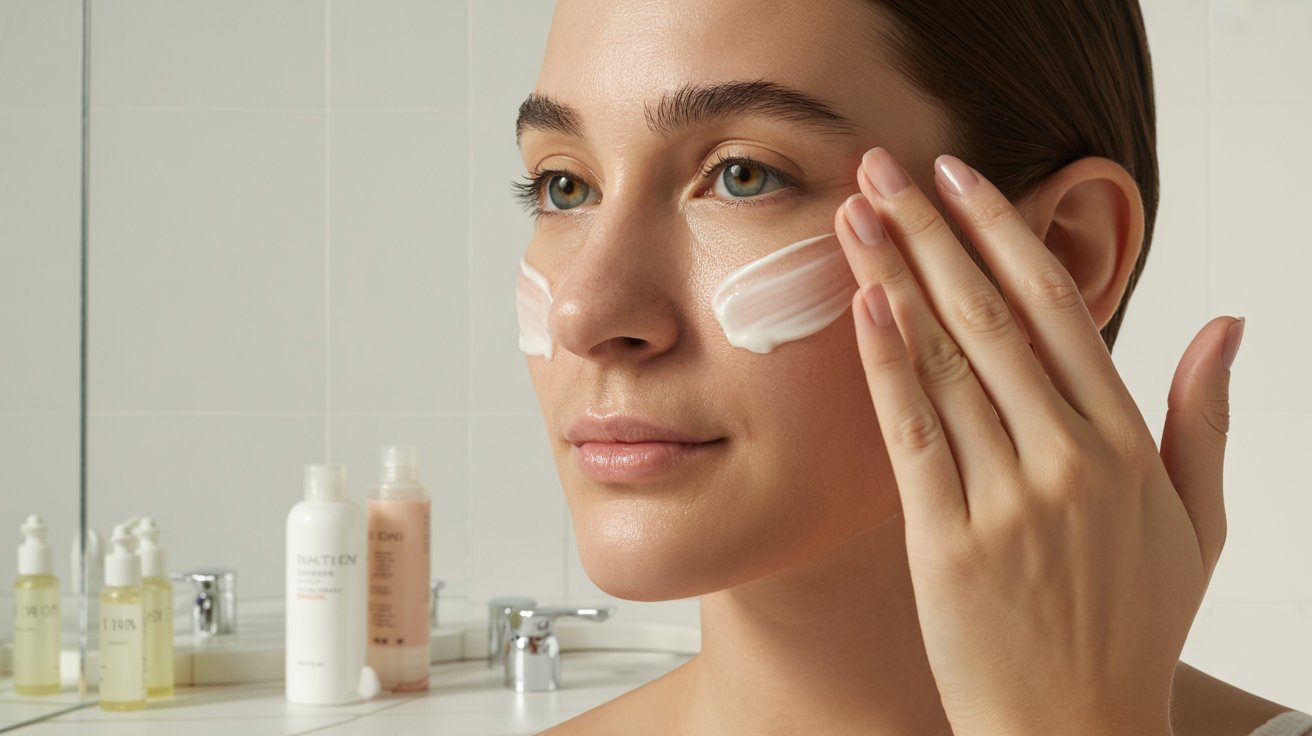
You’ve got your moisturizer in one hand and your face oil in the other. Which one goes first?
It’s one of the most common skincare questions out there, and getting it wrong can mean your products don’t work as well as they should.
In this article, I’ll break down the correct order for layering oil and moisturizer, for your face, body, hair, and even your beard.
I’ll also cover how different skin types change the game. By the end, you’ll know exactly what to apply and when.
Why the Order of Skincare Products Matters
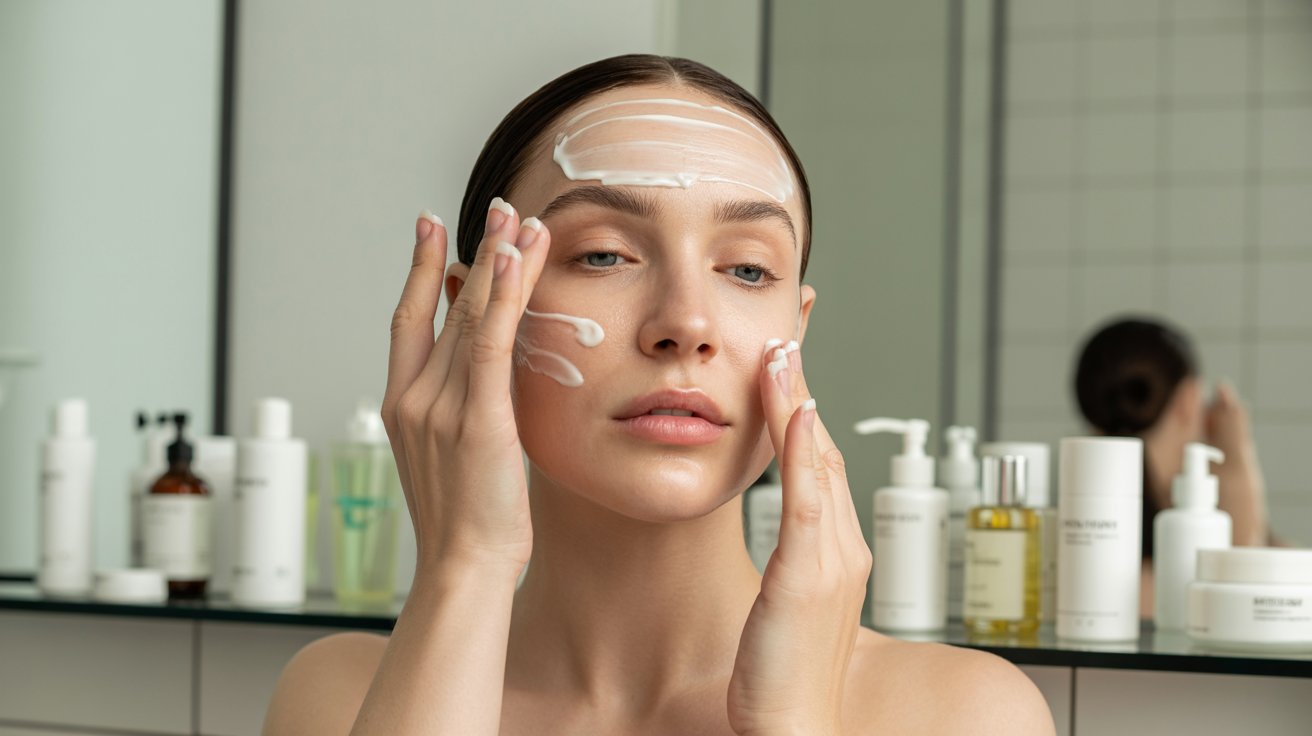
The order you apply your products directly affects how well they work.
Skincare layering follows one simple rule: go from lightest to heaviest. Lighter, water-based products absorb into the skin first.
Heavier, oil-based products sit on top and seal everything in. When you get this right, your skin stays hydrated longer and your products absorb better.
Get it wrong, and your moisturizer might just sit on top without ever really sinking in.
This applies to both your morning and night routines, though the order might shift slightly depending on the time of day.
Oil or Moisturizer First: The General Rule
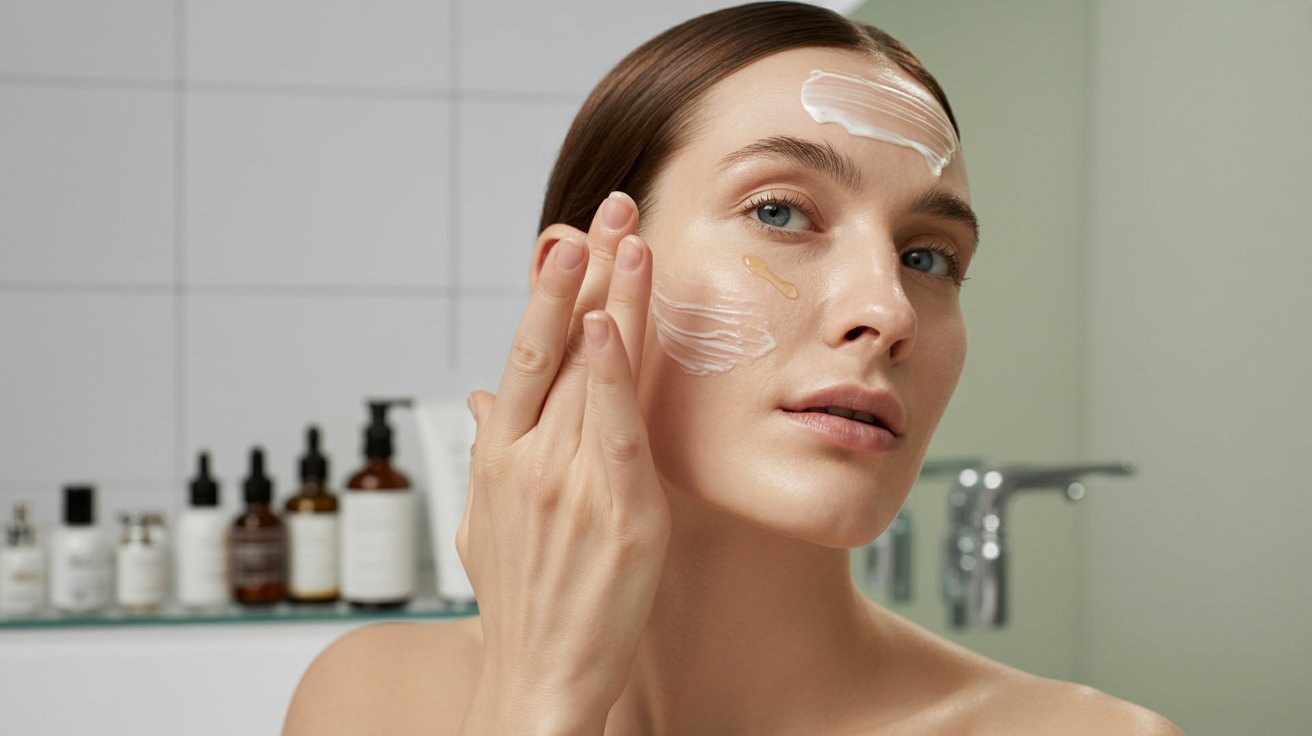
For most people, moisturizer goes on before oil.
Face Oil or Moisturizer First for Face
Moisturizer is water-based, so it needs to reach your skin directly. Face oil is heavier and occlusive, meaning it creates a light seal.
Apply oil last and it locks in the hydration from your moisturizer, giving you deeper hydration, smoother texture, and a healthy-looking glow.
Oil or Moisturizer First at Night
The same rule applies at night. Moisturizer first, then oil.
A good night oil supports your skin’s natural repair process and reinforces the skin barrier while you sleep. For dehydrated skin, layer a hydrating serum first, then moisturizer, then oil.
For dry skin, a richer moisturizer followed by a nourishing oil works best.
Different Skin Types and Product Order
Your skin type changes how you should layer your products.
Dehydrated Skin
Apply a water-based moisturizer first, then follow with a light face oil. This keeps hydration locked in and stops skin from feeling tight or flaky.
Dry Skin
Use a rich moisturizer first, then seal with a nourishing oil on top. This works especially well in colder months when skin needs extra support.
Combination and Oily Skin
Apply moisturizer all over first, then add oil only to dry patches. You can also skip oil on some nights to keep your skin balanced.
Sensitive or Aging Skin
Keep it simple. A light moisturizer followed by a calming oil like rosehip or squalane works well for both sensitive and mature skin types.
Body Oil or Moisturizer First
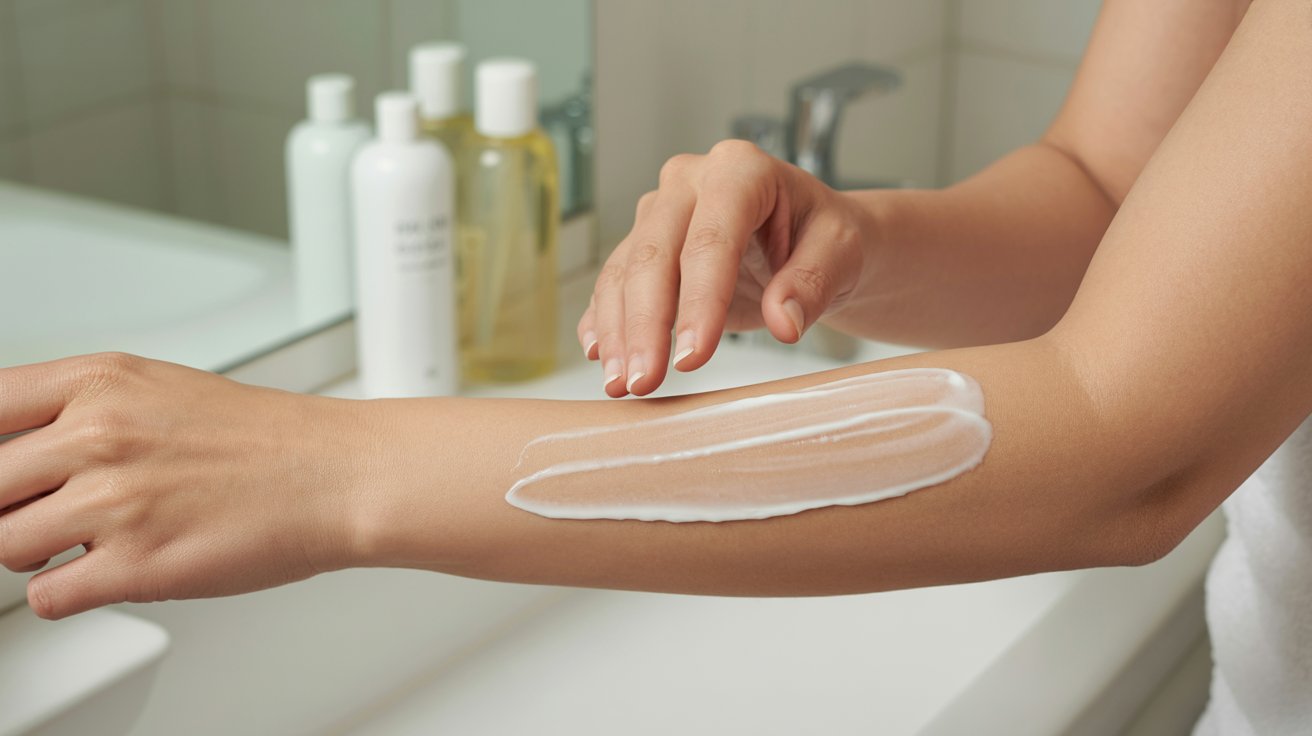
Layering on the body works a little differently than on your face.
Apply body oil right after a shower while skin is still slightly damp, then follow with a lotion or moisturizer on top. This helps trap shower moisture and keeps skin soft throughout the day.
For dry areas like elbows, knees, and heels, flip the order. Apply a thick moisturizer first, then seal with oil on top. These spots lose moisture faster, so the extra step helps.
In winter, using both products together is worth it. Cold air pulls moisture out quickly, and layering both gives your skin a stronger barrier against dryness and flaking.
Hair follows the same basic rule as skin, moisturizer first, oil to seal.
For pre-shampoo care, apply oil before washing to protect strands. For styling, use a leave-in conditioner first, then a light hair oil on top to seal in moisture and add shine without weighing hair down.
How Long Should You Wait Between Applying Moisturizer and Oil?
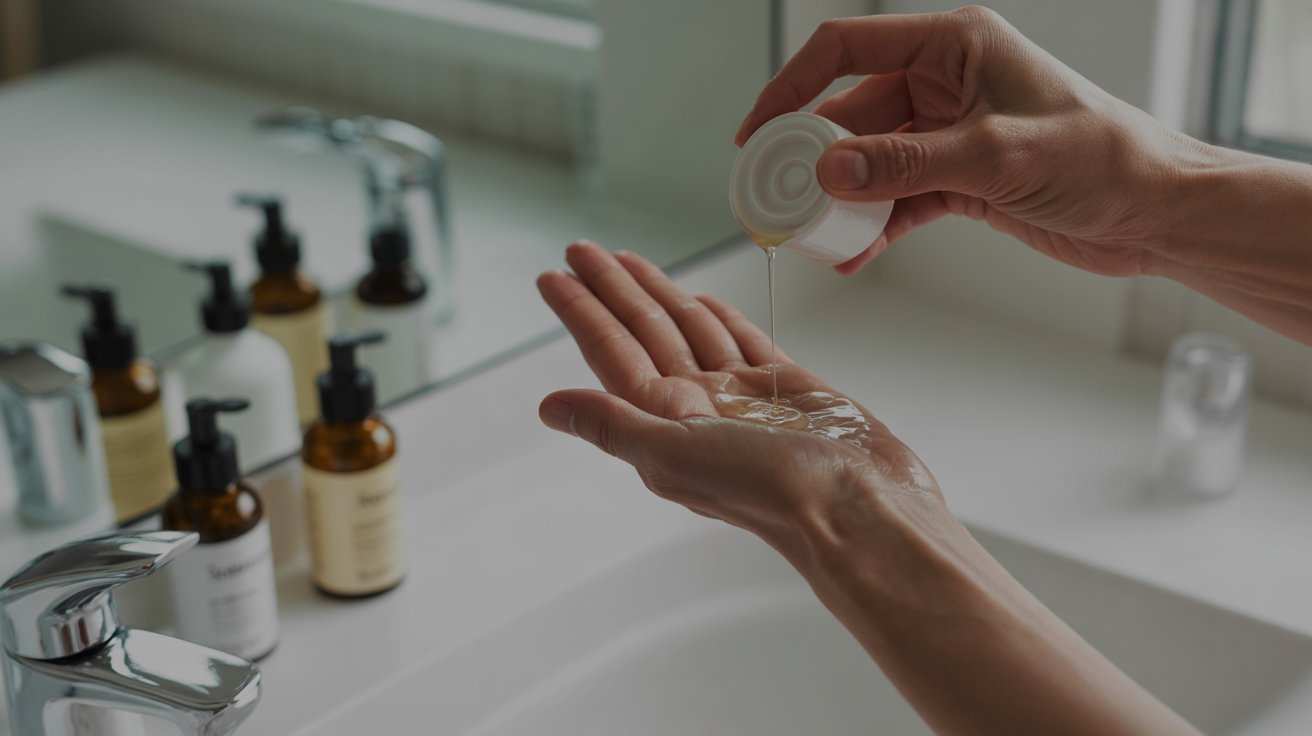
Timing matters more than most people think.
After applying your moisturizer, wait around 2 to 5 minutes before putting oil on top. This gives the moisturizer enough time to absorb into the skin properly.
If you layer oil on too quickly, it can sit on top and prevent the moisturizer from doing its job.
You don’t need to set a timer every time. Just move on to another step in your routine, brush your teeth, or check your phone.
By the time you come back, your skin is ready for the next layer.
Should You Change the Order Based on Season?

Your skin’s needs shift with the weather, and your layering routine should too.
In summer, go lighter. A simple moisturizer followed by a small amount of oil is enough. Too many heavy products in the heat can clog pores and leave skin feeling greasy.
In winter, your skin needs more. Layer a richer moisturizer with a nourishing oil to keep the skin barrier strong against cold, dry air.
Spring and fall sit in between. Just pay attention to how your skin feels and adjust the amount or richness of your products as needed. Your skin will tell you what it needs.
Common Mistakes to Avoid
Small layering mistakes can undo a solid routine.
- Put oil on before moisturizing when your skin is dehydrated. The oil blocks the moisturizer from reaching the skin.
- Layering too many products without waiting for each one to absorb. Give each product a minute or two before adding the next.
- Using heavy oils on oily or acne-prone skin. Stick to non-comedogenic options like squalane or jojoba.
- Skipping nighttime oil when your skin is dry. Night is the best time to nourish the skin barrier.
Tips for Optimal Hydration and Layering
A few simple habits can make your routine much more effective.
- Wait 2 to 5 minutes after applying moisturizer before putting oil on.
- Use a pea-sized amount of moisturizer and 2 to 4 drops of oil for the face.
- Go lighter in summer and add richer products in winter.
- Patch test any new oil or moisturizer before using it all over your face.
- Always apply products on slightly damp skin for better absorption and longer-lasting hydration.
Conclusion
Figuring out the right order used to stress me out too. I’d grab whatever was closest and just hope for the best.
Once I started following the moisturizer-first, oil-second rule consistently, my skin felt noticeably softer within weeks.
Know your skin type and adjust from there. Start simple, stay consistent, and your skin will thank you.
Try it out and let me know in the comments how it works for you. Share this post if it helps.
Frequently Asked Questions
Do you put on oil or moisturizer first?
Moisturizer goes on first for most skin types. Oil goes on second to seal in hydration and prevent moisture loss throughout the day.
Should I use face oil or moisturizer first for dry skin?
Apply moisturizer first, then follow with a face oil on top. The moisturizer hydrates and the oil locks it in. This works especially well at night.
Can I use oil before moisturizing at night?
It’s better to apply moisturizer first even at night. Oil creates a barrier, so anything applied after it won’t absorb well. Always put oil on last.
Oil or moisturizer first on face vs body, what’s the difference?
On the face, moisturizer comes first, then oil. On the body, apply oil on damp skin after a shower, then layer lotion on top.
Skin care oil or moisturizer first for combination or sensitive skin?
For combination skin, use moisturizer all over and oil only on dry patches. For sensitive skin, go with a gentle moisturizer followed by a calming oil like squalane or rosehip.