Does Dry Skin Cause Acne? Everything You Need to Know


Yes, dry skin can cause acne. It sounds counterintuitive, but it happens more than you’d think.
When your skin loses moisture, it overcompensates by producing extra oil. That oil clogs pores. Clogged pores lead to breakouts.
In this article, I’ll walk you through exactly why dry skin triggers acne, how to build a skincare routine that works for both, and the mistakes most people make without realizing it.
By the end, you’ll have a clear plan that actually helps.
What Is Dry Skin and How It Affects Your Skin
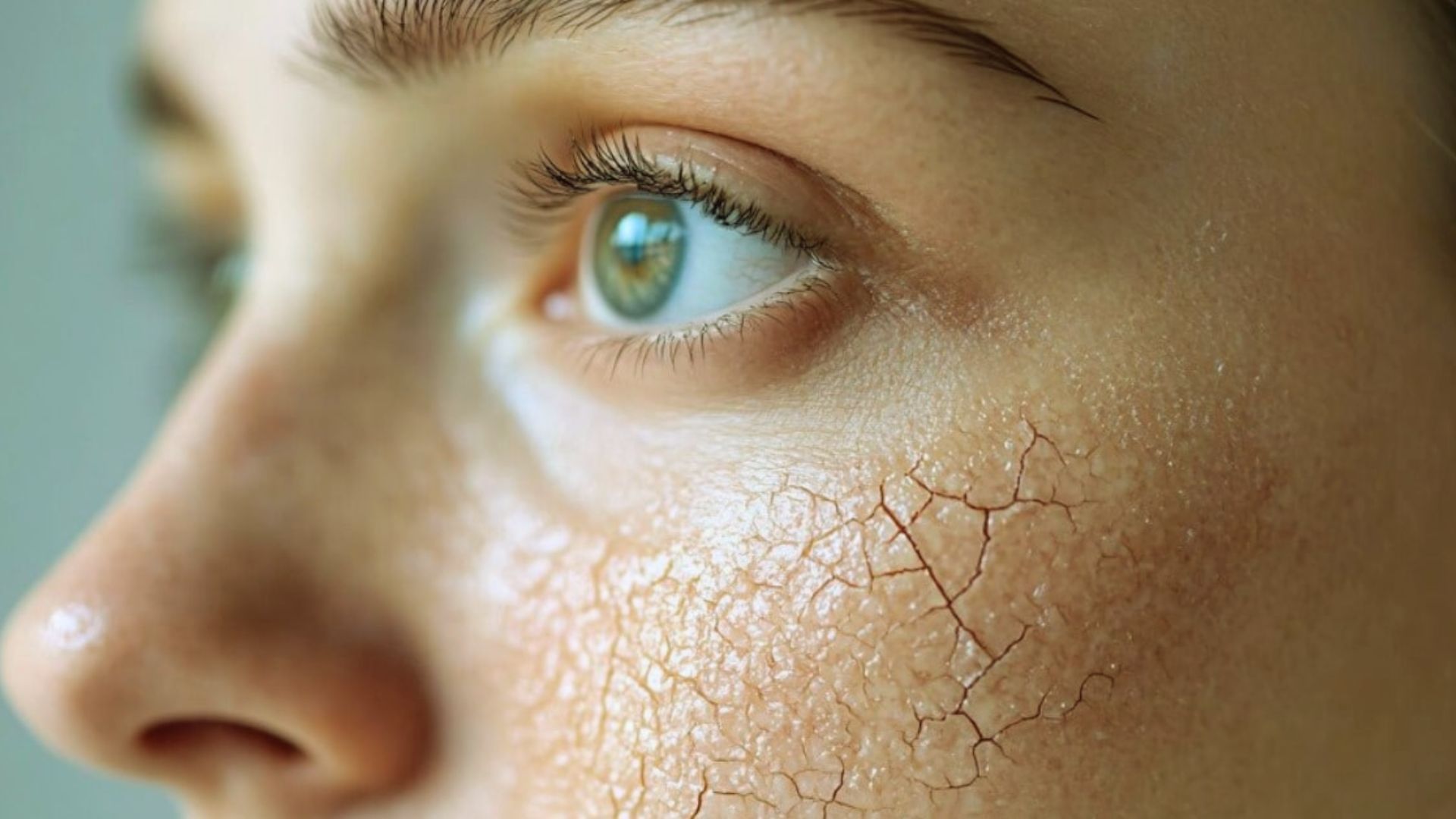
Dry skin isn’t just about feeling tight or flaky. It can quietly mess with your skin’s health over time.
Dry skin happens when your skin barrier doesn’t hold onto moisture well. It feels tight, looks flaky, and sometimes gets red or itchy.
Several things can trigger it. Cold weather or low humidity is a big one. Indoor heating during winter months strips moisture fast.
Genetics and aging also play a role. And over-washing or using harsh products makes it worse.
When your skin is dry, the protective barrier weakens. This makes it easier for bacteria and irritants to get in. That’s where the trouble starts.
How Dry Skin Can Lead to Acne
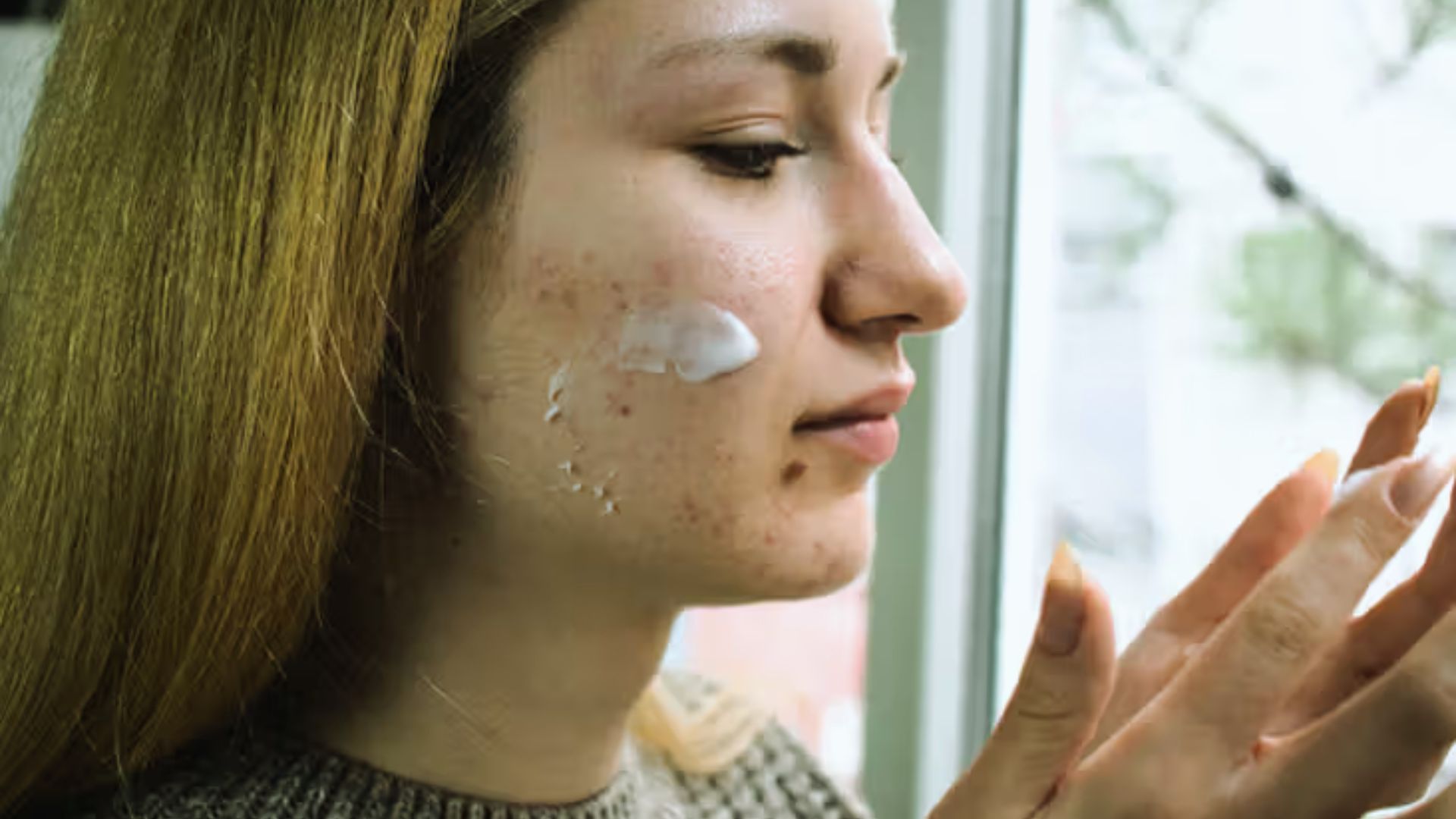
Dry skin doesn’t just look dull. It can set off a chain reaction that leads straight to breakouts.
Weakens the Skin Barrier
When your skin gets too dry, its protective barrier breaks down. This lets bacteria and irritants in, which often triggers breakouts.
Triggers Excess Oil Production
Dry skin pushes your sebaceous glands to produce more oil to compensate. That extra oil throws off your skin’s balance and increases the chances of acne.
Causes Buildup of Dead Skin Cells
Dry skin doesn’t shed old cells properly. They pile up on the surface and mix with excess oil, setting up the perfect condition for blocked pores.
Leads to Clogged Pores
Dead skin cells and oil together block your pores. That leads to blackheads, whiteheads, and pimples.
Increases Inflammation
Dry, irritated skin reacts more intensely to bacteria and blocked pores. That inflammation makes breakouts more severe and harder to treat.
Slows Down Skin Healing
A weakened skin barrier delays healing. Breakouts stick around longer, and that prolonged inflammation raises the risk of dark spots or scars.
How to Tell If Your Acne Is From Dry Skin
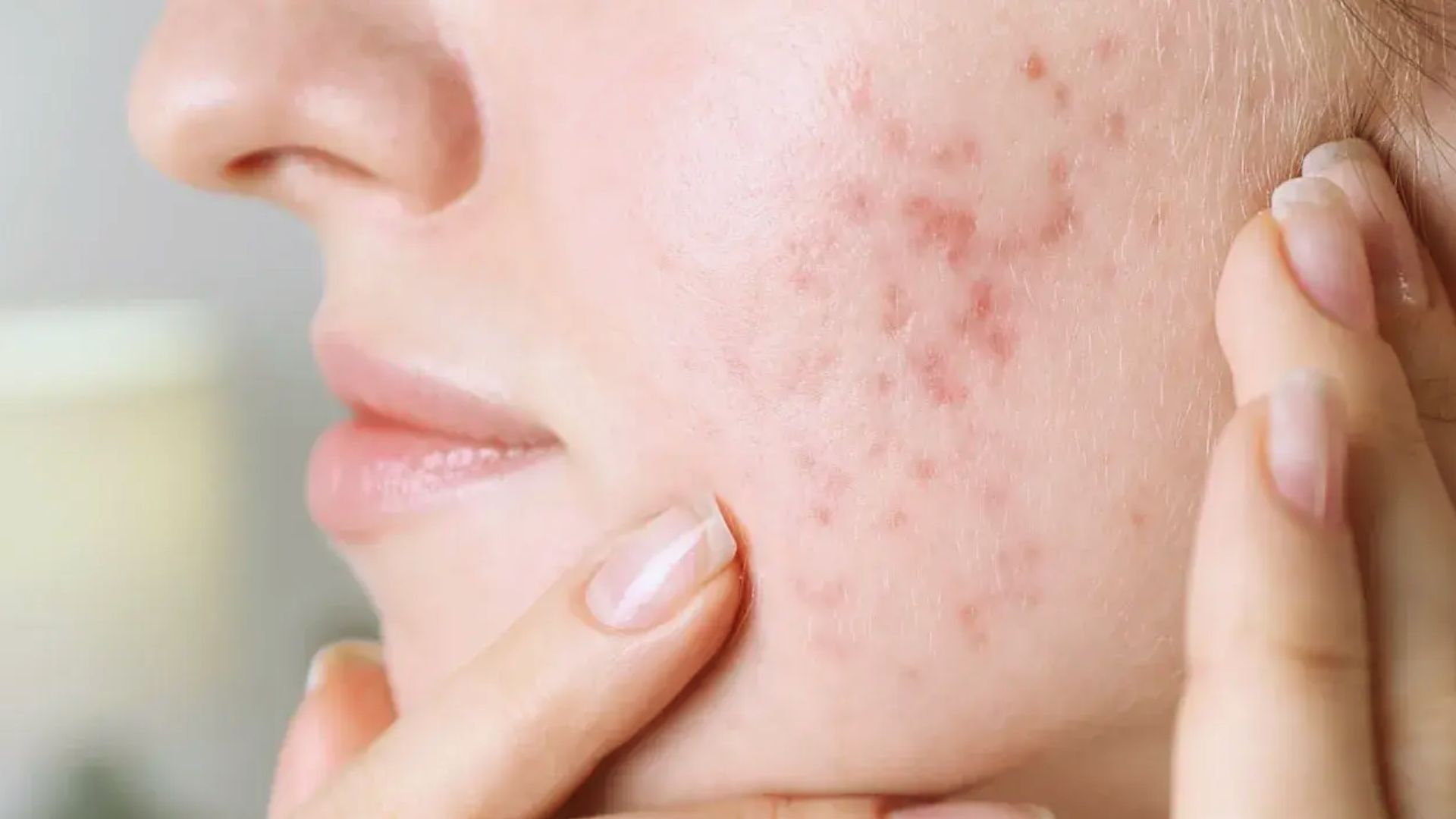
Not all acne is the same. Knowing the root cause makes it much easier to treat.
Your Skin Feels Tight or Flaky Around Breakouts
Breaking out but your skin still feels dry or flaky? That’s a clear sign. Acne doesn’t always mean oily skin.
Your Breakouts Get Worse in Cold or Dry Weather
Dry air pulls moisture from your skin. If breakouts spike in winter or low-humidity conditions, dryness is likely the trigger.
Your Skin Feels Worse After Cleansing
If your face feels tight or stripped after washing, your cleanser is probably too harsh. That dryness can lead to breakouts shortly after.
You Break Out After Skipping Moisturizer
More pimples on days you skip moisturizer? Your skin is likely overproducing oil to make up for the lost hydration.
Your Acne Appears in Dry Areas of Your Face
Oily-skin acne usually shows up in the T-zone. If your breakouts are on the cheeks or around the mouth, dryness is more likely the cause.
Can Dry Skin Cause Acne Scars?
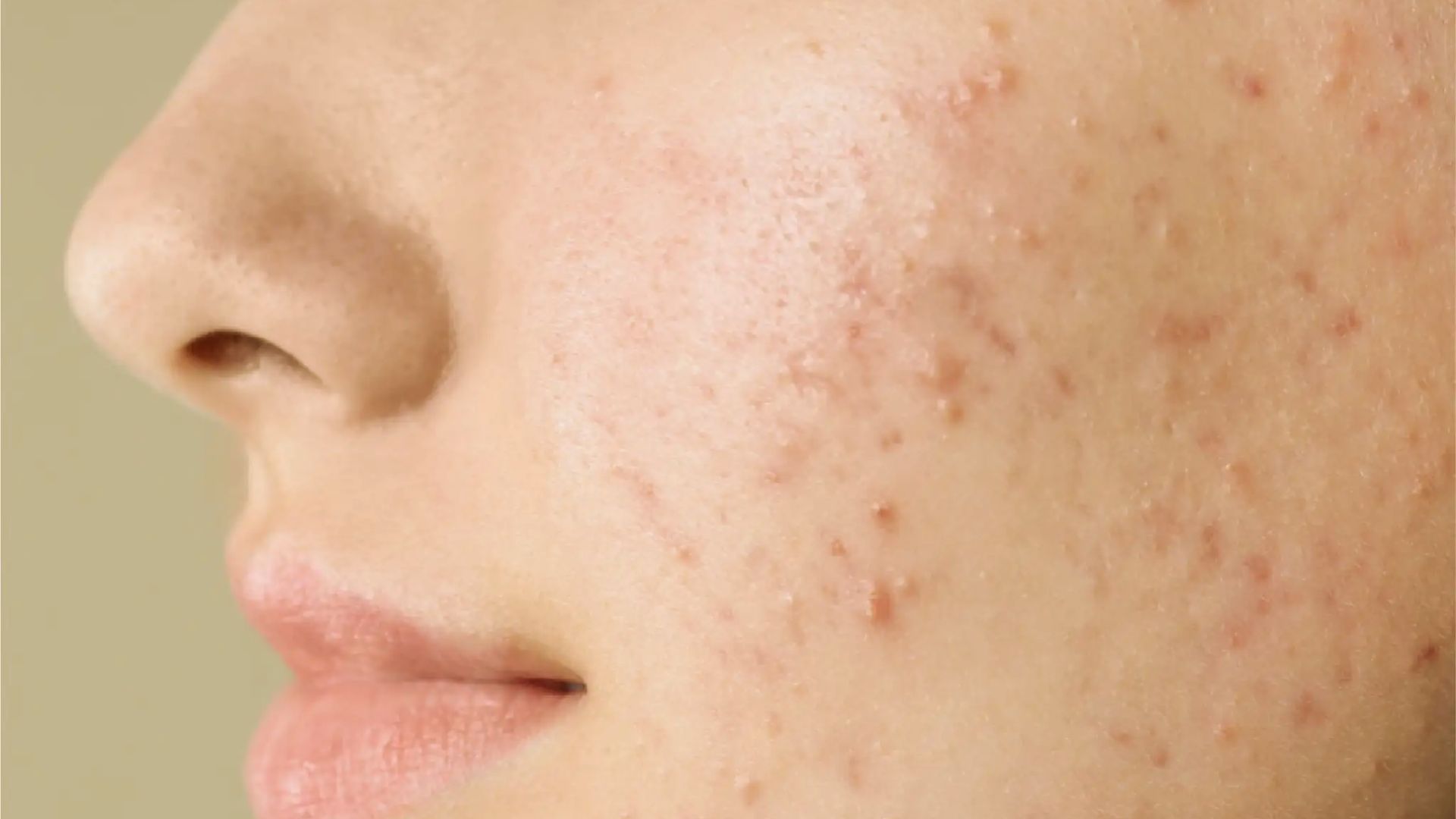
Scarring isn’t just from picking. Dry skin plays a bigger role than most people realize.
Does dry skin cause acne scars? It can. When your skin barrier is weak, breakouts take longer to heal. Slower healing means prolonged inflammation.
And prolonged inflammation is one of the main reasons acne leaves behind dark spots or deeper scars.
To reduce your risk of acne scars, moisturize consistently to support healing. Avoid picking or squeezing breakouts.
Use gentle, non-irritating products. Apply SPF daily to prevent dark spots from getting darker.
Effective Skincare Routine for Dry and Acne-Prone Skin
The right routine makes a huge difference when your skin is both dry and breakout-prone.
Gentle Cleansing
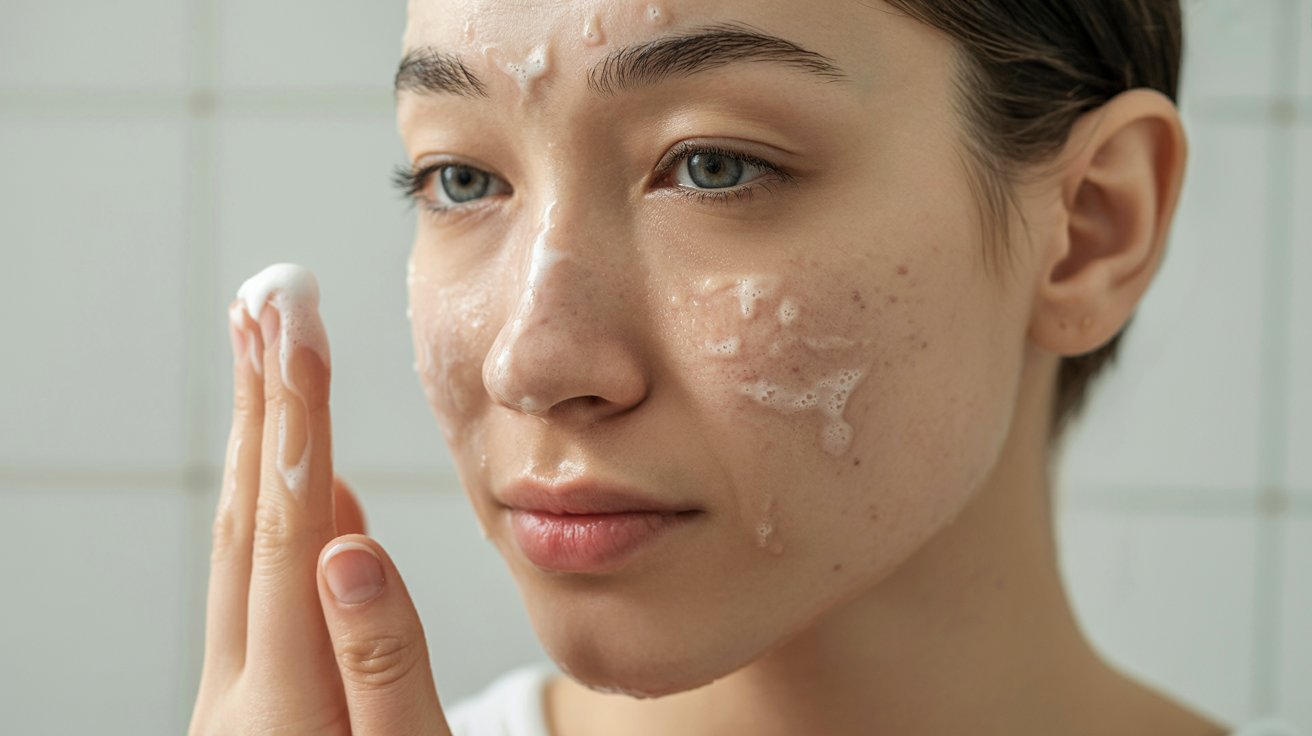
Start with a cleanser that cleans without stripping.
Use a hydrating, gentle cleanser that removes dirt and oil without breaking down your skin barrier. Cream or gel cleansers work best. Wash your face twice a day, no more.
Treatments for Acne
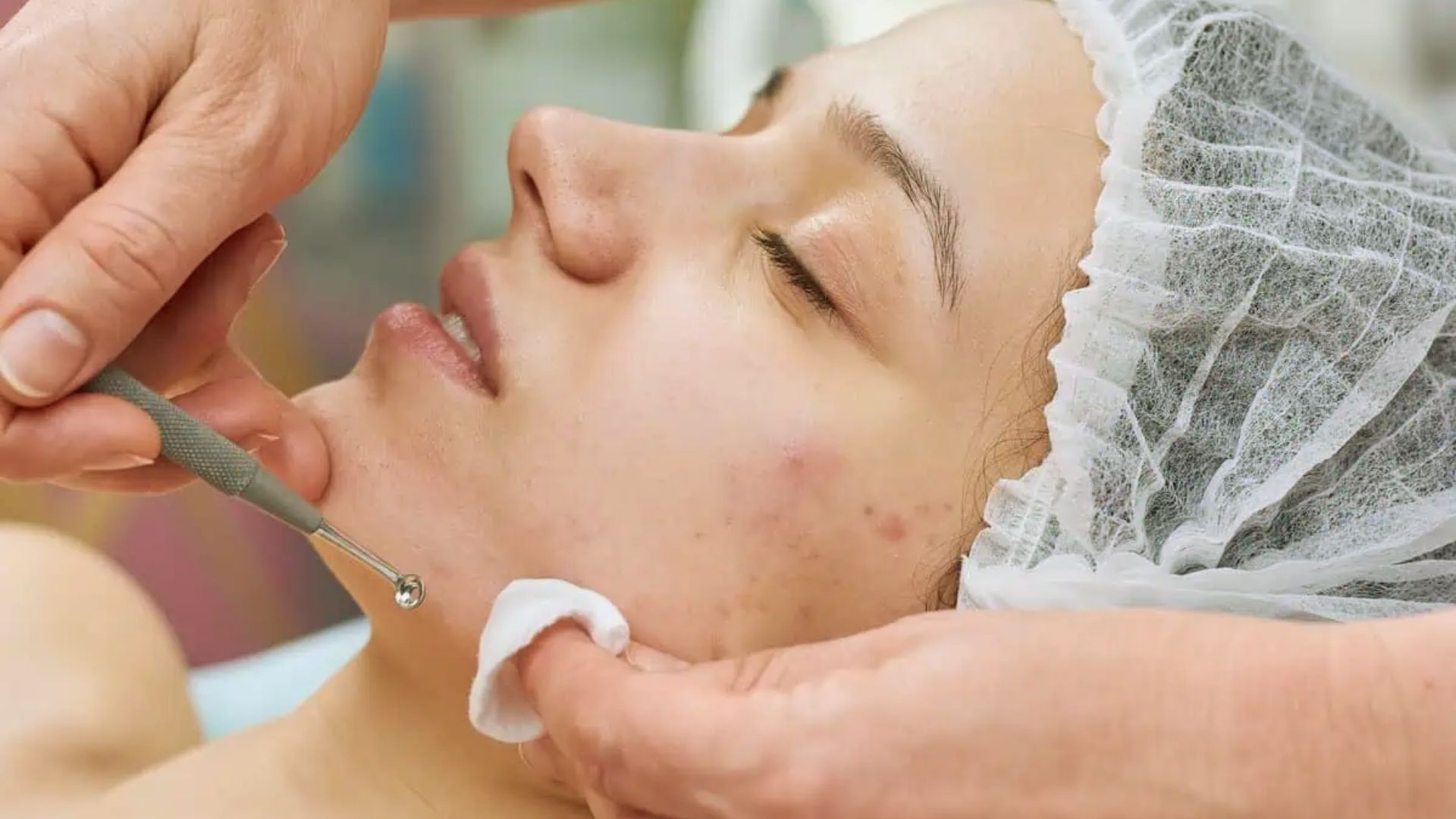
Strong acne treatments on dry skin can backfire fast.
Start with low-strength formulas like retinoids, benzoyl peroxide, or salicylic acid. Apply every other day until your skin adjusts.
Always follow with a moisturizer. Cream-based formulas are gentler than gels on dry skin.
Moisturizing for Hydration and Barrier Support
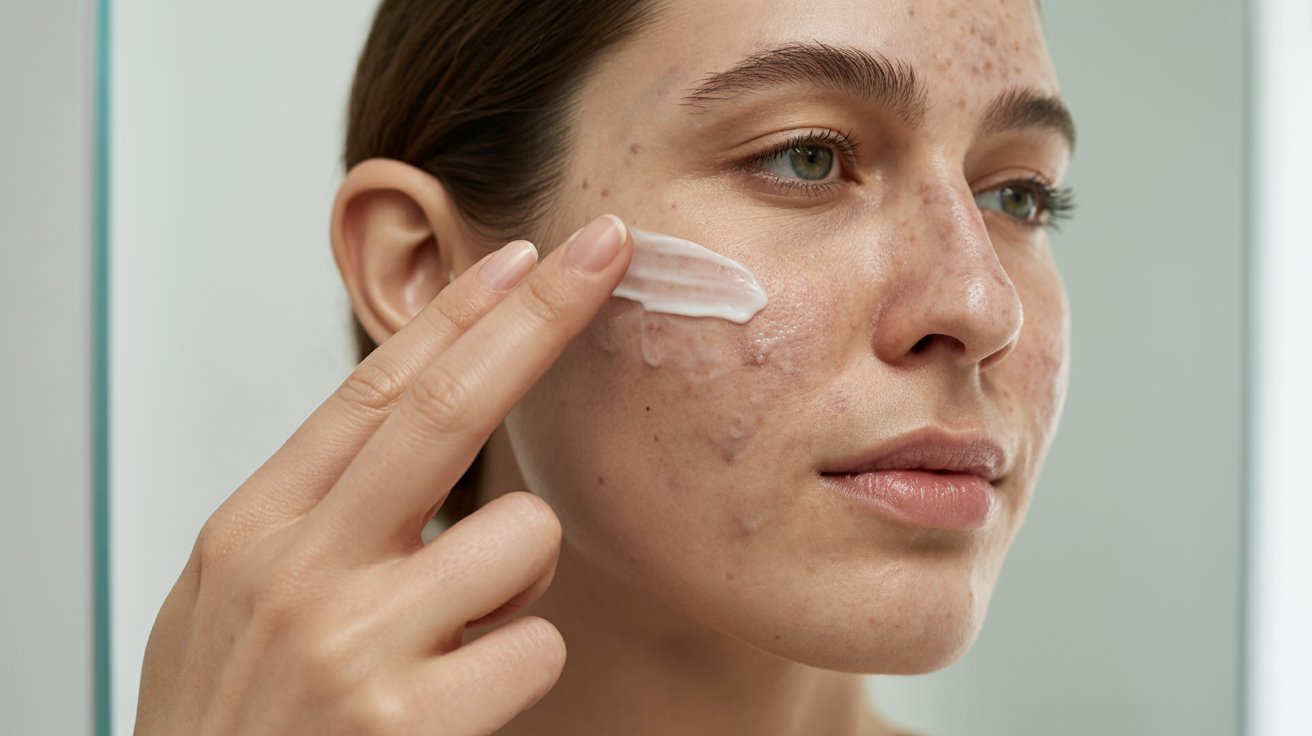
A good moisturizer is non-negotiable when your skin is dry and acne-prone.
Look for non-comedogenic moisturizers with hyaluronic acid, glycerin, ceramides, or squalane. These hydrate without clogging pores. Apply while your skin is still slightly damp for best results.
Sun Protection

Skipping SPF worsens both dryness and acne marks.
Go for a broad-spectrum mineral sunscreen with hydrating properties. Formulas with zinc oxide or titanium dioxide are less irritating for sensitive, acne-prone skin. Daily SPF keeps dark spots from getting darker too.
Common Mistakes People Make With Dry Acne-Prone Skin
A few everyday habits can quietly make dry, acne-prone skin much worse.
- Over-cleansing. Washing too often strips natural oils and makes dryness worse.
- Using harsh scrubs. Physical exfoliants irritate an already-sensitive skin barrier.
- Alcohol-based toners. These dry out the skin and trigger more oil production.
- Skipping moisturizer. Thinking it’ll make acne worse actually does the opposite.
- Overusing acne gels. Applying too much, too often causes peeling and inflammation.
Lifestyle Tips to Prevent Acne on Dry Skin
What you do outside your skincare routine matters just as much as the products you use.
- Drink enough water. Staying hydrated supports skin function from the inside.
- Avoid long hot showers. Hot water strips your skin’s natural oils fast.
- Eat a balanced diet. Vitamins A, C, E, and antioxidants support skin repair.
- Manage stress. High stress spikes cortisol, which increases oil production.
- Get enough sleep. Your skin repairs itself overnight, so rest matters.
Conclusion
So, does dry skin cause acne? It absolutely can. When your skin loses moisture, it overproduces oil, weakens its barrier, and becomes more prone to breakouts and scarring.
I’ve dealt with this myself. Thinking I had oily skin when it was really just dehydrated skin overcompensating. Switching to a gentler routine and actually moisturizing changed everything for me.
Focus on hydration, gentle products, and consistency. And if your skin is still giving you trouble, a dermatologist can help you find what works for you.
Drop a comment if you have questions!
Frequently Asked Questions
Can too much moisturizer cause acne?
It can, if the product clogs your pores. Stick to non-comedogenic formulas that are specifically made for acne-prone skin.
Does drinking more water improve dry skin?
It helps, but it’s not a complete fix. Drinking water supports overall skin health, but you still need topical moisturizers to hydrate the skin directly.
Can acne medications worsen dryness?
Yes. Ingredients like benzoyl peroxide and retinoids are known to dry out the skin. Start with low strengths and always follow with a good moisturizer.
Is it okay to use a face oil if I have dry, acne-prone skin?
Some face oils work well for acne-prone skin. Look for non-comedogenic options like rosehip oil or squalane, and avoid heavy oils that can block pores.
How do I know if my acne is from dryness or excess oil?
Dry-skin acne often appears alongside flaking, tightness, or redness. If your skin feels dry but still breaks out, dehydration is likely a contributing factor.