Why Are Blackheads Black? Is Dirt Really the Culprit?

You’ve probably stared at your nose in the mirror, wondering why those tiny dark spots won’t go away. I’ve been there too. It’s frustrating.
This article breaks down exactly why blackheads turn black, what they’re made of, and what actually stops them.
You’ll get real answers backed by science, not myths or guesswork.
By the end, you’ll understand your skin better and feel more confident about treating it.
No fluff, no filler, just clear and simple facts you can actually use starting today.
What Are Blackheads?
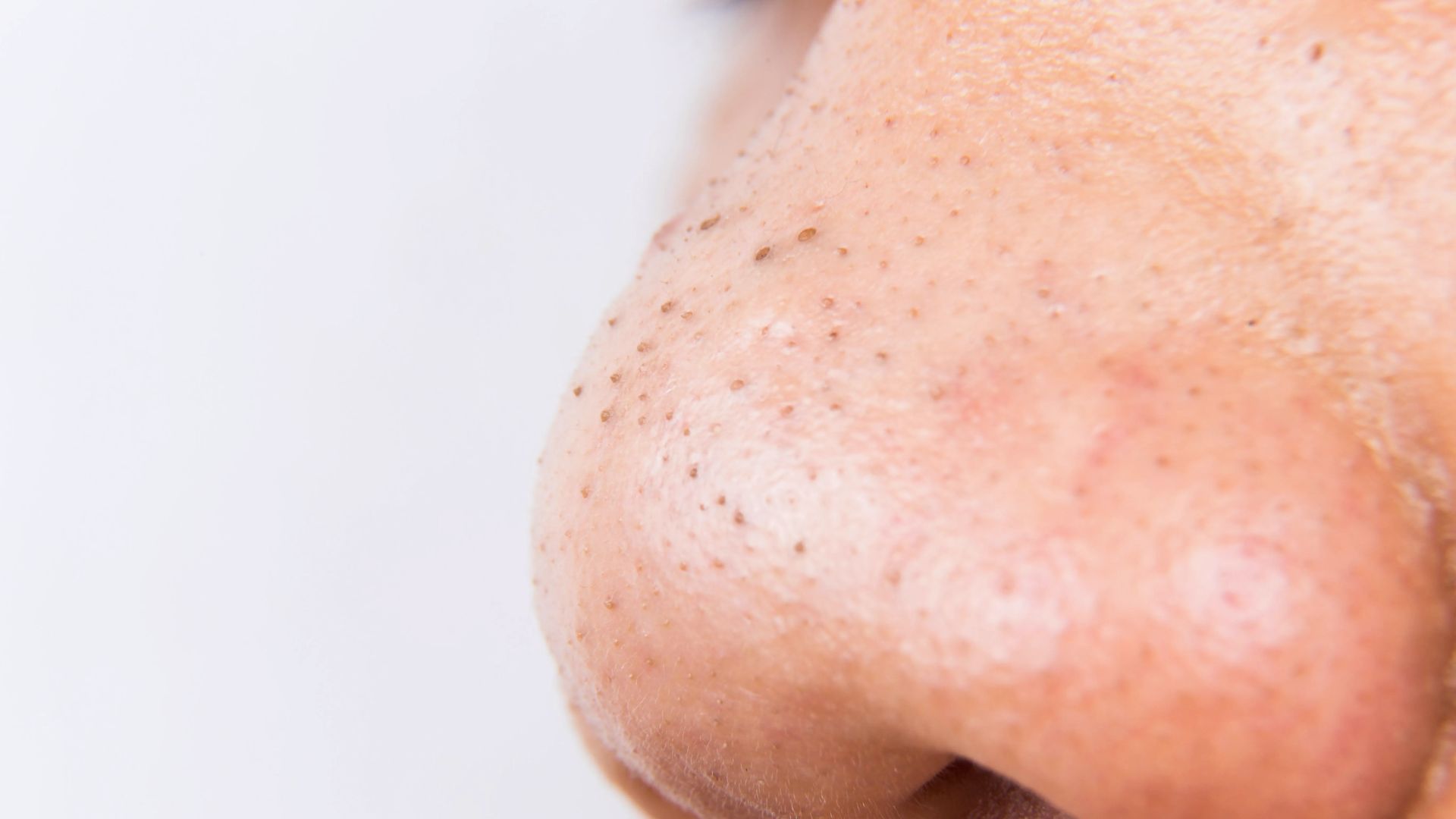
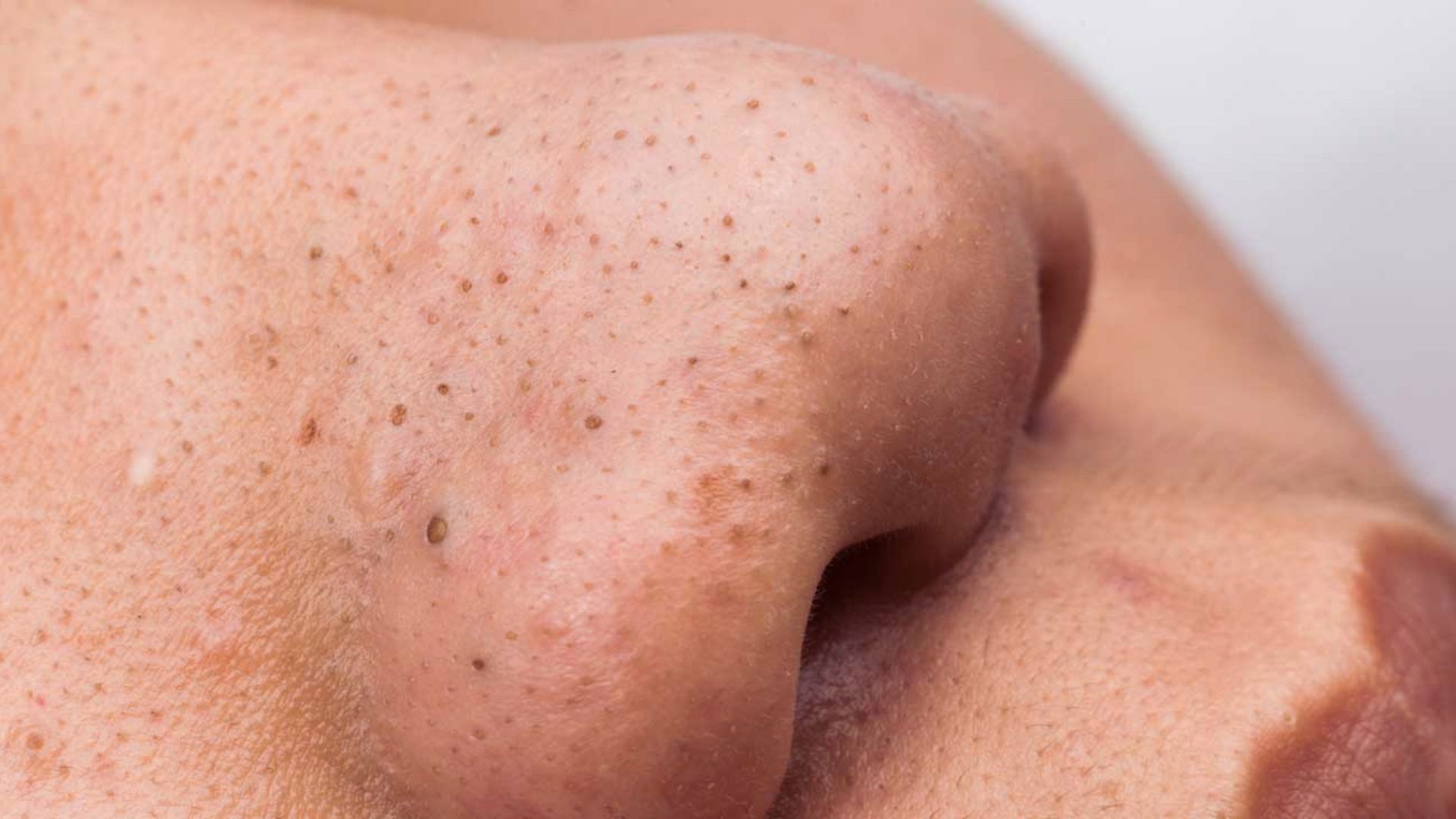
Blackheads are small, dark bumps that show up on your skin. They are a mild form of acne and one of the most common skin concerns people deal with.
You’ll usually find them on your nose, chin, and forehead. Unlike pimples, they don’t cause pain or swelling.
But they are stubborn and hard to clear. They form inside open pores and can affect all skin types.
No matter your skin tone or routine, blackheads can appear on anyone at any time.
What Are Blackheads Made Of?
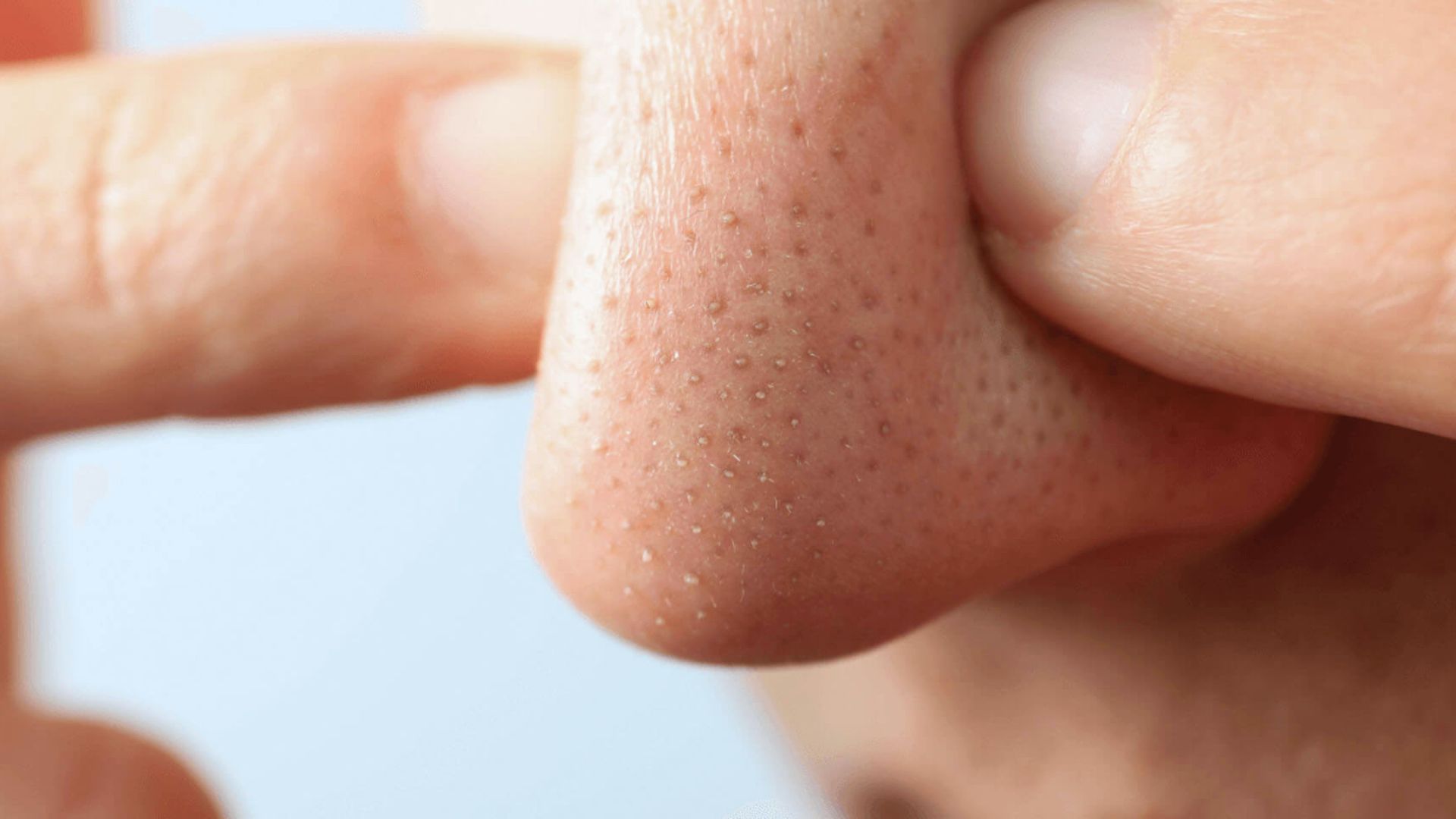
Understanding what’s inside a blackhead helps you fight it better.
Components of Blackheads
Excess oil (sebum): Your skin naturally produces oil to stay moisturized. When too much oil builds up inside a pore, it creates the base of a blackhead.
Dead skin cells: Your skin sheds cells every day. When those cells don’t clear away properly, they mix with oil and clog the pore.
Bacteria buildup: Bacteria can live inside clogged pores. They feed on the oil and dead skin, making the blockage worse over time.
How Blackheads Form
A blackhead starts when a pore gets clogged. Oil and dead skin cells block the hair follicle inside the pore.
Unlike a whitehead, the pore stays open at the top. That open surface is the key to why blackheads look the way they do.
Once the pore is open and filled with oil and dead cells, the contents are exposed to air. That’s when the real change begins.
The mixture inside doesn’t stay white or yellow. It changes color through a chemical process that happens right on the surface of your skin.
Why Are Blackheads Black?
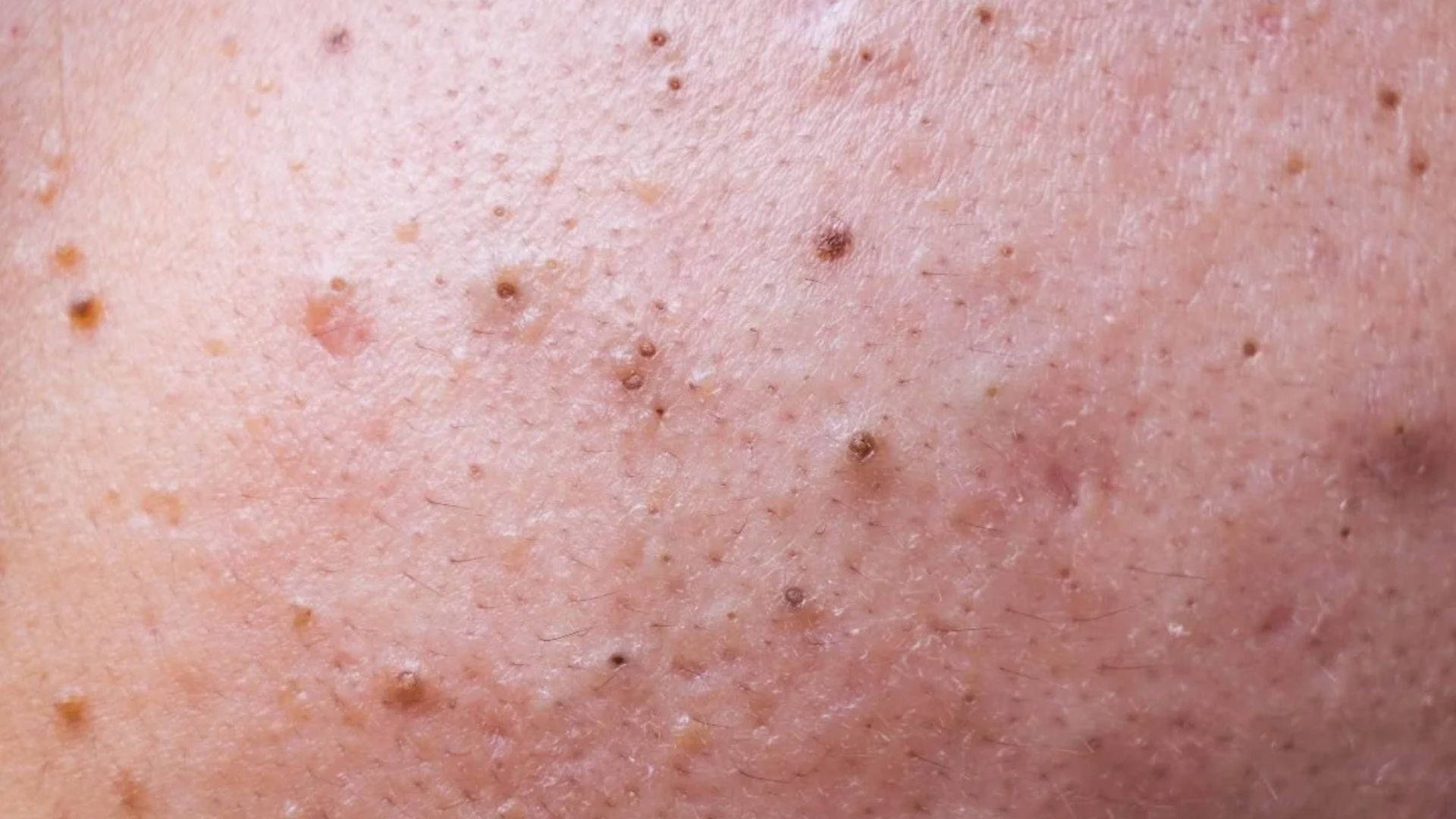
Blackheads are black because the clogged material inside an open pore reacts with oxygen in the air, a process called oxidation.
The Scientific Explanation
The pore stays open at the top. This means whatever is inside gets exposed directly to the air around you. That exposure triggers a reaction.
The oil and dead skin cells begin to change color. This isn’t dirt or grime. It’s a chemical process happening inside your own skin.
Pores remain open: When a pore is open, there’s no barrier between the clog and the outside air. Air gets in easily and reaches the buildup inside.
Contents exposed to air: The mix of oil and dead cells sits right at the surface. It doesn’t stay sealed like a whitehead does. It’s fully exposed every second of the day.
Oxidation process causes dark color: Once oxygen hits the oil and dead skin cells, a reaction starts. The material changes from a yellowish-white color to a dark brown or black. This is oxidation at work.
What Is Oxidation?
Oxidation is a reaction between oxygen and another substance.
In this case, that substance is the oil and dead skin inside your pore. When oxygen touches these materials, it causes a chemical change that turns them dark.
Reaction between oxygen and skin materials: The sebum and dead cells contain compounds that react when they meet oxygen. These compounds break down and darken over time.
Oil and dead skin cells turn dark: The oils in your skin contain melanin-related compounds. When oxidized, they shift in color. The more exposure, the darker they get.
Similar to food darkening when exposed to air: Think about a cut apple. It starts white and turns brown when left out. That’s oxidation too. Your pore works the same way.
Are Blackheads Caused by Dirt?
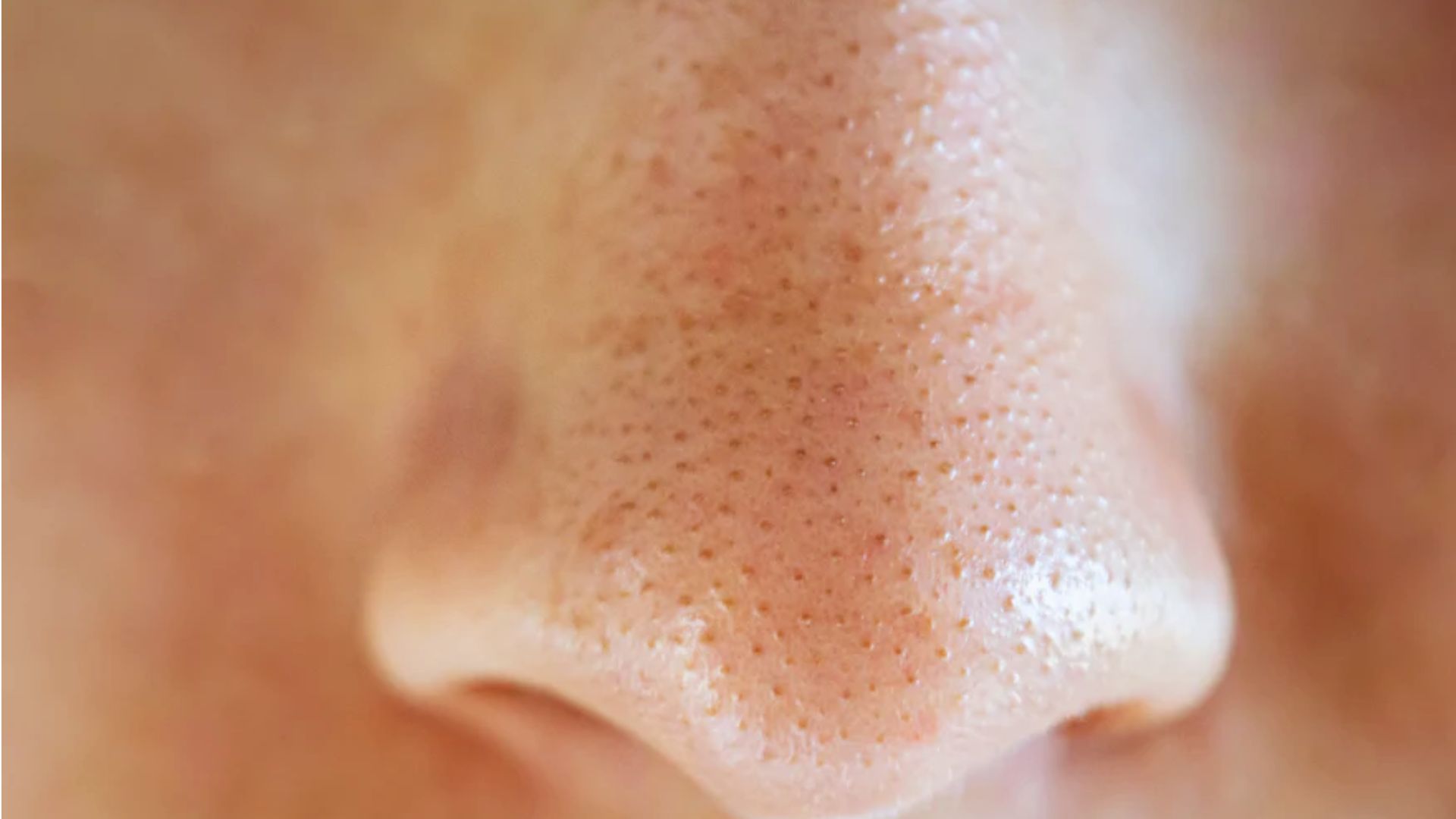
A lot of people believe blackheads are caused by poor hygiene or dirty skin. This is one of the most common myths in skincare.
The dark color fools people into thinking something dirty is trapped inside the pore. But that’s not what’s happening at all. Blackheads are not caused by dirt.
They form because of excess oil, dead skin cells, and an open pore. The dark color comes from oxidation, not grime.
In fact, scrubbing your face too hard because you think it’s dirty can irritate the skin and make breakouts worse.
The real cause is a chemical reaction inside the pore, not how often you wash your face.
Step-by-Step: How Blackheads Turn Black
Here’s exactly what happens inside your pore, from start to finish.
Step 1: Excess Oil Production
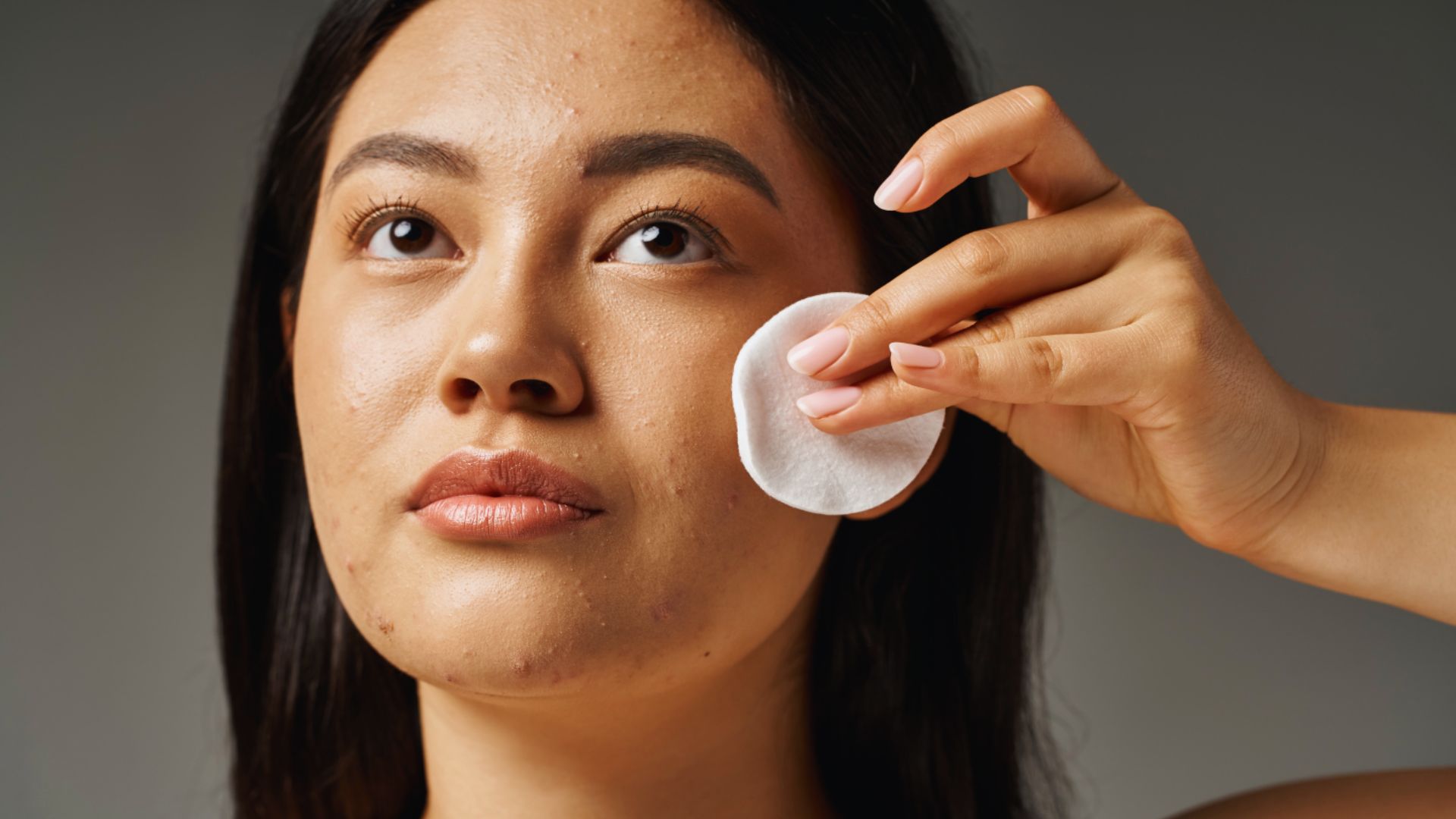
Your skin produces sebum to stay hydrated. But sometimes, it makes too much. This extra oil pools inside the pore and creates a thick, sticky buildup.
Hormones, stress, and diet can all trigger this. Once oil starts building up, the process toward a blackhead begins.
Step 2: Dead Skin Cells Block the Pore
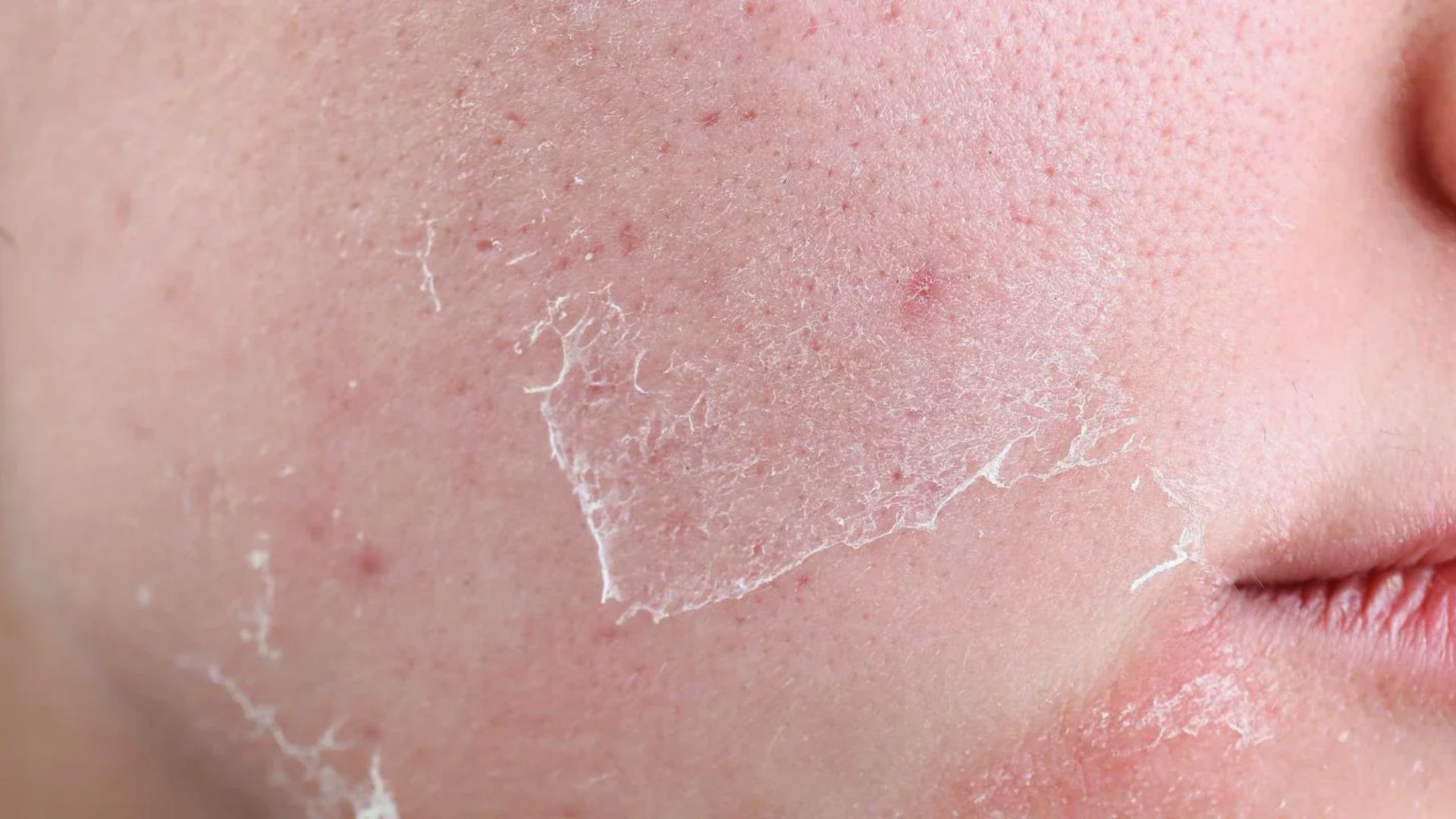
Your skin sheds old cells constantly. When those cells don’t fall away cleanly, they mix with the oil inside the pore.
This combination creates a soft plug. It fills the pore from the inside and starts pushing toward the surface.
Step 3: Pore Remains Open
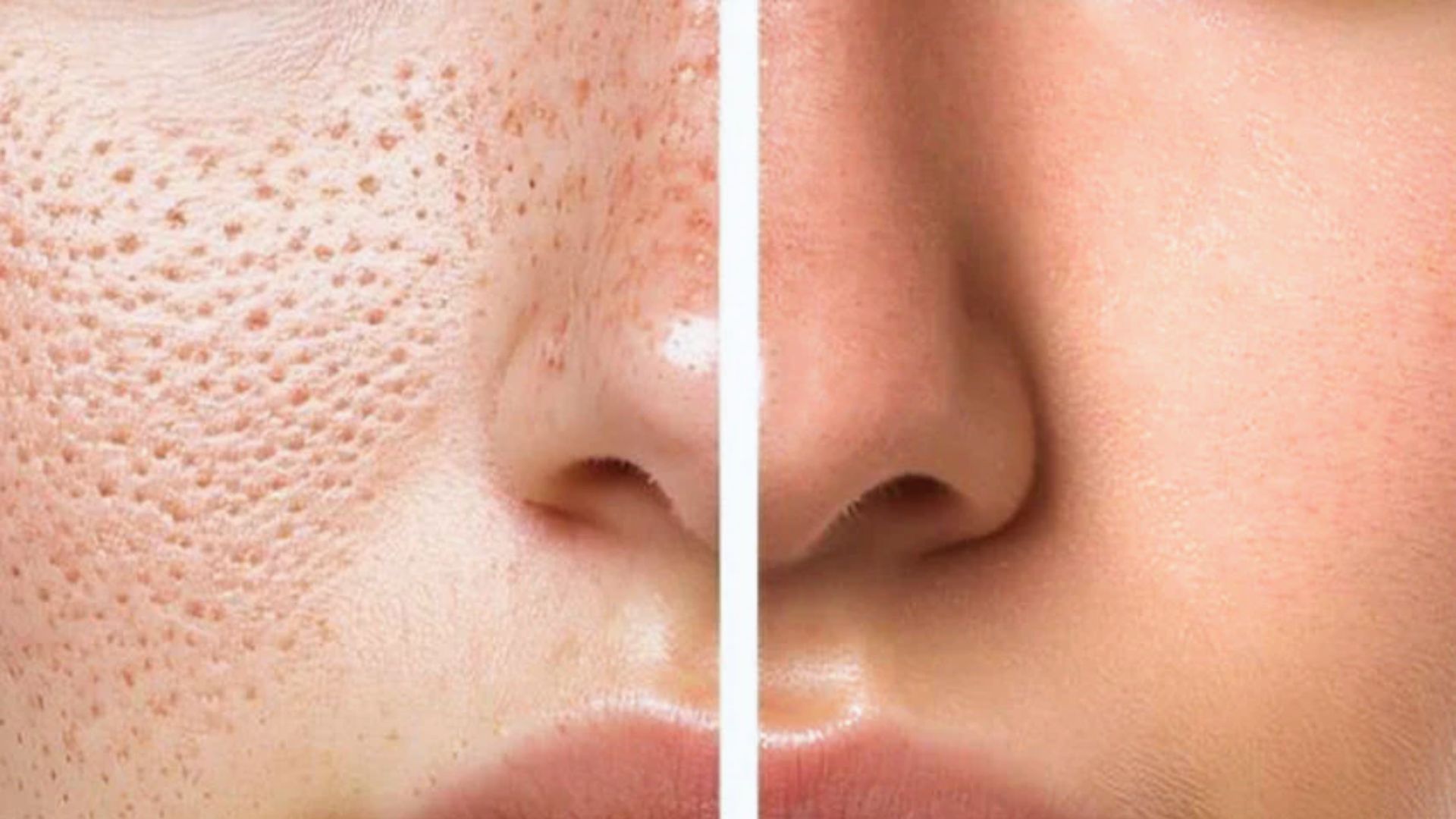
Unlike a whitehead, a blackhead’s pore stays open at the top. There’s no skin layer covering it. This open opening is what makes all the difference.
It means air can get directly to the clog inside. That access is what causes the color change.
Step 4: Oxidation Occurs
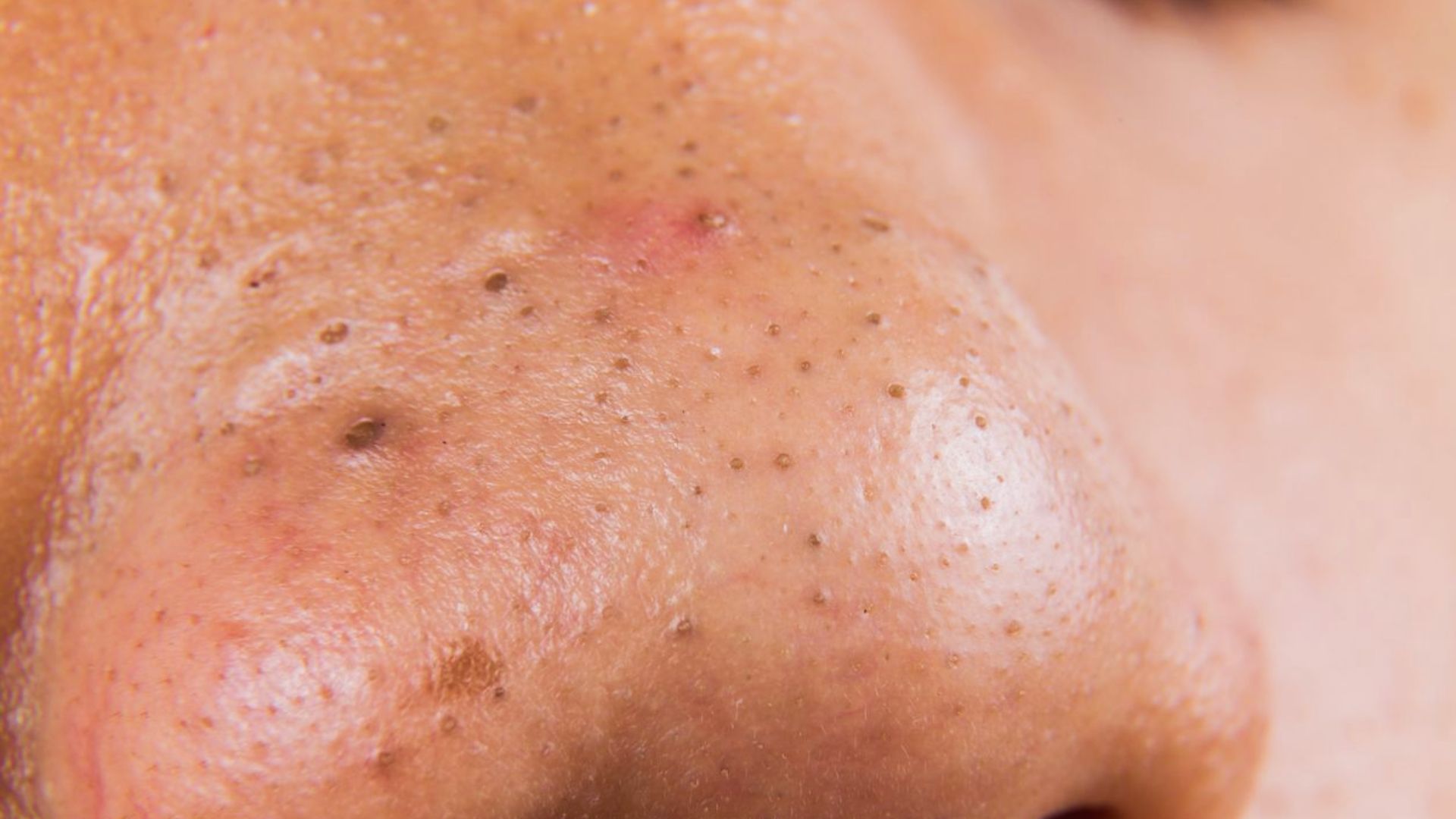
Once oxygen reaches the clog, the reaction begins. The oil and dead cells change chemically. Melanin in the material also reacts.
The color shifts from pale yellow or white to a deep brown or black. This process takes time but happens gradually.
Step 5: Blackhead Forms
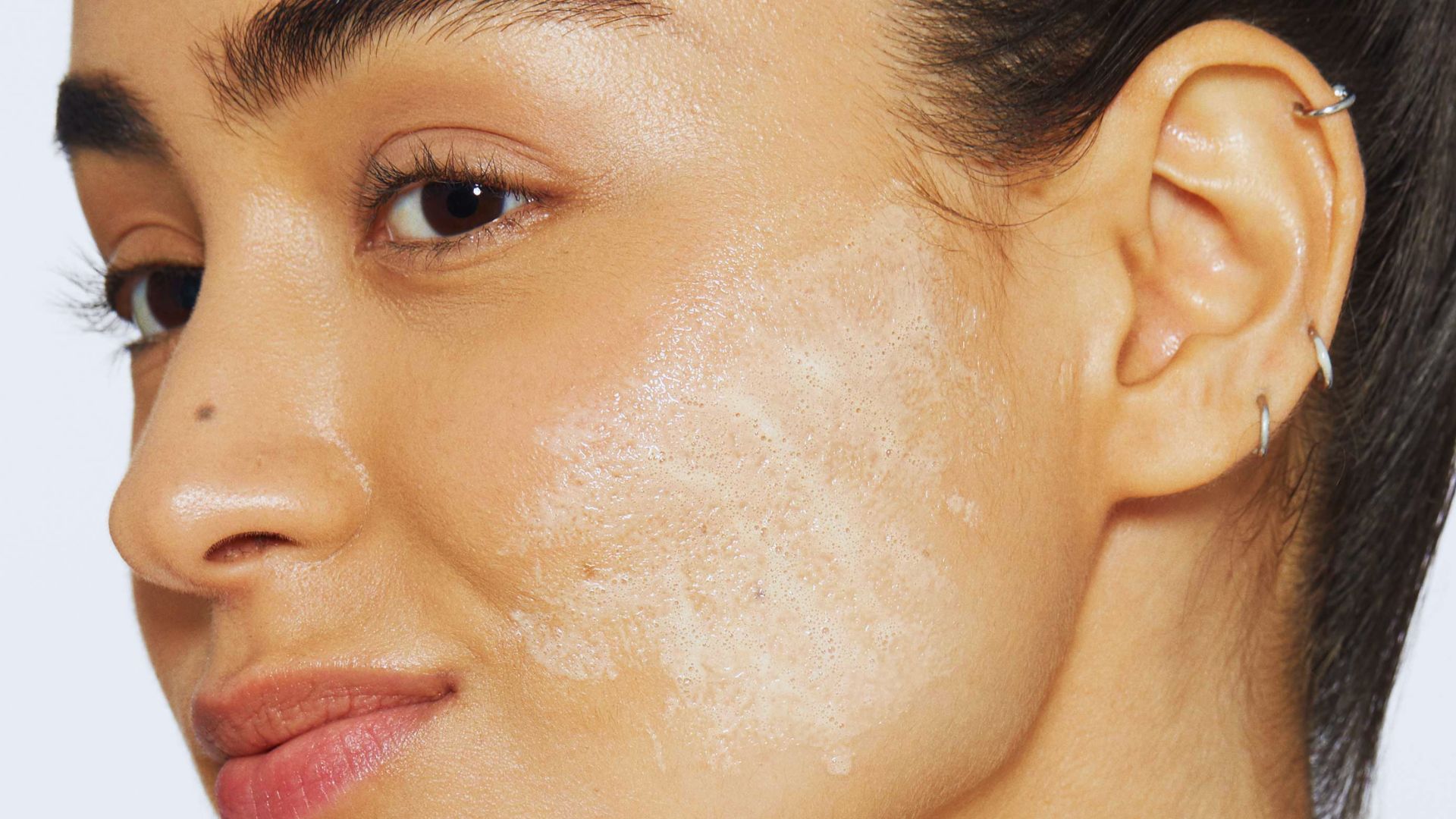
The fully oxidized plug now appears dark at the surface. You can see it clearly as a small black dot.
The pore is still open, the clog is still there, and the color won’t change on its own until the plug is removed.
Blackheads vs Whiteheads: Why Only Blackheads Are Dark
The only real difference between a blackhead and a whitehead is the pore opening. That one difference changes everything, including the color.
Open vs Closed Pores
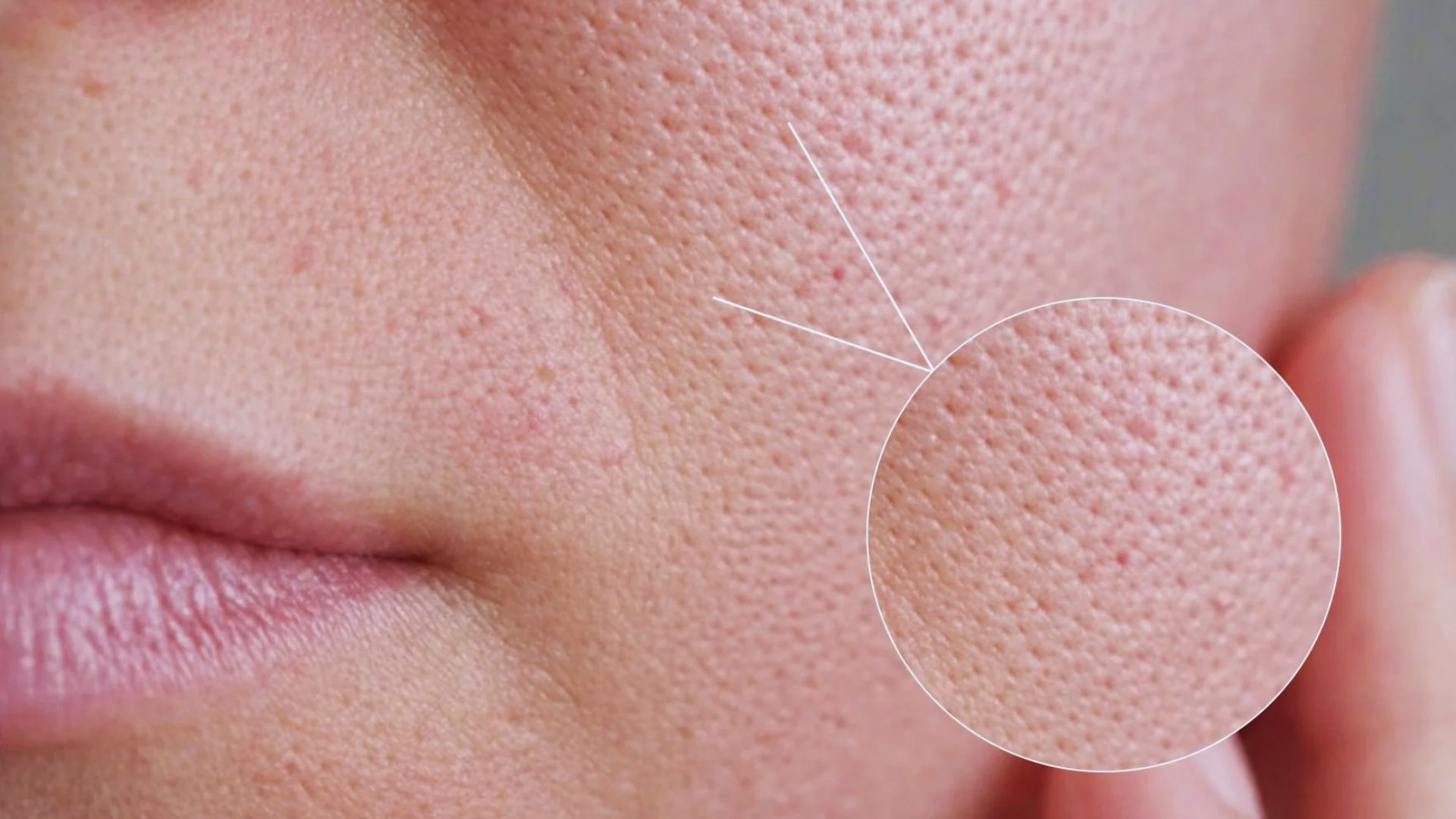
A blackhead has an open pore. A whitehead has a closed one. With a whitehead, a thin layer of skin covers the clog.
That layer acts as a seal. With a blackhead, the clog sits right at the surface with nothing covering it.
Oxidation Only Happens in Open Pores
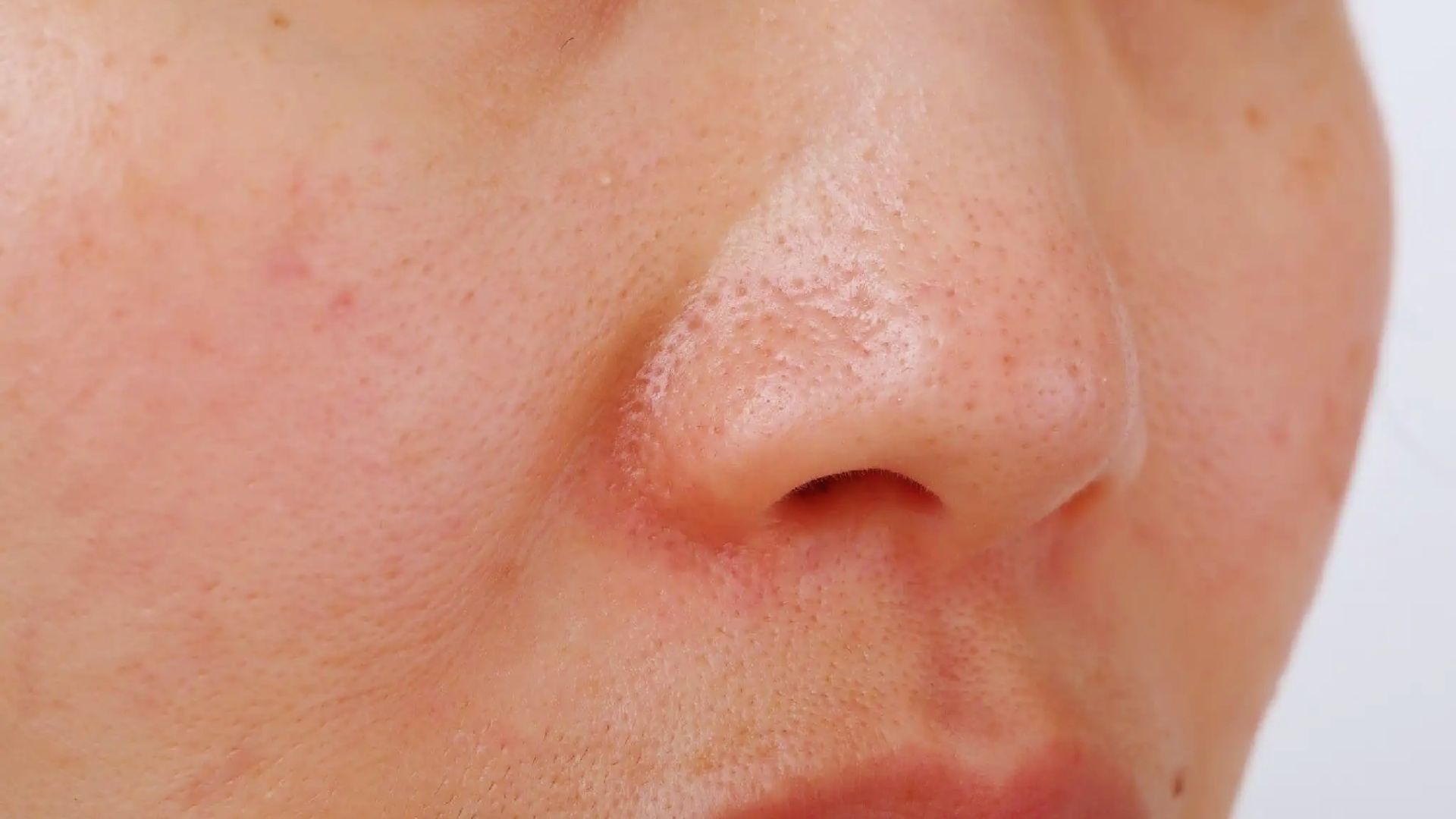
Because a whitehead is sealed, oxygen can’t reach the clog inside. No oxygen means no oxidation. The material inside stays pale.
A blackhead is different. Its open surface lets air in constantly, so the oxidation reaction keeps going.
Color Differences Explained
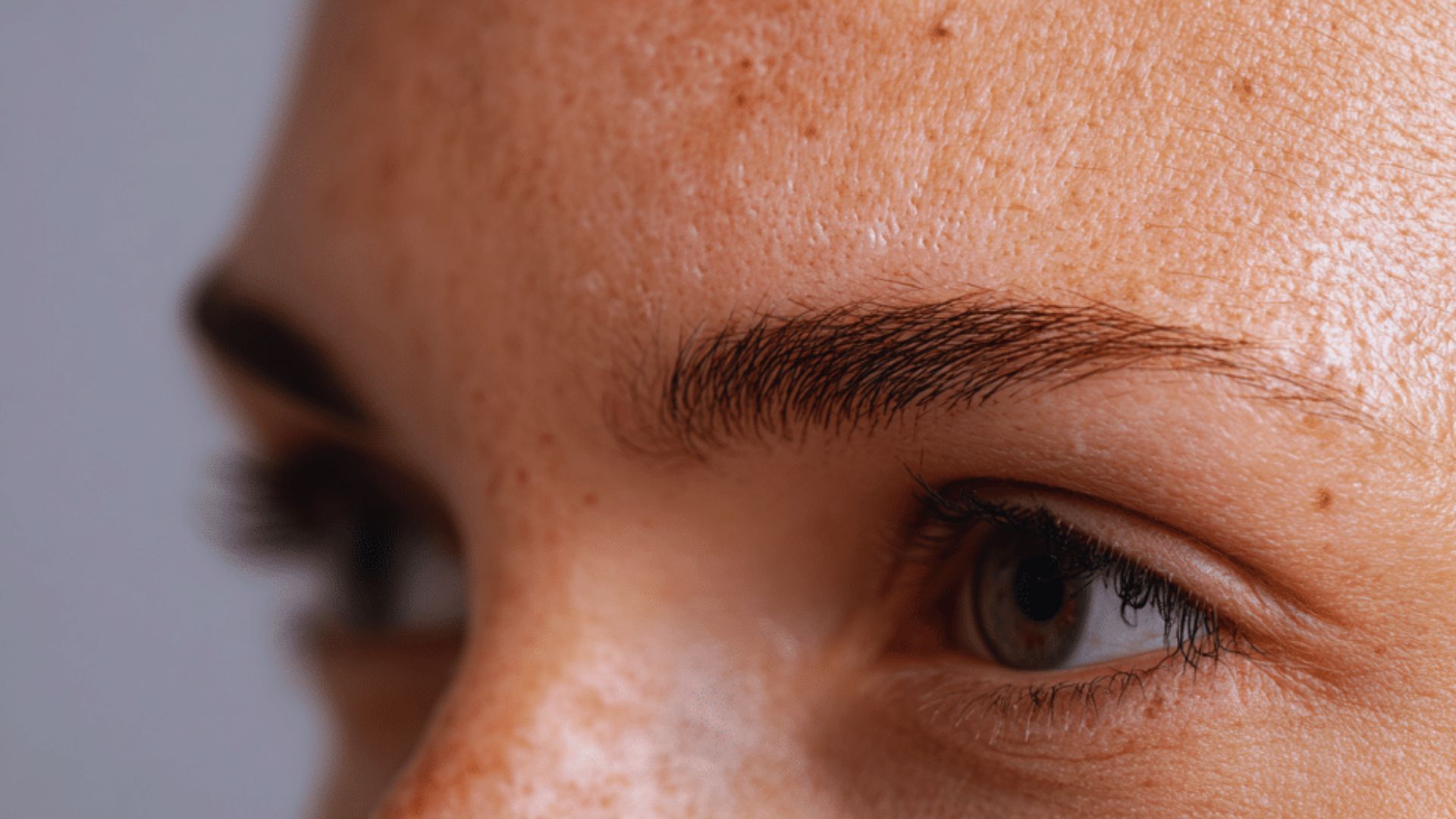
The whitehead stays white or skin-colored because its contents never oxidize. The blackhead turns dark because its contents fully oxidize.
Same ingredients, same process of formation, but one key difference in pore structure changes the final color entirely.
Do Blackheads Always Look Black?
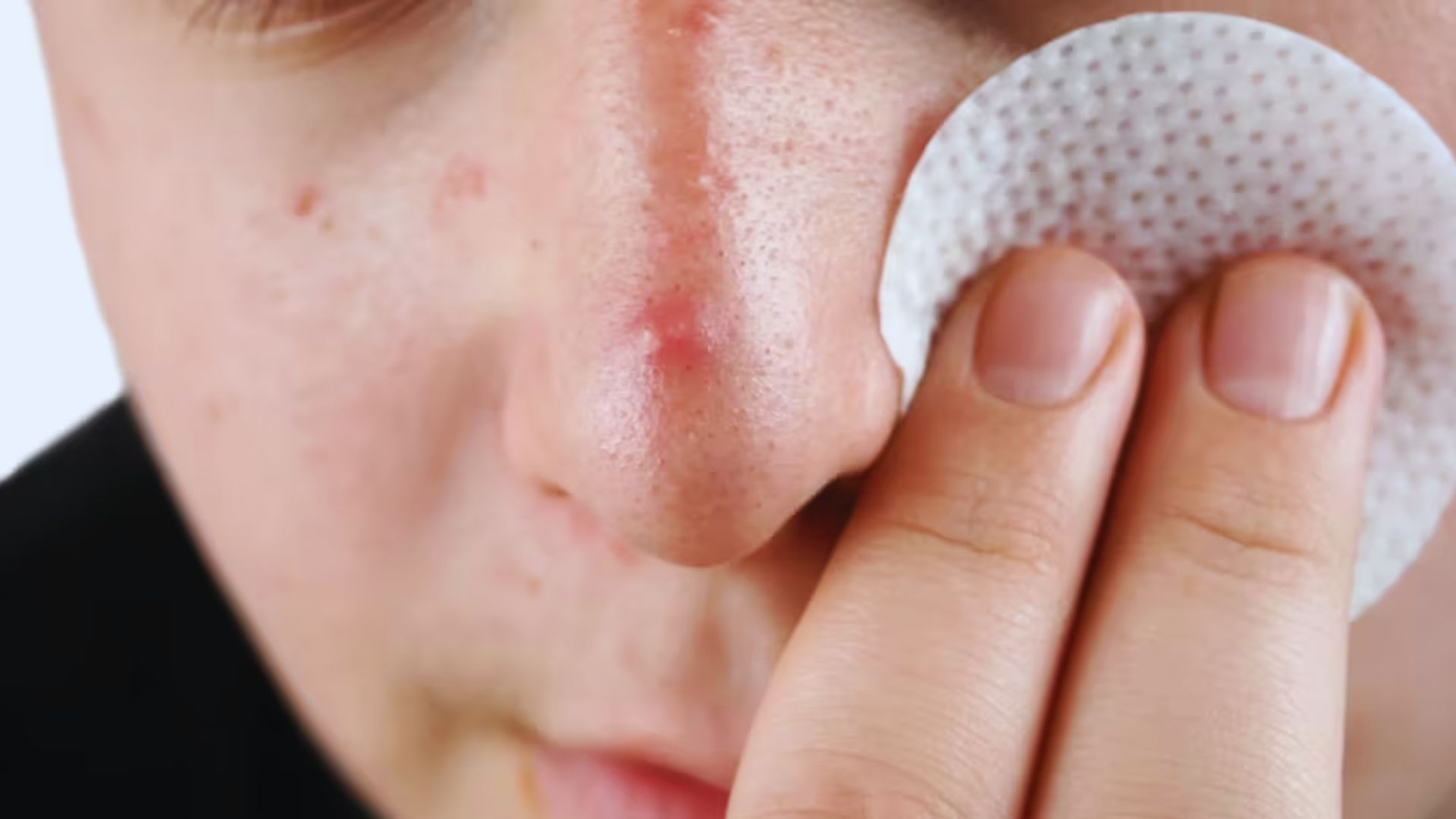
Not every blackhead looks fully black. Some appear brown or dark gray instead. The shade depends on a few factors. Your skin type plays a role.
If your skin produces more oil, the oxidation can be more intense, making the color darker. The composition of your oil also matters. Some oils oxidize faster or more deeply.
The level of oxidation matters too. A newer blackhead may look lighter brown. An older one that has been exposed to air longer tends to look darker.
So if you’re seeing gray or brown dots, those are still blackheads, just at a different stage of oxidation.
Conclusion
Now you know the truth. Blackheads aren’t caused by dirt. They form when an open pore meets oxygen, and oxidation does the rest.
I used to scrub my face thinking that would help. It didn’t. Understanding the real cause changed everything for me.
Drop a comment below and share what’s worked for your skin. Share this post with someone who still blames dirty skin.
You might just help them finally fix it.
Frequently Asked Questions
Why do blackheads turn black and not any other color?
Oxygen reacts with the oil and dead skin inside an open pore, turning it dark brown or black.
Can I get rid of blackheads just by washing my face more?
No. Blackheads are caused by oxidized oil and dead cells, not surface dirt.
Do blackheads go away on their own?
Some do, but most need exfoliation or salicylic acid to clear properly.
Is it bad to squeeze blackheads?
Yes. Squeezing can push bacteria deeper and widen the pore.
Are blackheads a sign of unhealthy skin?
No. They are very common and can affect any skin type.