Does Sun Help Acne? The Complete Expert Guide


Does sun help acne? I used to wonder the same thing every summer when my skin looked clearer after a beach day.
It felt like the sun was doing something right. But I learned the hard way that it was not that simple.
In this guide, I will break down what actually happens to acne-prone skin in the sun. You will get real answers backed by dermatologists and research, not just myths.
I have spent time reviewing the science so you do not have to.
Here is what we will cover, what causes acne, how sunlight affects it, the real risks, and safe treatments that actually work.
Understanding Acne and How It Develops
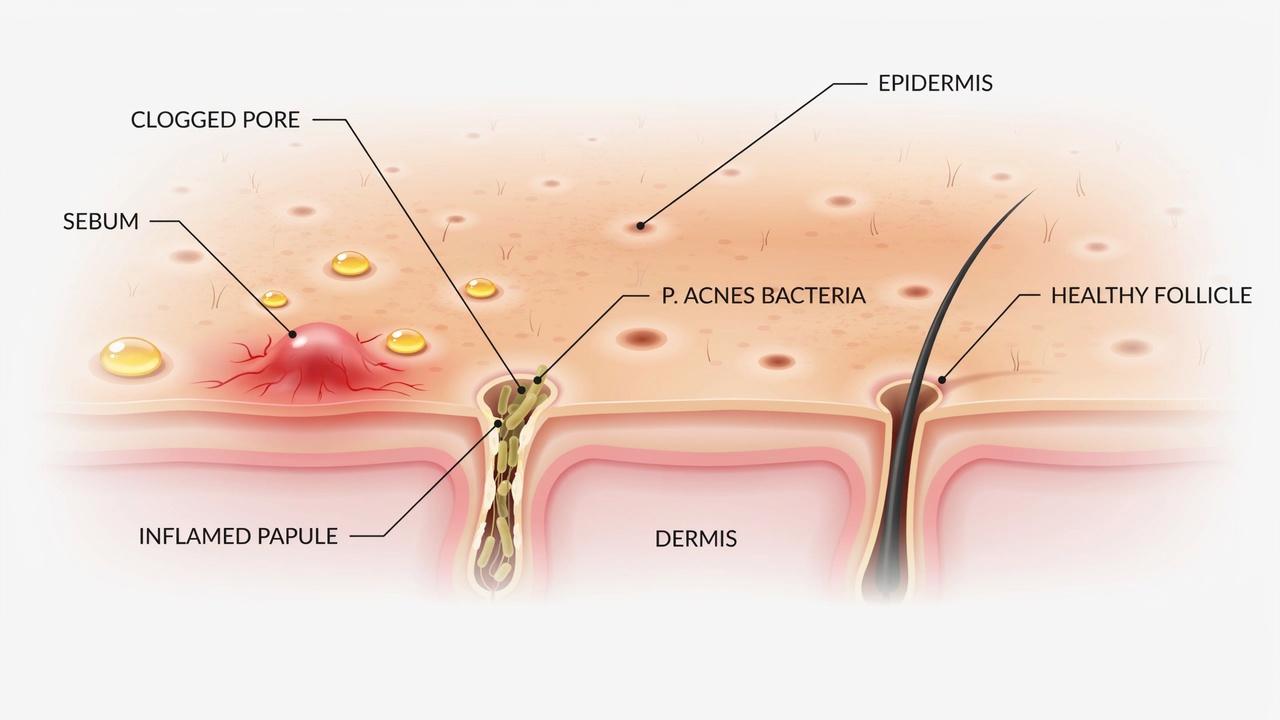
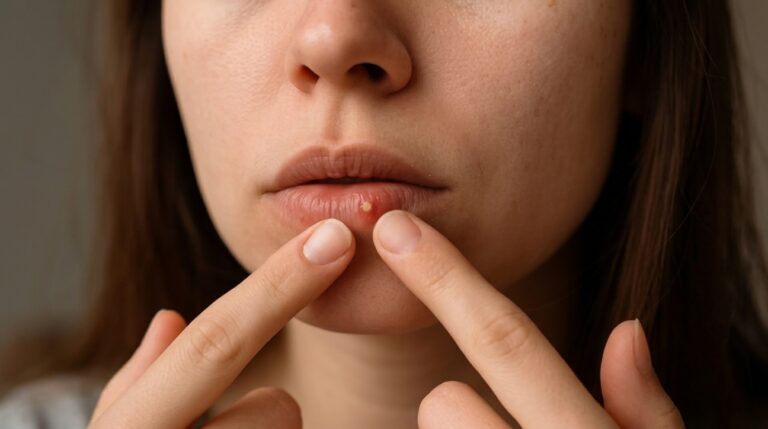
Acne forms when hair follicles get clogged with oil and dead skin cells. It shows up as pimples, blackheads, or cysts and can appear on the face, back, and chest.
It affects people of all ages, not just teenagers. The main causes are excess oil production, bacteria, clogged pores, and inflammation.
Hormones play a big role too. When androgen levels rise, oil glands produce more sebum, which mixes with dead skin and blocks pores.
Several things can make acne worse, including stress, hormonal changes, certain foods, heavy or oily skincare products, and skipping your daily face wash.
Knowing your triggers puts you one step ahead in managing breakouts.
Does Sun Help Acne?
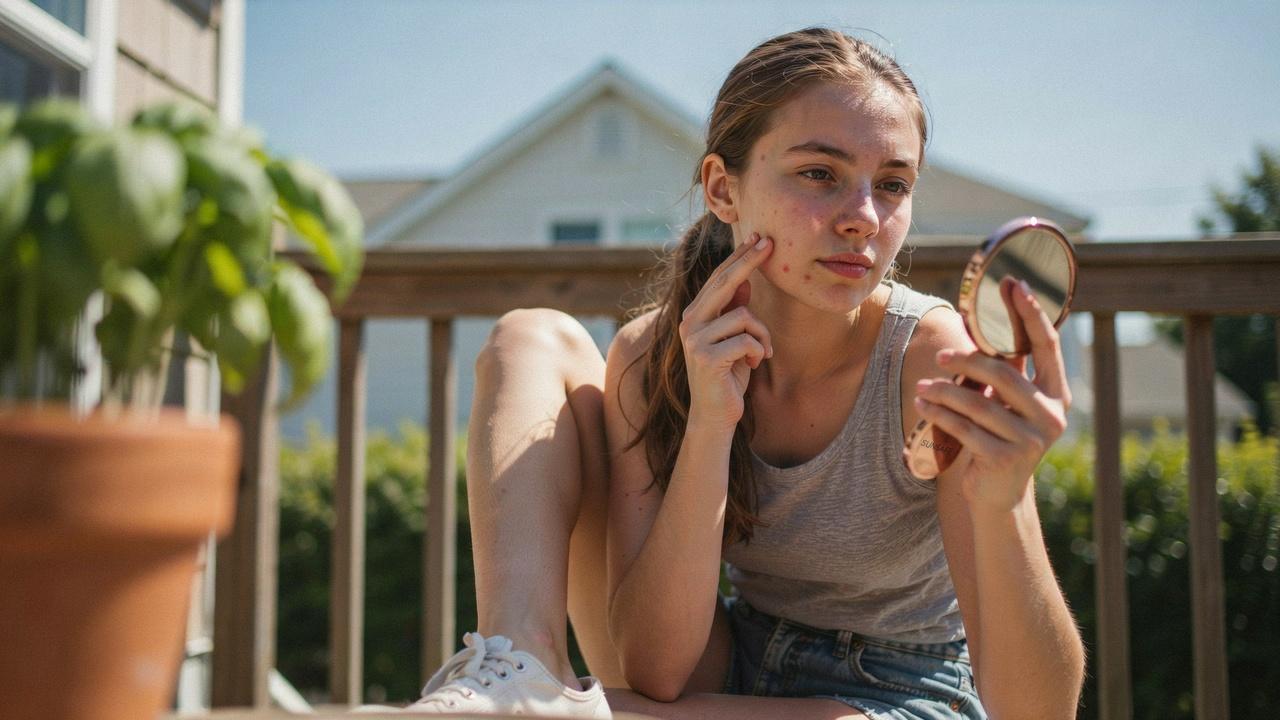
The sun and acne have a complicated relationship. Here is what science actually says.
Why Do People Believe Sunlight Clears Acne?
Many people notice their skin looks better after spending time outside. The sun dries out oily skin and gives a tan that hides redness.
This creates the impression that sunlight is healing acne. It feels like progress, but it is mostly a visual trick.
What Does Scientific Research Say?
Research does not support sunlight as an acne treatment. The American Academy of Dermatology states that there is no solid evidence that UV exposure clears acne long-term.
Some UV light can temporarily kill surface bacteria, but the damage it causes outweighs any short-term benefit.
What Do Dermatologists Recommend?
Dermatologists consistently advise against using the sun to treat acne. They recommend proven options like topical retinoids, benzoyl peroxide, and salicylic acid instead.
Controlled light therapies done in clinics are far safer than unprotected sun exposure.
How Sun Exposure Affects Acne-Prone Skin
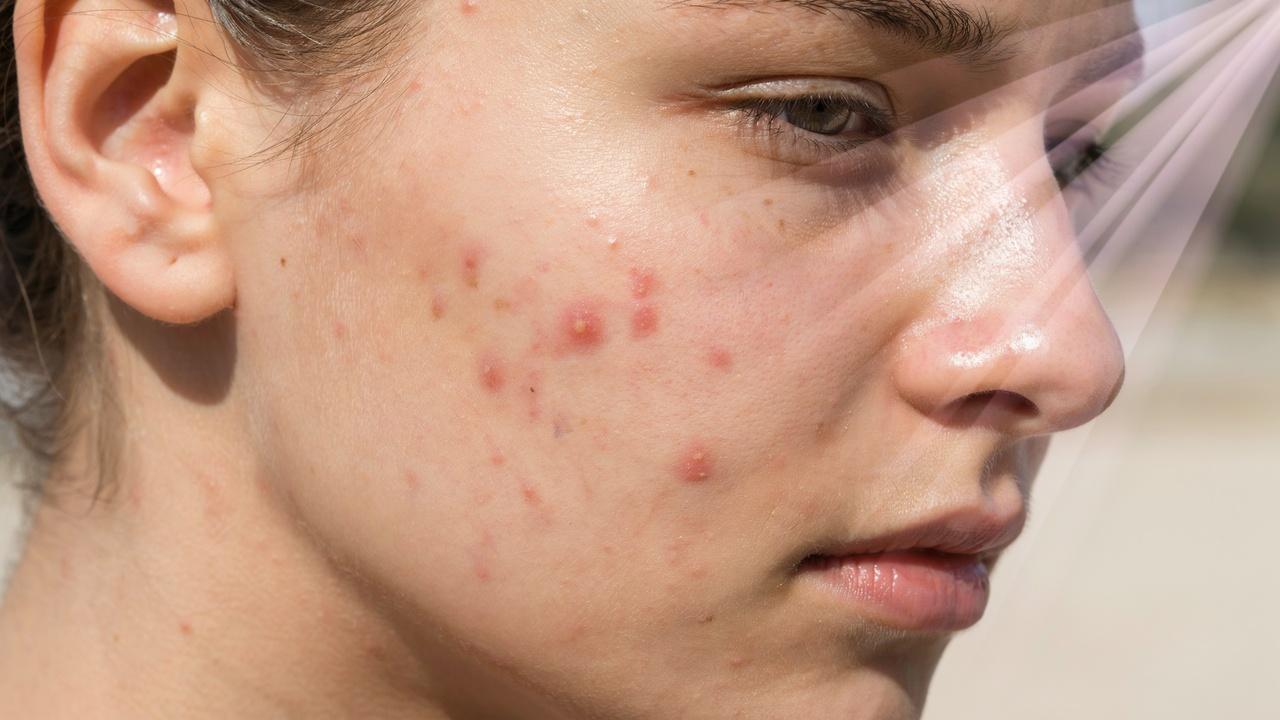
Sun exposure changes your skin in ways that go deeper than what you can see.
Why Acne May Look Better After Time in the Sun
A tan masks redness and makes pimples less visible. Sun also dries out the top layer of skin temporarily. This can make breakouts appear smaller.
But this is a short-term effect that often leads to bigger problems later.
Does Sunlight Really Reduce Pimples?
Not in any meaningful way. UV rays may reduce some surface bacteria, but they also irritate and inflame the skin. That inflammation can actually trigger more breakouts.
Any clearing you notice is usually temporary and misleading.
Can Sun Exposure Increase Oil Production?
Yes. When UV rays dry out the skin, your body responds by producing more oil to compensate. This is called rebound oil production.
More oil means more clogged pores. It can make acne worse within days of sun exposure.
Does the Sun Make Acne Worse Over Time?
Repeated sun exposure weakens the skin barrier. It causes inflammation and slows down the skin's ability to heal.
Over time, this leads to more breakouts, worse scarring, and skin that is harder to treat.
Risks of Using Sunlight as an Acne Treatment
Using the sun as a skincare fix comes with risks most people do not expect.
Can the Sun Cause Acne Scars?
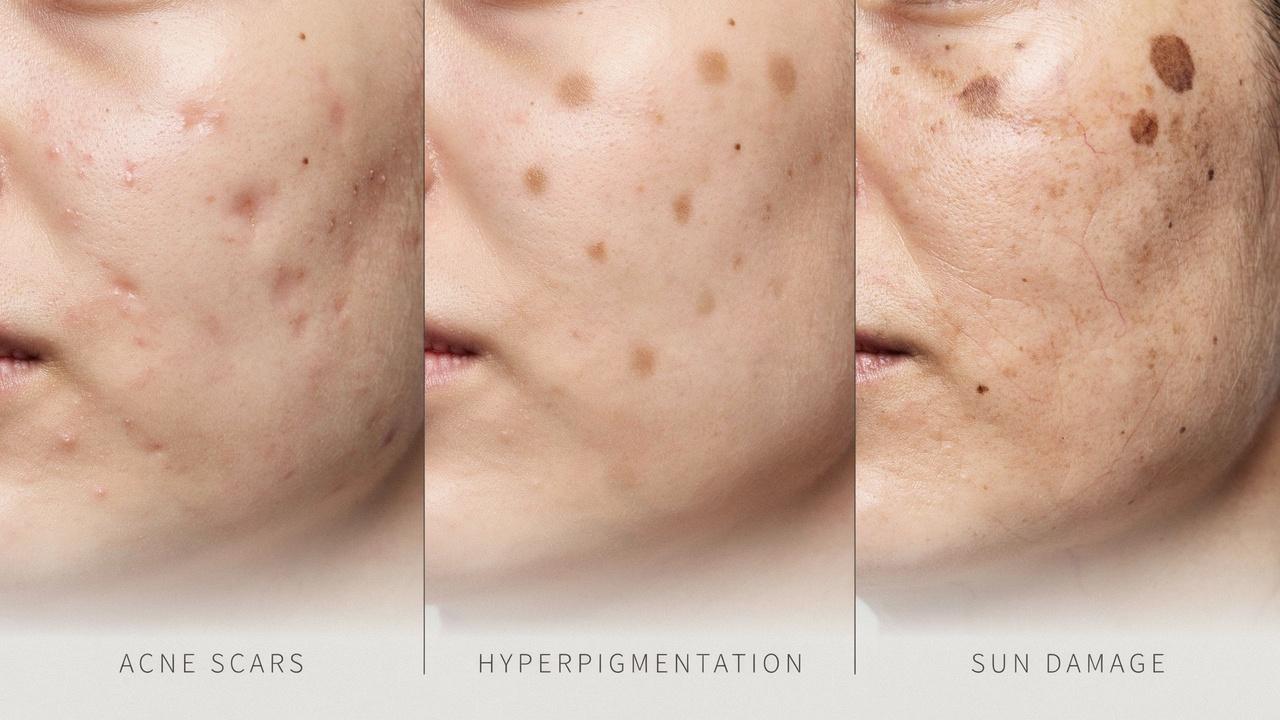
Yes. UV exposure makes existing acne scars darker and harder to fade. It also slows down the healing of active pimples.
What might have faded in weeks can take months when skin is regularly exposed to the sun without protection.
Why Hyperpigmentation Gets Worse After Sun Exposure
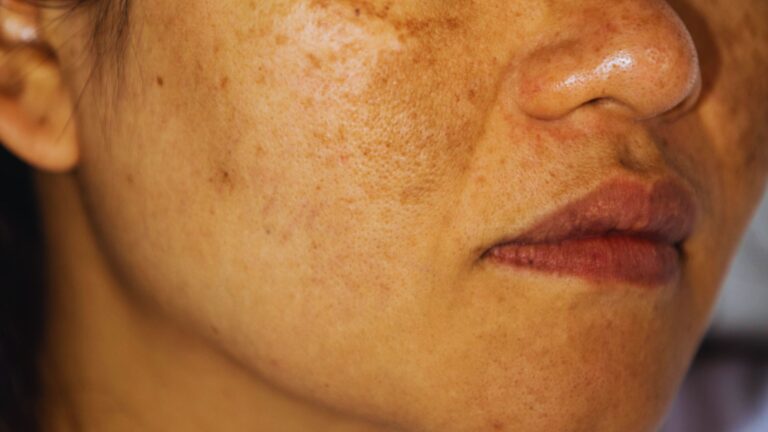
Post-acne dark spots are caused by excess melanin. Sunlight tells your skin to produce even more melanin. This makes dark spots from old breakouts significantly darker.
People with medium to deeper skin tones are especially at risk.
Premature Aging and Other Skin Damage
Sun exposure breaks down collagen and elastin. Over time, this causes fine lines, rough texture, and sagging skin.
Using sunlight to treat acne speeds up this aging process. It is a trade-off that is never worth it.
How UV Rays Affect Acne-Prone Skin
UV rays inflame the skin, disrupt its natural barrier, and make it more reactive. For acne-prone skin, this is a serious problem. Inflamed skin breaks out more easily and heals more slowly.
Safe and Effective Ways to Treat Acne
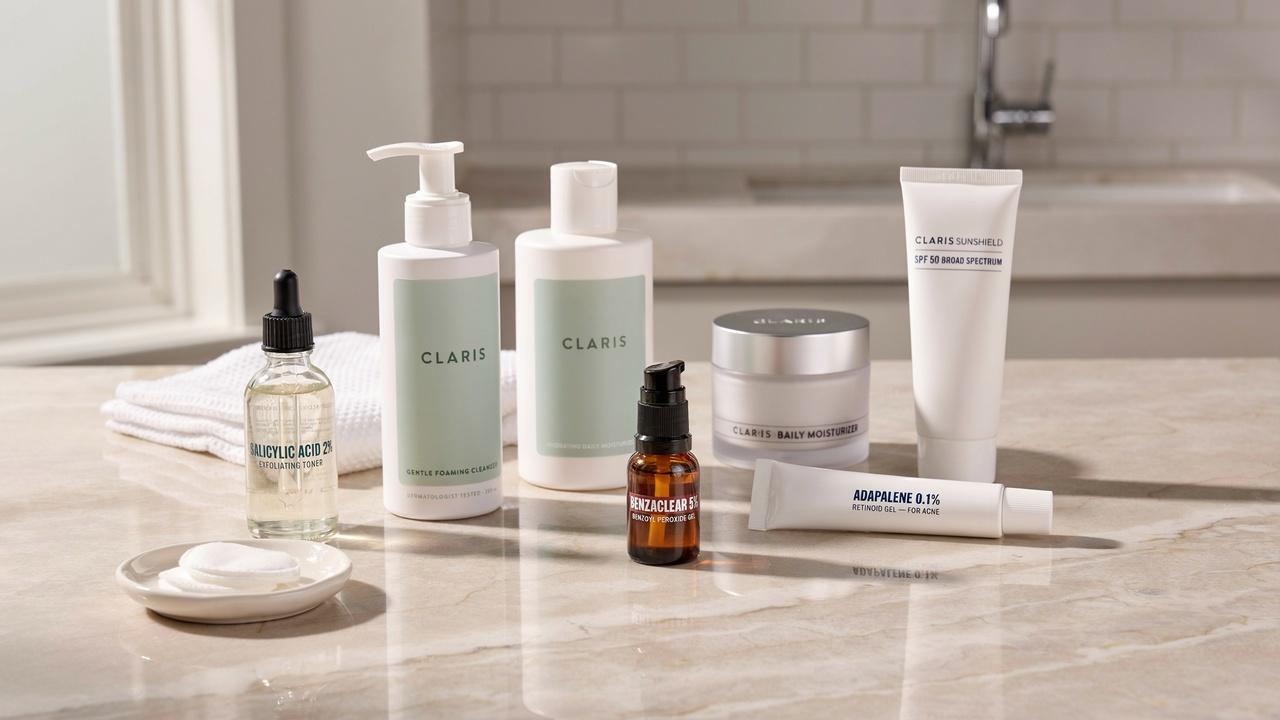
Proven acne treatments work far better than sunlight and do not damage your skin.
Build a Consistent Skincare Routine
A simple routine done every day beats an intense routine done rarely. Cleanse gently twice a day. Moisturize with a non-comedogenic product.
Use an acne treatment in the evening. Consistency matters more than using many products.
Best Over-the-Counter Acne Treatments
These ingredients are well-researched and widely available:
- Benzoyl peroxide kills acne-causing bacteria
- Salicylic acid clears out clogged pores
- Niacinamide reduces redness and controls oil
- Adapalene is a mild retinoid available without a prescription
Prescription Treatments Recommended by Dermatologists
For moderate to severe acne, a dermatologist may prescribe topical retinoids, antibiotics, or hormonal treatments. Isotretinoin is an option for stubborn cystic acne.
These are far more effective than sun exposure and are medically supervised.
Is Light Therapy Better Than Natural Sunlight?
Yes, by a wide margin. Clinical light therapy uses specific wavelengths, like blue light, to target acne bacteria without the UV damage.
It is a controlled and safe option. Natural sunlight contains UV rays that damage skin and are not targeted enough to treat acne effectively.
How to Protect Acne Prone Skin From the Sun

Sun protection is not optional for acne-prone skin. It is a must.
Choose the Right Non-Comedogenic Sunscreen
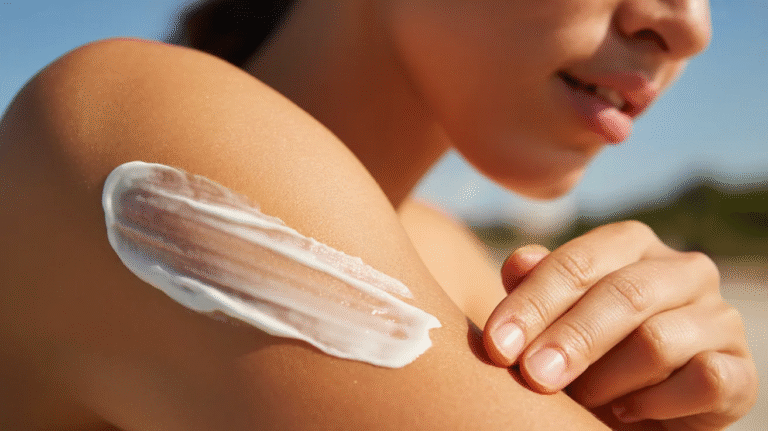
Look for sunscreens labeled non-comedogenic and oil-free. Mineral sunscreens with zinc oxide are great for acne-prone skin.
They sit on top of the skin, do not clog pores, and have anti-inflammatory properties.
Wear Protective Clothing and Limit Peak Sun Exposure
Cover up with light clothing when you are outside between 10 a.m. and 4 p.m. Wear a hat. Seek shade when possible. Sunscreen alone is not always enough during peak hours.
Extra Sun Protection Tips When Using Acne Medications
Retinoids, benzoyl peroxide, and certain antibiotics make your skin more sensitive to the sun. If you use any of these, daily SPF is non-negotiable.
Apply sunscreen every morning, even on cloudy days.
Tips for Managing Acne Without Damaging Your Skin
Small daily habits make a big difference in keeping acne under control.
- Avoid using sunlight as an acne treatment. The short-term glow is not worth the long-term skin damage. Stick to treatments that are actually proven to work.
- Follow a gentle daily skincare routine. Use a mild cleanser, apply your acne treatment, and moisturize. Consistency always beats a complicated product lineup.
- Protect your skin with SPF every day. Apply at least SPF 30 every morning and reapply when outdoors. This one habit keeps dark spots from getting worse.
- See a dermatologist if acne is not improving. Over-the-counter products do not work for everyone. A professional can build a plan that fits your skin.
- Keep your routine simple and realistic. Overloading your skin with too many products can backfire. Small daily habits done right make the biggest difference.
Conclusion
So, does sun help acne? Honestly, no. I know it can feel that way on a bright summer day, but the research is clear.
The sun creates a temporary illusion while quietly making things worse underneath. I used to skip sunscreen thinking my skin looked better without it.
That was a mistake. Protect your skin daily, use proven treatments, and be patient. Real results take time but they last.
If this helped you, share it with someone dealing with the same thing or leave a comment below. Your skin deserves better than sunburn.
Frequently Asked Questions
Does the sun permanently clear acne?
No, the sun does not permanently clear acne. Any improvement you see is temporary and is usually followed by more breakouts and skin damage over time.
Can I use sunlight instead of acne medication?
Sunlight is not a replacement for acne medication. Proven treatments like benzoyl peroxide, salicylic acid, and retinoids are far more effective and do not carry the risks that sun exposure does.
How does the sun affect acne scars?
Sun exposure makes acne scars and dark spots significantly darker. UV rays increase melanin production in healing skin, which slows fading and can make marks more visible for longer.
What type of sunscreen is best for acne-prone skin?
Mineral sunscreens with zinc oxide are ideal for acne-prone skin. Look for labels that say non-comedogenic and oil-free to avoid clogging your pores while still getting full sun protection.
Is light therapy the same as sun exposure for acne?
No, they are very different. Clinical light therapy targets specific wavelengths to treat acne safely. Natural sunlight contains harmful UV rays that damage skin and do not offer the same controlled, therapeutic effect.