Halo Laser Treatment: How It Works & What to Expect

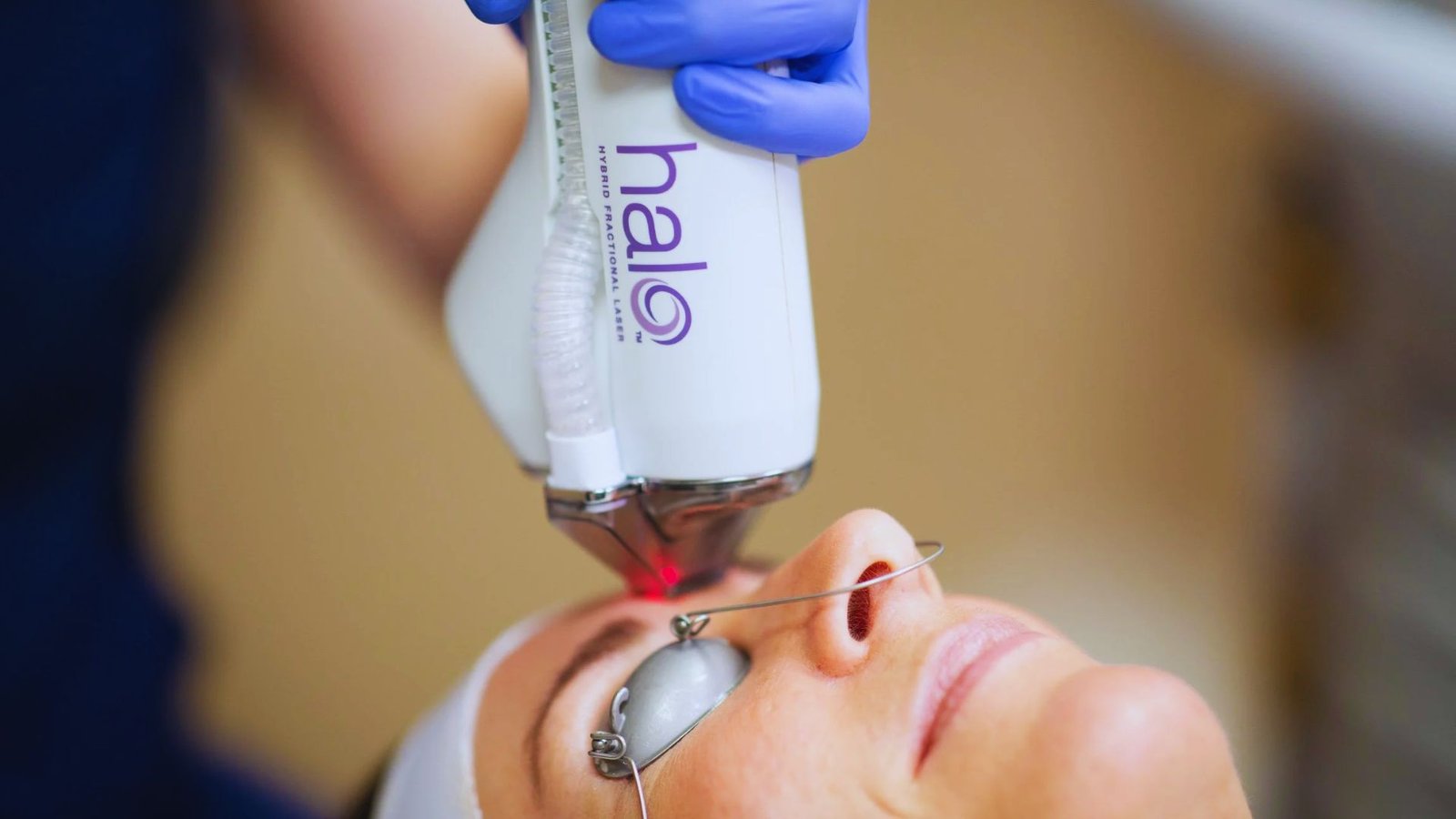
If you’re dealing with sun damage, wrinkles, or uneven skin tone, you’re not alone. I’ve spent years researching skin treatments, and Halo Laser Treatment keeps coming up as a reliable option for real results.
This guide will walk you through exactly how Halo works, what happens during treatment, and what recovery looks like. You’ll learn about the hybrid technology that treats both surface and deep skin layers, who makes a good candidate, and how to care for your skin afterward.
I’ll cover the science, the process, and the realistic timeline so you can make an informed choice.
What Is Halo Laser Treatment?
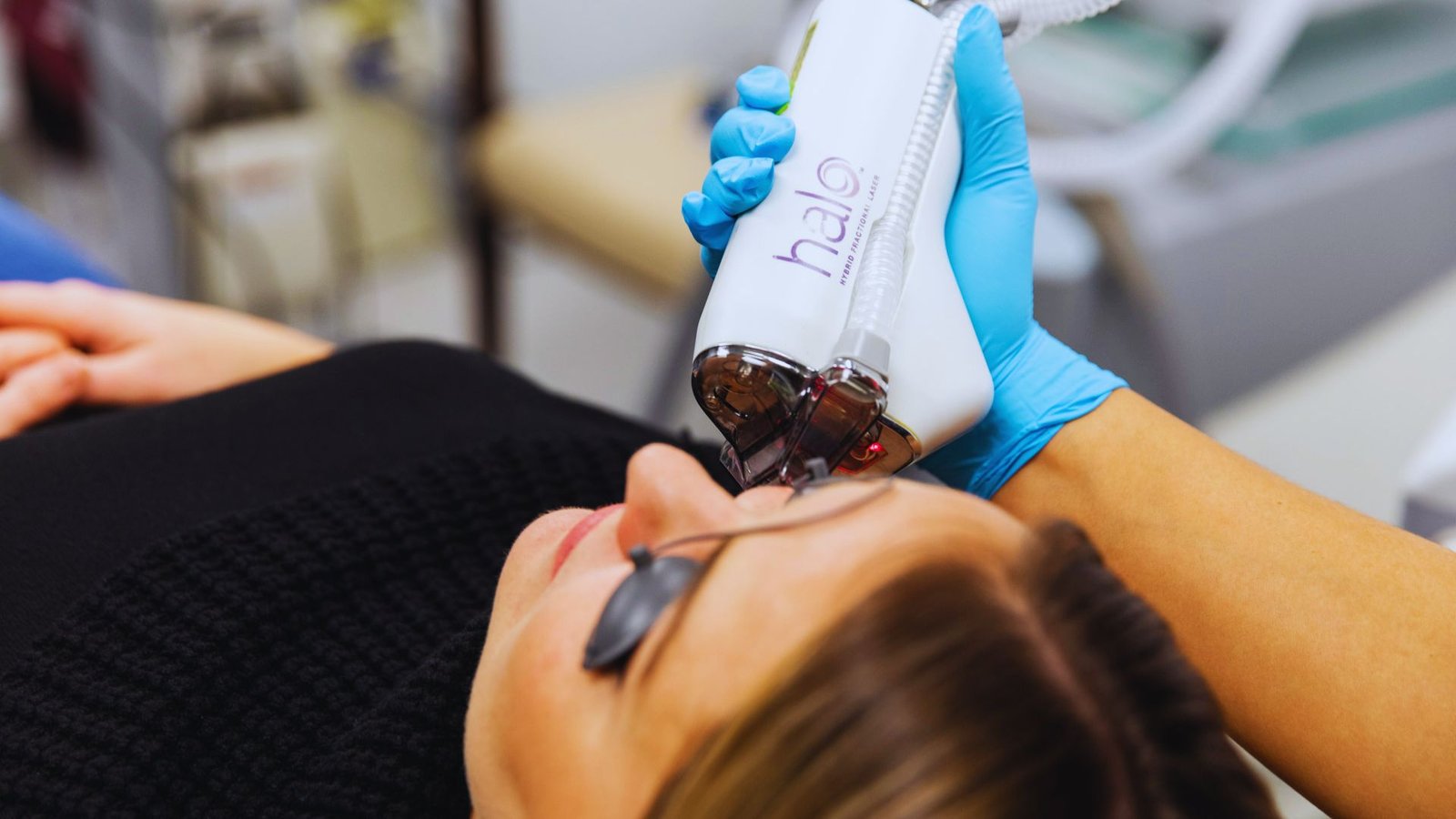
Halo combines two types of laser energy in one treatment. It targets both the top layer of your skin and the deeper layers underneath.
Most lasers work on just one level of your skin. Halo is different because it uses two wavelengths at the same time. The ablative laser removes damaged surface cells. The non-ablative laser heats deeper tissue to boost collagen.
Ablative lasers vaporize the outer skin layer. They work well for severe damage but need longer recovery time. Non-ablative lasers leave the surface intact and heat the dermis below.
Halo uses both. The ablative wavelength (2940 nm) removes dead cells and pigment. The non-ablative wavelength (1470 nm) triggers collagen production deeper down.
This dual approach means you get surface improvements and deeper repair in one session. Your skin heals faster than it would with fully ablative treatments. Your provider can adjust the depth and intensity for each wavelength separately based on your specific concerns.
How Halo Laser Treatment Works
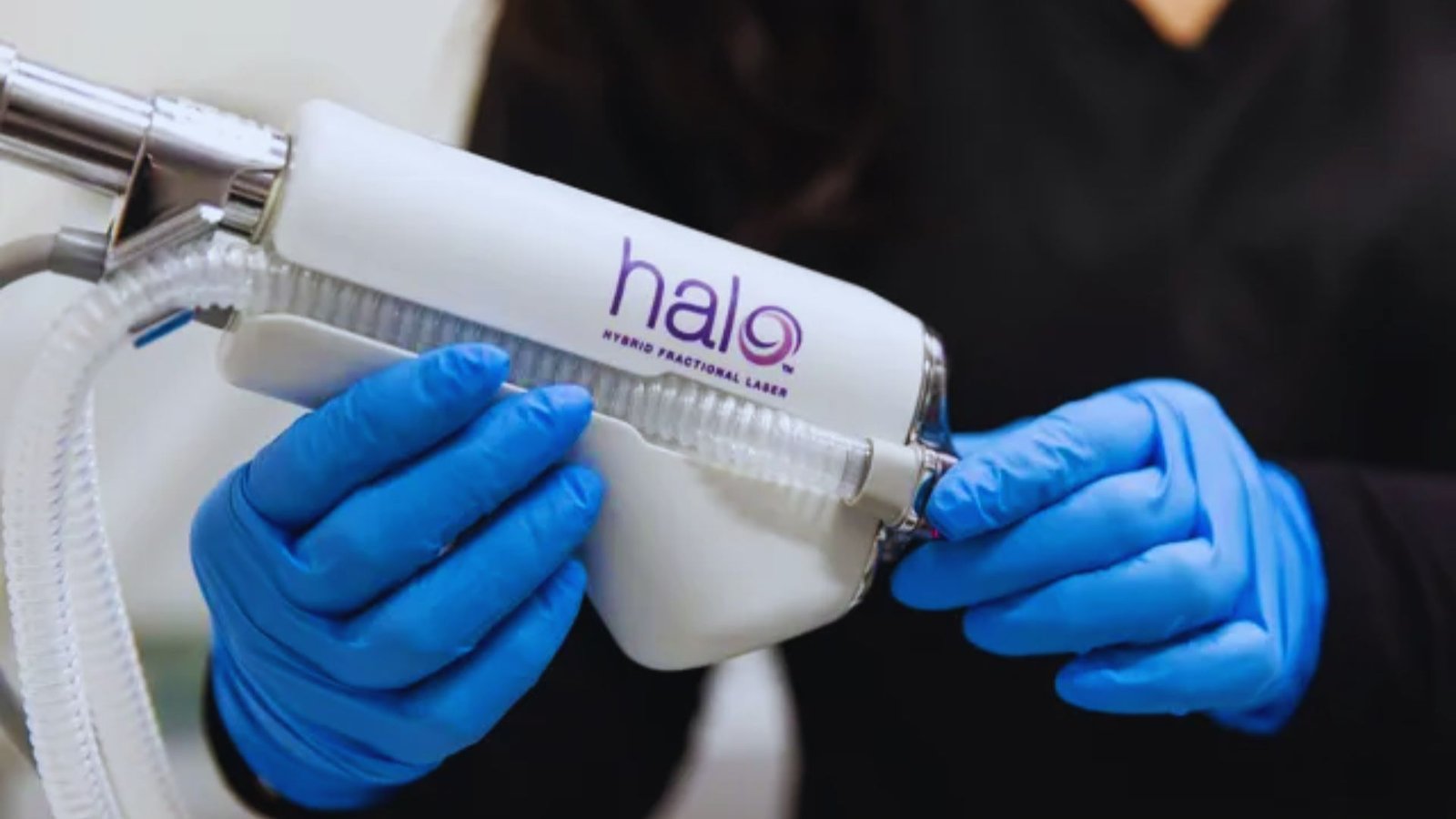
The treatment uses controlled laser energy to remove damaged cells and stimulate new skin growth.
Targeting the Top and Deeper Layers of Skin
The ablative wavelength creates microscopic channels in your skin’s surface. These channels remove damaged cells, pigmentation, and rough texture.
The non-ablative wavelength penetrates deeper without breaking the surface.
Heat from the deeper wavelength reaches the dermis where collagen and elastin live. This triggers your body’s natural healing response. Both layers heal simultaneously.
You see surface improvements quickly and deeper improvements over time.
Stimulating Collagen and Elastin Production
Collagen gives skin its firmness. Elastin provides stretch and bounce. Both decrease as you age. The non-ablative laser creates controlled heat injury in the dermis.
Your body interprets this as damage that needs repair. It sends growth factors and builds new collagen fibers. This process continues for months after treatment. The result is firmer, smoother skin with better structural support.
Customization Based on Skin Type and Concerns
Your provider controls the depth of both wavelengths. Light sun damage might need shallow ablation with moderate non-ablative depth. Deep wrinkles might need more aggressive settings.
Skin tone matters too. Darker skin requires careful settings to avoid pigmentation changes. The Halo system allows precise adjustments for safety and effectiveness.
Skin Concerns Halo Laser Treatment Can Address
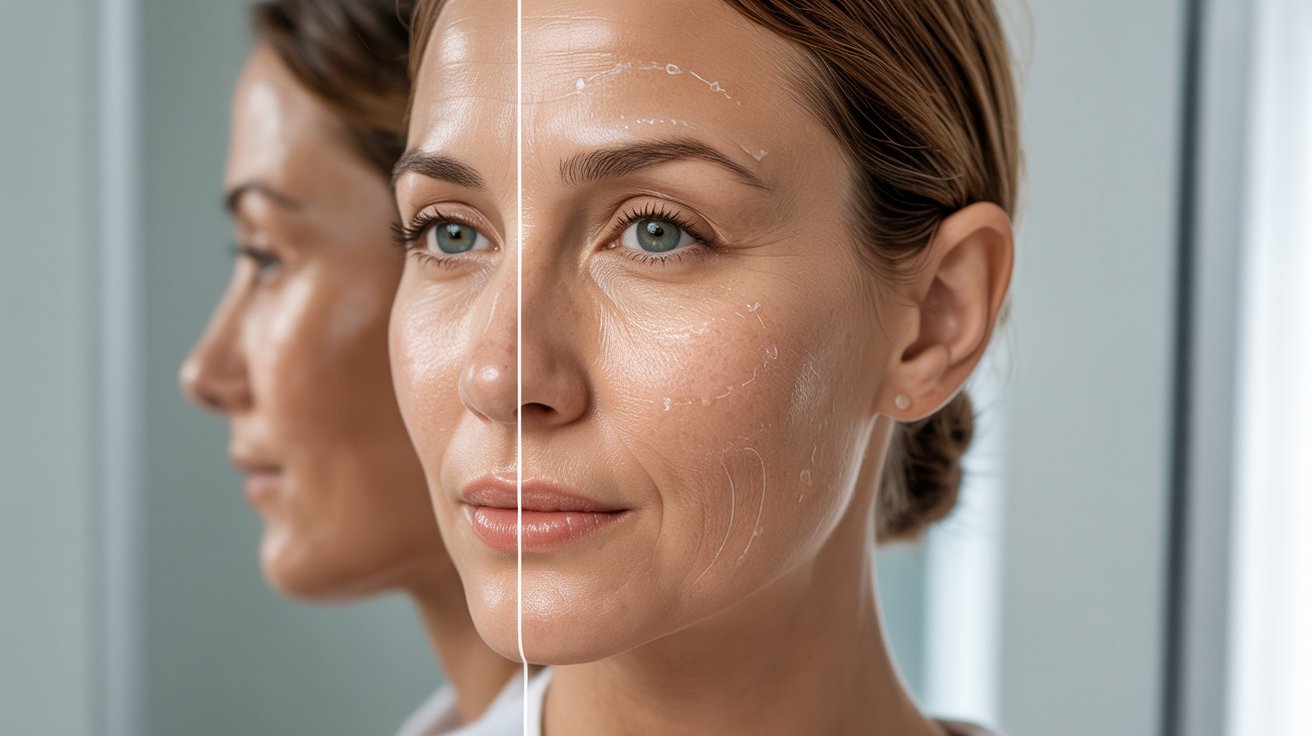
Halo works on multiple signs of aging and sun damage in one treatment.
Fine Lines and Wrinkles
Fine lines form when collagen breaks down and skin loses moisture. Halo addresses both issues. The ablative component smooths surface texture immediately. The non-ablative component builds new collagen over time.
You’ll see improvement in crow’s feet, forehead lines, and smile lines. Results develop gradually as your skin produces more collagen. Deeper wrinkles may need multiple sessions.
Sun Damage and Pigmentation
Years of sun exposure create brown spots, freckles, and uneven pigmentation. The ablative laser removes these damaged cells from the surface. As your skin heals, new cells replace the pigmented ones.
Most people see significant lightening of sun spots within two weeks. Some stubborn pigmentation may need a second treatment.
Acne Scars and Scar Revision
Acne scars create uneven texture because of collagen loss in the dermis. Halo’s dual wavelengths smooth the surface and rebuild collagen in the scar base.
Shallow rolling scars respond well. Deep ice pick scars may need additional treatments. Full results appear over several months.
Uneven Skin Texture and Enlarged Pores
Rough texture and large pores often result from sun damage and collagen loss. The ablative wavelength removes the rough outer layer. The non-ablative wavelength tightens pore walls from below.
Your skin feels smoother immediately after healing. Pores look smaller as new collagen provides better structural support.
Signs of Skin Aging
Aging skin shows several changes at once. Halo treats many of them in one session. You get improvement in texture, tone, firmness, and overall appearance.
The collagen boost provides subtle tightening. It won’t replace a facelift but it does improve mild laxity.
Benefits of Halo Laser Treatment
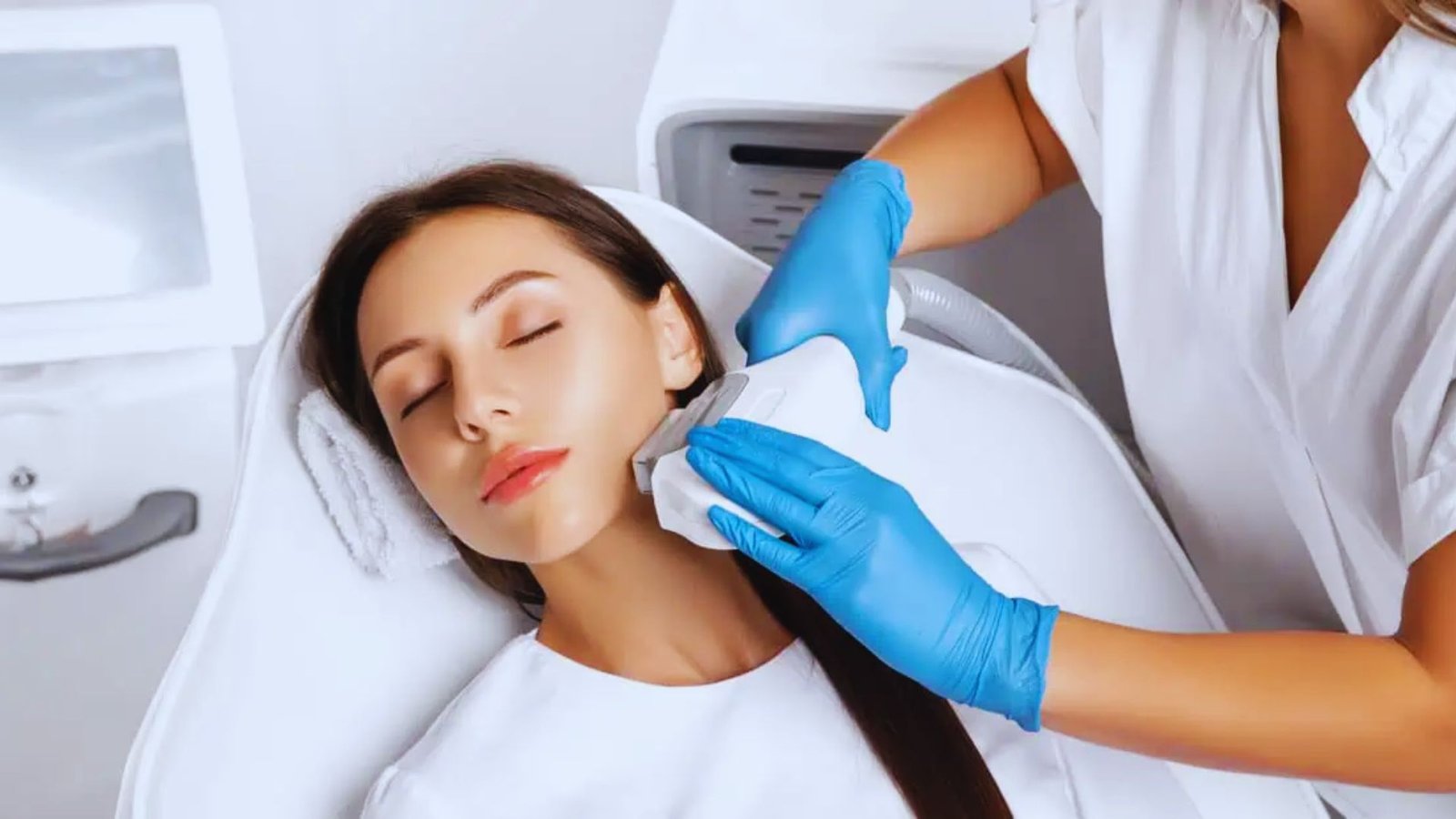
Halo offers improvement with less downtime than older laser options.
Skin Rejuvenation
Most people have several skin concerns at once. Sun damage, wrinkles, texture issues, and pigmentation often occur together. Halo addresses all of these simultaneously.
You don’t need separate treatments for each problem. The hybrid technology handles surface and deep issues in one appointment. This saves time and often costs less than multiple single-focus treatments.
Minimal Downtime Compared to Other Lasers
Traditional CO2 lasers require two weeks or more of recovery. Halo typically needs five to seven days. You get comparable results with less healing time.
The hybrid approach removes less surface skin than full ablation. Your skin repairs itself faster because the damage is more controlled.
Long-Lasting Results With Proper Skincare
New collagen doesn’t disappear quickly. Your results can last several years with good skincare habits. This includes daily sunscreen, gentle cleansing, and appropriate moisturizing.
You’ll still age naturally. But your skin will look better than it would without treatment. Many people do maintenance sessions every few years.
Halo Laser Treatment Aftercare Tips
Proper aftercare protects your results and speeds healing.
- Use gentle cleanser and rich moisturizer. Stick to fragrance-free products and bland healing ointments. Apply broad-spectrum sunscreen SPF 30 or higher every day without exception.
- Avoid retinoids and acids for two weeks. Skip glycolic acid, vitamin C serums, and any exfoliants during recovery. Anything that stings or irritates should stay off your face.
- Wear sunscreen and reapply every two hours. Sun exposure is the biggest risk to your healing skin. Add a wide-brimmed hat when you go outdoors for extra protection.
- Stay out of direct sun for two weeks minimum. UV rays can cause hyperpigmentation in healing skin, especially for darker skin tones. Avoid tanning beds permanently.
- Keep hydrated and skip heavy exercise. Drink plenty of water and avoid alcohol for the first few days. Wait until active peeling stops before resuming intense workouts.
Who Is an Ideal Candidate for Halo Laser Treatment?
Most people with aging or sun-damaged skin can benefit from Halo.
The treatment is FDA-cleared for all skin types. Darker skin requires more conservative settings to reduce the risk of hyperpigmentation.
Your provider adjusts the laser intensity based on your skin type.
Halo works best on the face. Common treatment areas include cheeks, under-eyes, forehead, around the mouth, chest, décolletage, and hands.
The face heals the fastest and shows the most dramatic results.
Conclusion
I’ve watched Halo laser technology help many people regain confidence in their skin. The hybrid approach makes sense because aging affects both surface and deep layers.
If you’re tired of covering up sun damage or fighting fine lines, this treatment deserves your attention.
The week of downtime is manageable when you plan ahead. Most of my clients say the results make it worthwhile. Talk to a qualified provider about your specific concerns and see if Halo fits your goals.
Ready to take the next step? Schedule a consultation and bring your questions.
Frequently Asked Questions
Does Halo Laser Treatment Hurt?
Most people feel heat and prickling during treatment. Your provider uses numbing cream to reduce discomfort. The sensation is tolerable but not completely painless.
How Many Halo Treatments Do I Need?
Many people see good results from one session. Severe damage may need two treatments spaced several months apart. Your provider recommends a plan during consultation.
Can I Wear Makeup After Halo Treatment?
Wait until all peeling stops before applying makeup. This usually takes five to seven days. Use only gentle, mineral-based products when you restart.
What’s the Difference Between Halo and Fraxel?
Halo combines ablative and non-ablative wavelengths in one device. Fraxel is non-ablative only. Halo creates more visible improvement but requires more downtime.
Will My Sun Damage Come Back After Treatment?
New sun damage can develop if you don’t protect your skin. Daily sunscreen and sun avoidance keep your results lasting for years.