What Strength of Tretinoin Cream Is Best for Wrinkles?


Tretinoin has earned its place as one of the most trusted anti-aging treatments available today. Dermatologists have recommended it for decades, and the results speak for themselves.
But when you first look at the options, 0.025%, 0.05%, and 0.1%, it can feel confusing knowing where to start.
Which strength actually works best for wrinkles? That depends on your skin, your tolerance, and your goals.
This guide breaks down each strength honestly, comparing effectiveness, side effects, and which skin type gets the best results from each one.
Let’s get started.
How Tretinoin Works for Wrinkles
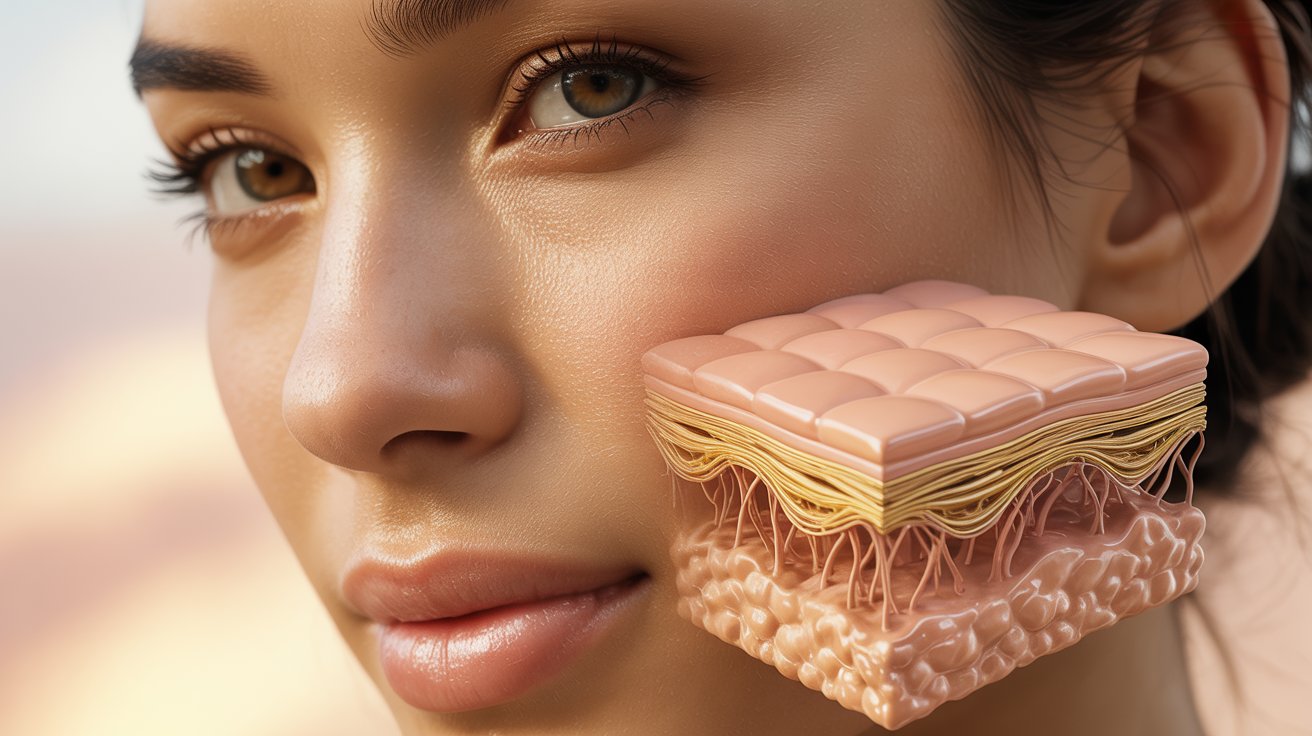
Tretinoin speeds up skin cell turnover by removing old, damaged cells and bringing fresh ones to the surface. This alone improves smoothness and skin tone noticeably.
It also signals your skin to produce more collagen, which keeps skin firm and reduces fine lines over time. On top of that, tretinoin targets photodamage caused by years of sun exposure.
Dark spots fade, rough patches soften, and overall skin texture improves with regular use. It works on multiple levels, which is why it remains a top choice for anti-aging.
Comparing Tretinoin Strengths for Anti-Aging
Not all tretinoin strengths work the same way for wrinkles. Knowing the difference between 0.025%, 0.05%, and 0.1% helps you choose what actually fits your skin.
0.025% Tretinoin for Wrinkles
This is the starting point for most people, especially those with sensitive skin. It produces mild improvements in fine lines and carries the lowest risk of irritation.
It works best for early prevention rather than treating deep wrinkles. If your skin reacts easily to new products, this is the right place to begin.
0.05% Tretinoin for Wrinkles (Most Recommended)
This strength hits the sweet spot between results and tolerability. It is the most commonly prescribed option for anti-aging and has strong backing from long-term clinical studies.
It works well for moderate wrinkles and suits most skin types. Most dermatologists start here when the goal is visible anti-aging results without overwhelming the skin.
0.1% Tretinoin for Wrinkles
This is the strongest option available and is best suited for people who have already built up a tolerance to lower strengths.
It may offer stronger collagen stimulation and faster improvement in deeper wrinkles.
However, the risk of dryness, peeling, and redness is significantly higher at this level. It is not a starting point and should only be used under proper guidance.
Is 0.1% Stronger Always Better for Wrinkles?
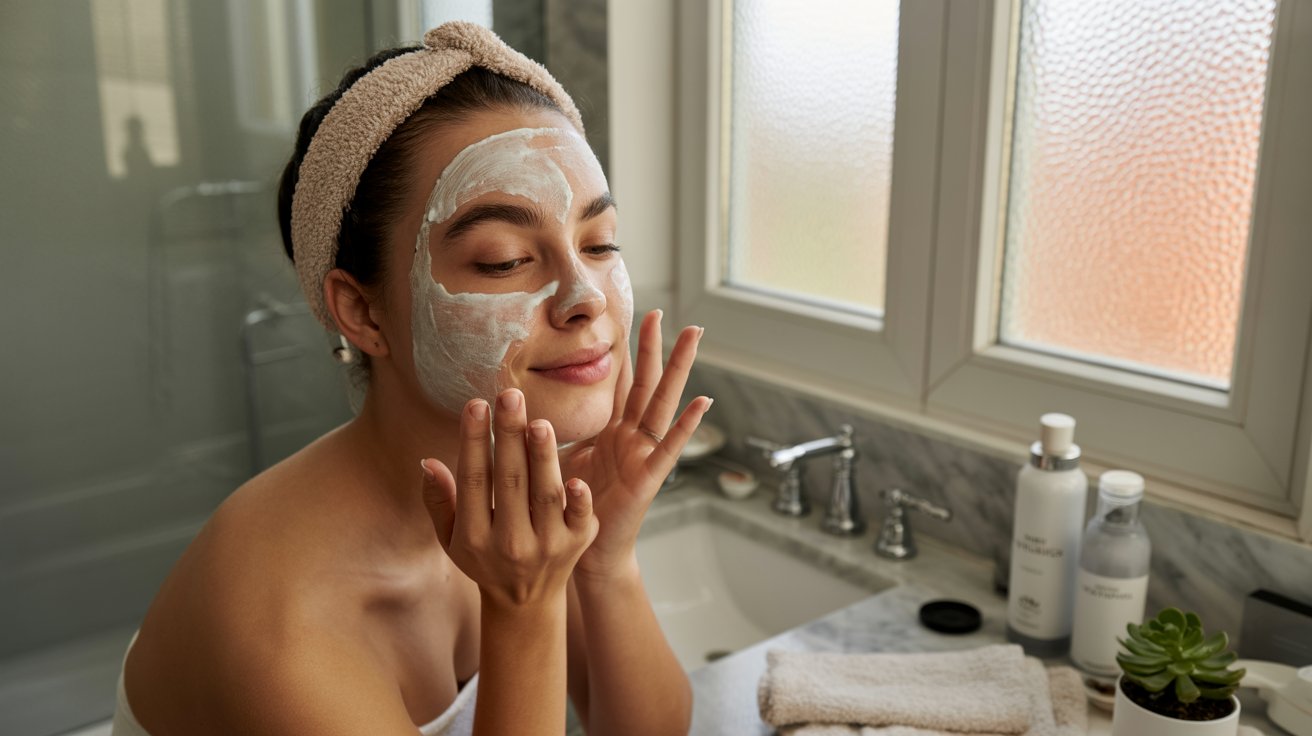
It is tempting to assume that the strongest option gives the fastest and best results. But that is not always how tretinoin works in practice.
Why Higher Strengths Cause More Irritation
At 0.1%, the skin takes on a much heavier load. Peeling, redness, and dryness become more common and harder to manage.
When the skin barrier gets disrupted, it actually slows down your progress. An irritated skin barrier cannot absorb or respond to tretinoin effectively, which defeats the purpose of using a stronger dose.
Why Consistency Matters More Than Strength
The real results from tretinoin come from long-term, steady use. Collagen production builds up gradually over months, not days.
A person using 0.025% consistently every night will often see better results than someone using 0.1% a few times a week due to irritation. Showing up for your skin regularly at a manageable strength is what drives real anti-aging results over time.
Clinical Evidence on Tretinoin Strength for Wrinkles

Research backs up what dermatologists have observed for years. Tretinoin is not just a skincare trend. It has real, measurable results supported by clinical data.
0.05% Study Results
A well-known clinical study found that 0.05% tretinoin produced significant reduction in photodamage after just 6 months of consistent use.
Long-Term Collagen Benefits
Studies tracking tretinoin use over 10 to 12 months showed consistent collagen production benefits:
- Collagen levels in the skin increased measurably over time
- Skin firmness and elasticity improved with continued use
- Fine lines became less visible as collagen rebuilt beneath the surface
- Lower strengths used consistently still produced strong collagen results
Side Effects by Strength Level
Side effects vary depending on the strength you use. The good news is that most of them settle down within a few weeks as your skin adjusts.
| Strength | Common Side Effects | Irritation Level |
|---|---|---|
| 0.025% | Mild dryness | Low |
| 0.05% | Moderate peeling initially | Medium |
| 0.1% | Dryness, redness, peeling | High |
Most side effects are temporary. Giving your skin time to adjust is key. Starting low and building up gradually is always the safer approach.
Conclusion
Choosing the right strength comes down to where your skin is right now. Start with 0.025% if you are new to tretinoin or have sensitive skin.
Move to 0.05% when you want real, visible wrinkle reduction as it works well for most people. Reserve 0.1% for deeper wrinkles once your skin has built up tolerance.
Jumping to the highest strength will not speed up your results. Consistency always wins.
Ready to start your tretinoin routine? Consult your dermatologist to find the strength that fits your skin best.
Frequently Asked Questions
What strength of tretinoin cream is best for beginners?
0.025% is the best starting point for beginners. It allows your skin to adjust gradually without causing heavy irritation or peeling.
Is 0.05% tretinoin strong enough to reduce wrinkles?
Yes, 0.05% is the most recommended strength for wrinkle reduction. It delivers visible results for most people without causing excessive skin irritation.
How long does tretinoin take to show results on wrinkles?
Most people start seeing noticeable improvements between 3 to 6 months of consistent use. Collagen rebuilding takes time, so patience is important.
Can I use 0.1% tretinoin if I have sensitive skin?
0.1% is not suitable for sensitive skin, especially as a starting point. It carries a high risk of redness, peeling, and barrier disruption that can set back your progress.
Does a higher strength of tretinoin always give faster wrinkle results?
Not necessarily. Higher strength increases irritation risk, which can interrupt consistent use. A lower strength used regularly often delivers better long term results than a stronger one used inconsistently.