Base Coat vs Top Coat: What’s the Difference?

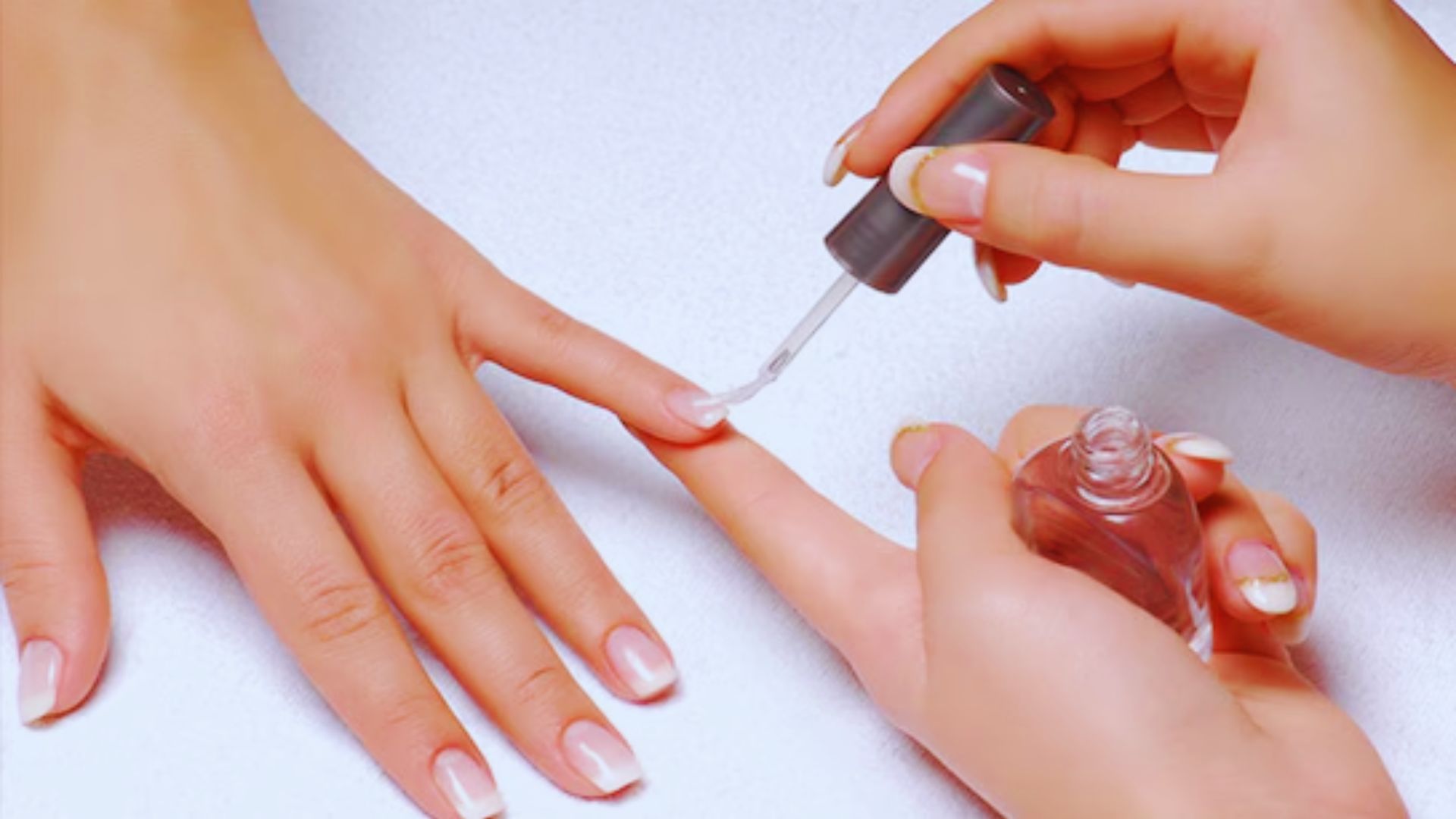
If you’ve ever wondered why your nail polish chips too fast or looks uneven, you’re not alone.
Most people skip either the base coat or top coat and don’t realize how much it affects the final result.
This article breaks down exactly what each product does, why both matter, and how to use them the right way.
I’ve spent years experimenting with nail care, and trust me, getting this right changes everything.
Here we’ll cover what base coat and top coat actually are, how they differ, why you need both, and how to apply them correctly.
Let’s get started.
Understanding Base Coat vs Top Coat
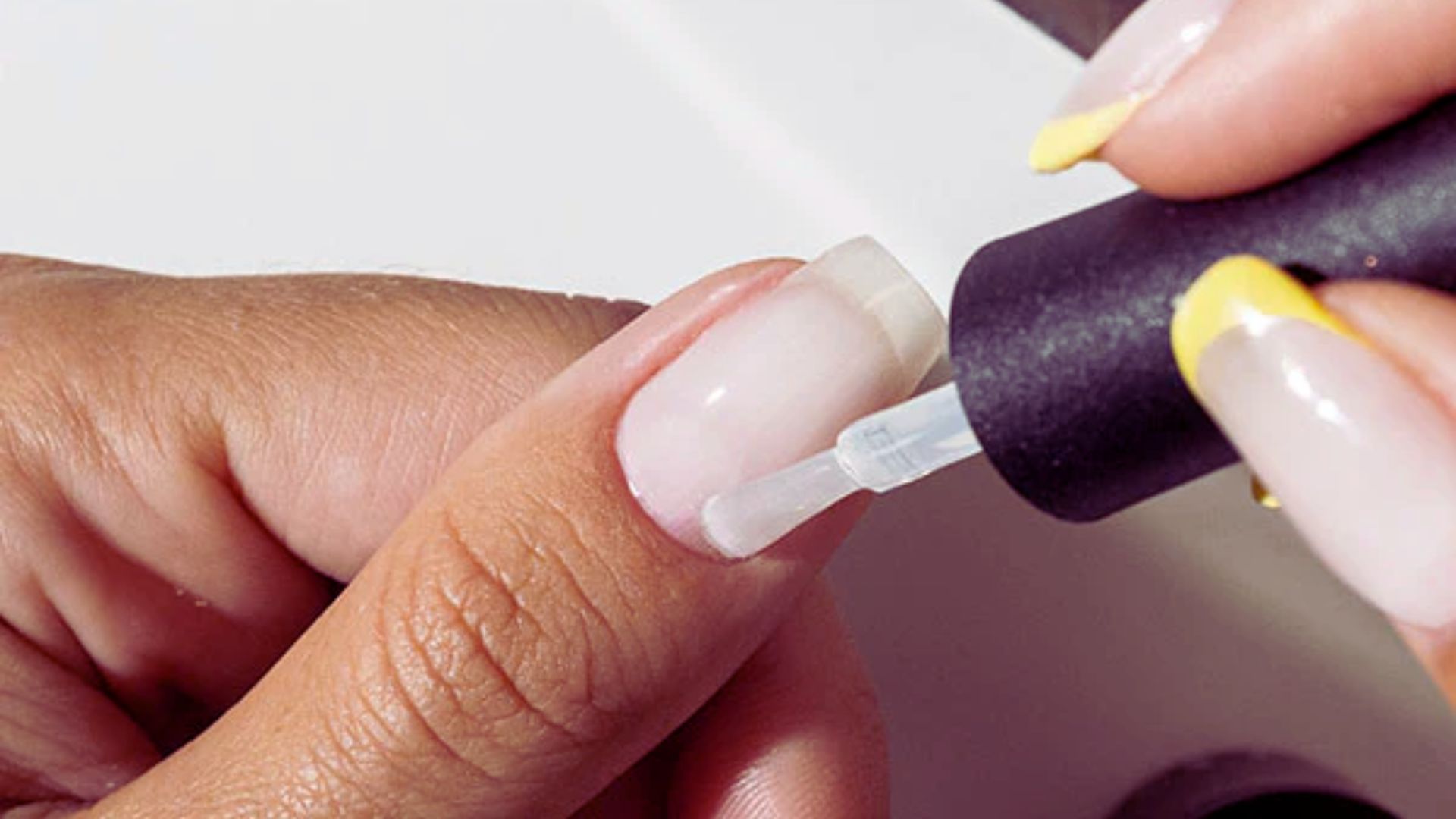
Two simple products. Two very different jobs.
A base coat is the first layer you apply to your nails before nail polish. Think of it as a primer. It creates a smooth, even surface for the color to sit on.
A top coat is the last layer. You apply it after your polish dries. It acts like a protective shield over your color.
Both come in bottles that look almost the same, but they work very differently. Skipping either one affects your manicure. Without a base coat, polish may stain your nails or chip faster.
Without a top coat, color fades quickly and loses its shine. Together, they make your manicure look better and last longer. That’s the simple truth.
What Is a Base Coat?
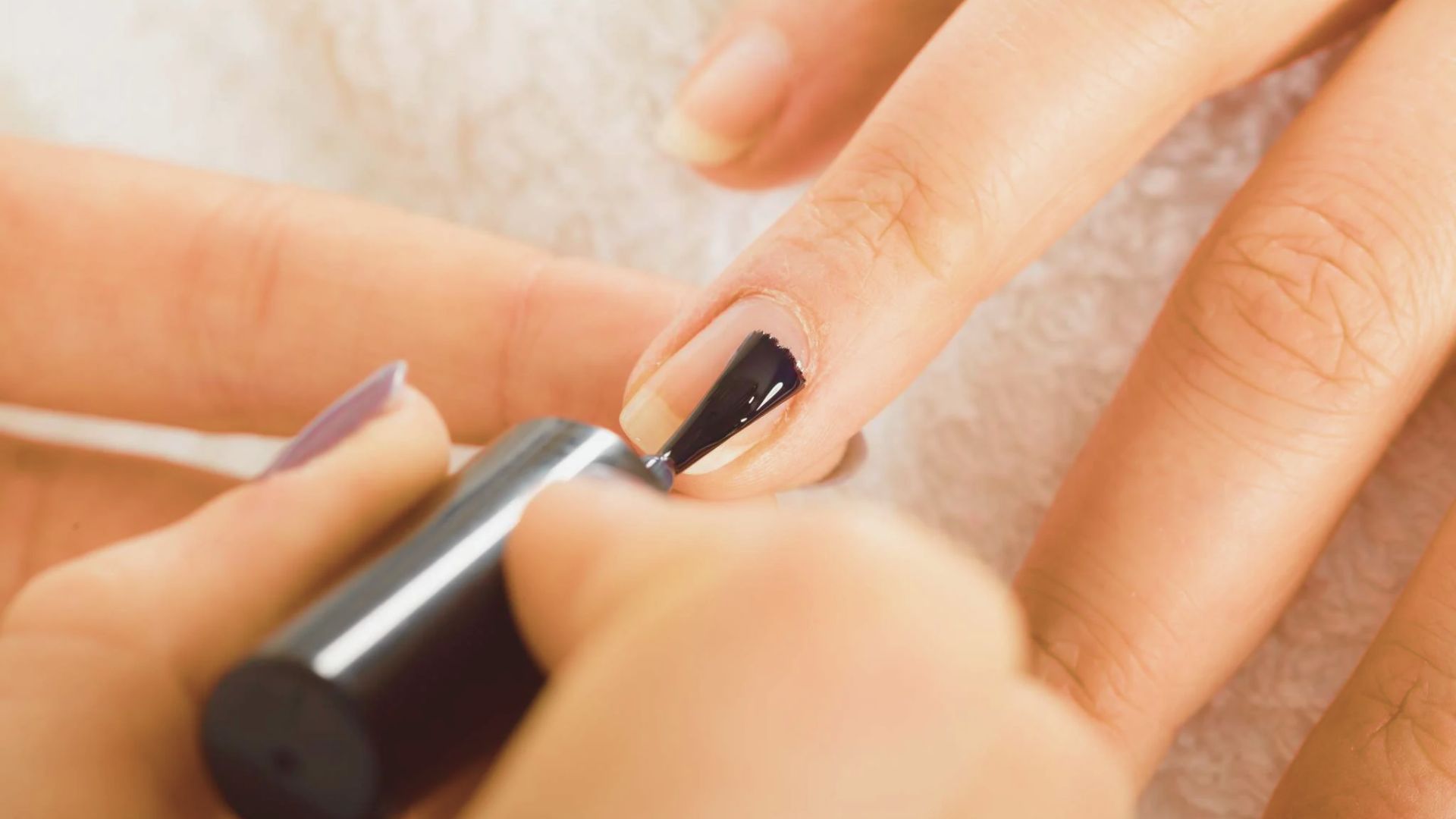
The first step that sets the foundation for a long-lasting manicure.
Purpose of a Base Coat
A base coat does two main things. First, it creates a smooth surface. Nails have ridges and uneven spots and a base coat fills those in so polish goes on evenly and looks clean.
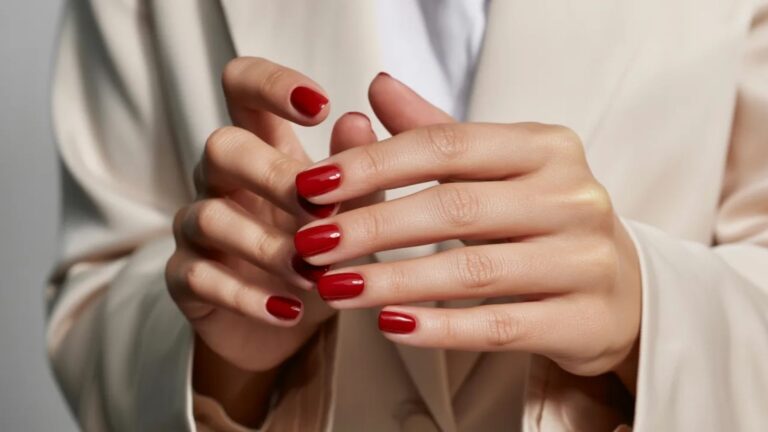
Second, it prevents nail staining. Dark polishes like red, burgundy, or navy can leave yellow stains on bare nails over time.
A base coat acts as a barrier between your nail and the color so that doesn’t happen.
Key Benefits of Using a Base Coat
You should never skip this step. Polish sticks much better to a base coat than to a bare nail. It grips the surface and stays put, which means less peeling and fewer chips early on.
Many base coats also have ingredients like keratin or calcium that help protect and strengthen your nails over time.
On top of that, polish applied over a base coat tends to last several days longer than polish applied directly on bare nails. That alone makes it worth the extra minute.
What Is a Top Coat?
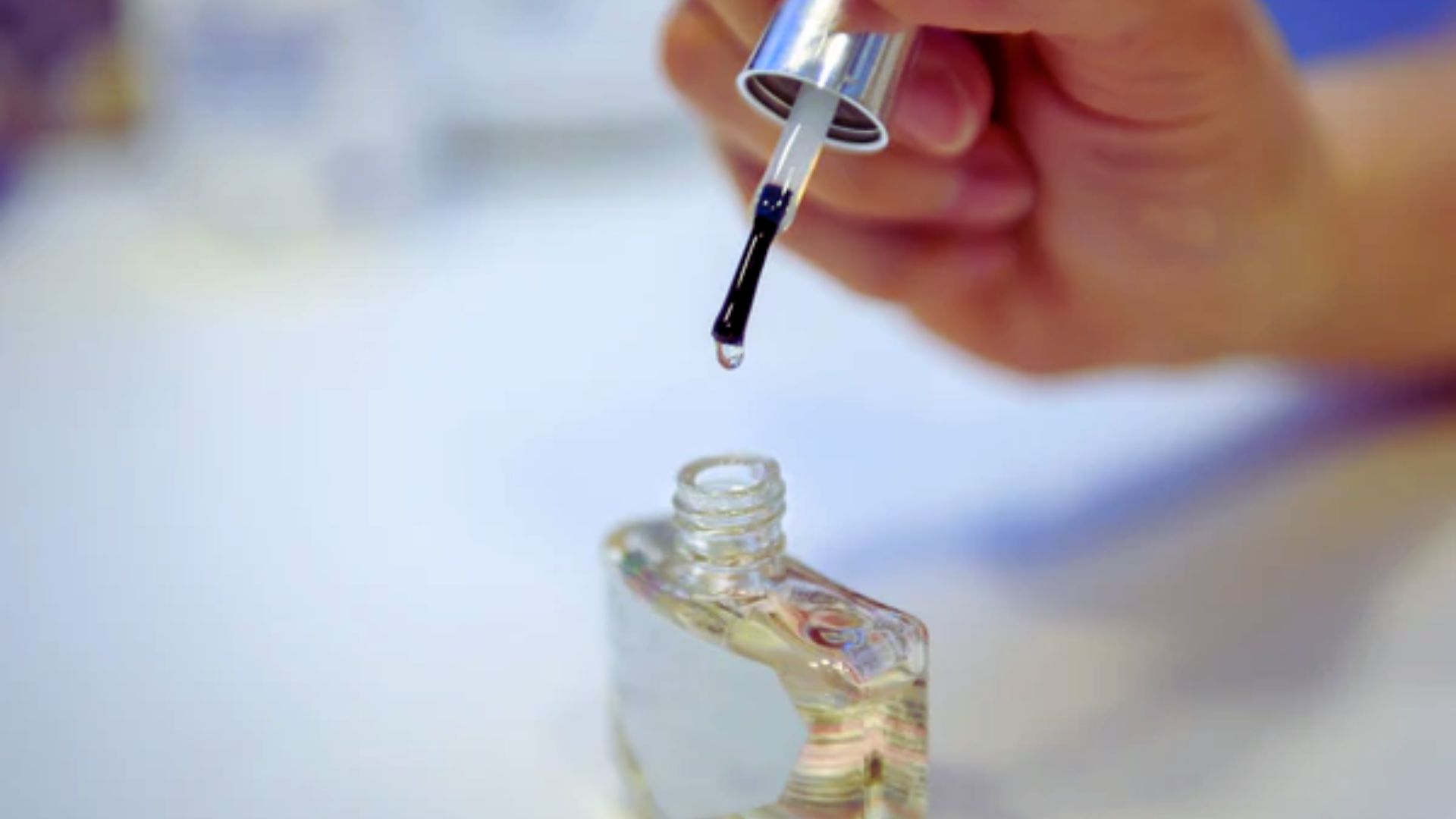
The finishing layer that protects your color and keeps your nails looking fresh.
Purpose of a Top Coat
A top coat seals everything in. Once your nail polish is dry, a top coat goes over it to lock in the color and keep it looking fresh. It also controls the finish of your manicure.
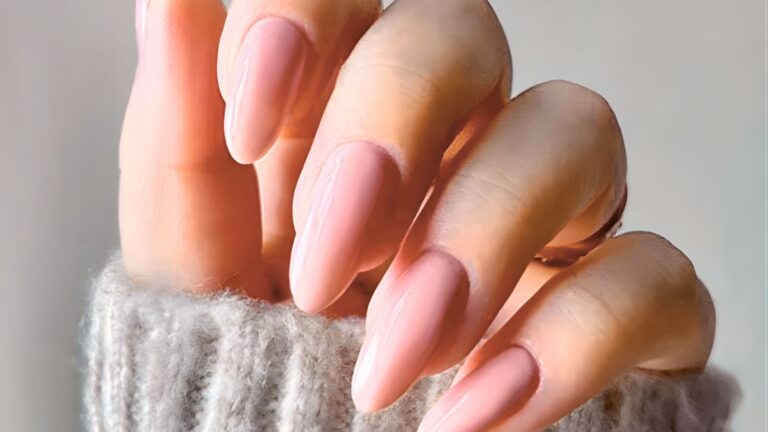
Want a glossy, mirror-like shine? There’s a top coat for that. Want a flat, matte look? There’s one for that too. Some even add a subtle shimmer or glitter effect depending on the formula you choose.
Key Benefits of Using a Top Coat
A top coat acts like armor over your color. It keeps your polish from cracking or peeling at the tips, which is usually where chips start first.
A good top coat can add several extra days to your manicure, which means fewer touch-ups and less time redoing your nails. Some top coats are also made to speed up drying time.
A quick-dry formula can cut your wait time significantly, which is great if you’re always on the go.
Base Coat vs Top Coat: Key Differences
Same shelf, same bottle shape, but two very different products doing two very different jobs.
| Feature | Base Coat | Top Coat |
| Main purpose | Prepares and primes the nail | Seals and protects the color |
| Application order | First | Last |
| Prevents staining | Yes | No |
| Adds shine | No | Yes |
| Prevents chipping | Partially | Yes |
| Texture when dry | Slightly sticky | Hard and smooth |
| Strengthens nails | Yes | No |
Why You Need Both Base Coat and Top Coat
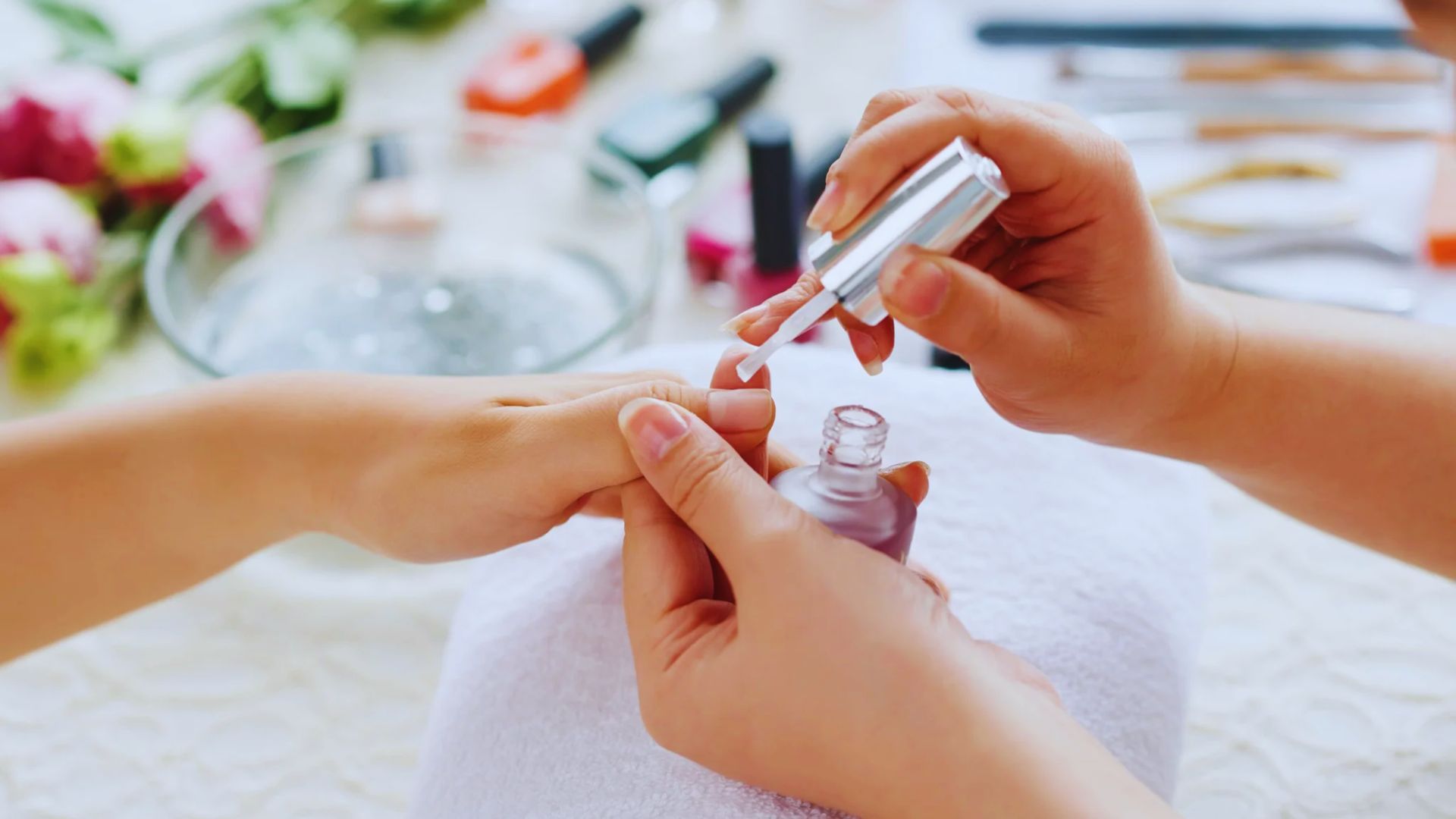
Skipping one is like building a house without a foundation or a roof. Both matter.
How They Work Together
Think of it like a sandwich. The base coat is the bottom slice of bread. The colored polish is the filling. The top coat is the top slice.
Take away either slice, and the whole thing falls apart.
The base coat keeps the polish stuck to the nail. The top coat keeps the polish protected from the outside. Both are doing a job the other one can’t do.
Impact on Manicure Longevity
Without a base coat, polish tends to peel or chip within two to three days.
Without a top coat, the color fades, scratches easily, and loses shine fast.
With both, most manicures last seven to ten days or longer. That’s a big difference for something that takes less than five minutes to apply.
Nail Protection and Health Benefits
A base coat protects your nail plate from direct contact with polish chemicals. This reduces the risk of dryness and staining.
A top coat reduces wear from daily activities like typing, washing dishes, or opening packages.
Together, they reduce the damage that repeated polish use can cause to your nails over time.
How to Apply Base Coat and Top Coat Properly
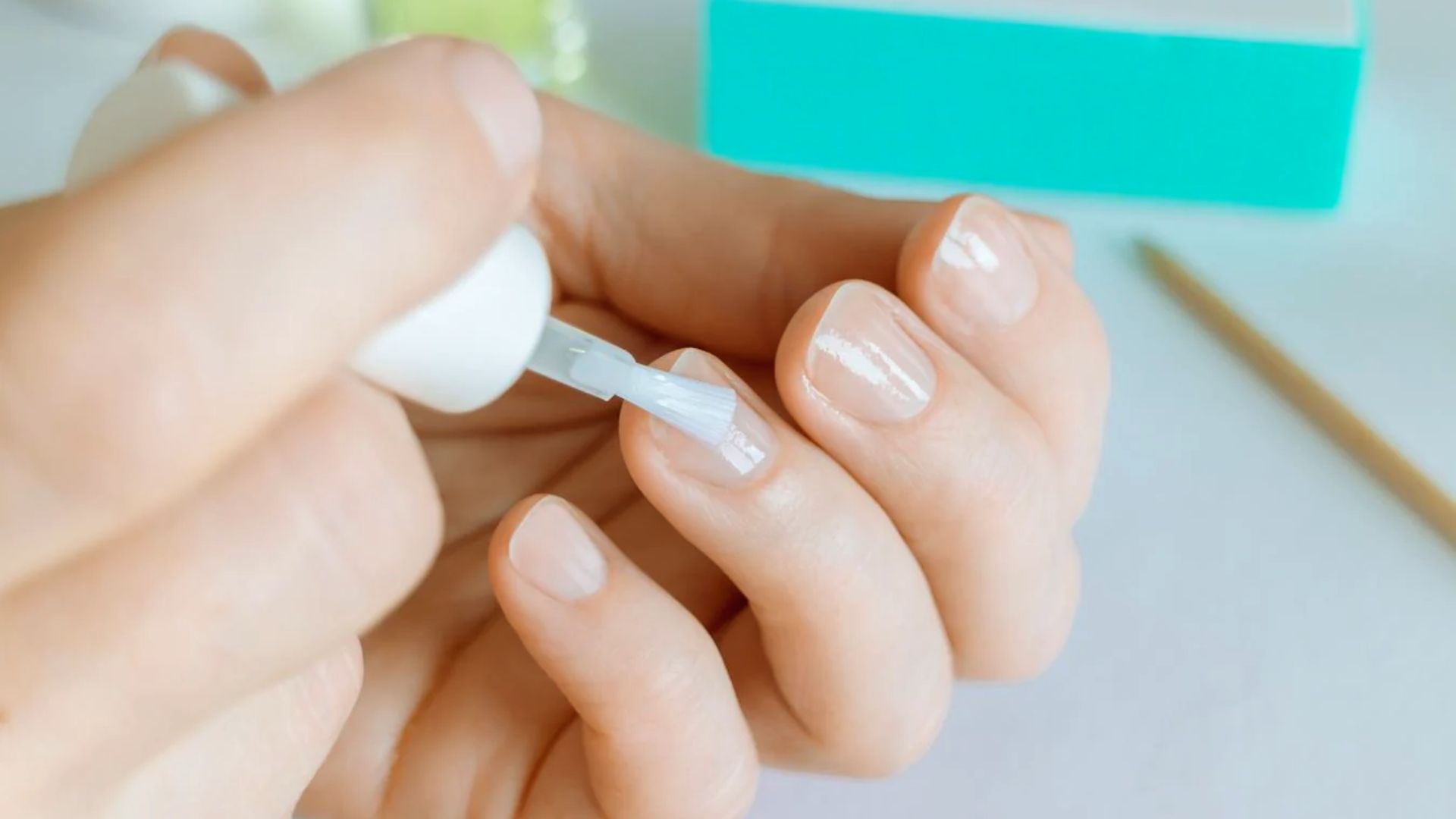
Knowing what each product does is only half the work. Applying them the right way is what actually makes your manicure last.
Step-by-Step Base Coat Application
Follow these five simple steps and your polish will grip better from the very first coat.
- Start with clean, dry nails and remove any old polish completely.
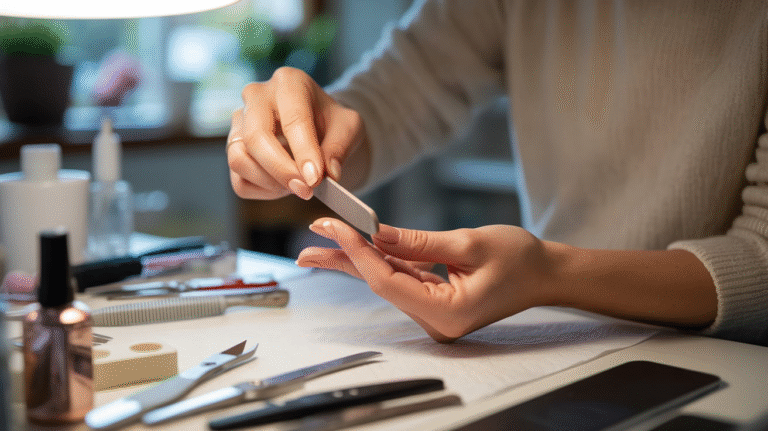
- Push back your cuticles gently and buff your nails lightly if they feel rough.
- Apply one thin, even layer of base coat over each nail.
- Brush from the base of the nail all the way to the tip in smooth strokes.
- Cap the free edge with a small swipe and let it dry for about 60 seconds before applying color.
Step-by-Step Top Coat Application
This last step is what stands between a fresh manicure and one that chips by tomorrow.
- Make sure your colored polish is fully dry before you start.
- Apply one thin layer of top coat starting from the base and moving to the tip.
- Cap the free edge again. This is the step most people forget and it matters the most.
- Avoid touching anything for at least two minutes after applying.
- Reapply top coat every two to three days to keep your manicure fresh and protected.
Common Mistakes to Avoid
These small slip-ups are usually the reason your manicure doesn’t last as long as it should.
- Applying too much product. Thick layers take longer to dry and are more likely to bubble or smudge. Always go thin.
- Not capping the free edge. This is where chips almost always start. Never skip sealing the tip.
- Applying the top coat too soon. If the colored polish isn’t fully dry, the top coat can drag and ruin your design. Be patient.
- Skipping the base coat to save time. It only takes a minute. The staining and peeling it prevents is completely worth it.
- Using old or thick polish. Old products get gloopy and don’t apply well. Thin them out with a drop of nail polish thinner if needed.
Can You Use Base Coat and Top Coat Interchangeably?
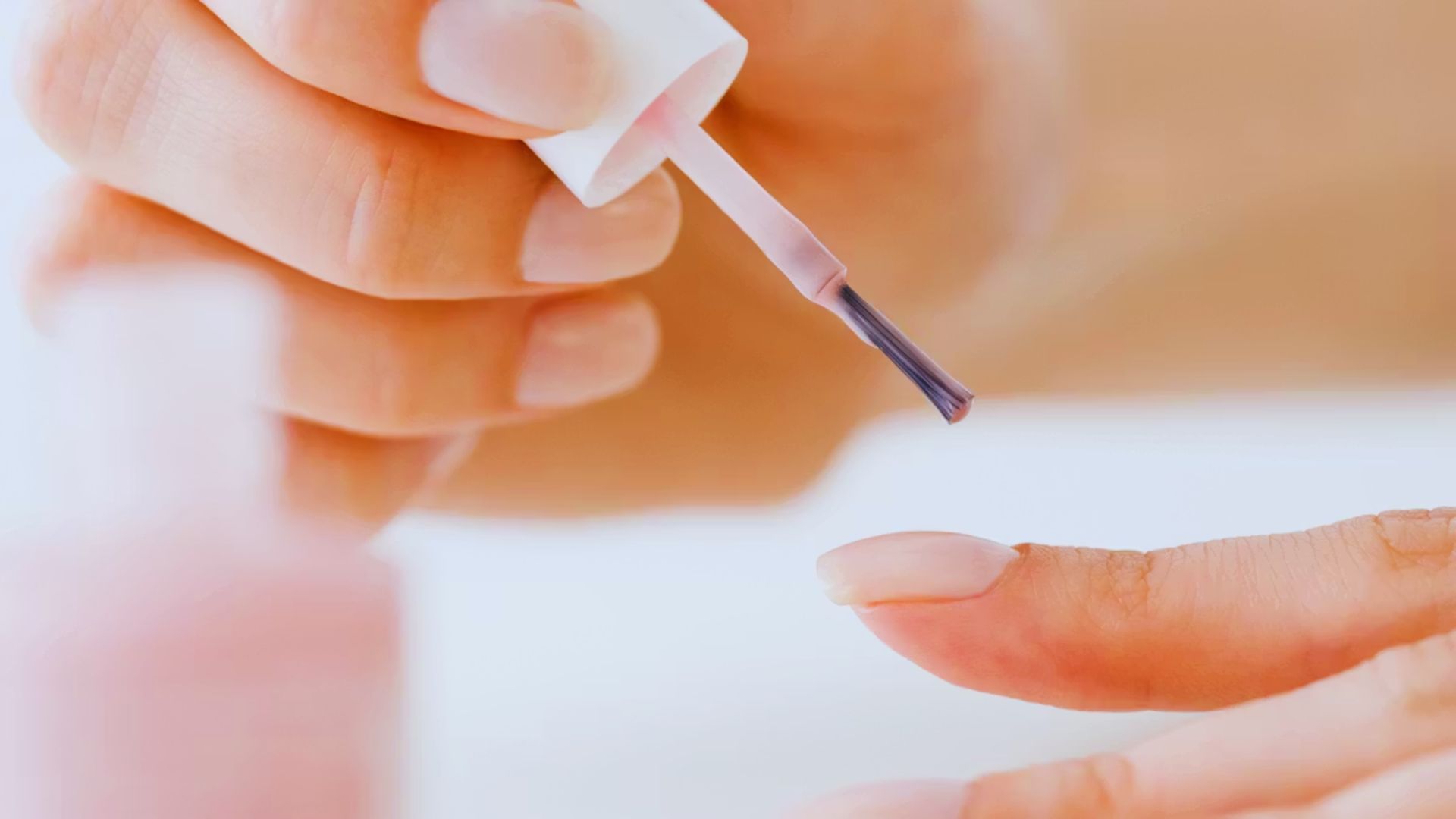
Even though they look similar, they are made with very different formulas. A base coat is slightly sticky so polish can grip it and it often has strengthening ingredients.
A top coat is hard and glossy when dry and is built to resist wear and protect color.
Using a top coat as a base coat means the hardening formula won’t grip your polish well, so it may peel off in sheets and leave your nails open to staining.
Using a base coat as a top coat means your nails stay tacky, pick up dust, and scratch easily with zero protection.
It might seem like a small shortcut but your manicure will usually fall apart within a day or two.
Conclusion
Now you know exactly what both products do and why skipping either one costs you a good manicure.
Honestly, I used to skip the base coat all the time thinking it didn’t matter.
My nails were stained and my polish never lasted. Once I made both steps a habit, everything changed.
Start with a base coat. Finish with a top coat. Cap your edges.That’s it.
Try it with your next manicure and see the difference for yourself. Drop a comment below and let me know how it goes!
Frequently Asked Questions
Can I use just a base coat without a top coat?
Yes, but your polish won’t last as long. A top coat protects your color from chipping and fading, so skipping it means more frequent touch-ups.
Can I use just a top coat without a base coat?
You can, but your nails may stain and your polish may not adhere as well. Using both gives you the best result and protects your nail health.
How long should I wait between applying base coat and nail polish?
Wait about 60 seconds after applying your base coat. It should feel slightly tacky but not wet before you start your color.
Do I need a base coat and top coat for gel nails?
Yes. Gel manicures also use a gel base coat and gel top coat. These are specific to gel systems and should not be swapped with regular nail polish products.
How often should I reapply the top coat?
Reapply a thin layer every two to three days. This refreshes the shine and adds an extra layer of protection to help your manicure last longer.