What Causes Hangnails and How to Treat Them


Have you ever had that annoying piece of skin sticking up next to your nail? That’s a hangnail, and trust me, they hurt way more than they should.
Hangnails aren’t actually part of your nail. There are small tears in the cuticle skin around it. I used to get them all the time, especially during winter.
The pain comes from all those nerve endings in that sensitive area. Through trial and error, I’ve learned what causes them and how to treat them properly.
In this post, I’m sharing everything I know about handling hangnails so you can feel better fast.
Understanding Hangnails
Hangnails are more than just annoying. Knowing what they are and why they hurt helps you treat them the right way.
What Is a Hangnail?
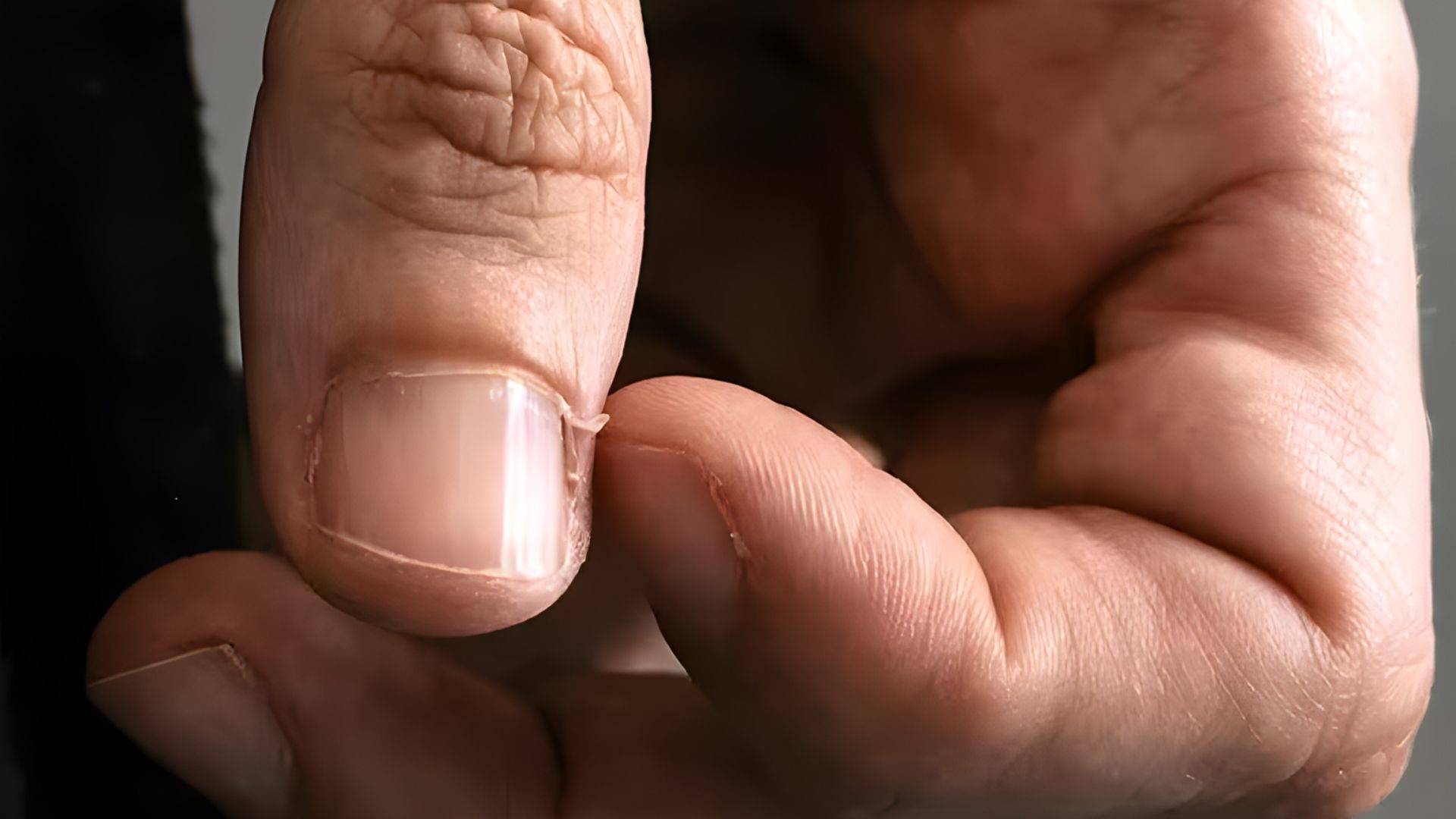
A hangnail is a small piece of torn skin near the edge of your nail. It usually shows up along the sides or at the base.
Here’s the thing. Hangnails aren’t part of your nail. There are tears in the cuticle skin around it.
You’ll know you have one when you feel sharp pain. The area becomes tender and red. The torn skin catches on clothing and fabric.
Why Hangnails Can Be More Than a Nuisance
Hangnails can lead to real problems if ignored.
The biggest risk is infection. Bacteria can get under your skin and cause paronychia. In worse cases, you might get cellulitis or an abscess.
Your fingers have tons of nerve endings. That’s why tiny hangnails hurt so much.
Untreated hangnails affect daily life. Typing and cooking become uncomfortable.
What Causes Hangnails?
Several things can lead to hangnails. Understanding these causes helps you prevent them from happening.
Dry Skin and Environmental Factors
Dry skin is the main reason hangnails form. Washing your hands frequently strips away natural oils. Cold or dry weather makes things worse by pulling moisture from your skin.
Harsh chemicals like cleaning agents, hand sanitizer, and acetone damage the delicate skin around your nails and dry out cuticles.
Nail Care Habits
How you treat your nails matters. Biting your nails or picking at cuticles creates tears in the skin. Improper trimming damages the surrounding area.
Cutting cuticles too much or trimming nails incorrectly leaves skin vulnerable. Aggressive manicuring, like pushing cuticles back too hard, creates hangnails too.
Nail and Skin Health Factors
Some health issues make you more prone to hangnails. Brittle or weak nails often come with dry, fragile cuticles that tear easily. Constant exposure to water or detergents weakens the skin.
Health conditions like diabetes or being immunocompromised make hangnails more common. Ingrown nails can also cause them.
Lifestyle and Behavioral Triggers
Your daily habits play a big role in hangnail formation. Thumb sucking keeps the area moist and irritated, which softens skin and makes it tear.
Poor nutrition affects nail health since your body needs proper vitamins. Skipping moisturizer is a common mistake because regular hand care keeps cuticles soft.
How to Treat Hangnails Effectively
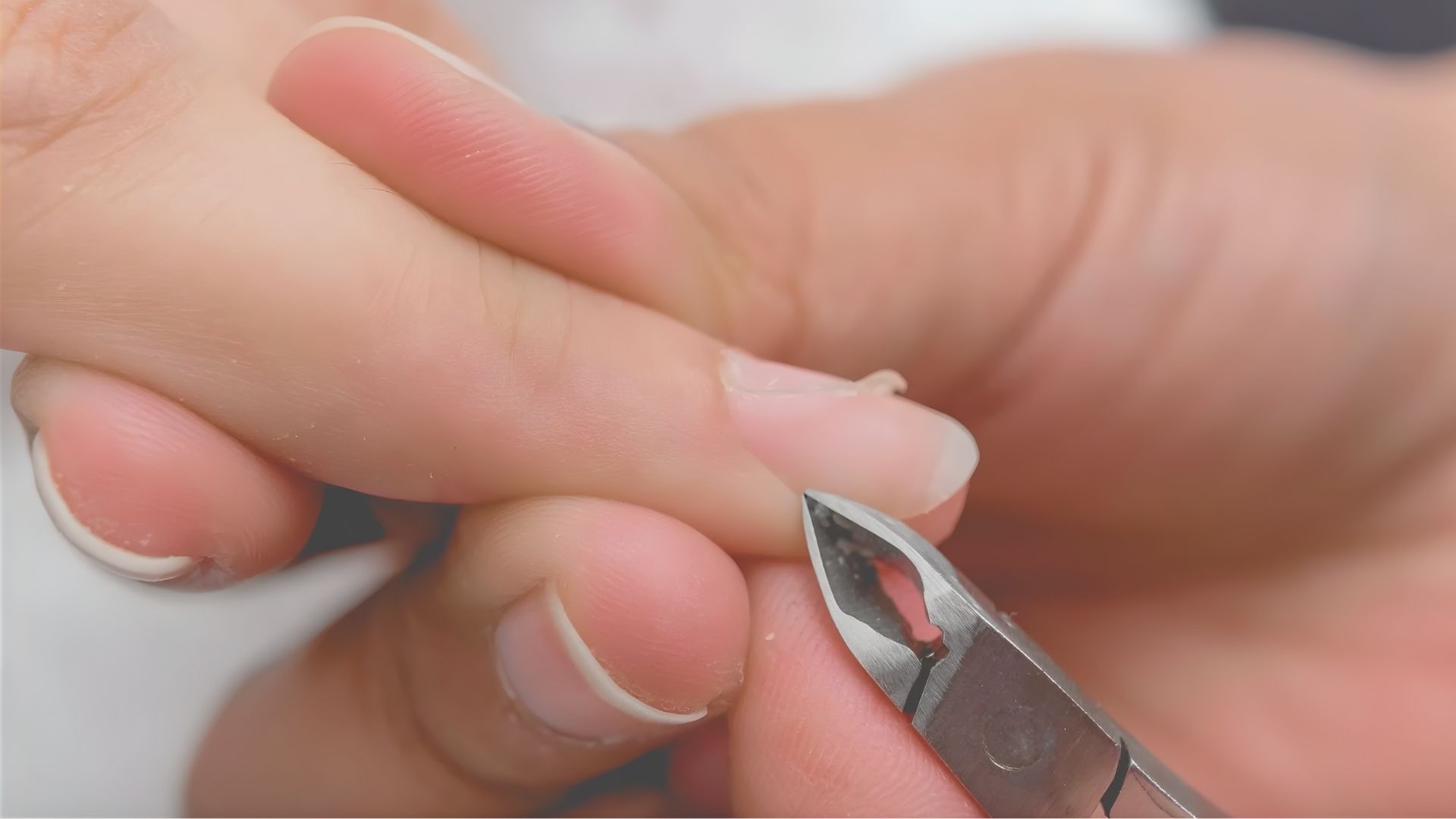
Treating hangnails the right way helps them heal faster and prevents infection. Here’s what works.
Home Remedies
Start by soaking your affected finger in warm, soapy water for 10 to 15 minutes. This softens the skin and makes treatment easier.
After soaking, gently trim the hangnail with sterilized clippers or scissors. Cut close to the base without pulling or tearing.
Apply petroleum jelly, mineral oil, or vitamin E oil to keep the area moist and help it heal.
Preventing Infection
Keep the area clean to avoid infection. Apply an antiseptic or antibacterial ointment right after trimming.
If the hangnail is sore or bleeding, cover it with a bandage.
Change the bandage daily and keep watching for any signs of infection. Clean hands make a big difference in how quickly your hangnail heals.
When to Seek Medical Help
Sometimes hangnails need professional care. Watch for signs of infection like redness, swelling, warmth, or pus around the area. If your pain gets worse instead of better, see a doctor.
An abscess might form if bacteria gets deep under the skin. This requires medical treatment and possibly antibiotics.
Don’t wait if things look serious.
Preventing Hangnails from Occurring

Prevention is easier than treatment. These simple habits keep hangnails from forming in the first place.
Keep Hands and Cuticles Hydrated
Moisture is your best defense against hangnails. Use hand cream daily, especially after washing your hands. Apply cuticle oil at night before bed to keep the skin soft and flexible.
Drinking plenty of water helps too. Hydration works from the inside out to keep your skin healthy and less prone to cracking.
Maintain Healthy Nail Habits
Good nail care prevents most hangnails. Avoid biting or picking at your nails no matter how tempting it is. Trim your nails straight across and smooth any rough edges with a file.
Never cut your cuticles since this damages the protective barrier around your nails. Push them back gently instead if needed.
Protect Your Hands
Your hands need protection from harsh conditions. Wear gloves when you’re cleaning, gardening, or dealing with chemicals. Put on gloves in cold weather to prevent dry, cracked skin.
Limit how long your hands stay in water since prolonged exposure weakens cuticles. Even washing dishes can cause problems if you do it barehanded every day.
Strengthen Nails with Diet and Products
Strong nails mean healthy cuticles. Try nail strengtheners with biotin, keratin, or calcium to build resilience. Your diet matters too.
Eat nutrient-rich foods like eggs, salmon, almonds, spinach, and sweet potatoes. These give your body the vitamins and minerals it needs to keep nails and surrounding skin strong and healthy.
Expert Tips for Long-Term Nail Health:
- Moisturize daily: Apply hand cream and cuticle oil every day to keep skin soft. Make it part of your morning and bedtime routine.
- Trim nails properly: Cut nails straight across and file edges smooth. Never tear or bite hangnails when they appear.
- Wear gloves often: Protect your hands while cleaning, washing dishes, or going outside in cold weather. This prevents dryness and damage.
- Stay hydrated inside and out: Drink enough water throughout the day. Use a good quality hand cream after every hand wash.
- See a dermatologist when needed: If you get hangnails frequently or they keep getting infected, get professional help. They can identify underlying issues.
Conclusion
Hangnails happen to everyone, but now you know how to handle them. Dry skin and poor nail habits are the main causes.
Treat them by soaking, trimming carefully, and keeping the area moist. Prevention is simple with daily moisturizer and proper nail care.
If you notice infection or keep getting hangnails, see a dermatologist. Your hands work hard for you every day.
Start taking better care of them today.
Frequently Asked Questions
Can I pull off a hangnail?
No, pulling a hangnail makes it worse and causes more tearing. Always trim it carefully with sterilized clippers instead of pulling or ripping it off.
How long does it take for a hangnail to heal?
Most hangnails heal within 5 to 7 days with proper care. If it’s infected or you keep irritating it, healing takes longer.
Are hangnails a sign of vitamin deficiency?
Sometimes, yes. Low levels of biotin, vitamin C, or protein can weaken nails and skin. Eating a balanced diet helps prevent hangnails from forming.
Can hangnails get infected?
Yes, hangnails can get infected if bacteria enters the torn skin. Watch for redness, swelling, pus, or increased pain, and see a doctor if these appear.
Why do I keep getting hangnails?
Frequent hangnails usually mean your hands are too dry or you have damaging habits. Try moisturizing daily, wearing gloves, and avoiding nail biting to stop them.