
A Guide To Permanent Nail Matrix Damage: Protect Your Nails

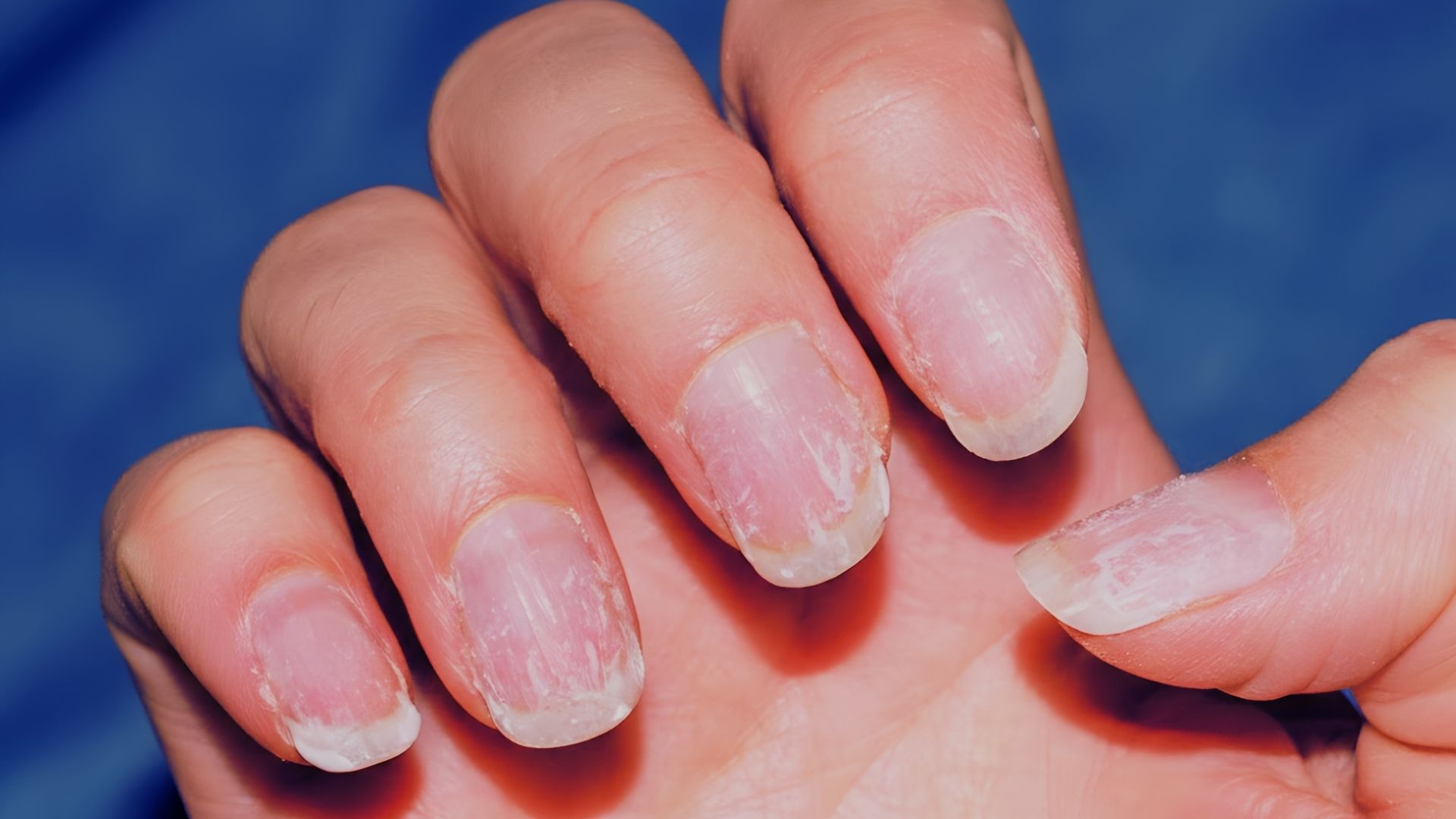
Have you ever noticed your nails growing unevenly, developing ridges, or looking weaker than usual, and started thinking about what might be happening beneath the surface?
I’m here to help you understand the nail matrix, the hidden root that controls nail growth and what permanent nail matrix damage can do to it.
Together, we will walk through the causes, warning signs, and ways to protect or improve your nails.
With expert-backed insights, this guide will give you the clarity and confidence to recognize problems early and take action.
Let’s get started.
What Is the Nail Matrix and Its Role in Nail Growth?
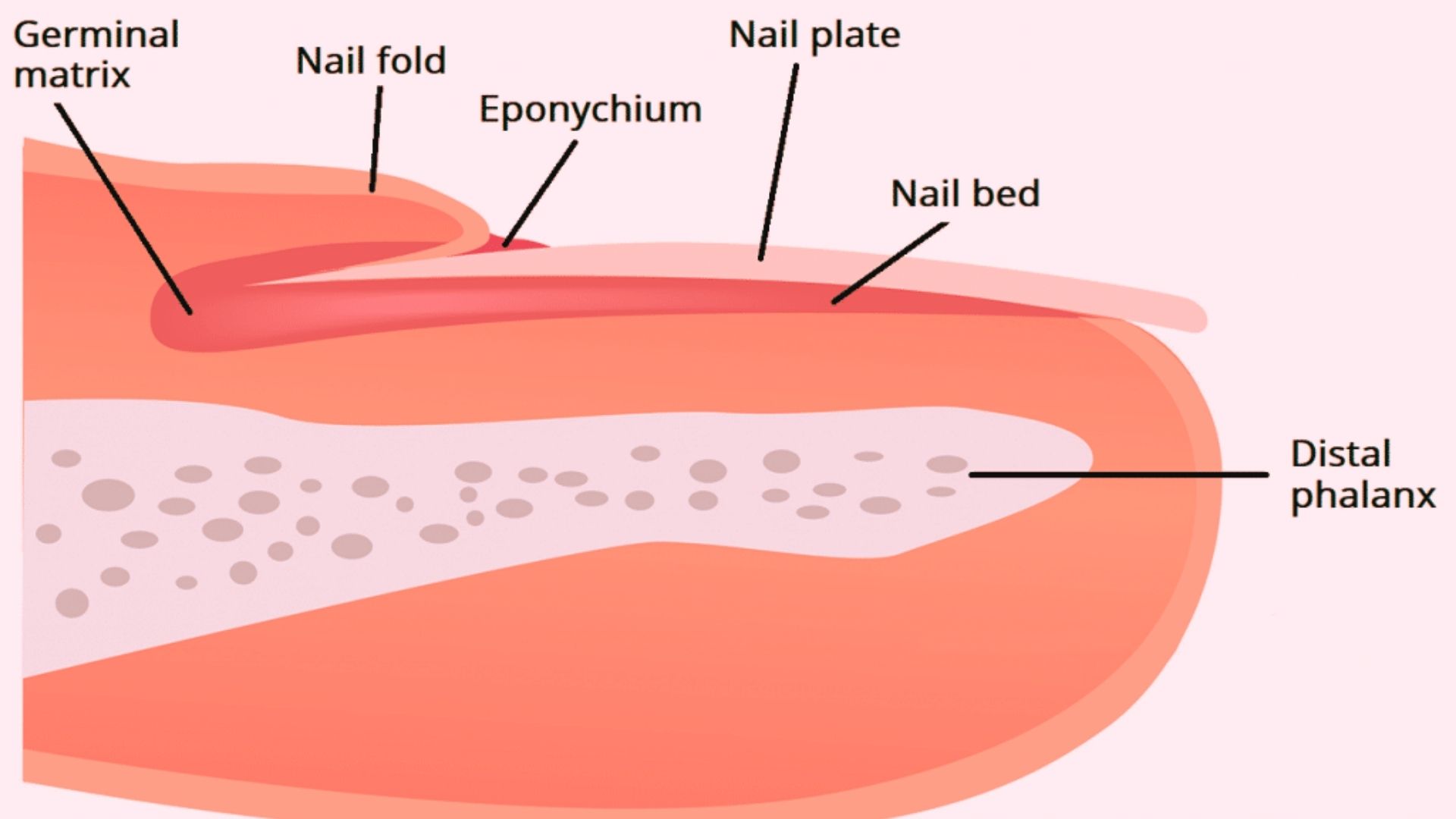
The nail matrix is like the root of your nail, where new nail cells are made so your nails can grow.
It is located just under the cuticle and the proximal nail fold, mostly hidden from view, but it plays a very important role in forming the nail plate.
The matrix produces the cells that gradually harden to form the nail, controlling its thickness, shape, and growth speed, which is why fingernails grow faster than toenails.
It is different from the nail bed, which is the skin under the nail that supports it as it grows.
Part of the matrix is visible as the small white half-moon at the base of your nail, called the lunula, while the rest is hidden under the skin and does most of the work.
A healthy matrix keeps nails smooth and strong, but any injury or repeated stress can change how your nails grow, causing ridges, splits, or other long-term nail problems.
What Is Permanent Nail Matrix Damage?
Permanent nail matrix damage happens when the nail’s growth center, or matrix, is injured so severely that it can no longer produce healthy nail cells.
In medical terms, “permanent” means the matrix cells are damaged beyond repair and cannot regenerate, which can lead to long-lasting changes in the nail’s shape, thickness, or growth.
Temporary matrix injuries can heal over weeks or months, and the nail may grow back normally, but permanent damage occurs when these cells are destroyed or scarred.
Signs that the damage has crossed into permanent territory include nails that grow unevenly, develop deep ridges or splits, become thickened or thin, or stop growing entirely from the base.
Permanent damage to the nail matrix can cause nails to grow thick, thin, misshapen, or stop growing.
Nails may develop ridges, splits, or discoloration and become brittle or crooked. The area near the cuticle can be tender, and the overall appearance of the nails may be affected.
What Causes Permanent Nail Matrix Damage?
Permanent damage to the nail matrix can result from sudden injuries or slow, repeated stress. Knowing the causes helps protect your nails.
1. Physical Trauma and Injuries
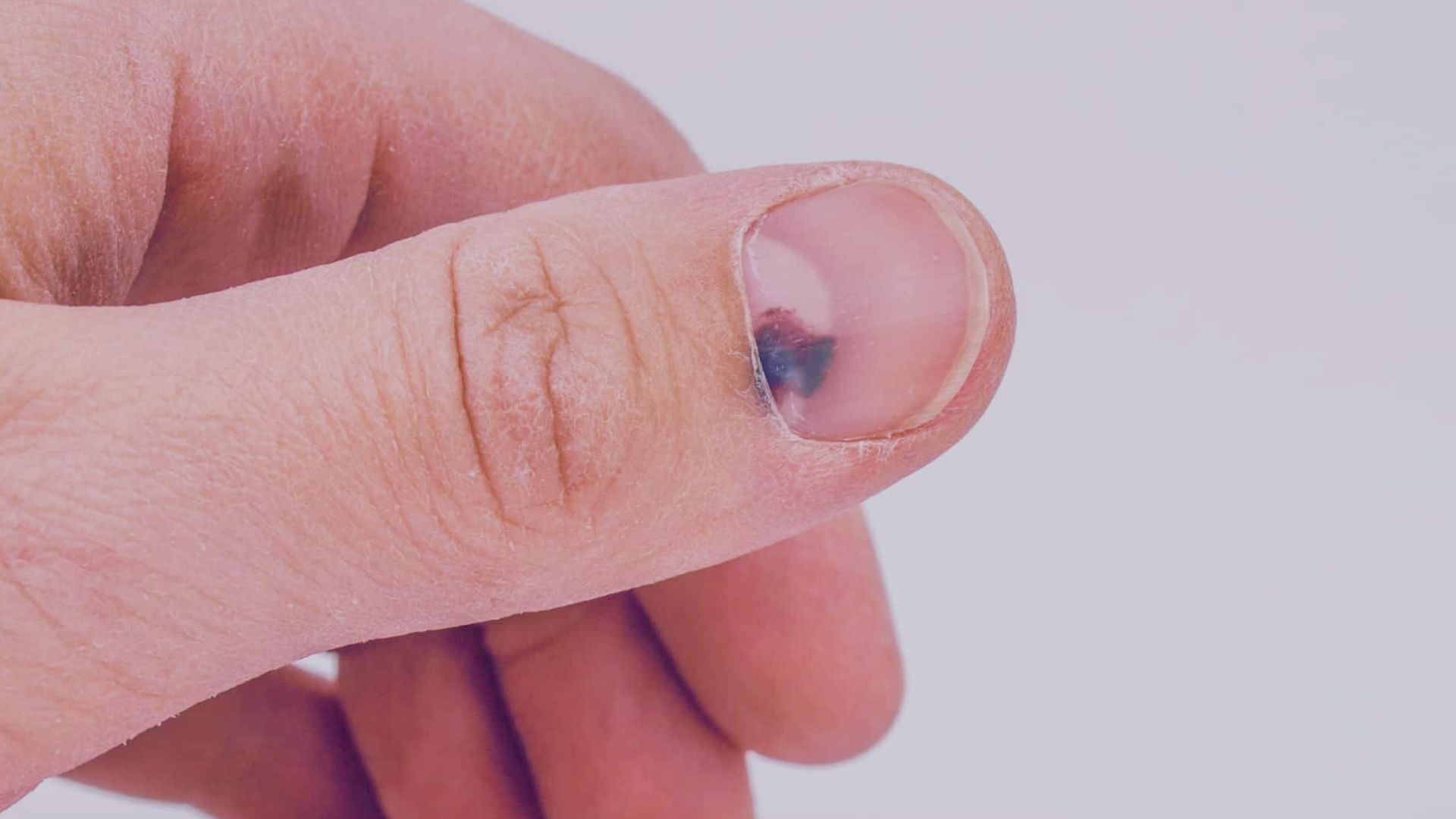
Crushing injuries, deep cuts near the cuticle, and accidents like door slams or sports impacts can damage the matrix.
When matrix cells are destroyed, nails may grow deformed, thickened, or stop growing. Some severe injuries can cause permanent changes despite immediate care.
2. Aggressive Nail Procedures

Deep cuticle cutting, repeated use of electric files, drilling into the matrix, or rough removal of acrylic and gel nails can scar the matrix.
This can alter nail shape, thickness, and growth. Gentle and professional nail care reduces the risk of permanent damage.
3. Chronic Nail Biting or Picking
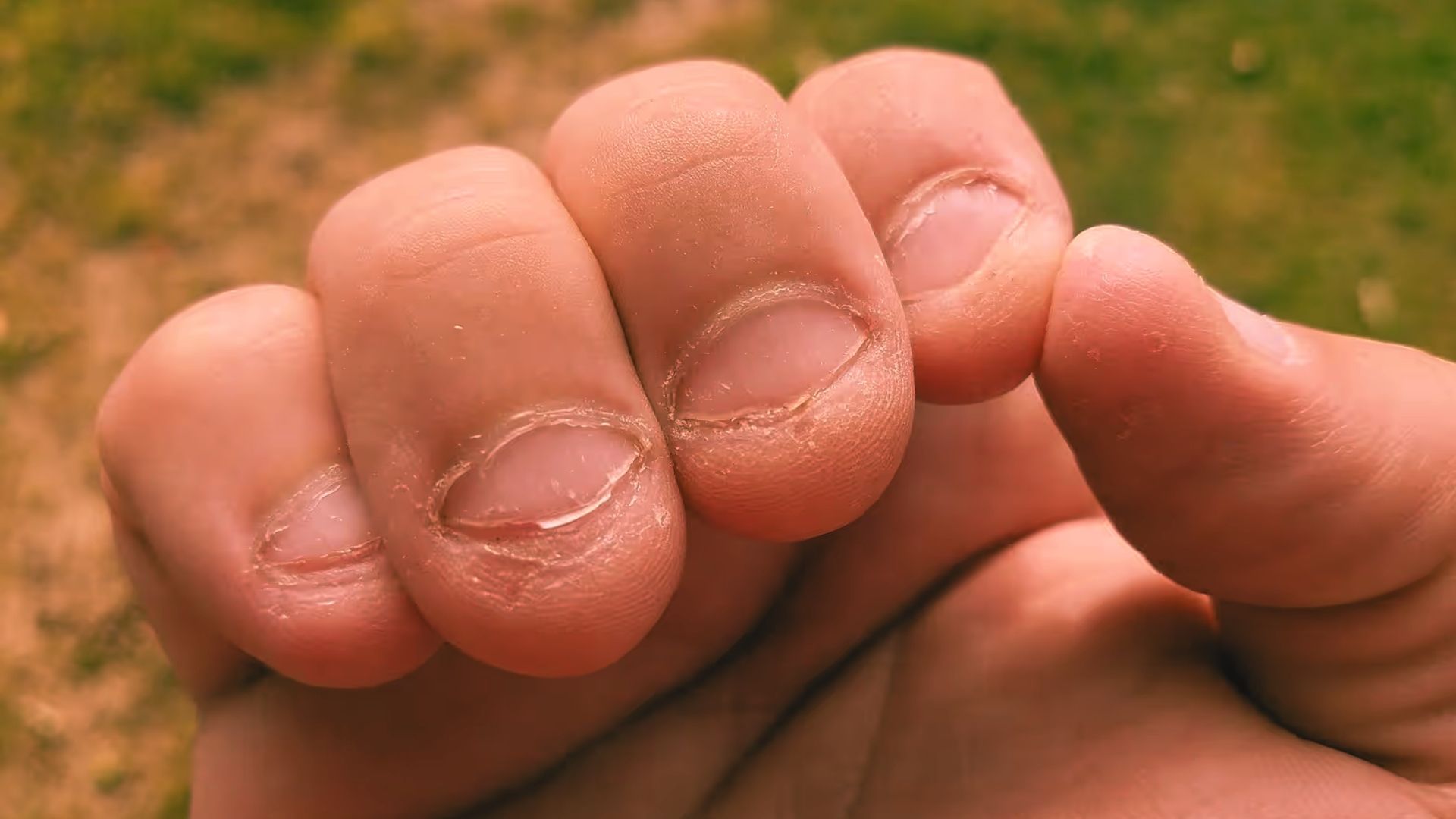
Repeated biting, picking, or minor trauma can injure the matrix over time. Micro-traumas may scar the matrix, causing ridges, splits, or uneven nail growth.
Stopping these habits early helps protect the nails.
4. Infections and Inflammatory Conditions

Severe fungal or bacterial infections can reach the matrix and damage cells.
Chronic conditions like psoriasis can also disrupt nail formation, resulting in thick, brittle, or misshapen nails that may not grow back normally.
5. Medical Conditions and Treatments

Autoimmune diseases, chemotherapy, radiation, and circulatory or nerve problems can affect matrix health.
These issues may slow growth, deform nails, or prevent proper nail plate formation. Managing underlying conditions helps reduce permanent damage.
Signs & Symptoms of Permanent Nail Matrix Damage
Permanent nail matrix damage can affect nail appearance, growth, and comfort. Recognizing these signs helps identify the severity and need for professional care.
Visible Nail Changes: Splits, ridges, dents, or grooves. Nails may be thick, thin, uneven, or discolored from the base.
Growth Abnormalities: Crooked nail growth, partial nail absence, or nails that stop growing entirely. Normal growth patterns are disrupted.
Pain or Sensitivity Near the Cuticle: Tenderness or sensitivity near the cuticle. Pressure on the nail can cause discomfort.
Nail Matrix Damage: Timeline and Reversibility
Nail matrix damage may take months to appear, and recovery depends on the type, severity, and cause of the injury. Permanent damage often becomes visible only after slow nail growth.
1. Timeline of Appearance:
Damage may not appear immediately because nails grow gradually. Fingernails grow about 3 mm per month, while toenails grow slower at about 1 mm per month.
Early changes are often subtle, and permanent abnormalities may take several months to become noticeable.
2. Fingernails vs. Toenails:
Fingernails usually show damage sooner due to faster growth, while toenails take longer, making early detection more difficult.
This difference is important when monitoring for long-term matrix injury.
3. Can Permanent Nail Matrix Damage Be Reversed?
True regeneration of the nail matrix is rare. Once the matrix cells are destroyed or scarred, normal nail growth cannot fully return.
Some improvements are possible through cosmetic repair, but biological restoration is usually not achievable.
4. Factors Influencing Recovery Potential
Improvement depends on several factors. Deep injuries are less likely to recover. Trauma, infections, or medical treatments affect outcomes differently.
Younger age and good circulation support better healing. Early treatment can improve cosmetic results, but full regeneration is not always possible.
How Doctors Diagnose Permanent Nail Matrix Damage
Doctors diagnose permanent nail matrix damage through observation, examination, and medical history.
Accurate assessment is key to understanding the extent of the injury and planning care.
Physical Nail Examination: Doctors inspect the nails for ridges, splits, thickness, discoloration, or abnormal growth patterns to assess matrix health.
Growth Observation Over Time: Nail growth is monitored over weeks or months to see if the nail returns to normal or shows permanent changes.
Medical History Review: Doctors consider past injuries, infections, nail habits, medical conditions, or treatments that could affect nail growth.
Imaging or Biopsy When Needed: In rare cases, X-rays or biopsies are used to evaluate underlying bone, matrix tissue, or severe deformities.
Clinical Diagnosis: Diagnosis is often based on examination and observation rather than instant tests, as matrix damage develops gradually.
Treatment Options for Permanent Nail Matrix Damage
Treatment focuses on protecting the matrix, improving nail appearance, and preventing further damage. Full regrowth is usually not possible.
Medical Treatments:
Treating infections or inflammation protects the matrix. Steroid injections may reduce inflammation. Severe deformities may require surgical correction to improve nail alignment.
Cosmetic and Supportive Solutions:
Nail reconstruction and medical-grade prosthetics can restore appearance. Protective overlays shield nails from further trauma when safe.
Long-Term Nail Care Strategies:
Gentle trimming and filing maintain nail health. Avoiding trauma or harsh treatments prevents worsening damage. Moisturizing and non-damaging products support remaining healthy nail tissue.
Prevention of Nail Matrix Damage
Taking care of your nails starts with understanding the risks and protecting the matrix. Simple precautions and proper care can prevent permanent damage and keep nails healthy.
- Follow safe nail care practices and avoid cutting cuticles too deeply.
- Check that salons maintain proper hygiene and safety standards.
- Choose a nail technician carefully and watch for red flags during services.
- Ask questions about products and techniques before any nail treatment.
- Protect nails from daily trauma caused by work, sports, or household activities.
Conclusion
Now you understand the nail matrix and how permanent nail matrix damage can affect nail growth, thickness, and appearance.
I want you to pay attention to small changes in your nails and take simple steps to protect them through gentle care and safe habits.
While some damage may be permanent, there are ways to improve appearance, comfort, and overall nail health.
Share this guide with someone who loves nail care or leave a comment about your experiences to help others recognize and prevent nail matrix damage!
Frequently Asked Questions
Will My Nail Ever Grow Back Normally?
Once the nail matrix is permanently damaged, normal regrowth is rare. Cosmetic treatments can improve appearance, but biological regeneration usually cannot restore the nail fully.
How Long Should I Wait Before Assuming Permanent Damage?
Permanent damage often becomes visible months after injury. If no normal growth appears within 6-12 months, the matrix is likely permanently damaged.
Is Permanent Nail Matrix Damage Dangerous?
Permanent matrix damage is not dangerous to overall health. However, it can affect nail function, appearance, and comfort, and may increase the risk of secondary infections.
Does the Lunula Disappearing Mean Matrix Damage?
A disappearing lunula does not always indicate permanent damage. Persistent abnormal growth, ridges, or splits are more reliable signs of matrix injury.
Can Damaged Nails Ever Look Normal Again?
Damaged nails may not fully return to their original state if the matrix is permanently injured. Cosmetic options like reconstruction, prosthetics, or protective overlays can significantly improve appearance.