How Long Does a Pimple Take to Heal? Complete Guide

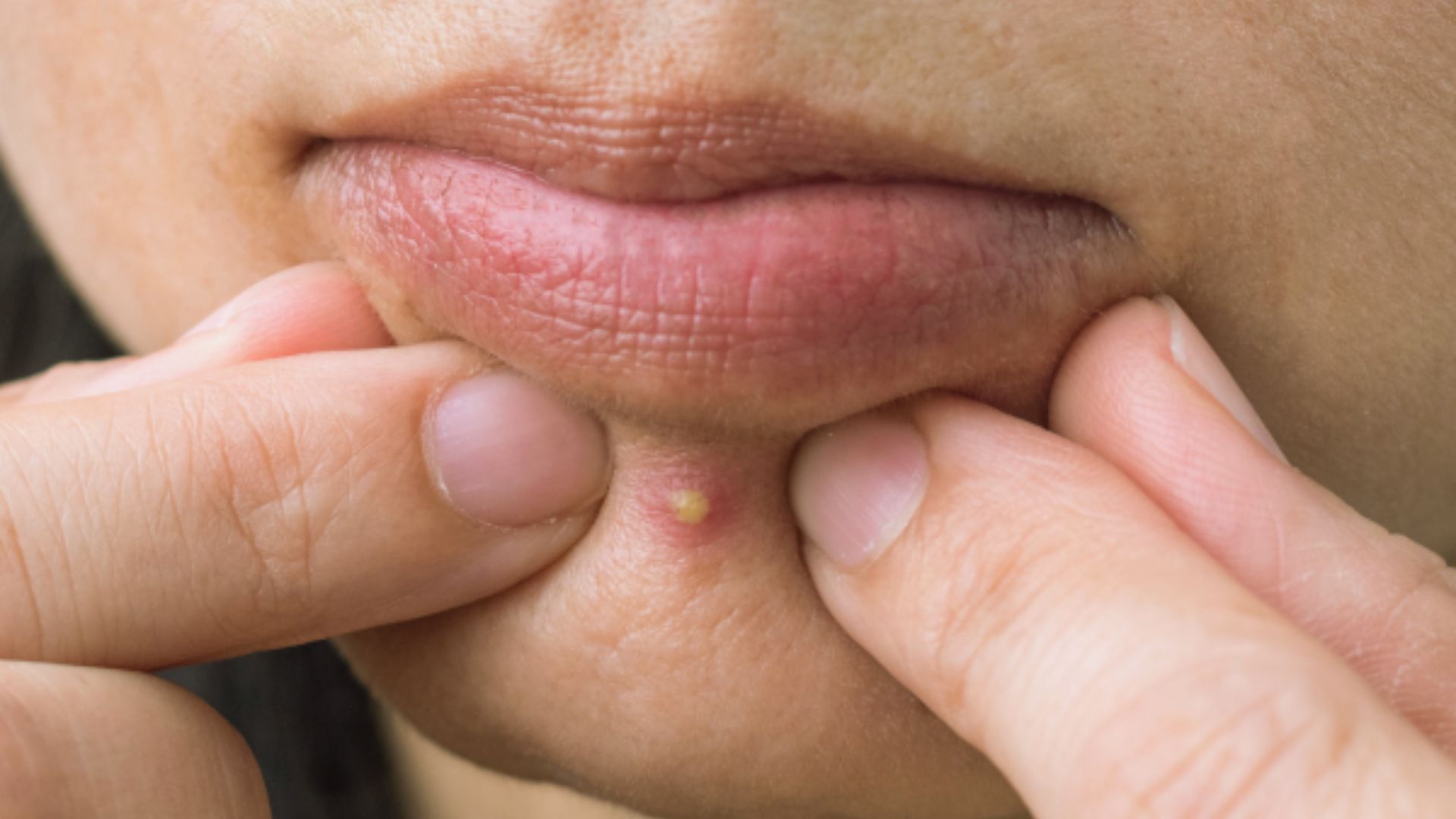
You wake up, look in the mirror, and there it is. A pimple that showed up overnight. It happens to most of us at some point.
Pimples form when pores get clogged with oil, dead skin cells, or bacteria. Your skin reacts with inflammation, and that causes the redness and swelling.
How you treat it makes a big difference. Popping or picking at it can make healing take longer and leave behind scars. With the right approach, your skin clears up faster and stays healthier.
Let’s get started.
The Average Healing Time for Different Types of Pimples
Not all pimples are the same. Knowing which type you are dealing with helps you treat it the right way and set realistic expectations for how long it will take to clear.
1. Whiteheads
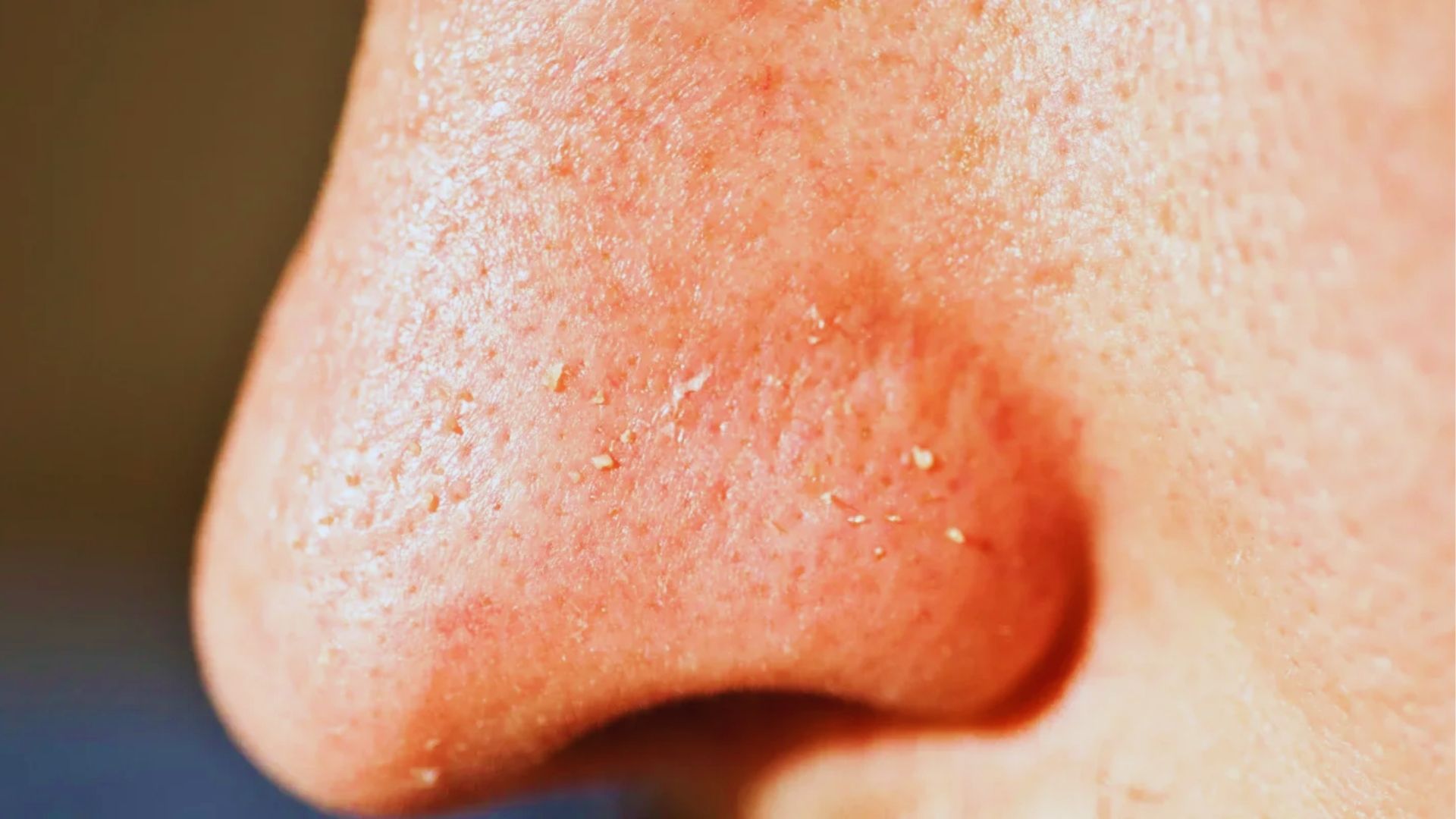
Whiteheads are one of the most common types of pimples. They tend to clear up within 3 to 7 days. They form when pores get clogged and closed off at the surface.
Using a gentle exfoliant with salicylic acid or mandelic acid a few times a week can help speed things along. Avoid squeezing them. That only irritates the skin and adds more time to the healing process.
2. Blackheads
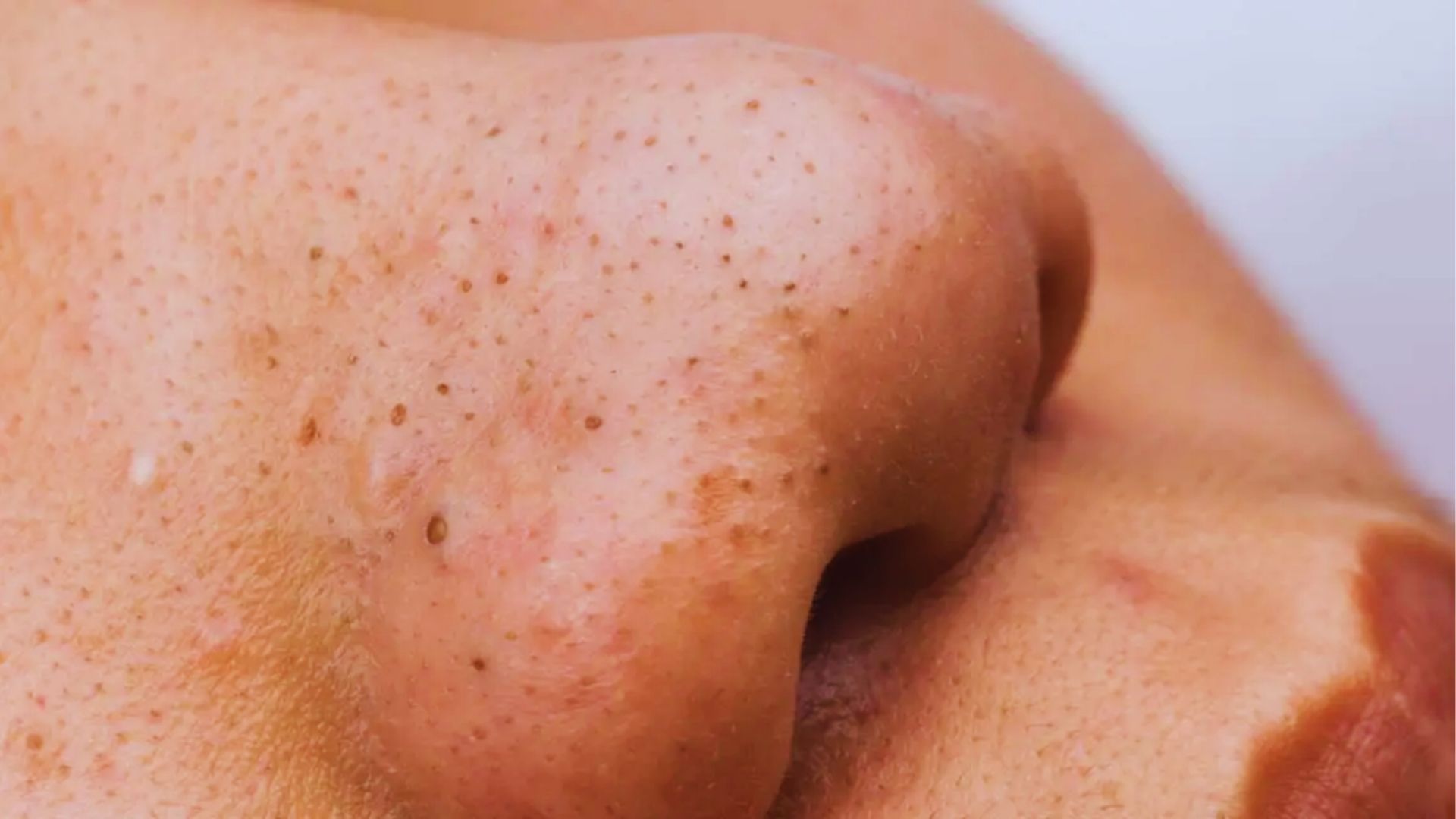
Blackheads take longer to clear than whiteheads. Left untreated, they can stick around for several weeks.
They form when a clogged pore stays open and the debris inside oxidizes, turning dark. Regular use of exfoliating acids like BHA or pore-clearing serums can help break them down over time. Consistency is key here.
One-time treatments rarely work well.
3. Papules
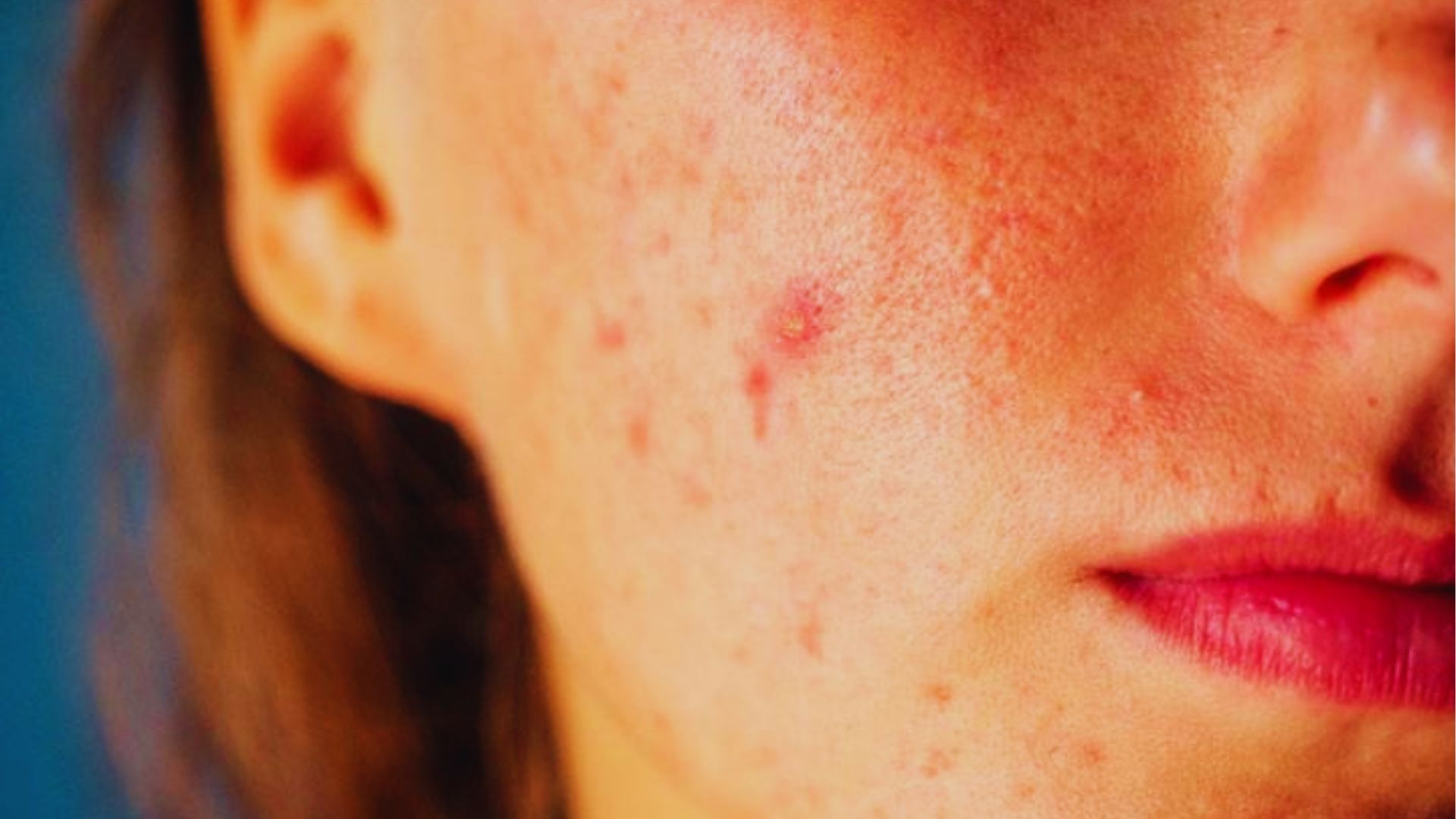
Papules are small, red, raised bumps with no visible pus. They usually last a few days to a week. They are caused by inflammation deep in the pore.
AHA masks can help by gently clearing away dead skin cells. Anti-inflammatory ingredients like niacinamide or green tea extract also help calm the skin and shorten healing time.
4. Pustules
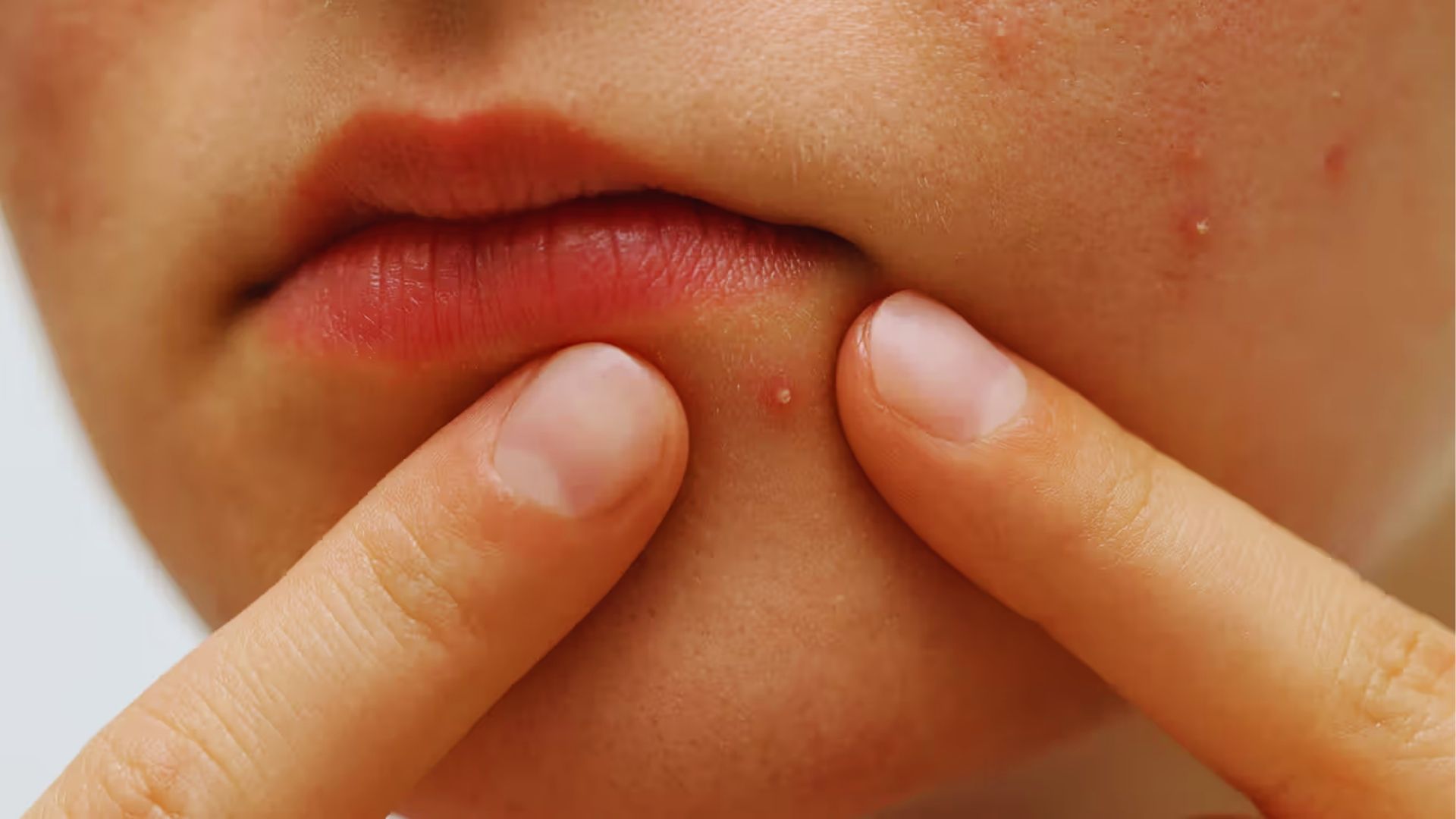
Pustules are the classic pimples most people picture. They have a white or yellow center filled with pus. They can clear up in a few days but sometimes linger for several weeks.
The biggest mistake people make is touching or popping them. That spreads bacteria and slows healing. Stick to acne-fighting topicals with benzoyl peroxide or salicylic acid and let them do the work.
5. Cysts and Nodules
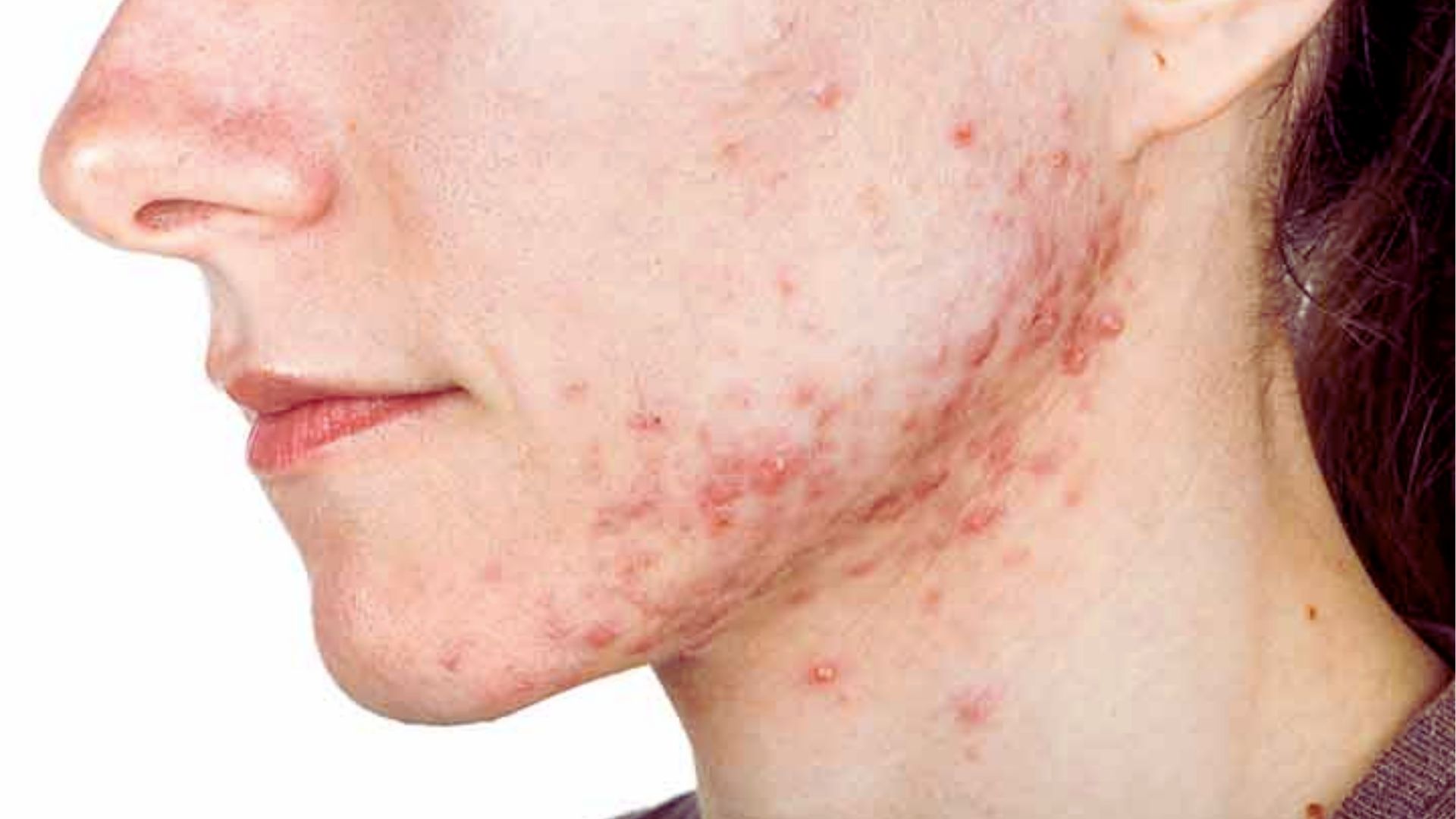
Cysts and nodules are the most severe type of acne. They sit deep under the skin and can take weeks or even months to heal fully.
Over-the-counter products often do not reach deep enough to make a real difference. A dermatologist can prescribe stronger treatments like oral antibiotics, corticosteroid injections, or retinoids.
Getting professional help early also reduces the risk of permanent scarring, which is much harder to treat later.
The 2 to 3 Day Rule for Quick Intervention
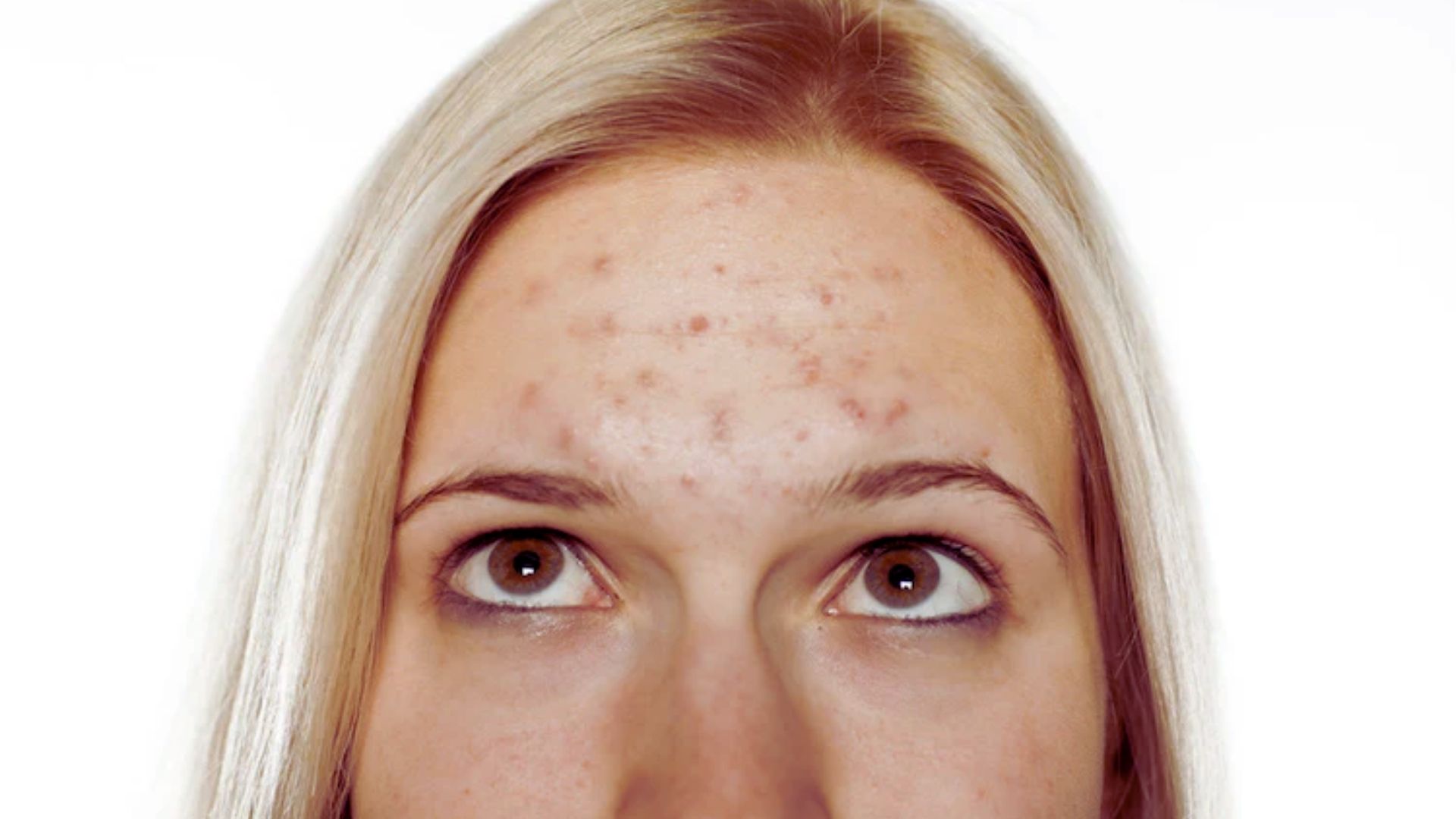
Catching a pimple early can make a real difference. Acting within the first 2 to 3 days gives your skin the best chance to heal quickly and cleanly.
When to Monitor vs. Seek Help
A small blemish that calms down within 2 to 3 days is usually nothing to worry about. Reduced redness and less swelling are good signs your skin is healing on its own.
But if the inflammation is getting worse after a few days, that is a signal to pay closer attention. Persistent swelling or a pimple that keeps growing means it is time to see a dermatologist.
Risks of Waiting Too Long
Leaving a pimple untreated for too long comes with real consequences. Bacteria can spread deeper into the skin and cause an infection.
It also raises the chances of post-inflammatory hyperpigmentation and permanent scarring. The earlier you step in with the right care, the less likely you are to deal with lasting marks on your skin.
Tips to Make Pimples Heal Faster
- Wash your face twice a day and follow up with a non-comedogenic moisturizer. Clean, hydrated skin heals faster.
- Never squeeze or pop a pimple. It spreads bacteria and adds days to the healing process.
- Use spot treatments with benzoyl peroxide, salicylic acid, or mandelic acid directly on the affected area.
- Cut back on sugar, dairy, and processed foods. For hormonal acne, zinc supplements or spearmint tea may help.
- See a dermatologist if your acne is persistent, cystic, or keeps coming back in the same spots.
Healing Timeline Summary Table
Here is a quick breakdown of how long each pimple type takes to heal and the best way to treat it.
| Pimple Type | Average Healing Time | Key Treatment Tips |
|---|---|---|
|
Whitehead |
3 to 7 days |
Gentle acids, pore-clearing |
|
Blackhead |
Up to several weeks |
Exfoliation, mandelic acid |
|
Papule |
Few days to 1 week |
Anti-inflammatory topicals |
|
Pustule |
Few days to weeks |
Avoid touching, acne serums |
|
Cyst/Nodule |
Weeks to months |
Dermatologist, prescription meds |
Conclusion
Knowing what type of pimple you have puts you in a much better position to treat it. A whitehead clears in days. A cyst can take months.
The approach you take matters just as much as the timeline. Watch how your skin responds and use the right products.
Step in early and be consistent. If breakouts keep coming back or scars are forming, do not wait.
Book a dermatologist appointment and get ahead of it today.
Frequently Asked Questions
How long does a typical pimple take to heal?
Most pimples clear up within 3 to 7 days with proper care. Deeper types like cysts or nodules can take several weeks to months.
Can I make a pimple heal overnight?
There is no guaranteed overnight fix, but applying a benzoyl peroxide or salicylic acid spot treatment before bed can reduce redness and swelling by morning.
Why is my pimple not healing after two weeks?
A pimple that does not clear after two weeks could be a cyst or nodule. It is best to see a dermatologist at that point for a proper diagnosis and treatment.
Does popping a pimple make it heal faster?
No, popping a pimple almost always makes things worse. It pushes bacteria deeper into the skin, increases inflammation, and raises the risk of scarring.
What foods make pimples heal slower?
High sugar foods, dairy, and processed snacks are known to trigger and worsen breakouts. Cutting back on these and drinking more water can support faster skin recovery.