Why Consumer Insights Are Driving the Next Wave of Beauty Innovation

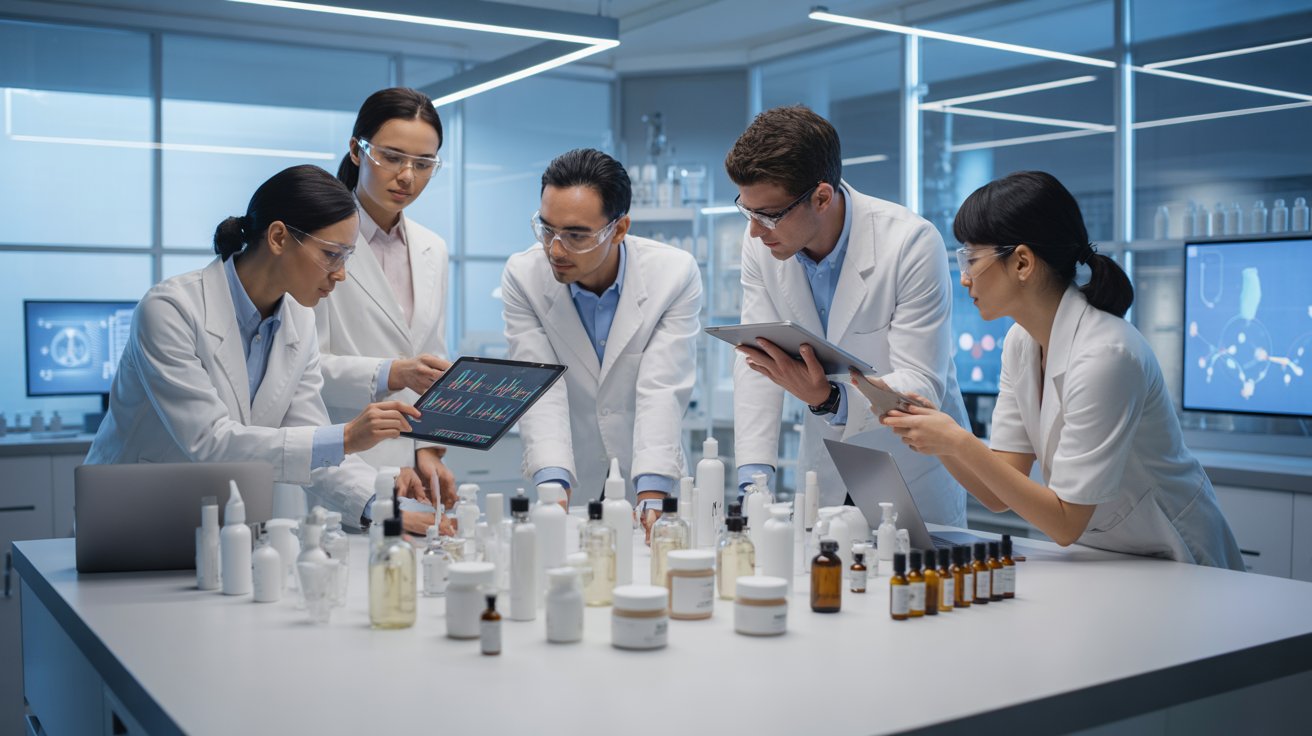
The beauty industry is constantly evolving, driven by changing consumer preferences, emerging ingredients, and innovative product formulations. To stay competitive, brands must understand what consumers want—and why they want it. This is where consumer insights have become essential for shaping modern beauty strategies.
Today, beauty companies rely on marketing intelligence derived from search trends, social media conversations, and online behavior to identify emerging opportunities. Tools like Spate analyze billions of data points to help brands understand what consumers are searching for and which beauty trends are gaining momentum.
The Rise of the Data-Driven Beauty Industry
In the past, beauty innovation was often driven by laboratory discoveries or celebrity influence. While these factors still play a role, consumer behavior now drives much of the industry’s innovation.
Digital platforms have given consumers a voice, allowing them to share opinions, recommend products, and discuss routines online.
As a result, brands can observe these conversations and gain valuable insights into:
- Popular skincare ingredients
- Emerging makeup techniques
- Consumer concerns and preferences
- Product categories experiencing rapid growth
This shift toward consumer-led innovation has transformed how beauty companies develop products.
Search Trends Reveal Consumer Curiosity
When people search online for skincare ingredients or beauty routines, they reveal their interests and concerns.
For example, rising searches for ingredients like peptides or barrier repair products indicate growing awareness of skin health.
Brands that track these signals can identify opportunities to develop new products or improve existing formulations.
Search data acts as an early indicator of consumer curiosity, allowing companies to respond quickly.
Social Media as a Beauty Trend Engine
Social media platforms such as TikTok, Instagram, and YouTube have become powerful drivers of beauty trends.
Influencers often introduce new skincare routines or makeup techniques that quickly gain popularity.
These trends can spread globally within weeks, transforming niche products into mainstream bestsellers.
Brands that monitor social media conversations gain a clearer understanding of how trends develop and spread.
The Power of Ingredient Transparency
Modern beauty consumers are more informed than ever. They actively research ingredients and expect brands to provide clear information about product formulations.
This demand for transparency has led to the rise of ingredient-focused marketing.
Consumers now search for specific components such as niacinamide, hyaluronic acid, and ceramides, seeking products that address specific skincare concerns.
Brands that highlight these ingredients in their formulations often build stronger trust with consumers.
Personalized Beauty Experiences
Another major trend revealed by consumer insights is the growing demand for personalized beauty.
Consumers increasingly expect products tailored to their unique needs, including skin type, concerns, and lifestyle preferences.
Brands are responding by offering customized skincare routines, diagnostic tools, and AI-powered recommendations.
Personalization helps companies create stronger connections with consumers and improve product satisfaction.
Wellness and Beauty Convergence
Beauty and wellness are becoming closely connected as consumers seek holistic approaches to self-care.
Interest in stress management, sleep quality, and nutrition often overlaps with skincare and beauty routines.
Consumers now view beauty as part of a broader wellness lifestyle, which has created new opportunities for brands.
Products that promote skin health, relaxation, and overall well-being are gaining popularity.
Sustainability and Ethical Beauty
Sustainability has also emerged as a major priority for modern beauty consumers.
Many shoppers actively look for brands that prioritize environmentally friendly packaging, cruelty-free practices, and ethical sourcing.
This shift has encouraged companies to rethink their supply chains and adopt more sustainable practices.
Brands that demonstrate genuine commitment to sustainability often build stronger loyalty among environmentally conscious consumers.
The Role of Predictive Analytics
Predictive analytics allows beauty companies to anticipate trends before they become mainstream.
By analyzing patterns in search data and social conversations, brands can identify emerging trends early.
This insight helps companies develop products that align with future consumer demand rather than reacting to trends after they peak.
Predictive analytics reduces risk and increases the likelihood of successful product launches.
The Future of Beauty Innovation
The beauty industry is entering an era where consumer insights will guide nearly every aspect of product development and marketing.
Brands that actively listen to consumers and analyze digital data will gain a significant advantage.
As technology continues to evolve, companies will gain even deeper insights into consumer behavior, allowing them to create products that better meet evolving needs.
Final Thoughts
Consumer insights have become one of the most valuable resources in the modern beauty industry. By understanding what consumers search for, discuss, and purchase, brands can develop products that truly resonate with their audiences.
Companies that embrace data-driven strategies will not only innovate more effectively but also build stronger relationships with their customers.
In a market defined by rapid change, the brands that listen most closely to consumers will ultimately lead the future of beauty.