Can Salicylic Acid Cause Acne? Why Your Skin Got Worse


Can salicylic acid cause acne? If your skin got worse after using it, you’re not alone.
When I first used salicylic acid, my skin broke out badly for three weeks straight. I almost quit.
Here’s what this blog covers: how salicylic acid works, the difference between purging and a real reaction, why it makes some skin worse, and how to use it the right way.
I’ve put this together using real experience and dermatology research, so you’re getting actual answers, not guesswork.
By the end, you’ll know exactly what’s going on with your skin and what to do next.
What Is Salicylic Acid and How Does It Work?

Salicylic acid is a beta-hydroxy acid, or BHA. It comes from willow bark and is oil-soluble, meaning it gets inside your pores rather than sitting on the surface.
Once inside, it dissolves the mix of oil and dead skin cells that cause clogs.
Dermatologists widely recommend salicylic acid for unclogging pores because it’s one of the few over-the-counter ingredients that actually reaches deep into them. It also has mild anti-inflammatory properties, which helps calm existing pimples.
It works gradually. But used correctly, it makes a real difference over time.
Can Salicylic Acid Cause Acne?
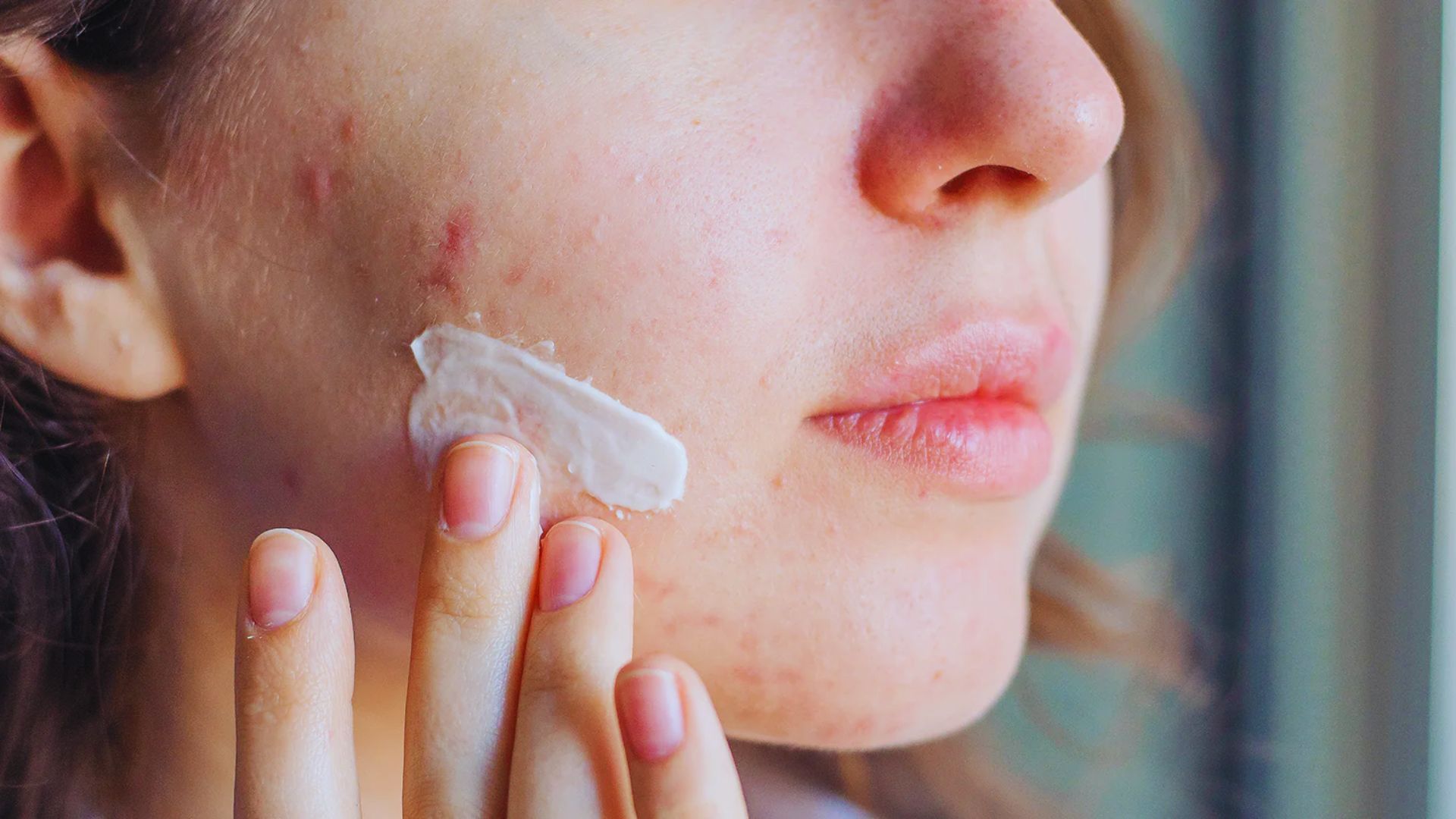
This is the question I kept asking myself. Here’s the straight answer.
Salicylic acid does not directly cause acne. It’s made to fight it. But if you use it wrong, your skin can react badly.
Too much of it strips moisture from your skin. Your skin then overproduces oil to compensate, which leads to more clogged pores and breakouts.
There’s also another reason skin gets worse early on. It’s called purging, and most people don’t know what it looks like.
Does Salicylic Acid Cause Breakouts or Is It Purging?

This is one of the most important things to understand before you give up on a product.
What Is Skin Purging?
Purging happens when an active ingredient speeds up your skin’s cell turnover. Clogged pores that were already forming under your skin get pushed to the surface faster than usual.
Clinical research on BHA shows it helps clear comedonal acne by accelerating this process, which is why an initial spike in breakouts is common. It looks like things are getting worse. But often, it means things are moving in the right direction.
Signs It’s Purging
You’re likely purging if:
- Breakouts appear where you usually get them.
- It started within 2 to 4 weeks of using salicylic acid.
- Spots clear faster than your usual pimples.
- There are no large, deep, or painful cysts.
Signs It’s a Bad Reaction (Not Purging)
This is where people start wondering: does salicylic acid cause breakouts that are actually harmful?
Watch for these signs:
- New breakouts in areas where you never normally get them.
- Redness, tightness, or raw-feeling skin.
- Large, painful, or cystic spots.
- No improvement after 6 to 8 weeks.
Here’s a quick comparison to make it easier:
| Sign | Purging | Bad Reaction |
| Location | Usual breakout areas | New areas |
| Duration | 2 to 6 weeks | Ongoing |
| Spot type | Small, surface-level | Painful, cystic |
| Redness | Mild | Significant |
| Skin feel | Normal | Tight, raw |
If you’re seeing the right column, the product is not right for your skin.
Why Salicylic Acid Makes Acne Worse for Some People
Even a well-researched ingredient can backfire. Here are the most common reasons it might not be working for you.
1. Overusing the Product
Using it twice a day every single day is too much for most people. It strips your skin faster than it can recover.
Start with 2 to 3 times a week and build from there.
2. Using the Wrong Concentration
Products range from 0.5% to 2%. Dermatologists recommend that beginners start at 0.5% or 1% before moving up.
Starting too high too soon can overwhelm your skin and trigger breakouts.
3. Damaged Skin Barrier
Overusing actives weakens your outer skin layer. Once it’s damaged, your skin becomes red, flaky, and far more reactive.
If your skin feels raw or constantly tight, stop using salicylic acid completely and focus on gentle, hydrating products until things calm down.
4. Mixing with Harsh Ingredients
Pairing salicylic acid with retinol, vitamin C, or AHAs in the same routine is a recipe for irritation. I made this mistake early on and my skin showed it immediately.
Keep your routine simple. One active at a time.
5. Not Moisturizing Properly
This step gets skipped more than any other. Salicylic acid dries out your skin quickly, and dry skin becomes irritated skin.
Always follow with a lightweight, non-comedogenic moisturizer. That one habit makes a bigger difference than people expect.
How Long Does Salicylic Acid Purging Last?
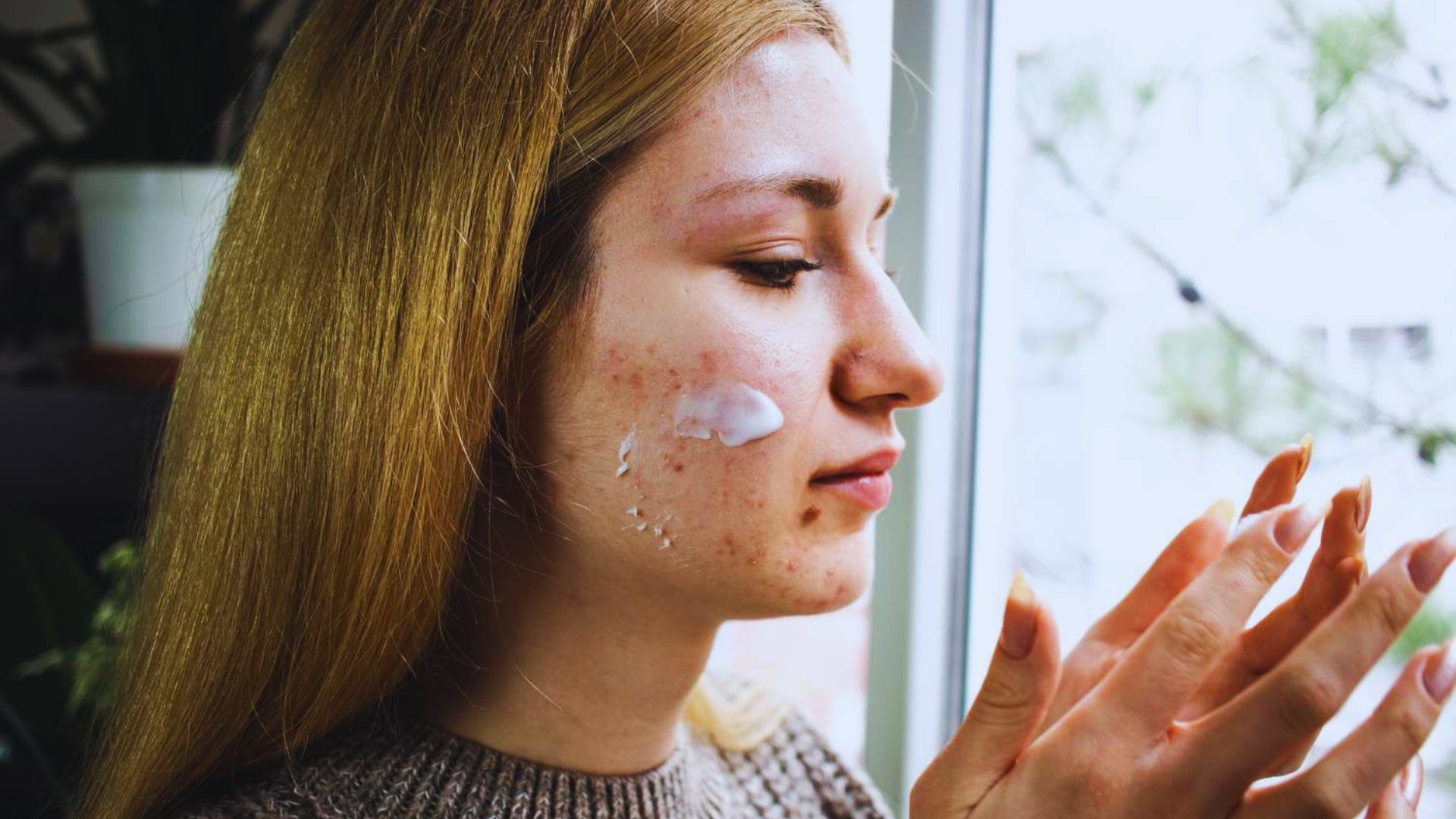
True purging usually clears up within 4 to 6 weeks.
Some people see it resolve sooner, depending on how congested their skin was to begin with.
If you’re still breaking out after 8 weeks with no sign of improvement, that’s not purging anymore.
That’s your skin telling you this product isn’t a good fit.
How to Use Salicylic Acid Without Causing Breakouts
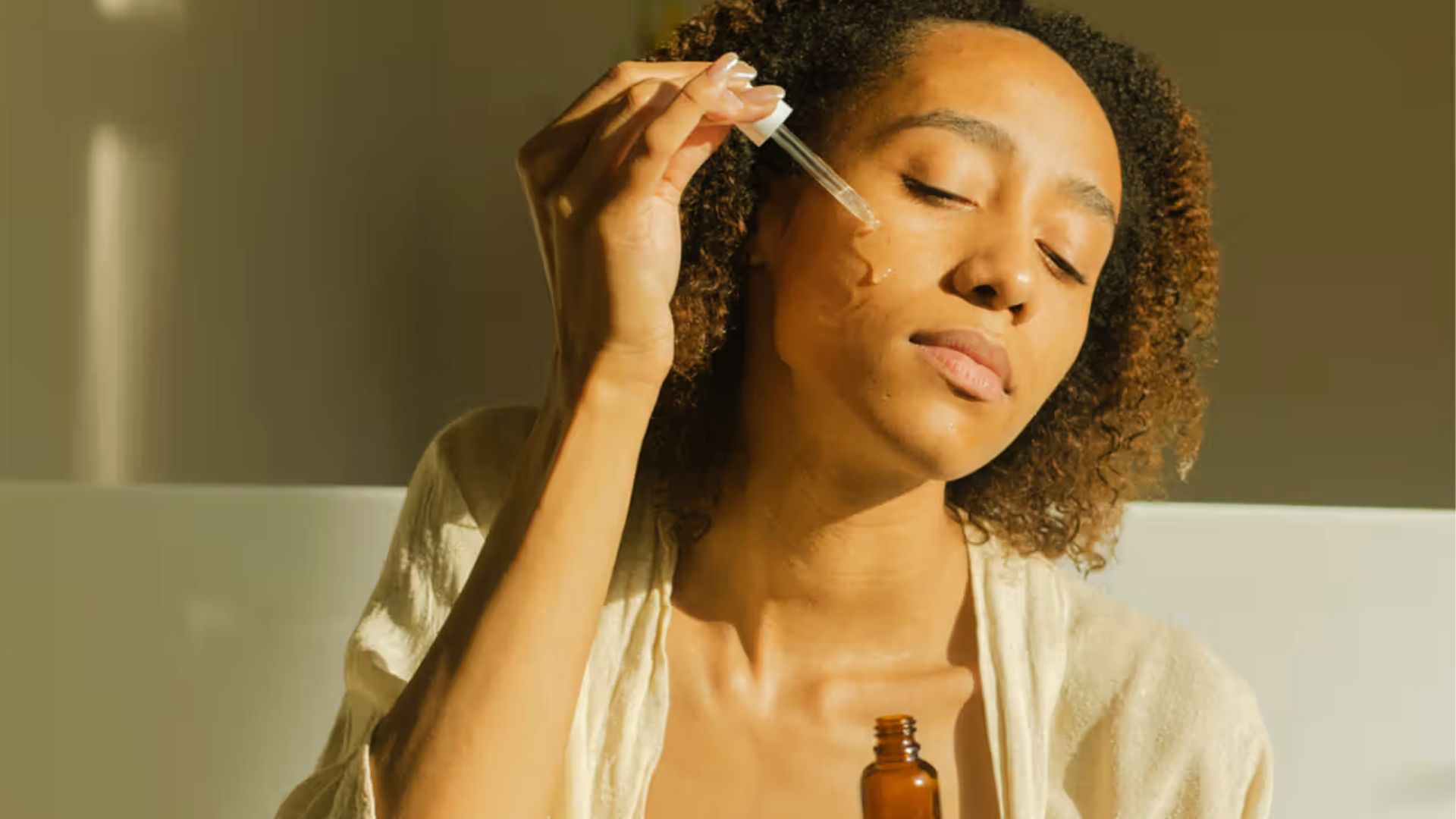
Getting the routine right matters more than the product itself.
Start Slow (Beginner Routine)
Use it 2 to 3 times a week to begin. After 2 to 3 weeks, increase frequency if your skin feels okay. Rushing this process is the most common reason people break out early on.
Choose the Right Formulation
Cleansers, toners, and serums all contain salicylic acid. Cleansers are rinsed off quickly, making them the gentlest place to start. Leave-on formulas work more intensely and stay on your skin longer.
Start with a cleanser. Graduate to a toner or serum once your skin has adjusted.
Pair with Gentle Skincare
Keep everything else minimal. A gentle cleanser, a solid moisturizer, and sunscreen is all you need at first.
No scrubs. No extra actives. Let salicylic acid do its job without competing products getting in the way.
Always Wear Sunscreen
Salicylic acid makes your skin more sensitive to UV exposure. Without SPF, you risk irritation, dark spots, and more breakouts.
Broad-spectrum SPF 30 or higher, every morning. No exceptions.
Who Should Avoid Salicylic Acid?
Not everyone should use it.
Pregnant women should avoid it. High doses of salicylates are not considered safe during pregnancy.
People with aspirin allergies should also stay away, since the two are chemically related.
If you have very dry or sensitive skin, it may cause more harm than good. A gentler option like azelaic acid is a better starting point.
Best Alternatives If Salicylic Acid Breaks You Out

If it’s clearly not working, here are other options worth trying.
Azelaic acid is gentle and effective for acne and redness. It suits sensitive skin types well.
Niacinamide helps control oil and calm inflammation without stripping the skin.
Benzoyl peroxide targets acne-causing bacteria directly. It works well but can be drying, so moisturizing after use is important.
Tea tree oil has mild antibacterial properties and works for some people, though results are not consistent.
When to See a Dermatologist
If your acne is severe, painful, or leaving scars, over-the-counter products are not enough.
A dermatologist can give you a proper diagnosis and recommend treatments suited to your specific skin.
I’d say see one if things have been getting worse for more than 2 months with no improvement.
Some skin conditions look like acne but aren’t. Only a professional can tell the difference.
Conclusion
Can salicylic acid cause acne? Not on its own.
But used the wrong way, it absolutely makes things worse. I learned that firsthand after three rough weeks of breakouts before my skin finally settled.
Start slow, use the right concentration, and moisturize every time. Give purging a fair window before you quit. If your skin is still reacting badly after 8 weeks, stop and speak to a dermatologist.
Some people see results in two weeks. Others take longer. Both are normal.
Still not sure if your skin is purging or reacting? Bookmark this guide or share it with someone struggling with breakouts.
Frequently Asked Questions
Can salicylic acid cause acne to spike in the first few weeks?
Yes, and it’s usually because of purging. Salicylic acid pushes clogged pores to the surface faster, which looks like new breakouts. It typically settles within 4 to 6 weeks.
Does salicylic acid cause breakouts in people with sensitive skin?
It can. Sensitive skin reacts more easily to actives. Starting at a lower concentration and using it less frequently reduces the chance of irritation.
Why is salicylic acid making my acne worse after a month of use?
If it’s been more than 6 to 8 weeks with no improvement, overuse or ingredient conflicts could be the reason. Scale back your routine and reassess what else you’re using alongside it.
How often should I use salicylic acid if I’m just starting out?
Start with 2 to 3 times a week. Give your skin at least 2 weeks to adjust before adding more sessions. Going in too fast is the most common reason people break out.
Is it normal for skin to look worse before it gets better with salicylic acid?
Yes, in many cases. This is purging, and it signals the ingredient is doing its job. Knowing the difference between purging and a genuine bad reaction is the key to sticking with it correctly.