Foods for Healthy Skin That Give a Natural Glow


Your skin shows what’s happening inside your body.
I learned this the hard way after years of using expensive creams while eating junk food. My skin never looked great until I changed what I ate.
What you put on your plate directly affects your skin’s health. It’s not just about lotions and serums.
I’m going to share the best foods for healthy skin and show you how to actually eat them. No complicated meal plans or weird ingredients.
Just real food that makes a real difference.
Best Foods That Support Healthy Skin
These foods pack the nutrients your skin needs to look its best. Add them to your regular meals and you’ll see the difference.
Fatty Fish
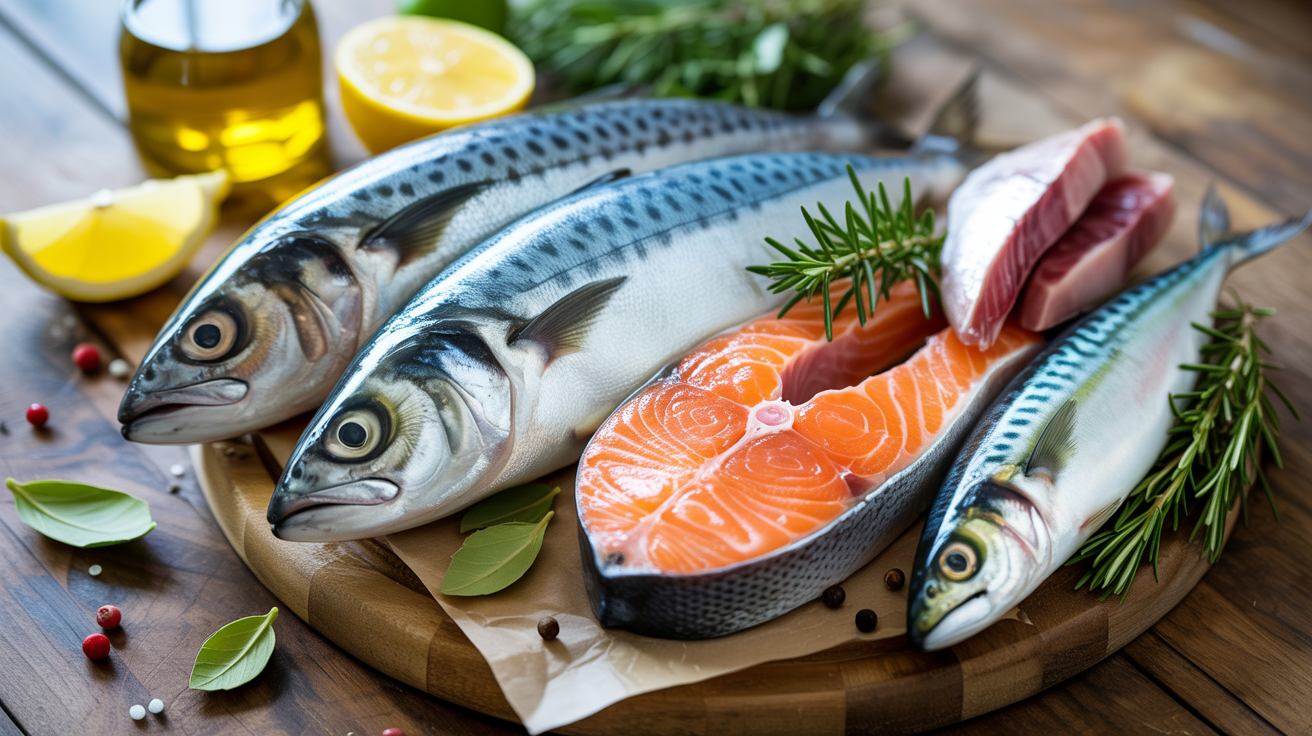
Omega-3 fatty acids in fatty fish keep your skin moisturized and thick. Salmon, mackerel, and sardines are loaded with these healthy fats.
The anti-inflammatory properties help reduce redness and breakouts. Your skin calms down when you eat fish regularly.
Fatty fish also contains vitamin E, which protects your skin from damage. It’s one of the most powerful antioxidants for skin health.
I try to eat salmon twice a week. It’s one of the top foods for healthy skin that actually tastes good.
Avocados
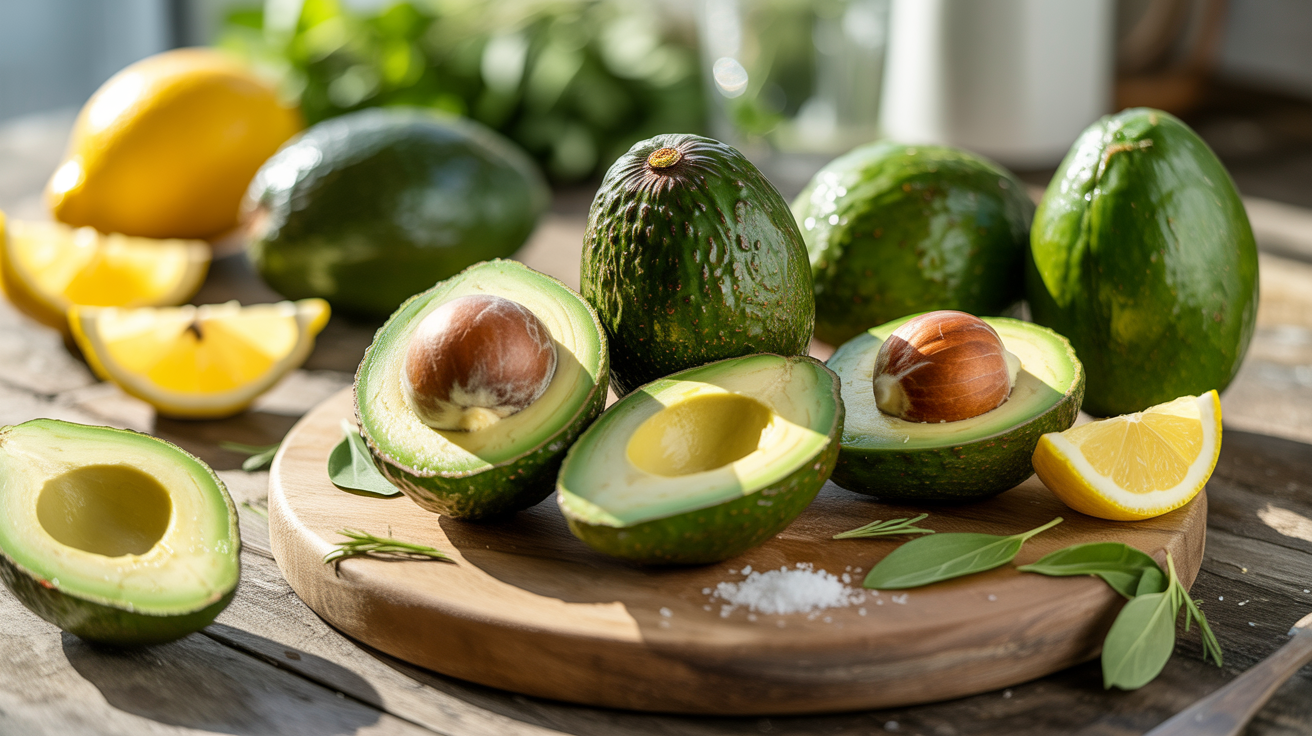
Healthy fats in avocados improve your skin’s elasticity and firmness. They keep your skin flexible and plump.
Vitamin E in avocados protects against oxidative damage from pollution and sun exposure. It’s like internal protection for your skin.
Avocados also provide vitamin C, which your body needs for collagen production. Collagen keeps your skin looking young.
Add half an avocado to your lunch and you’re giving your skin serious support.
Walnuts

Walnuts contain omega-3 fatty acids that most nuts don’t have. They’re especially good for skin moisture.
The healthy fats create a natural moisturizing effect from within. Your skin stays hydrated better when you eat walnuts regularly.
Keep the thin skin on walnuts when you eat them. That part contains vitamin E that helps fight sun damage effects.
A handful of walnuts makes a perfect snack that feeds your skin.
Sweet Potatoes

Beta carotene in sweet potatoes acts as natural sun protection. It doesn’t replace sunscreen, but it adds an extra layer of defense.
Your body converts beta carotene to vitamin A. This vitamin is crucial for healthy skin cell production.
Eating sweet potatoes regularly helps prevent dry and wrinkled skin. The vitamin A keeps your skin smooth and soft.
I bake sweet potatoes as a side dish at least once a week.
Bell Peppers

Bell peppers are packed with beta carotene and vitamin A. Red and yellow peppers have even more than green ones.
They’re also an excellent source of vitamin C for collagen creation. One medium pepper gives you more vitamin C than an orange.
This combination keeps your skin firm and strong. Your skin structure improves when you eat peppers regularly.
Slice them up for snacks or toss them in stir-fries.
Tomatoes
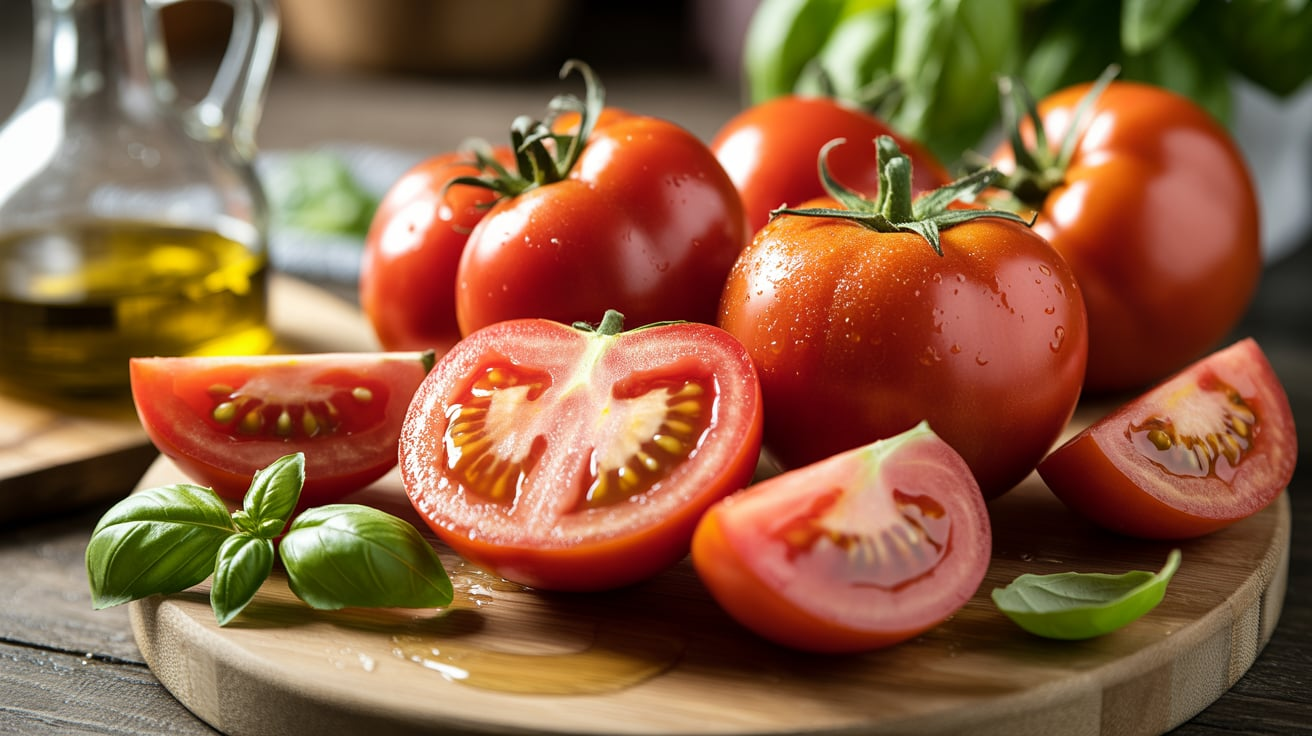
Tomatoes are rich in lycopene and other carotenoids. These compounds protect your skin cells from damage.
They help shield your skin against sun damage when you eat them consistently. Think of it as edible sun protection.
Lycopene works even better when paired with healthy fats like olive oil or avocado. Cook your tomatoes or eat them with fat for maximum benefits.
Add tomatoes to salads, pasta, or sandwiches throughout the week.
Berries
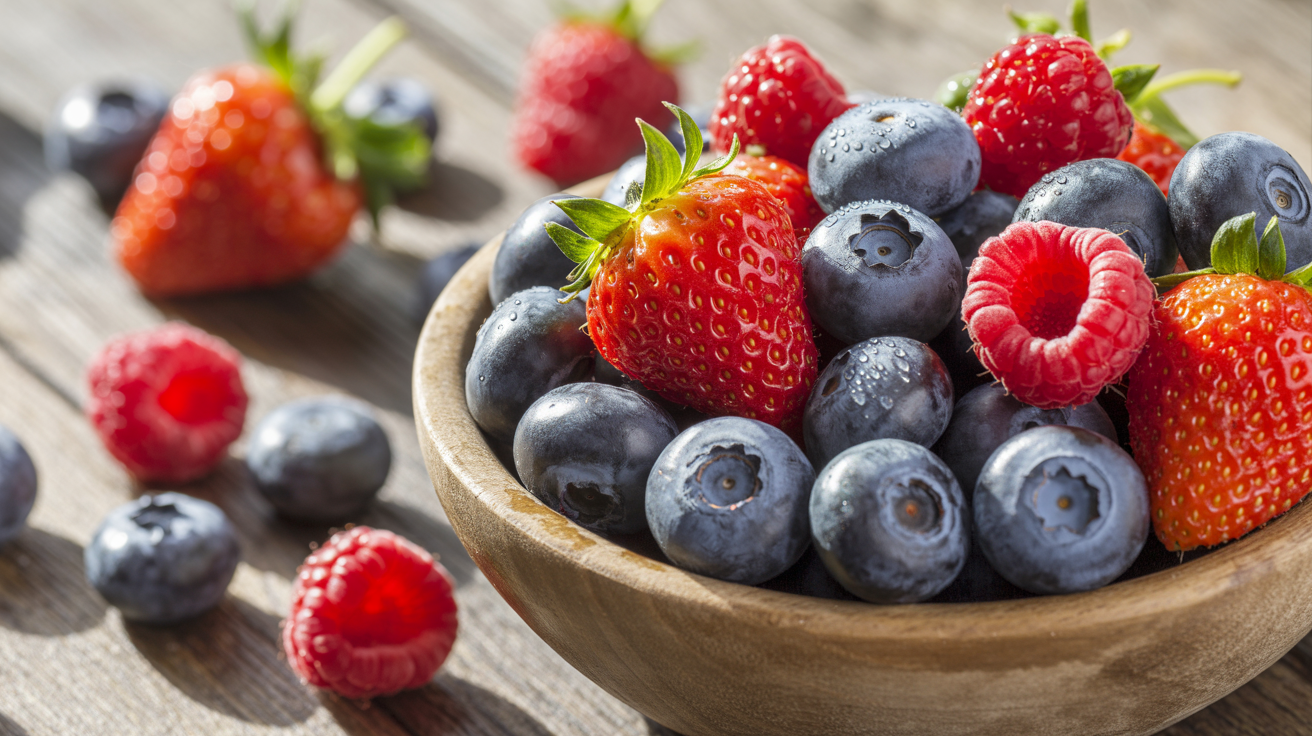
Berries have incredibly high antioxidant content, especially blueberries. Strawberries and raspberries are great too.
These antioxidants fight free radicals that damage your skin cells. Free radicals cause aging and dull skin.
Here’s an interesting tip: don’t combine berries with dairy if you want maximum antioxidant benefits. The proteins in dairy can reduce antioxidant absorption.
Eat berries plain, in smoothies with plant milk, or on top of oatmeal.
Dark Leafy Greens
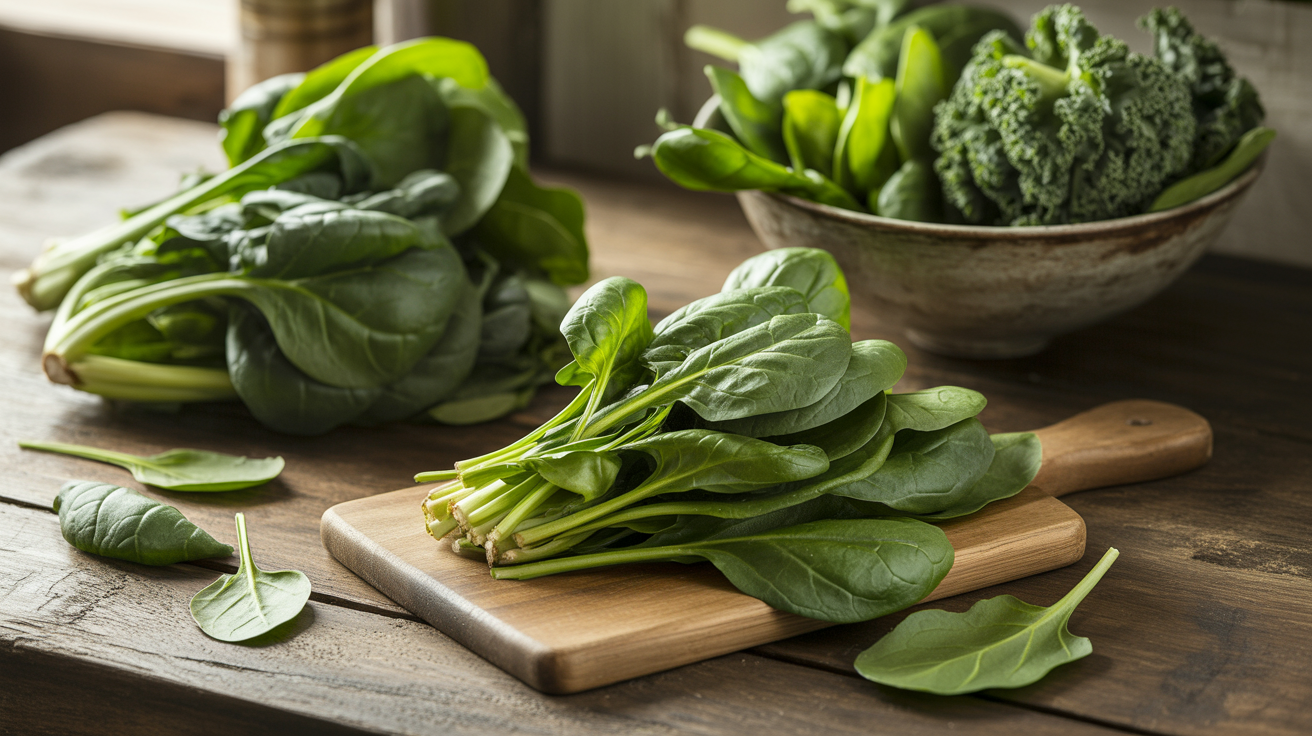
Spinach, kale, and collard greens contain high amounts of vitamin A. This vitamin promotes healthy skin growth and repair.
Dark leafy greens support your skin’s natural cell renewal process. Old cells shed and new ones take their place more efficiently.
They’re also super easy to add to meals. Throw a handful into smoothies, pasta, or scrambled eggs.
When looking for foods for healthy skin, dark greens should be at the top of your list.
Carrots
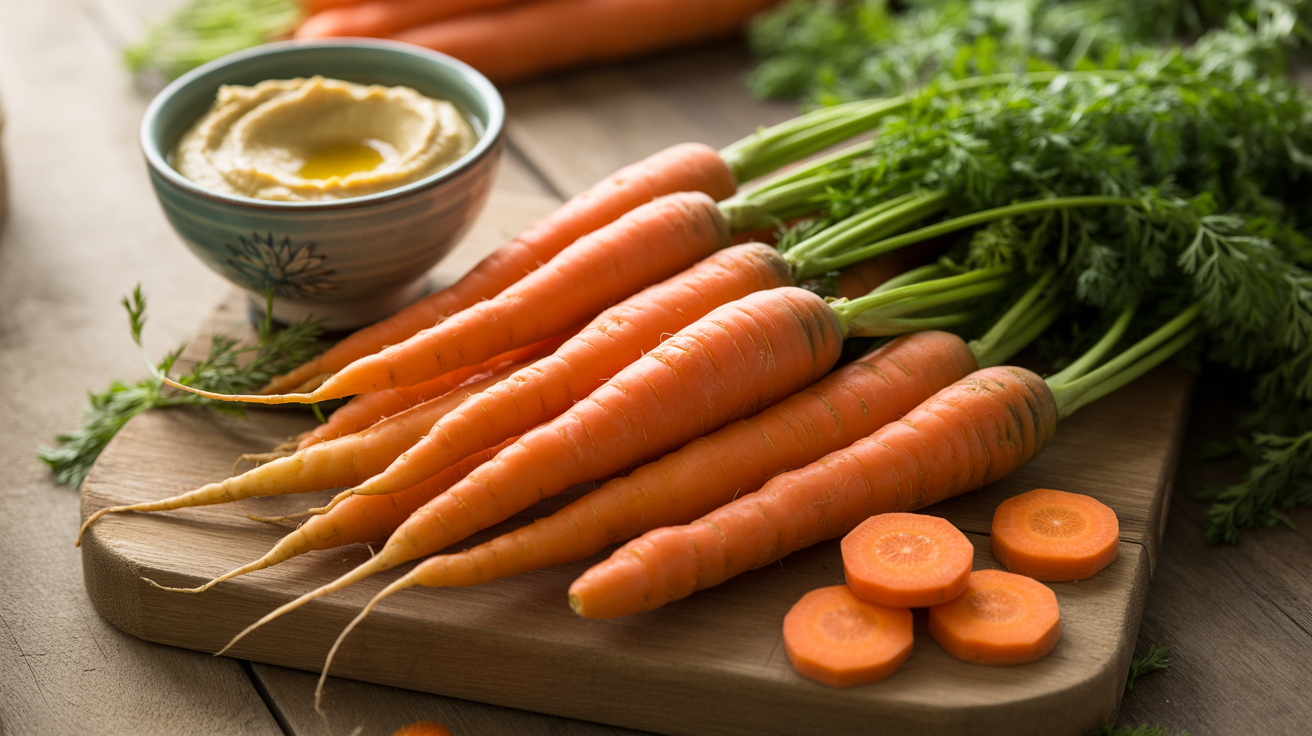
Beta carotene in carrots converts to vitamin A in your body. This helps prevent fine lines and wrinkles from forming.
Eating carrots regularly maintains your overall skin health. Your skin stays smoother and more even-toned.
Raw carrots with hummus make a great snack. Roasted carrots are delicious as a side dish.
The beta carotene gives carrots their orange color. The brighter the orange, the more nutrients they contain.
Simple Tips for Adding Skin-Healthy Foods to Your Diet
Making these changes doesn’t have to be complicated. Here are practical ways to eat more foods for healthy skin every single day.
- Start your day with a berry smoothie using almond milk or coconut milk. Add a handful of spinach for extra nutrients.
- Add avocado slices to sandwiches and salads. They make everything taste better while feeding your skin.
- Snack on walnuts instead of chips or crackers. Keep a bag in your car or desk drawer.
- Include fatty fish in meals twice per week. Salmon, sardines, or mackerel all work great.
- Toss tomatoes and peppers into everyday dishes. They fit naturally into pasta, rice bowls, omelets, and stir-fries.
- Keep the skin on walnuts for maximum benefits. Don’t remove that thin outer layer.
- Choose darker colored produce when shopping. Deeper colors mean more antioxidants and nutrients.
These small changes add up fast. You don’t need to overhaul your entire diet overnight.
Conclusion
Nutrition plays a major role in how your skin looks and feels. Expensive creams can only do so much.
Foods for healthy skin work from the inside out. They give your body the building blocks it needs for clear, glowing skin.
Remember that healthy eating combined with sun protection gives you the best results. Do both for maximum benefits.
Your skin will thank you for feeding it well. Give these natural approaches a try and watch what happens.
Frequently Asked Questions
How Long Does It Take to See Results from Eating Better?
Most people notice improvements in 6-12 weeks of consistently eating skin-healthy foods. Your skin needs time to renew itself and build up nutrients. Some changes like better hydration appear sooner, while wrinkle reduction takes longer. Stay patient and keep eating well.
Can Diet Replace My Skincare Routine?
No, food supports your skin health but doesn’t replace external care like cleansing, moisturizing, and sun protection. Think of nutrition and skincare as a team. They work together to give you the best results. You need both approaches for truly healthy skin.
Should I Avoid Certain Foods for Better Skin?
Limit processed foods, excess sugar, and fried foods that can trigger inflammation and breakouts. These foods don’t directly cause all skin problems, but they don’t help. Focus more on adding good foods rather than obsessing over restriction. Balance matters most for lasting results.
Do I Need Supplements or Can Food Alone Help My Skin?
Whole foods are always best because your body absorbs nutrients from food more effectively. Supplements may help if you’re deficient in specific vitamins, but get tested first. Most people get everything they need from a varied diet rich in fruits, vegetables, and healthy fats.
What’s the Most Important Nutrient for Healthy Skin?
No single nutrient does everything, but vitamin C, vitamin E, and omega-3 fatty acids are crucial. Vitamin C builds collagen, vitamin E protects cells, and omega-3s reduce inflammation. Your skin needs all three plus many others. Eat a variety of foods for healthy skin instead of focusing on one nutrient.