Can You Tan With Sunscreen? What SPF Really Does


You put on sunscreen, spend a few hours outside, and come back home with a tan.
Sound familiar? A lot of people notice this and wonder if their sunscreen is even working.
Here is the truth. Sunscreen does work, but it does not block every single UV ray. A small percentage still gets through, and that is enough to darken your skin over time.
This does not mean sunscreen is useless. It means you need to understand what it actually does and what it does not do.
This blog breaks down how SPF works, why tanning still happens, and how to protect your skin the right way.
Can You Tan With Sunscreen?
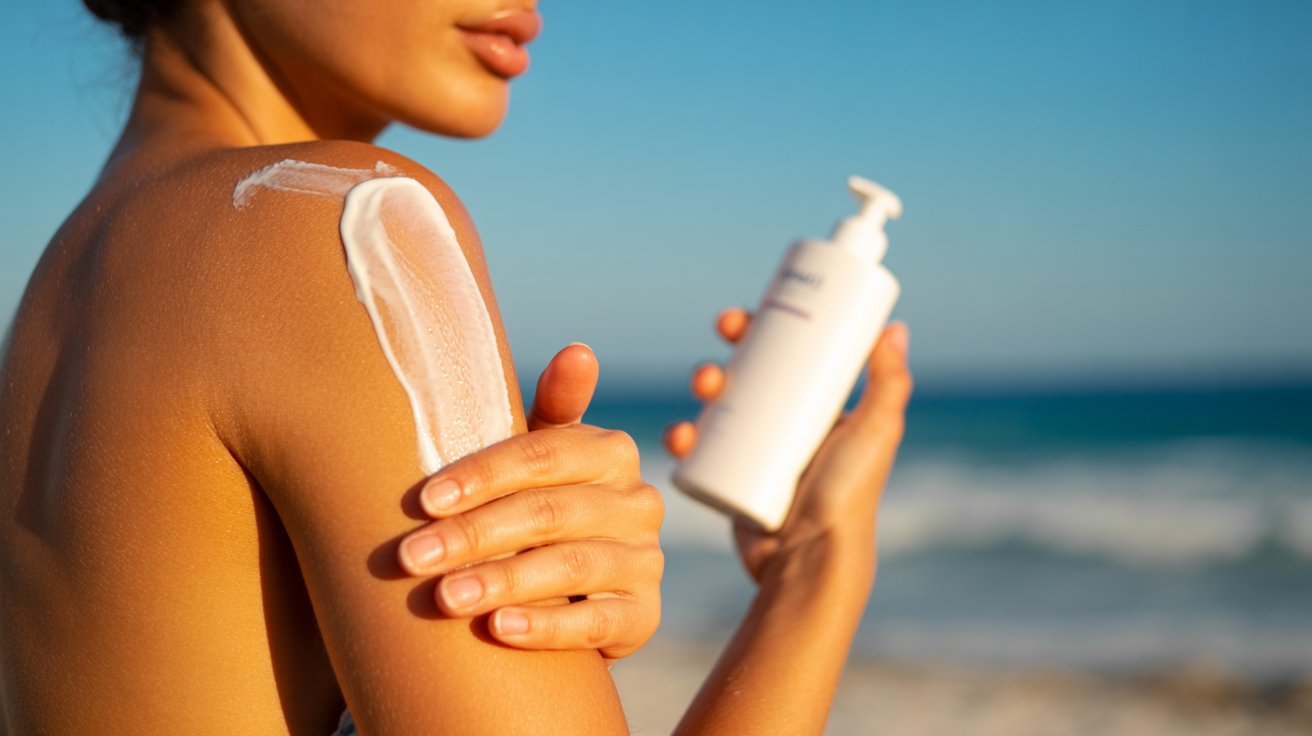
Yes, sunscreen reduces UV exposure but does not block it completely.
Even with SPF 30 or 50, some UV rays still reach your skin. That is enough to trigger melanin production, which causes tanning.
SPF 30 blocks about 97% of UVB rays. The remaining 3% still gets through. Over time, this adds up, especially on long sunny days.
So wearing sunscreen does not mean you stay pale. It just means your skin gets less damage while tanning.
How Does Sunscreen Work?
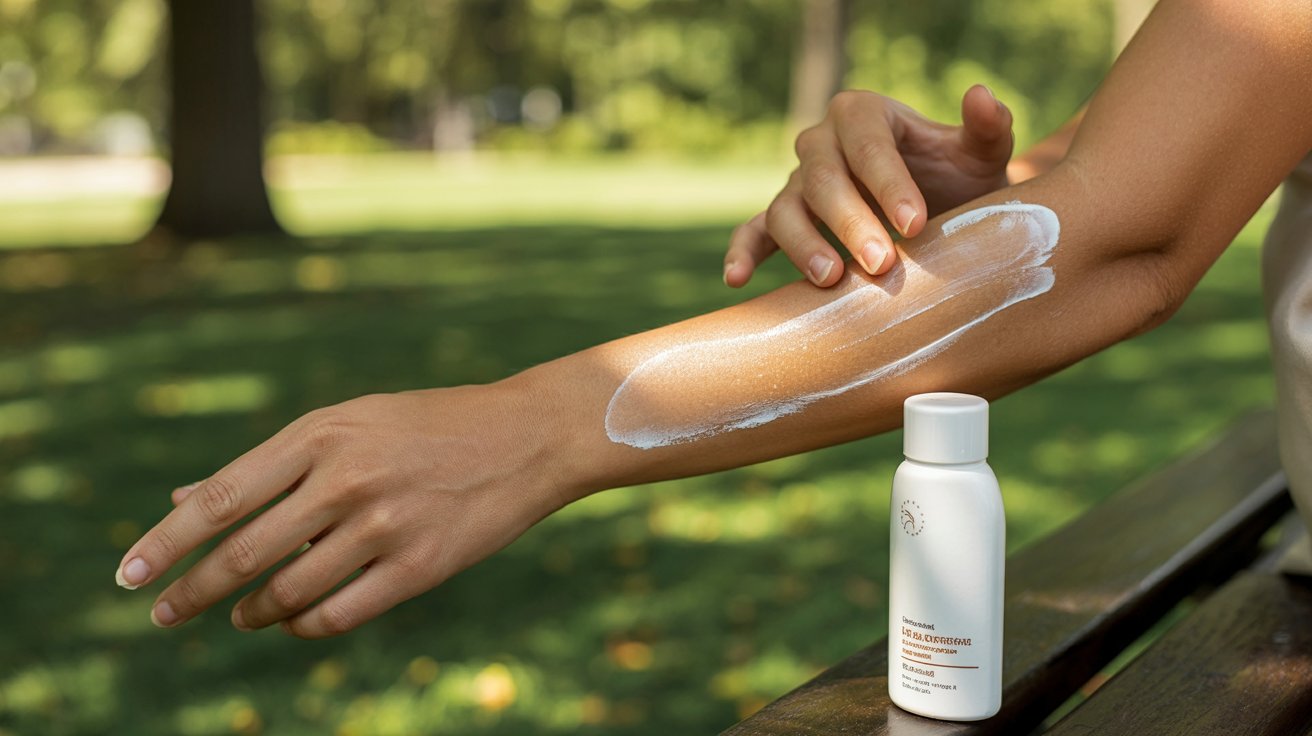
Sunscreen sits on your skin and filters out harmful rays from the sun. Knowing what it actually does helps you use it the right way.
Understanding UVA and UVB Rays
The sun gives off two types of rays that affect your skin.
UVA rays go deeper into the skin and cause ageing, while UVB rays hit the surface and cause sunburn. Both can raise your risk of skin cancer.
What Broad-Spectrum Sunscreen Protects Against
A broad-spectrum sunscreen works against both UVA and UVB rays.
This makes it more effective than a regular sunscreen that only blocks one type. It gives your skin better overall protection on sunny days.
How SPF Reduces UV Exposure
SPF stands for Sun Protection Factor. It tells you how long you can stay in the sun before UVB rays start to burn your skin.
SPF 30 blocks around 97% of UVB rays, and SPF 50 blocks about 98%. No sunscreen blocks 100%, but higher SPF does reduce the amount of UV rays reaching your skin.
Does Sunscreen Prevent Tanning?
Sunscreen slows down tanning but does not stop it fully.
SPF 30 blocks about 97% of UVB rays, while SPF 50 blocks around 98%. That small difference still lets UV rays through. So yes, you can tan even with SPF 50 on.
How fast you tan also depends on your skin type, how long you stay outside, and the time of day.
Reapplying sunscreen matters too. If you skip reapplication, more UV rays get through and tanning speeds up.
Why Do You Still Tan With Sunscreen?
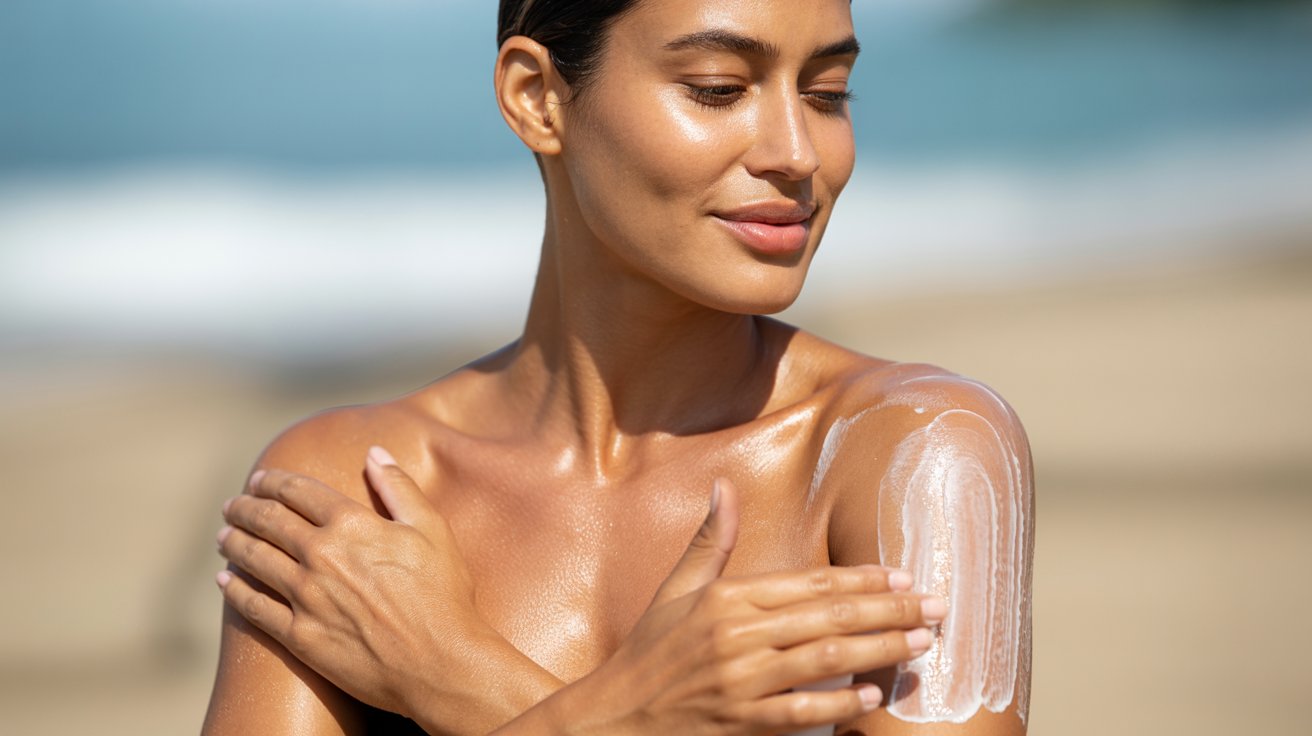
Sunscreen reduces UV exposure but does not create a full barrier. Your skin can still react to the rays that get through.
The Role of Melanin in Skin Darkening
Melanin is the pigment that gives your skin its colour.
When UV rays hit your skin, your body produces more melanin as a defence. This extra melanin is what makes your skin look darker after time in the sun.
How UV Rays Trigger a Tan
UV rays reach the deeper layers of your skin and signal your body to produce more melanin.
Even a small amount of UV exposure is enough to start this process. That is why you can still tan even when wearing sunscreen.
Common Sunscreen Application Mistakes That Increase Tanning
Many people do not apply enough sunscreen or skip reapplication. Some miss spots like the ears, neck, or back of the hands.
Others apply it after going outside, which reduces its effectiveness. These small mistakes let more UV rays reach your skin and speed up tanning.
Is Tanning With Sunscreen Safer Than Tanning Without It?

Tanning with sunscreen is a better option than going out with no protection. It does not make sun exposure completely safe, but it does lower the risk of damage.
Reduced Risk of Sunburn
Sunscreen absorbs or reflects UV rays before they burn your skin.
This means you can spend more time outside without turning red or feeling that stinging sensation. It gives your skin a better chance against immediate sun damage.
Lower UV Damage Compared to Unprotected Exposure
Unprotected skin takes in the full force of UV rays.
Over time, this leads to dark spots, fine lines, and a higher risk of skin cancer. Sunscreen cuts down UV absorption and reduces long term damage.
What Sunscreen Can and Cannot Prevent
Sunscreen can lower the risk of sunburn, skin ageing, and certain skin cancers. It can slow down tanning too.
But it cannot fully stop tanning or make long hours in the sun risk free. Reapplying every two hours and using hats or shade still makes a real difference.
Is a Tan a Sign of Skin Damage?
A tan is actually your skin's response to damage. When UV rays hit your skin, your body produces more melanin to protect itself. That darker colour is a warning sign, not a health signal.
Over time, repeated UV exposure breaks down collagen, causes dark spots, and speeds up skin ageing. The risk of skin cancer also goes up with every unprotected session in the sun.
Tanning might look good short term, but the long term effects are serious.
Can You Get a Tan Safely?
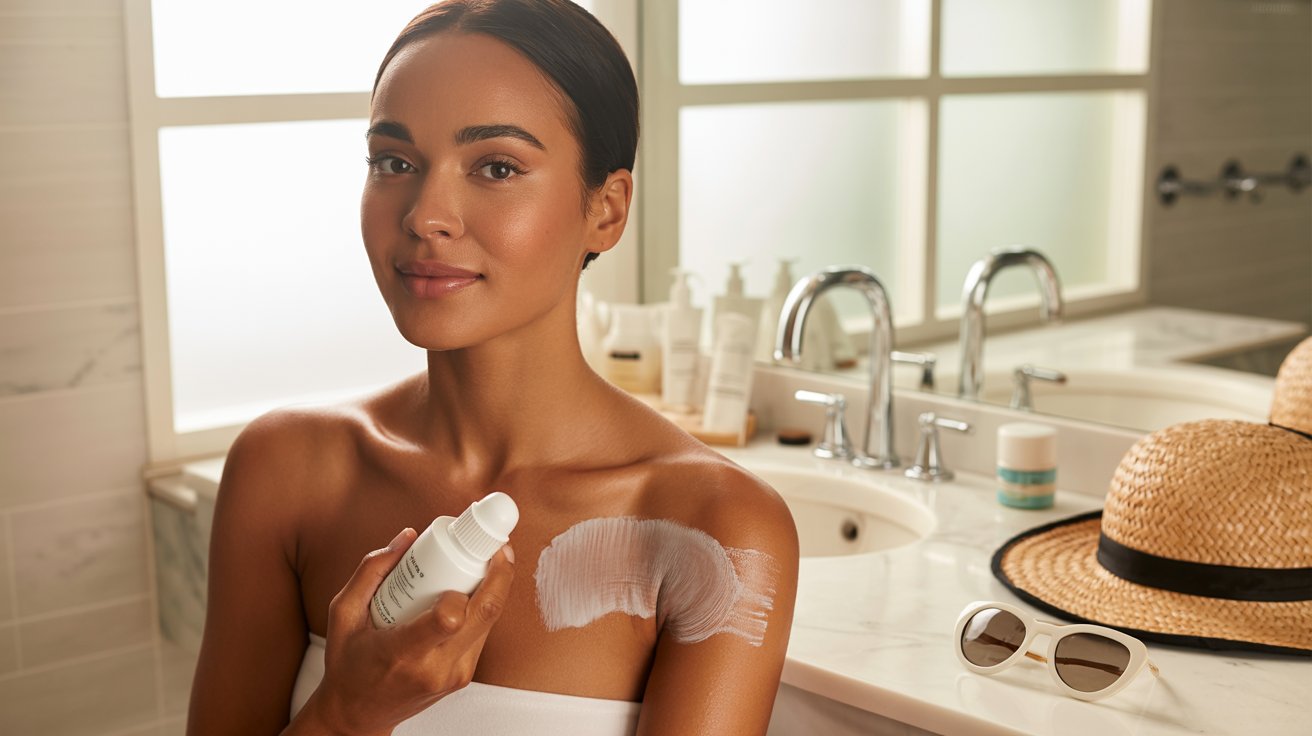
Getting a tan always comes with some level of UV exposure. There are safer ways to get that darker look without putting your skin at risk.
Why There Is No Truly Safe Sun Tan
Every tan from the sun means your skin has been exposed to UV damage. There is no amount of sun exposure that is completely risk free. Even a light tan means your skin has already reacted to UV rays.
Self-Tanners and Spray Tans as Alternatives
Self-tanners and spray tans give you a darker look without any sun exposure. They work by reacting with the outer layer of your skin to create a natural looking colour. These are a much safer option for anyone who wants a tan without the damage.
How to Maintain a Sun-Kissed Glow Without UV Damage
Use a self-tanner or bronzer regularly to keep your skin looking warm and sun-kissed. Moisturising daily helps the colour last longer and look more even. If you do go outside, wear sunscreen, cover up, and limit your time in direct sun to keep your skin healthy.
Conclusion
Yes, you can tan with sunscreen, but your skin is still being affected by UV rays. Sunscreen lowers the damage, it does not stop it.
After years of seeing what unprotected sun exposure does to skin, the advice is simple.
Wear SPF every day, reapply it often, and use self-tanners if you want that darker look without the risk.
Your skin is worth protecting. Start with a good sunscreen today and make it a daily habit.
Frequently Asked Questions
Can you tan with sunscreen on?
Yes, sunscreen reduces UV exposure but does not block it completely. Your skin can still produce melanin and tan even with SPF on.
Does higher SPF mean you will not tan at all?
No, higher SPF just means more UV rays are blocked. SPF 50 still lets about 2% of UVB rays through, which is enough to cause tanning over time.
Is a tan with sunscreen safer than a tan without it?
It is safer in terms of reducing burn and long term skin damage. But any tan means your skin has been affected by UV rays, so it is not completely risk free.
How often should you reapply sunscreen to reduce tanning?
You should reapply sunscreen every two hours, especially after swimming or sweating. Skipping reapplication lets more UV rays reach your skin and speeds up tanning.
Can self-tanners give the same result as a sun tan?
Self-tanners can give a very similar look without any UV exposure. They are a much safer option for anyone who wants darker skin without risking sun damage.