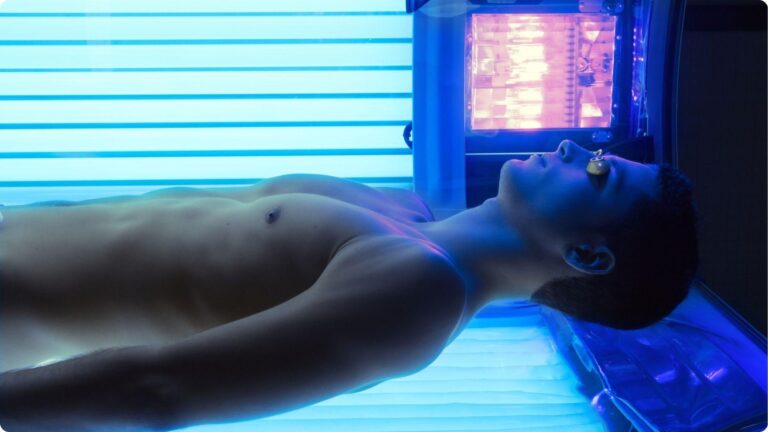
9 Types of Spas: Complete Guide to Spa Options


Not all spas are the same. Picking the wrong one can leave you disappointed and out of pocket.
This guide covers 9 types of spas so you know exactly what to expect before you book. I have visited several spa types myself, and the difference between them is bigger than most people think.
We will cover everything from day spas to medical spas to Nordic spas. You will learn what each one offers, who it suits best, and how to choose the right one for your needs.
I have spent years researching wellness options and visiting different spa facilities firsthand. That experience shapes everything in this guide.
What Are the Different Types of Spas?
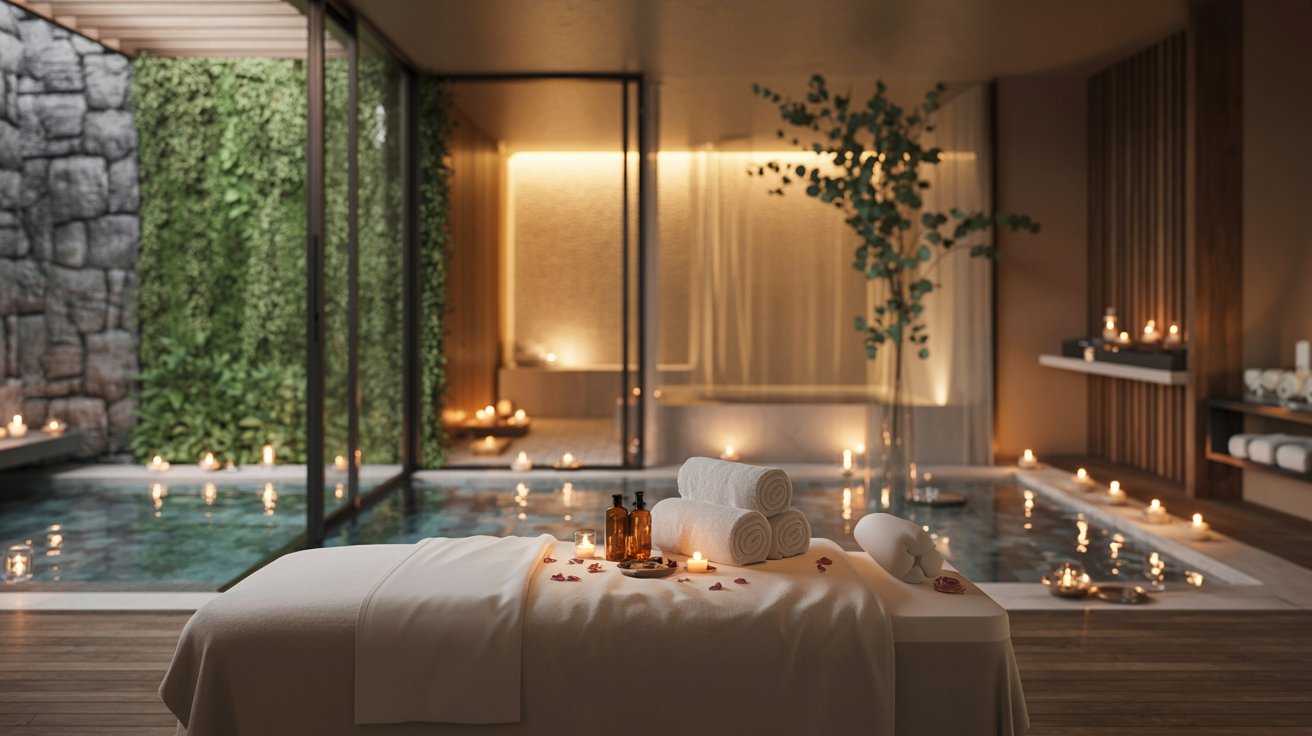
Spas are not all built the same way. Each type has a different focus, setting, and set of services. Picking the wrong one can mean spending money on something that does not match what you actually need.
Some spas are designed for a quick afternoon of relaxation. Others are built around medical treatments, ancient healing traditions, or complete lifestyle change.
The gap between a day spa and a destination wellness retreat, for example, is massive.
Knowing the difference before you visit saves you time, money, and disappointment. It also helps you get real results from your experience.
9 Types of Spas Explained
Each spa type has its own focus, setting, and set of services worth knowing before you visit.
1. Day Spa
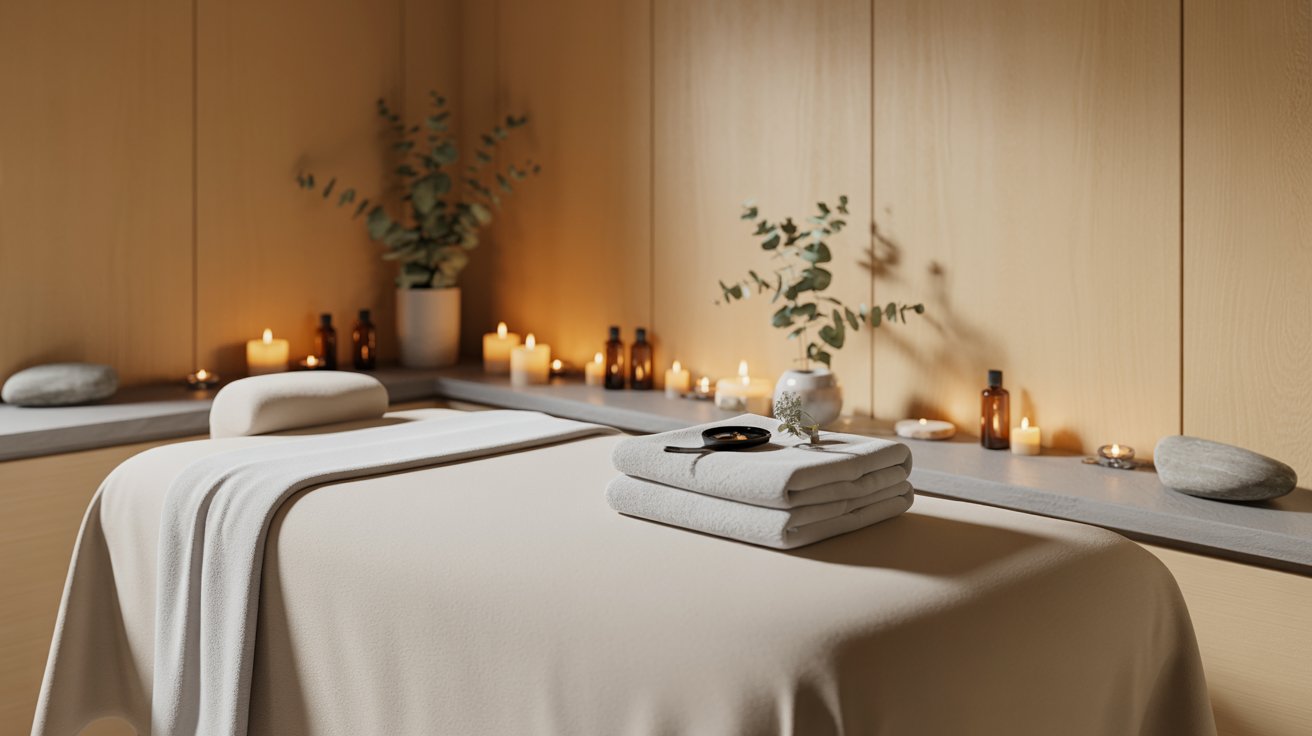
A day spa is a facility you visit for a few hours without staying overnight. It focuses on relaxation and basic beauty treatments.
A day spa offers short-visit services like massages, facials, manicures, and body wraps. You book a session, enjoy your treatments, and leave the same day. There is no accommodation involved.
2. Destination Spa
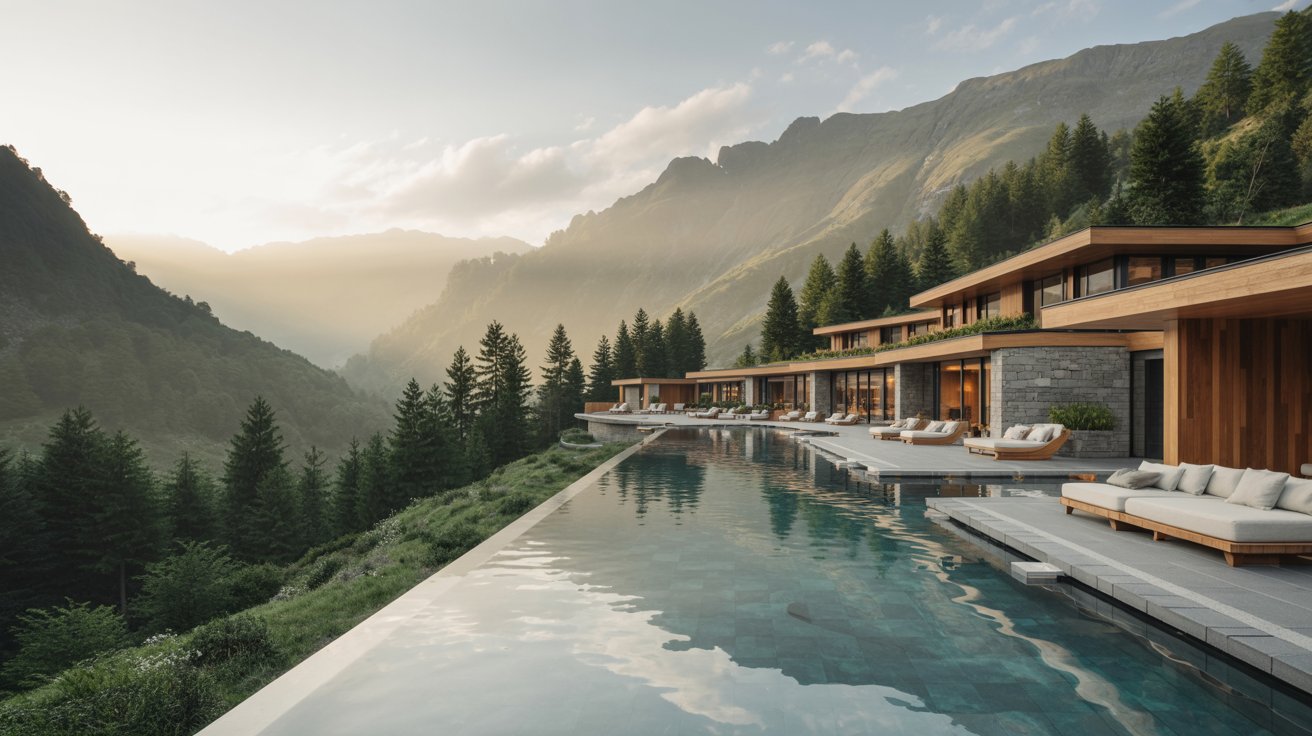
A destination spa is a place where wellness is the entire point of your stay, not just an add-on.
A destination spa is a resort or property where the entire stay revolves around health and wellness.
You eat, sleep, and breathe wellness while you are there. Every program, meal, and activity is designed around your health goals.
3. Hotel Spa
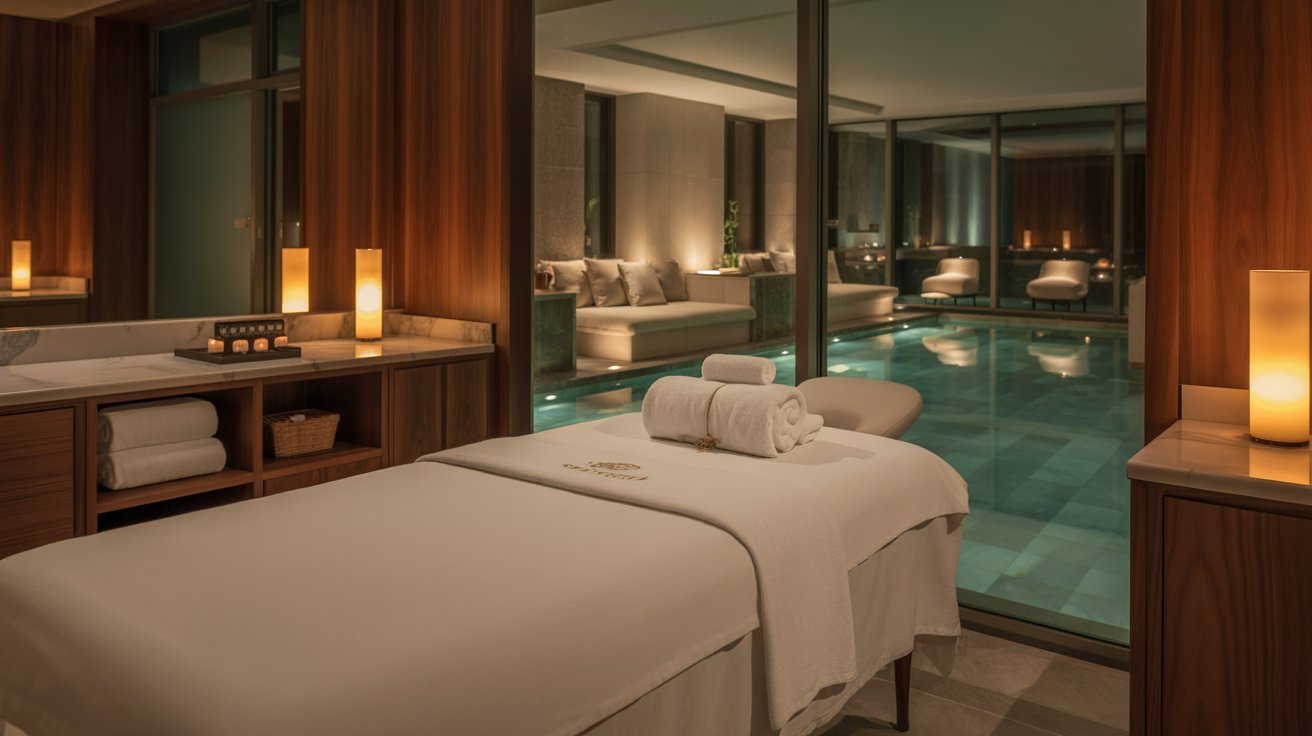
A hotel spa gives you access to wellness services as part of a larger hotel or resort stay.
Hotel spas are built into hotels, resorts, and luxury properties. They typically include a treatment menu, fitness center, pool, and sometimes thermal facilities.
4. Medical Spa
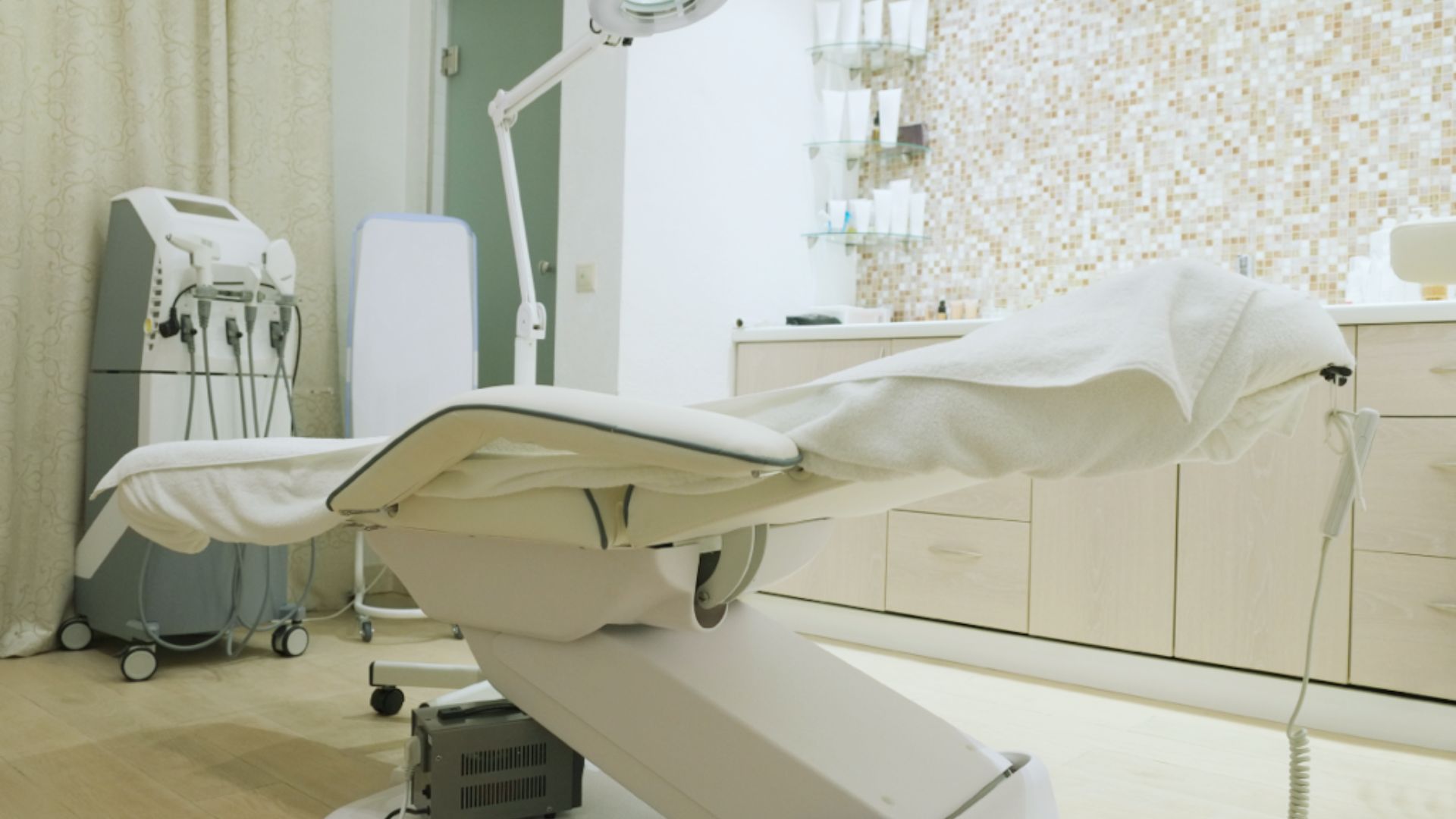
A medical spa blends clinical treatments with the comfort and setting of a traditional spa.
Medical spas, also called med spas, offer treatments that go beyond relaxation. They focus on cosmetic and therapeutic procedures that require medical oversight.
5. Mineral and Thermal Spa
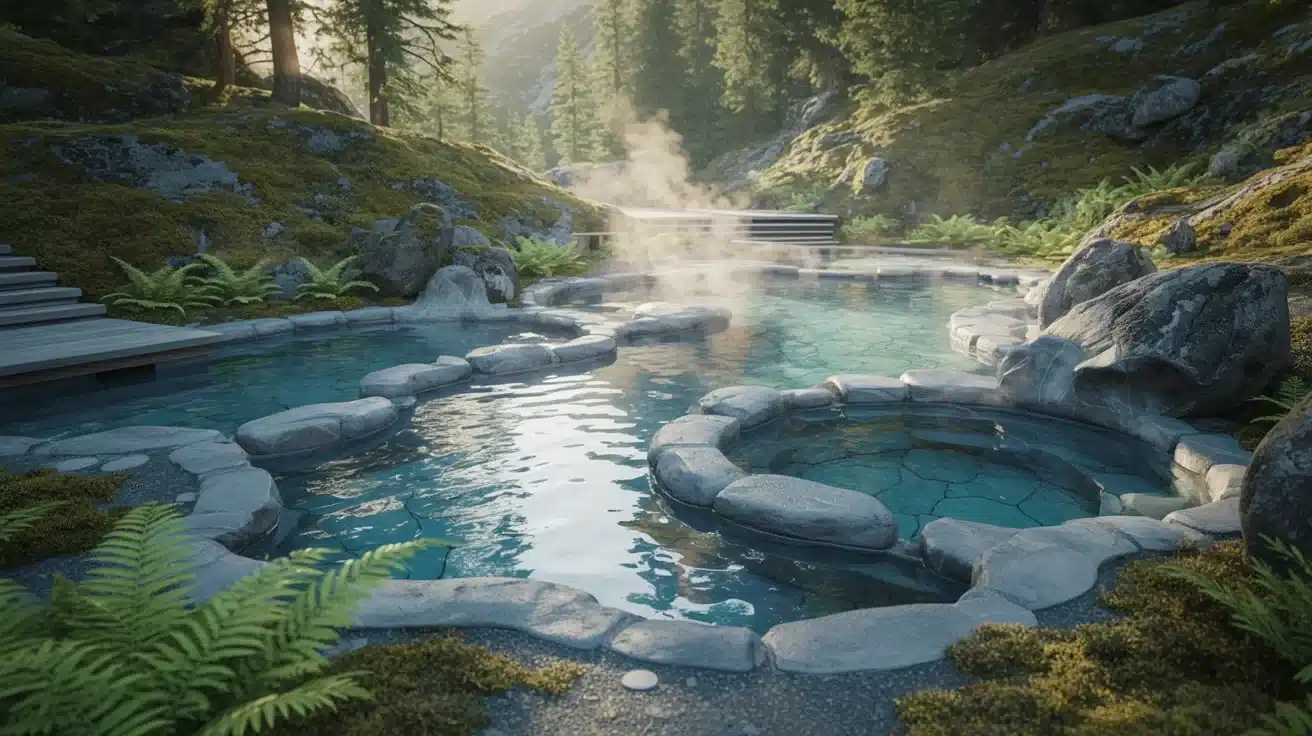
Mineral and thermal spas use naturally occurring water from the earth as their main treatment tool.
These spas are built around hot springs or mineral-rich water sources. The water contains elements like sulfur, magnesium, calcium, and silica, which are believed to have healing properties.
6. Ayurvedic Spa
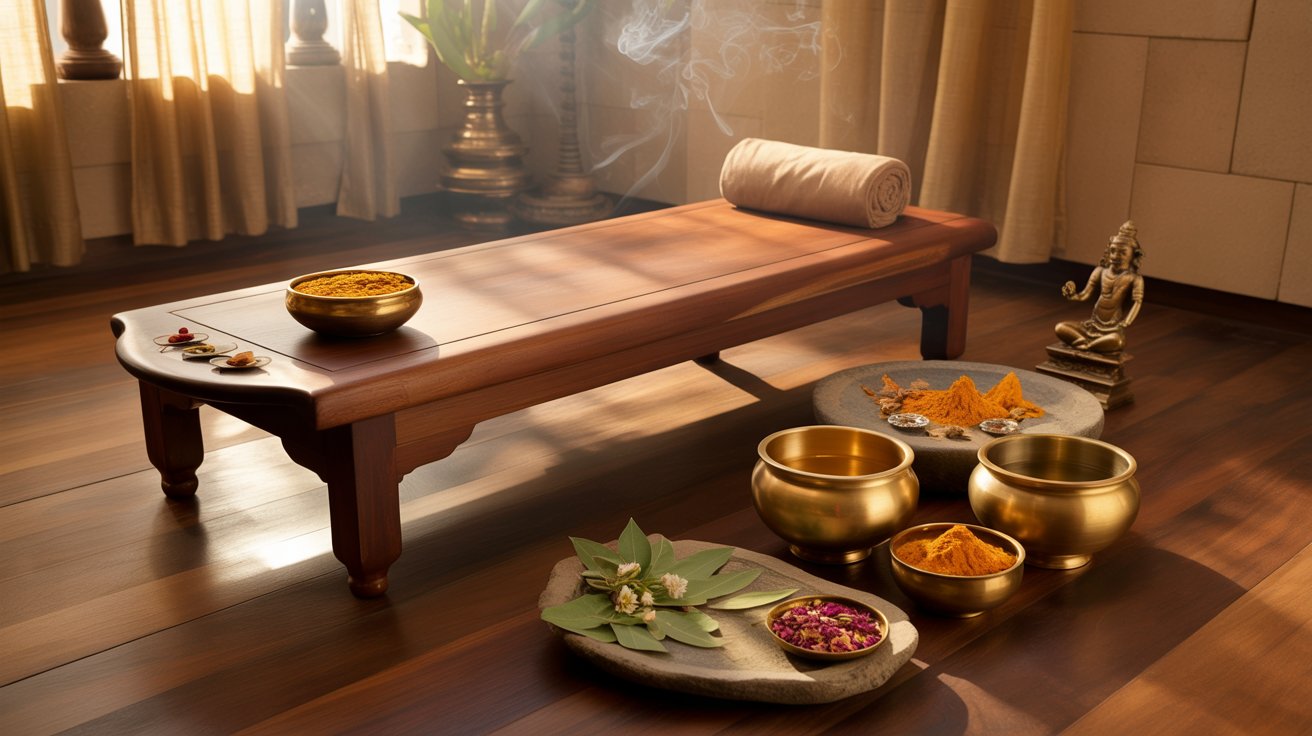
An Ayurvedic spa is rooted in ancient Indian medicine and focuses on balancing the body and mind.
Ayurveda is a 5,000-year-old system of medicine from India. It teaches that health comes from balancing three body types called doshas.
Vata, Pitta, and Kapha. Ayurvedic spas build their treatments around this philosophy.
7. Thalassotherapy Spa
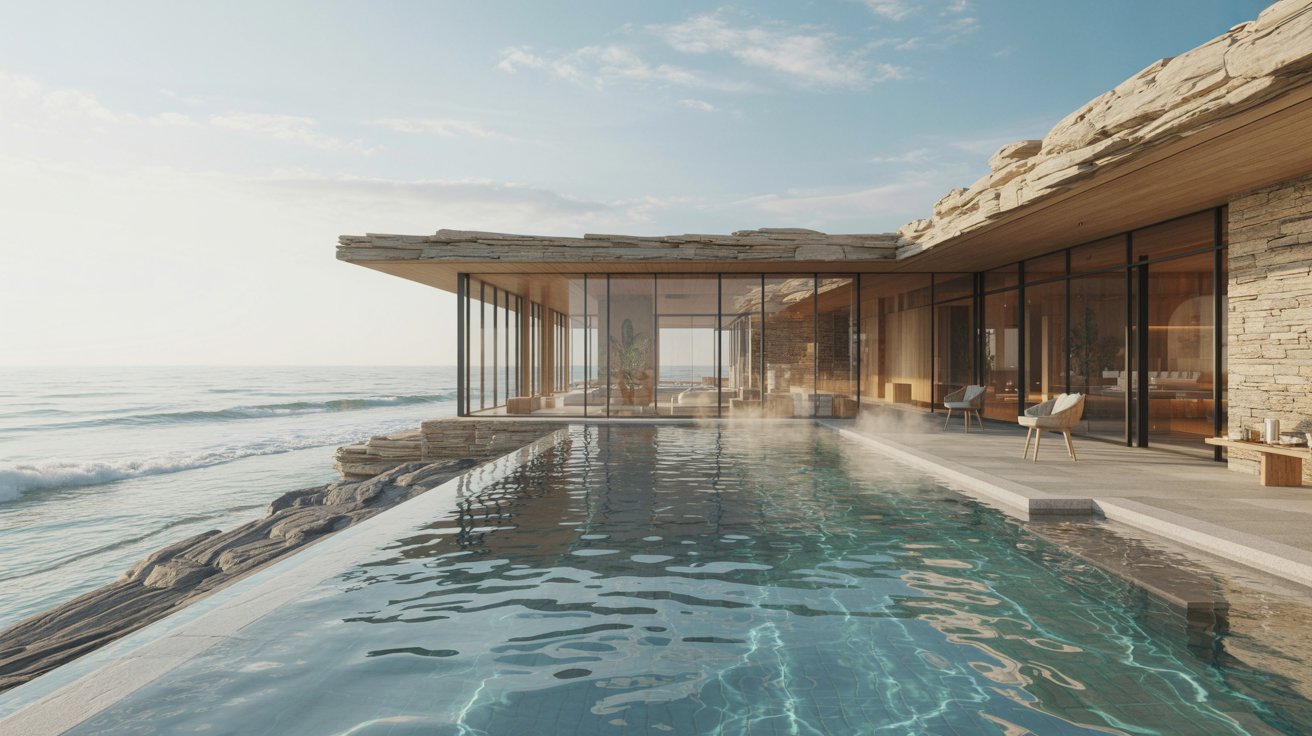
Thalassotherapy spas use the healing power of the sea to support health and wellbeing.
Thalassotherapy comes from the Greek word for sea. These spas use seawater, sea mud, seaweed, and marine algae as core treatment ingredients.
8. Nordic Spa
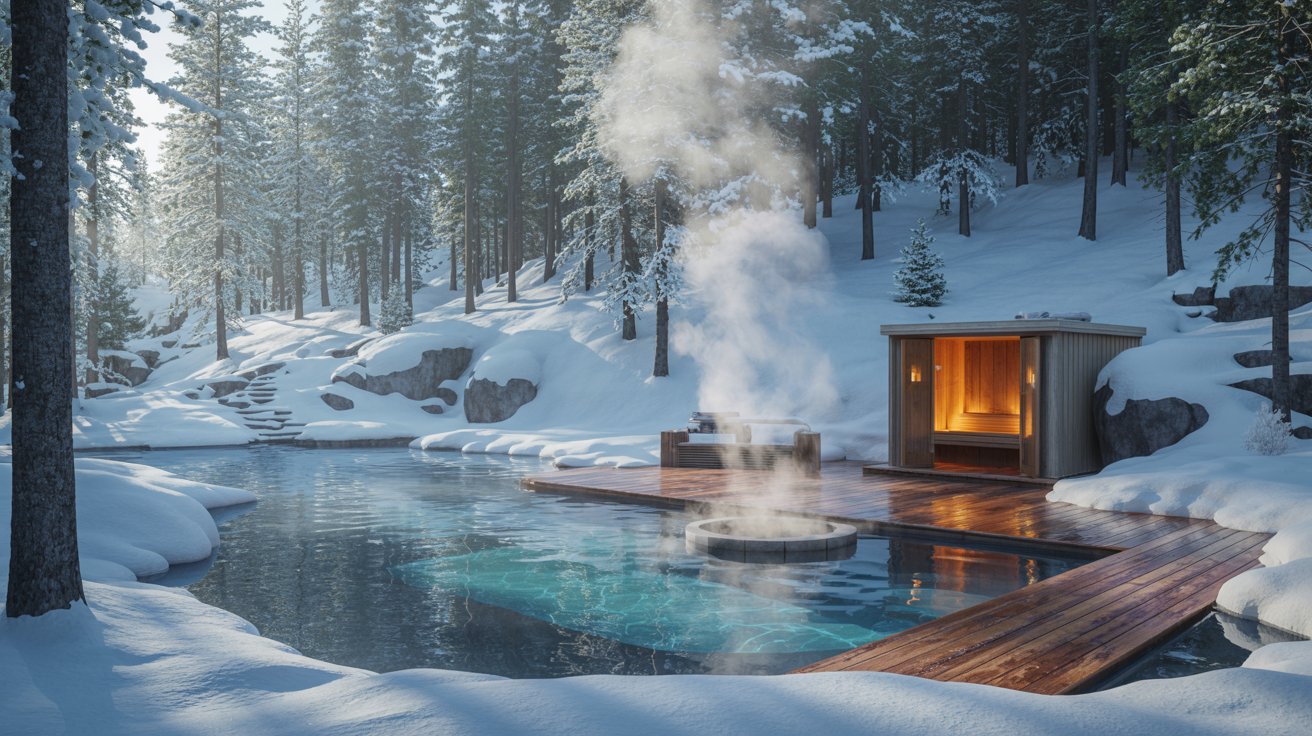
A Nordic spa uses a cycle of heat and cold to stimulate the body and calm the mind.
The Nordic spa method involves moving between hot environments and cold ones repeatedly. This contrast therapy has deep roots in Scandinavian culture and has been practiced for centuries.
9. Destination Wellness and Retreat Spa
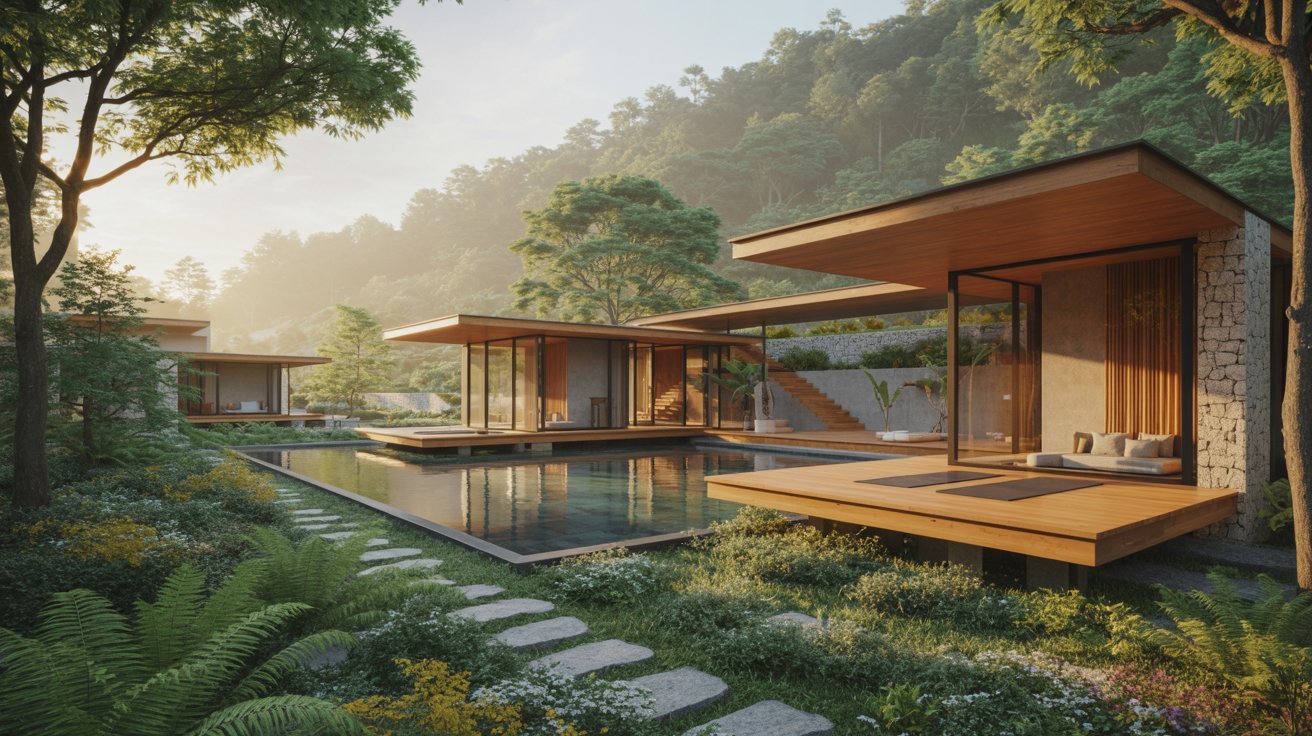
A destination wellness retreat goes deeper than a typical spa stay. It focuses on long-term change, not just short-term comfort.
These retreats are designed for people who want to make a meaningful shift in their health. Programs can last anywhere from a weekend to several months.
How to Choose the Right Type of Spa
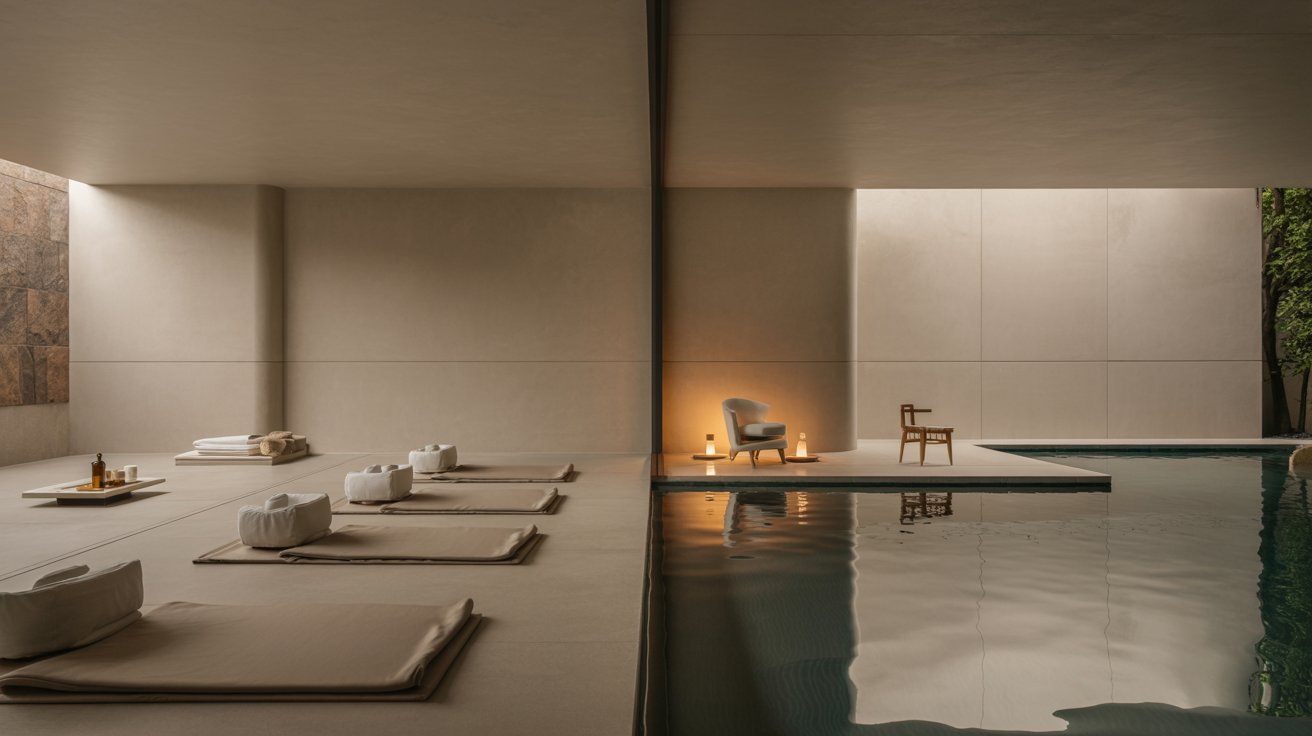
Choosing the right spa comes down to knowing what you want from the experience.
Based on your goals
If you want to relax and switch off, a day spa or hotel spa works well. For skin or cosmetic concerns, a medical spa is the right fit.
For a full health reset or lifestyle change, a destination or wellness retreat spa is the better call. If natural healing interests you, look into mineral, Ayurvedic, or thalassotherapy spas.
Budget considerations
Day spas are the most budget-friendly option and widely available. Medical spa procedures can cost several hundred dollars depending on the treatment.
Destination retreats are the most expensive but they usually include accommodation, meals, and full wellness programs, so the value adds up.
Duration of stay
Only have a few hours? A day spa is the perfect fit. Have a full weekend free? A hotel spa or short retreat works well.
For deeper wellness work, plan for at least five to seven days at a destination or retreat spa to see real results.
Location and accessibility
Some spa types, like Nordic spas or mineral thermal spas, are only found in specific regions or countries.
Before you set your heart on one, check what is actually available near you or factor travel into your planning.
Personal preferences
Think about the kind of environment that suits you best. Some people feel most comfortable in a clean, clinical medical spa setting.
Others prefer a warm, nature-based holistic space. Neither is better than the other. The right spa is simply the one that feels right for you and delivers what you are actually looking for.
Tips for First-Time Spa Visitors
Knowing what to expect before your first spa visit makes the whole experience smoother and more enjoyable.
- Arrive 15 to 20 minutes early so you have time to settle in and fill out any health forms before your treatment begins.
- Book in advance, especially for weekends or popular treatments, to avoid missing out.
- Talk to your therapist before the session about any health conditions, allergies, or pressure preferences you have.
- Avoid heavy meals before your treatment and drink plenty of water afterward to help your body recover well.
- Turn your phone off and take your time leaving after the session. Give your body a few quiet minutes to settle before heading out.
Conclusion
I booked my first spa visit without knowing anything about the different options and honestly ended up with the wrong experience for what I needed. That is what inspired this guide.
Now you have everything you need to choose wisely. Whether you want a quick relax, a skin fix, or a full health reset, there is a spa type for you.
Have you visited any of these spa types? Drop your experience in the comments below. Share this post if it helped you, and check out our other wellness guides for more.
Frequently Asked Questions
What types of spas are there?
There are nine main types including day spas, hotel spas, medical spas, destination spas, mineral spas, Ayurvedic spas, thalassotherapy spas, Nordic spas, and wellness retreat spas.
What are the four most commonly recognized spa types?
The four most recognized types are day spas, hotel spas, destination spas, and medical spas. These are the most widely available options for most people.
Which type of spa is best for relaxation?
Day spas, hotel spas, and Nordic spas are the best choices for relaxation. Each one offers a calm, stress-free experience in its own way.
Are medical spas safe?
Yes, when treatments are performed by licensed medical professionals. Always confirm that a qualified doctor or nurse practitioner is involved before booking.
What is the difference between a destination spa and a hotel spa?
A destination spa is fully focused on wellness with structured multi-day programs. A hotel spa is a convenience service within a hotel, focused on relaxation during your stay.