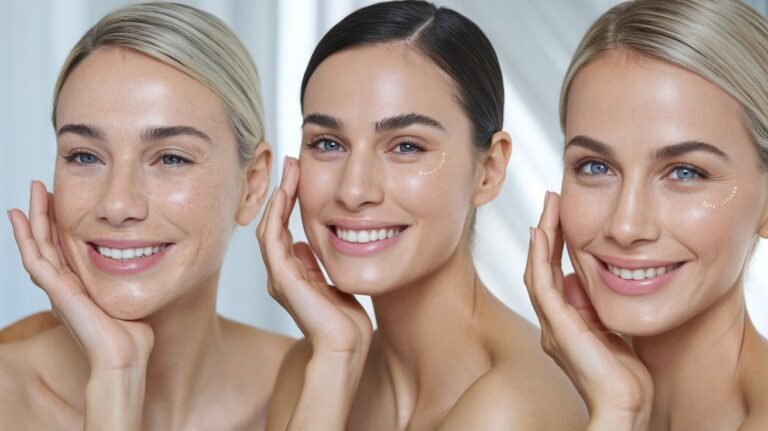
Does Dermaplaning Make Hair Grow Back Thicker Really

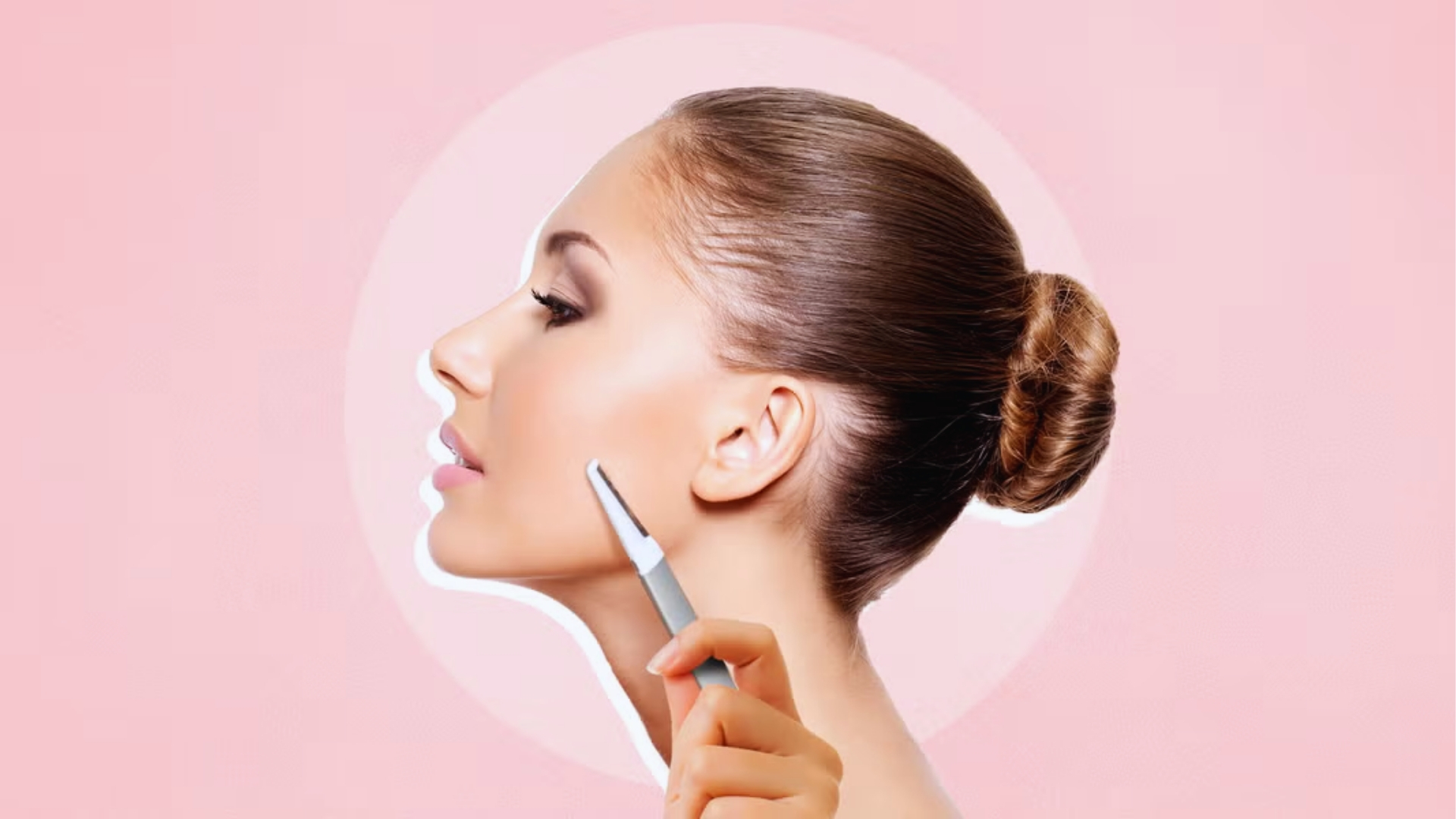
I get it. You’ve heard the rumor and now you’re second-guessing that dermaplaning appointment.
Does dermaplaning make hair grow back thicker? It’s one of the most searched skincare questions and honestly, it stopped me from trying it for months.
In this article, I’ll break down what dermaplaning actually does, what science says about hair regrowth, and why the “thicker hair” fear is more myth than fact.
I’ve researched this deeply so you don’t have to. Let’s clear this up once and for all.
Understanding Dermaplaning Basics
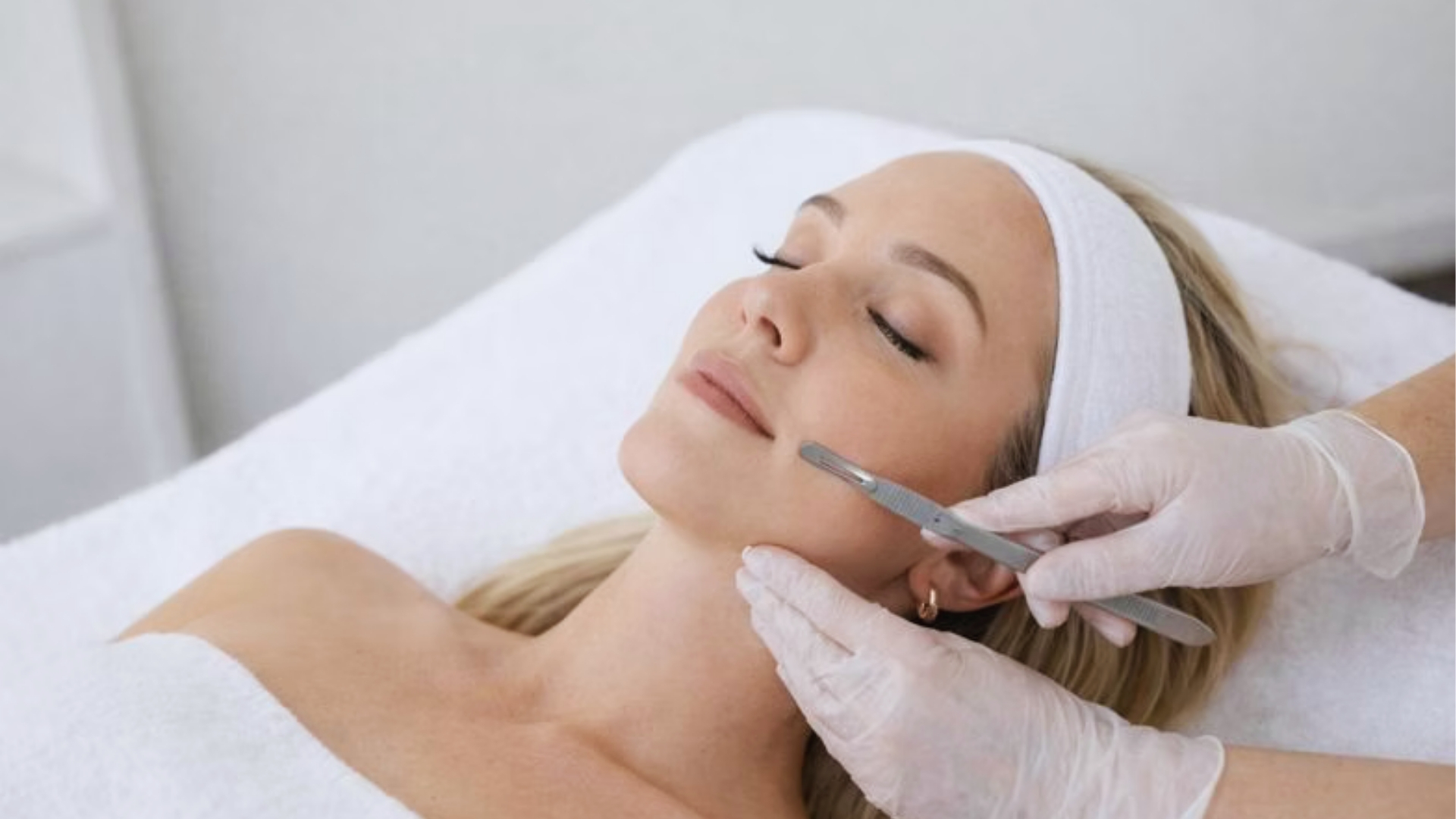
Dermaplaning is a simple skin treatment done by a licensed professional using a sterile surgical blade. They hold it at a 45-degree angle and glide it across the face in short strokes.
This removes the top layer of dead skin cells and the fine vellus hair, also called peach fuzz. The process takes about 20 to 30 minutes and is painless for most people.
No chemicals, no heat. People love it because results show up fast. Skin feels softer, looks brighter, and absorbs serums better after just one session.It’s gentle exfoliation with no real downtime needed.
Does Dermaplaning Make Hair Grow Back Thicker Really?
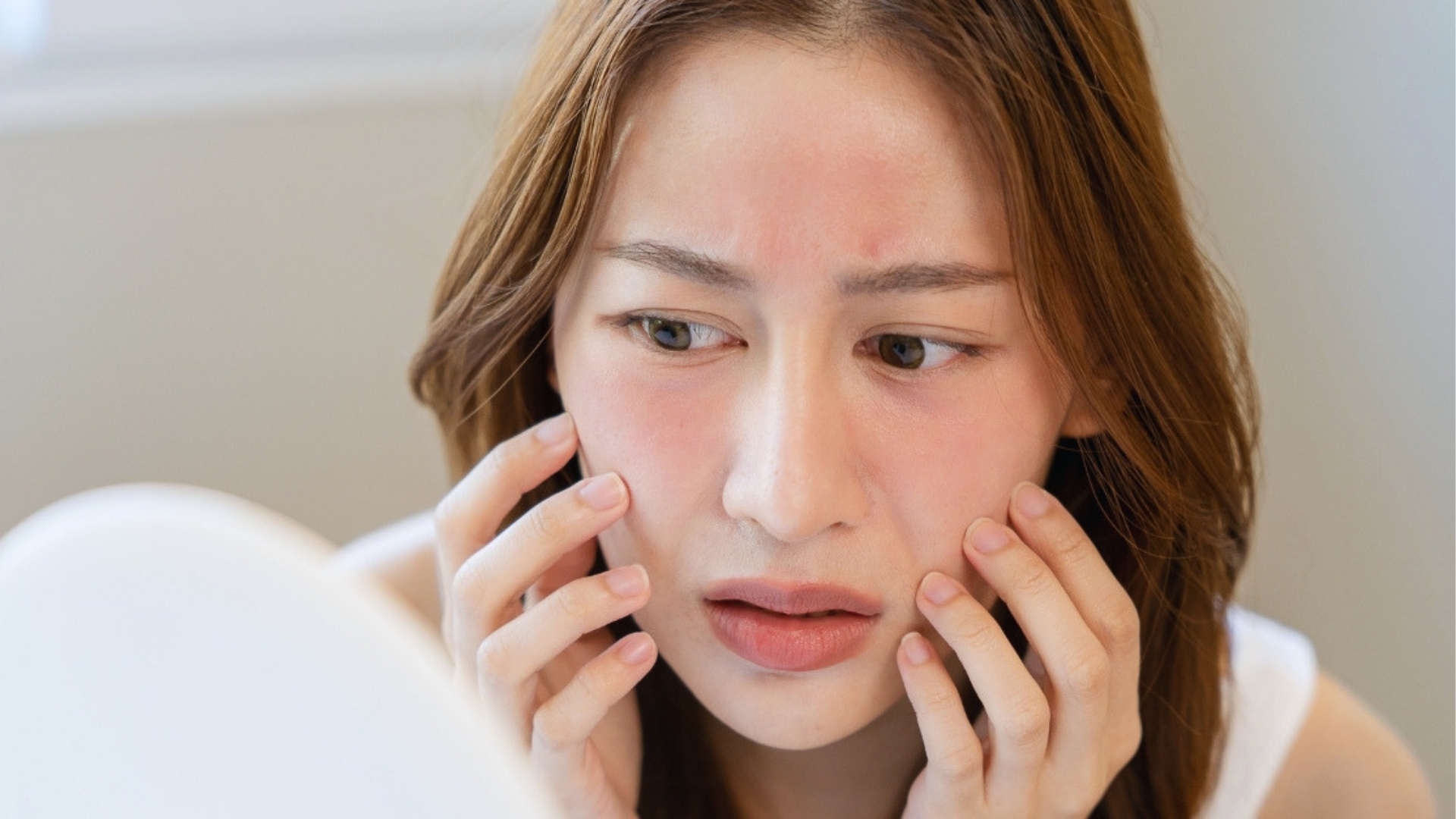
The big question answered backed by science, not guesswork.
Where the Myth Comes From
This fear mostly comes from confusing dermaplaning with shaving legs or arms. For years, people believed that shaving made hair grow back darker and thicker.
That idea stuck and it followed dermaplaning into the conversation even though the two are very different situations.
There’s also a sensory factor. After the blunt edge of a blade cuts the hair, the regrowth can feel slightly rough when you run your finger over it.
That texture gets misread as “thicker.” But it’s not. It just feels different because the natural pointed tip of the hair is gone.
What Science Says
Here’s the simple truth: hair grows from follicles under the skin. Dermaplaning only removes what’s above the surface. It never touches the follicle.
Since the follicle controls everything thickness, color, and growth speed cutting the hair above the skin has zero effect on any of those things.
Dermatologists have confirmed this repeatedly. The hair that grows back is the same hair you started with.
What Happens to Hair After Dermaplaning
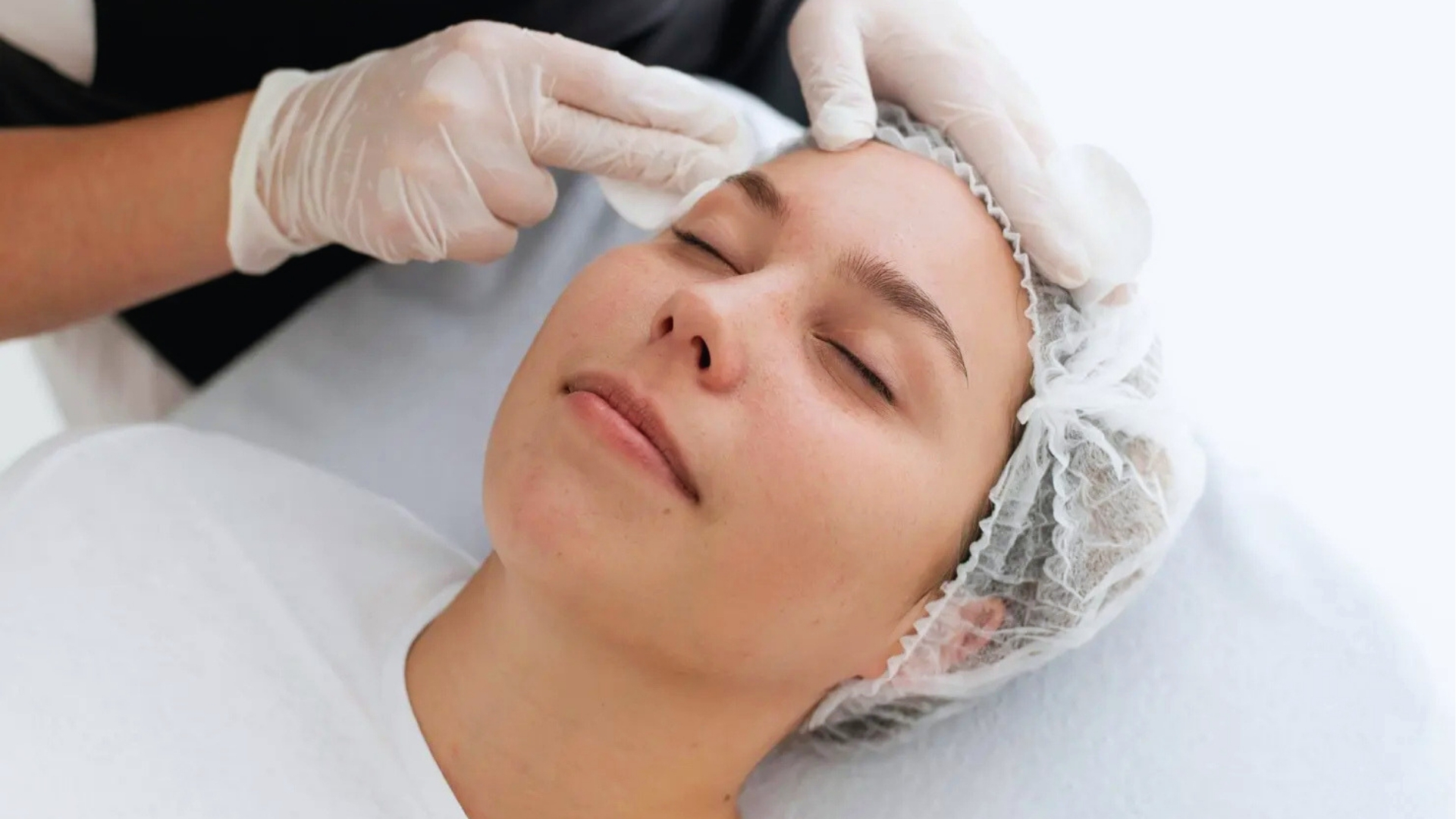
Here is what your skin and hair go through once the treatment is done.
Normal Regrowth Timeline
Most people notice regrowth within 2 to 4 weeks. The speed depends on your personal hair growth cycle, not on the treatment itself.
Dermaplaning doesn’t speed up or slow down that process.
Why Hair May Feel Slightly Stubbly
This is the part that confuses people. When vellus hair grows back naturally, it has a soft, tapered tip. When a blade cuts it, that tip becomes blunt.
So when it grows back, the blunt edge can feel a little rough against your skin.
It’s not coarser. It just has a different shape at the tip. Give it a week or two and that sensation fades as the hair continues to grow.
Will Hair Become Darker or Coarser?
No. Hair color comes from melanin inside the hair shaft, which is determined at the follicle level. Dermaplaning doesn’t change melanin production.
It doesn’t change the follicle structure. The hair that grows back is the exact same type, color, and thickness as before.
Common Dermaplaning Myths & Facts
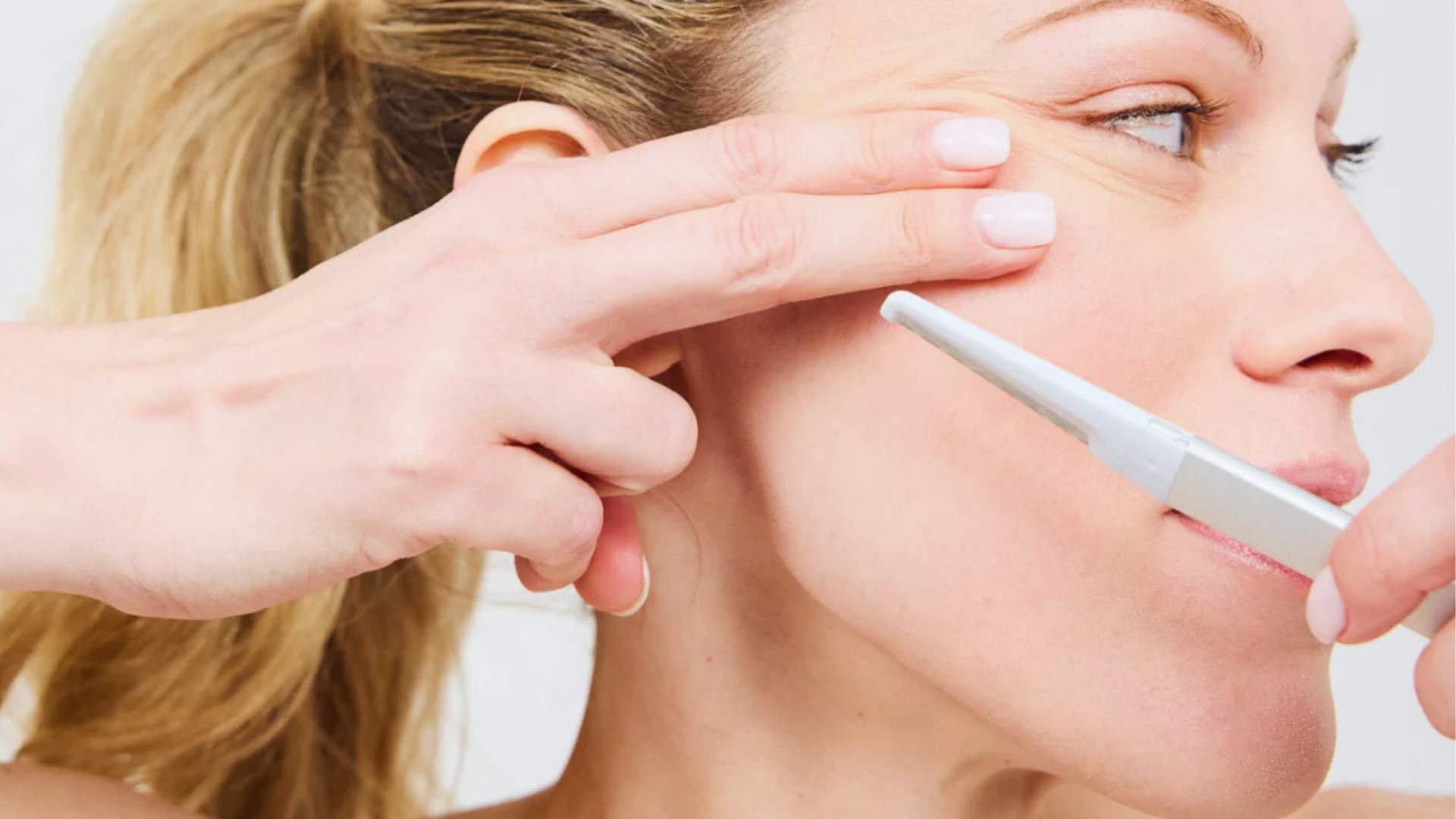
Separating the real facts from the stories that keep circulating online.
Myth – Hair Grows Back Thicker and Faster
Fact: Hair thickness and growth rate are controlled by your follicles. Since dermaplaning only removes surface hair, nothing below the skin is affected.
Regrowth looks and feels the same over time.
Myth – Dermaplaning Causes Permanent Stubble
Fact: Stubble is a short-term texture change caused by the blunt cut of the hair. As hair grows out, it returns to its natural feel. There’s no permanent stubble situation here.
Myth – You Can’t Stop Once You Start
Fact: You can stop at any time. Your skin won’t become dependent on the treatment. Hair will simply grow back as it always has, and your skin will return to its normal state.
Myth – It Causes Breakouts
Fact: When done correctly by a licensed professional, dermaplaning should not cause breakouts. The blade is sterile, and the technique is non-invasive.
Breakouts are usually linked to improper aftercare or treating already-irritated skin.
Is Dermaplaning Safe for Everyone?
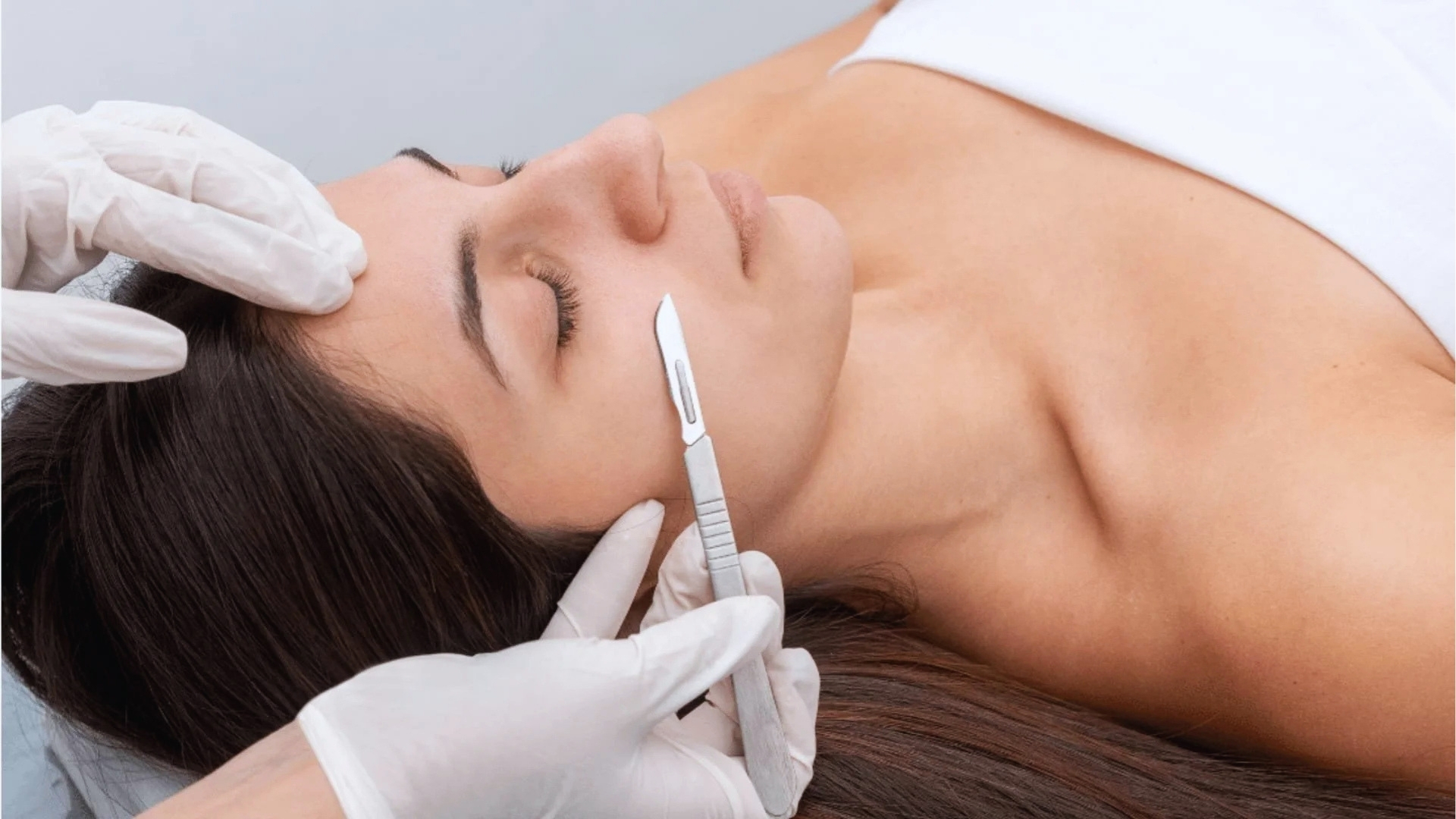
Dermaplaning works well for many skin types, but it’s not the right fit for everyone.
Who Can Benefit the Most
Dermaplaning is a great option for people with
- Dull, dry, or uneven skin texture
- A buildup of dead skin that makes makeup look patchy
- A preference for gentle, chemical-free exfoliation
It works especially well before a big event when you want that smooth, glowy base.
Who Should Avoid It
Not everyone is a good candidate.
You should skip dermaplaning if you have:
- Active acne: The blade can spread bacteria and worsen breakouts
- Irritated or inflamed skin: Conditions like rosacea or eczema can flare up after the treatment
- Open wounds or sunburn: Any broken skin is a no-go
Always talk to a dermatologist or licensed esthetician before your first session.
Tips for Safe and Effective Dermaplaning
Small steps before and after your session can make a big difference in your results.
- Always choose a licensed professional who knows the right blade angle, pressure, and technique to keep your skin safe.
- Skip your session if you have active breakouts or irritated skin, and wait until things calm down first.
- Wear sunscreen every day after dermaplaning because freshly exfoliated skin is more sensitive and burns much faster than usual.
- Use a gentle, fragrance-free moisturizer to keep your skin hydrated and help your skin barrier recover properly after treatment.
- Avoid retinols, acids, and scrubs for at least a week after your session as they can cause redness on freshly treated skin.
- Book your sessions every 3 to 4 weeks to match your skin’s natural cell turnover and allow full recovery between treatments.
Conclusion
So, does dermaplaning make hair grow back thicker? The short answer is no and now you have the science to back that up.
I used to avoid this treatment because of that same worry, and I’m glad I finally looked into it properly. Your hair, your follicles, and your skin type stay the same.
The myth just isn’t true. If you’ve been curious about dermaplaning, I hope this gives you the confidence to try it. Drop a comment below and let me know your experience!
Frequently Asked Questions
Does dermaplaning make facial hair grow back darker?
No, it does not. Hair color is decided by the follicle, which dermaplaning never touches. The regrowth will look the same shade as before.
How long does it take for hair to grow back after dermaplaning?
Most people see regrowth within 2 to 4 weeks. This depends on your personal hair growth cycle and has nothing to do with the treatment itself.
Can I do dermaplaning at home?
It’s possible with at-home tools, but not recommended for beginners. A licensed professional has the training to do it safely without causing cuts or skin damage.
Is dermaplaning the same as shaving?
They use a blade, but they are not the same. Dermaplaning is a controlled skin treatment that also removes dead skin cells. Shaving only removes hair and doesn’t exfoliate the same way.
How many dermaplaning sessions will I need to see results?
Many people notice smoother, brighter skin after just one session. For lasting results, most estheticians suggest scheduling every 3 to 4 weeks as part of a regular skincare routine.