
Does Shaving Help Acne? 11 Tips for Smooth Skin

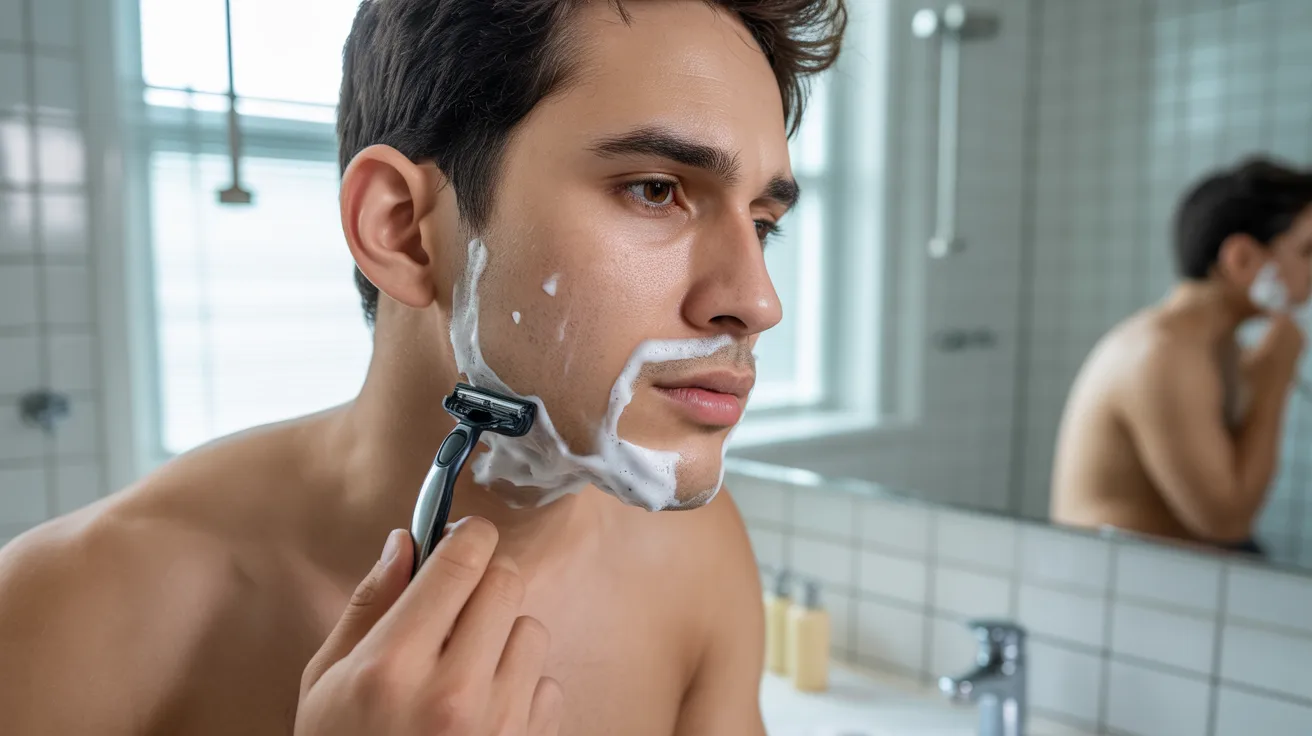
I’ve faced the confusion of wondering if my razor was helping or hurting my skin.
Does shaving help acne? The answer isn’t simple.
Shaving can sometimes remove dead skin cells and surface debris, but it can also irritate active breakouts and spread bacteria.
In this guide, I’ll share 11 dermatologist-backed tips to help you shave safely with acne-prone skin.
You’ll learn when to avoid your razor, which products won’t clog your pores, and how to prevent razor bumps.
I’ve tested these methods myself and researched what actually works.
Let’s get your skin smooth without making breakouts worse.
Understanding Shaving and Acne

Shaving removes hair and dead skin, which sounds good for acne.
But here’s the catch: Your razor blade can irritate inflamed pimples and push bacteria deeper into your pores.
When you shave over active breakouts, you risk spreading infection and creating new blemishes.
The key is using the right technique. Proper shaving can gently exfoliate without causing damage. Poor shaving habits make acne worse.
11 Dermatologist-Approved Tips for Shaving With Acne
These proven techniques help you shave safely without making breakouts worse.
1. Use a Fresh Razor Blade
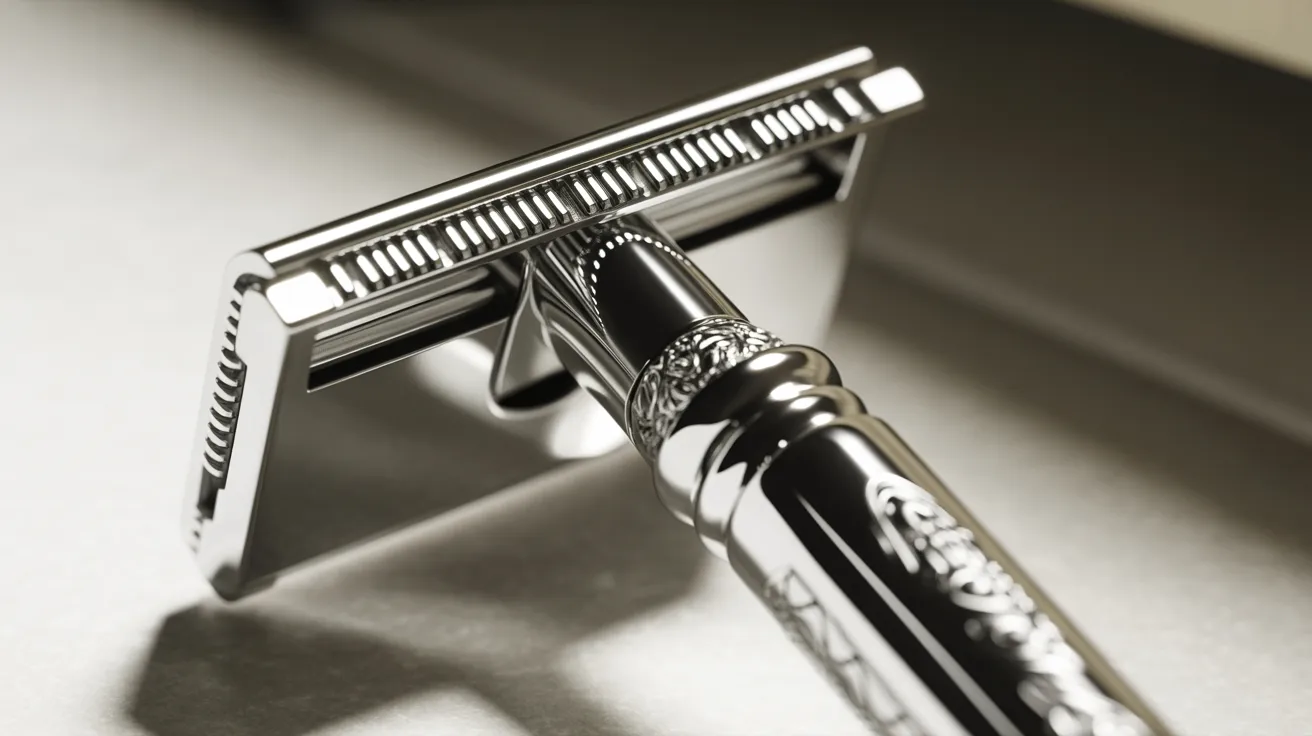
Dull blades tug at your skin. They also collect bacteria from previous shaves.
I replace my blade every 5 to 10 shaves. Fresh blades glide smoothly and reduce irritation. Old razors force you to press harder, which damages acne-prone skin.
Check your blade before each shave. If it feels rough or pulls at hair, swap it out.
2. Shave With the Grain
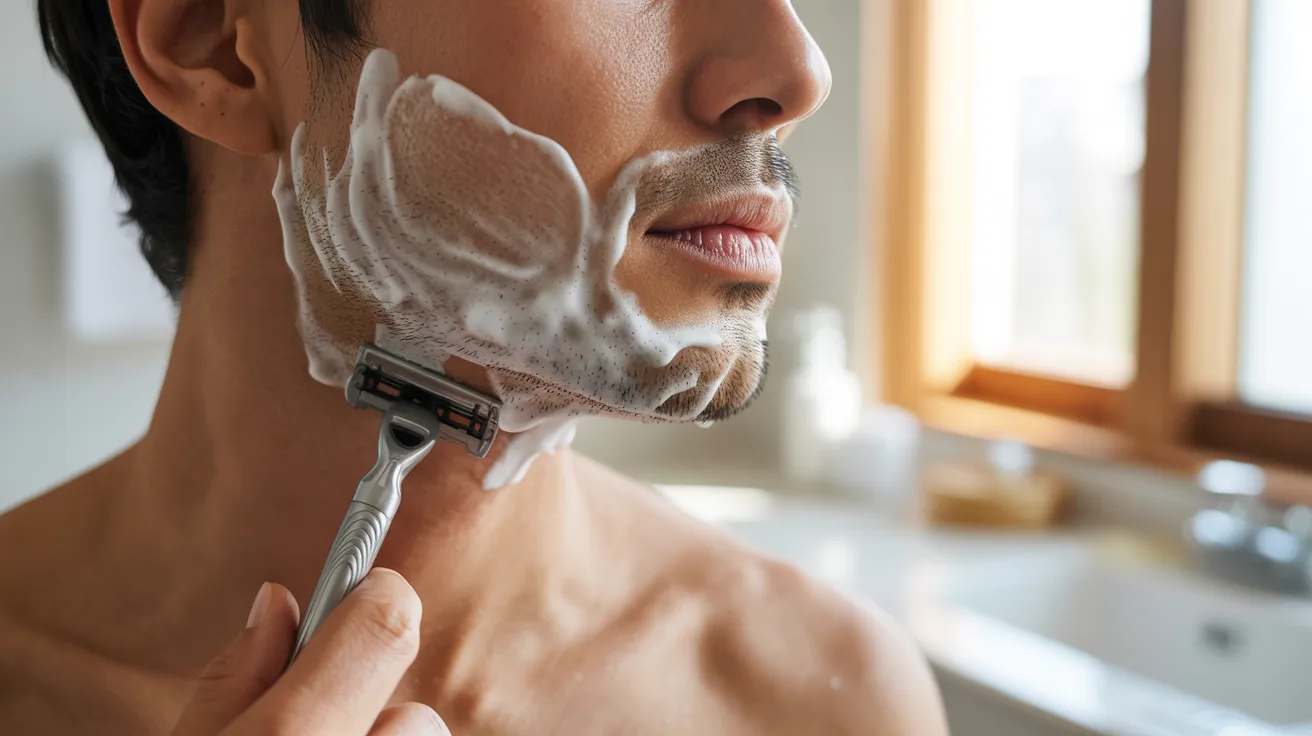
Going against hair growth gives a closer shave. But it also causes ingrown hairs and razor bumps.
I always shave in the direction my hair grows. This prevents hairs from curling back into my skin. The shave might not be as close, but my skin stays clearer.
Feel which way your hair grows before you start. Then follow that pattern with your razor.
3. Cleanse Before Shaving
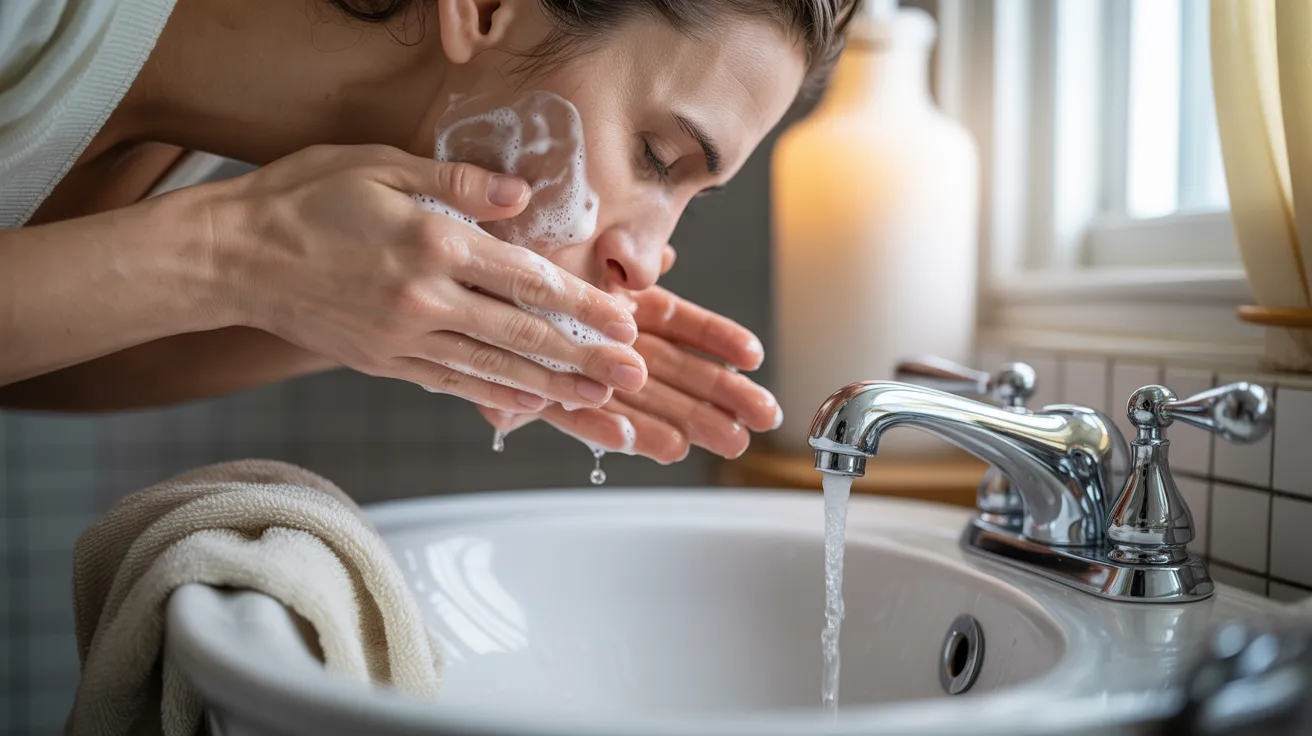
Your skin collects dirt and oil throughout the day. Shaving over this buildup pushes debris into your pores.
Wash your face with a gentle cleanser first. I use lukewarm water and massage for 30 seconds. This step removes surface grime and prepares your skin.
Pat your face dry with a clean towel. Never shave on completely dry skin.
4. Exfoliate Gently
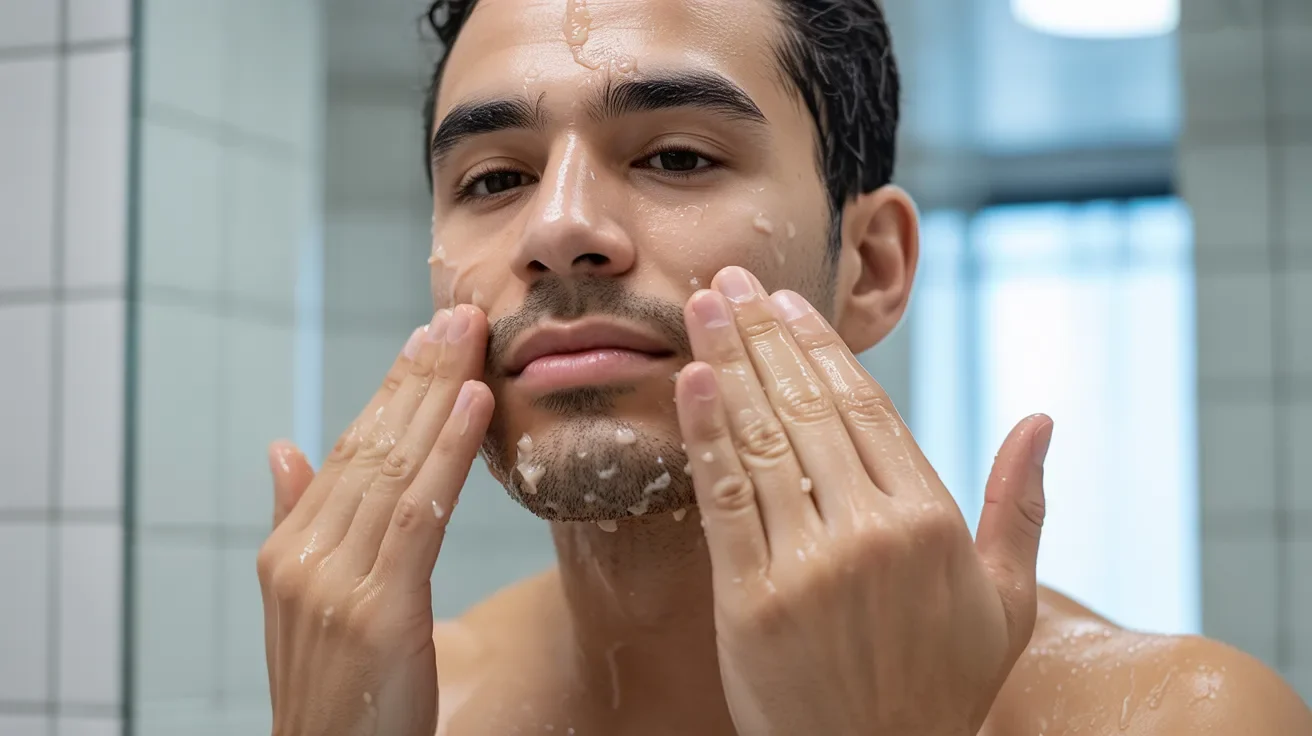
Dead skin cells can trap hair beneath the surface. Gentle exfoliation lifts these cells away.
I exfoliate 2 to 3 times per week, not daily. Too much scrubbing irritates acne. Use a soft washcloth or mild chemical exfoliant.
Skip harsh scrubs with rough particles. They tear at your skin and worsen inflammation.
5. Soften Hair First
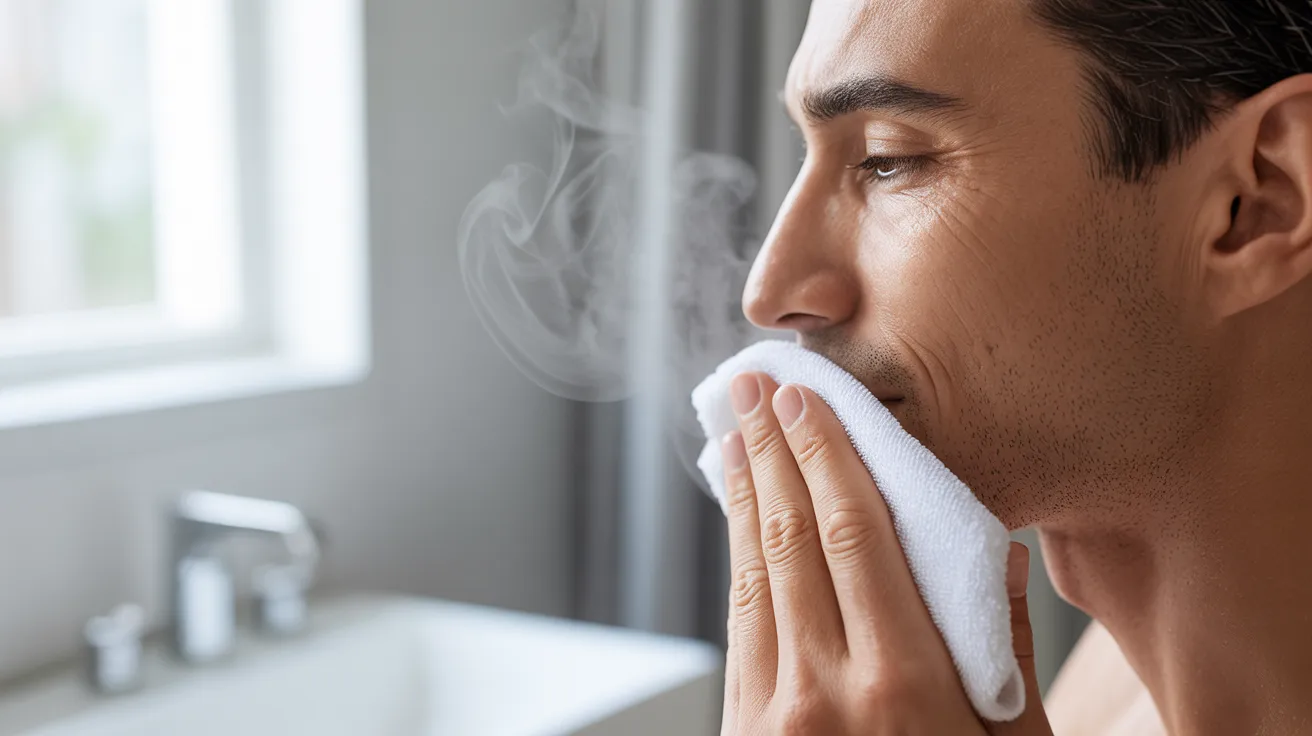
Hard, stiff hair resists your blade. This creates friction and skin trauma.
I shave after a hot shower when my hair is soft. You can also press a warm, damp towel to your face for 2 minutes. Some people use pre-shave oil.
Soft hair cuts easily. Your razor glides without pulling or scraping.
6. Choose Non-Comedogenic Shaving Cream

Regular shaving gels often contain alcohol and fragrances. These ingredients dry out your skin and clog pores.
Look for creamy formulas labeled “non-comedogenic.” I use shaving cream made for sensitive skin. It creates a protective layer without irritating breakouts.
Avoid products with heavy perfumes. They offer no benefit and can trigger redness.
7. Avoid Shaving Over Pimples
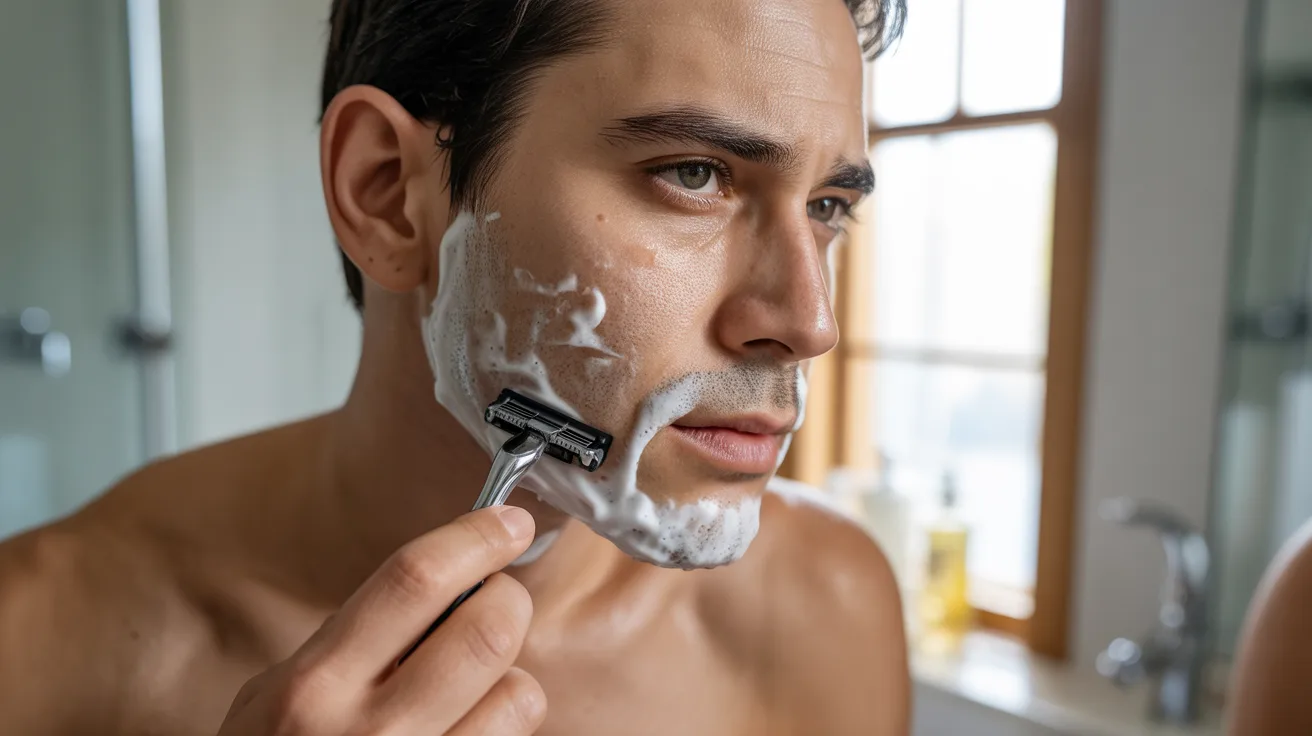
This tip saves me from making breakouts worse. Never drag your razor across an inflamed pimple.
The blade can slice the top off, spreading bacteria to nearby pores. It also creates open wounds that take longer to heal.
Shave around active breakouts. Leave those areas alone until they calm down.
8. Rinse Razor Frequently

Hair, shaving cream, and dead skin build up on your blade fast. This buildup reduces effectiveness and harbors bacteria.
I rinse my razor under hot water after every 2 to 3 strokes. Shake off excess water and check that the blades are clear.
A clean razor gives a smoother shave. It also prevents reintroducing bacteria to your skin.
9. Hydrate After Shaving
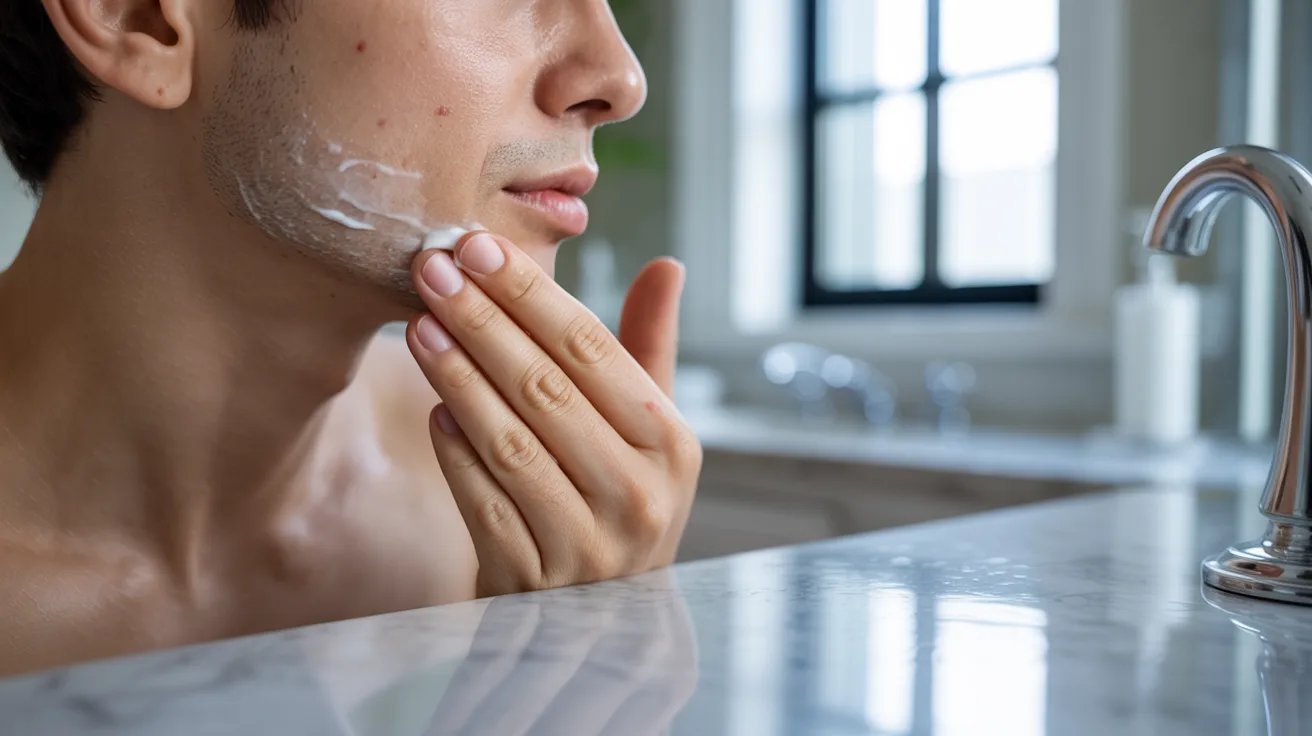
Shaving strips moisture from your skin. Dry skin produces more oil to compensate, which can clog pores.
I apply an alcohol-free moisturizer immediately after shaving. Look for ingredients like niacinamide or hyaluronic acid. These hydrate without causing breakouts.
Pat the moisturizer on gently. Rubbing can irritate freshly shaved skin.
10. Limit Alcohol-Based Aftershaves
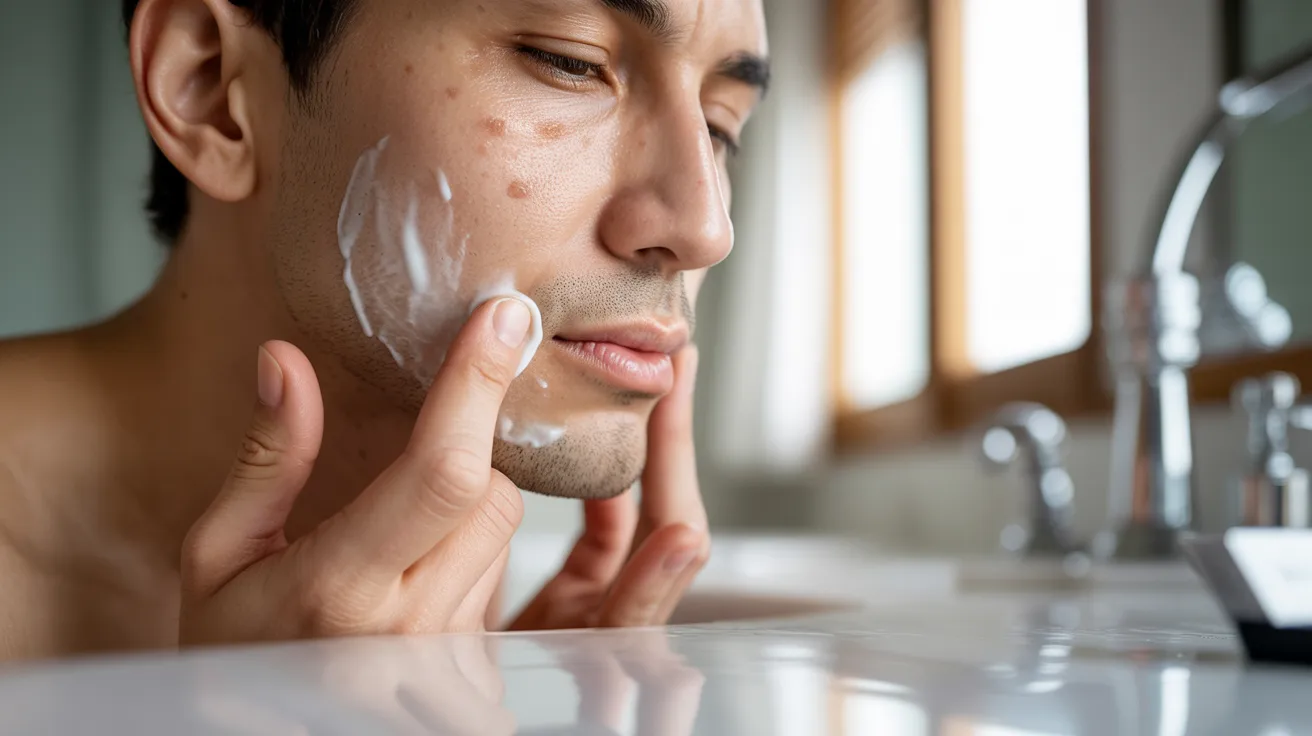
Traditional aftershaves sting for a reason. The alcohol content dries and irritates your skin.
I skip anything that burns. Instead, I use soothing aftershave balms without alcohol. They calm redness and provide moisture.
Your skin should feel comfortable after shaving, not tight or inflamed.
11. Incorporate Anti-Acne Treatments
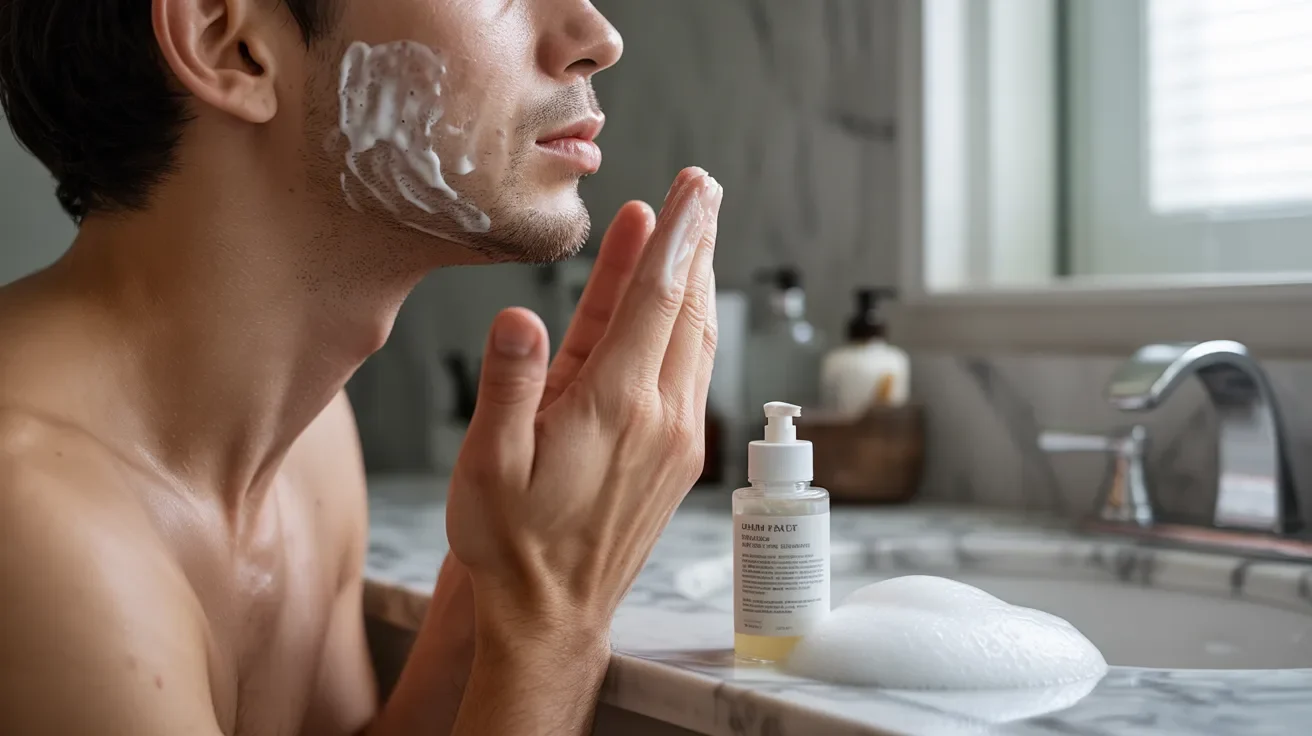
Cleansing with acne-fighting ingredients helps control breakouts. I use a salicylic acid or benzoyl peroxide cleanser before shaving.
After shaving, I wait 15 minutes for my skin to calm. Then I apply my acne treatment to clean skin.
This routine keeps pores clear. Just don’t apply strong treatments immediately after shaving, as this can cause burning.
Does Shaving Help Acne? Insights from Reddit and Experts

Many people on Reddit ask if shaving helps their acne. The responses are mixed because everyone’s skin reacts differently.
Some users report that shaving removes dead skin and clears their face. Others find razors irritating their breakouts. The truth depends on your technique.
Dermatologists agree that shaving can help if done correctly. Dr. Joshua Zeichner recommends clean blades and gentle products. He warns against shaving over active pimples.
Shaving won’t cure acne, but proper habits prevent worsening. Consistency and quality products support clearer skin.
Additional Tips for Healthy Skin While Shaving
Small changes to your shaving routine can make a big difference in preventing breakouts and irritation.
- Don’t press hard on your razor. Let the blade do the work. Pressing creates cuts and irritation.
- Avoid multiple passes over the same spot. One or two is enough.
- Consider an electric razor if traditional shaving causes problems. They’re gentler and reduce irritation.
- Maintain a consistent schedule. I shave every 2 to 3 days.
- Keep your skincare routine simple. Use a gentle cleanser, acne treatment, and oil-free moisturizer.
Conclusion
Shaving with acne doesn’t have to be complicated. I’ve learned that the right approach makes all the difference.
Use fresh blades, shave gently, and skip inflamed areas. Your skin will thank you. Start with one or two tips from this guide and build from there.
I’d love to hear what works for you.
Drop a comment below sharing your experience or questions.
And if this helped, share it with someone struggling with the same issue. Here’s to smoother, clearer skin.
Frequently Asked Questions
Can shaving make acne worse?
Yes, if you use dull blades, shave over pimples, or skip moisturizing. Proper technique with clean razors and gentle products minimizes irritation and prevents worsening breakouts.
Should I shave if I have active breakouts?
You can shave, but avoid dragging the razor over inflamed pimples. Shave around problem areas to prevent spreading bacteria and creating open wounds that take longer to heal.
Is an electric razor better for acne-prone skin?
Electric razors are often gentler because they don’t cut as close to the skin. They reduce irritation and the risk of nicks, making them a good option for sensitive or acne-prone skin.
How often should I replace my razor blade?
Replace your blade every 5 to 10 shaves. Dull blades tug at skin, collect bacteria, and force you to press harder, which increases irritation and potential breakouts.
What type of shaving cream is best for acne?
Choose non-comedogenic, creamy formulas designed for sensitive skin. Avoid products with alcohol or heavy fragrances, as these dry out skin and clog pores, leading to more breakouts.