Gel Polish Not Curing? Causes & Fixes You Need to Know

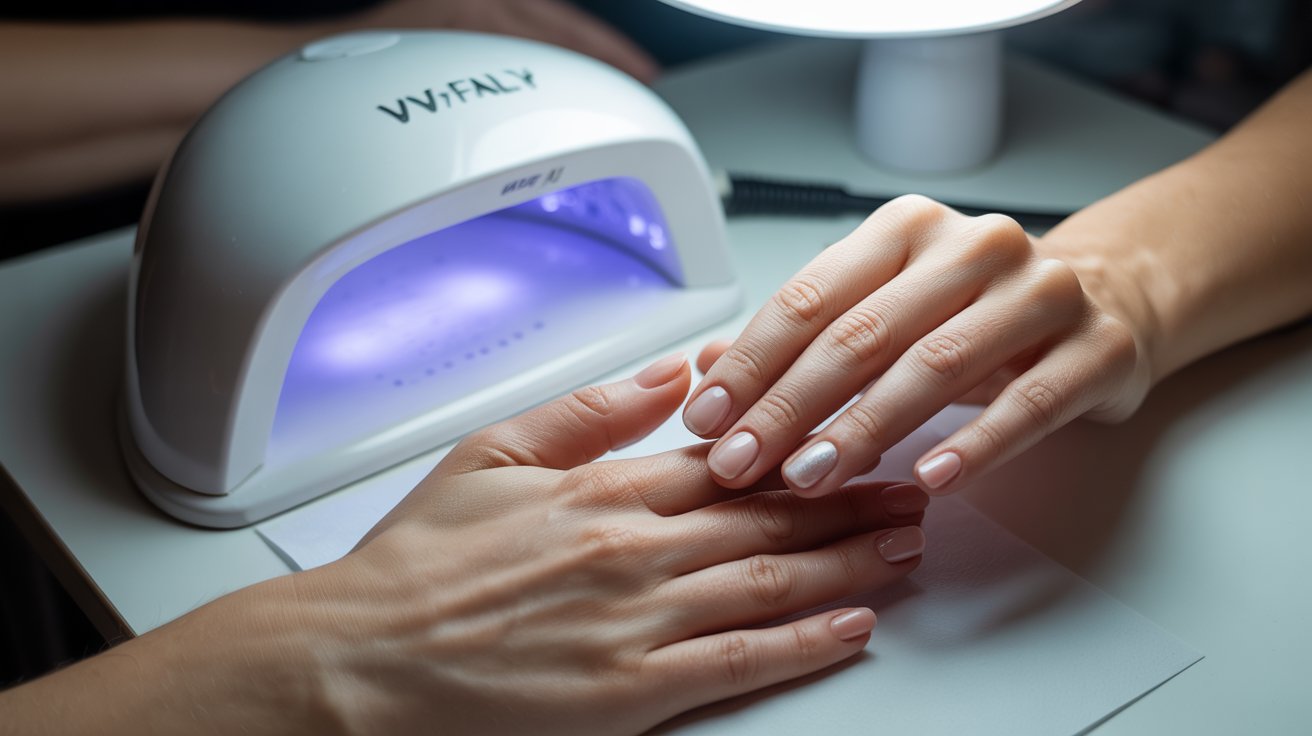
We’ve all been there. You finish painting your gel nails, cure them under the lamp, and pull them out expecting a glossy, hard finish. Instead, they’re sticky and soft. It’s so frustrating.
Here’s the thing: gel polish curing is a chemical process. It needs the right lamp, proper technique, and fresh products to work correctly. Miss one step, and your manicure won’t set.
But don’t worry. Most curing problems are easy to fix once you know what’s causing them. I’ll walk you through the common issues and show you exactly how to solve them.
Let’s get started.
Common Reasons Gel Polish Won’t Cure

When your gel polish won’t harden, something in your process needs adjustment. Here are the most common culprits behind sticky, uncured nails.
Using the Wrong Lamp
UV and LED lamps work differently. Not all gel polishes cure under both types. Some formulas need UV light, while others require LED.
Always check your polish bottle for lamp compatibility. Using the wrong lamp means your nails won’t harden, no matter how long you wait.
Insufficient Curing Time
Each gel polish has specific curing times listed on the bottle. Rushing this step leaves nails soft and sticky.
If it says 60 seconds, cure for the full minute. Set a timer so you’re not guessing. Those extra seconds matter.
Low Wattage or Old Bulbs
UV bulbs weaken after months of use. LED lamps also degrade over time. Your lamp needs at least 36 watts for proper curing.
Weak bulbs won’t fully harden polish. Replace UV bulbs every three to four months and check LED lamps annually.
Applying Gel Too Thickly
Thick gel blocks light from reaching the bottom layer. This prevents full curing and can cause heat spikes.
Apply thin, even coats instead. Two or three thin layers work better than one thick one. Cure each coat fully before adding the next.
Contaminated or Expired Gel Polish
Old gel gets thick, sticky, or separates in the bottle. Store polish in a cool, dark place. Keep bottles sealed tight after use.
Dust, oils, and other products can contaminate gel and stop it from curing properly.
Special Considerations for Dark or Highly Pigmented Gels
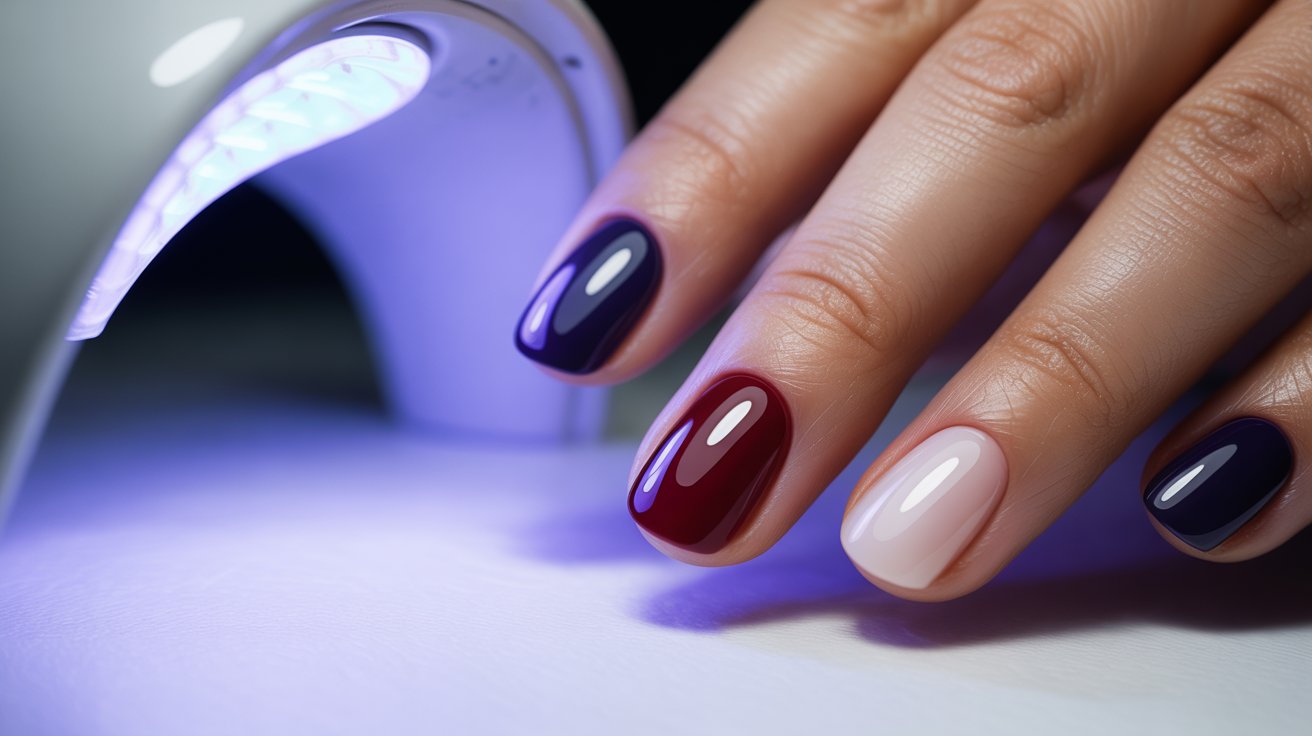
Dark and highly pigmented gels need extra attention. These shades cure differently than lighter colors and require adjusted application techniques.
Pigment Can Block Light
Dark colors like black, navy, and deep red contain heavy pigments that block UV and LED light. White polish also struggles because of its thick, opaque formula.
When light can’t reach through the layers, you’ll see wrinkles, dents, or gooey spots on your nails. The surface might look dry while underneath stays soft and uncured.
Tips for Dark Gel Curing
- Apply extremely thin layers with dark gels, thinner than you would with lighter shades
- Use a high-quality lamp with strong wattage, at least 48 watts for dark colors
- Try the sandwich method: apply a thin coat of clear gel first, then your dark color, then another clear layer on top
- This helps light penetrate better and ensures every layer cures completely
Step-by-Step Troubleshooting Guide
Start by testing your lamp with a different gel color. This helps you figure out if the problem is your polish or your equipment.
If gel stays sticky after curing, remove it completely and start over. Reapply in thinner layers this time, making sure to cure each coat fully before moving on.
Check if your UV bulbs are old or if your lamp is under 36 watts. Weak lamps won’t cure properly, so you may need to replace bulbs or upgrade to a stronger model.
Look at your gel polish expiration date and storage conditions too. Polish that’s been sitting in heat or sunlight won’t work right.
Finally, pay attention to how you position your hand in the lamp. Keep your hand flat with all nails fully exposed to the light.
Don’t angle or curl your fingers, as this blocks light from reaching some nails.
Recommended Equipment & Products
Investing in quality equipment makes all the difference. For home use, look for dual UV/LED lamps with at least 48 watts of power.
Brands like MelodySusie and SUNUV offer reliable options that cure most gel formulas effectively.
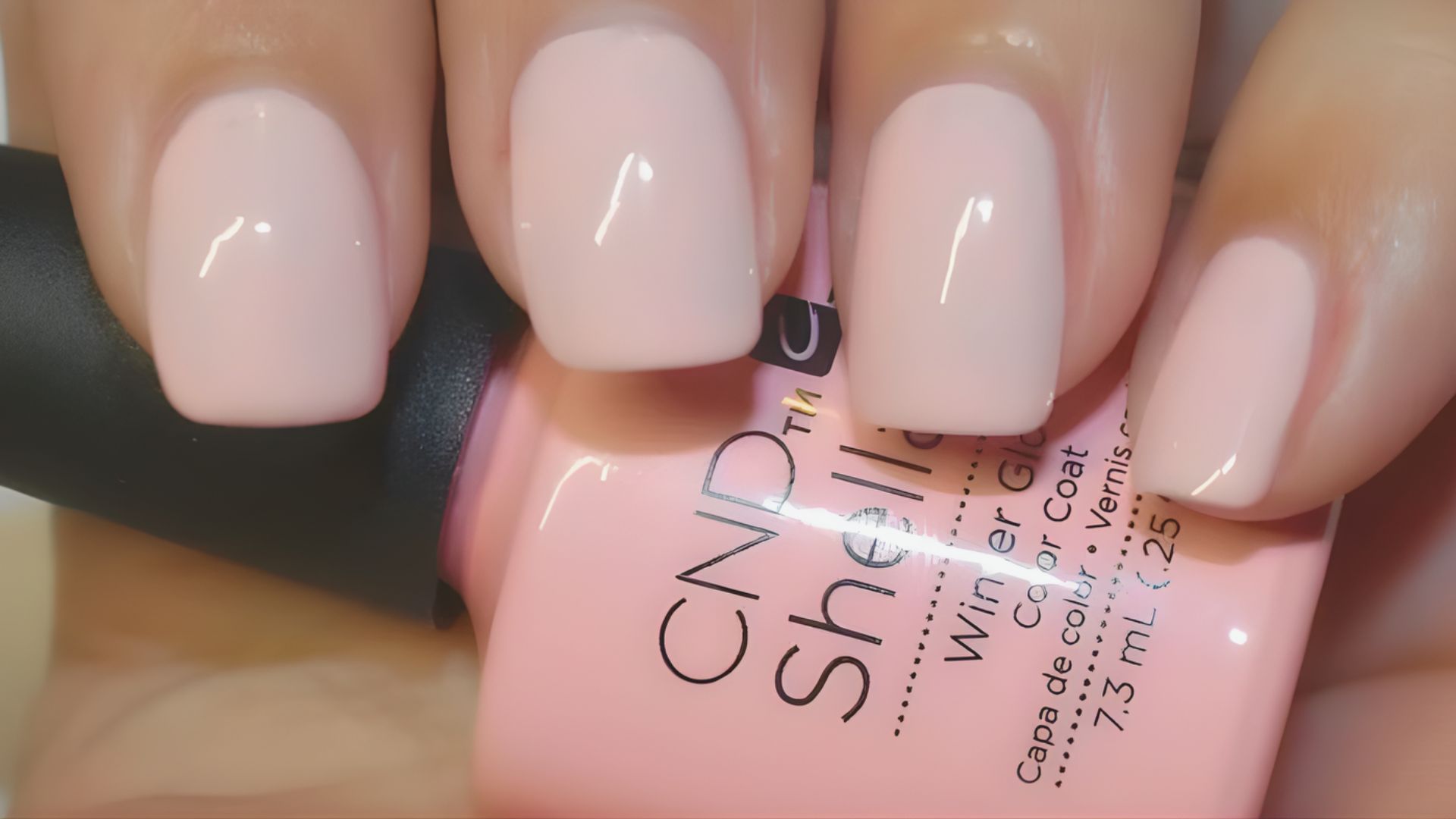
For gel polish, OPI GelColor, CND Shellac, and Beetles Gel are known for consistent curing and long-lasting wear. These brands work well with standard lamps and provide clear instructions.
Choose no-wipe top coats from Seche Vite Gel or Makartt to avoid that tacky residue layer.
These cure completely hard without needing alcohol wipes afterward, giving you a smooth, glossy finish right out of the lamp.
Tips for a Successful Gel Manicure
- Apply thin, even layers of gel polish and cure each coat completely before adding the next one
- Keep your lamp in good condition by replacing UV bulbs every three to four months and checking LED performance regularly
- Store gel polish in a cool, dark place with bottles sealed tightly to prevent contamination from dust or oils
- Learn the difference between the tacky inhibition layer (normal) and uncured gel (problem) so you know when something’s wrong
- Follow the exact curing times listed on your gel polish bottle and use a timer to avoid pulling nails out too early
Final Thoughts
Gel polish curing problems usually come down to four things: your lamp, layer thickness, curing time, and product quality. Once you identify the issue, fixing it is straightforward.
Don’t worry if your first attempts aren’t perfect. Gel manicures take practice.
Use these troubleshooting tips to figure out what’s going wrong. With the right technique and good equipment, you’ll get salon-quality nails at home.
What curing issues have you dealt with? Drop a comment and let me know!
Frequently Asked Questions
Why is my gel polish still sticky after curing?
A tacky layer on top is normal and wipes off with alcohol. If the entire nail feels soft underneath, it didn’t cure properly and needs more time or thinner coats.
Can I use any lamp with my gel polish?
No, some gel polishes only work with UV lamps while others need LED. Always check your polish bottle for lamp compatibility before use.
How often should I replace my UV lamp bulbs?
Replace UV bulbs every three to four months as they lose strength over time. LED lamps last longer but should be checked annually for proper performance.
Why won’t my dark gel polish cure completely?
Dark colors contain heavy pigments that block light. Apply ultra-thin coats and use a stronger lamp with at least 48 watts for best results.
How can I tell if my gel polish has expired?
Expired gel becomes thick, sticky, or separates in the bottle. Check the expiration date and store polish in a cool, dark place.