Is Primer Necessary for Makeup or Can You Skip It?


Is primer necessary for makeup? I get why this question comes up so often. You’re already juggling skincare, foundation, and a dozen other products. Adding one more step feels like a lot. I’ve been there too.
In this blog, I’ll cover exactly when primer makes a real difference, when you can comfortably skip it, which primers work best for different skin types, and how to use one properly.
By the end, you’ll know what works for your routine. No guesswork needed. I’ve tested enough products to know what actually works and what’s just extra.
Understanding Makeup Primer and Its Purpose
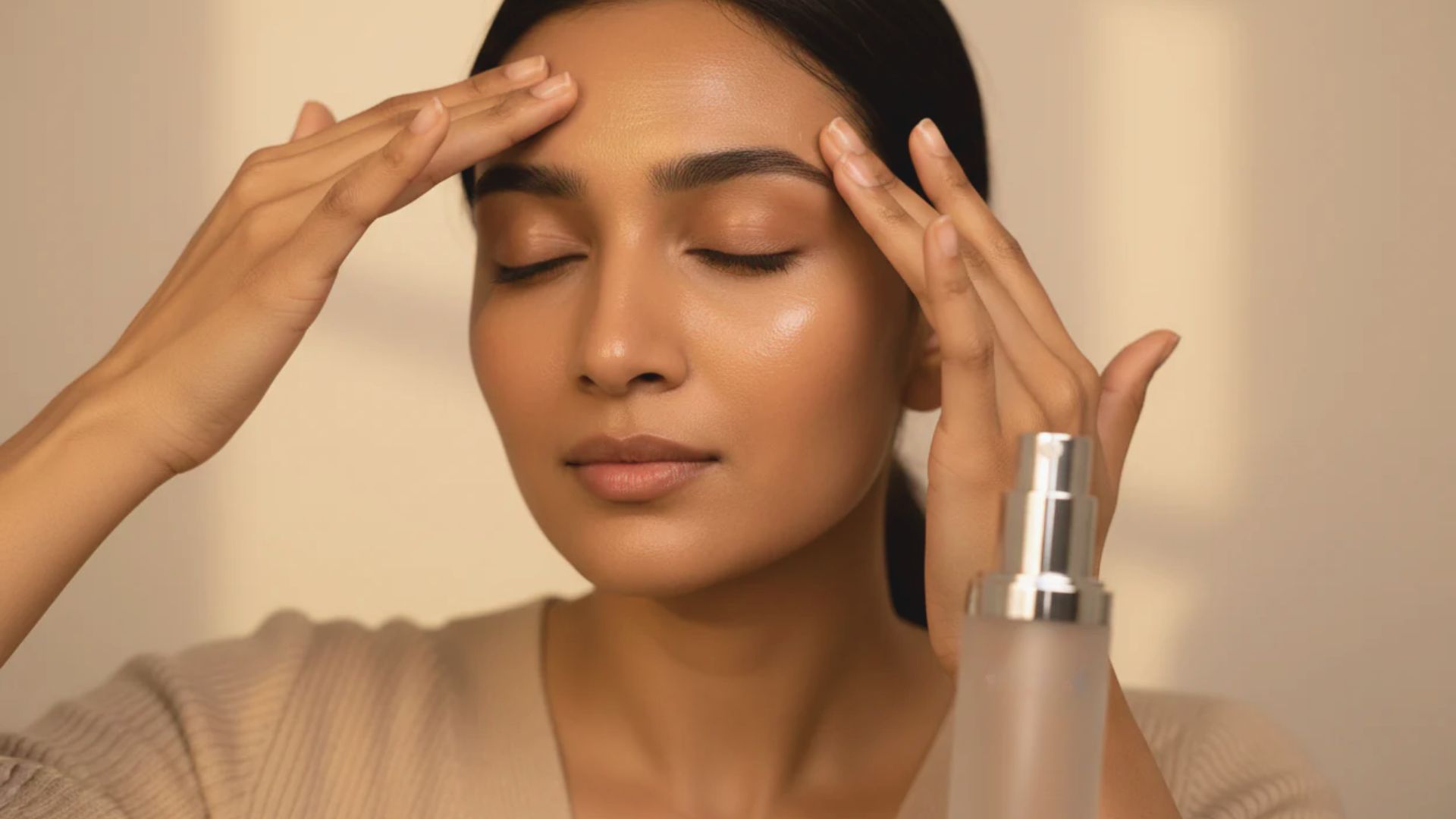
Primer is a base product you apply after skincare and before makeup. It comes in different textures like gel, cream, silicone-based, and water-based, and each one targets something specific like oiliness, dryness, or uneven skin tone.
It fills in fine lines and large pores, giving the foundation a smoother surface to sit on. It also acts as a buffer between your skin and makeup.
Your skin produces oil, sweat, and humidity throughout the day. Without that barrier, makeup breaks down faster. Primer slows that process down and keeps everything in place longer.
When Is Primer Necessary for Makeup?
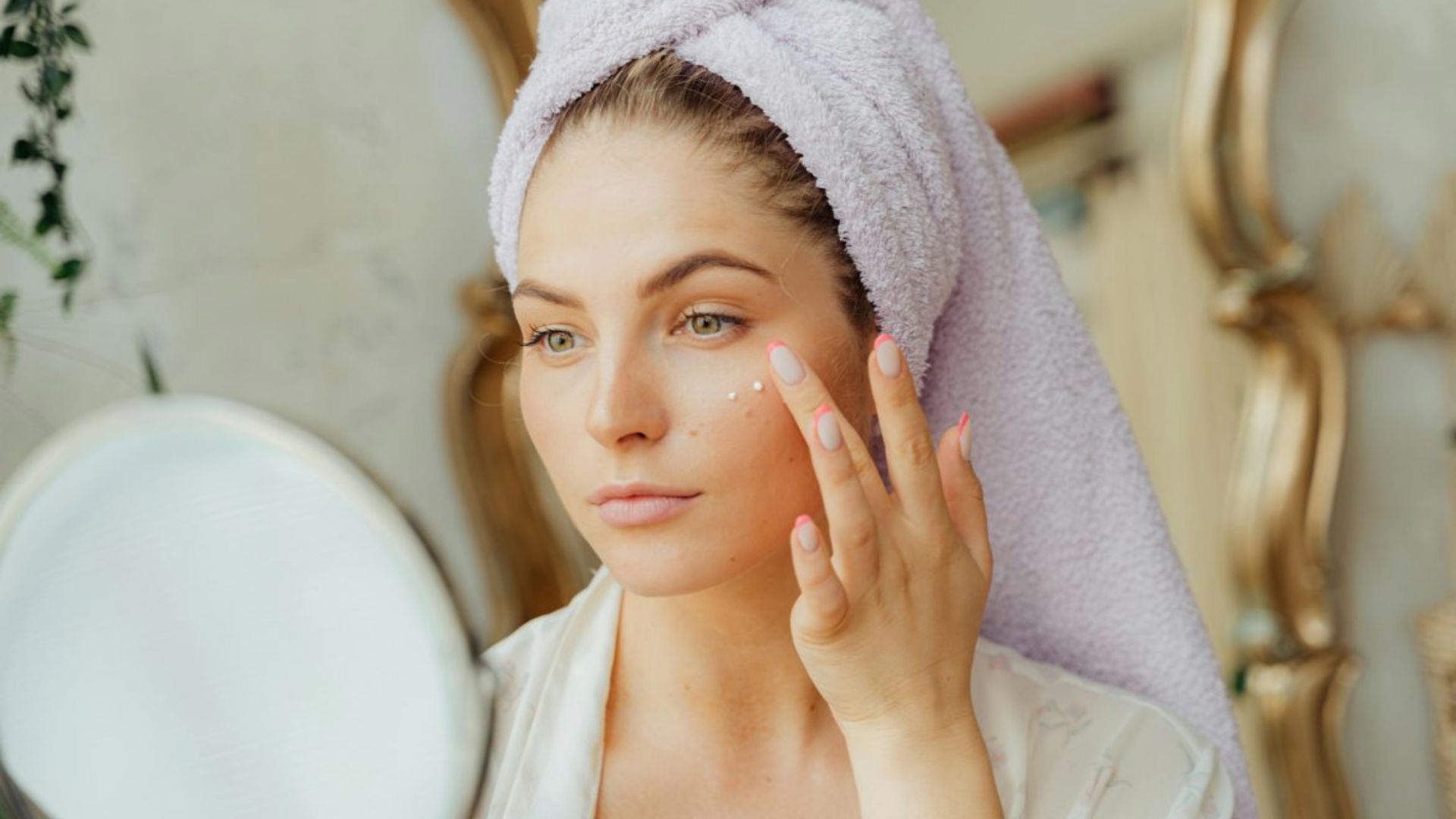
Certain skin types and occasions genuinely benefit from primer here’s when it earns its place in your routine.
For Oily or Combination Skin
If your skin gets shiny within a couple of hours, primer can help. A mattifying primer absorbs excess oil before it mixes with your foundation.
This keeps your base looking fresh longer instead of sliding off by noon.
For Long-Lasting or Event Makeup
Weddings, long workdays, events that run into the evening these situations call for makeup that actually lasts.
Primer helps foundation grip the skin better, so you’re not doing touch-ups every hour.
For Textured or Uneven Skin
If you have visible pores, acne scars, or rough patches, primer can soften the appearance of those areas.
It doesn’t erase them, but it creates a more even base so the foundation blends more smoothly.
When Can You Skip Primer Without Issues?
Primer isn’t always a must. There are times when skipping it makes total sense.
Minimal or Natural Makeup Looks
If you’re going with a light tinted moisturizer or just a touch of blush, you don’t need primer. The lighter your makeup, the less prep your skin needs.
Well-Moisturized and Balanced Skin
Good skin prep through skincare can sometimes do what primer does. If your skin is hydrated, balanced, and not particularly oily or textured, your foundation may sit just fine on its own.
Short Wear Time
Running errands for two hours? Heading to a quick brunch? Primer won’t make a noticeable difference in such a short window. Save the extra step for days when it counts.
Choosing the Right Primer for Your Skin Type
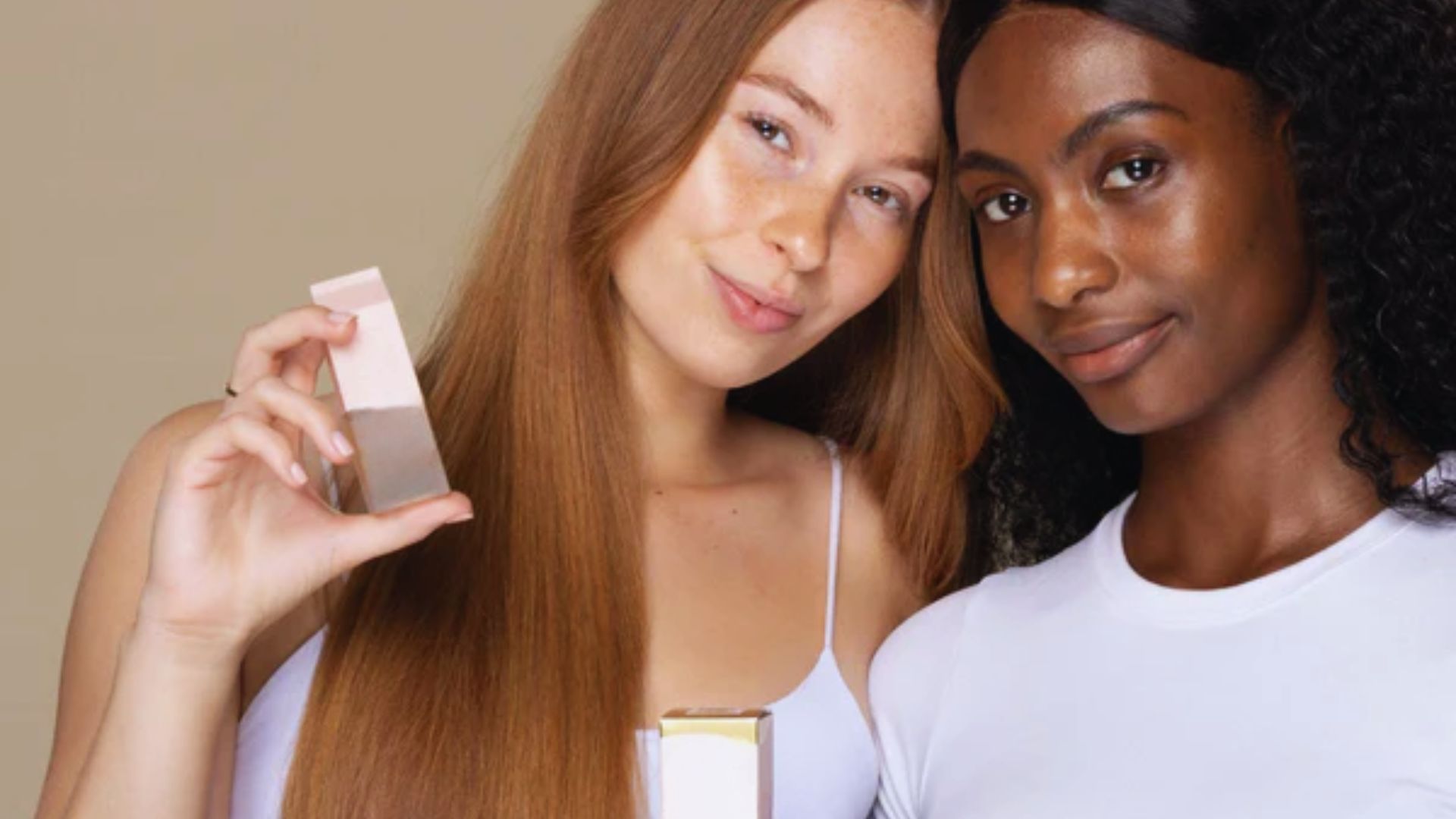
Not all primers are built the same; picking the right one depends on what your skin actually needs.
Hydrating Primers for Dry Skin
Look for primers with hyaluronic acid or glycerin. These add a layer of moisture under your foundation so your skin doesn’t look flaky or tight by midday.
Mattifying Primers for Oily Skin
Silicone-based or clay-infused primers work well here. They absorb oil at the surface level and keep that shiny look in check throughout the day.
Illuminating Primers for Glow
These have light-reflecting particles that give skin a subtle radiance. They work especially well if you want a glowy, lit-from-within finish without layering a highlighter on top.
Color-Correcting Primers for Uneven Tone
Green primers cancel out redness. Peach or orange tones correct dark spots on deeper skin tones. These are helpful if your foundation alone doesn’t fully even out your complexion.
Key Benefits of Using a Primer
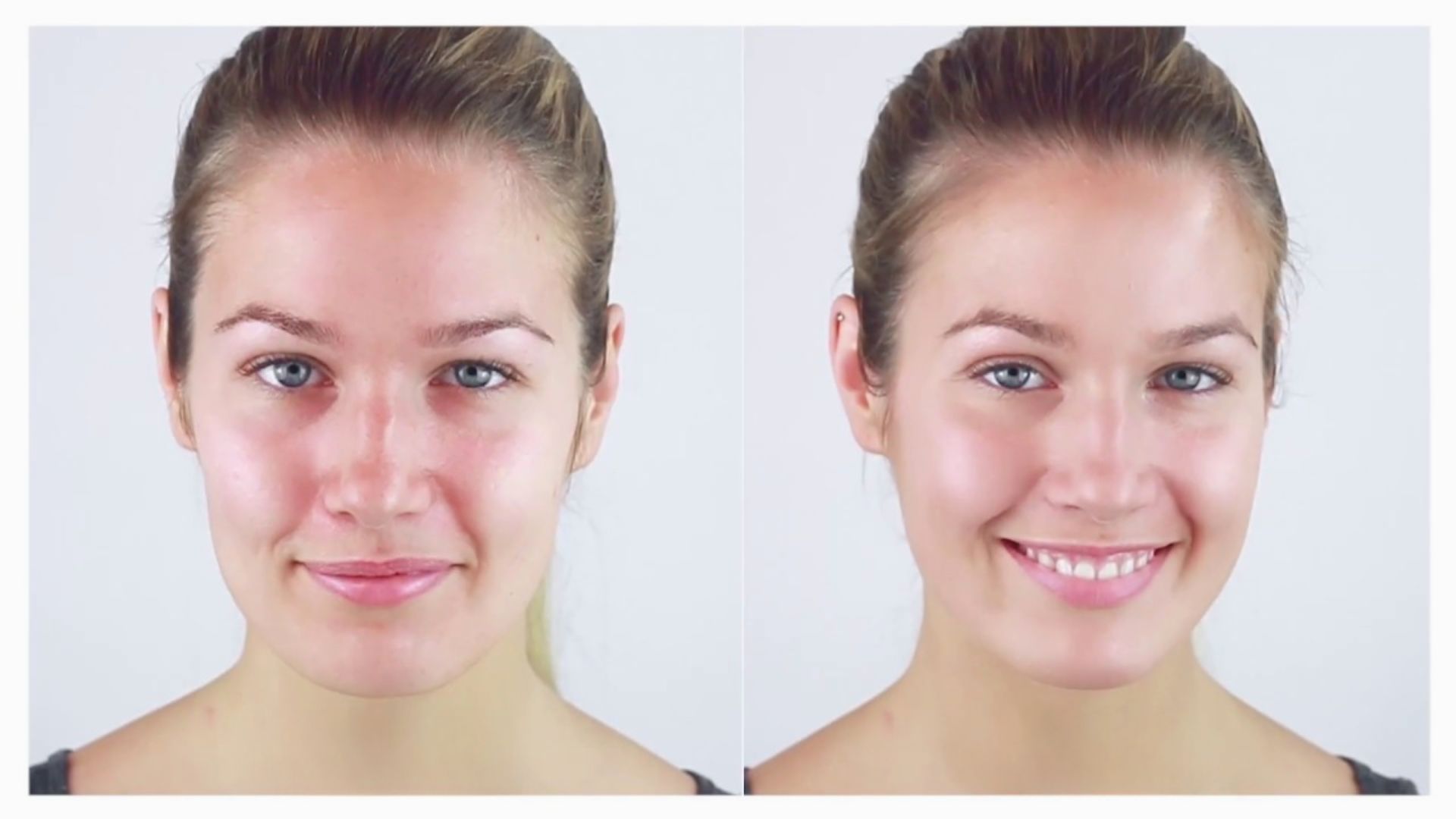
When you use the right primer consistently, the difference in your makeup shows.
Extends Makeup Wear and Controls Shine
Primer gives your foundation something to hold onto, so your makeup stays in place longer. This is especially useful during hot weather or long days.
Mattifying primers absorb oil before it mixes with your makeup, cutting down on midday shine and keeping your base looking cleaner throughout the day.
Smooths Texture and Minimizes Pores
Primers with a silicone base fill in pores and fine lines temporarily. Your skin looks smoother even before foundation goes on, making your overall base look more even and polished.
Hydrates Skin and Boosts Makeup Finish
Hydrating primers add moisture that helps dry skin hold onto foundation better. They also prevent that patchy, cakey look that comes from applying makeup on dehydrated skin.
On top of that, some primers make colors look more vibrant and coverage look more even across the face.
Practical Tips for Using Primer Effectively
Applying primer the right way makes a bigger difference than most people expect.
- Always apply primer after skincare, once your moisturizer has fully absorbed into the skin.
- Use a pea-sized amount only. Too much primer makes a makeup pill or look patchy.
- Pat primer gently with your fingertips instead of rubbing it across your face.
- Wait 30 to 60 seconds after applying primer before putting on foundation.
- Match your primer formula to your foundation. Silicone-based goes with silicone-based, water-based goes with water-based.
- Mixing incompatible formulas can cause your makeup to separate or slide off during the day.
Conclusion
Honestly, primer changed my makeup routine once I started using it the right way. I used to skip it, and my foundation would always look off by afternoon.
Now I reach for it on days when I need my look to hold. If you have oily or textured skin, primer is worth it. If your look is light and your skin is balanced, you can skip it.
Try it once with the right formula for your skin type and see what happens. Drop a comment below. I’d love to know if primer already works for you.
Frequently Asked Questions
Is primer necessary for everyday makeup?
Not always. For light, everyday looks with short wear time, you can skip it. It becomes more useful for longer wear or specific skin concerns.
Can moisturizer replace primer?
Moisturizer preps the skin but doesn’t do the same job. Primer specifically creates a base that helps makeup last longer and look smoother.
Does primer clog pores?
It depends on the formula. Non-comedogenic primers are made specifically to avoid clogging pores, so always check the label if this is a concern.
Can I use primer without foundation?
Yes. Some people use primer alone to even out skin or reduce shine. It works as a lightweight skin smoother on its own, especially with minimal makeup.
How long does primer last on the skin?
Most primers hold for six to eight hours before they start to break down. Paired with a setting spray, they can last even longer throughout the day.