Manicure and Pedicure Difference: What Most Miss


I used to think a manicure and pedicure were basically the same service, just on different body parts. I booked them together, tipped the same, and never questioned it.
Then a nail technician pointed out I’d been asking for the wrong treatments for my specific nail concerns, and I realized I didn’t actually understand either one.
The manicure and pedicure difference is bigger than most people expect, and getting it wrong means you’re paying for things that aren’t solving your actual problems.
So what really separates them? The answer might change how you book your next appointment entirely.
Let’s get started.
What Is a Manicure?
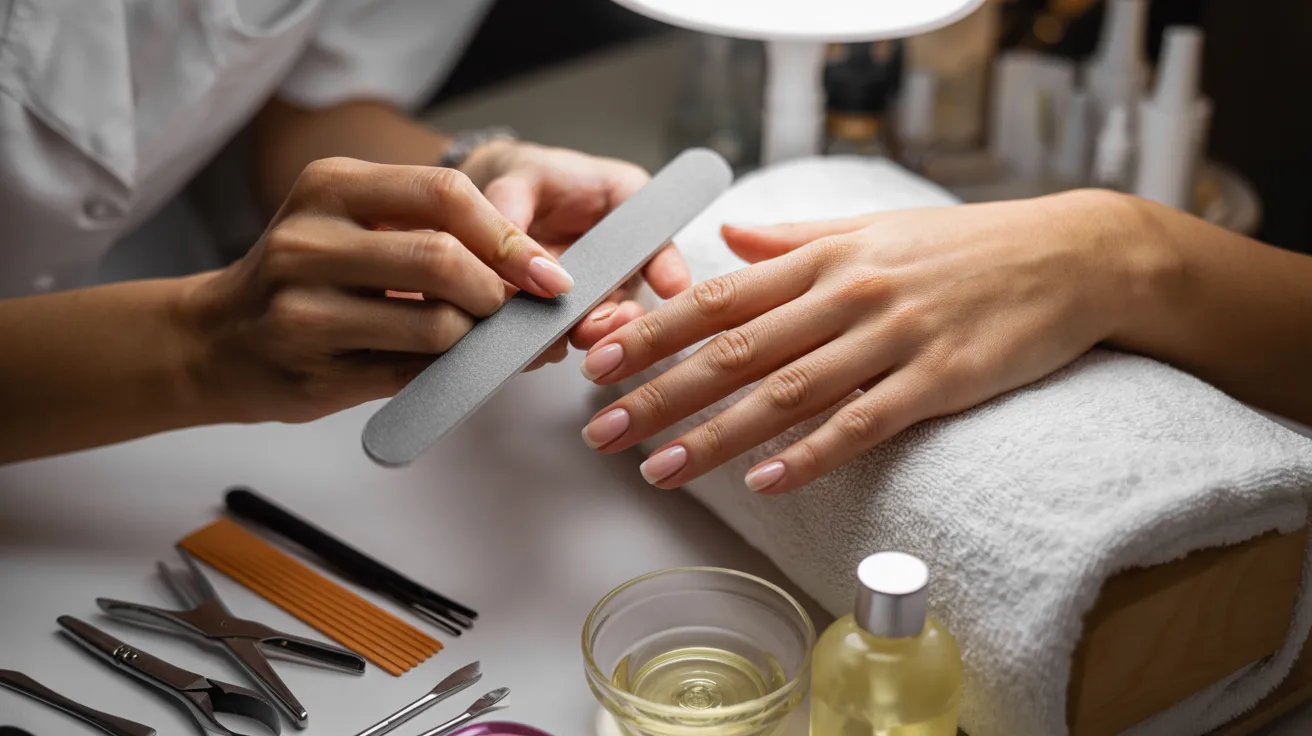
A manicure is a professional nail care treatment focused on your hands and fingernails. It covers shaping, cleaning, polishing, and moisturizing, leaving your hands looking clean, neat, and well-maintained.
Manicure Procedure
The process is more detailed than most people expect. Each step serves a specific purpose, and skipping any of them usually shows in the final result.
Here’s what a standard manicure involves:
- Nail trimming and shaping: Nails are cut to your preferred length and filed into your chosen shape, whether square, oval, round, or almond.
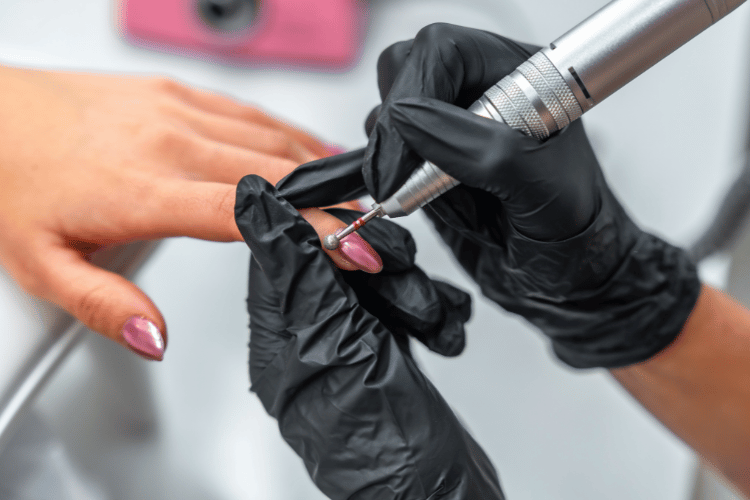
- Cuticle pushing and cleaning: A cuticle pusher moves back the skin at the base of each nail, creating a cleaner, more defined nail line.
- Hand exfoliation: A scrub removes dead skin cells, leaving hands softer and better prepped for the massage step.
- Massage: Hands, wrists, and lower arms are massaged with lotion to improve circulation and relaxation.
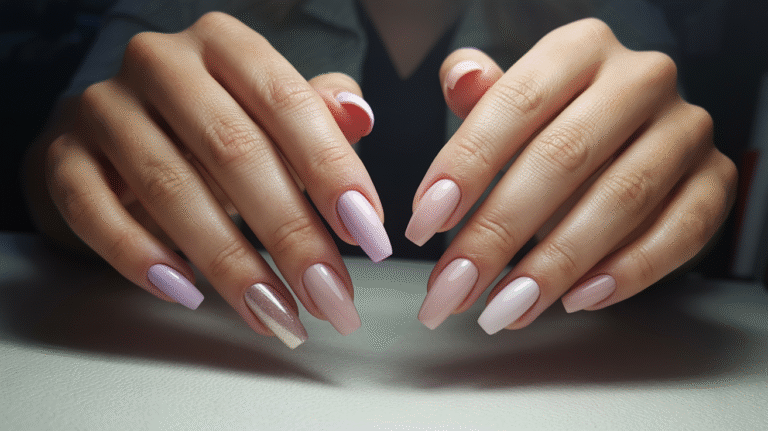
- Nail polish or buffing: Nails are finished with base coat, color, and top coat. For a natural look, a buffer gives a clean, low-shine finish instead.
A full manicure typically takes 30 to 45 minutes.
Benefits of Manicure
Regular manicures do more than make your hands look presentable. There are real health and maintenance benefits worth knowing.
What you gain from consistent manicures:
- Stronger, healthier nails: Regular trimming and treatment stops nails from splitting, peeling, or breaking as often.
- Better hand appearance: Clean cuticles, shaped nails, and moisturized skin make a visible difference day to day.
- Improved circulation: The massage stimulates blood flow, supporting better nail growth and skin health over time.
- Infection prevention: Keeping the cuticle area clean reduces the chance of bacteria or fungus building up around the nail.
Manicure Treatments Explained
Beyond the standard service, salons offer specialized treatments depending on what your nails and skin need most.
Common manicure treatments include:
- Cuticle care treatments: Softening serums or oils condition the cuticle area more deeply. Good for dry or overgrown cuticles.
- Hydrating and paraffin treatments: Warm paraffin wax is applied and wrapped around your hands, locking in moisture. Excellent for very dry or cracked skin.
- Nail strengthening treatments: Protein or keratin-based products reinforce thin, weak, or damaged nails over time.
- Gel polish treatments: A UV-cured gel formula lasts two to three weeks without chipping, significantly longer than regular polish.
What Is a Pedicure?
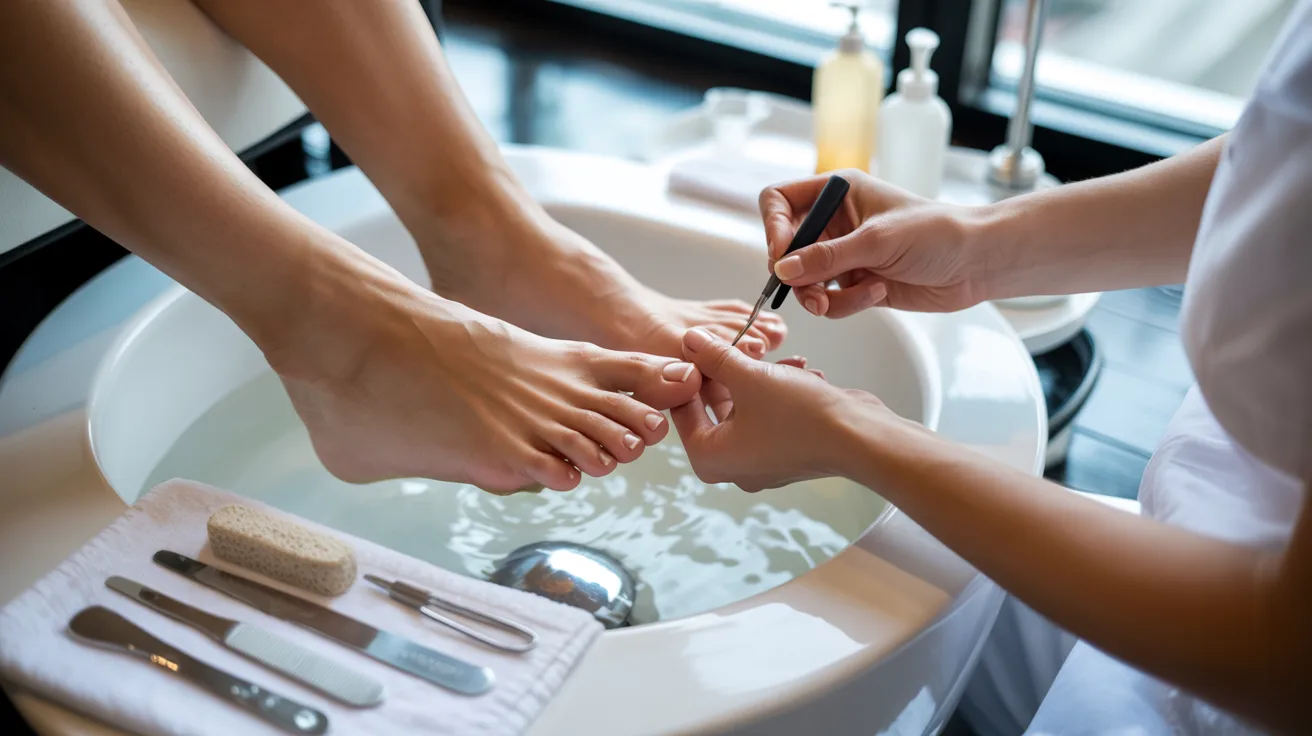
A pedicure is a professional foot and toenail care treatment that addresses toenail health, rough skin, calluses, and overall foot hygiene in one thorough session.
Pedicure Procedure
Feet take a lot of daily stress and need more intensive care than hands. The pedicure process reflects that with a few extra steps.
Here’s how a typical pedicure works:
- Foot soaking: Feet sit in warm, soapy water to soften skin and loosen buildup around nails and heels.
- Nail trimming and shaping: Toenails are cut straight across to prevent ingrown nails, then filed smooth.
- Cuticle care: Softened cuticles are pushed back and excess skin is trimmed carefully.
- Callus and dead skin removal: A foot file or pumice stone buffs away rough patches, especially on heels and balls of the feet.
- Foot massage: Lotion is worked into the feet, ankles, and lower legs, relieving tension and improving circulation.
- Nail polish application: Toenails are finished with base coat, color, and top coat using a toe separator.
A full pedicure takes 45 to 60 minutes on average.
Benefits of Pedicure
The benefits go well beyond aesthetics. Your feet carry your full body weight every day and need proper care to stay healthy.
Key benefits include:
- Dead skin removal: Regular callus removal keeps feet smooth and prevents painful cracking.
- Better foot hygiene: Cleaning around toenails and treating the skin reduces bacteria and odor significantly.
- Stress relief: Warm soaking combined with massage relieves genuine foot and leg tension.
- Infection prevention: Correct trimming and clean skin reduces the risk of fungal infections and ingrown nails.
Pedicure Treatments Explained
Like manicures, pedicures come with optional treatments that go deeper than the standard service.
Specialized pedicure treatments include:
- Callus removal treatments: Stronger exfoliating solutions or professional tools remove stubborn, thick calluses a pumice stone can’t fully address.
- Deep exfoliation treatments: Enzyme or chemical exfoliants remove dead skin cells more thoroughly than physical scrubbing alone.
- Hydration and foot mask treatments: Foot masks or warm wax wraps lock moisture into very dry or cracked feet.
- Therapeutic treatments: Aromatherapy soaks, hot stone massage, or pressure point work focus on relaxation and circulation rather than cosmetic results.
Key Differences Between Manicure and Pedicure
The manicure and pedicure difference is more layered than most people initially think.
Here’s a clear side-by-side breakdown:
|
Feature |
Manicure |
Pedicure |
|
Area of treatment |
Hands and fingernails |
Feet and toenails |
|
Process |
Shaping, cuticle care, polish |
Soaking, callus removal, shaping, polish |
|
Key benefit |
Hand appearance and nail health |
Foot hygiene and skin smoothness |
|
Duration |
30 to 45 minutes |
45 to 60 minutes |
|
Cost |
Generally lower |
Slightly higher |
|
Maintenance needed |
Every 2 to 3 weeks |
Every 3 to 4 weeks |
Understanding the manicure and pedicure difference helps you decide which service to prioritize and how often to book.
Common Mistakes to Avoid
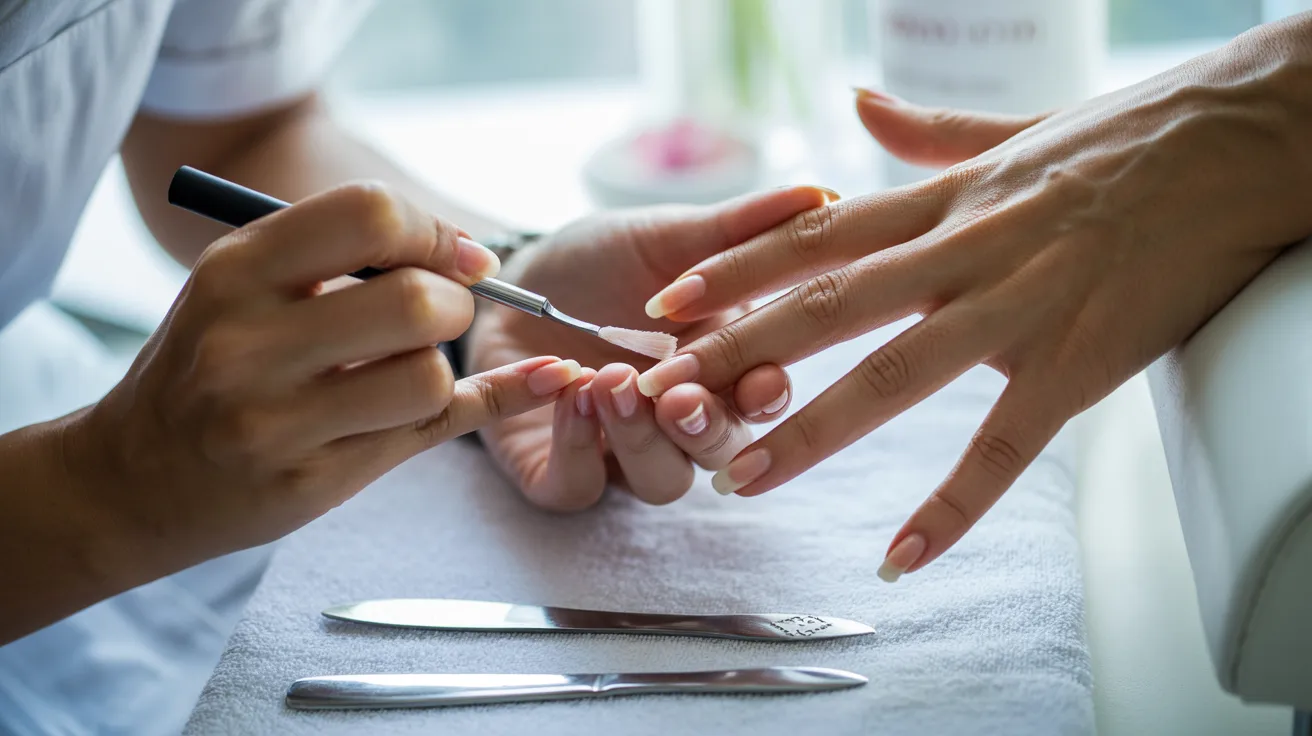
Small, repeated errors make nail care far less effective. These are easy to fix once you know what to watch for.
Mistakes that consistently cause problems:
- Cutting cuticles incorrectly: Cutting live tissue instead of excess dead skin causes bleeding and increases infection risk. Push, don’t cut, unless you know exactly what you’re doing.
- Skipping sanitization: Reusing unclean tools or allowing a salon to skip sterilization is one of the fastest ways to pick up an infection.
- Using harsh tools aggressively: Metal files and coarse buffers thin the nail plate when overused. Gentle, consistent care always wins.
- Ignoring moisturization: Hands and feet need daily hydration between appointments. Skipping lotion and cuticle oil speeds up dryness and peeling.
Expert Tips for Long-Lasting Results
Getting a great result is one thing. Making it last is another. A few consistent habits between appointments keep your nails looking good much longer.
Tips that actually hold up:
- Apply cuticle oil nightly: It takes thirty seconds and makes a noticeable difference in nail flexibility and skin condition over time.
- Hydrate consistently: Dry hands and feet break down polish faster and make skin look rough sooner. Keep hand cream at your desk and foot cream by your bed.
- Reapply top coat every few days: A fresh layer extends your manicure without redoing everything from scratch.
- Practice good hygiene: Wear gloves when cleaning, avoid prolonged soaking, and keep your tools clean between uses.
Conclusion
Hands and feet both deserve attention, yet most people only think about one until the other starts causing problems.
I learned that the hard way after years of skipping pedicures and wondering why my feet felt rough no matter what I did.
Once I started treating both consistently, the difference was immediate. Your grooming routine is only complete when both are covered.
So stop putting it off. Pick your treatment, book your appointment, and start this week.
Which one have you been neglecting?
Drop your answer in the comments and share this with someone whose self-care routine needs a proper reset.
Frequently Asked Questions
What Is the Main Manicure and Pedicure Difference?
A manicure focuses on hands and fingernails, while a pedicure is specifically for feet and toenails. The procedures also differ, with pedicures requiring extra steps like soaking and callus removal.
Are Manicure and Pedicure Treatments Necessary?
They’re not strictly necessary, but they play a real role in nail hygiene and grooming. Regular treatments prevent infections and keep nails and skin in better condition than home care alone.
How Often Should I Get a Manicure and Pedicure?
A manicure every two to three weeks and a pedicure every three to four weeks works well for most people. Frequency depends on nail growth rate and daily wear.
Can I Do Manicure and Pedicure at Home?
Yes, both can be done at home with the right tools and a little practice. A basic kit with a file, cuticle pusher, buffer, and quality polish covers most of what you need.
Which Lasts Longer, Manicure or Pedicure?
Pedicures typically last longer because toenails grow more slowly and feet experience less daily friction. A pedicure can look good for three to four weeks, while a manicure usually needs refreshing after one to two weeks.