Why Does Builder Gel Burn? Causes You Didn’t Expect

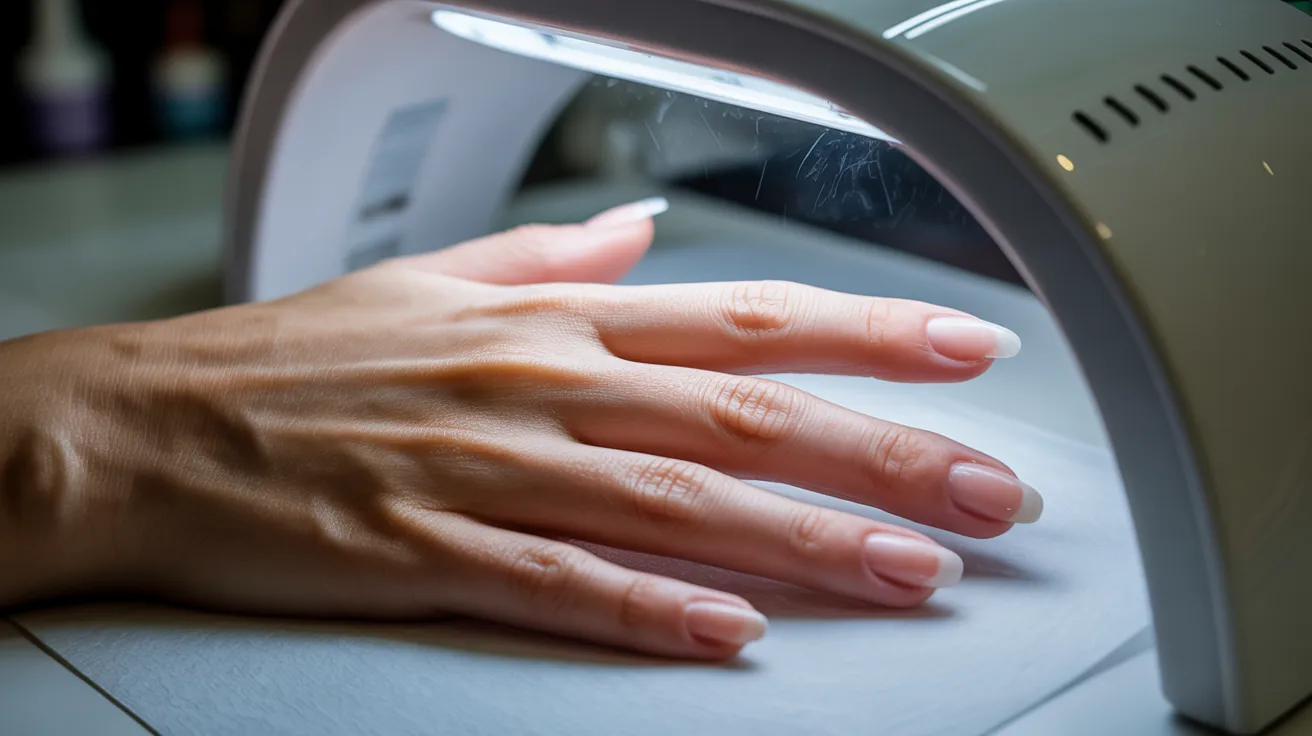
The first time builder gel burned under the lamp, I pulled my hand out so fast I nearly knocked over the whole setup.
Nobody warned me. Nobody explained it. I just sat there wondering if something had gone seriously wrong.
If you’ve ever asked why does builder gel burn, I’ve been exactly where you are. And the answer is more interesting than you’d think.
It’s not random. It’s not just “sensitive nails.” There’s a real reason it happens, and once you know it, you can actually stop it.
What Is Builder Gel?
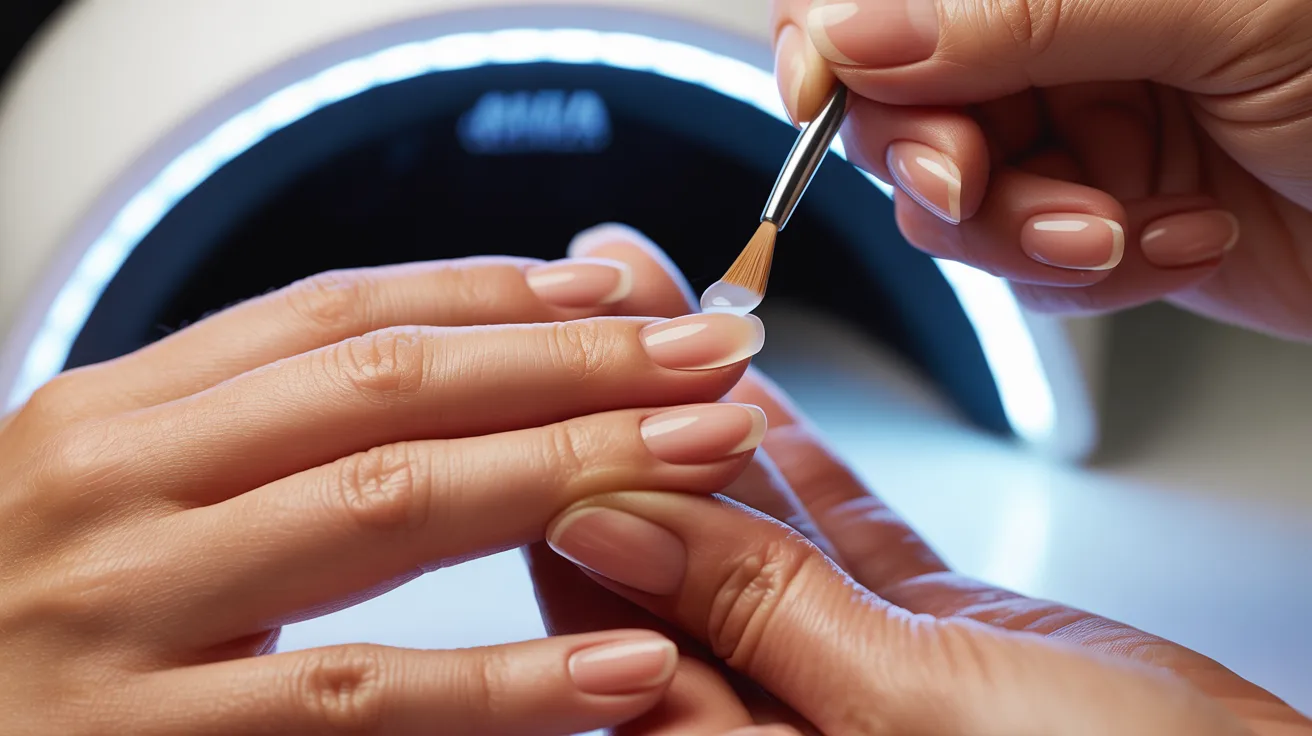
Builder gel is a thick, self-leveling gel used to add structure, length, or strength to nails. It sits between regular gel polish and hard gel in terms of consistency and durability.
Unlike regular gel polish, which just adds color and shine, builder gel actually builds the nail. It can fill gaps, extend length, and create a strong overlay over natural nails.
It’s popular because it’s versatile. You can use it for overlays, extensions, or as a base for nail art. And compared to acrylics, it tends to feel more flexible and comfortable on the nail.
Most builder gels need to be cured under an LED or UV lamp to harden. This curing process is also where the burning usually begins.
How Does the Burning Actually Work?
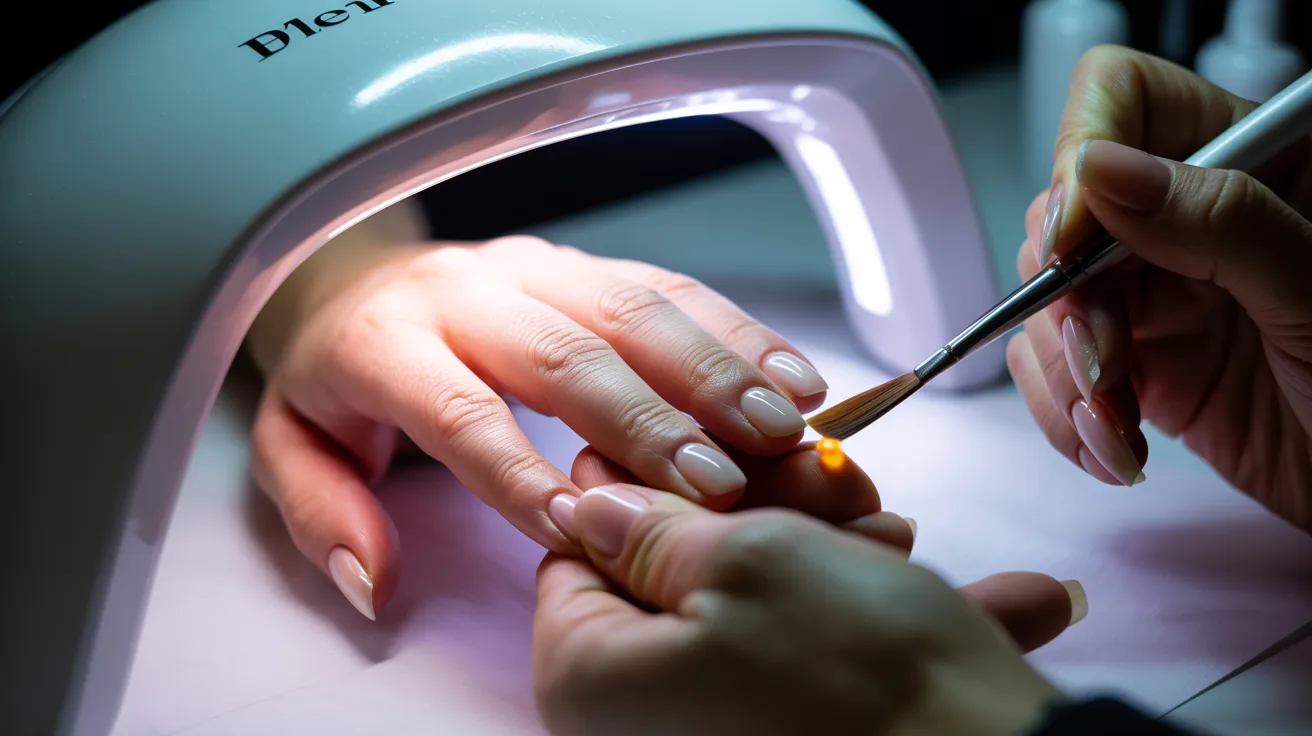
When you cure builder gel under a lamp, a chemical reaction called polymerization takes place. The gel molecules link together and harden, and that process releases heat.
This is called an exothermic reaction. It’s completely normal chemistry. But when it happens quickly or intensely, you feel it as a burning or stinging sensation on your nails.
The intensity varies from person to person. Nail health, gel brand, layer thickness, and lamp type all play a role in how much heat you feel and how fast.
5 Reasons Builder Gel Burns During Curing
Most people assume the burning is just part of the process. It’s not. These five causes explain exactly what’s triggering that heat spike, and most of them are easier to fix than you’d think.
1. You’re Applying Layers That Are Too Thick
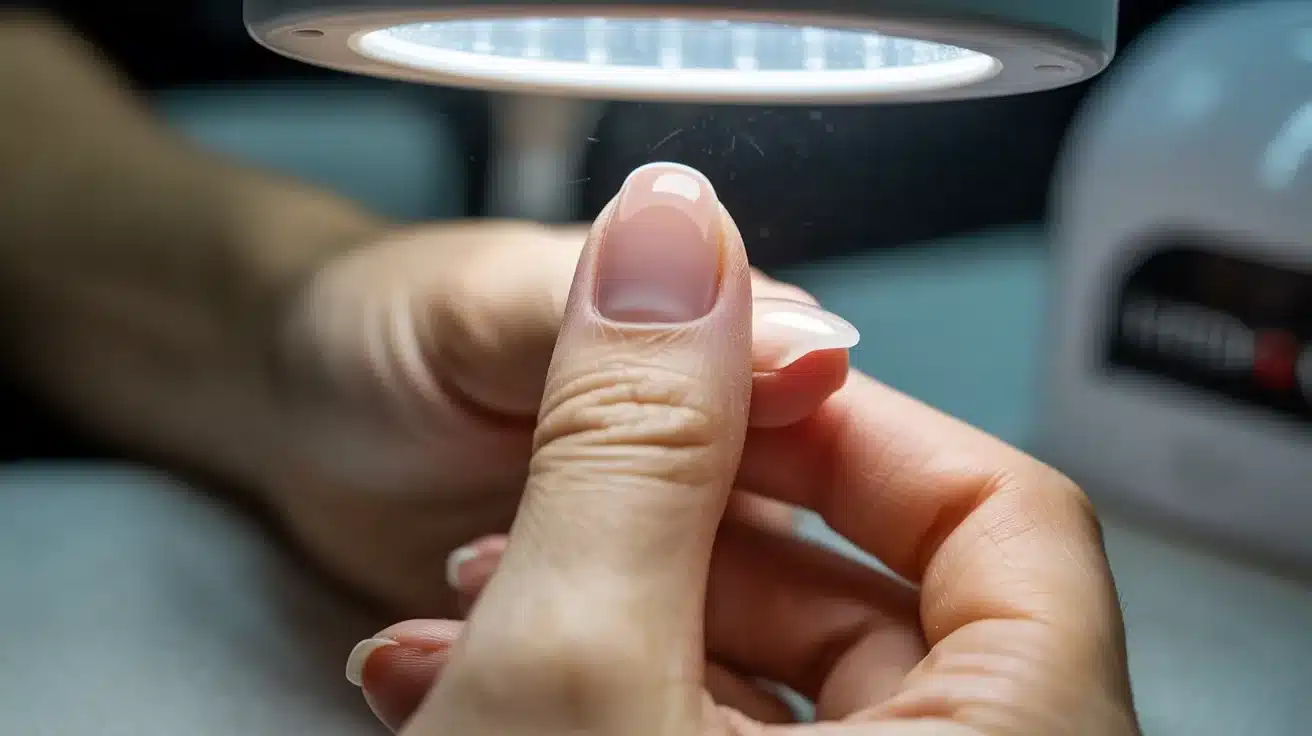
The thicker the layer of builder gel, the more material there is reacting at once under the lamp. That creates a bigger heat spike, which is exactly what you feel as burning.
Many people apply thick layers thinking it’ll save time or give better coverage. But this is one of the main reasons the burning gets intense.
Thin, even layers cure more gently. The heat spreads out more gradually, and the sensation is much easier to manage.
2. Your Nails Are Thin or Sensitive
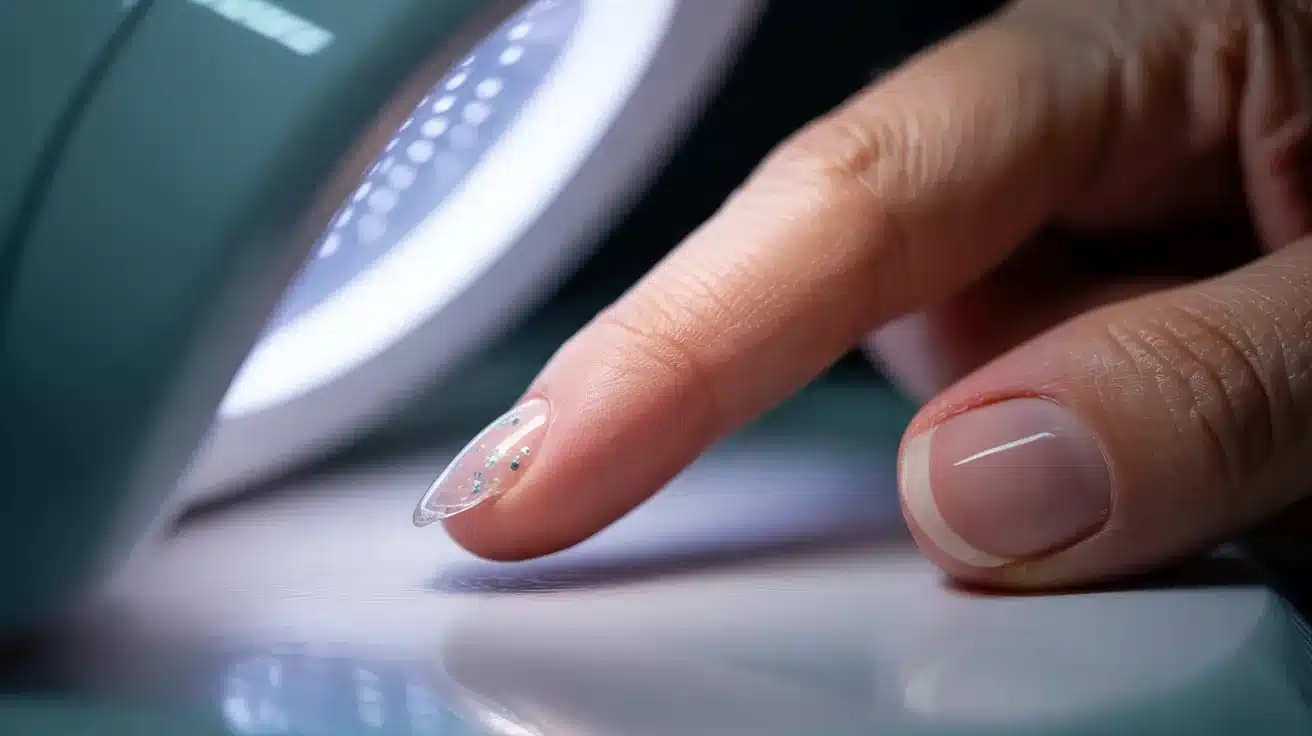
People with thin, weak, or dehydrated nail plates tend to feel the heat more intensely. There’s less nail between the gel and your nerve endings, so the sensation hits harder.
If you’ve recently had your nails buffed aggressively or removed an old set, your nail plate may be thinner than usual. That makes it more reactive to heat during curing.
Keeping your nails hydrated and healthy actually helps reduce burning. Strong, well-moisturized nails act as a better buffer between the gel and your skin.
3. Your Lamp Is Too Powerful
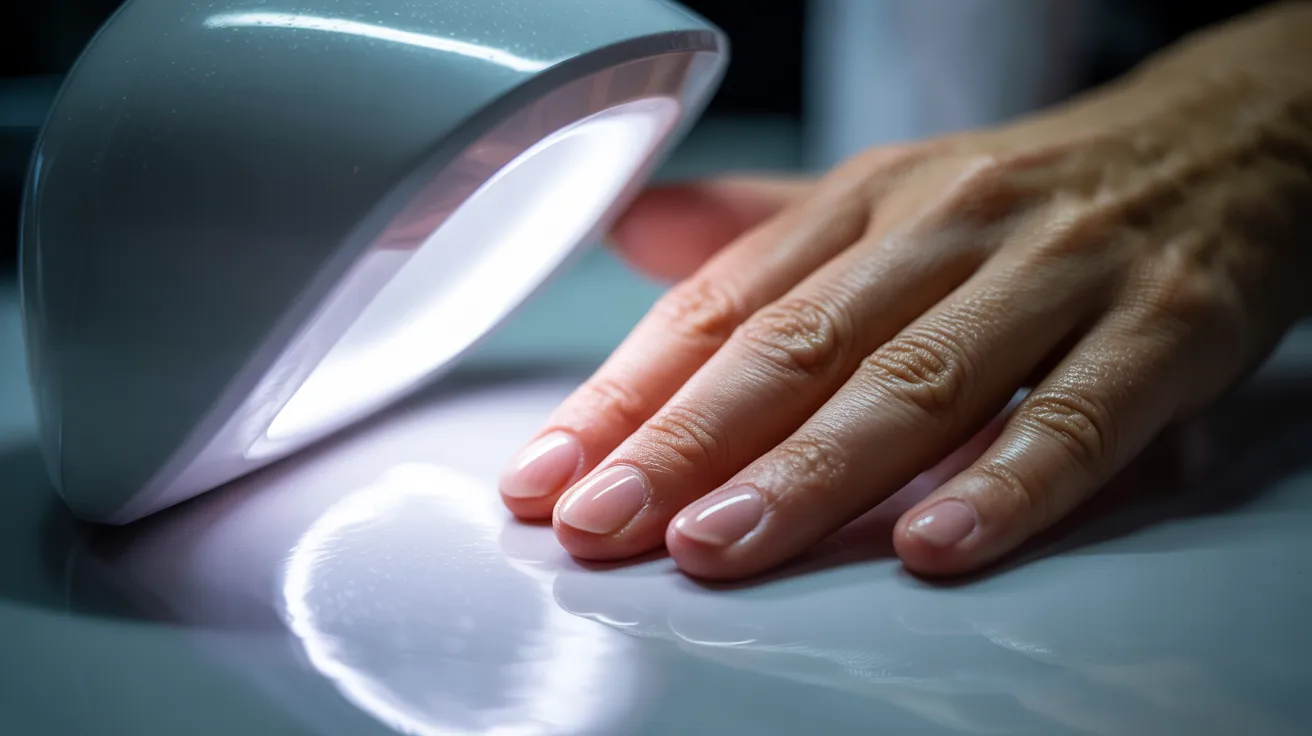
High-wattage lamps cure faster but push more energy into the gel at once, making the heat spike more intense.
Older UV lamps tend to cause more burning than modern LED ones, which cure more evenly and with less heat buildup overall. A 36W or lower LED is gentler on sensitive nails.
Keeping the recommended curing distance also matters since holding your nails too close to the lamp only intensifies the heat further.
4. The Gel Formula Runs Hot
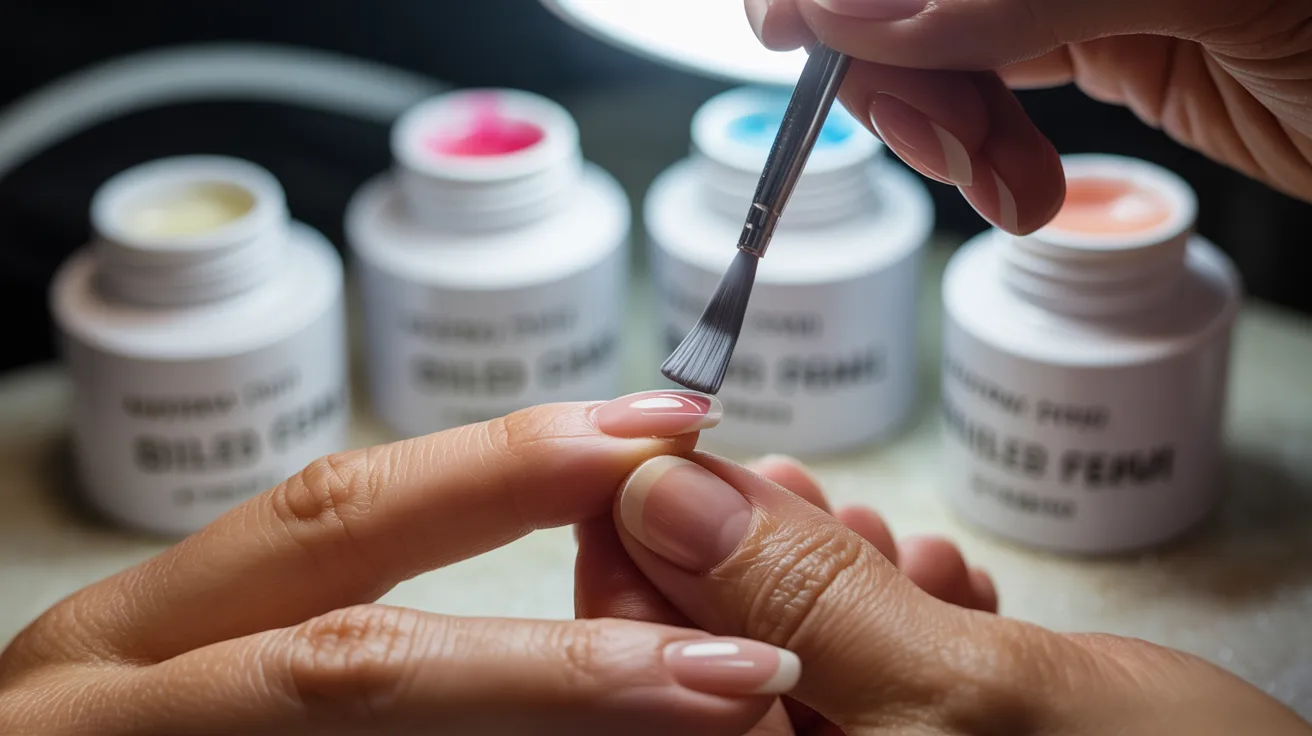
Different brands use different chemical formulas, and some are more prone to generating heat than others. A gel that works perfectly for one person can cause intense burning for someone else using the same lamp.
Some professional-grade gels are specifically formulated with lower exothermic reactions to reduce discomfort. If you’ve switched gel brands and suddenly notice more burning, the formula change is likely the reason.
It’s always worth testing any new gel on one or two nails before doing a full set.
5. You’re Over-Curing Under the Lamp
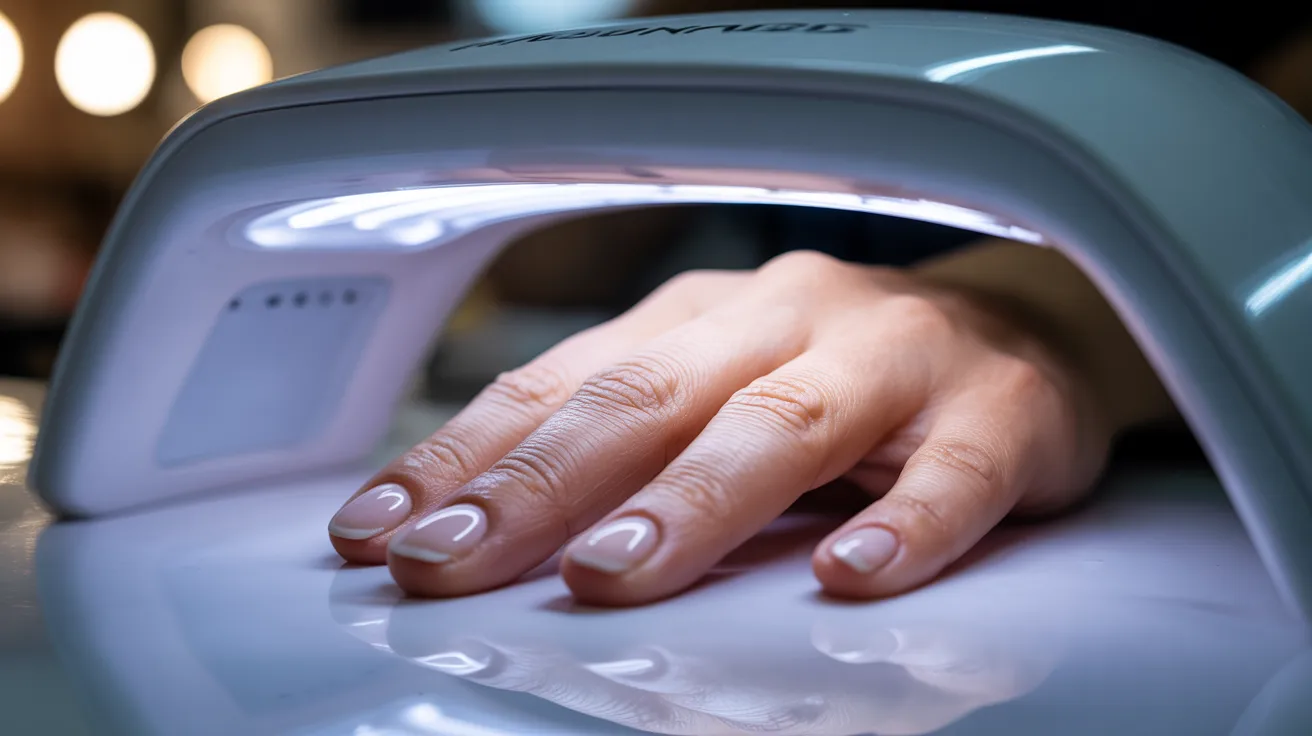
Curing your nails longer than recommended doesn’t improve the result. It just pushes more heat into the nail than necessary.
More time under the lamp means more energy absorbed, and that leads to a stronger burning sensation. Stick to the exact curing time listed for your specific gel and lamp combination.
Some nail techs cure in two shorter rounds instead of one long one. This gives the nail a small break and reduces the overall heat spike without affecting how the gel sets.
When the Burning Is More Than Normal
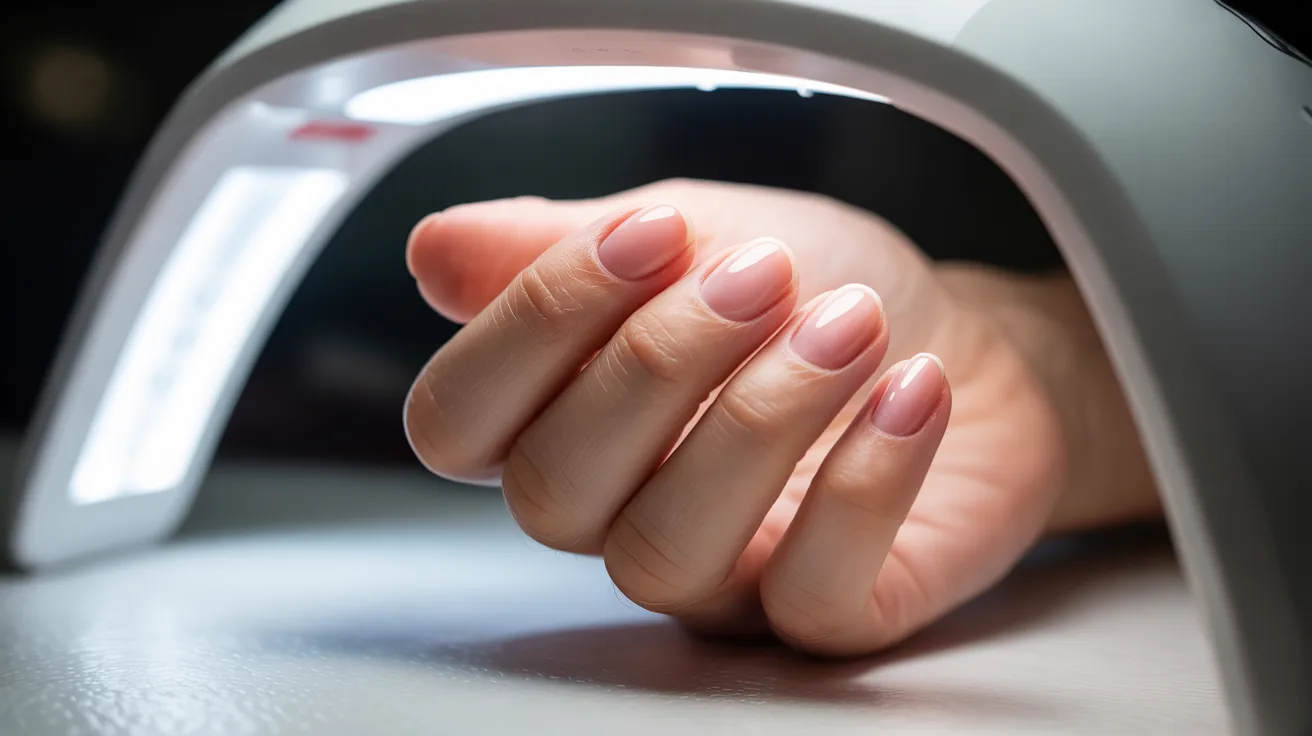
A mild warmth during curing is completely normal. But if the burning feels sharp, intense, or lingers after you pull your hand out of the lamp, that’s worth paying attention to.
Persistent or severe burning can sometimes signal a sensitivity or allergic reaction to an ingredient in the gel. This is more common with certain monomers or photoinitiators found in lower-quality products.
Watch for these signs after a gel appointment:
- Redness around the nail
- Swelling or puffiness
- Itching that doesn’t stop
- Pain that lasts more than a few minutes after curing
If you notice any of these, stop using that gel immediately. See a nail professional or dermatologist before continuing. Don’t push through it hoping it gets better on its own.
How to Stop Builder Gel From Burning
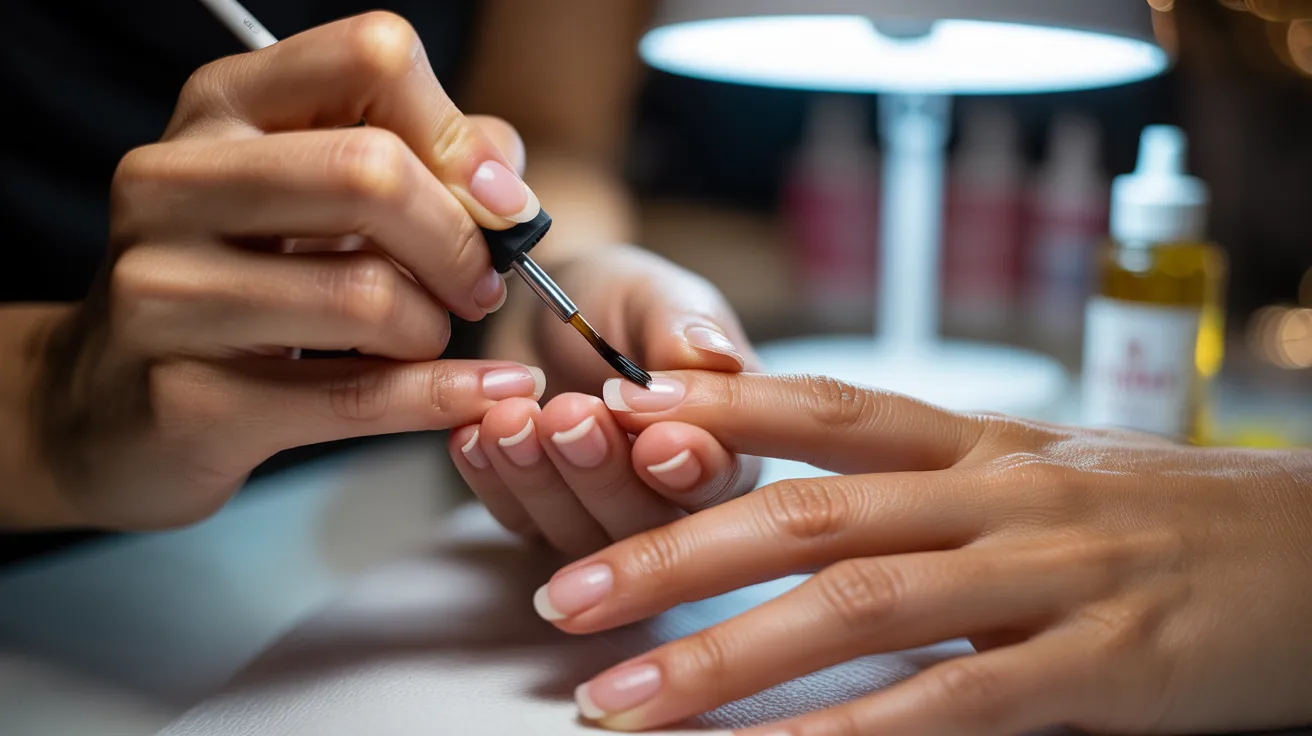
Once I started applying thinner layers, the burning dropped significantly. It really is that simple most of the time.
Here’s what actually works:
- Apply in thin layers: Never try to build everything in one thick coat. Two or three thin layers cure far more comfortably than one thick one.
- Switch to an LED lamp: If you’re still using a UV lamp, an LED upgrade can make a real difference in heat intensity.
- Hydrate your nails: Use cuticle oil daily. Healthy, moisturized nails are less sensitive to the heat from curing.
- Don’t over-cure: Stick to the recommended curing time. More time under the lamp doesn’t mean better results.
- Patch test new brands: Before using a new gel formula on a full set, test it on one nail first.
- Cure in short bursts: Split the curing time into two shorter rounds. This gives your nails a small break and reduces the overall heat spike.
Small adjustments like these make the whole experience much more comfortable without affecting the quality of your nails.
Conclusion
That burning sensation doesn’t have to be part of your gel experience. It’s not something you just put up with.
Now that you know why does builder gel burn, you have everything you need to fix it. One small change at your next appointment can make a real difference.
Try it. See the difference for yourself.
And if you’ve already cracked the code on stopping the burn, drop your tip in the comments.
Your experience might save someone else from a painful salon visit. I read every comment and would love to hear from you.
Frequently Asked Questions
Does burning happen with all builder gels?
Not all builder gels cause the same level of burning. The sensation depends on the gel’s formula, how thick the layer is, and the type of lamp being used.
Can burning damage my nails?
A mild heat spike during curing is usually harmless and temporary. However, repeated intense burning over time can gradually weaken the nail plate and cause sensitivity to worsen.
Is it normal for builder gel to burn under UV?
A slight warmth is considered normal during the curing process. Severe or sharp burning is not normal and usually points to layers that are too thick or a lamp that’s too powerful.
How can I stop builder gel from burning?
Apply thinner layers, switch to an LED lamp, and keep your nails well-hydrated between appointments. These three changes alone can significantly reduce the burning sensation.
Does nail prep affect the burning sensation?
Yes, dehydrated or over-buffed nails are far more sensitive to heat during curing. Proper nail prep and daily moisturizing help protect the nail plate and reduce discomfort.