Safety of Dental X‑Rays for Children: What Parents Should Know

Many parents have concerns about the safety of dental X-rays for kids. These concerns need to be addressed to ensure the children get the appropriate dental care when needed.
Research has shown that kids’ teeth X-ray pose no harm to the child. In fact, X-rays benefit the child’s dental health tremendously, and the risks can be addressed by dental professionals. At Smiles+Grins, we educate parents regarding X-rays and help them make decisions to stay safe.
How Dental X‑Rays Work
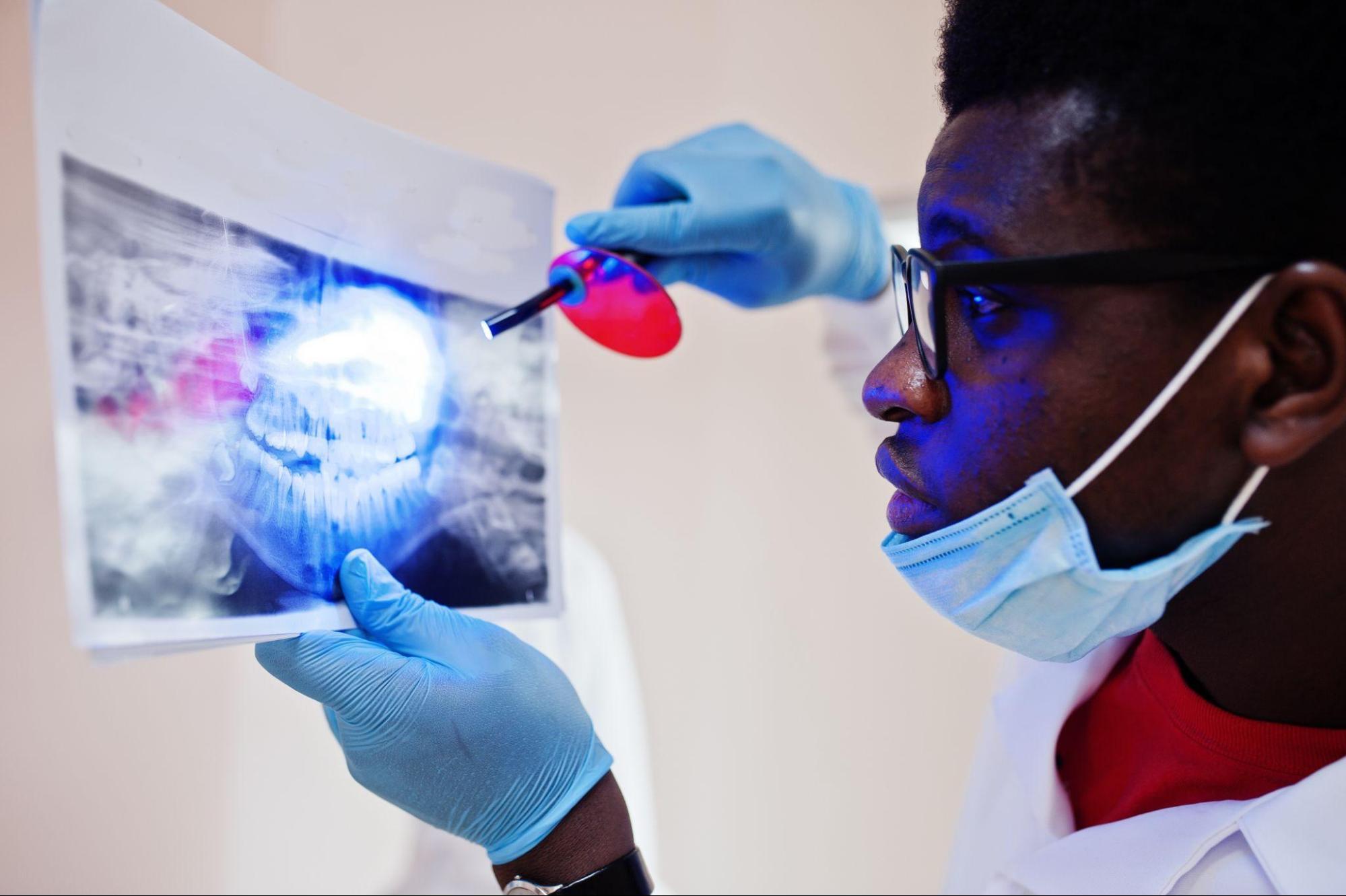
Dental X-rays work by sending ionizing rays through tissues to a film. Harder tissues like bones and teeth block more rays and appear white, while softer tissues appear dark. The difference in appearance allows dentists to detect abnormalities.
Are dental X-rays safe for children? X-rays are harmless, quick, and an excellent tool for preventative care.
Radiation Exposure in Children
Children have tender skin, but the radiation from X-rays has been shown to be negligible. To put it in perspective, you get as much X-ray from a dental exposure as you get moving from one city to another during a flight.
Children have tender bodies, and they are naturally more prone to having issues after an X-ray. However, the radiation from X-rays is very small and negligible.
At Smiles+Grins, using digital X-rays instead of film X-rays reduces radiation to the child by as much as 90%. As a result, dental X-rays for kids are an important diagnostic tool in dental practice.
Types of Dental X‑Rays for Children
There are several types of children’s dental radiographs that are specifically designed to meet the needs of the pediatric population while using a minimum amount of radiation.
A bitewing X-ray shows the spaces between the teeth and detects any cavities in the teeth. It also shows the height of the bones around the teeth.
A peripical X-ray shows the entire dimension of the teeth. It is recommended when the dentist suspects there is an infection or trauma to the teeth.
Cone-Beam Computed Tomography (CBCT) shows a 3-dimensional image of the tooth. It can be very useful in a more complex evaluation.
The amount of radiation produced in all of these procedures is very low compared to other medical xrays.
Measures to Minimize Risk
Dentists take a number of precautions to make sure that the X-rays that are taken are safe for children. These measures generally involve one or two of the following:
- Digital Sensors
- Lead Aprons and Thyroid Collars
- Child-Specific Settings
- How is the frequency of exposure
- Alternative Diagnostics
Signs Parents Should Monitor
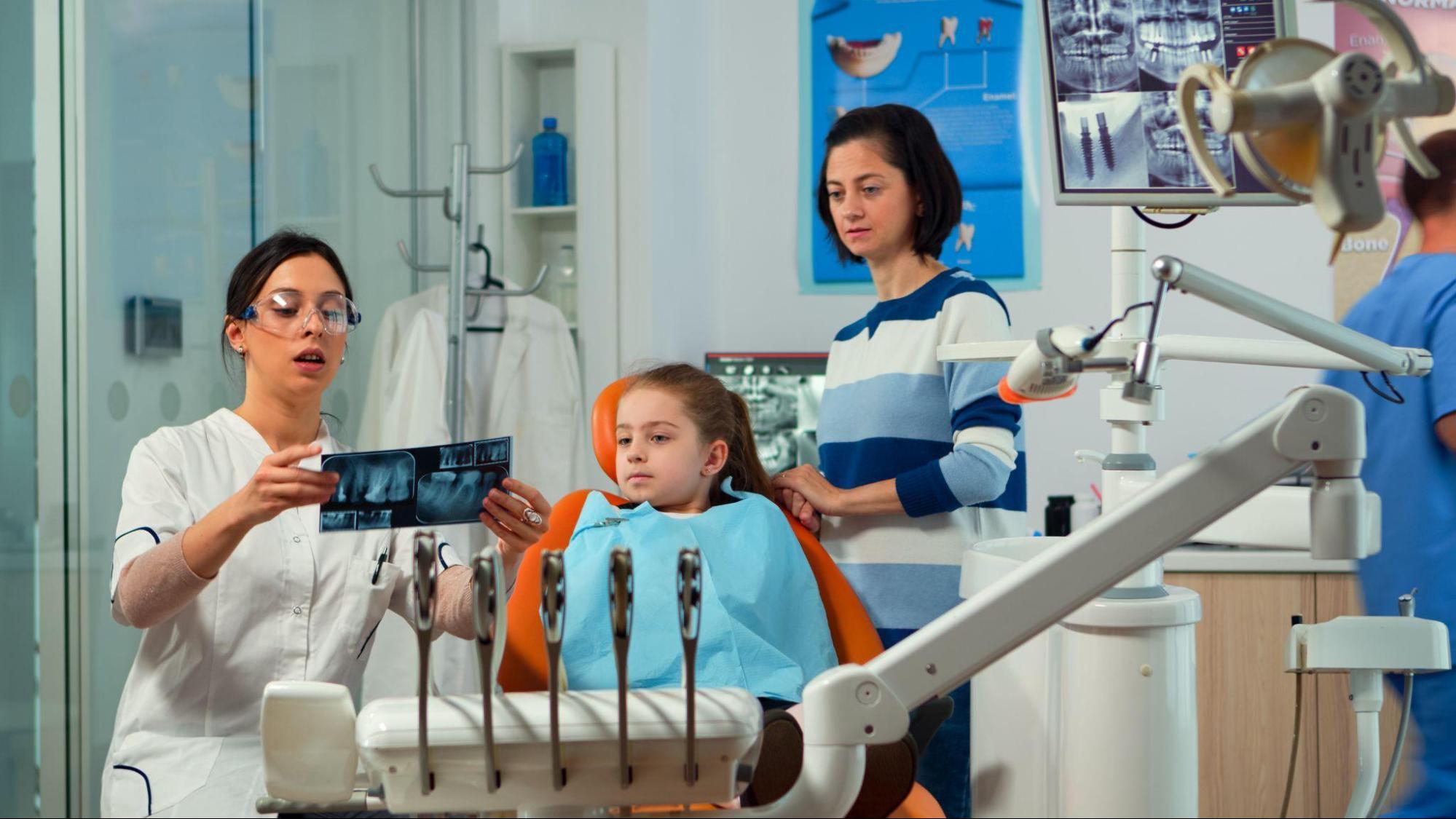
X-rays are safe for both kids and adults as long as they are done by a trained specialist. Even so, parents should tell the dentist if they are worried about how much their child is being exposed to.
A good pediatric dentist will ask about the medical history of the patient and verify if they have been exposed to X-rays recently before they are asked to do one. At Smiles+Grins, we pride ourselves on helping patients make the right decision in all dental procedures.
Addressing Parental Concerns
Many people have different concerns about dental X-rays, but most are linked to the cancer myth. All of the cancer concerns are blown out of proportion. So it is worth it to get an X-ray done rather than erring on the side of getting a serious dental condition.
Ask for your child’s X-ray exposure records, change your dentist to an all-digital practice, or get a second opinion if concerned. Radiation exposure from dental X-rays is trivial and relatively easy to understand. One year’s dental X-rays for kids are no more than the amount of radiation one receives on a single flight.
Your dental X-ray provider can ease your concerns if they are aware of your concerns and can then explain in greater detail the purpose of each individual X-ray and the necessary positioning for it. We try to educate parents to the best extent possible to help alleviate unnecessary concern and fear.
In conclusion
Dental X-rays for children are a very important, very safe tool when used wisely. They allow for early detection of many problems that could affect dental health for years to come. By using digital technology, safety features, and examining each child on a case-by-case basis, radiographs can be obtained that protect and serve the purpose of helping your child have a healthy smile.
But are X-rays of teeth safe for kids? Yes, the child is only exposed to a small amount of radiation, but it is really good for their dental health.
Has your youngster had an X-ray of their teeth? What was the experience like?