Shellac vs Gel Nails Everything You Need to Know

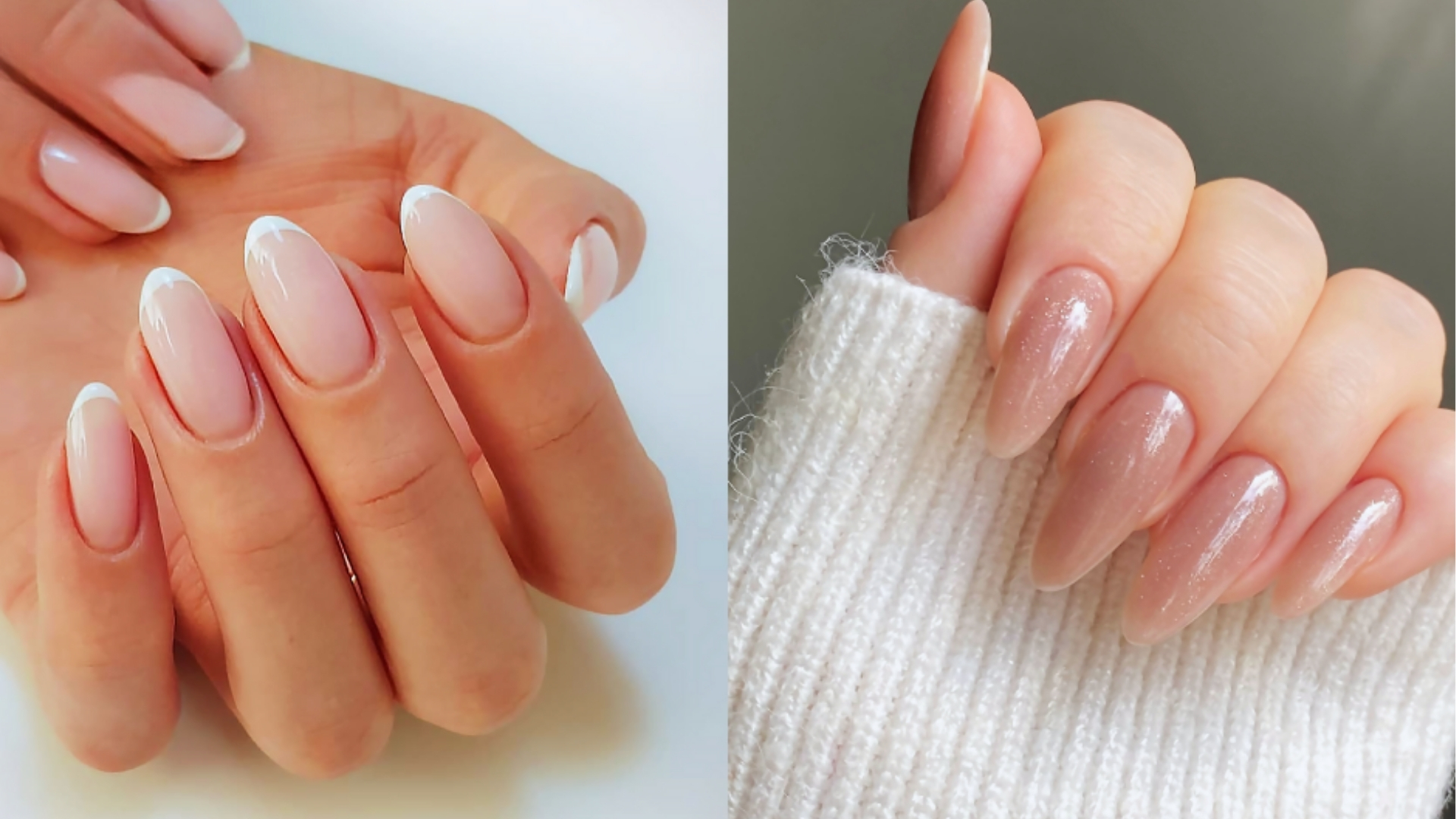
I’ve sat in that salon chair, staring at the menu, completely unsure whether to pick shellac or gel nails. If you’ve been there too, this article is for you.
Here, I’ll break down exactly what sets these two apart, from formula and application to removal and cost.
By the end, you’ll know which one fits your lifestyle. I’ve done the research so you don’t have to.
Shellac vs gel nails is one of the most common questions in nail care, and I’m here to clear it all up.
Why Shellac and Gel Nails Are Often Confused
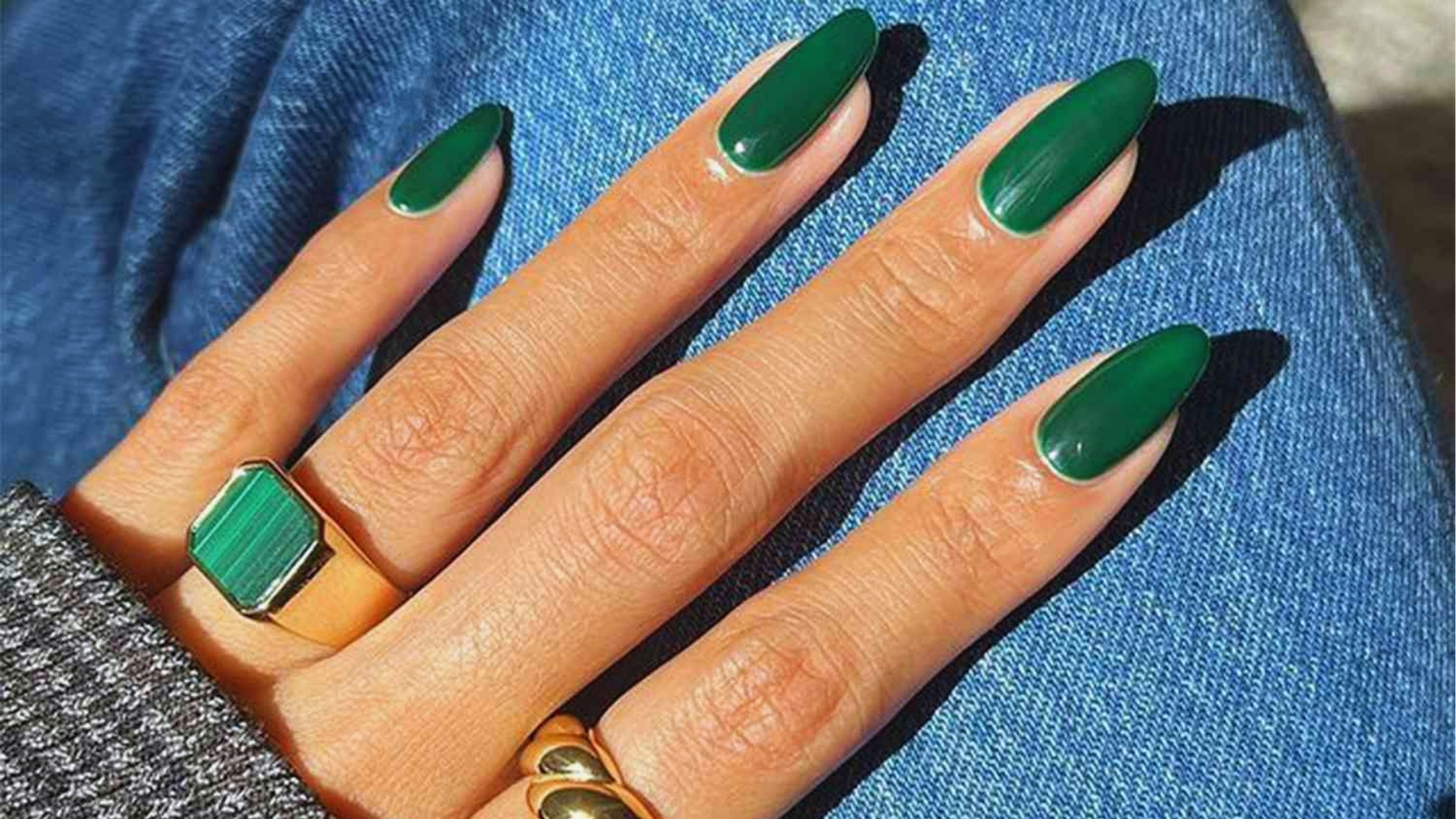
Both shellac and gel nails look similar on the surface. Both last longer than regular polish, and both need UV or LED light to cure. So it’s easy to see why people mix them up.
But they are not the same thing. The real differences show up in their formula and thickness, how long each one lasts, how they are removed, and what they can actually do for your nails.
Once you understand these differences, picking the right one becomes a lot easier. This section breaks it all down so you can stop guessing and start choosing with confidence.
What Are Shellac Nails?

Shellac is a hybrid nail product that sits between regular polish and full gel. It combines both formulas to create a thin, lightweight coat that lasts much longer than standard polish.
What makes it stand out is how simple the application is. It goes on just like regular nail polish, brushed on in thin layers and cured under a UV or LED lamp after each coat.
There is no heavy prep work involved. A light buff is all your nails need before you start. The whole process is straightforward, quick, and easy to manage at any salon.
What Are Gel Nails?
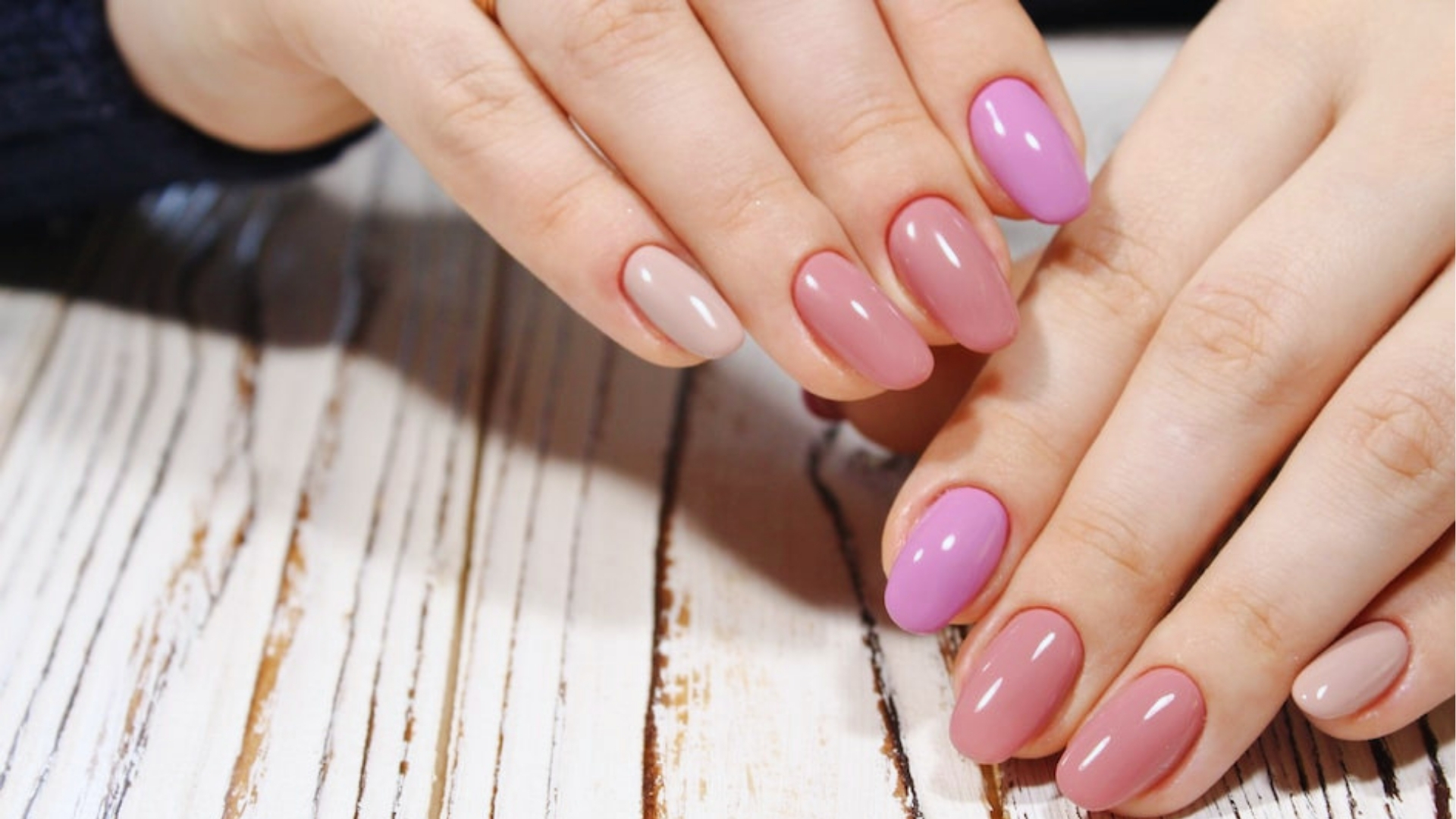
Gel nails use a pure gel formula, which makes them different from shellac’s hybrid mix.
They come in two types: soft gel and hard gel.
Soft gel is more flexible, while hard gel is stronger and can support nail extensions. The application process takes more steps than shellac.
Each layer, including the base coat, color, and top coat, is applied and cured separately under a UV or LED lamp.
This takes longer to complete but the result is worth it. You get a thicker, more durable finish that holds up well and lasts significantly longer than shellac.
Shellac vs Gel Nails Key Differences
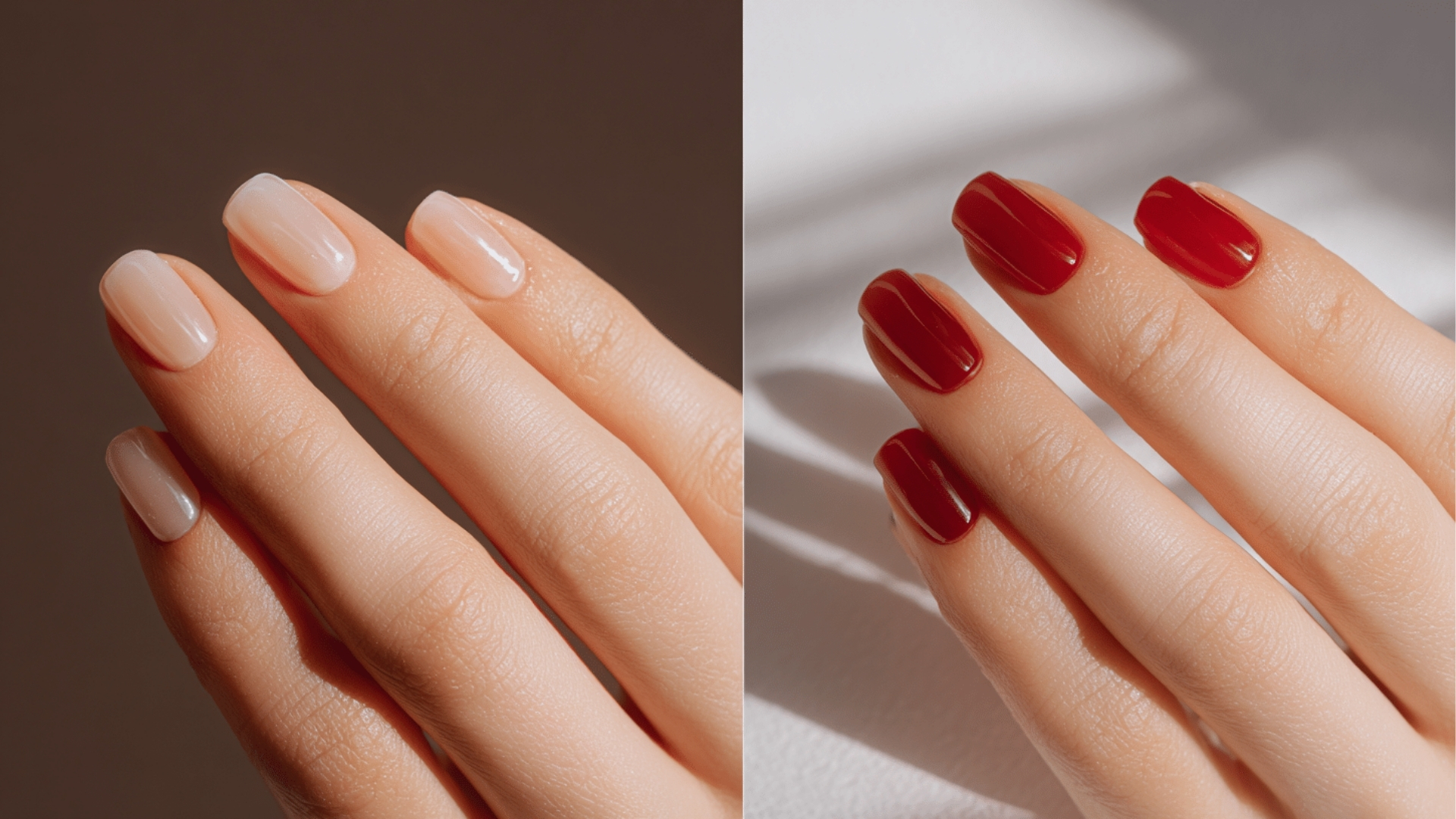
A side-by-side look at what really separates these two nail systems.
| Category | Shellac Nails | Gel Nails |
|---|---|---|
|
Durability & Wear Time |
Typically lasts around 2 weeks before it starts to grow out or lose shine. It may show slight chipping earlier with heavy daily use. |
Usually lasts 3 to 4 weeks, making it a longer-lasting option for people who want extended wear without frequent salon visits. |
|
Thickness & Strength |
Applies in a thin, lightweight layer that sits close to the natural nail, giving a very natural and flexible finish. |
Creates a thicker, more durable coating that adds structure and strength, making nails more resistant to breakage. |
|
Nail Extensions |
Cannot be used for extensions. It is designed only for improving the natural nail with color and shine. |
Can support nail extensions, especially hard gel, which can build length and shape for customized nail designs. |
|
Application Process |
Applied like nail polish in thin coats and cured under UV/LED light between layers, making it relatively quick and simple. |
Requires a multi-step application process, including base gel, builder layers, and curing after each stage. |
|
Removal Process |
Easier to remove by soaking in acetone without heavy filing, making it generally gentler on natural nails. |
Requires soaking plus light filing to break the gel layer, making removal more time-consuming. |
|
Finish & Look |
Gives a natural, glossy, and lightweight finish ideal for a subtle manicure look. |
Provides a glossier, more polished, and salon-finished appearance with more customization options. |
|
Best For |
People who want a low-maintenance, natural-looking manicure with easy removal. |
People who want long-lasting, stronger nails or extensions with a more durable finish. |
Application Process Compared
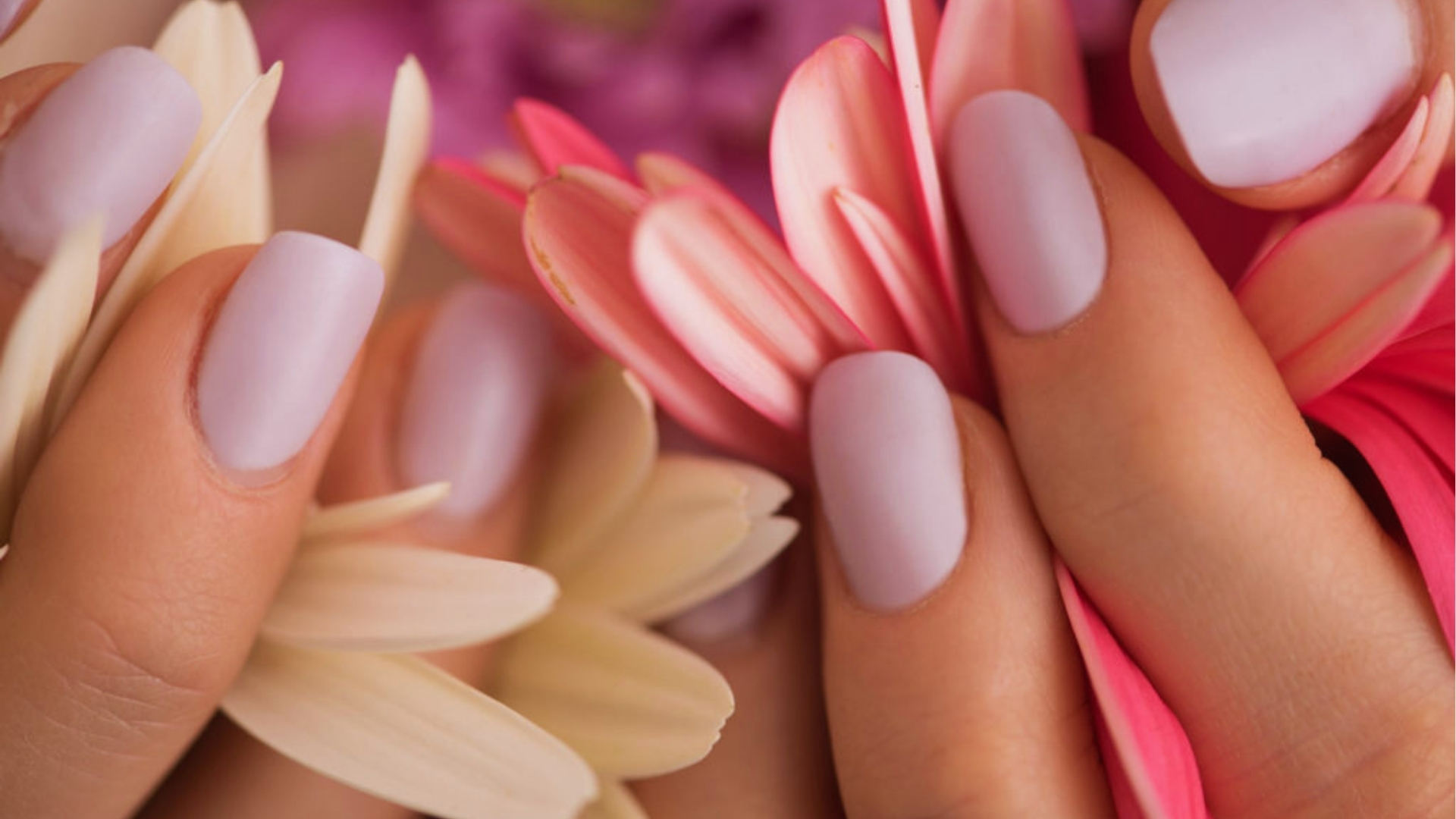
Time in the chair varies; shellac is quicker, gel takes more steps.
Shellac Application
Shellac is fast. Most salons can apply it in under 45 minutes. There is minimal prep, just a light file and clean. No base layers or complicated steps are needed.
It is a great choice if you are short on time or just want a quick, clean finish without sitting in the salon for too long.
Gel Nail Application
Gel takes longer. Each layer needs to be cured before the next goes on. The full process can take an hour or more depending on the salon.
The base coat, color coats, and top coat all require separate curing time under the lamp. But the result is thicker, stronger nails that hold up much better over time.
Removal Process Compared
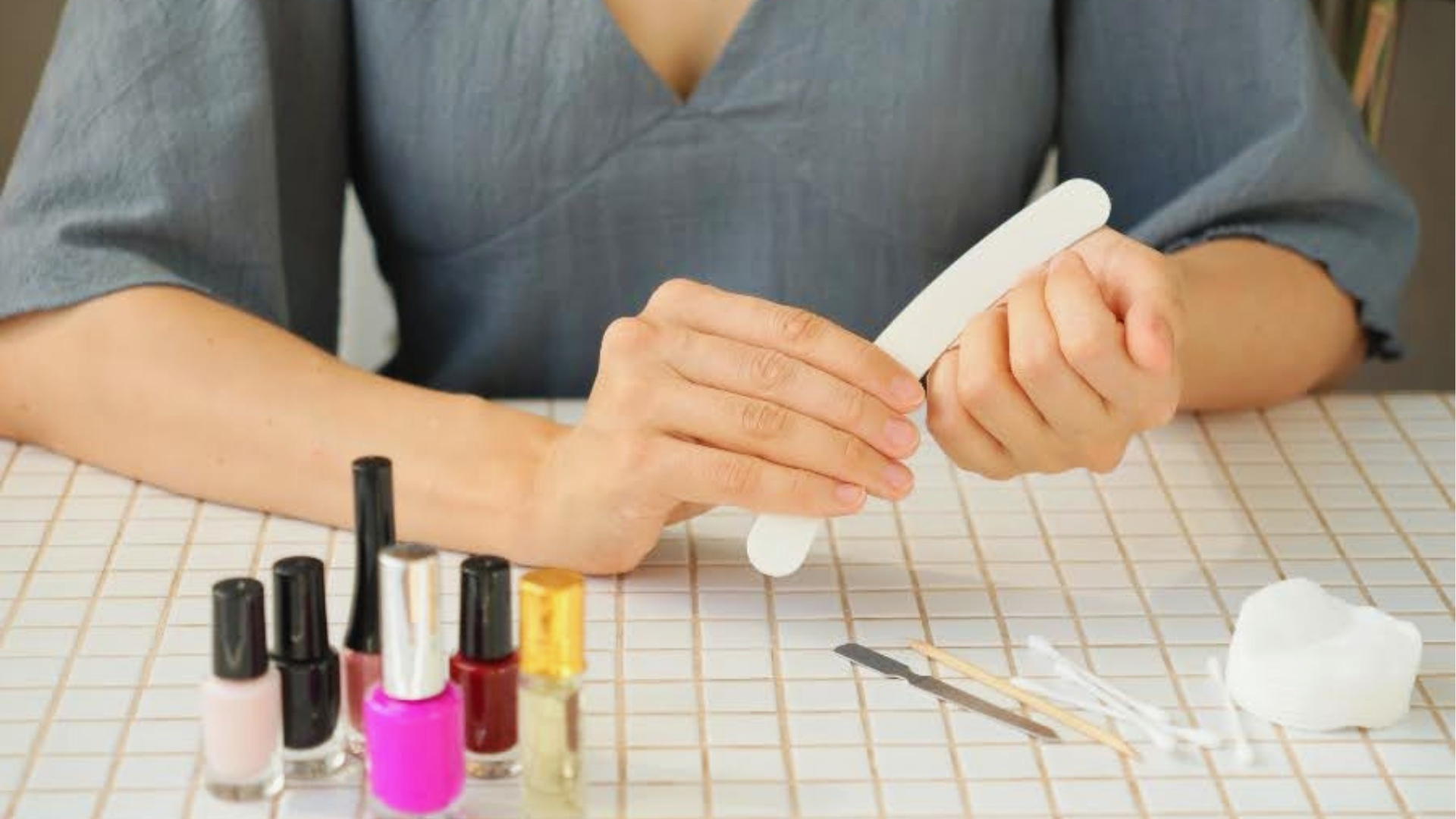
How you take them off matters just as much as how they go on.
Shellac Removal
Shellac soaks off with acetone in about 10 to 15 minutes. You wrap the nails, wait, and the product slides off gently without much effort.
There is no filing involved, which means less stress on the natural nail. It is one of the easiest and most gentle removals in nail care, making it ideal for people with sensitive or thin nails.
Gel Removal
Gel requires more work. The top layer needs to be filed down first to break the seal before anything else. Then acetone wraps are applied and left on for 20 to 30 minutes.
The process is more time-intensive and needs to be done carefully. Rushing it or picking at the gel can cause real damage to the natural nail underneath, so patience is key.
Cost Comparison
Budget plays a role; here is what to expect at the salon.
Shellac Pricing
Shellac services are usually more affordable than gel. The process is quicker and uses fewer materials, which keeps the cost down.
Touch-ups and removals are also cheaper. If you are someone who likes switching up your nail color every couple of weeks, shellac will save you more money in the long run.
Gel Pricing
Gel costs a bit more per appointment. The longer service time and stronger materials push the price up. However, since gel lasts three to four weeks, you end up visiting the salon less often.
For many people, the longer wear time makes the slightly higher cost feel worth it over time.
Tips for Choosing the Right One
Not sure which to book? Here’s a simple way to decide.
- Pick shellac if you love changing your nail color often and want easy, quick removal
- Go with shellac if you prefer a natural, lightweight finish on a tighter budget
- Choose gel if you need nails that stay chip-free for three to four weeks
- Opt for gel if you want stronger nails or are interested in adding extensions
- Gel is also the better pick if you do not mind spending more time at the salon for longer-lasting results
Conclusion
Honestly, I’ve tried both, and the right pick really comes down to your life. If you love changing up your color every couple of weeks, shellac is your friend.
If you need nails that survive a busy schedule or a vacation, go with gel. Shellac vs gel nails doesn’t have to be a hard call once you know what you need.
I hope this helped make the choice clearer for you. Drop a comment below and tell me which one you’re going with!
Frequently Asked Questions
Is shellac better than gel for thin nails?
Yes, shellac is gentler on thin or weak nails. Its lightweight formula puts less stress on the nail plate compared to thicker gel products.
Can shellac be used to extend nail length?
No, shellac only works on the natural nail. If you want added length, gel, especially hard gel, is the right option for extensions.
How long does shellac last compared to gel?
Shellac lasts about two weeks on average. Gel nails can stay chip-free for three to four weeks, making them the longer-lasting choice.
Does gel damage nails more than shellac?
Gel removal involves filing, which can thin the nail over time if done roughly. Shellac removal is gentler, so it tends to cause less damage with regular use.
Can I do shellac or gel nails at home?
Shellac is easier to apply at home with the right kit. Gel requires more skill and proper equipment. For best results, both are recommended to be done at a salon.